Flower Delivery in Ostrov: What to Expect When You Order
Ostrov is a quiet Pskov Oblast town where a well-timed bouquet can feel like a small event. Whether you are sending flowers to a relative celebrating a birthday, surprising a partner on an ordinary Tuesday, or marking a school graduation, the gesture lands differently when the flowers arrive fresh, full and exactly when you promised. This guide walks you through everything that shapes that experience — from how we reach Ostrov to which flowers travel the distance best.
Who Receives Flowers in Ostrov and What They Will Feel
Ostrov sits on the Velikaya River about fifty kilometres south of Pskov. It is a town where people know each other, which means a flower delivery is noticed — by the recipient, by neighbours, sometimes by the whole street. That social warmth is worth keeping in mind when you choose what to send. A generous, well-arranged bouquet carries more weight here than a minimal arrangement, because it signals that the sender thought carefully and did not cut corners.
The most common occasions we see from Ostrov orders are birthdays, anniversaries, teacher appreciation days and the first and last school bells — September 1st and the end-of-year ceremony in late May. Russian gift culture places real importance on odd numbers of stems, so bouquets of five, seven, eleven or fifteen flowers are the norm. Even numbers are traditionally associated with mourning, so a bunch of ten roses, however beautiful, would feel out of place at a birthday table.
Think about the recipient's home as well. A retired grandmother in a small flat appreciates a compact, fragrant bouquet she can place on the kitchen windowsill — something like five garden roses with eucalyptus. A young woman in her twenties might love a loose, airy arrangement of ranunculus, lisianthus and dried pampas grass. Matching the bouquet to the person, not just the occasion, is what turns a delivery into a memory.
Bouquets we can deliver
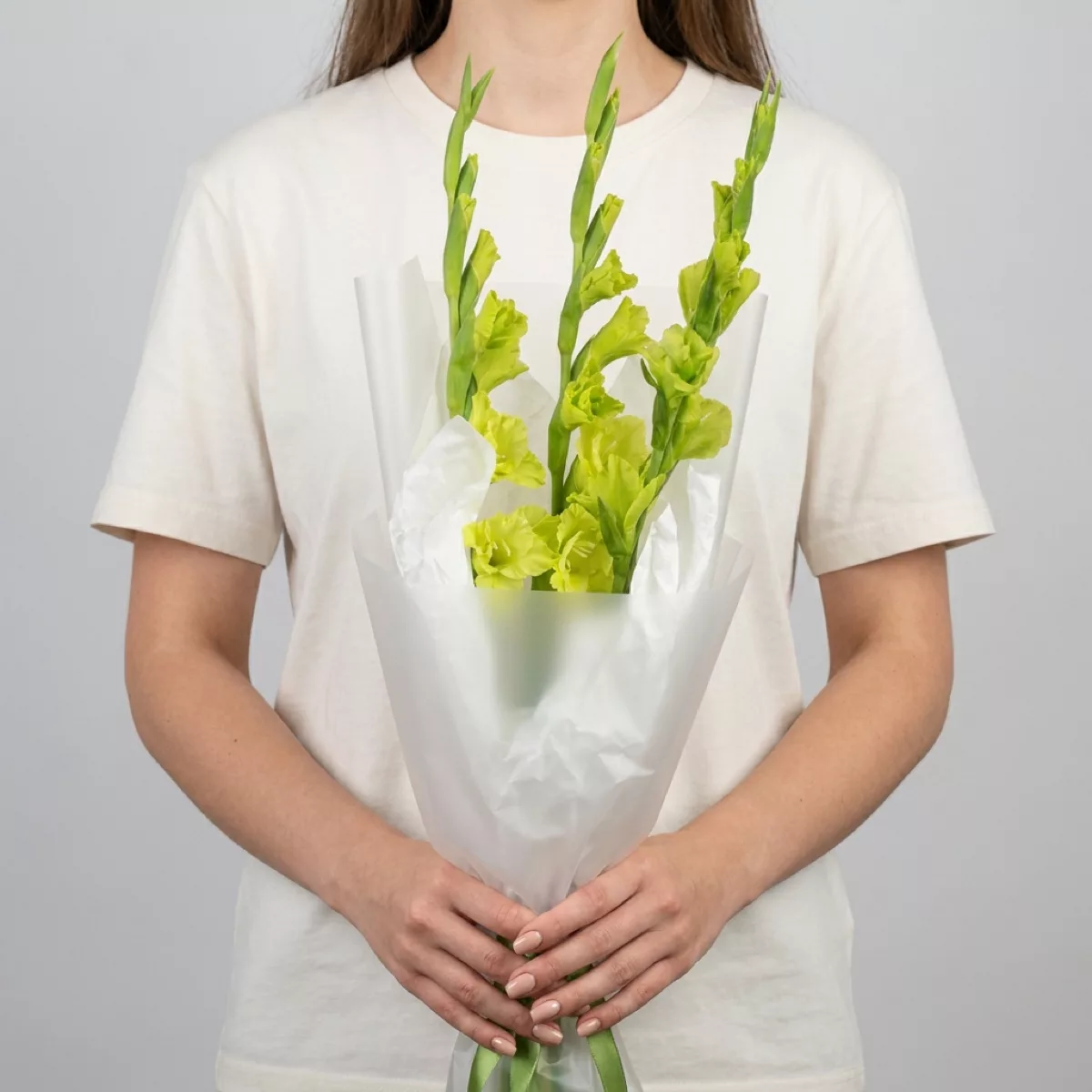

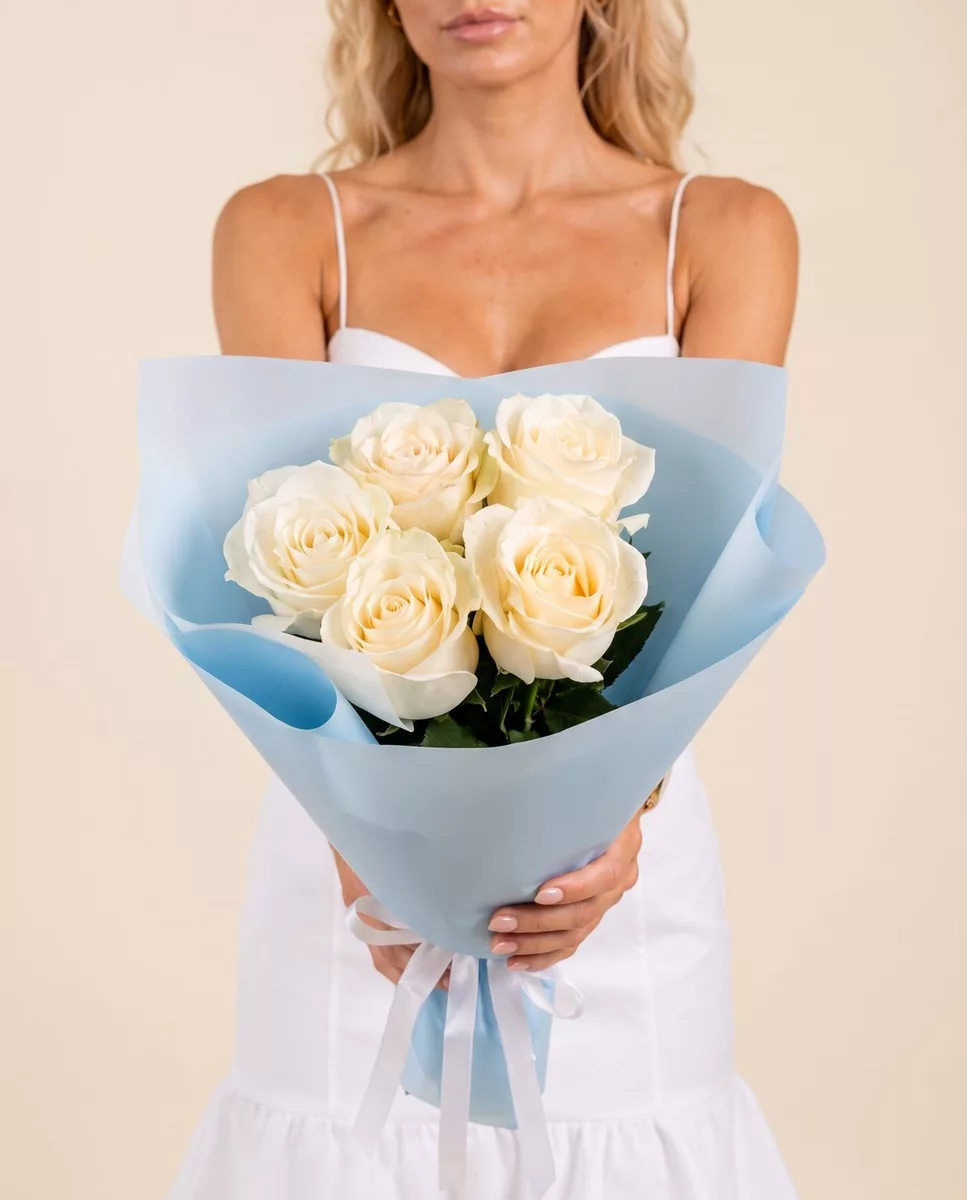

Choosing the Right Bouquet for the Situation
Start with the relationship, then the occasion, then the season. For a close family member — a mother, grandmother or sister — warmth and abundance matter most. Full-headed garden roses, peonies in season (late May through June), or a lush mixed bouquet with alstroemeria and spray chrysanthemums all read as generous and heartfelt. These are flowers that fill a room and hold their shape for days.
For a colleague, a teacher or a new acquaintance, something lighter and less intimate works better. A clean arrangement of white or cream tulips in spring, or a single-variety bunch of freesias in summer, strikes the right balance between thoughtful and appropriate. Freesias are particularly good for professional situations because they carry a gentle fragrance without being overpowering in a shared office or classroom.
For romantic occasions, red and deep-pink roses remain the classic choice in Russian tradition, but burgundy peonies, coral ranunculus or a mixed bouquet in terracotta and blush tones feel more contemporary and are increasingly popular with younger recipients. If you are not certain of the recipient's taste, a neutral palette — whites, creams and soft greens — is almost never wrong and photographs beautifully.
Season matters practically, not just aesthetically. Tulips and ranunculus are at their best from February through April. Peonies peak in late spring. Sunflowers and dahlias are summer and early autumn flowers. Ordering in-season varieties means the flowers have not been stressed by long cold storage, which directly affects how long they last after delivery.
Budget Ranges and What Each One Gets You
You do not need to spend a great deal to send something beautiful, but it helps to know what different spending levels actually look like in the vase. At the lower end of the range, you are working with single-variety bouquets: five or seven stems of alstroemeria, a bunch of spray roses, or a simple tulip arrangement. These are cheerful, fresh and entirely appropriate for a casual birthday or a thank-you gesture. Alstroemeria in particular punches above its weight — it lasts ten to fourteen days in a vase and comes in warm pinks, oranges and yellows that photograph well.
In the mid range, combinations become possible. A florist can pair garden roses with lisianthus and add a soft green filler like ruscus or pittosporum. This layering of textures is what gives a bouquet its depth and makes it look considered rather than assembled. Seven roses with lisianthus and a ribbon-tied kraft paper wrap is a reliable choice that suits almost any recipient over thirty.
At the higher end, you unlock larger stem counts, premium varieties and more elaborate presentation. Ecuadorian roses with heads four to five centimetres across, David Austin-style garden roses, or a mixed seasonal arrangement with peonies, ranunculus and eucalyptus all fall here. Presentation shifts too — a hatbox, a craft-paper dome or a structured round bouquet rather than a simple bunch.
Whatever your budget, the most important thing is fresh conditioning. Flowers that were cut and hydrated properly that morning will outlast an expensive bouquet that sat in a warm van for three hours.
Delivery Timing: What the Journey from Saint Petersburg Looks Like
Ostrov is approximately 280 kilometres from Saint Petersburg by road, following the M20 highway south through Pskov. The drive under normal conditions takes between three and three and a half hours. This is not a same-day delivery in the sense of arriving within an hour, but it is a same-day delivery in the sense that an order placed in the morning can reach Ostrov by early afternoon, and an order placed by midday can arrive by evening.
We plan the route to minimise time in transit and protect the flowers from temperature stress. In summer, the inside of a vehicle can reach temperatures that damage delicate petals within thirty minutes — ranunculus and peonies are especially sensitive. Our deliveries use temperature-managed transport, keeping the flowers between four and eight degrees Celsius during transit. In winter, the risk reverses: frost damage can occur if flowers are left unprotected even briefly in sub-zero air. We wrap bouquets in insulating kraft and deliver directly to the door.
When you place an order, you will be asked for a delivery window rather than an exact minute. A two-hour window is standard for Ostrov. If the recipient is at work during the day, it is worth coordinating so the flowers do not sit outside a locked door in July heat or a January frost. We recommend leaving a note in your order if the recipient should be called before the driver arrives — this small step prevents most failed deliveries.
Orders placed before noon on weekdays have the highest chance of same-day delivery to Ostrov. Weekend deliveries are available but should be booked the evening before.
What Affects Freshness on a Long-Distance Delivery
Distance is not the enemy of freshness — poor preparation is. Flowers that are cut, conditioned in water for several hours, then wrapped correctly and kept cool can travel three hundred kilometres and arrive looking as though they just left the greenhouse. The critical steps happen before the bouquet goes into the vehicle, not during the drive.
Conditioning means cutting the stems at a forty-five-degree angle under water to prevent air bubbles blocking the stem, then standing the flowers in clean, cool water with a sachet of flower food for at least two hours. This allows the stems to hydrate fully before they are wrapped. A flower that goes into transit already stressed — from a warm display cooler, a dry workroom or stems cut hours ago without water — will not recover on arrival.
Wrapping matters too. Soft tissue around the heads prevents petal bruising from vibration. A water-retaining base — a small wet sponge or damp paper at the stem ends — keeps the flowers hydrated for the duration of the journey. Kraft paper over the top protects from light and temperature fluctuation.
On arrival, the recipient should unwrap the bouquet immediately, re-cut the stems by one to two centimetres at an angle, and place them in a clean vase with fresh water and the flower food sachet included with the delivery. Keeping the vase away from direct sun, radiators and fruit bowls — ethylene gas from ripening fruit accelerates wilting — extends vase life noticeably. Roses and alstroemeria kept this way will last seven to twelve days; lisianthus and spray chrysanthemums often reach fourteen.
Typical Mistakes People Make When Ordering to Ostrov
The most common mistake is ordering too late in the day without checking whether same-day delivery to Ostrov is still available. Because the town requires a dedicated route rather than a short local run, there is a cut-off time that is earlier than for Saint Petersburg itself. If you miss it, the flowers will arrive the following morning — which may still work for a birthday, but not for a surprise dinner that evening. Check the cut-off when you place the order, or call us directly if you are unsure.
The second mistake is choosing flowers that are wrong for the season. Ordering peonies in October or tulips in August means the flowers have either been in cold storage for months or sourced from a distant growing region under stress. They may look acceptable in a photo but will open and drop within two days. Asking the florist what is genuinely fresh that week takes thirty seconds and makes a real difference.
A third mistake is providing an incomplete address. Ostrov has several residential districts and some streets share similar names with nearby villages. Including the full postal address with building number and apartment number, plus the recipient's phone number, prevents the driver from having to make multiple calls to find the right door. A note about access — gate codes, a second-floor entrance, a dog in the yard — is always helpful.
Finally, some people forget to include a card message. In Russian tradition, the card is read aloud or shared with family. A blank card, or no card at all, leaves the recipient uncertain about the sender's intentions. Even a short, warm sentence makes the bouquet feel complete.
Keeping Flowers Fresh After They Arrive in Ostrov
The vase life of a bouquet depends almost entirely on what the recipient does in the first fifteen minutes after unwrapping. Most flowers arrive slightly thirsty from transit, even in good conditions. The fastest way to revive them is a clean diagonal stem cut and immediate placement in cool, clean water. Tap water in Ostrov, as in most Russian towns, is safe for flowers but benefits from the flower food sachet we include with each order — it adjusts pH and provides a mild antibacterial agent that keeps the water clear.
Change the water every two days and re-cut the stems each time. This sounds fussy but takes under three minutes and doubles vase life for most varieties. Roses in particular benefit from this routine: their stems form a callus at the cut end within forty-eight hours that slows water uptake, and a fresh cut restores full hydration.
Room temperature matters. A bouquet on a windowsill in a warm, sunny room in July will last three to four days. The same bouquet in a cool hallway or a north-facing room will last eight to ten. If the recipient wants to preserve the flowers as long as possible, moving them to the coolest room at night — even a hallway or unheated bathroom — adds one to two days of life.
Some varieties signal their own needs. Tulips continue to grow after cutting and will lean toward the light, so rotate the vase every day. Ranunculus prefer cool water and will droop dramatically if the room is above twenty-two degrees. Lisianthus is the most forgiving of all — it opens slowly over several days and tolerates a range of conditions that would stress other flowers.
Sending flowers to Ostrov from Saint Petersburg is straightforward when you know the timing, choose varieties that travel well and give the recipient the small amount of care information that keeps the bouquet looking its best. The distance is real but entirely manageable. What matters most is the thought behind the order — the right flowers for the right person, arriving when you said they would, wrapped well and ready to be placed in a vase. That is what we work to deliver every time.
Frequently asked questions
Can I order flower delivery to Ostrov for the same day?
Yes, same-day delivery to Ostrov is available for orders placed before noon on weekdays. Because the route from Saint Petersburg takes three to three and a half hours, there is an earlier cut-off than for city deliveries. If you are ordering close to midday, check availability when placing the order or contact us directly to confirm the earliest possible arrival window.
Which flowers hold up best on a long delivery to Ostrov?
Alstroemeria, spray chrysanthemums, lisianthus and standard roses are the most resilient for longer journeys. They tolerate temperature fluctuation better than ranunculus or open peonies and arrive looking fresh. We condition all flowers before dispatch and use temperature-managed transport, but starting with hardy varieties gives the bouquet the best chance of arriving in perfect condition.
Do I need to be home to receive the delivery in Ostrov?
Someone should be available to receive the bouquet, especially in summer or winter when leaving flowers outside risks heat or frost damage. If the recipient cannot be home, let us know in the order notes and provide a neighbour's name or a safe sheltered spot. We always call ahead before arriving so the recipient has time to come to the door.
How many flowers should I include in a bouquet for a Russian birthday?
Odd numbers are the tradition — five, seven, eleven or fifteen stems. Even numbers are associated with mourning in Russian culture and would feel out of place at a celebration. If you are ordering a mixed bouquet with multiple varieties, the total stem count should still be odd. Our florists follow this automatically, but it is good to know if you are specifying a custom arrangement.
What should the recipient do immediately after the bouquet arrives?
Unwrap the bouquet straight away, cut one to two centimetres off the stem ends at a diagonal angle, and place the flowers in a clean vase with cool water and the flower food sachet included with the delivery. Keep the vase away from direct sunlight, radiators and fruit. Change the water every two days with a fresh stem cut each time to maximise vase life.
Ready to send flowers?
Pick the city, choose the bouquet, and a local florist takes it from there.
Choose a city →