Flower Delivery in Otradny: Timing, Choices and What Arrives at the Door
Ordering flowers for someone in Otradny feels straightforward until you start wondering whether they will arrive fresh, whether the bouquet will look the way it did on the screen, and whether the person opening the door will actually be moved. These are the right questions to ask. This article walks you through every practical detail — from how long delivery takes to which flowers survive a cold hallway in February — so you can order with confidence and the person receiving the bouquet feels exactly what you hoped they would.
Where in Otradny We Deliver and Why the District Matters
Otradny is a residential district in the northern part of Saint Petersburg, stretching across several microrayons with a mix of Soviet-era panel blocks and newer residential complexes. We deliver across the whole district, including the areas around Prospekt Prosveshcheniya, Shkolnoye and the neighbourhoods closer to Ozerki. The courier route matters because it affects freshness, not just timing. A bouquet that travels fifteen minutes in a climate-controlled bag arrives in a fundamentally different condition from one that sits in an unheated van for an hour. We plan routes to keep transit time short, which is especially important for delicate flowers like garden roses, sweet peas and ranunculus that bruise if they are jostled or left in heat. Knowing the district also helps us advise on presentation. Many buildings in Otradny have intercom systems and no concierge, so the courier calls ahead and waits at the entrance. If you want the delivery to be a surprise, it is worth noting in your order that the recipient should not see the sender's name on the intercom screen — we can call from the shop number instead. Addresses with a building code or gate access should be included in the order notes. The more detail you give us, the smoother the handover, and a smooth handover is part of what makes the moment feel special rather than logistically awkward.
Bouquets we can deliver

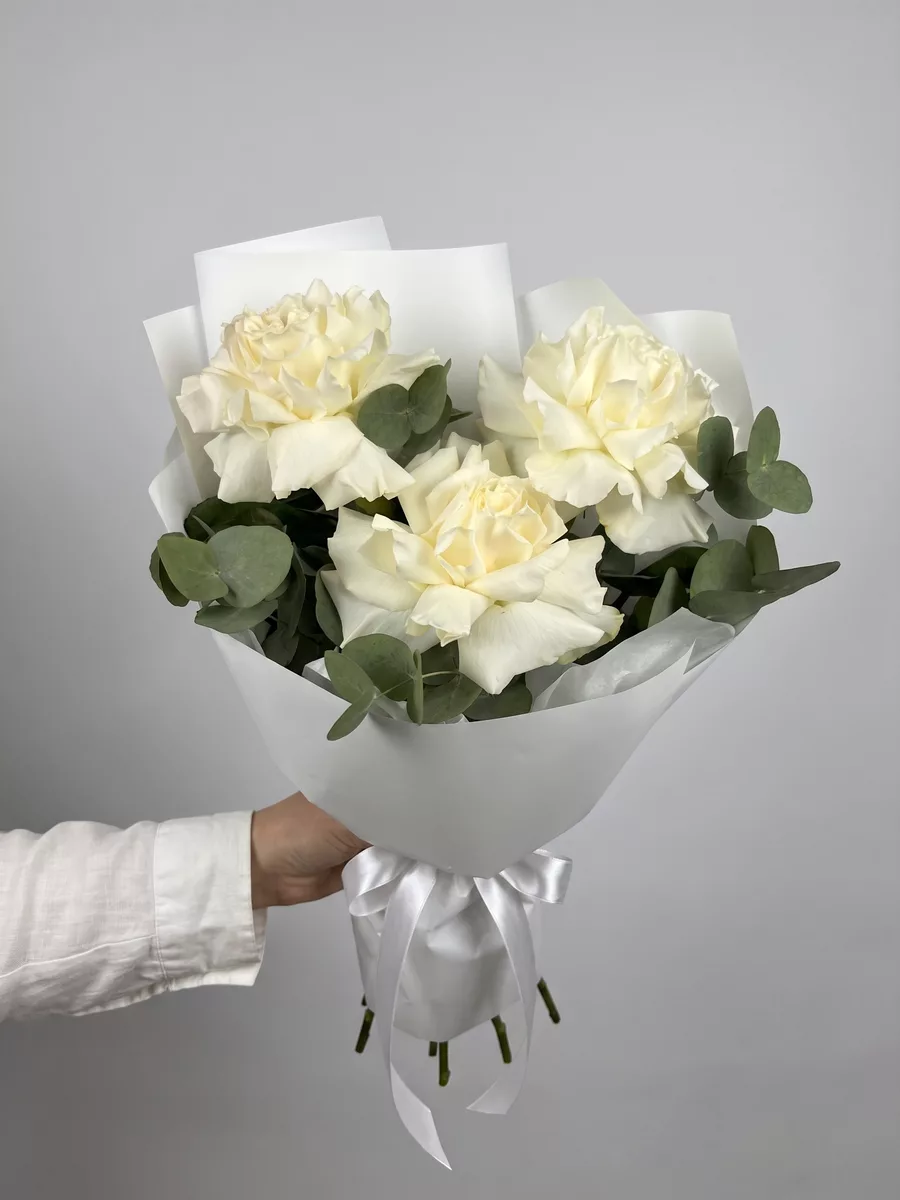
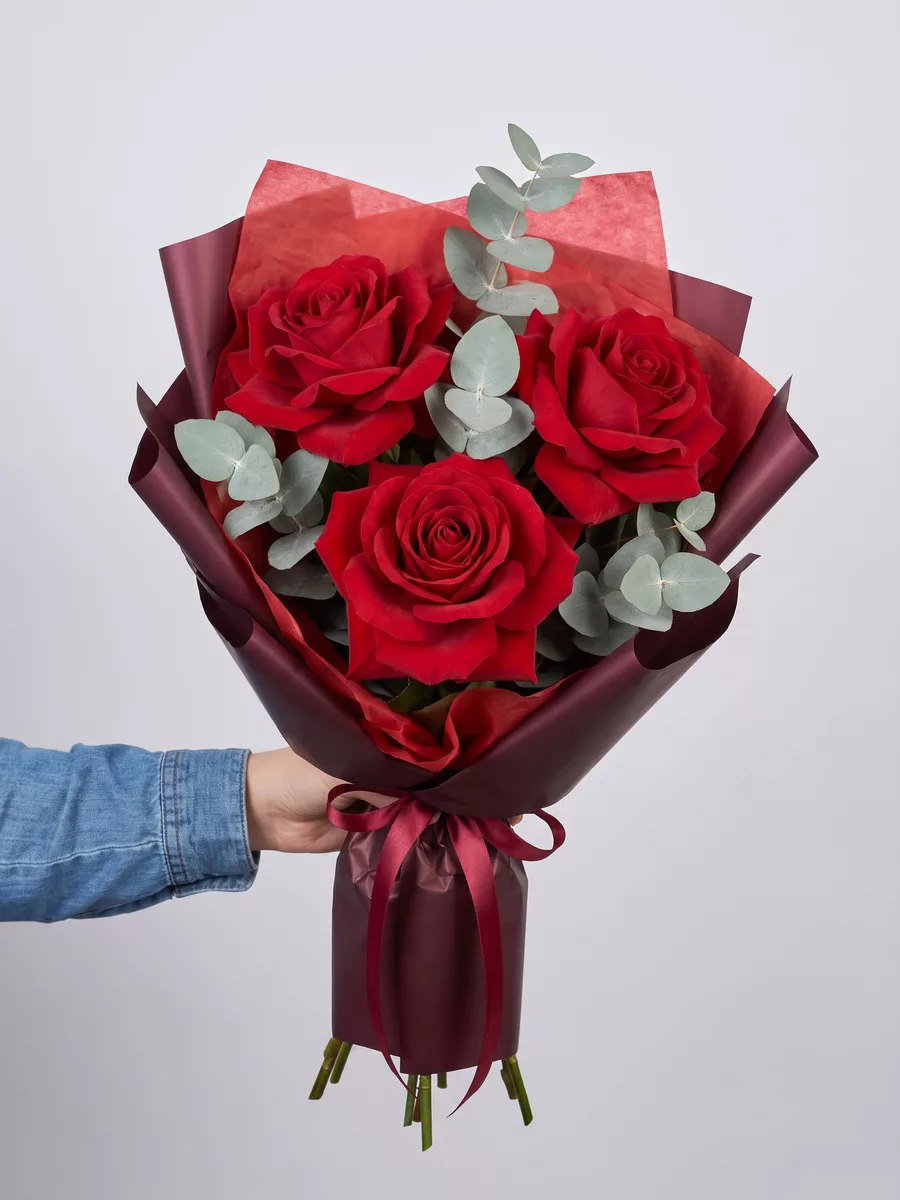
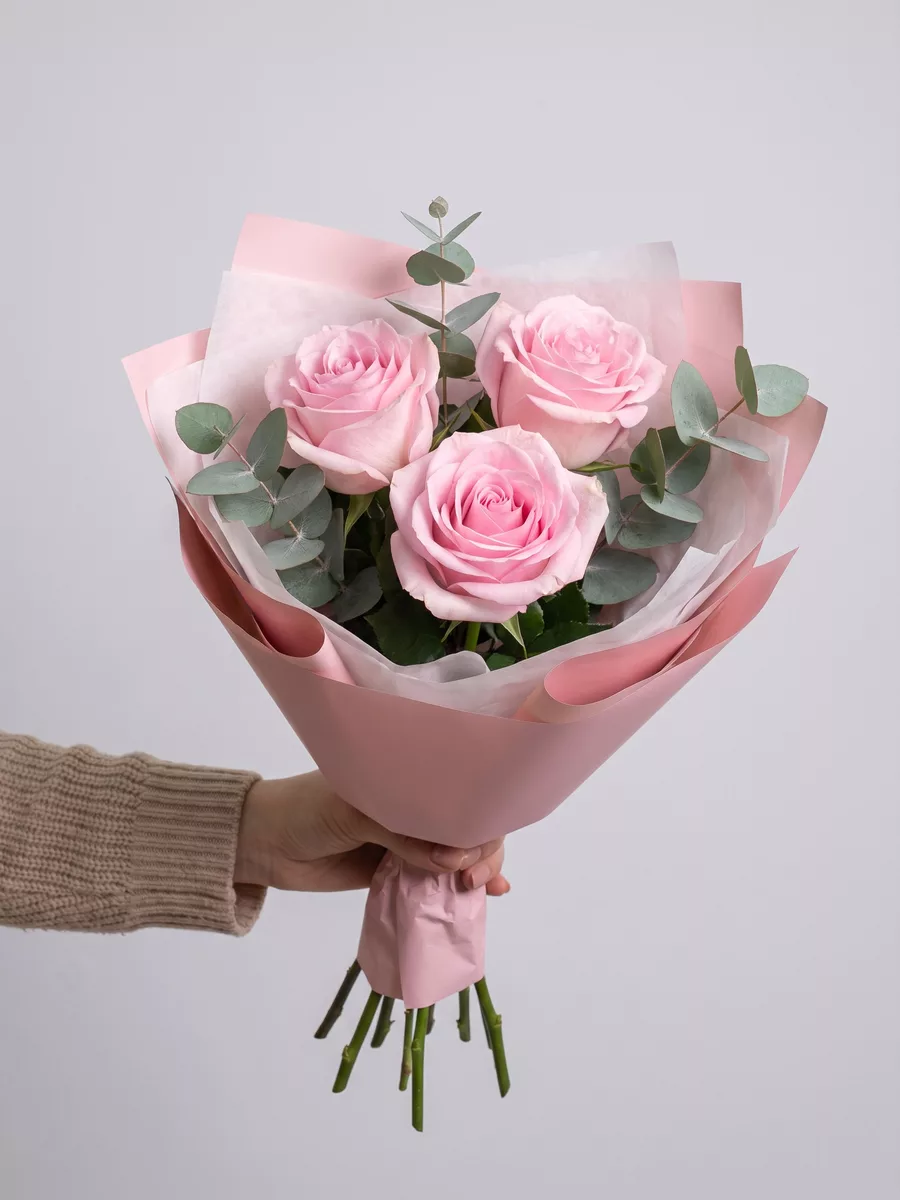
Realistic Timing: What Same-Day Delivery Actually Means Here
We aim for delivery within one to two hours of order confirmation in Otradny, and in most cases we meet that window. The honest version of that promise includes a few variables worth knowing. Orders placed before noon on weekdays move fastest because the morning prep is done and couriers are already in rotation. Orders placed after seven in the evening go out the following morning unless you have arranged a late slot in advance. Peak days — the eighth of March, Valentine's Day, the first of September — add pressure to every florist in the city. On those days we recommend ordering at least a day ahead and specifying a delivery window rather than asking for the earliest possible slot. For a birthday or anniversary where timing matters emotionally, a two-hour window in the afternoon is more reliable than requesting delivery at exactly three o'clock. If the recipient is not home, the courier will call and either wait briefly or agree a return time. We do not leave bouquets outside doors or in lobbies, because a bouquet left in a cold stairwell for an hour loses its shape and the water in the packaging drops to a temperature that shocks the stems. The goal is a bouquet that looks as good at the door as it did when it was wrapped, and that requires a real handover.
Choosing the Right Flowers for the Person, Not Just the Occasion
Russian flower-giving has a few customs that can surprise people unfamiliar with them. The most important is that bouquets are traditionally given in odd numbers — one, three, five, seven stems — with even numbers reserved for mourning. If you are ordering a mixed bouquet, our florists follow this automatically, but it is worth knowing so you understand why a bouquet of twelve roses becomes eleven or thirteen. Beyond counting, the real question is what the recipient will feel when they unwrap the paper. A grandmother in her seventies will likely love a lush, dense arrangement of spray chrysanthemums, alstroemeria and solidago — flowers she recognises and associates with warmth. A colleague celebrating a promotion may prefer something cleaner and more contemporary: a single-variety bouquet of white or blush tulips, or a structured arrangement of calla lilies. For a romantic gesture, garden roses in dusty pink or deep burgundy carry more weight than red hybrid tea roses, which have become so associated with obligation that they sometimes feel impersonal. Think about the recipient's home as well. A small studio apartment calls for a compact, upright bouquet that fits a single vase without dominating the room. A spacious flat can handle a generous, spreading arrangement of branches and blooms. When you order, tell us something about the person — their age, their style, whether they prefer colour or restraint — and we will build accordingly.
Budget Ranges and What Each One Gets You in Practice
Flower budgets translate into real differences in what arrives, and it helps to know what those differences are before you choose. At the entry level you are working with seasonal flowers that are plentiful and robust — tulips in spring, chrysanthemums and alstroemeria year-round, carnations in a range of colours. These are not second-rate flowers; a well-composed bouquet of single-colour carnations with eucalyptus looks genuinely elegant. The limitation is variety: you are choosing from what is abundant rather than what is rare. A mid-range budget opens the door to garden roses, lisianthus, freesia and ranunculus when they are in season. These flowers have more texture, more fragrance and more visual complexity. A bouquet at this level can be built around a single focal flower with complementary foliage and filler, which gives it a more considered, florist-designed quality. At the higher end you gain access to peonies in May and June, David Austin roses, orchid stems, protea and imported tulip varieties with ruffled or parrot petals. These flowers are priced partly because of their short seasons or long travel distances, and partly because they are genuinely harder to arrange well — their scale and weight require a different structure. Whatever your budget, the presentation layer matters as much as the flowers themselves. Kraft paper, satin ribbon and a handwritten card cost very little to add but change the experience of receiving the bouquet entirely. Always include a message, even a short one — the card is often kept long after the flowers are gone.
Seasonal Availability and Why It Changes What We Recommend
Saint Petersburg's climate means that local flower seasons are compressed and dramatic. Tulips flood the market from late February through April and are at their best — firm stems, vivid colour, excellent vase life — during March. By May, peonies begin arriving from southern growing regions and remain available through June. These are genuinely seasonal flowers: a peony in November is an imported product that has travelled far and will not last as long as one bought in May. Understanding this helps you get more for your money and a better result for the recipient. In winter, which in Saint Petersburg runs from November through March, the strongest choices are flowers that hold well in cold and do not depend on warmth to open: roses, alstroemeria, spray chrysanthemums, hypericum berries and eucalyptus branches. Gypsophila adds lightness and volume without adding fragility. Avoid delicate open blooms like anemones or sweet peas for winter delivery because the temperature difference between the street and a warm flat can cause petals to drop within a day. In summer, the challenge shifts: heat accelerates opening, so flowers that look tight and perfect in the morning may be fully open by evening. We account for this by choosing slightly less-open buds for summer orders and keeping them in water until the last possible moment before wrapping. Telling us the delivery time helps us calibrate this correctly.
Caring for the Bouquet After It Arrives: Practical Steps That Double Vase Life
Most flowers that die quickly do so because of three avoidable mistakes: no fresh cut on the stems, wrong water temperature, and a vase that has not been cleaned. When the bouquet arrives, the recipient should cut at least two centimetres from each stem at a forty-five degree angle, ideally under running water or submerged in a basin. The angled cut increases the surface area that takes up water and prevents the stem end from sitting flat against the vase bottom and sealing itself. Tap water at room temperature is correct for almost all cut flowers. Cold water slows uptake; very warm water accelerates bacterial growth. Change the water every two days and re-cut the stems each time. Keep the vase away from direct sunlight, radiators, and fruit bowls — ripening fruit releases ethylene gas, which shortens the life of flowers noticeably. With these steps, roses last seven to ten days, tulips five to seven, alstroemeria ten to fourteen, and chrysanthemums up to three weeks. Lisianthus and freesia are among the longest-lasting cut flowers and reward good care with two full weeks of bloom. If the bouquet includes a sachet of flower food, dissolve it in the water at the first fill and do not add more at the water change — the concentration matters. Flowers that begin to wilt before their expected time are almost always suffering from a blocked stem or bacterial water rather than old age. A fresh cut and clean water will revive them in most cases within a few hours.
Making the Delivery Feel Like a Moment, Not Just a Transaction
The flowers are the visible part of what you are sending, but the experience of receiving them is shaped by several smaller details that are easy to get right. The card matters more than most people expect. A handwritten message — even three sentences — transforms a bouquet from an object into a communication. If you are ordering remotely and cannot write the card yourself, dictate the message exactly as you would say it and we will write it by hand. Avoid generic phrases like 'with best wishes' in isolation; add one specific line about the person or the occasion and it becomes personal. The wrapping style signals something too. A bouquet in plain kraft paper with a single ribbon reads as considered and modern. Cellophane wrap with a large bow reads as celebratory and traditional — appropriate for a child's recital or a formal congratulation. Tell us which register suits the recipient and we will match it. Timing can be a gesture in itself. A bouquet that arrives at nine in the morning on a birthday sets the tone for the whole day. One that arrives in the early evening, after work, feels like a deliberate welcome home. If you know the recipient's schedule, use it. Finally, if you are sending flowers to someone who lives alone or who has recently moved to the city, the act of receiving a bouquet at the door carries extra weight — it means someone knows where they are and is thinking of them. That is worth acknowledging in the card.
Flower delivery in Otradny works best when the order carries a little information beyond the address — who the person is, what the occasion means, what time they will be home. With that context we can choose the right flowers for the season, wrap them for the moment, and get them there while they are still at their best. The bouquet does the rest.
Frequently asked questions
Can I order flowers for delivery in Otradny today, even in the evening?
Yes, for most of the day. Orders placed before around seven in the evening can usually be delivered the same day within one to two hours. After that cutoff, the order is prepared first thing the following morning. If you need a late evening delivery for a specific occasion, contact us directly and we will check what is possible on that date.
What happens if the recipient is not home when the courier arrives in Otradny?
The courier calls the recipient before arriving and again at the door. If there is no answer, we agree a return time that suits both parties. We never leave bouquets in hallways or outside doors because temperature and time damage the flowers. A second delivery attempt is made at no extra charge in most cases.
Do I need to give an exact apartment number and building code when ordering?
Yes, and it genuinely helps. Many buildings in Otradny have intercom codes or gate access that vary by entrance. Include the apartment number, entrance number if relevant, any door code, and a contact phone number for the recipient. The more complete the address, the faster the handover and the fresher the flowers when they arrive.
Which flowers last longest in a Otradny flat during winter heating season?
Alstroemeria, spray chrysanthemums and lisianthus are the strongest performers in heated Russian flats, where the air is very dry from November through March. Roses and carnations also hold well with daily water changes. Avoid placing any bouquet near a radiator — even cold-hardy varieties drop petals quickly when the air directly around them is hot and dry.
Is it true that bouquets should have an odd number of flowers in Russia?
Yes, this is a genuine and widely observed custom. Odd numbers — one, three, five, seven — are for celebrations and gifts; even numbers are traditionally associated with mourning. Our florists follow this automatically when assembling bouquets, so you do not need to count yourself. If you are ordering a specific number for another reason, just note it and we will confirm.
Ready to send flowers?
Pick the city, choose the bouquet, and a local florist takes it from there.
Choose a city →