Sending Flowers to Partizansk? Here Is What to Expect
Partizansk sits in the southern reaches of Primorsky Krai, a city with its own rhythm and its own sense of occasion. Whether you are marking a birthday for someone you cannot visit in person, surprising a colleague on a professional milestone, or simply telling a friend that you are thinking of them, a fresh bouquet delivered to their door carries that message better than any message app. This guide walks you through exactly how to plan that delivery — what to order, when to order it, and how to make sure the flowers still look wonderful when the door opens.
Where in Partizansk We Deliver and How the Geography Shapes Your Order
Partizansk is a compact city, but its residential districts spread across uneven terrain, and that matters when you are planning a delivery with a tight deadline. Central neighbourhoods around Lenina Street and the city market area are the most straightforward to reach. Districts closer to the mining heritage zones on the outskirts may add a small buffer to the estimated window, so ordering thirty to forty minutes earlier than you think you need is always a sensible move.
The city sits roughly 120 kilometres from Vladivostok, and our route into Partizansk follows the main Primorsky road network. In dry summer conditions the drive is reliable and timing is predictable. In winter, particularly between late November and early March, black ice and snowfall on the approach roads can extend the window. We always communicate any weather-related adjustment before the bouquet leaves our hands, so you are never left guessing.
If the recipient lives in a gated residential compound or a building with a coded entrance, include that information in the delivery notes. A courier carrying a large arrangement of roses or hydrangeas cannot easily call from outside a locked gate without disturbing the surprise. A simple note — gate code, floor number, whether to ring or knock — makes the handover smooth and keeps the moment intact. Think of the address field as a small briefing for the person bringing the flowers.
Bouquets we can deliver

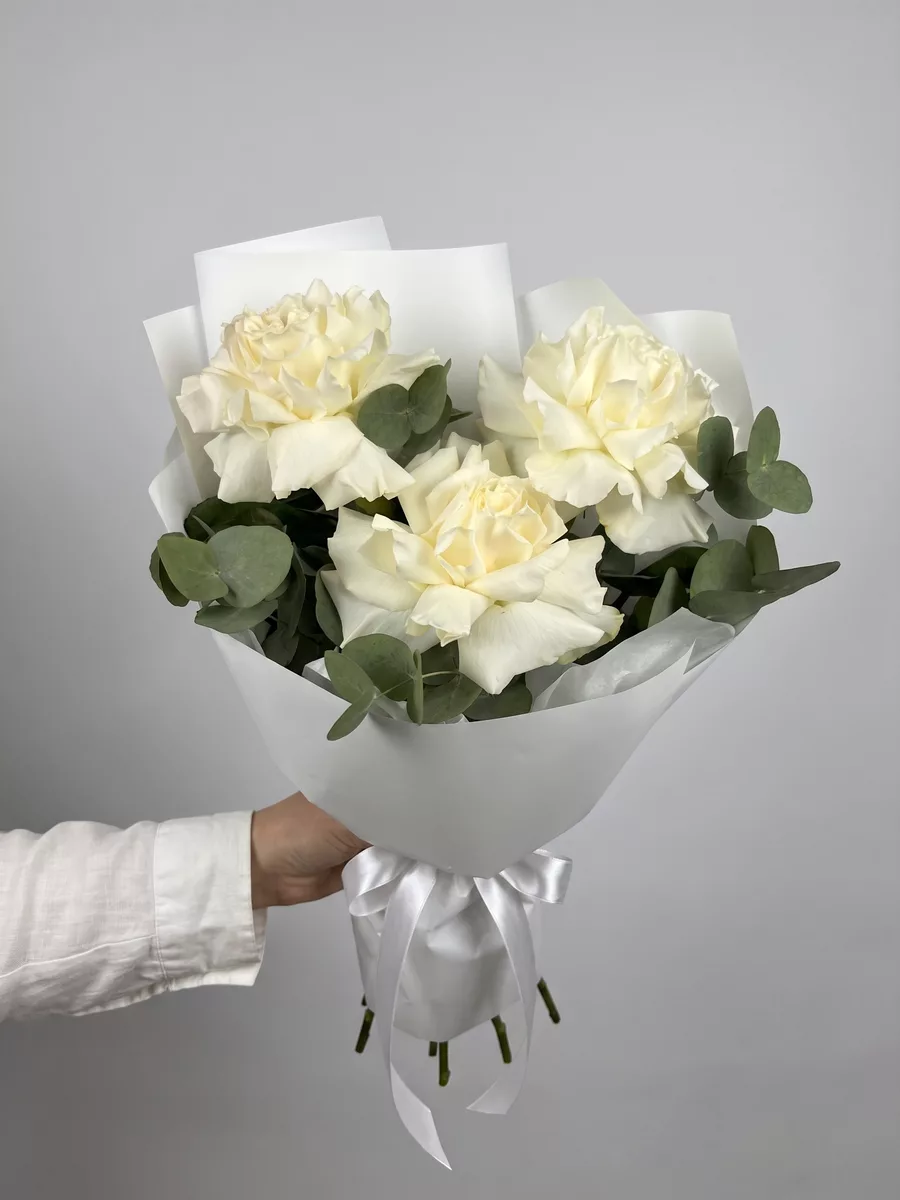
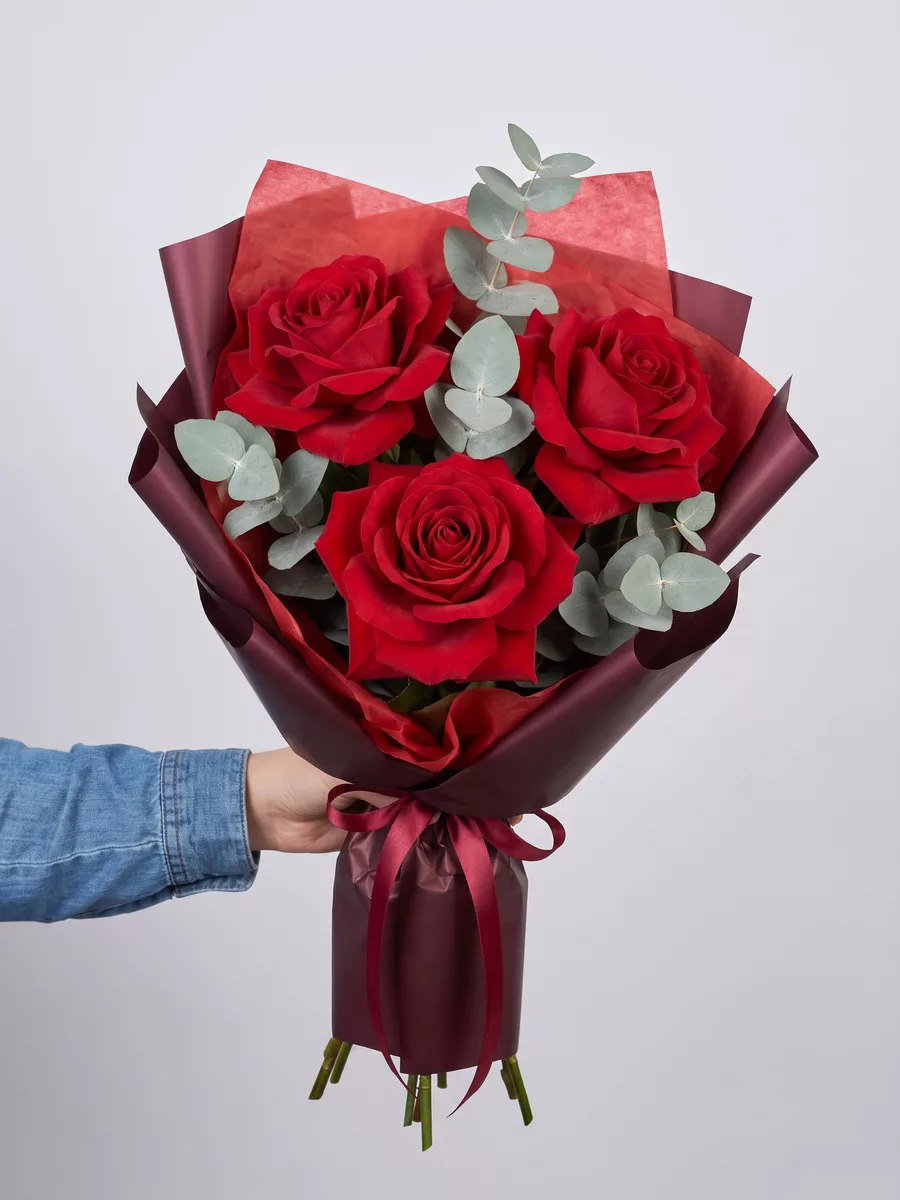
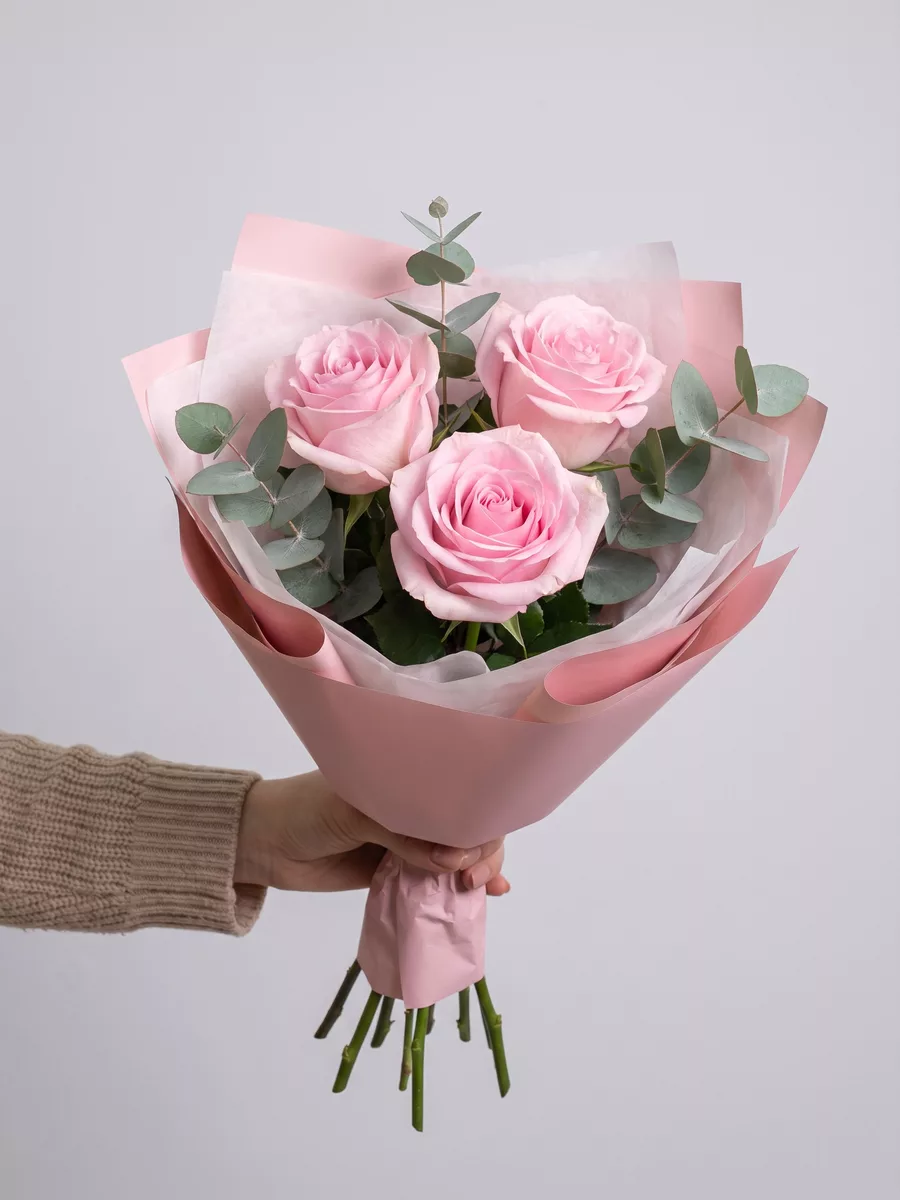
Timing Your Delivery Around the Occasion, Not Just the Clock
The standard delivery window for Partizansk is one to two hours from the moment your order is confirmed. That window is realistic under normal road conditions, and most deliveries in the city land closer to the shorter end. What changes the calculation is not distance alone but the time of day you choose to send.
Morning deliveries, placed before eleven, tend to arrive with the most predictable timing. The roads are clear, the recipient is usually home, and a bouquet on the breakfast table sets the tone for the whole day. This works especially well for birthdays — in Russian tradition it is considered particularly warm to receive flowers early in the morning, before the day has fully started.
Afternoon orders, between noon and four, are the busiest window across our entire network. If your occasion is flexible, shifting your order to the morning or to early evening avoids any queue. Evening deliveries, up to our last slot, suit workplace surprises that need to land after the recipient is home, or romantic gestures timed to a dinner.
One mistake people make is ordering exactly at the time they want the bouquet to arrive. Build in the delivery window. If you want flowers on the table at six in the evening, place the order no later than four. That buffer is not pessimism — it is how fresh flowers travel at their best, without a courier rushing and the bouquet suffering for it.
Choosing Flowers That Travel Well to Primorsky Krai
Not every flower handles a long journey equally well, and Partizansk's climate adds another layer to that calculation. Summers here are warm and humid, with temperatures regularly reaching 28 to 30 degrees Celsius in July and August. Winters are cold and dry, often dropping below minus fifteen. Both extremes ask something different of a bouquet.
In summer, choose flowers with firm, waxy petals that resist wilting in heat. Chrysanthemums, alstroemeria, and spray roses are excellent choices — they hold their shape even if the last stretch of the journey is warmer than ideal. Delicate varieties like sweet peas or anemones are beautiful in a studio but fragile in transit during a heatwave. If you have your heart set on something soft and romantic in July, lisianthus is a better stand-in for garden roses: it looks equally luxurious and travels far more reliably.
In winter, the risk shifts from heat to cold shock. Tropical flowers like strelitzia or anthuriums can blacken at the tips if left in freezing air for even a few minutes. Our couriers use insulated packaging during cold months, but you can also steer toward cold-tolerant varieties: tulips, freesia, and waxflower all handle low temperatures without drama.
Spring and autumn are the easiest seasons for flower delivery in this region. Temperatures are moderate, the roads are clear more often than not, and the seasonal availability of peonies in May or dahlias in September gives you genuinely beautiful options that need no special handling.
Reading the Recipient Before You Choose the Bouquet
The best bouquet is the one that feels like it was chosen specifically for the person receiving it, not pulled from a generic occasion shelf. Before you pick a flower or a colour, spend thirty seconds thinking about who will open that door.
For a woman celebrating a significant birthday — a fortieth, a fiftieth — a large, generous arrangement speaks to the weight of the occasion. Peonies, garden roses, and eucalyptus together create something that feels both celebratory and elegant. The volume matters as much as the variety: a small bunch for a big birthday can feel like an afterthought, even if the flowers themselves are expensive.
For a younger recipient, or someone with a playful personality, a mixed wildflower bouquet with ranunculus, chamomile, and seasonal greenery often lands better than a formal arrangement. It looks effortless and personal rather than corporate.
For professional occasions — a colleague's promotion, a teacher's day gift, or a thank-you to a doctor — white and cream tones read as respectful and considered. White alstroemeria with green pittosporum is a combination that works in almost any professional context without being stiff.
For a romantic gesture, the colour red is a clear and universally understood signal in Russian culture. Red roses remain the most direct expression of love, but if you want something slightly less expected, a bouquet of deep burgundy dahlias or dark-toned eustoma carries the same warmth with a more personal touch. The combination of colour, scale, and flower type together tells the story — no single element does it alone.
Presentation Details That Make the Difference at the Door
The moment of handover is a small performance, and the wrapping is part of it. A bouquet unwrapped in kraft paper tied with a ribbon feels considered and artisan. The same flowers in cellophane feel like a supermarket purchase, regardless of quality. When ordering for someone who will receive the bouquet as a surprise, specify the presentation style in your notes — it is a detail that costs nothing extra but changes the impression entirely.
A handwritten card is worth more than a digital message in this context. In Russian gifting culture, a physical note accompanying flowers is expected rather than optional. Even a few words — something specific to the person and the occasion rather than a generic greeting — transforms the bouquet into a complete gift. We print your message on a card and attach it to the arrangement before it leaves our hands.
For larger occasions, consider adding a secondary element to the bouquet rather than simply ordering more flowers. A small jar of local honey, a ribbon in the recipient's favourite colour, or a stem of fragrant herbs like lavender or mint woven through the arrangement adds texture and a sensory layer that photographs and plain flowers do not.
If the recipient lives alone and you know they work long hours, a note in the delivery instructions asking the courier to leave the bouquet with a neighbour if there is no answer is a practical kindness. Flowers left outside a door in Partizansk's summer heat will not survive an afternoon. A little planning at the order stage protects both the gift and the gesture behind it.
Caring for the Bouquet After It Arrives
A well-chosen bouquet delivered in good condition can last seven to twelve days with straightforward care. The most common reason flowers die early is not poor quality — it is the first thirty minutes after they arrive.
The stem ends should be cut at a diagonal angle, removing about two centimetres, before the bouquet goes into water. This is not a decorative step: a diagonal cut increases the surface area through which the stem draws water, and it prevents the flat end from sitting flush against the bottom of the vase and blocking uptake entirely. Use a sharp knife rather than scissors, which can crush the vascular tissue.
The water temperature matters more than most people realise. Lukewarm water, around twenty degrees Celsius, is absorbed faster than cold water by most cut flowers. The exception is tulips, which prefer cold water and a cool room — they will open too fast and droop if kept warm.
Remove any leaves that sit below the waterline. Submerged foliage rots within a day and introduces bacteria that shorten the life of every stem in the vase. Change the water every two days rather than topping it up — a full change removes that bacterial buildup.
Keep the vase away from direct sunlight, radiators, and fruit bowls. Ripening fruit releases ethylene gas, which accelerates petal drop in roses and carnations noticeably. A cool corner of the room, away from draughts, gives most bouquets the best possible environment. These are small adjustments, but together they are the difference between flowers that last a week and flowers that are gone in three days.
What to Do If Something Goes Wrong With the Delivery
Most deliveries arrive without incident, but flowers are perishable and delivery is a physical process, so it is worth knowing what to do if something falls short of expectation.
If the bouquet arrives and the flowers look wilted or damaged, photograph it immediately before touching anything. This is not about blame — it is simply the clearest way for us to understand what happened and to make it right quickly. A photograph taken within the first hour of arrival gives us the information we need to act.
Contact us directly through the channel you used to place the order. Our response time for quality complaints is the same as our delivery window — we treat it as urgently as the original order. In most cases we will either arrange a replacement delivery or provide a credit, depending on what suits the situation.
If the delivery is running significantly later than the estimated window and you have not received an update from us, reach out proactively. Weather on the Primorsky roads can shift quickly, and sometimes the courier is already in contact with our dispatch but has not yet been able to reach you directly. A quick message from your side closes that gap immediately.
For time-sensitive occasions — a surprise that depends on the recipient being home, or flowers that need to arrive before a party starts — place your order with extra lead time and note the hard deadline in your instructions. We will flag any concern before the bouquet leaves rather than discovering the problem mid-route. Open communication at the order stage almost always prevents the situations that need resolving afterwards.
Partizansk is not the easiest city to reach, but a well-planned flower delivery there is entirely straightforward when you know what to account for — the season, the road conditions, the recipient's taste, and a little extra time in the schedule. Fresh flowers carry real weight in Russian culture, and the effort of sending them across a distance is itself part of the message. Choose varieties that travel honestly, present them with care, and the person opening that door will feel it.
Frequently asked questions
How long does delivery to Partizansk usually take?
The standard window is one to two hours from order confirmation. Morning orders and those placed outside the midday peak tend to arrive closer to the one-hour mark. In winter, road conditions on the approach from Vladivostok can extend the window slightly, and we will always notify you if that happens before the bouquet is dispatched.
Which flowers are best to send to Partizansk in summer?
In the warm, humid summers of Primorsky Krai, choose firm-petalled varieties that resist heat: chrysanthemums, alstroemeria, spray roses, and lisianthus all travel reliably. Avoid delicate flowers like sweet peas or anemones during July and August, as they wilt quickly in high temperatures even with careful packaging.
Can I include a personal message with the bouquet?
Yes, and we strongly recommend it. A handwritten card accompanying flowers is a meaningful part of gifting in Russian culture. Write your message when placing the order and we will print it on a card and attach it to the arrangement before it leaves us. Keep it personal and specific to the person — even a short note lands far better than a generic greeting.
What if the recipient is not home when the flowers arrive?
Include a note in your delivery instructions with a fallback plan — a trusted neighbour, a building concierge, or a preferred time window when the recipient will definitely be home. Flowers left outside in Partizansk's summer heat will not survive long, so a named alternative recipient is the most practical safeguard for a surprise delivery.
How do I make the bouquet last as long as possible after delivery?
Cut the stems diagonally, place them in lukewarm water, and remove any leaves below the waterline. Change the water fully every two days. Keep the vase away from direct sun, radiators, and fruit bowls — ripening fruit releases ethylene gas that shortens petal life noticeably. With this routine, most bouquets last seven to twelve days.
Ready to send flowers?
Pick the city, choose the bouquet, and a local florist takes it from there.
Choose a city →