Sending Flowers to Pavlovsk? Here Is What to Expect
Pavlovsk sits just south of Saint Petersburg, quiet and unhurried, with wide park avenues and the kind of addresses that feel like they belong in a novel. Sending flowers here is not complicated, but it does reward a little thought — the right bouquet, timed well, makes an impression that lasts far longer than the petals do.
Which Parts of Pavlovsk We Reach and How Quickly
Pavlovsk is a compact town, but its residential streets spread out from the historic centre in ways that are not always obvious on a map. We deliver to the central districts, the streets bordering Pavlovsk Park, and the quieter residential blocks further toward the railway station. If you are sending to a dacha address or a street on the very edge of town, it is worth confirming the postcode when you place the order — this one step prevents almost every delivery delay we have ever seen.
Our standard delivery window from Saint Petersburg to Pavlovsk is one to two hours. That is the honest, working estimate: not a marketing promise, but what our drivers actually achieve on a normal day. Rush hour on Pulkovskoye Highway can add twenty to thirty minutes in the late afternoon, so if the moment matters — a birthday dinner, a surprise before a concert — ordering in the morning gives you the most control.
We do not hand your order to a third party. The same team that assembles the bouquet in our Saint Petersburg workroom puts it in the car and drives it to the door. That continuity matters more than it sounds: a florist who packed the arrangement knows exactly how it needs to sit in the box, which side faces up, and how to hand it over so nothing bends or bruises on the way out of the vehicle.
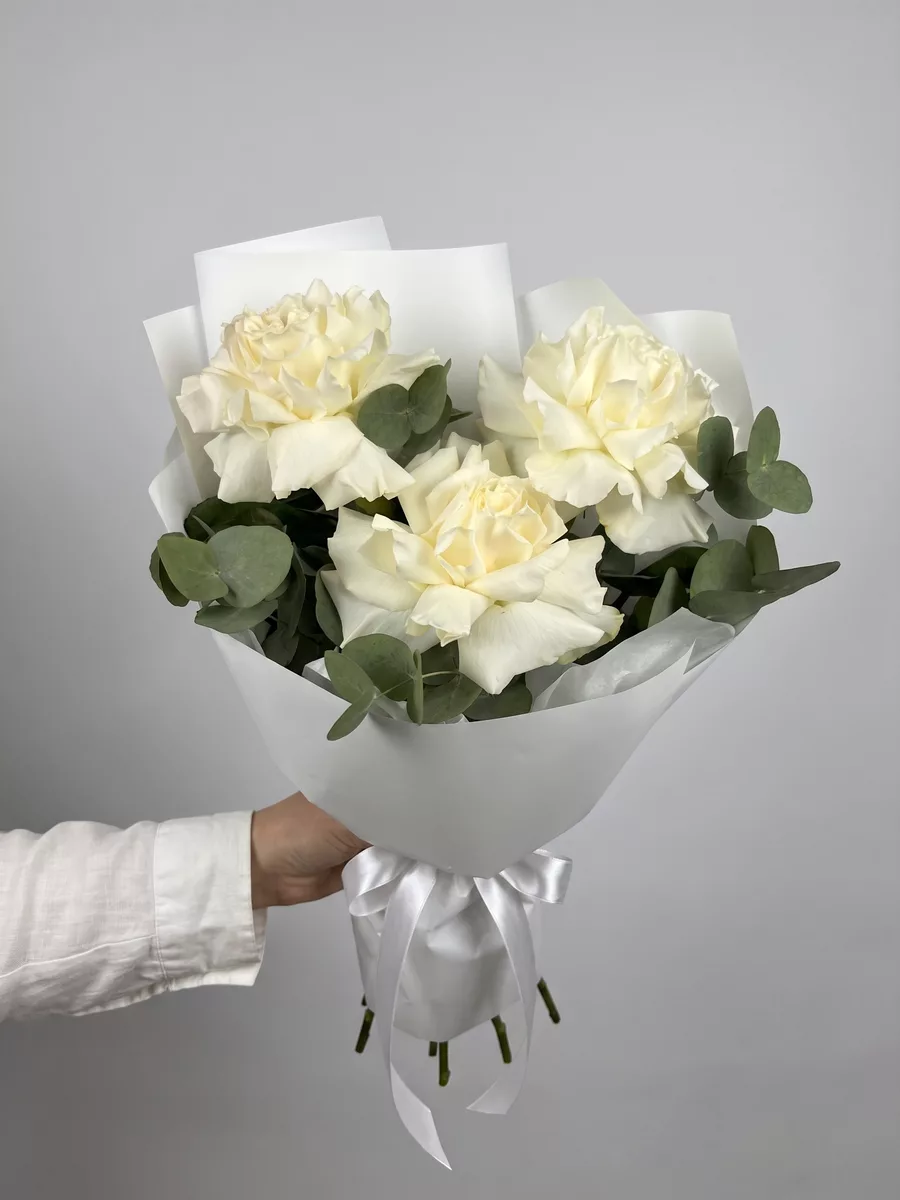
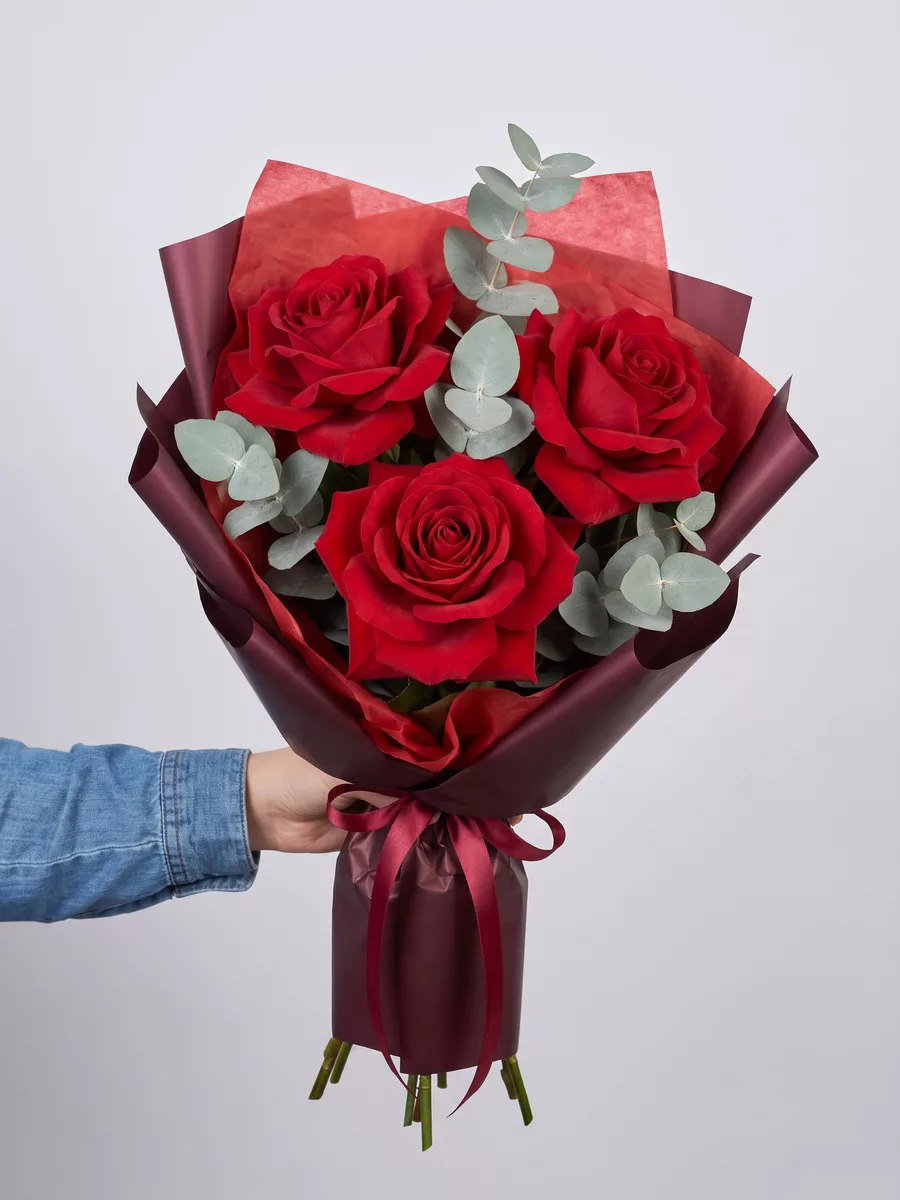
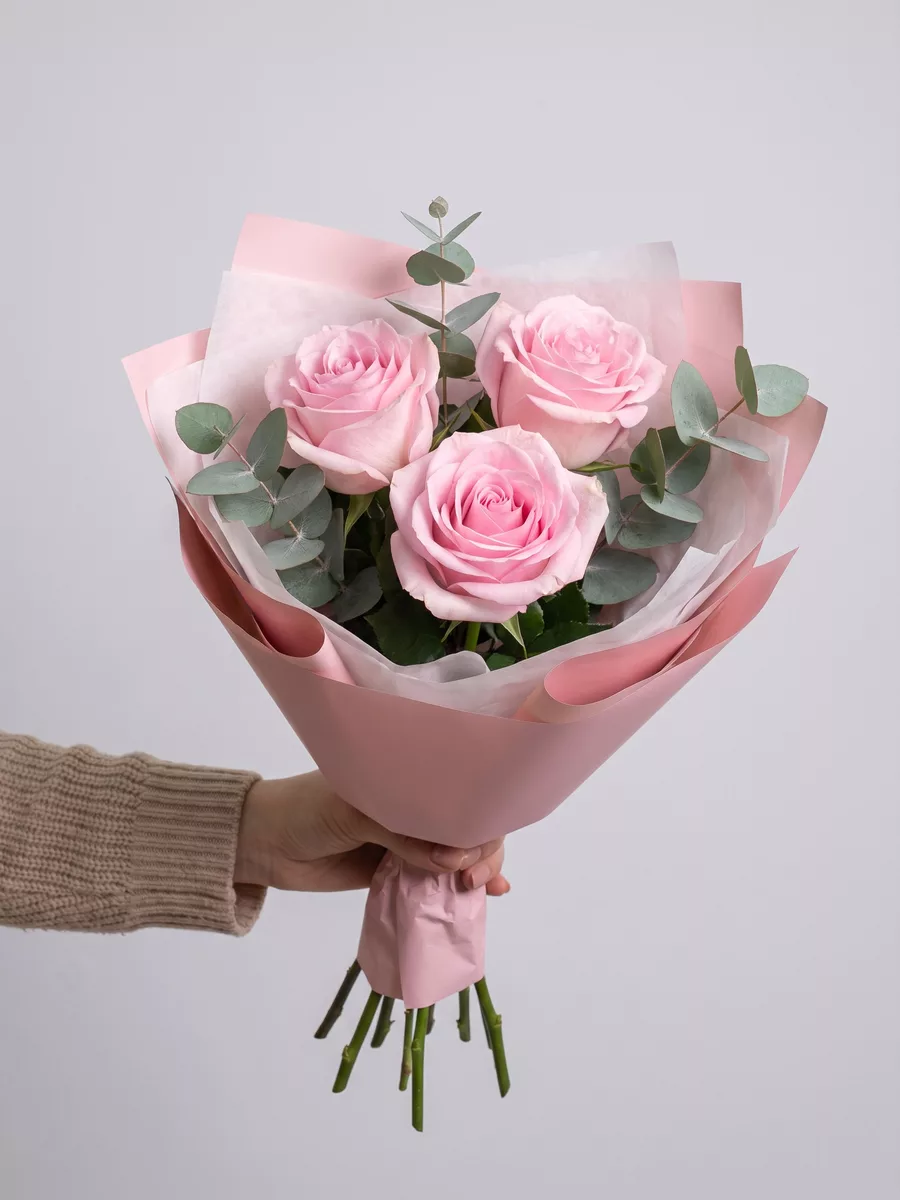
Bouquets we can deliver

Choosing a Bouquet for the Person, Not Just the Occasion
Before you think about which flowers, think about who is receiving them. A woman who tends her own garden in Pavlovsk will notice the difference between a bunch of spray roses and a thoughtfully mixed arrangement with seasonal foliage. A colleague receiving a congratulatory bouquet at their front door after a promotion wants something that reads confident and generous, not fussy or overly romantic.
For close family — a mother, a grandmother, a partner — softer palettes work beautifully: blush peonies in late spring, ivory lisianthus in summer, warm-toned chrysanthemums in autumn. These flowers carry an intimacy that bold reds do not always achieve outside of romantic contexts. In Russia, it is common to give an odd number of flowers in a bouquet, and recipients will notice if you follow this tradition — it signals that you know the culture, even if you are sending from abroad.
For friends or professional relationships, mixed bouquets with a clear focal flower and complementary greenery tend to land better than single-variety arrangements. Think garden roses anchored by eucalyptus and a few stems of waxflower, or sunflowers paired with solidago and flat parsley for texture. The combination tells a story that a single flower cannot. Ask yourself what the person's home looks like, what colours they wear, and whether they prefer things simple or layered — then choose accordingly.
Seasonal Flowers That Travel Well to Pavlovsk
The journey from central Saint Petersburg to Pavlovsk is short, but temperature matters at every stage. In January and February, when outdoor temperatures regularly drop below minus ten degrees Celsius, flowers need insulated packaging and a warm car. Tropical varieties like anthuriums and orchid stems are particularly sensitive to cold shock — they mottle and wilt within hours if exposed to freezing air even briefly. In winter, we lean toward roses, alstroemeria, and carnations, which are hardier and hold their structure in the cold.
Spring brings tulips in abundance, and they are one of the most beloved flowers in Russia for good reason — they feel like relief after a long winter. Dutch tulips in single colours make a striking, unfussy bouquet. By May, peonies begin to arrive, and they are worth every rouble: full, fragrant, and generous-looking in any setting. If you are sending in late May or early June, peonies are almost always the right answer.
Summer opens up the full range: garden roses, dahlias, lisianthus, sweet peas, and fresh herbs like mint and lavender that add scent without overpowering. Autumn in Pavlovsk is visually spectacular — the park turns amber and rust — and bouquets that echo those tones, using chocolate cosmos, burgundy dahlias, and orange mokara orchids, feel completely at home in the season. Matching your bouquet to what is actually growing outside is one of the simplest ways to make it feel considered rather than generic.
Timing Your Delivery Around the Recipient's Day
A bouquet arriving at the right moment feels like magic. One arriving at the wrong moment — when nobody is home, when the person is in the middle of cooking dinner for guests, or when they have just left for work — creates awkwardness on both sides. Before you place the order, think practically about the recipient's schedule.
Morning deliveries, between ten and noon, work well for birthdays and anniversaries because the person has the whole day ahead to enjoy the flowers and tell people about them. Afternoon slots suit congratulatory occasions — a graduation result, a job offer, a new home. If you are sending to a Pavlovsk address where someone works from home, midday is usually safe. If the address is an apartment building, confirm whether there is a doorman or whether you need to arrange for the recipient to be buzzed in.
For surprises, give us the recipient's phone number. Our driver will call ahead by ten to fifteen minutes — not to spoil the surprise, but to make sure the door opens and the flowers are not left in a stairwell. In Russia it is completely normal and expected for a delivery driver to call before arriving; recipients are not surprised by this, they appreciate it. If you want the call to come from a neutral number with no hint of who is sending, just let us know in the order notes and we will keep the message simple.
Presentation Details That Change How a Bouquet Lands
The wrapping is the first thing a person sees, before they even smell the flowers. In Russian flower culture, presentation is taken seriously — a bouquet handed over in plain brown paper reads very differently from one wrapped in layered kraft with a satin ribbon and a handwritten card. We are not talking about excess; we are talking about the small signals that tell a recipient they were thought about carefully.
For romantic occasions, soft wrapping in blush or ivory tones with a velvet ribbon suits roses and peonies. For a friend's birthday, something more playful — a bright outer wrap with contrasting tissue inside — matches the mood. For a professional or formal occasion, clean kraft paper and a simple band keep things elegant without being stiff. If you are sending to someone you do not know well, neutral and clean is almost always right.
A card matters more than most people expect. In Russian tradition, the card is kept long after the flowers have faded — it is tucked into a book or a drawer as a keepsake. Write something real, not just a name. Even two sentences that say why you are sending the flowers will be remembered. If you are writing in English to a Russian-speaking recipient, that is completely fine — many people in Pavlovsk read English, and a message in your own language feels more genuine than a translated phrase that loses its warmth. We print cards exactly as you write them, without editing.
Keeping the Flowers Fresh Once They Arrive
A bouquet that arrives in perfect condition can last anywhere from five to twelve days depending on the variety and how it is cared for. This range is real: roses and alstroemeria at the longer end, sweet peas and tulips at the shorter end. The difference between five days and ten days almost always comes down to what happens in the first two hours after the flowers arrive.
The most common mistake is putting flowers straight into a vase without cutting the stems. Stems seal over during transport, even a short journey, and they cannot absorb water until they are cut again. A clean diagonal cut, about two centimetres from the base, with a sharp knife rather than scissors, opens the stem properly. Scissors crush the tissue and reduce water uptake. This one step adds two to three days of vase life.
Water temperature is the next thing people get wrong. Lukewarm water — not cold, not hot — is best for most cut flowers because it moves into the stem faster. Change the water every two days and rinse the vase when you do. Keep the arrangement away from direct sunlight, radiators, and fruit bowls: ripening fruit releases ethylene gas, which accelerates petal drop noticeably in roses and carnations. If the recipient is in Pavlovsk in winter and the apartment is very warm and dry, a light mist of water on the petals once a day helps. These are small habits, but they are the difference between a bouquet that looks beautiful for a week and one that droops by day three.
What Makes a Pavlovsk Delivery Feel Different From a City Drop-off
Delivering to Pavlovsk is not the same as dropping a bouquet at a Saint Petersburg apartment block. The pace is different, the addresses are sometimes more dispersed, and the setting — whether it is a flat near the park or a house on a quiet lane — invites a slightly different kind of care. We have learned that recipients in smaller towns notice details that city recipients sometimes take for granted: whether the flowers were packed well, whether the driver was unhurried, whether the card was placed properly and not just stuffed into the wrapping.
Pavlovsk has a long association with beauty and craft — the palace, the park, the history of the place all create a certain standard of attention that residents carry into their everyday lives. Sending flowers here should match that sensibility. A generous, well-composed bouquet with thoughtful wrapping and a genuine card is not over the top; it is appropriate.
If you are sending from outside Russia — from Europe, from the UK, from anywhere abroad — the process is exactly the same as ordering locally. You place the order online, write the card in your language, and we handle everything from assembly to doorstep delivery. You do not need to navigate Russian postal systems or worry about customs. The flowers are fresh, cut and arranged in Saint Petersburg, and they arrive in Pavlovsk the same day. That directness is what makes the gesture land the way you intend it to.
Pavlovsk is a place that rewards the kind of attention you put into a well-chosen bouquet. The delivery itself is straightforward — one to two hours, handled entirely by our own team, with the same care from workroom to doorstep. What matters most is the thought behind the order: the right flowers for the person, the right timing for the moment, and a card that says something real. Get those three things right, and the flowers will do the rest.
Frequently asked questions
Can you deliver to a specific street in Pavlovsk near the park?
Yes. We deliver across Pavlovsk including streets close to the palace and park. If your address is on a smaller lane or a non-standard postcode, add the full address and any entrance notes in the order comments. Our driver will call ahead to confirm they have found the right building.
What happens if the recipient is not home when the flowers arrive?
Our driver calls the recipient ten to fifteen minutes before arrival. If there is no answer and no neighbour available to accept the delivery, we will contact you to arrange a new time slot. We do not leave flowers unattended in a stairwell or outside a door, because temperature and security both matter.
Is it appropriate to send flowers to a Russian home I have never visited?
Absolutely. Flowers are one of the most universally welcome gifts in Russian culture, given for birthdays, name days, visits, and simple expressions of gratitude. An odd number of stems in the bouquet is the one custom worth knowing. Beyond that, a generous, well-presented arrangement is always received warmly regardless of how well you know the household.
Which flowers should I avoid sending in winter to Pavlovsk?
Tropical varieties — anthuriums, bird of paradise, and delicate orchid stems — are vulnerable to cold shock during winter transport and may arrive damaged even on a short journey. In cold months we recommend roses, alstroemeria, carnations, and chrysanthemums, which handle low temperatures reliably and arrive in good condition.
Can I write the card message in English for a Russian-speaking recipient?
Yes, and we recommend it. A message written in your own language feels genuine and personal. Many people in Pavlovsk read English, and those who do not will appreciate that you wrote from the heart rather than using a translated phrase. We print the card exactly as you write it, without changes or translation.
Ready to send flowers?
Pick the city, choose the bouquet, and a local florist takes it from there.
Choose a city →