Sending Flowers to Pechora? Here Is What to Expect
Pechora sits deep in the Komi Republic, far enough north that winter arrives early and stays long. That geography shapes everything about how flowers travel here — which varieties survive the journey, how quickly a bouquet reaches a door, and what the person receiving it will feel when they open the box. Whether you are surprising a mother on her birthday, congratulating a colleague, or simply telling someone far away that you are thinking of them, getting the details right matters more than the gesture alone.
Where in Pechora We Deliver and How the City Is Laid Out
Pechora is a compact city by Russian standards, but it has distinct districts that affect delivery routing. The central part of the city, along Pechorsky Prospekt and the areas near the river station, is the easiest to reach and typically sees the fastest delivery windows. Residential districts further from the centre, including areas near the railway depot and the outer mikrorayons, add a small amount of travel time but are fully within the delivery zone.
The Pechora River itself divides parts of the urban area, and certain addresses on the far bank require crossing that adds to the route. When you place an order, entering the full address including building number and entrance code, if there is one, removes the most common source of delay. Drivers navigate by address, and a missing apartment number in a large Soviet-era block can cost twenty minutes.
We cover the main city and its immediately adjacent settlements. If you are unsure whether a specific address qualifies, the order form will confirm coverage before you complete the purchase. Pechora is not a city where every street looks the same on a map — local knowledge of which roads become difficult in mud season or after heavy snow is part of how we plan routes. Ordering before noon on any day gives the widest choice of delivery slots and the most flexibility if the recipient turns out to be away from home during the first attempt.
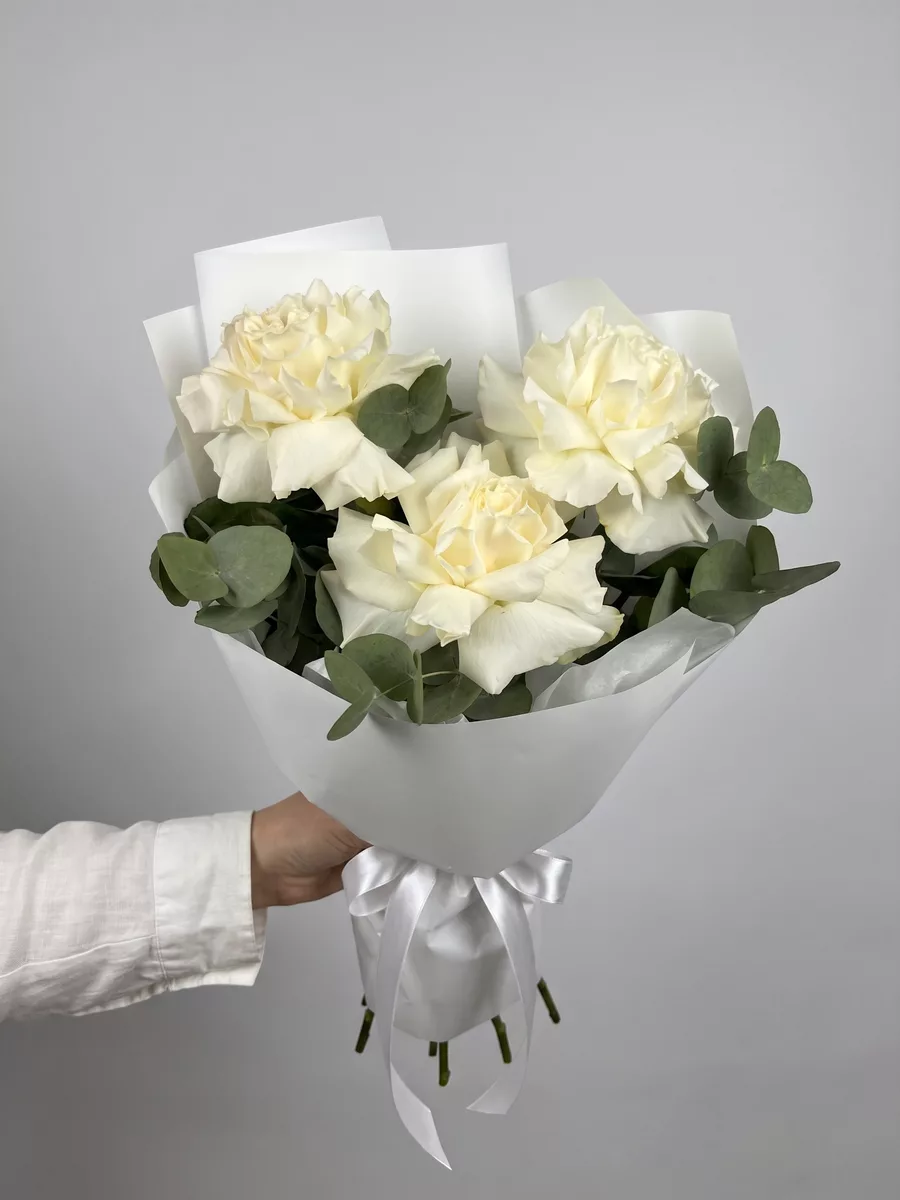
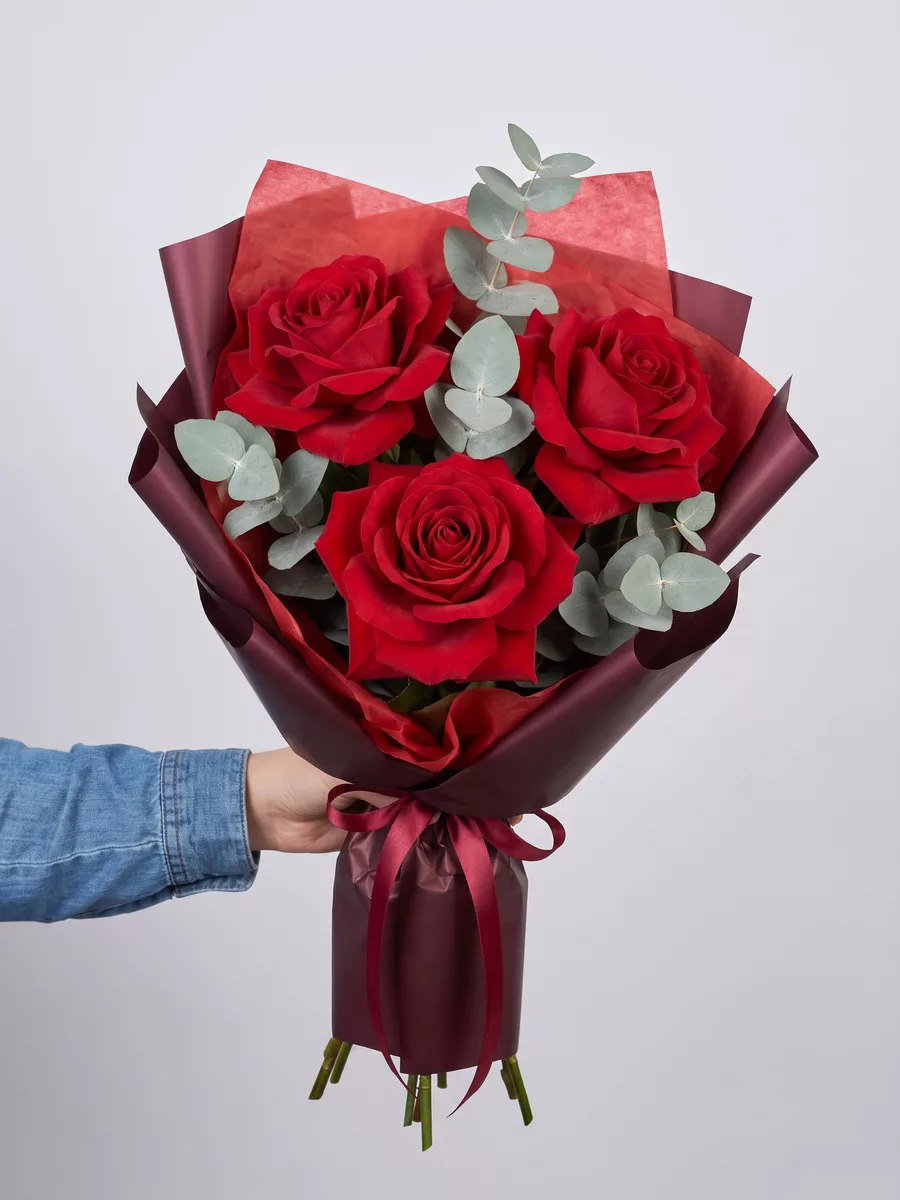
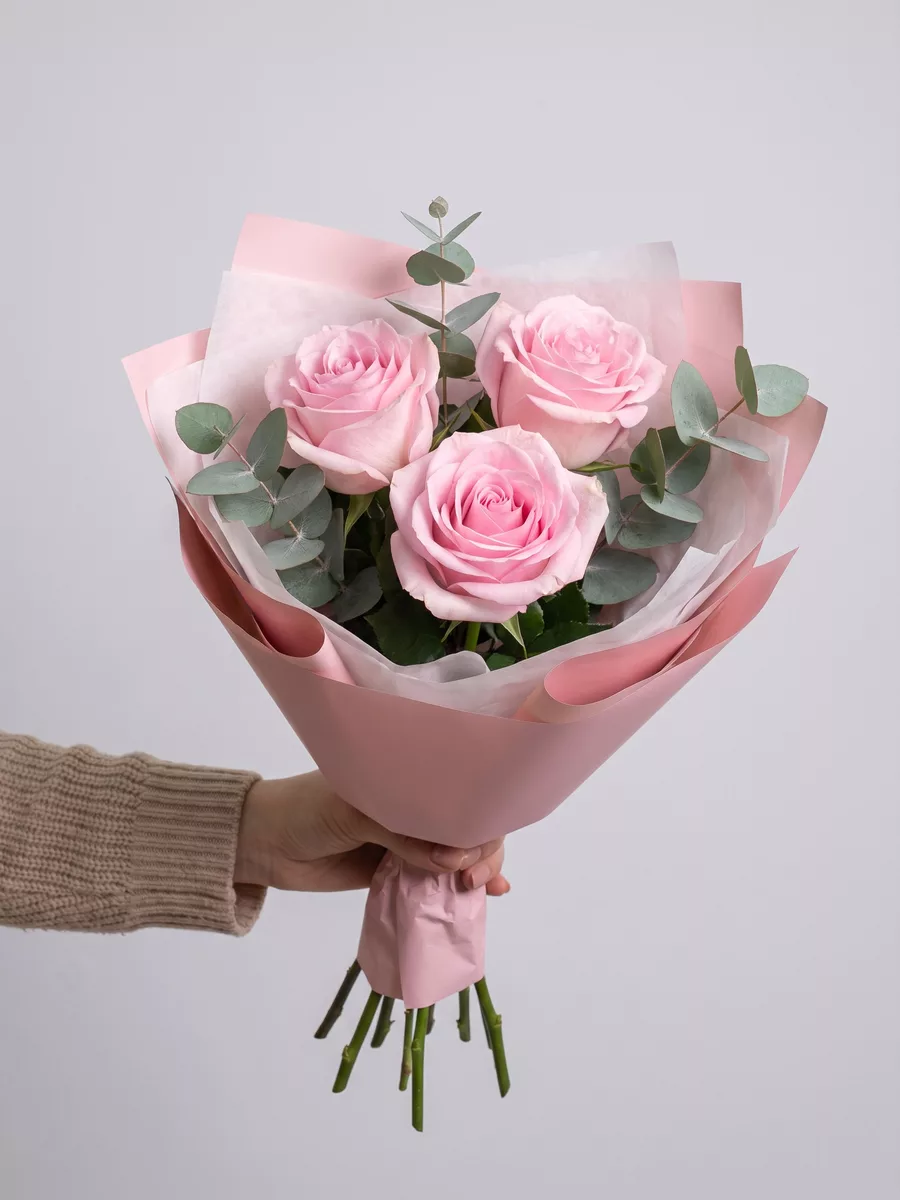
Bouquets we can deliver

Timing Your Order: When Flowers Arrive at Their Best
The standard delivery window in Pechora is one to two hours from the moment the order is confirmed. That window holds for most of the day, but there are predictable peaks — late morning on International Women's Day, the hour before school events end, and the run-up to New Year — when demand compresses available slots. Placing your order the evening before a major date is not overcautious; it is simply sensible planning.
For same-day delivery, orders placed before 16:00 local Pechora time have the strongest chance of arriving within the standard window. Orders placed later in the evening shift into a later slot or the following morning, depending on what is available. The order confirmation message will always show you the confirmed time, so there is no guessing involved.
Timing also matters for the flowers themselves. Roses, for example, are cut at a specific bud stage before transport. If they travel in cold conditions and then sit in a warm hallway for several hours before being unwrapped and put in water, the transition stress shortens their vase life noticeably. Receiving flowers promptly and getting them into water within thirty minutes of delivery is one of the simplest things a recipient can do to extend the life of the arrangement. We include a small care card with every order that explains this in plain language, because not everyone has been told that flowers are living things that respond to how they are treated in the first hour.
Choosing Flowers for Pechora's Climate and the Season
Pechora's climate is subarctic in character. Winters are long and genuinely cold, with temperatures regularly dropping below minus twenty Celsius between November and March. Summers are short and can be surprisingly warm, but the transition seasons — October and April especially — bring rapid swings. These conditions directly influence which flowers travel well and which arrive looking exhausted.
In winter, chrysanthemums, spray roses, and alstroemeria handle cold transit better than open-petalled flowers like gerberas or tropical varieties such as strelitzia. Roses travel well when properly boxed and insulated, but garden roses with their looser petal structure are more vulnerable than hybrid tea varieties. Tulips, which are popular in Russia from late February onward, are actually quite resilient in cold if they are kept dry — moisture is more damaging to them than low temperature.
In summer, the challenge reverses. Heat accelerates the opening of buds, and flowers like peonies, which are beloved in Russia from May through June, can go from tight bud to fully open in a matter of hours on a warm day. Ordering peonies for a summer delivery means the recipient gets them at peak beauty almost immediately, which is a feature rather than a problem if they know to enjoy them at once.
For year-round reliability, a mixed bouquet built around roses, lisianthus, and seasonal greenery performs consistently across all of Pechora's seasons. Lisianthus in particular is underrated — it lasts ten days to two weeks in a vase, holds its colour well, and looks expensive without being fragile.
What the Bouquet Looks Like When It Arrives: Packaging and Presentation
In Russia, the way a bouquet is presented carries its own meaning. Flowers wrapped in plain cellophane and tied with a ribbon are considered a standard gift, but flowers arranged in a layered craft-paper wrap with a wide ribbon and a handwritten card signal that the sender put genuine thought into the moment. Recipients notice the difference, even if they never say so directly.
Our bouquets travel in insulated packaging during cold months. This is not a box that looks industrial — the outer layer is a thermal sleeve that keeps the flowers at a stable temperature during transit, and the bouquet inside is arranged so that petals are not pressed against each other. When the recipient opens the package, the flowers should look as they did when they left the studio, not as though they have been through a journey.
In summer, the packaging shifts to allow more airflow while still protecting stems from direct sun exposure during the delivery drive. Flowers in a vehicle parked in full sun for even fifteen minutes on a hot Pechora afternoon will show it, which is why our drivers are instructed not to leave arrangements in a stationary car.
A handwritten card is included with every order that carries a personal message. In Russian gift culture, the card is often kept long after the flowers are gone. Writing something specific — a memory, a wish, a reference to something shared — makes the card worth keeping. Generic phrases like 'with love' are fine, but a single concrete sentence turns a card into something the recipient might find years later in a drawer and smile at.
Occasions That Call for Flowers in Pechora: Reading the Moment Right
Russia has a rich calendar of flower-giving occasions, and Pechora follows it fully. International Women's Day on the eighth of March is the single largest flower day of the year — virtually every woman receives flowers, from schoolteachers to grandmothers to colleagues met only briefly. Yellow mimosa is the traditional flower of this day, though roses and tulips are equally common. Ordering for March eighth requires at least two to three days of lead time to guarantee the arrangement you want.
Birthdays are the other constant. In Russian tradition, the number of flowers in a bouquet matters: even numbers are associated with mourning and should be avoided for celebratory occasions. A bouquet of eleven roses, fifteen tulips, or seven stems of lisianthus is correct; a bouquet of ten or twelve is not, even if the flowers themselves are beautiful. This is a detail that surprises many people who are unfamiliar with Russian customs, and it is worth knowing before you choose.
Graduation season in June brings a wave of orders for students finishing school or university. Teacher appreciation is genuine and visible here — a bouquet for a favourite teacher at the end of the year is a normal and expected gesture, not an unusual one. New Year, celebrated on January first, is another major occasion, with arrangements often incorporating white flowers, silver-toned foliage, and winter branches to match the season.
For romantic occasions, red roses remain the clear signal of affection. But a single-variety bouquet of deep burgundy roses or a mix of blush and ivory tones reads as more considered and personal than a standard dozen red, especially for someone who receives flowers regularly.
Caring for Flowers After Delivery: Making the Bouquet Last
The vase life of a bouquet in Pechora depends heavily on indoor conditions. Heating in Russian apartments runs from October through April, and the air inside becomes very dry. Dry, heated air is one of the fastest ways to shorten the life of cut flowers — it draws moisture from petals far more quickly than cold air does. Placing a bouquet near a radiator or on a windowsill above a heating unit will halve its vase life compared to a cooler spot across the room.
The basic care steps are simple but often skipped. Cut the stems at an angle, about two centimetres from the bottom, using a sharp knife rather than scissors — scissors crush the vascular tissue that draws water. Change the water every two days, and rinse the vase when you do. Remove any leaves that fall below the waterline, because submerged foliage rots quickly and contaminates the water with bacteria that block the stems.
Roses typically last seven to ten days with proper care. Chrysanthemums and alstroemeria often reach twelve to fourteen days. Tulips are shorter — five to seven days — but they continue to grow and move in the vase in a way that makes them interesting to watch. Lisianthus, as mentioned, is exceptional at ten to fourteen days and holds its colour to the end rather than fading gradually.
If the bouquet includes a flower food sachet, using it genuinely extends vase life. The sachet contains a mild acidifier that keeps water at the right pH and a small amount of sugar that feeds the flowers. It is not a marketing addition — it works, and the difference is visible by day four or five compared to plain water.
Common Mistakes When Ordering Flowers to Pechora from Another City
Most orders to Pechora come from people who are not in the city themselves — family members in Moscow or Saint Petersburg, colleagues in other regions, people maintaining a connection across distance. This creates a specific set of mistakes that appear regularly and are easy to avoid once you know about them.
The most common is not confirming that the recipient will be home. Pechora residents work standard hours, and a delivery to a home address at two in the afternoon on a Tuesday has a real chance of finding no one there. Specifying an evening delivery window, or sending a discreet message to the recipient to be home without revealing the surprise, solves this. Alternatively, a workplace delivery removes the uncertainty entirely — offices are reliably occupied during business hours.
The second mistake is choosing flowers based on what the sender personally likes rather than what the recipient will enjoy. A sender who loves tropical arrangements might choose anthuriums or birds of paradise, but a recipient in Pechora who grew up with garden flowers may find a bouquet of garden roses, sweet peas, and eucalyptus far more moving. If you know the person well, that knowledge is worth more than any general trend.
The third mistake is leaving the message field blank or writing something very brief under time pressure. The message is the part of the gift that carries the relationship — the flowers are the vehicle. Even two or three specific sentences make the difference between a bouquet that feels personal and one that feels purchased in a hurry. Take the extra two minutes. The recipient will feel it.
Pechora is a city where a bouquet arriving fresh and on time, wrapped properly and carrying a real message, means something beyond the flowers themselves. Distance between people in Russia is often measured in hours on a train or a plane, and flowers are one of the few things that can cross that distance and arrive warm. Knowing the seasonal varieties that travel well, the cultural details around numbers and occasions, and the care steps that extend vase life gives you everything you need to make the gesture land the way you intend it to.
Frequently asked questions
Does the cold weather in Pechora damage flowers during delivery?
Winter temperatures in Pechora are serious, and good local florists pack bouquets in insulated wrapping specifically for outdoor transit. The risk is not the cold itself but the rapid temperature shift when flowers move from a warm car into freezing air and back again. Unwrap slowly indoors and let the bouquet adjust to room temperature before placing it in water.
Which bouquet styles work best for a birthday in Pechora rather than a formal occasion?
For a birthday, loose garden-style arrangements with texture and colour read as warm and personal rather than ceremonial. Tight formal bouquets in single colours feel more appropriate for professional congratulations or anniversaries. If you know the recipient's home, consider whether they lean toward bold and dramatic or soft and understated — that distinction matters more than flower variety alone.
Can I include a note in a language other than Russian with the delivery?
Yes, and for a recipient in Pechora receiving flowers from someone abroad or from a different region, a handwritten-style note in any language adds a personal touch that the bouquet alone cannot carry. Keep the message short so it reads clearly. If you are uncertain about translation, a simple phrase in Russian alongside your own language covers both warmth and clarity.
What combinations of flowers make sense for sending condolences to someone in Pechora?
White and cream tones — chrysanthemums, lilies, and roses — are the established choice for sympathy in Russian tradition. Avoid bright mixed colours or anything that reads as celebratory. A single-variety bouquet in white or pale pink with minimal greenery is appropriate and dignified. The restraint of the arrangement itself communicates care without overstatement.
How does the Pechora River crossing affect whether my order arrives on time?
Addresses on the far bank of the Pechora River add routing time that is real but manageable when accounted for in advance. The key is entering the full address at the point of order so the delivery estimate reflects the actual route. Orders placed before midday for far-bank addresses have the most reliable same-day windows, particularly outside peak holiday periods.
Ready to send flowers?
Pick the city, choose the bouquet, and a local florist takes it from there.
Choose a city →