Flower Delivery in Pereslavl-Zalessky: Timing, Areas and What Arrives Fresh
Pereslavl-Zalessky sits on the edge of Lake Pleshcheyevo, quiet and unhurried, and when you want to surprise someone there with flowers, you want the bouquet to feel as considered as the town itself. Whether you are sending roses to a birthday celebration on Sovetskaya Street or a lush spring arrangement to someone near the Goritsky Monastery, the question is the same: will the flowers arrive looking exactly as you imagined? This article walks you through everything — delivery zones, timing, seasonal choices, how to keep blooms alive in a Yaroslavl-region winter, and the small presentation details that turn a good bouquet into a memorable one.
Which Parts of Pereslavl-Zalessky We Reach and How Long It Takes
Pereslavl-Zalessky is a compact historic city, and that compactness works in your favour. The central districts — around the Kremlin, Krasnaya Ploshchad and the embankment of the Trubezh river — are the easiest to reach, and delivery there typically lands within the one-to-two-hour window from the moment you confirm your order. Residential neighbourhoods further from the centre, including areas near the lake's southern shore and the newer housing blocks on the outskirts, are also covered, though the courier may need the full two-hour span depending on road conditions and the time of day.
The main road into town from the M8 highway is well-maintained in all seasons, which means weather rarely adds dramatic delays. That said, summer weekends bring tourist traffic along the Golden Ring route, and Friday afternoons in July and August can slow things down by twenty to thirty minutes. If you are ordering for a specific moment — a birthday dinner, an anniversary lunch — aim to place the order at least three hours ahead on those days.
For addresses outside the city boundary, such as dacha settlements near the lake's northern shore or rural villages in the surrounding Pereslavsky District, please contact us before ordering so we can confirm coverage and give you an honest time estimate. We would rather tell you upfront than have you waiting. Within the city itself, we deliver seven days a week, including public holidays, because occasions rarely respect a calendar.
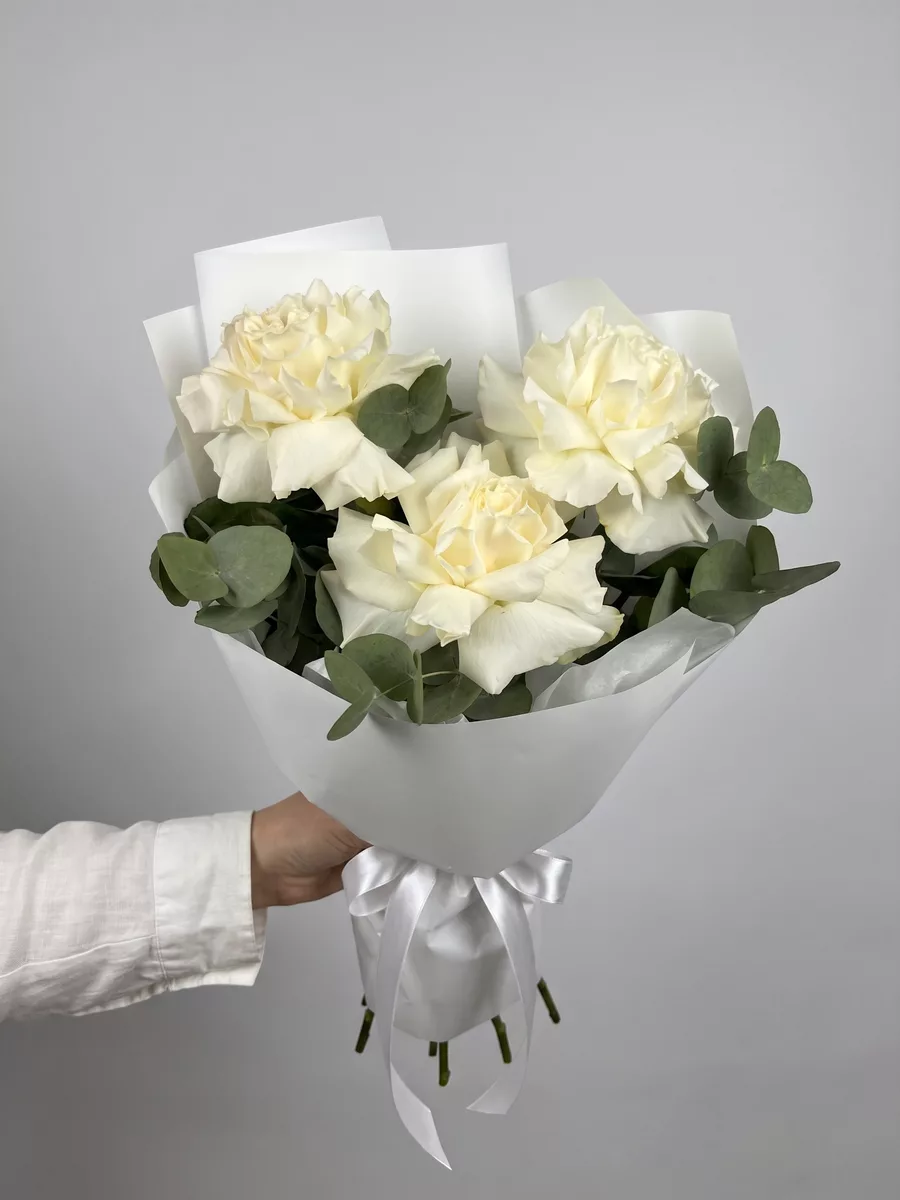
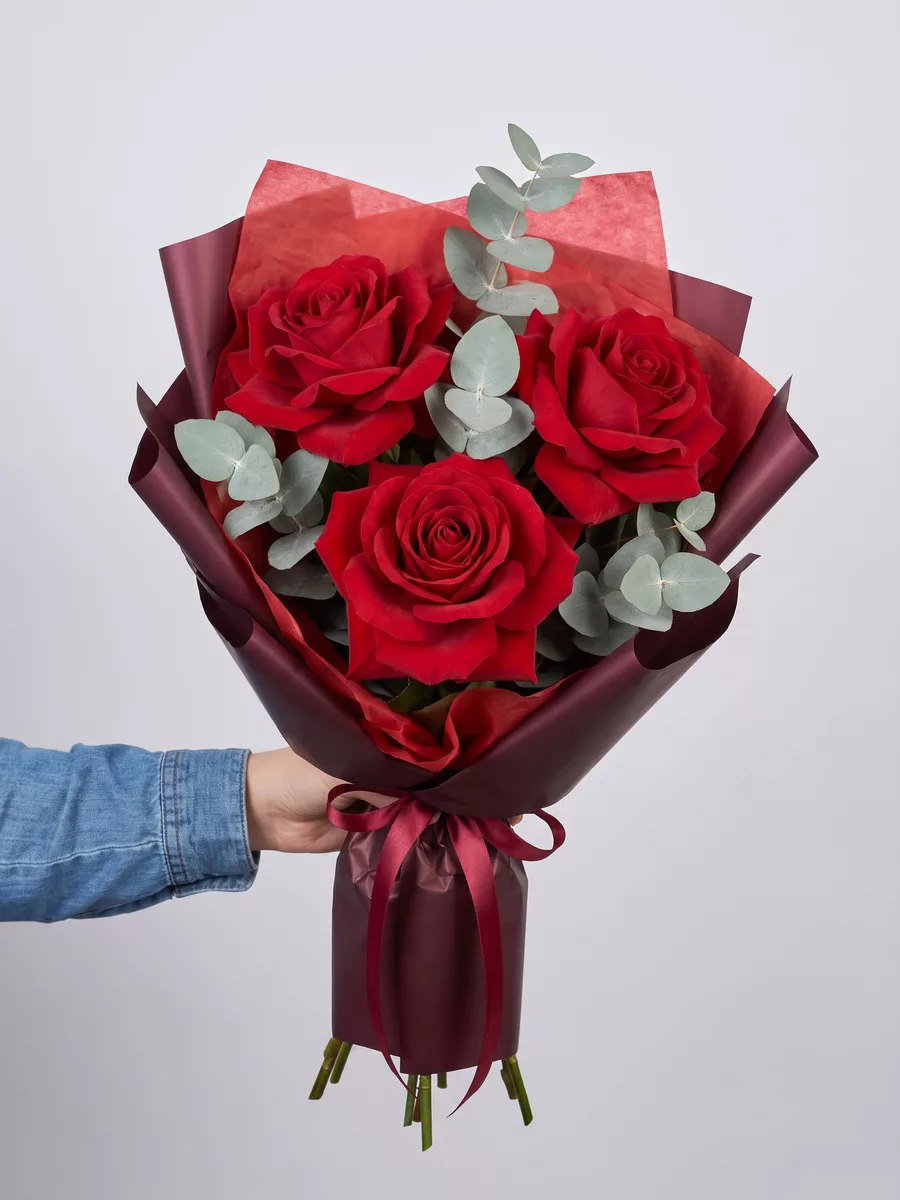
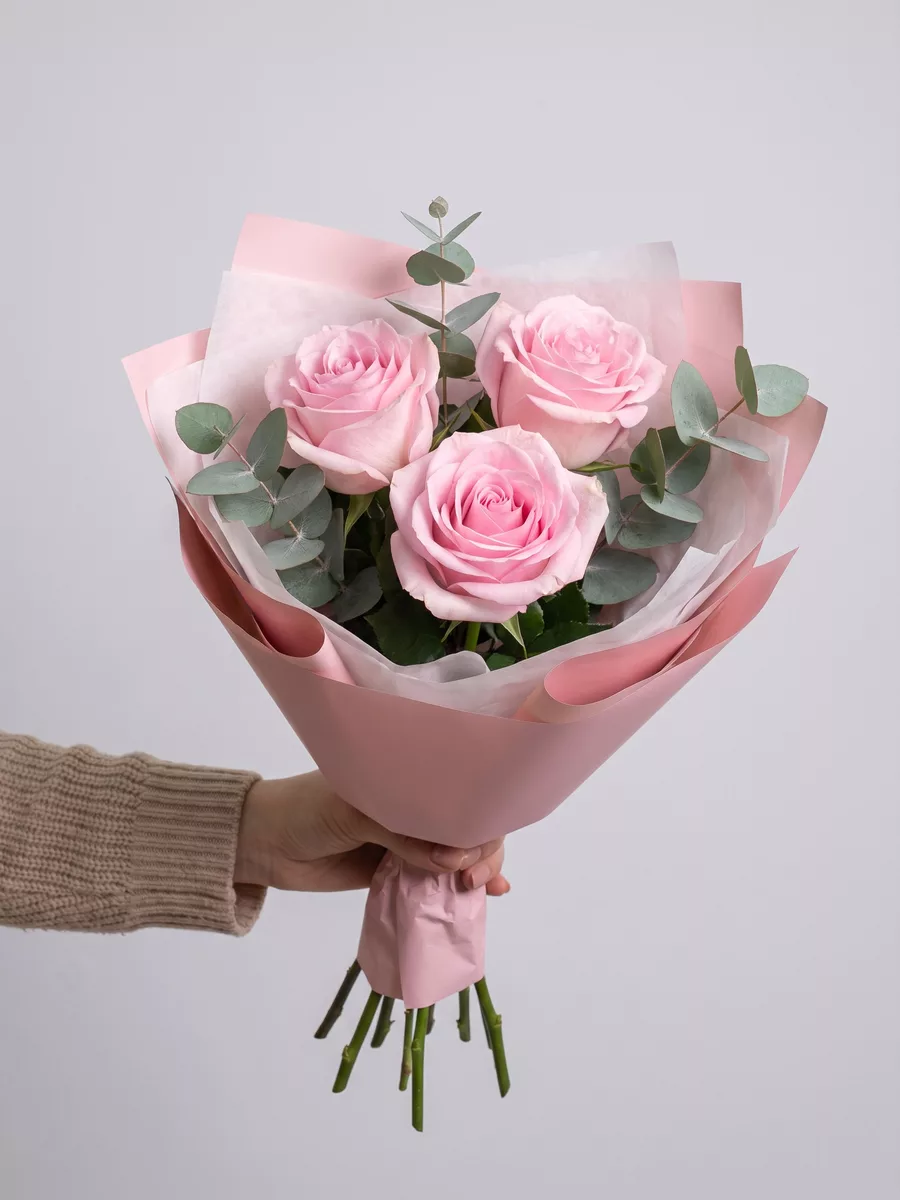
Bouquets we can deliver

Reading the Recipient Before You Choose the Flowers
The best bouquet for Pereslavl-Zalessky is not necessarily the most elaborate one. The town has a calm, unhurried character, and many people there appreciate arrangements that feel natural and unforced rather than grand and theatrical. Before you scroll through options, think for thirty seconds about the person receiving the flowers: are they someone who keeps a tidy, minimal home, or someone whose windowsills are already crowded with plants? Do they prefer bold colour or soft, muted tones? That mental picture will guide every choice that follows.
For a woman in her fifties or sixties — a mother, a grandmother, a beloved teacher — garden roses in cream, peach or dusty rose read as warm and respectful without feeling stiff. Peonies, when in season from late May through June, are almost universally loved in Russia and carry a sense of abundance that feels like a genuine gift. For a younger recipient, ranunculus in coral or burgundy, mixed with eucalyptus and a few stems of dried lunaria, feels current and personal rather than generic.
Men in Russia do receive flowers, particularly on birthdays and professional milestones, and the approach there is usually cleaner: a structured bunch of spray chrysanthemums, anthurium, or tropical bird-of-paradise works well. The key is confidence in the choice — a single variety done generously often lands better than a complicated mix. Think about what the person will feel when the door opens, and let that feeling shape the bouquet rather than a category label like 'classic' or 'modern'.
Seasonal Realities: What Grows Well and What Travels Well to This Region
Pereslavl-Zalessky has a proper continental climate — cold winters that can drop below minus twenty Celsius in January and February, warm summers, and shoulder seasons that shift quickly. That temperature range matters for flowers more than most people realise. In deep winter, a bouquet of tropical stems like ginger flower or heliconia is a bad idea not because of aesthetics but because cold air damages cell walls in tropical varieties almost instantly, and a stem that looks fine in the shop can arrive blackened and limp after five minutes in a minus-fifteen wind.
For winter delivery, the most reliable choices are roses — especially varieties with thick, waxy petals like Explorer or Mondial — alstroemeria, spray carnations, and chrysanthemums. These tolerate cold transport well when wrapped correctly. Our couriers use insulated packaging in temperatures below minus five, which protects the blooms during the journey from the car to the front door, but the recipient still needs to unwrap the flowers indoors and let them adjust to room temperature for twenty minutes before placing them in water.
Spring in the Yaroslavl region arrives slowly, and by late April the first tulips and hyacinths from Dutch growers are at their best — vivid, fragrant, and affordable enough to order in generous quantities. Summer is the season for lisianthus, gerbera and sunflowers, all of which photograph beautifully and hold up well in warm interiors. Autumn calls for dahlias, celosia and ornamental kale mixed with copper-toned foliage — arrangements that echo the birch forests surrounding the lake.
Choosing by the Occasion: Birthdays, Anniversaries and Everyday Surprises
A birthday in Russia almost always calls for flowers, and the unspoken rule most recipients know is that odd numbers of stems are for celebrations while even numbers are associated with mourning. If you are not Russian and did not know this, now you do — it is one of those customs that is easy to follow once someone mentions it. So a bouquet of eleven roses, fifteen ranunculus, or twenty-one mixed stems reads immediately as celebratory, while a dozen of anything, however beautiful, can feel slightly off to a Russian recipient.
For a significant anniversary — ten years, twenty-five, a ruby or golden celebration — volume and richness matter. A mono-bouquet of forty or fifty long-stemmed roses in red or white is a classic that never misreads. If the couple leans more contemporary, a large garden-style arrangement mixing garden roses, sweet peas, jasmine vine and soft foliage in a linen-wrapped kraft bundle feels personal and luxurious without being stiff.
Everyday surprises — 'just because' flowers, a thank-you, a welcome-home gesture — work best when they feel spontaneous rather than formal. A loose bunch of seasonal stems, maybe anemones in late winter or cosmos in late summer, tied simply with a ribbon and delivered without ceremony, often means more than an elaborate arrangement would. The message is in the gesture itself: someone thought of you today, and acted on it. That is what flowers carry, regardless of the variety or the price point.
Presentation Details That Make a Difference at the Door
When a courier hands over a bouquet, the first five seconds are everything. The wrapping, the ribbon, the way stems are gathered — these details tell the recipient how much thought went into the order before they have even looked at a single flower. At Turboflora we wrap each arrangement to suit the style of the blooms: a structured, formal bouquet in stiff kraft with a satin ribbon; a loose, garden-style mix in soft tissue with twine; a single-variety bunch in a transparent sleeve that lets the colour speak for itself.
If you are adding a card — and we strongly recommend it — keep the message short and specific. 'Happy birthday, I hope this year brings you everything you want' is warm but forgettable. 'Happy birthday — I still think about that afternoon in Pereslavl last summer' is the kind of message that gets kept. Our card notes are handwritten by the florist preparing the order, which means the handwriting is real and the ink is real, not printed text pretending to be personal.
For gifts that accompany flowers — a box of chocolates, a small candle, a jar of honey from a Yaroslavl producer — we can include these alongside the bouquet in a single delivery. The combination changes the weight and feel of the gift considerably. A bouquet alone says 'I thought of you.' A bouquet with a small, well-chosen extra says 'I thought about what you like.' That distinction matters, especially for recipients you know well and want to impress thoughtfully rather than extravagantly.
Keeping Flowers Fresh in a Pereslavl-Zalessky Home
Most flowers die early because of one of three mistakes: dirty water, direct heat, or being placed near fruit. Once you know these three things, vase life extends dramatically, and the person you sent flowers to will enjoy them for much longer — which means they think of you for much longer.
Clean the vase thoroughly before use, even if it looks clean. Bacteria in residue from a previous arrangement will colonise the water within twenty-four hours and block the stems' ability to drink. Fill the vase with cool, fresh water — not cold, not warm — and add the sachet of flower food included with the bouquet. That sachet contains a mild biocide and a small amount of sugar, and it genuinely extends vase life by three to five days compared with plain water. Change the water every two days, re-cut the stems at an angle each time, and remove any leaves sitting below the waterline.
In Pereslavl-Zalessky homes, the most common threat to flowers in winter is central heating. Russian apartments are often kept very warm — twenty-two to twenty-five Celsius — and dry air accelerates wilting significantly. Keep the vase away from radiators and away from draughts from windows. Roses and gerbera are particularly sensitive to heat; tulips and alstroemeria tolerate warm rooms better. At night, moving the vase to a cooler room — a hallway or an unheated spare room — can add a day or two to the bouquet's life. These are small habits, but they make a real difference to what the recipient experiences across the full week.
Ordering from Outside Russia: What to Know Before You Confirm
Many orders for Pereslavl-Zalessky come from people outside Russia — family members abroad sending flowers home for a birthday, friends in Europe or North America marking a Russian holiday they want to acknowledge. The process is straightforward, but a few things are worth knowing before you confirm.
First, the recipient's address needs to be complete: city, street, building number, apartment number, and — for large apartment blocks — the entrance number (podyezd in Russian). Without the entrance number, a courier at a twelve-entrance Soviet-era building will lose significant time. If you are not sure of the full address, the recipient's phone number allows the courier to call ahead and confirm details, which is standard practice and not considered intrusive.
Second, Russian name days and major gift-giving occasions follow a different calendar from Western ones. The eighth of March, International Women's Day, is the largest flower-giving day of the year in Russia — larger than Valentine's Day — and demand peaks sharply. If you are ordering for that date, place your order at least two days in advance. The twenty-third of February, Defender of the Fatherland Day, is when men typically receive gifts. New Year in Russia is celebrated on the first of January, and flowers are common gifts for the host of a New Year's gathering.
Third, payment from foreign cards works through our website without issue. The order confirmation and tracking updates can be set to arrive in English if you select that preference at checkout. We want the experience to feel as easy from London or Berlin as it does from Moscow.
Pereslavl-Zalessky is a town that rewards attention — its architecture, its lake, its unhurried pace all reward the person who notices the details. A well-chosen bouquet delivered on time, wrapped thoughtfully, with a handwritten card that says something real, fits that spirit exactly. Whether you are local or ordering from the other side of the world, the intention behind the flowers is the same: someone you care about is in that town, and you want them to know it. We handle the rest — the freshness, the timing, the presentation at the door — so that the moment you are imagining actually happens the way you pictured it.
Frequently asked questions
Can I order flowers to Pereslavl-Zalessky for delivery the same day?
Yes. Same-day delivery is available for addresses within the city, provided you place your order with enough lead time — ideally at least two to three hours before the moment you want the flowers to arrive. On busy days like the eighth of March, we recommend ordering a day or two ahead to guarantee your preferred time slot.
What flowers hold up best during a cold winter delivery to Pereslavl-Zalessky?
Roses with thick petals, alstroemeria, spray carnations and chrysanthemums all travel well in cold weather. Tropical varieties like ginger flower or heliconia are not suitable for winter delivery in this region because sub-zero temperatures damage them quickly. Our couriers use insulated wrapping below minus five Celsius to protect the bouquet during transit.
Is it true that even numbers of flowers are considered bad luck in Russia?
Even numbers of stems are traditionally associated with mourning in Russian culture, while odd numbers are used for celebrations. This is a widely observed custom, and most Russian recipients will notice. When ordering a birthday or anniversary bouquet, choosing an odd number — eleven, fifteen, twenty-one — signals immediately that the gift is a joyful one.
How do I make sure the courier finds the right apartment in a large building?
Include the full address: street, building number, apartment number, and the entrance number (podyezd) if the building has more than one stairwell. If you are unsure of any detail, provide the recipient's mobile number. The courier will call ahead to confirm, which is standard and expected practice in Russia and causes no inconvenience to the recipient.
How long will the flowers last once they are delivered?
With proper care — clean vase, fresh cool water, flower food sachet, stems re-cut every two days — most bouquets last seven to ten days. Keep them away from radiators and fruit bowls. Moving the vase to a cooler spot overnight extends vase life noticeably. Roses and gerbera are most sensitive to heat; alstroemeria and chrysanthemums are the most forgiving in warm interiors.
Ready to send flowers?
Pick the city, choose the bouquet, and a local florist takes it from there.
Choose a city →