Sending Flowers to Petrov Val? Here Is What to Expect
Petrov Val is a quiet town in the Volgograd region, and when someone there receives a bouquet, it genuinely stands out. Whether you are marking a birthday from across the country, celebrating a new job, or simply letting someone know you are thinking of them, a well-chosen arrangement delivered to their door carries real weight. This guide walks you through how delivery works, what to order for the season, how to match flowers to the person, and how to make sure the bouquet looks beautiful for as long as possible.
Ordering from Far Away for Someone in Petrov Val
Most people ordering flowers to Petrov Val are doing it remotely — from Moscow, Saint Petersburg, or another city entirely. That distance can feel like a barrier, but it does not have to be. The key is knowing exactly what information you need to have ready before you place the order.
You will need the recipient's full address, including apartment number and entrance code if there is one. Russian apartment buildings often have a locked entrance door, and without the door code the courier cannot reach the recipient. A working phone number for the recipient is just as important — the courier will call ahead to confirm arrival time.
If you want the delivery to be a surprise, you can ask for the courier to call only when they are already at the building, giving the recipient no time to wonder what is coming. This works well for birthdays and celebrations. Just note it in the order comments clearly.
Timing your order is straightforward. Turboflora processes orders and dispatches them efficiently, with most deliveries across Russia arriving within one to two hours of confirmation. For Petrov Val specifically, factor in the logistics of a smaller town — give a generous delivery window and confirm the recipient will be home or reachable. A little coordination in advance makes the moment much more satisfying for everyone.
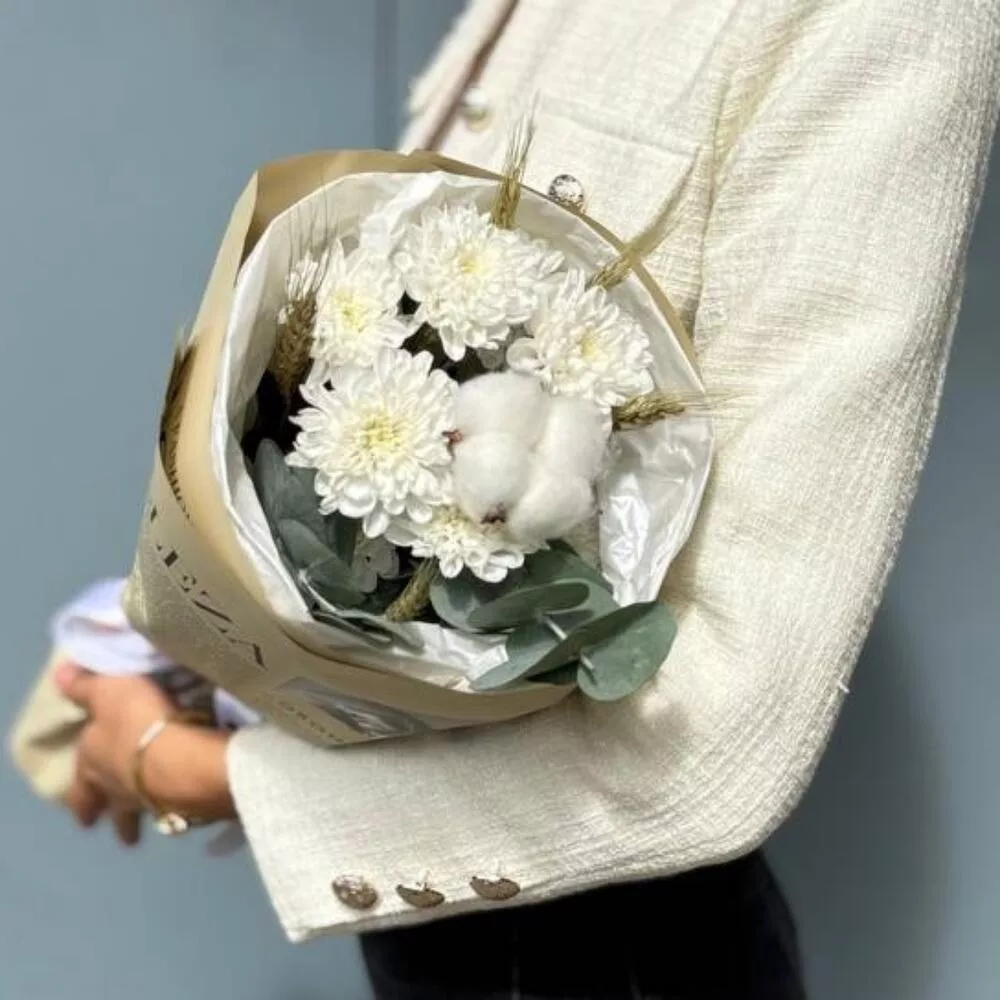
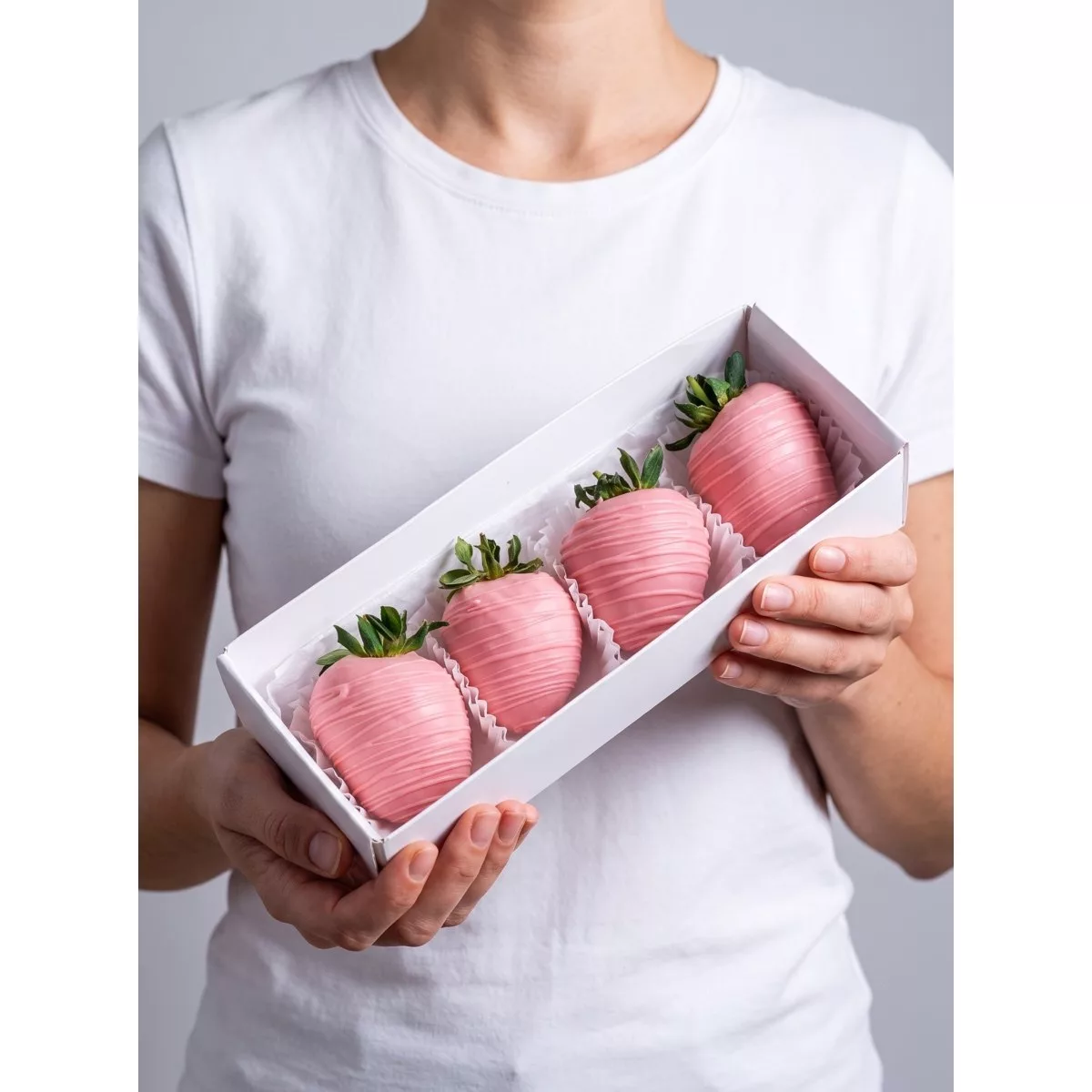
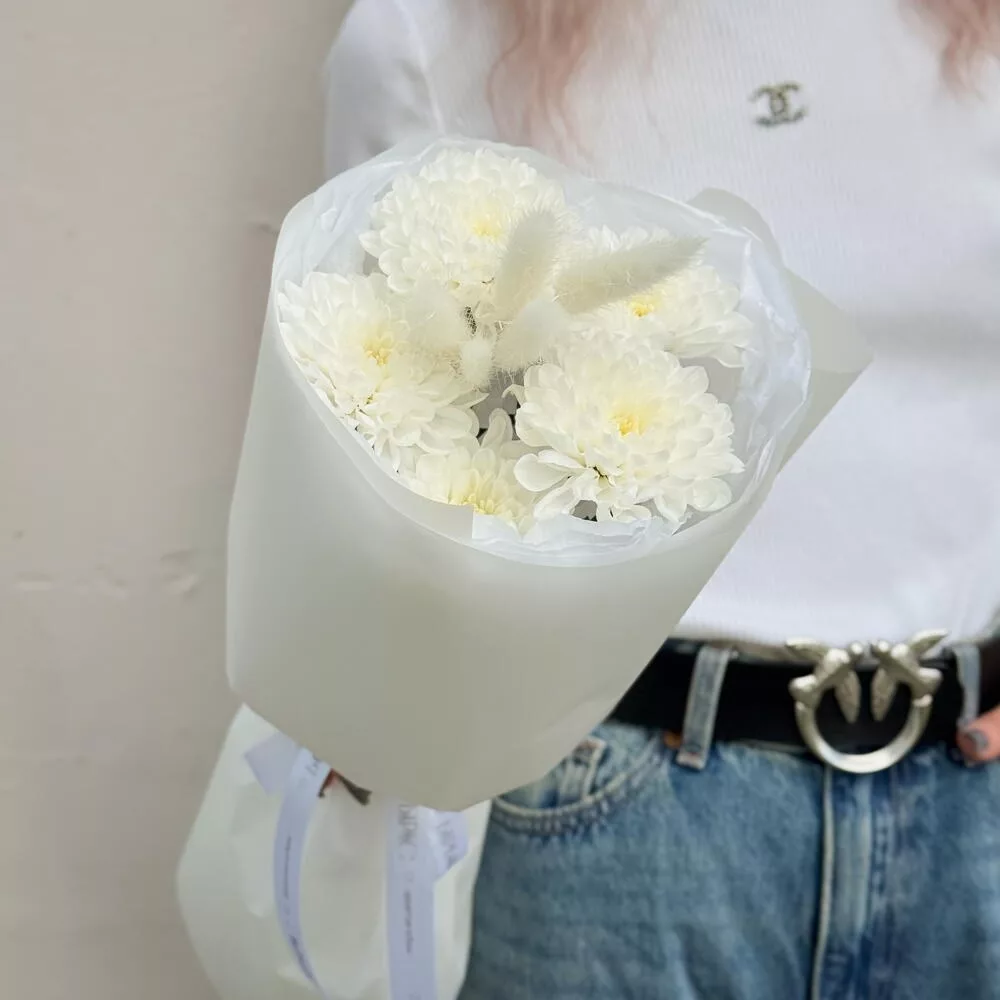
Bouquets we can deliver

What the Season Means for Your Bouquet Choice
Petrov Val sits in a continental climate zone, which means hot summers and genuinely cold winters. That temperature range matters more than most people realise when choosing flowers. A bouquet that travels well in July heat is a different bouquet from one that holds up through a February frost.
In summer, roses, alstroemeria and chrysanthemums are reliable choices. They handle warmth better than delicate blooms like sweet peas or ranunculus, which wilt quickly in high temperatures. Sunflowers are a wonderful summer option for Petrov Val — they feel right for the region, they are bold and cheerful, and they last well in a vase without much fuss.
In autumn, dahlias come into their own. Deep burgundy, terracotta and amber tones suit the season and photograph beautifully. Spray roses mixed with seasonal foliage like eucalyptus give a bouquet a full, generous look without feeling overdone.
Winter is the season for tulips and hyacinths if you want something that feels fresh and alive despite the cold outside. Tulips continue to grow in the vase, which surprises many recipients — they open gradually over several days, which means the bouquet changes and stays interesting. In very cold weather, ask for the bouquet to be wrapped in extra insulating paper for the journey, protecting petals from frost damage during the final steps of delivery.
Matching the Flowers to the Person and the Occasion
Choosing flowers for someone you know well is instinctive. Choosing for someone you know less well — a colleague's partner, a relative of a friend, a business contact — takes a little more thought. The occasion usually gives you the clearest signal.
For a birthday, think about energy and colour. Bright arrangements with gerberas, orange roses or mixed seasonal blooms feel celebratory without being formal. If the recipient is older and has a more traditional taste, a classic arrangement of red or pink roses with gypsophila is always received warmly in Russia — it is a familiar and respected gesture.
For a new home or a professional achievement, something architectural and long-lasting works well. Orchids in a pot are a strong choice here because they last for weeks rather than days, and they feel like a proper gift rather than a passing gesture. Anthurium is another option — glossy, structured and low-maintenance.
For romantic occasions, the combination matters as much as the flower itself. Red roses alone are powerful but expected. Red roses with white lisianthus and a touch of dark foliage become something more considered and personal. Peonies, when in season from late spring to early summer, are one of the most universally loved flowers in Russia and make an immediate impression.
If you genuinely do not know the person's taste, neutral tones — cream, blush, soft green — are the safest palette. They read as elegant rather than generic, and they suit almost any interior.
Budget and What It Actually Gets You
Flower budgets are personal, and there is no wrong answer as long as expectations match reality. What matters is understanding what different budget levels typically produce, so the bouquet you imagine is the bouquet that arrives.
A modest budget gets you a focused, well-made arrangement — perhaps five to seven stems of a single variety, cleanly presented with good foliage. A monobouquet of white tulips or a small bunch of garden roses can be quietly beautiful. The mistake at this level is asking for too many varieties, which spreads the stems thin and makes the bouquet look sparse.
A mid-range budget allows for combination bouquets — two or three complementary varieties, perhaps roses with eucalyptus and lisianthus, or sunflowers with solidago and seasonal greenery. These arrangements have depth and texture. They photograph well and fill a room.
A generous budget opens up premium varieties and larger volume. Garden roses with many-petalled heads, peonies in season, or a structured arrangement with orchids and tropical foliage create a genuine statement. At this level, presentation details matter too — a quality wrapping, a ribbon, a handwritten card. These finishing touches are what people remember.
One practical note: always allocate a small part of your budget for the card. In Russian culture, the written message accompanying flowers carries real significance. A few sincere words written clearly are worth more than an extra stem or two.
How the Bouquet Travels and Arrives
Understanding the journey your bouquet makes helps you set the right expectations and helps the recipient know what to do when it arrives. Flowers are living things, and they respond to how they are handled.
Turboflora prepares bouquets fresh before dispatch. The stems are cut at an angle — a detail that sounds small but significantly improves water uptake once the flowers are placed in a vase. The arrangement is wrapped to protect the blooms during transit, with the wrapping doing two jobs: keeping petals from bruising and maintaining some humidity around the stems.
On arrival, the recipient should unwrap the bouquet promptly and not leave it sitting in packaging. The first thing to do is trim the stems again — about two centimetres, cut on a diagonal with a sharp knife rather than scissors, which can crush the stem tissue. Then place the bouquet in clean, cool water immediately.
The water temperature matters. Lukewarm water is absorbed faster than cold water for most flowers, with the exception of tulips and bulb flowers, which prefer cool water. If a sachet of flower food is included with the bouquet, dissolve it in the water — it contains a mild acidifier, sugar and a small amount of antibacterial agent, all of which extend vase life meaningfully.
Keep the vase away from direct sunlight, heating radiators and fruit bowls. Ripening fruit releases ethylene gas, which accelerates petal drop. A cool room with indirect light is the ideal environment.
Vase Life and Keeping the Bouquet Fresh Longer
The moment the bouquet arrives is the beginning, not the end. With a little attention, most fresh arrangements last significantly longer than people expect — and the care is simpler than it sounds.
Change the water every two days. This sounds obvious but is the step most people skip. Bacteria build up quickly in vase water, blocking the stem ends and shortening the life of the flowers dramatically. Each time you change the water, re-trim the stems slightly. This keeps the uptake channels open.
Remove any leaves that sit below the waterline. Submerged foliage rots quickly and contaminates the water. Stripping the lower third of each stem before placing flowers in the vase is a habit professional florists maintain automatically.
Different flowers in a mixed arrangement age at different speeds. Gerberas typically last five to seven days. Chrysanthemums can go two weeks or more. Roses sit somewhere in the middle, around seven to ten days with good care. As individual stems fade, remove them — this is not failure, it is maintenance. The remaining flowers often look better with a little more space, and the arrangement evolves rather than simply dying.
For roses specifically: if the heads begin to droop before the petals actually fall, it usually means an air bubble has formed in the stem. Re-cutting the stem under water — holding the stem submerged while you make the cut — often solves this within a few hours. It is a useful trick that surprises people the first time they try it and it works.
Small Details That Make the Delivery Feel Personal
A flower delivery is a gesture, and gestures are made of details. The difference between a bouquet that feels thoughtful and one that feels like a transaction often comes down to a few small choices made at the ordering stage.
The card message is the most important detail. In Russia, receiving flowers without a card is unusual and can feel slightly impersonal. Even a short message — a birthday wish, a line of congratulation, something specific to the relationship — transforms the bouquet from a beautiful object into a personal communication. Write it as you would speak it, not as a formal announcement.
Colour choice communicates without words. White flowers are associated with purity and new beginnings — they suit celebrations like graduations or new arrivals. Yellow flowers, which in some Western countries carry a slightly ambiguous association, are generally joyful and warm in Russian culture. Red is romantic and bold. Pink is affectionate and gentle. These are tendencies, not rules, but they are worth being aware of.
If you are sending to a workplace rather than a home address, keep the arrangement contained and upright — a round bouquet in a box or a compact hand-tied arrangement travels better in an office environment and does not require the recipient to immediately find a large vase.
Finally, if the occasion is significant — a milestone birthday, an anniversary, a major achievement — consider adding a small accompanying gift. A candle, a box of chocolates, or a small plant alongside the bouquet elevates the moment and makes it feel considered rather than routine.
Sending flowers to Petrov Val from anywhere in Russia is a straightforward and genuinely rewarding thing to do. The distance dissolves the moment the bouquet arrives at the door. What the recipient experiences is colour, fragrance, and the clear knowledge that someone took time to think about them. Choose for the season, choose for the person, add a real message, and trust the flowers to do the rest.
Frequently asked questions
Can I send flowers to Petrov Val if I am ordering from another city?
Yes, completely. You place the order remotely through turboflora.com, provide the recipient's address and phone number, and Turboflora handles the delivery. The process is the same whether you are in Saint Petersburg, Moscow or anywhere else in Russia. You do not need to be present or coordinate anything locally.
What happens if the recipient is not home when the courier arrives?
The courier will call the recipient before arriving to confirm they are available. If the recipient cannot be reached or is unexpectedly away, the delivery time can be rescheduled. It helps to note any specific time windows in your order comments so the delivery can be planned around the recipient's schedule from the start.
Which flowers last longest in a vase for someone in Petrov Val?
Chrysanthemums, alstroemeria and orchids are among the longest-lasting cut flowers, often staying fresh for ten to fourteen days with proper care. Roses last seven to ten days. Tulips are shorter at five to seven days but open beautifully as they age. The single most important factor for any variety is clean water changed every two days.
Is it appropriate to send flowers as a gift in Russian culture for non-romantic occasions?
Absolutely. In Russia, flowers are a standard and warmly received gift for birthdays, graduations, professional achievements, housewarmings and visits to someone's home. They are given to men as well as women without any awkwardness. The number of stems in the bouquet is traditionally odd for celebratory occasions — this is a common Russian custom worth knowing.
How should the recipient store the bouquet if they cannot put it in a vase immediately?
If a vase is not immediately available, keep the bouquet in its wrapping and stand it upright in a cool place away from direct sunlight. Unwrap and trim the stems as soon as possible — ideally within an hour or two of arrival. Leaving flowers in packaging for extended periods traps heat and moisture unevenly, which shortens their life noticeably.
Ready to send flowers?
Pick the city, choose the bouquet, and a local florist takes it from there.
Choose a city →