Sending Flowers to Petrovsk-Zabaykalsky? Here Is What to Expect
Petrovsk-Zabaykalsky sits deep in Transbaikalia, roughly six hours by rail from Chita, surrounded by steppe and mountain ridges that shift colour with every season. Sending flowers here is not complicated, but it does reward a little planning — the right variety, the right packaging for the temperature outside, and an honest sense of when the bouquet will arrive and how it will look at the door. This article walks you through all of it, from choosing what to send to keeping the stems fresh once they arrive.
Who Receives Flowers in Petrovsk-Zabaykalsky and Why It Matters
Before you pick a colour or a variety, think about the person opening the door. A grandmother celebrating her birthday in a Siberian winter expects something warm and generous — full-headed roses in deep red or burgundy, perhaps wrapped in kraft paper with a wide satin ribbon. A young woman marking a promotion or anniversary responds differently to the same gesture: she might love a loose, garden-style arrangement of spray roses, waxflower and eucalyptus that looks as though it was gathered that morning rather than assembled in a shop.
Petrovsk-Zabaykalsky is a small city with close community ties, which means a bouquet is rarely a private moment. It is seen by neighbours, colleagues, family members who happen to be visiting. That social dimension is worth keeping in mind. A generous, well-presented arrangement carries more meaning here than a minimal one, even if the minimal version costs more per stem.
Russian gifting customs also lean toward odd numbers of stems — three, five, seven, nine — for celebratory occasions. Even numbers are traditionally reserved for mourning, so if you are ordering a specific stem count, keep that in mind. It is not a rigid rule everyone enforces, but many recipients will notice, and choosing an odd number is a small gesture of cultural awareness that lands well. When in doubt, let the florist compose by volume rather than by a fixed count.
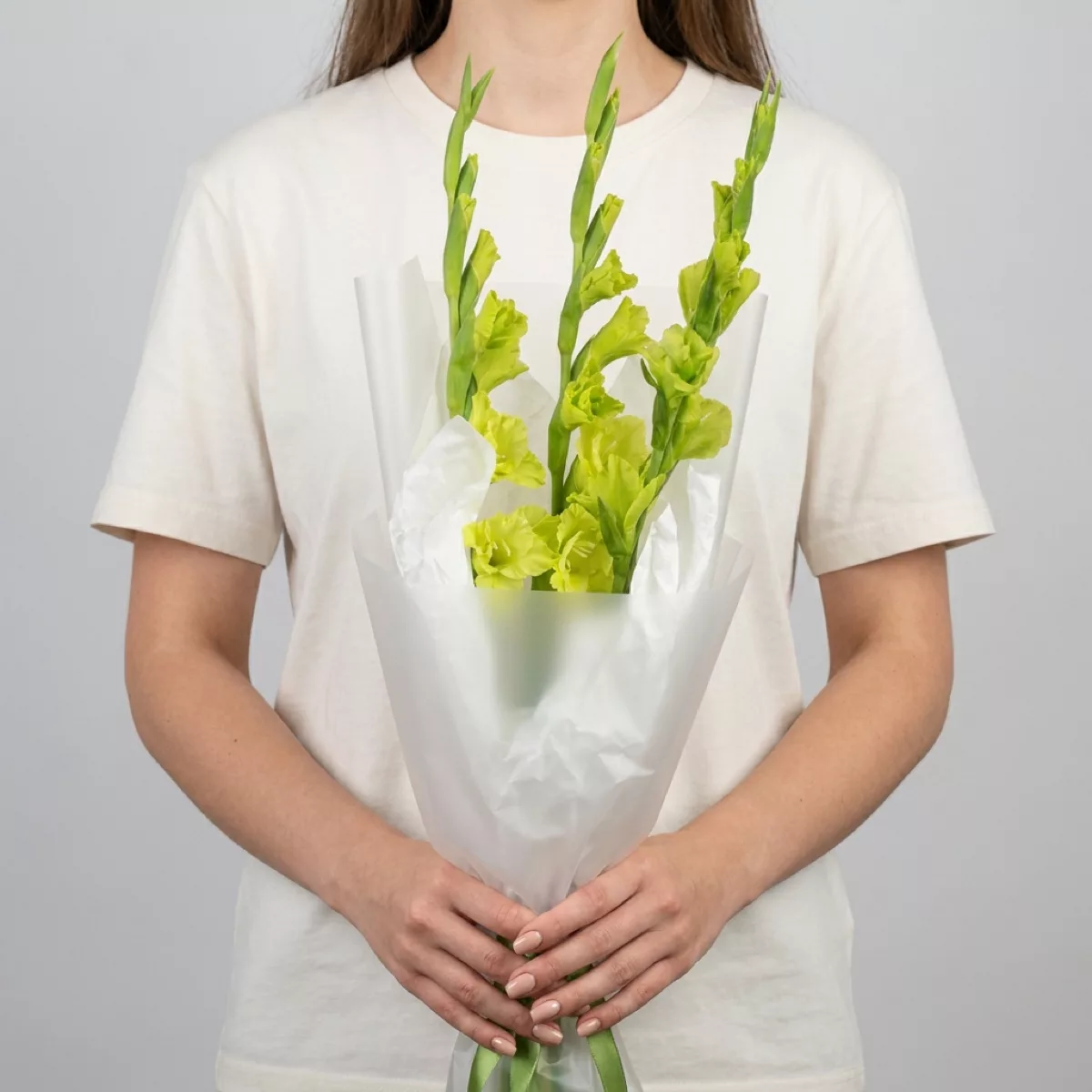
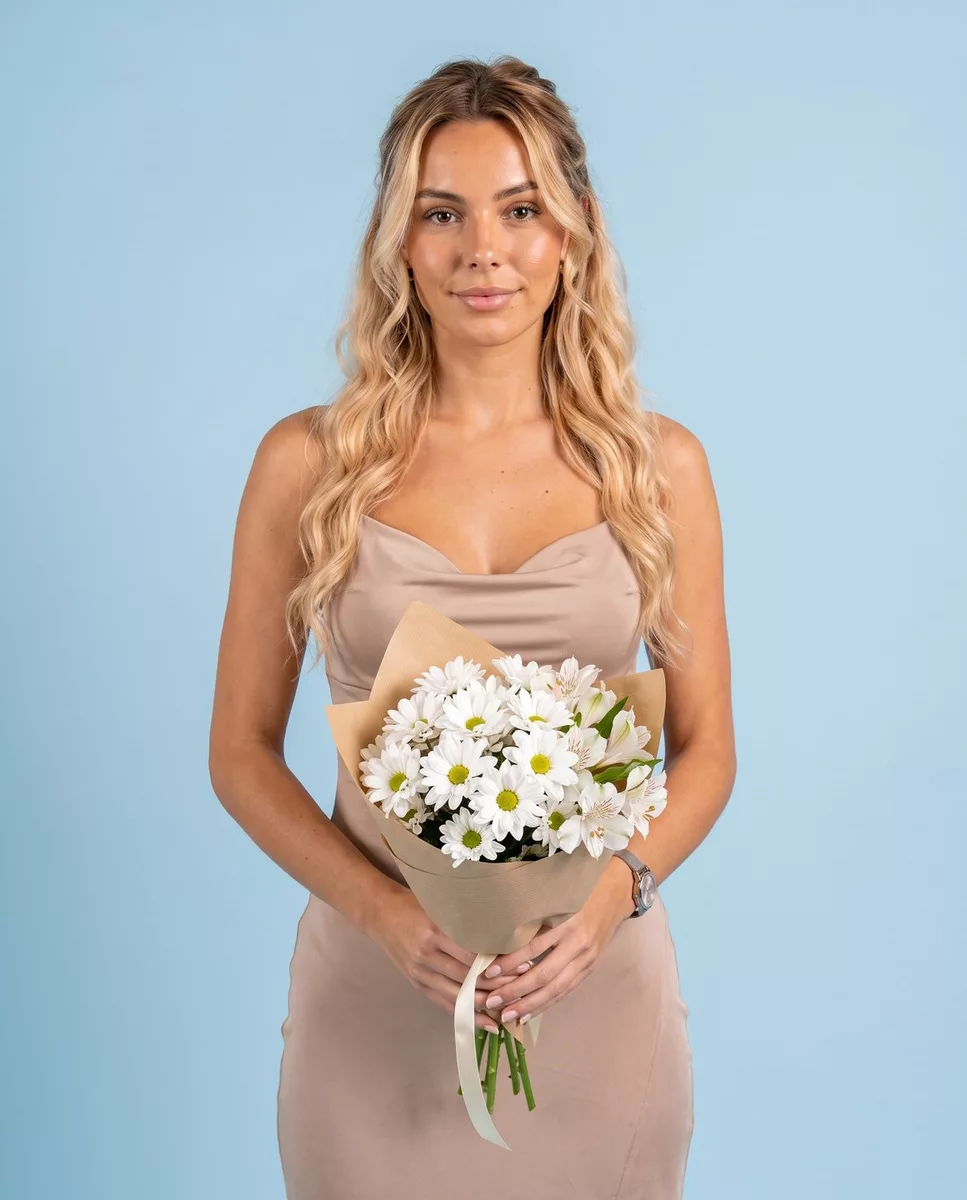
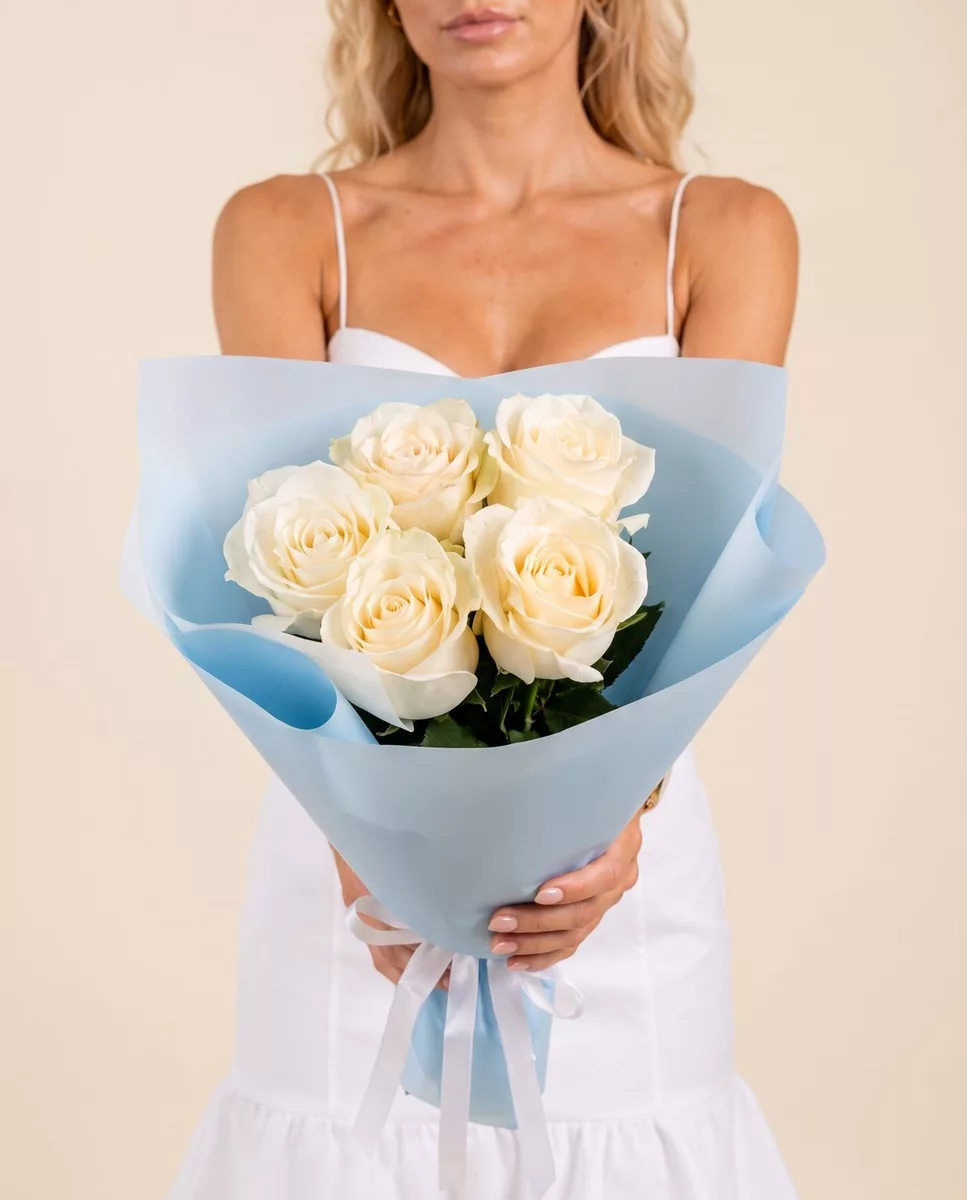
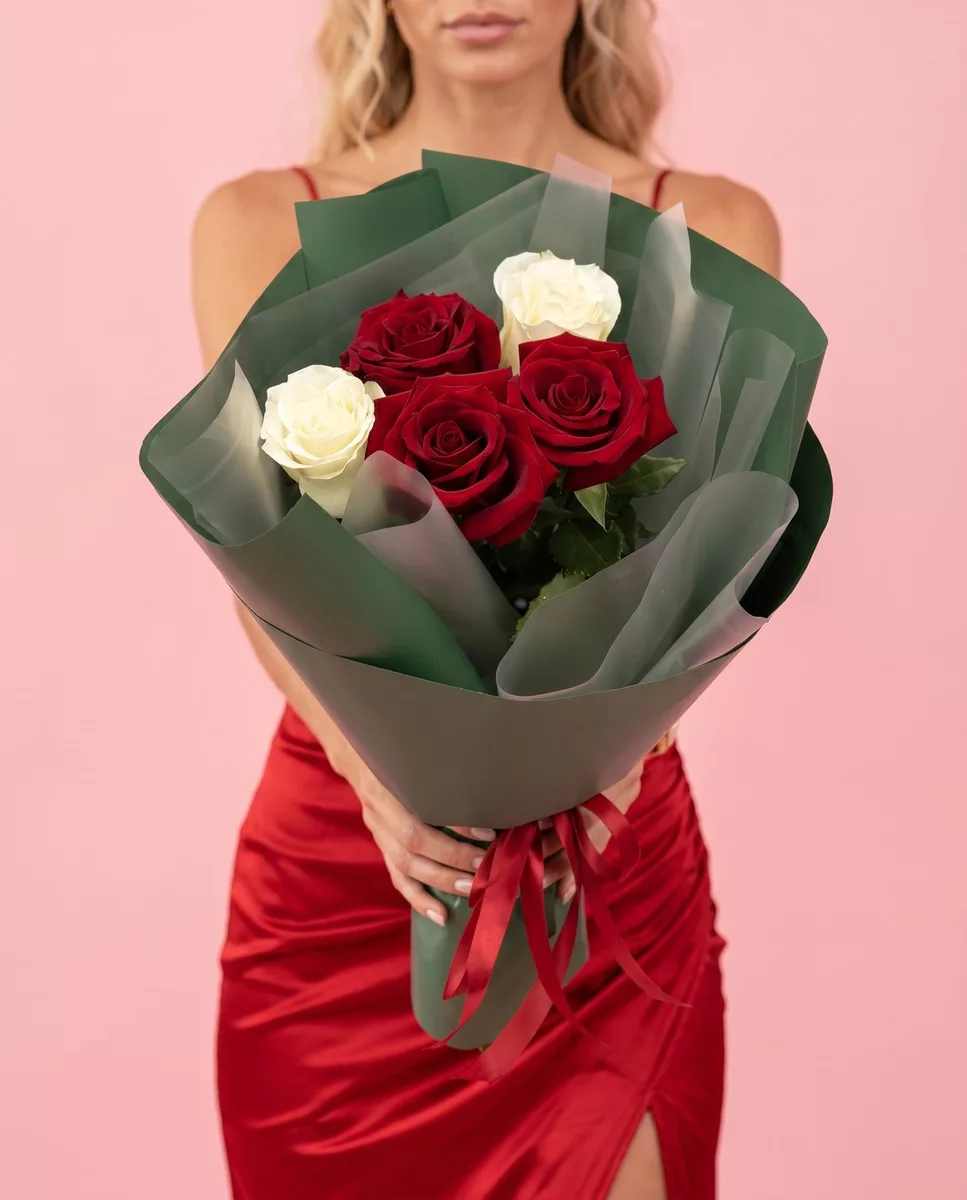
Bouquets we can deliver
Delivery Timing: What the Distance Actually Means
Turboflora is based in Saint Petersburg and delivers across Russia, which means reaching Petrovsk-Zabaykalsky involves coordinated logistics over a significant distance. The city is in the Zabaykalsky Krai, placing it in a time zone five hours ahead of Moscow. When you place an order, bear that gap in mind — what feels like a morning order in Saint Petersburg may already be early afternoon for the recipient.
Delivery windows to cities at this distance are typically communicated clearly at the point of order. Expect the process to take longer than a same-city delivery, and plan accordingly. If the occasion is a birthday, ordering a day ahead rather than on the morning of the date gives everyone — you, the logistics team, and the recipient — comfortable room. Last-minute orders are often possible, but they leave less flexibility if anything needs to be adjusted.
One practical point: make sure the recipient knows a delivery is coming, or that someone will be home. In smaller cities, couriers may not have the option of leaving a bouquet with a building concierge the way they might in a large apartment complex in Moscow. A quick message to the recipient — even a vague one if you want to preserve some surprise — prevents a missed delivery and protects the flowers from sitting in the cold. Petrovsk-Zabaykalsky winters are serious, and a bouquet left on a landing in January will not survive long.
Choosing Flowers for a Siberian Climate: Varieties That Travel Well
Not every flower handles a long journey in cold conditions equally. Roses are reliable travellers when properly conditioned — their stems are sturdy, their petals close slightly in transit and open again in a warm room. Standard roses, spray roses and garden roses all ship well. Chrysanthemums are another strong choice: they are long-lasting, come in a wide range of colours from white and pale yellow to deep burgundy, and hold their shape even after a demanding journey.
Alstroemeria is worth considering for mixed arrangements. It is resilient, comes in many colours, and when combined with greenery like ruscus or pittosporum it creates a full, lush look without being heavy. Carnations, often underestimated, are genuinely tough — they can look elegant when grouped in monochrome or layered with roses, and their vase life in a Siberian home can reach ten to fourteen days with basic care.
What to approach with more caution: delicate open blooms like anemones or ranunculus are beautiful but more vulnerable to temperature swings and physical movement. Tulips travel well when in bud but need to be in water quickly upon arrival. If you are set on tulips, they are a wonderful spring choice, but make sure the recipient is ready to unwrap and arrange them promptly. Lilies are a popular Russian favourite and travel well in bud — they will open gradually over several days, which many recipients love because the bouquet keeps revealing itself.
Packaging and Cold-Weather Protection: What Happens Before the Door
Winter in Petrovsk-Zabaykalsky is not a gentle season. January temperatures regularly drop well below minus twenty Celsius, and even October and March can bring sharp frosts. Flowers delivered in these conditions need proper cold-weather packaging, and this is something Turboflora takes seriously for every order going to the region.
Bouquets travelling to Siberian destinations are wrapped to insulate the blooms from temperature shock. This typically means layered wrapping — a moisture-retaining inner layer around the stems, a protective sleeve around the blooms, and an outer wrap that holds everything together and provides a buffer against the cold air. The goal is to keep the flowers in a stable microclimate during the final stage of delivery, when the courier moves from a heated vehicle to the outdoor air and then to the recipient's entrance.
Temperature shock — moving flowers suddenly from cold to warm — can cause petals to bruise or drop prematurely. The recipient can help by letting the bouquet rest in a cool hallway for ten to fifteen minutes before unwrapping it fully, rather than bringing it straight into a heated room. This gradual acclimatisation makes a real difference to how the flowers look and how long they last.
Summer and early autumn deliveries face the opposite challenge: heat. Flowers in transit during a warm Zabaykalsky July need protection from direct sunlight and excessive warmth. The packaging approach shifts accordingly, prioritising ventilation and speed.
Combining Flowers and Greenery: Making the Bouquet Feel Complete
A bouquet is not just its headline flower. The greenery, filler blooms and wrapping work together to create an impression, and getting that combination right is what separates a forgettable arrangement from one the recipient photographs and keeps on the table for two weeks.
For a classic, warm occasion — a birthday, an anniversary, a celebration of any kind — roses paired with waxflower and soft eucalyptus create a layered, fragrant result. The waxflower adds tiny white or pink dots of texture, the eucalyptus brings a fresh herbal scent, and the roses remain the clear centrepiece. This combination also travels well because waxflower and eucalyptus are both hardy.
For something more contemporary, a mix of spray roses, lisianthus and ruscus feels garden-fresh and less formal. Lisianthus, sometimes called eustoma in Russian flower shops, has ruffled petals that resemble peonies and comes in white, purple, lavender and pink. It adds softness without being fragile, and it is increasingly popular for exactly that reason.
Monochrome arrangements — all white, all cream, or a single colour family moving from pale to deep — work beautifully for recipients who have a strong aesthetic sense or a particular interior style. If you know the recipient's home has neutral tones, an all-white arrangement of roses, lisianthus and white chrysanthemums with silver brunia looks genuinely considered. Colour combinations that photograph well and feel cohesive in person are: peach and white, burgundy and blush, lavender and cream.
Care Instructions to Pass Along: Keeping Flowers Fresh in a Siberian Home
Flowers last longer when the recipient knows a few simple things, and passing along care instructions — either written on a card or shared in a message — is one of the most practical gifts you can add to any bouquet.
The first step upon receiving fresh flowers is to trim the stems. About two centimetres cut at a forty-five degree angle, ideally under running water, opens the stem and allows it to drink immediately. This matters most in the first hour. A clean, sharp knife or scissors is better than a blunt one, which crushes the stem tissue rather than cutting it cleanly.
Water temperature should be cool to lukewarm, never hot or icy cold. Change the water every two days and rinse the vase each time — bacterial buildup in the vase is the most common reason flowers fade early, and it is entirely preventable. Remove any leaves that sit below the waterline, as submerged foliage rots and accelerates bacterial growth.
Keep the vase away from heat sources — radiators, sunny windowsills, and the top of the television are the three most common mistakes in Russian homes during winter. Central heating in Siberian apartments runs high, and the dry warm air accelerates wilting. A cooler spot in the room, or even moving the vase to a cool hallway overnight, can add two to three days of vase life. Misting the petals lightly with water also helps in very dry interiors. With basic care, roses and chrysanthemums should last seven to ten days; alstroemeria and carnations often go longer.
What to Write: Notes, Cards and the Russian Gifting Moment
In Russia, the moment of giving flowers is rarely silent. There is usually a small speech, a toast, or at minimum a warm exchange of words. When flowers are delivered rather than handed over in person, the card carries all of that weight. A few sentences written with real attention mean more than a long generic message.
Be specific rather than formal. Instead of writing a standard congratulations phrase, mention something particular — the achievement being celebrated, a shared memory, a quality you genuinely admire. Recipients in smaller cities like Petrovsk-Zabaykalsky often keep cards for years, tucked into books or photograph albums. A card that says something real is worth the extra minute it takes to write.
If you are sending from outside Russia and writing in English, that is entirely fine — many recipients will appreciate the gesture of a handwritten note in another language, and the delivery team can include a translation if you request it. If you want to include a Russian phrase, a simple and always-appropriate option is: Ot vsego serdtsa — which means from the whole heart. It works for birthdays, celebrations, expressions of care, and moments of appreciation equally well.
For professional occasions — a colleague's promotion, a team celebration, a thank-you to a business contact — keep the tone warm but measured. A single-colour arrangement in white or cream with a short, sincere note reads as polished and thoughtful. Avoid overly personal language in professional contexts, and let the flowers themselves carry the warmth.
Petrovsk-Zabaykalsky is far from Saint Petersburg by any measure, but the distance does not change what flowers do when they arrive at someone's door. They signal that someone took time, made a decision, and chose to mark a moment. Getting the variety right for the season, packaging the bouquet properly for Transbaikal temperatures, and passing along a few care tips ensures that the gesture lands the way you intended — fresh, considered, and lasting well beyond the day it arrives.
Frequently asked questions
Can I order flowers for same-day delivery to Petrovsk-Zabaykalsky?
Same-day delivery to Petrovsk-Zabaykalsky depends on the time of your order and the time zone difference — the city is five hours ahead of Moscow. Ordering as early in the day as possible gives the best chance of a same-day arrival. For important occasions, placing the order a day ahead is always the more comfortable choice and leaves room for any adjustments.
Which flowers hold up best during winter delivery to Siberia?
Roses, chrysanthemums, carnations and alstroemeria are the most reliable choices for cold-weather delivery. Lilies travel well in bud and open gradually after arrival. Delicate open blooms like anemones and ranunculus are more vulnerable to temperature swings and are better suited to spring and summer orders when conditions are less extreme.
How should the recipient care for flowers after delivery in winter?
Let the bouquet acclimatise in a cool hallway for ten to fifteen minutes before unwrapping it fully. Trim stems at a forty-five degree angle, place in cool water, and keep the vase away from radiators and sunny windowsills. Change the water every two days and remove any submerged leaves. These steps alone can extend vase life by several days.
Is it important to use an odd number of stems when sending flowers in Russia?
Yes, this is a widely observed Russian custom. Odd numbers of stems — three, five, seven, nine — are associated with celebration and positive occasions. Even numbers are traditionally linked to mourning. Most recipients will notice the stem count, so choosing an odd number or letting the florist compose by volume rather than a fixed count is a simple way to honour the tradition.
What should I write on the card if I am sending flowers from abroad?
Write something specific and personal rather than a formal phrase — mention the occasion, a shared memory, or a quality you genuinely value in the recipient. Writing in English is perfectly fine and often appreciated. If you want one Russian phrase that works for almost any celebration, Ot vsego serdtsa means from the whole heart and is always warmly received.
Ready to send flowers?
Pick the city, choose the bouquet, and a local florist takes it from there.
Choose a city →