Sending Flowers to Pikalevo? Here Is What to Expect
Pikalevo sits about 230 kilometres east of Saint Petersburg, and the people who live there deserve flowers that arrive fresh, not tired from a long journey. Whether you are marking a birthday from across the country or surprising someone on an ordinary Tuesday, the details matter: which flowers travel well, when to order, and how the whole process feels from the moment you click confirm to the moment your recipient opens the door.
Who You Are Probably Sending To, and Why That Shapes Everything
Most orders to Pikalevo come from people who are not in the city themselves. A daughter studying in Saint Petersburg sends roses to her mother for her birthday. A colleague orders a congratulations bouquet for a teammate who just had a baby. A partner living in another region wants to mark an anniversary without being there in person. In each case the flowers carry the entire emotional weight of the moment, because the sender cannot.
This is worth keeping in mind when you choose. A bouquet that looks impressive in a photo but wilts by evening is not a gift — it is a disappointment. The better question is not what looks beautiful in the shop but what will still look beautiful twenty-four hours after it arrives. That means thinking about stem strength, petal thickness and how a particular variety handles temperature shifts during transport.
In Russian culture, flowers are taken seriously as a gesture. An odd number of stems is the traditional rule for living recipients — even numbers are associated with mourning, so a bouquet of eleven roses or seven tulips is the right instinct. If you are not familiar with this custom, it is easy to overlook, but your recipient will notice. We handle this automatically, so you do not have to count yourself, but it is useful context for understanding why we sometimes suggest adjusting a quantity.
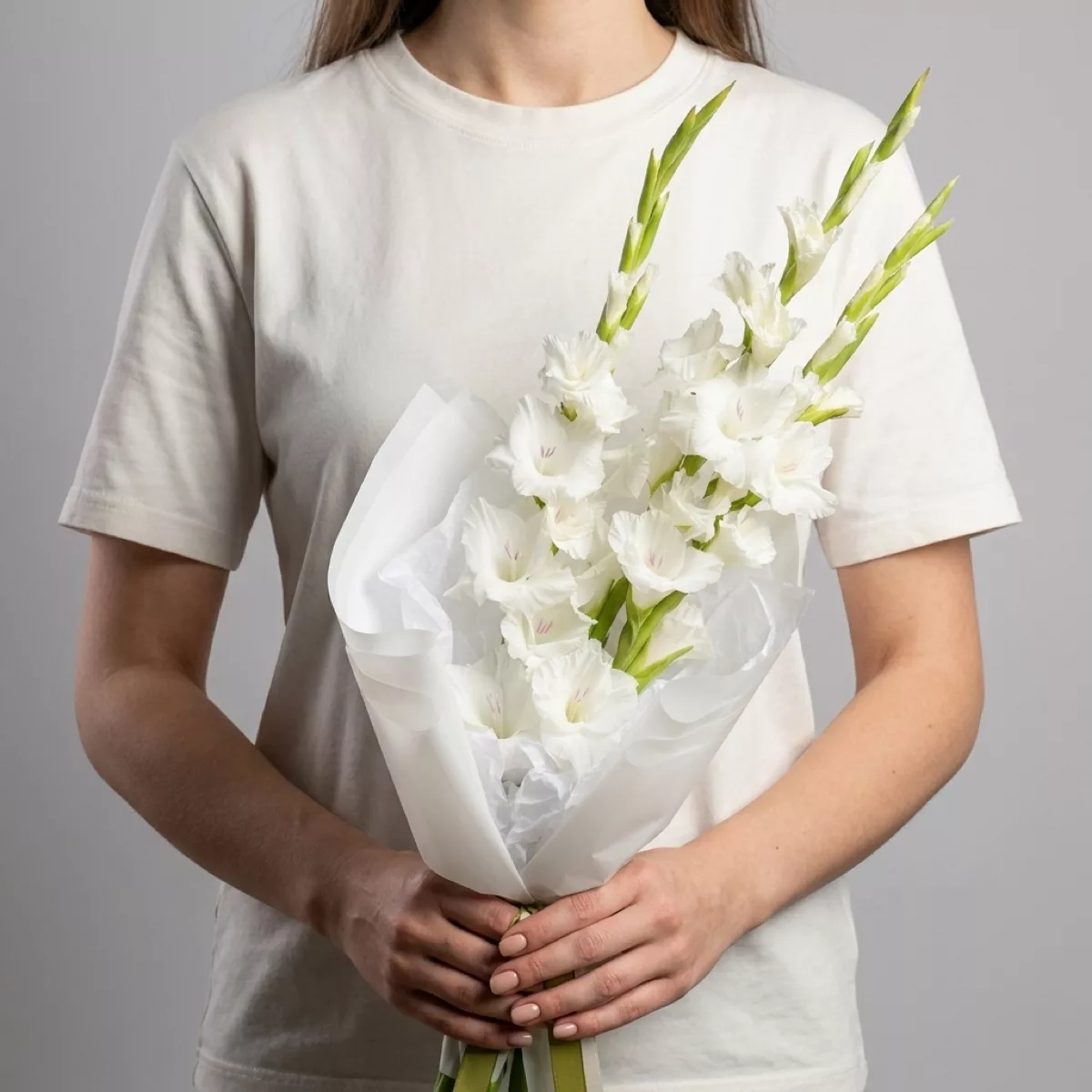
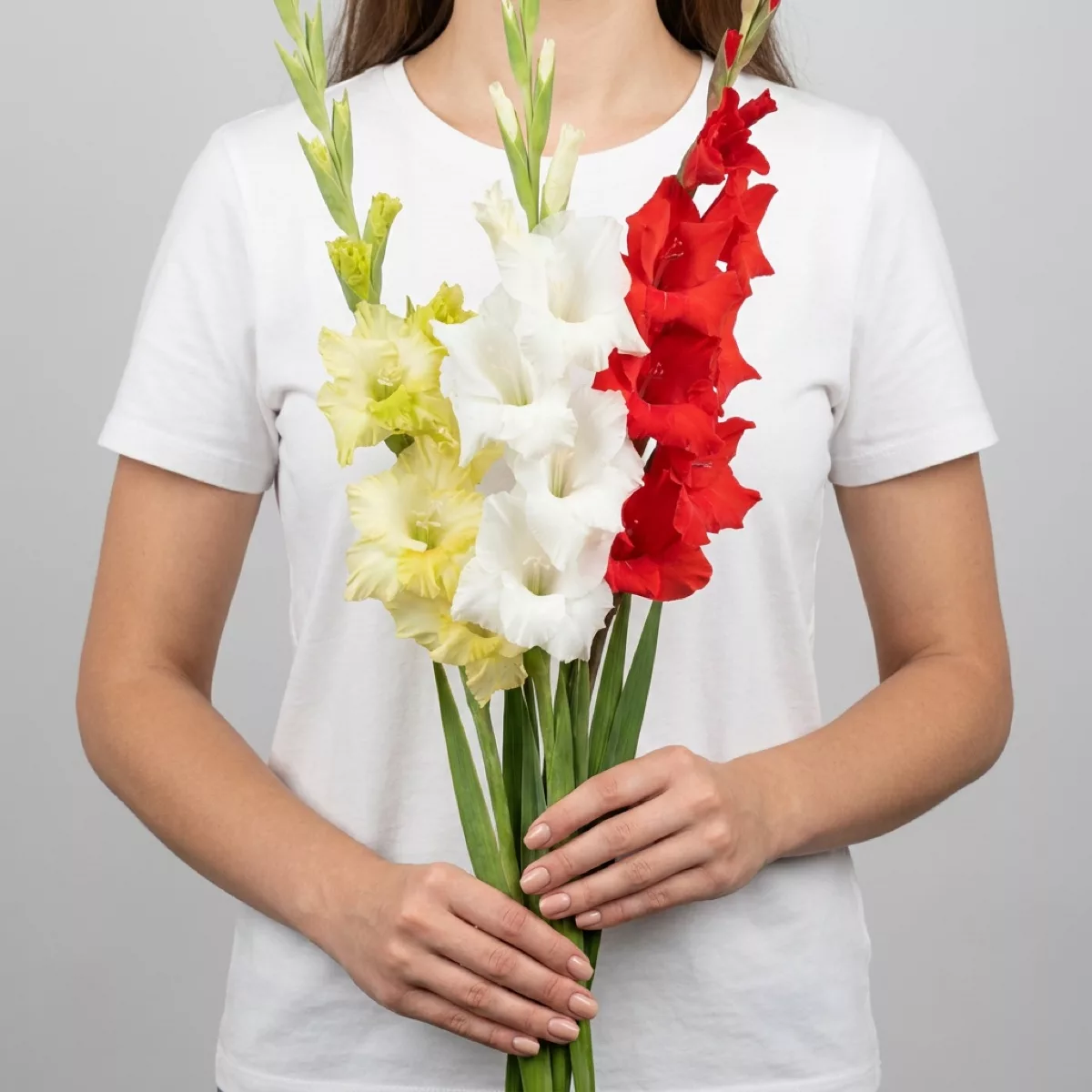
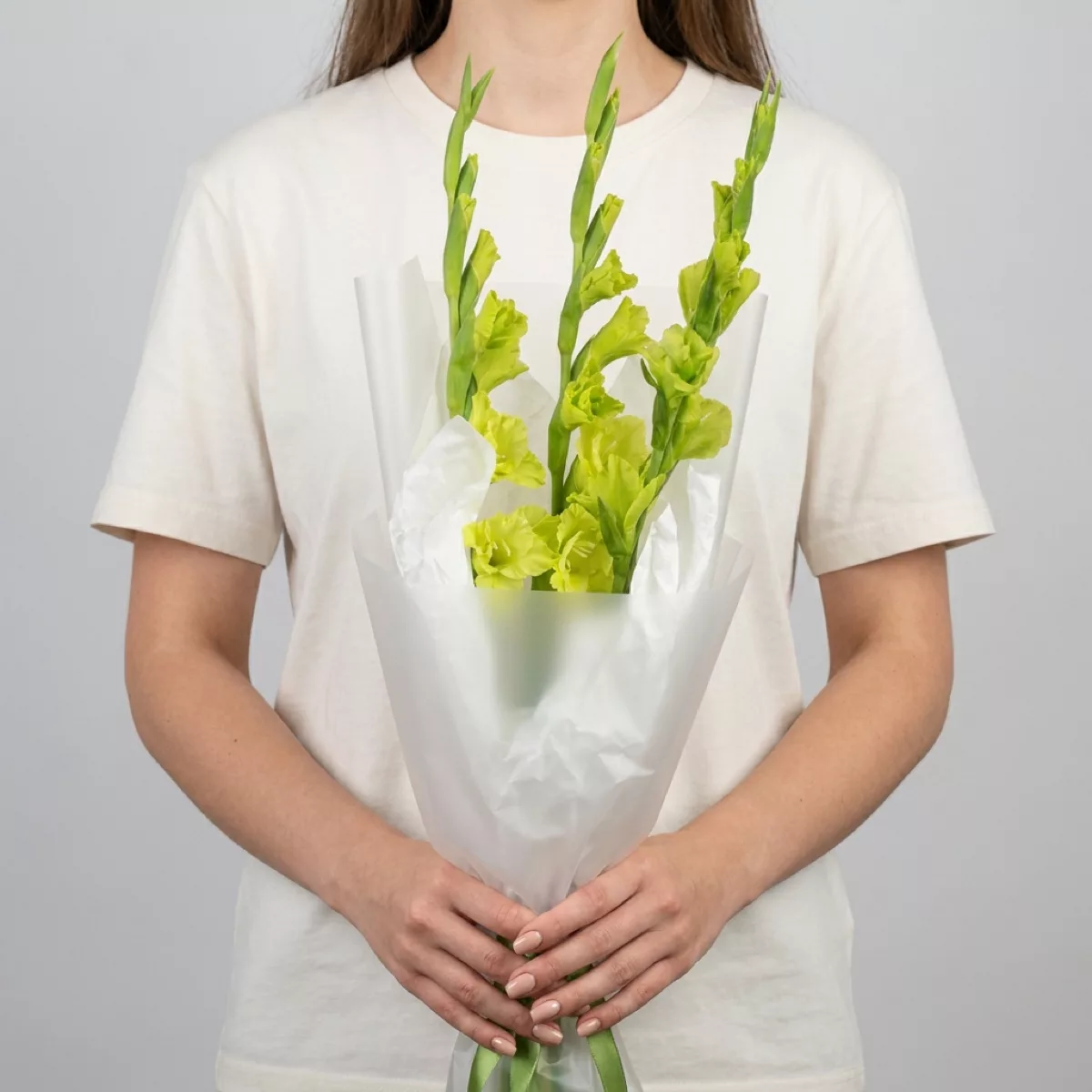
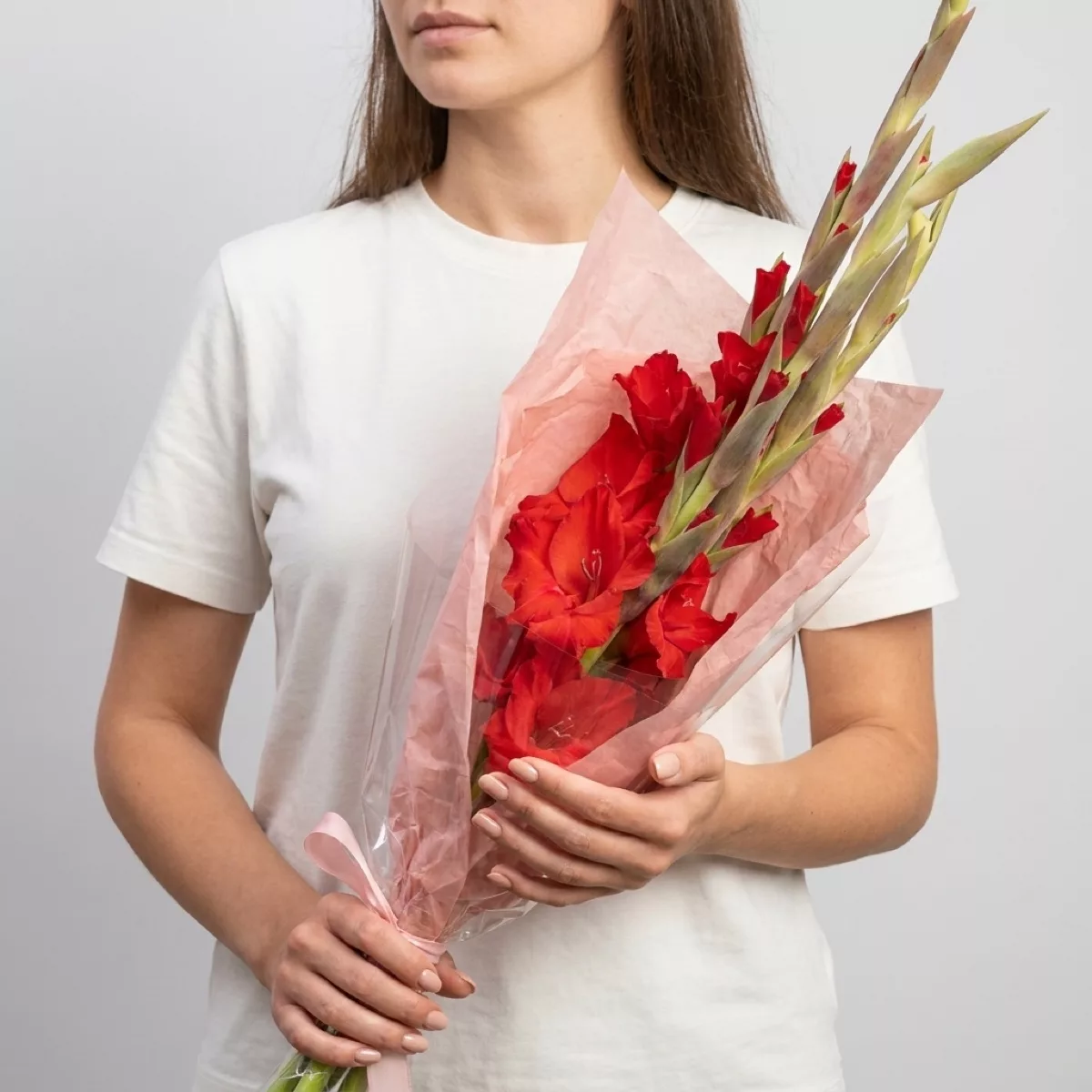
Bouquets we can deliver
The Delivery Route and Why Freshness Is Protected Along the Way
The drive from Saint Petersburg to Pikalevo takes roughly three to three and a half hours depending on road conditions and the season. This is not a short hop, and it means flowers need to be prepared specifically for travel rather than simply wrapped and handed off. Stems are cut at an angle before packing, water-retaining materials keep the base of each stem hydrated throughout transit, and the bouquet is shaped so it does not press against the packaging and bruise petals.
Temperature is the most important variable on this route. In summer, the car interior can reach levels that accelerate wilting within thirty minutes if flowers are left unprotected. In winter, frost damage can blacken petals — roses and gerberas are particularly sensitive to freezing. Our delivery operates with temperature-controlled transport, which keeps flowers in the 6–10 degree Celsius range that most cut flowers prefer during transit.
Pikalevo itself is a compact city, which works in the recipient's favour once the bouquet arrives. Navigating to a specific address is straightforward, and there are no complicated multi-entrance residential blocks that add delay. Delivery windows are confirmed with the recipient by phone before the courier arrives, so no one is standing in a cold hallway waiting. The typical experience is a clean handoff: the door opens, the flowers arrive looking as though they were assembled nearby rather than carried across the Leningrad Oblast.
Choosing the Right Bouquet for the Situation, Not Just the Season
A birthday calls for something with presence — volume, colour and stems that hold their shape over several days. Spray roses, lisianthus and alstroemeria are excellent here because they open gradually, meaning the bouquet looks even better on day three than it did on arrival. Peonies are spectacular but seasonal, available reliably from late May through July, and they travel well when cut in bud stage.
For a new baby, soft tones work better than saturated reds. White or blush ranunculus, pale pink tulips and white freesia with its gentle scent are combinations that feel appropriate without being predictable. Freesia in particular has a delicate fragrance that fills a room without being overwhelming — a thoughtful detail when a newborn is involved.
For a romantic occasion, the instinct is often red roses, and red roses are genuinely beautiful when they are high-grade. Look for varieties with tight, full heads and dark green foliage — these signal freshness. Mixing red roses with white waxflower or eucalyptus adds texture without competing with the drama of the rose itself. A monochromatic bouquet of one variety done exceptionally well almost always outperforms a mixed arrangement that tries to do too much. When in doubt, choose fewer varieties and more stems of each. The result reads as intentional and generous rather than assembled from leftovers.
Timing Your Order So the Flowers Arrive When They Should
Orders for Pikalevo should be placed at least one day in advance for standard delivery. This gives time for the bouquet to be assembled fresh in Saint Petersburg, packed correctly for the journey and dispatched so it arrives within your chosen window. Same-day delivery to Pikalevo is available for orders placed before a specific morning cut-off — check the current time on the website, as it varies slightly by season and staffing.
Morning delivery, roughly between ten and one in the afternoon, tends to work best for most recipients. It gives the person the whole day to enjoy the flowers and, if they want to photograph them for a social post or set them up before guests arrive, they have time to do so. Evening delivery is possible but means the bouquet spends the night in a warm apartment before the recipient has a chance to condition the stems, which slightly shortens overall vase life.
Public holidays in Russia — and there are several clustered around March 8th, which is International Women's Day and the single busiest flower date in the Russian calendar — require ordering two to three days ahead. Demand spikes sharply, and last-minute orders risk either unavailability of specific varieties or delayed slots. If you are sending for March 8th, the best approach is to decide on the bouquet by March 5th at the latest. The same principle applies around February 14th, though that date is less universally observed in Russia than in Western Europe.
What Happens If No One Is Home, and How to Avoid That Situation
The courier always calls ahead before arriving. This is standard practice rather than a courtesy extra, and it solves the most common delivery problem before it starts. If the recipient does not answer, the courier will try once more and then contact the sender for instructions. Flowers are never left outside a door unattended — not because of policy formality, but because a bouquet sitting in a stairwell in winter or summer will deteriorate quickly.
The smoothest deliveries happen when the sender has already given the recipient a heads-up that something is coming, even without revealing the details. You can say a package is arriving without spoiling the surprise of what it is. This way the recipient is reachable, and the courier does not spend time on repeated call attempts.
If the recipient works during the day, an evening slot is worth choosing deliberately rather than hoping a daytime delivery works out. Alternatively, many people in Pikalevo are happy to receive flowers at their workplace — a bouquet arriving at an office is often even more impactful than one arriving at home, because colleagues witness the moment. If you are sending to a workplace, include the company name and floor or office number in the address field. A vague address adds time and uncertainty to the final stage of a journey that has already covered two hundred kilometres.
Care Instructions the Recipient Should Know From the First Hour
Every bouquet we send to Pikalevo includes a small care card, but it helps to know the basics yourself so you can pass them on if needed. The first action after receiving flowers is to recut the stems — about two centimetres at a diagonal — under running water or submerged in a basin. This removes the air bubble that forms at the cut end during transit and immediately improves water uptake.
The vase should be clean and filled with cool, not cold, water. Flower food sachets, which we include with every order, contain a mild biocide, a sugar for nutrition and a pH adjuster. They genuinely extend vase life by several days compared to plain water, and they are worth using rather than setting aside. The old household remedies — a coin in the water, an aspirin, a splash of bleach — are inconsistent and some are actively harmful to certain varieties.
Placement in the room matters more than most people expect. Flowers kept away from direct sunlight, heating vents and fruit bowls last noticeably longer. Ripening fruit releases ethylene gas, which accelerates ageing in cut flowers — roses and carnations are especially sensitive. A cool windowsill that does not get direct afternoon sun is close to ideal. Changing the water every two days and trimming stems slightly each time will keep most bouquets looking good for seven to ten days, depending on the variety.
Making the Bouquet Feel Personal Even When You Are Far Away
Distance does not have to make a flower gift feel impersonal. The choices you make in the order process — the specific colour palette, the note you write, the delivery time you select — are all expressions of attention, and the recipient feels them. A handwritten-style card with a specific memory or inside reference lands very differently from a generic congratulations message.
Think about the recipient's home when you choose colours. Someone with a modern, minimalist apartment might appreciate a tight, monochromatic bouquet of white tulips or blush peonies in a simple wrap. Someone whose home is colourful and layered might love a garden-style arrangement with mixed textures — lisianthus, ranunculus, scabiosa and eucalyptus together have a loose, gathered quality that feels abundant without being formal.
If you know the recipient's favourite flower, lead with that variety even if it is not what you would personally choose. Receiving your known favourite signals that the sender paid attention, and that is the emotional core of a flower gift. If you are unsure, roses remain the most universally appreciated choice across ages and occasions in Russia — a large, well-conditioned rose in a deep red or warm coral is rarely wrong. The combination of a strong stem variety, a thoughtful note and a delivery timed to the right moment of the day is what makes a bouquet feel like a real gesture rather than a transaction completed online.
Sending flowers to Pikalevo from a distance is genuinely straightforward when the preparation is right — the route is known, the timing is manageable and the flowers, packed and conditioned properly, arrive in the same condition they left Saint Petersburg. The part that stays with the recipient is not the logistics but the thought behind the choice: the right colour for the occasion, the variety that holds for a week, the note that says something specific. That is where the gift actually lives.
Frequently asked questions
How far in advance should I order flowers for delivery to Pikalevo?
One day ahead is the standard recommendation for a comfortable delivery window. For major dates like March 8th or Valentine's Day, place your order two to three days early. Same-day delivery to Pikalevo is possible if you order before the morning cut-off shown on the website, but advance orders give more flexibility on timing and variety availability.
Will the flowers still look fresh after the journey from Saint Petersburg?
Yes, when prepared correctly. Stems are hydrated before packing, and our transport maintains a temperature between 6 and 10 degrees Celsius throughout the journey. Most bouquets arrive in bud or early-open stage, meaning they continue to develop after delivery and look their best over the following two to three days rather than peaking immediately on arrival.
What if the recipient is not at home when the courier arrives?
The courier calls ahead before arriving. If there is no answer, the sender is contacted for instructions. Flowers are never left unattended outside a door. To avoid this situation entirely, let the recipient know something is coming — you can keep the contents a surprise while ensuring they are reachable during the delivery window you have selected.
Is there a rule about how many flowers to include in a bouquet for a Russian recipient?
Yes. An odd number of stems is the traditional standard for gifts to living recipients in Russia — even numbers are associated with mourning occasions. So eleven roses or seven tulips, for example, is the correct instinct. We follow this convention automatically when assembling bouquets, but it is worth knowing if you are specifying an exact stem count in your order.
Which flowers last longest after delivery to Pikalevo?
Alstroemeria, spray roses, lisianthus and carnations are among the most durable cut flowers, often lasting ten days or more with basic care. Standard roses and tulips typically give seven to eight days. Peonies and ranunculus are shorter-lived but exceptionally beautiful. Whichever variety you choose, recutting stems on arrival and using the included flower food makes a significant difference to vase life.
Ready to send flowers?
Pick the city, choose the bouquet, and a local florist takes it from there.
Choose a city →