Sending Flowers to Pochep? Here Is What to Expect
You want someone in Pochep to open their door and feel genuinely surprised — not just receive a cellophane-wrapped bundle that travelled badly. Pochep is a quiet town in the Bryansk region, and getting fresh flowers there within a reliable window takes real planning on our end. Here is exactly what happens from the moment you place an order to the moment your recipient holds the bouquet.
Why Pochep Is Worth Sending Flowers To
Pochep sits in the southwest of Russia, a town of around thirty thousand people where a flower delivery still feels like an event rather than a routine errand. People here mark birthdays, anniversaries, graduations and the first day of school with flowers just as earnestly as anywhere in the country — sometimes more so, because the gesture stands out more when it is less expected. If you are sending from Moscow, Saint Petersburg or another large city to someone living in Pochep, you are doing something that will be remembered.
Russian flower-giving customs are worth knowing if you are unfamiliar with them. Always send an odd number of stems — three, five, seven, nine — because even numbers are reserved for mourning occasions. A bouquet of five garden roses or seven tulips reads as celebratory and correct. If you are not sure what the recipient prefers, a mixed seasonal arrangement in warm tones is universally well received.
Pochep also has a strong sense of occasion around school milestones. The first of September, known as Knowledge Day, is one of the biggest flower-giving days of the year across Russia, and teachers receive armfuls of gladioli, chrysanthemums and asters from grateful families. Knowing this helps you time your order wisely and choose varieties that feel appropriate rather than generic.
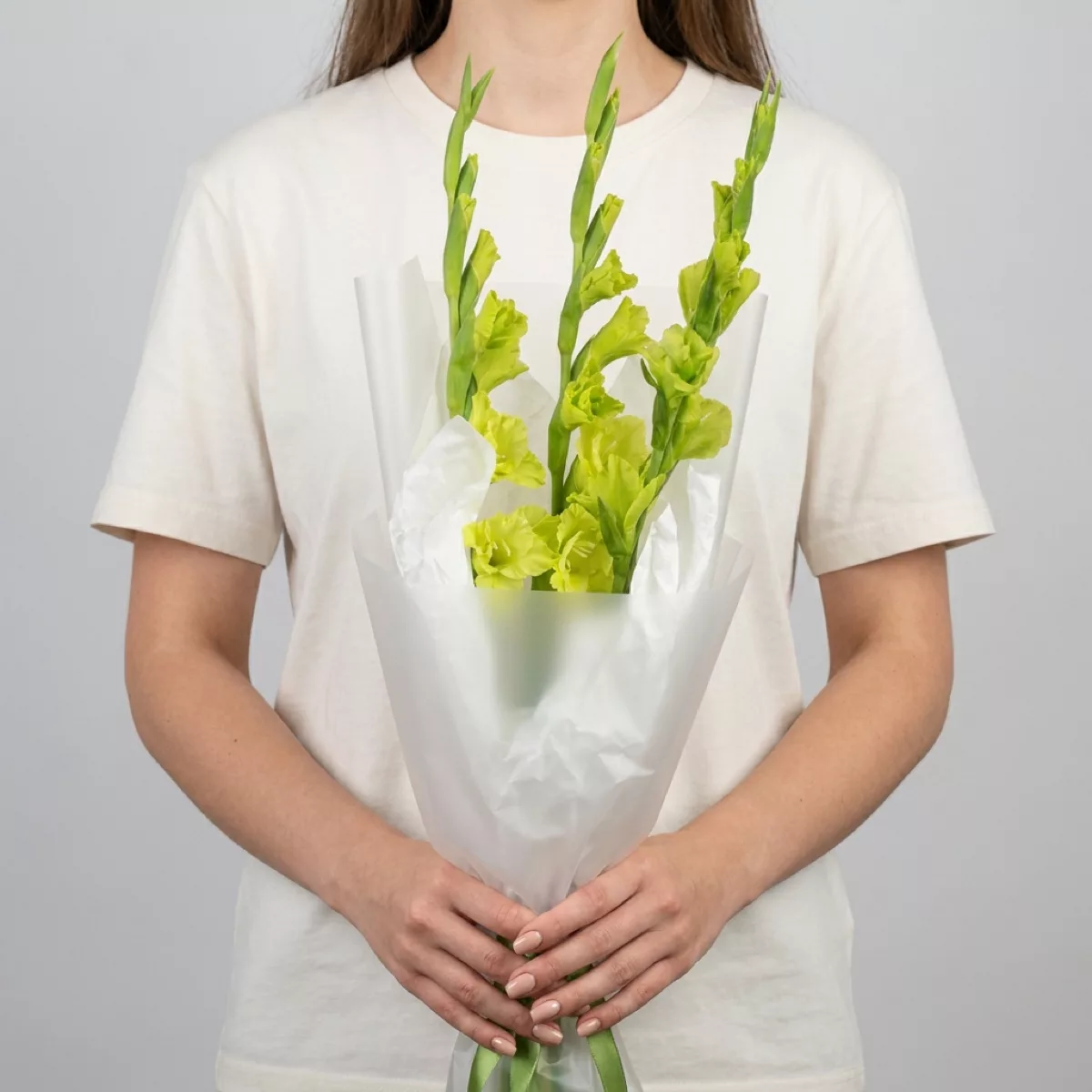
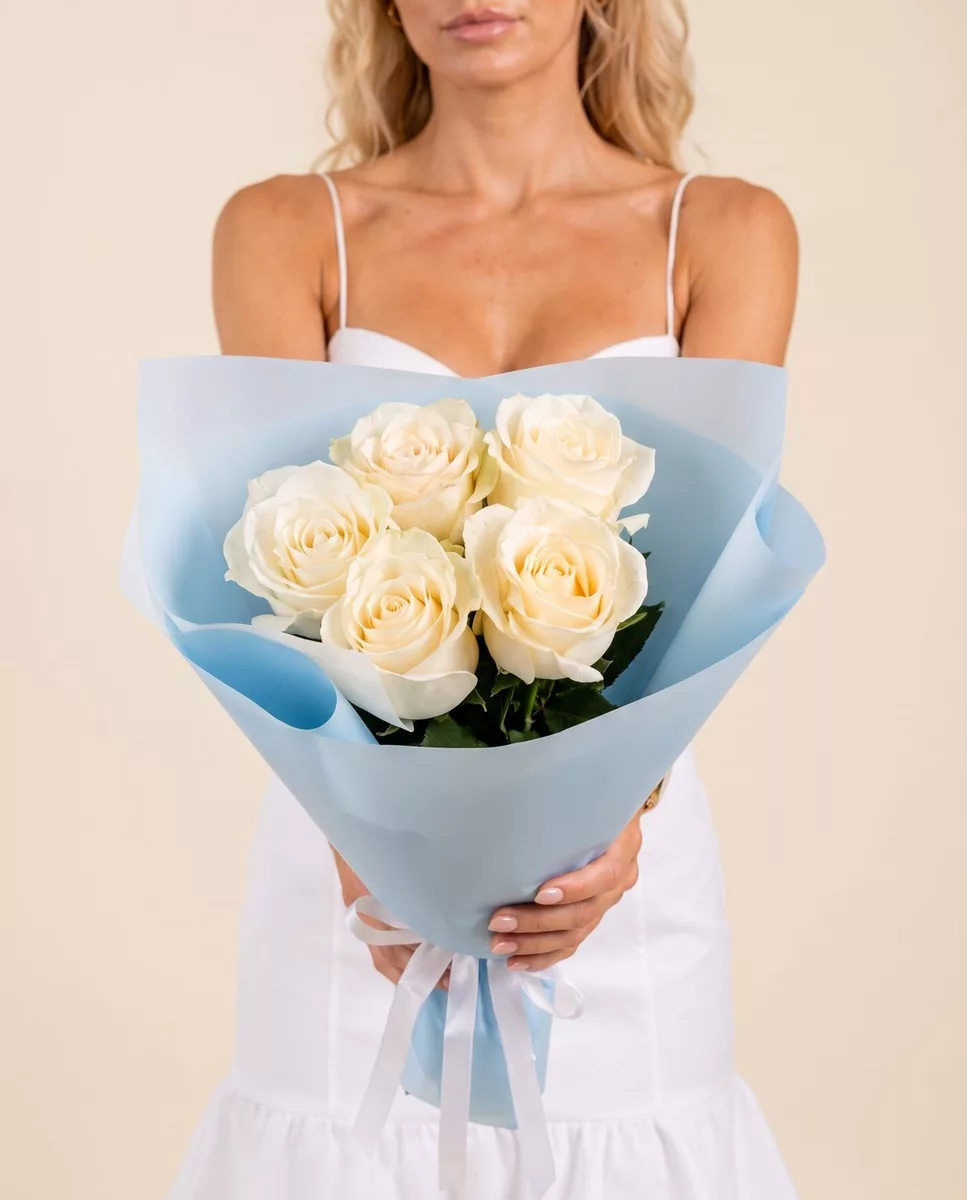
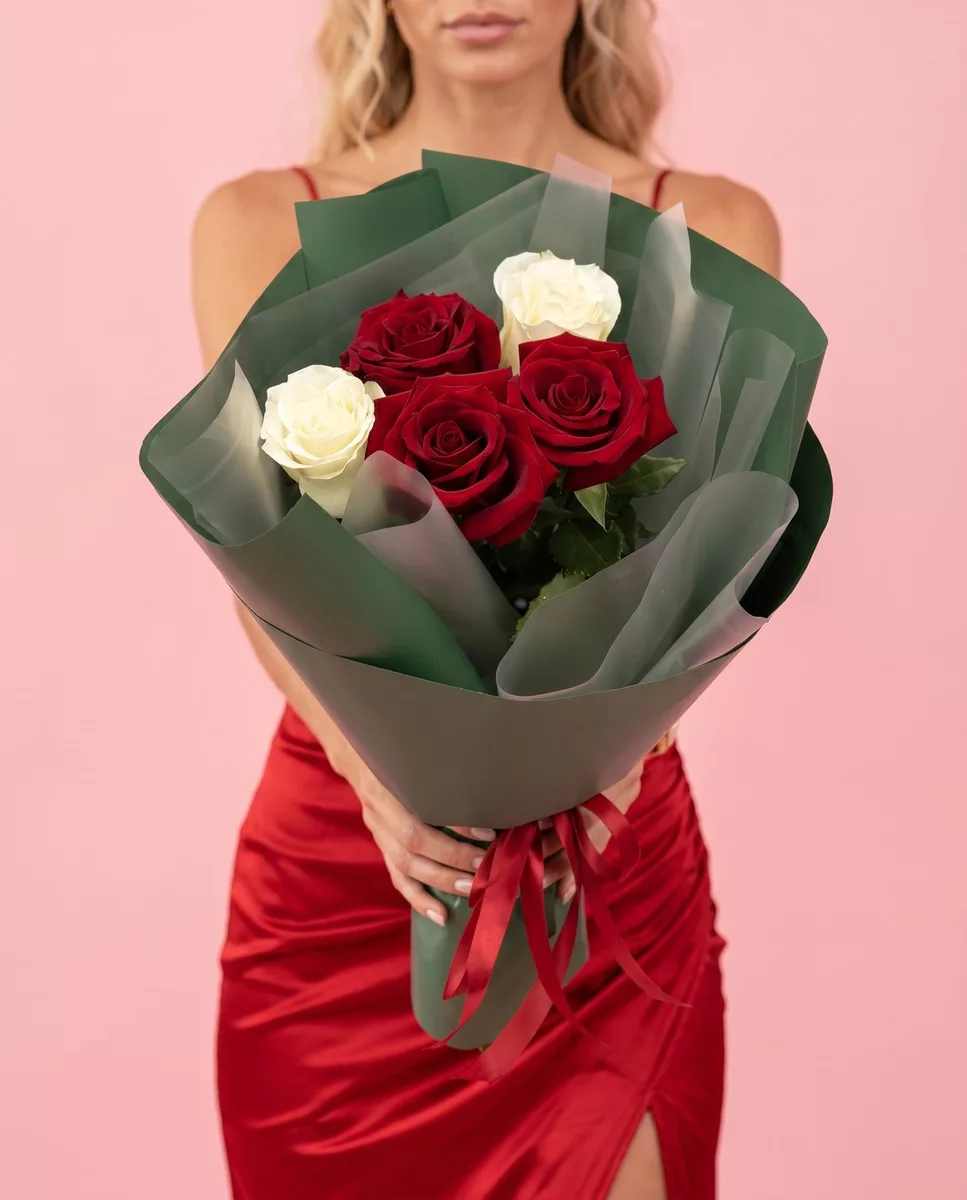
Bouquets we can deliver

Which Areas in and Around Pochep We Reach
Our delivery zone covers Pochep itself and the surrounding settlements within the Pochep district of the Bryansk region. That includes residential addresses in the town centre, homes along the outskirts and rural addresses reachable by a direct route from the dispatch point. When you enter the address at checkout, the system confirms coverage immediately, so there is no guessing.
Street addressing in smaller Russian towns occasionally differs from what mapping apps show. Houses in Pochep are sometimes identified by a building number and a separate apartment or office number, and in some older neighbourhoods the street names were updated but residents still use the old name out of habit. When you place your order, include any landmark or additional detail the recipient gave you — this genuinely helps the courier find the door on the first attempt.
For addresses on the very edge of the district or in villages with limited road access, delivery windows may be slightly wider. We always confirm the estimated arrival time before dispatch, so the recipient is not left waiting without information. If you are sending to a workplace rather than a home — an office, a school, a clinic — note the working hours in the comment field. A bouquet that arrives after the building closes is a problem easily avoided with one extra line of text.
We do not require the recipient to be present for every delivery, but for large or particularly delicate arrangements we recommend coordinating a time when someone can receive the flowers in person.
Timing Your Order: What the Journey Looks Like
Flower delivery to Pochep operates on a scheduled same-day or next-day basis depending on when you place your order and which arrangement you choose. Unlike deliveries within Saint Petersburg or Moscow, where our courier can reach a door in one to two hours, a Pochep order involves transit time that we account for in the delivery window we quote you. We prepare the bouquet fresh, pack it for travel and dispatch it so it arrives within the promised slot.
The best time to place an order for a same-day Pochep delivery is in the morning, ideally before noon. This gives us enough preparation and transit time to meet an afternoon or early evening arrival. Orders placed in the afternoon are typically scheduled for the following morning, which is often the better option anyway — a bouquet arriving at ten in the morning feels like a proper occasion.
We track every delivery and send you confirmation when the flowers have been handed over or left at the address. If the recipient is not home, our courier follows a clear protocol: they contact you, then the recipient, before leaving the bouquet in a safe spot or rescheduling. You will never be left wondering what happened.
Avoid scheduling delivery for very late in the evening if you can. Flowers that sit in an unheated hallway overnight in winter, particularly in the Bryansk region where temperatures drop sharply from October through March, will show stress by morning. An early delivery on the day of the occasion is always the better choice for the flowers and for the impression they make.
Choosing the Right Flowers for the Person and the Moment
Start with who the person is and what they actually like, not with what looks impressive in a photo. A grandmother who tends her own garden will often appreciate a loose, natural-looking arrangement of seasonal flowers — spray roses, lisianthus and eucalyptus — more than a structured box of identical stems. A colleague receiving flowers for a work anniversary will feel more comfortable with something elegant and restrained, like a monochrome bouquet of white alstroemeria or cream-coloured chrysanthemums.
For romantic occasions, red and deep pink garden roses remain the clearest signal of affection in Russian flower culture, and they hold up well in transit when properly conditioned. A bouquet of seven or nine roses, wrapped simply and tied with ribbon, carries more emotional weight than an overcrowded arrangement trying to do too much at once. Add a few stems of waxflower or gypsophila to soften the silhouette without overwhelming the roses.
For birthdays and celebrations, colour does real work. Sunflowers combined with orange gerbera and yellow solidago read as joyful and energetic — a combination that photographs beautifully and lifts a room. Tulips in season, particularly parrot or fringe varieties, bring texture and movement that standard bouquets lack.
If you are sending flowers to mark a new home or a new job, green and white combinations — white freesia, green trick dianthus, white lisianthus — feel fresh and optimistic without being too personal. They suit almost any interior and any taste, which matters when you are not sure of the recipient's preferences.
How Temperature and Season Affect Your Order
The Bryansk region has a continental climate with cold winters and warm summers, and this directly affects which flowers travel well and how we pack them. From November through February, temperatures in Pochep regularly fall below minus ten degrees Celsius. Tropical flowers like anthuriums and orchid stems are sensitive to cold and can show damage — darkening, wilting, translucent petals — if exposed to freezing air even briefly. During winter months we recommend roses, chrysanthemums, alstroemeria and carnations, all of which handle lower temperatures with much greater resilience.
In summer, the challenge reverses. Heat above twenty-five degrees accelerates the opening of buds and shortens vase life. We cool flowers before packing and use insulated wrapping for summer transit, but the recipient plays a role too — flowers should go straight into water and be kept away from direct sunlight and heat sources like radiators or kitchen appliances.
Spring is one of the best times to send flowers to Pochep. Tulips, ranunculus, anemones and hyacinths are all in strong supply from February through April, and the prices reflect seasonal availability rather than forced growing. A spring bouquet of purple anemones and white ranunculus is both affordable and genuinely beautiful — a combination that feels considered rather than default.
Autumn brings chrysanthemums, dahlias and asters into their best season. These are sturdy, long-lasting flowers that suit the cooler temperatures of September and October perfectly, and they carry a warmth of colour — deep orange, burgundy, gold — that matches the season without trying.
Keeping the Bouquet Fresh After It Arrives
A well-made bouquet can last seven to twelve days with simple, consistent care. The first step is the most important: cut the stems at an angle under running water as soon as the flowers arrive, then place them immediately in a clean vase with fresh, cool water. This single action makes a larger difference to vase life than any flower food or additive.
Change the water every two days. Each time you do, re-cut the stems by one to two centimetres. This keeps the cut end open and prevents bacterial build-up, which is the main reason flowers wilt prematurely. If the water turns cloudy quickly, it is a sign of bacteria, and a full water change plus stem re-cut will usually recover the bouquet.
Position matters. Keep the vase away from radiators, televisions and other heat-generating appliances. Keep it away from fruit bowls — ripening fruit releases ethylene gas, which accelerates flower ageing noticeably. A cool room with indirect natural light is ideal.
For roses specifically, remove any leaves that sit below the waterline. Submerged foliage rots quickly and contaminates the water. Roses also benefit from being placed in a cool room overnight, which slows their opening and extends the display.
If a few stems in a mixed bouquet begin to fade before the others, remove them rather than leaving them in the vase. Dying flowers release compounds that affect the remaining stems. Pulling one spent stem can extend the life of the whole arrangement by two or three days, which is worth the small effort.
Making the Delivery Feel Like a Real Gift
A bouquet without context is just flowers. A bouquet with a handwritten card, a chosen ribbon colour and a moment of thought behind the selection becomes a memory. When you order, take thirty seconds to write something specific in the card message rather than a generic greeting. 'Happy Birthday' is fine; 'I remember you said peonies were your favourite — these are the closest thing in season right now' is something a person keeps.
In Russia, it is common and warmly received to send flowers to a person at their workplace, particularly for birthdays. The public nature of the delivery — colleagues seeing the bouquet arrive — adds to the occasion rather than embarrassing the recipient. If you know your recipient works in an office, a school or a shop, sending flowers there on the day of their birthday is entirely appropriate and often more impactful than a home delivery.
Presentation choices matter at the assembly stage. A monochrome wrap in kraft paper with a simple ribbon reads as understated and tasteful. A bright wrap with contrasting ribbon reads as celebratory and energetic. We can match the presentation to the occasion when you note your preference at checkout.
Finally, consider the timing relative to the occasion. Flowers that arrive the morning of a birthday set the tone for the whole day. Flowers that arrive two days later, however beautiful, feel like an afterthought. Plan ahead by at least one day, especially for major occasions like anniversaries or the eighth of March, when demand across Russia is exceptionally high and early ordering makes a real difference to what we can prepare for you.
Sending flowers to Pochep is a straightforward process when you know what to expect from the journey, the season and the person on the other end. Choose varieties that suit the climate and the occasion, write something real on the card, and order early enough that the bouquet arrives at the right moment rather than a day after. The distance between you and the recipient shrinks considerably when the flowers are genuinely fresh and the delivery lands exactly when it should.
Frequently asked questions
Can I order flowers for same-day delivery to Pochep?
Same-day delivery to Pochep is available for orders placed before noon. We prepare the bouquet fresh and dispatch it to arrive in the afternoon or early evening. Orders placed after noon are scheduled for the following morning, which often suits the occasion better and ensures the flowers arrive at their best rather than rushed.
What flowers hold up best for delivery to Pochep in winter?
In winter, roses, chrysanthemums, alstroemeria and carnations travel best to the Bryansk region. These varieties tolerate lower temperatures without showing damage. Tropical flowers like anthuriums and orchid stems are more sensitive to cold and can deteriorate if exposed to freezing air during transit, so we recommend avoiding them between November and February.
How many stems should I include in a bouquet for a Russian recipient?
Always choose an odd number — three, five, seven, nine or more. Even numbers are associated with mourning occasions in Russian tradition and will feel out of place at a birthday or celebration. An odd-numbered bouquet, however small, reads as festive and correct. This is one of the most important customs to follow when sending flowers in Russia.
What should I do if the recipient is not home when the flowers arrive?
Our courier will contact you and then the recipient before taking any further action. Depending on the situation, the bouquet can be left in a safe location, handed to a neighbour with consent or rescheduled for a short time later. You will receive a notification at each step so you always know the status of the delivery.
How long will the bouquet last once it arrives in Pochep?
With proper care — stems cut at an angle, fresh cool water, water changed every two days — most bouquets last seven to twelve days. Keep the vase away from heat sources and fruit. Roses and chrysanthemums tend toward the longer end of that range. Tulips and anemones are shorter-lived but more vibrant while they last, typically five to seven days.
Ready to send flowers?
Pick the city, choose the bouquet, and a local florist takes it from there.
Choose a city →