Sending Flowers to Podporozhe? Here Is What to Expect
Podporozhe sits quietly along the Svir River, far enough from Saint Petersburg that most people assume fresh flower delivery is complicated or simply impossible. It is neither. With the right preparation, a beautifully arranged bouquet of roses, spray chrysanthemums or seasonal branches can reach a door in Podporozhe in a matter of hours, looking exactly as it left the studio. This article walks you through the practical side: where we deliver, how long it takes, which flowers travel best on that road, and how the recipient can keep them thriving for as long as possible.
Which Parts of Podporozhe We Reach and Why It Matters
Podporozhe is a compact city, but its residential districts are spread across both banks of the Svir and include several outlying neighbourhoods that require knowing the local road layout well. We deliver to the central districts, the Imatra microdistrict, and addresses along the main arterial roads connecting the city. If you are sending to a more remote address on the outskirts, it is always worth confirming the exact street when you place the order, because some peripheral lanes are not named consistently across different maps.
The distance from Saint Petersburg to Podporozhe is roughly 270 kilometres, and the route runs through Lodeynoye Pole. Road conditions on this stretch vary considerably by season. In winter, the drive can stretch longer due to ice and reduced visibility, while in summer it is usually straightforward. We factor all of this into the delivery window we quote you at checkout, so the time you see is realistic, not optimistic.
For addresses inside the main residential zones, delivery typically runs within the one-to-two-hour window from the moment the bouquet leaves our studio. For addresses further out, we will contact you to agree on a precise slot. Knowing the district in advance helps us assign the right departure time so the flowers spend the minimum possible time in transit and arrive at their freshest.
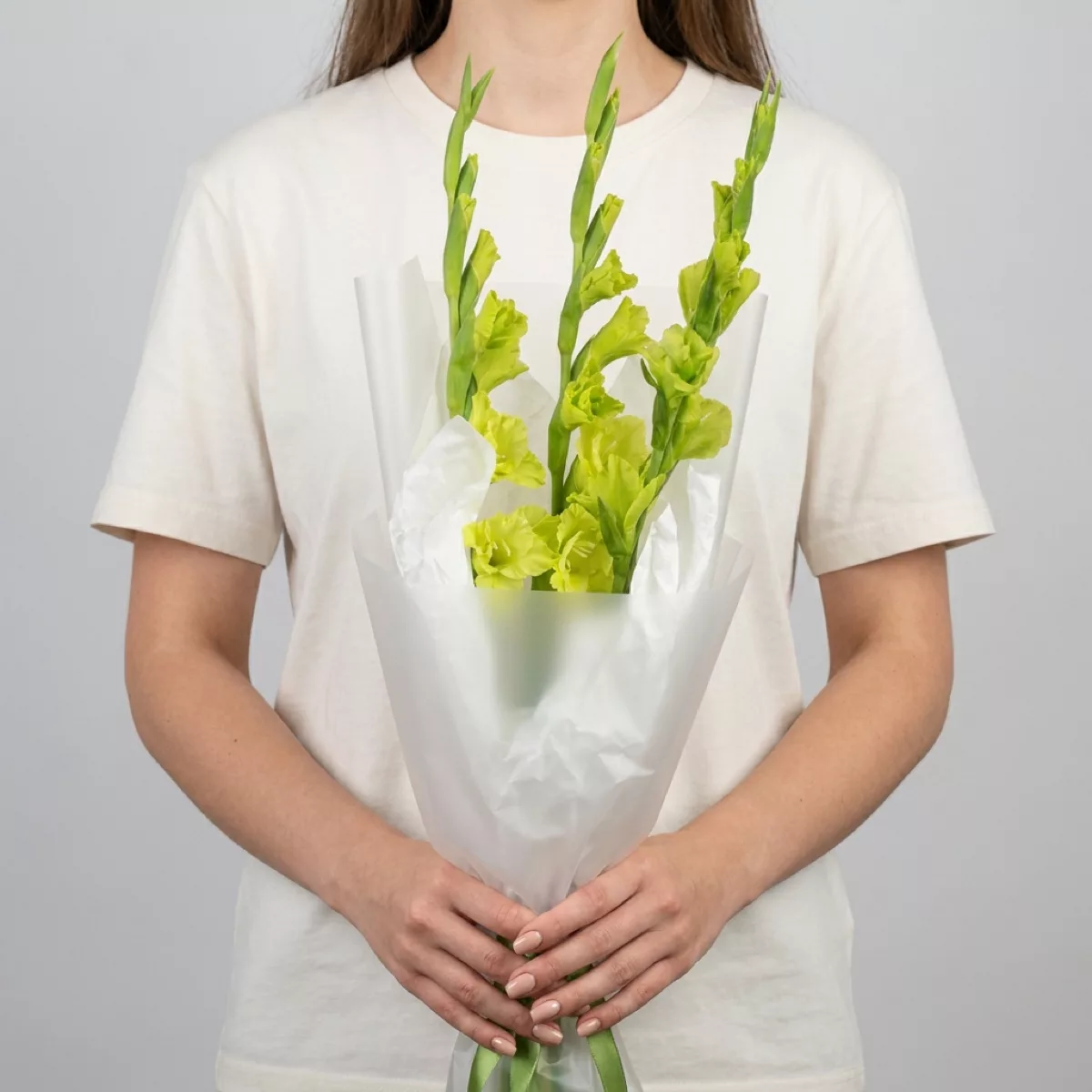
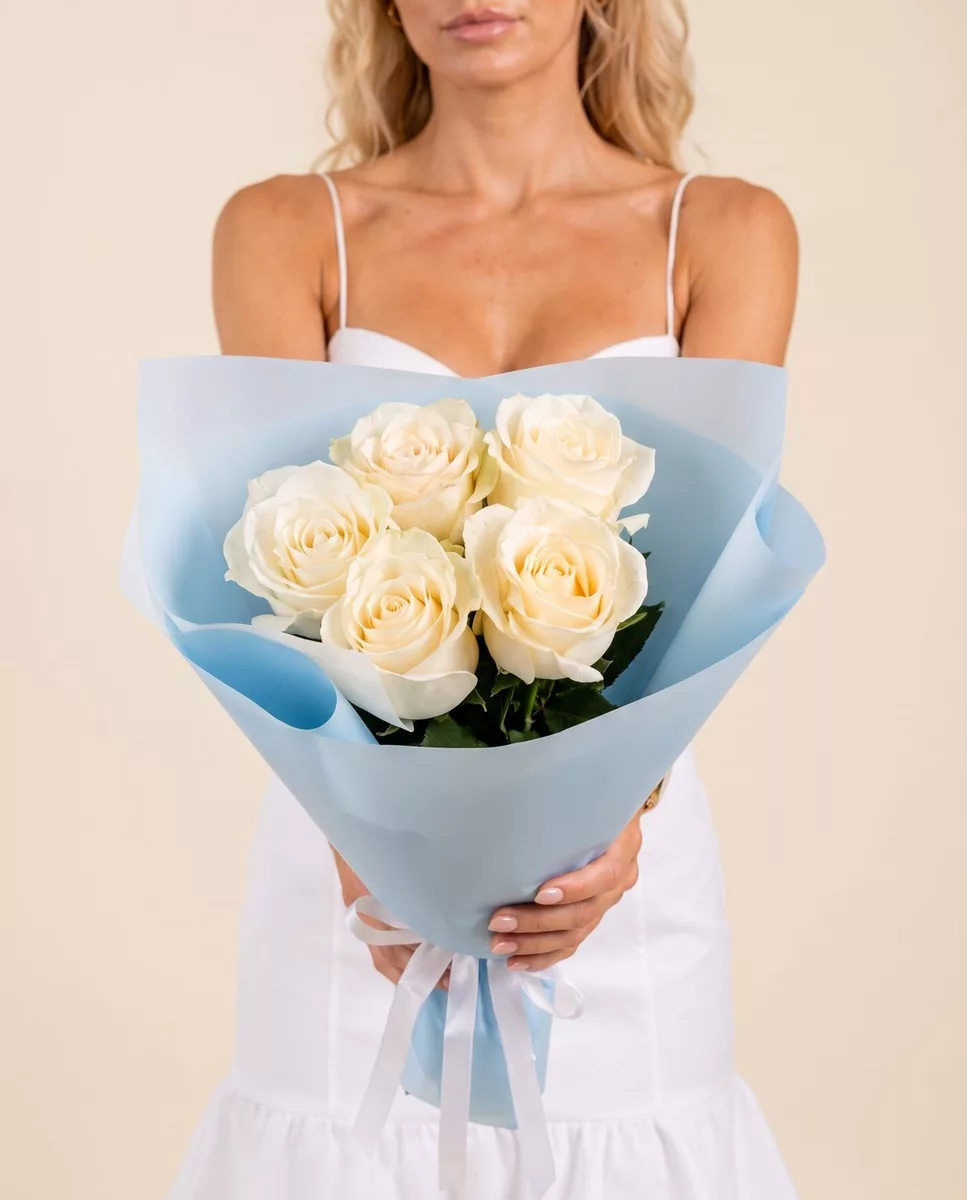
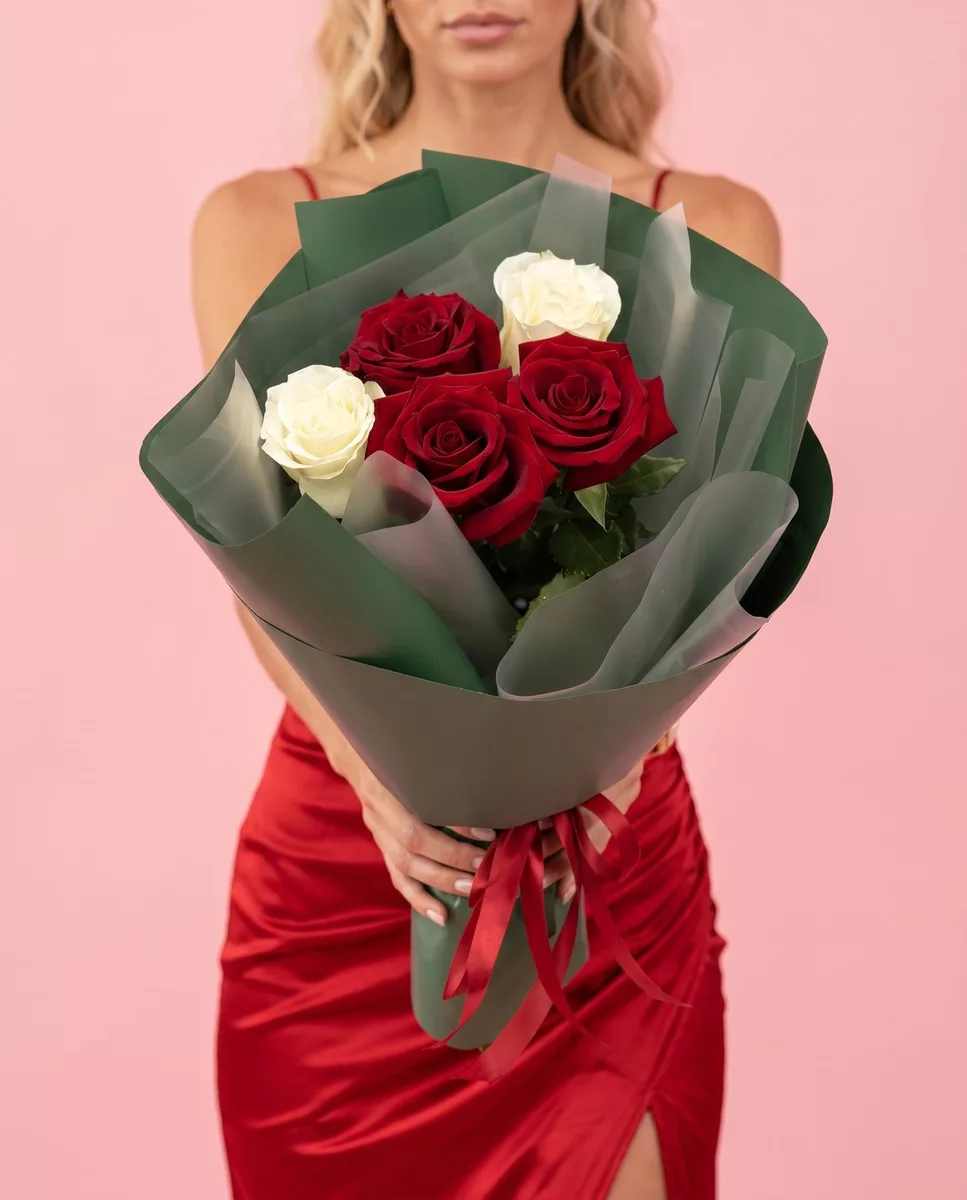
Bouquets we can deliver

Timing Your Order for a Birthday, Anniversary or Surprise
The most common mistake people make when ordering flowers for a celebration is leaving it to the last possible moment. For Podporozhe specifically, because of the distance involved, placing your order at least three to four hours before the desired delivery time gives us the space to prepare the arrangement properly, condition the stems, and load the courier without rushing. A rushed bouquet is a shorter-lived bouquet.
For morning deliveries, which are popular for birthdays when the recipient is at home before work, we recommend ordering the evening before. This lets us prepare everything in calm conditions overnight and dispatch early. Evening deliveries for anniversaries or romantic occasions work well when ordered by early afternoon on the same day.
If you are coordinating a surprise, the timing of the delivery itself matters as much as the flowers. Tell us whether the recipient is likely to be home, whether there is a neighbour or colleague who can accept the order, and whether you want us to call ahead or arrive unannounced. We can hold a call until the courier is at the door if the element of surprise is important to you. Russian custom around gift-giving places a lot of value on the moment of presentation, so a perfectly timed arrival adds real meaning to the gesture. We treat that timing as part of the service, not an afterthought.
Which Flowers Travel Well on the Road to Podporozhe
Not every flower is equally suited to a long journey, and being honest about this is part of giving good advice. Roses are reliable travellers when their stems are properly hydrated before packing and when the vehicle stays cool. Standard garden roses and large-headed hybrid tea varieties both hold well over two to three hours if the temperature inside the delivery vehicle stays between five and twelve degrees Celsius. We maintain that range deliberately.
Spray chrysanthemums are another excellent choice for distance delivery. Their stems are sturdy, their petals dense, and they do not wilt quickly even if the temperature fluctuates slightly. Alstroemeria, with its multiple blooms per stem, also travels exceptionally well and offers good visual volume without adding fragility. Carnations, often underestimated, are genuinely tough flowers that look full and fresh on arrival.
Flowers we approach more carefully for long deliveries include open peonies, which bruise easily when packed tightly, and fully open tulips, which can fold under their own weight in warm conditions. This does not mean we never send them to Podporozhe, but we will suggest sending tulips in bud so they open beautifully in the recipient's home rather than arriving already at their peak. Delicate ranunculus and anemones are best ordered in cooler months when the road temperature supports them. Asking us what is travelling well on a given week is always a sensible approach, and we will give you a straight answer.
Seasonal Considerations: Winter Cold and Summer Heat
Podporozhe experiences a proper northern climate. Winters are cold, with temperatures regularly dropping below minus fifteen degrees Celsius, and summers can be genuinely warm, sometimes reaching above twenty-five degrees in July and August. Both extremes require different approaches to flower transport, and ignoring them is one of the most common reasons a bouquet arrives in poor condition.
In winter, the main risk is freeze damage. Even a few minutes of exposure to minus ten degrees can blacken rose petals and collapse tulip stems. We wrap winter bouquets in insulating kraft paper and use sealed packaging that traps warmth during the walk from the vehicle to the door. The courier moves quickly, but the packaging does the real protective work. Flowers that are naturally more cold-tolerant, such as chrysanthemums and carnations, are particularly good winter choices for this reason.
In summer, the challenge reverses. Heat accelerates the opening of blooms and shortens vase life significantly. We keep the delivery vehicle cooled and avoid packing flowers in direct sunlight during loading. For summer orders, we often recommend closed-bud roses or alstroemeria rather than fully open arrangements, because the recipient then gets the pleasure of watching them open at home over several days. Sunflowers, which are popular in summer and carry a cheerful, warm-weather feeling, travel well in heat as long as their stems stay hydrated. We condition them in water for several hours before packing to ensure this.
How to Describe What You Want Without Knowing Flower Names
Many people who order flowers are not florists, and that is completely fine. The most useful thing you can tell us is not a list of flower names but a description of the feeling you want the bouquet to create. Soft and romantic is different from bold and celebratory. Gentle and understated is different from lush and abundant. These descriptions give us more to work with than asking for a specific variety you may have seen in a photograph but cannot identify.
Colour direction is also genuinely helpful. If the recipient loves dusty pinks and muted tones, tell us that. If they have a home full of white furniture and you want the flowers to fit into that space, mention it. If the occasion is a birthday and the person is known for being cheerful and expressive, we will build something with warm yellows, bright corals and generous volume rather than something quiet and minimal.
In Russian culture, the number of flowers in a bouquet carries meaning. Even numbers are traditionally associated with mourning, so bouquets for celebrations are always made with an odd number of stems. If you are not familiar with this custom, do not worry about counting. We handle it automatically for every celebratory order. It is one of those small details that matters to the recipient even if the sender did not know about it, and getting it right shows care. You can simply describe the occasion and leave the composition to us.
What Happens After the Bouquet Arrives: Care That Extends Vase Life
A well-made bouquet delivered in good condition can still fade quickly if the first hour of care at home goes wrong. The single most important step the recipient can take is to cut the stems. Using sharp scissors or a knife, cutting each stem at an angle of about forty-five degrees under running water removes the air lock that forms during transport and allows the flower to drink immediately. This one action can add two or three days to the vase life of roses and alstroemeria.
The vase itself matters more than most people realise. It should be clean, filled with cool water, and positioned away from direct sunlight, radiators and fruit bowls. Ripening fruit releases ethylene gas, which accelerates flower ageing noticeably. In Podporozhe winters, when central heating runs hot and dry, keeping the vase in a cooler room overnight extends freshness considerably.
Changing the water every two days and re-cutting the stems at the same time keeps bacteria from building up in the vase. Any leaves that sit below the waterline should be removed before the bouquet goes into the vase, because submerged foliage rots quickly and clouds the water. Roses typically last seven to ten days with this care. Spray chrysanthemums and carnations can last two weeks or longer. Alstroemeria, if the water is changed regularly, often surprises people by staying fresh for ten days or more. Sharing these steps with the recipient, or including a small care note with the delivery, is something we are happy to arrange.
Making the Delivery Feel Personal: Notes, Wrapping and Small Additions
The bouquet is the centrepiece, but the details around it shape how the moment feels for the person receiving it. A handwritten note, even a short one, changes a delivery from a transaction into something personal. We include a card with every order and write the message exactly as you provide it, in Russian or English, in clear handwriting. If you are sending from abroad and want to write in another language, we will transcribe it faithfully.
Wrapping style is something we think about carefully for each order. A bouquet wrapped in natural kraft paper with twine has a different character from one in soft fabric or translucent paper with a ribbon. For romantic occasions, we tend toward softer, more textured wrapping. For a cheerful birthday, something with more colour and personality works better. You can specify a preference, or trust us to match the wrapping to the mood of the flowers and the occasion.
Small additions can make a delivery feel more considered without overwhelming the flowers. A small box of chocolates, a candle or a simple decorative element can accompany the bouquet if you want the gift to feel more substantial. These additions are particularly appreciated when the recipient is celebrating alone or when you cannot be there in person. Distance is one of the reasons people send flowers in the first place, and making the delivery feel as warm and personal as possible is something we take seriously with every order that goes out to Podporozhe.
Podporozhe is not a city where beautiful, fresh flowers are out of reach. With the right preparation, honest advice about what travels well in each season, and attention to the small details that make a delivery feel personal, a bouquet from our studio can arrive at a door on the Svir and look exactly as it should. The distance is manageable. The care is consistent. What matters most is that the person who opens the door feels something genuine when they do.
Frequently asked questions
How far in advance should I order flowers for delivery to Podporozhe?
For same-day delivery, placing your order at least three to four hours before the desired arrival time gives us enough preparation time. For morning deliveries or important occasions like anniversaries, ordering the evening before is ideal. This allows us to condition the stems properly and plan the departure time so the flowers arrive at their very best.
Can flowers really survive the journey from Saint Petersburg to Podporozhe in winter?
Yes, when prepared correctly. We use insulating packaging and maintain a controlled temperature inside the delivery vehicle. Cold-hardy varieties like chrysanthemums and carnations are particularly reliable in winter. Roses travel well too when wrapped properly. The key is minimising the time flowers spend exposed to outdoor temperatures during the final handoff at the door.
What if the recipient is not home when the delivery arrives?
Let us know when you place the order whether there is a neighbour, building manager or colleague who can accept the bouquet. We can also call the recipient ahead of arrival to confirm they are home, without revealing who the sender is if you prefer to keep it a surprise. We will always find a practical solution rather than leave flowers unattended.
Is it true that even numbers of flowers are considered bad luck in Russia?
Even numbers of stems are traditionally reserved for mourning in Russian culture, so celebratory bouquets are always made with an odd number of flowers. We apply this automatically to every order for a birthday, anniversary or other happy occasion. You do not need to count or specify anything — it is a standard part of how we compose every arrangement.
Which flowers last longest after delivery to Podporozhe?
Spray chrysanthemums and carnations regularly last ten to fourteen days with proper care. Alstroemeria is also exceptional, often staying fresh for ten days or more when the water is changed regularly. Roses last seven to ten days when stems are re-cut on arrival. We can recommend the most durable options for your specific occasion and the season you are ordering in.
Ready to send flowers?
Pick the city, choose the bouquet, and a local florist takes it from there.
Choose a city →