Sending Flowers to Pokhvistnevo? Here Is What to Expect
Pokhvistnevo sits in the Samara region, a compact city where a bouquet arriving at the right moment can feel genuinely rare and special. Whether you are surprising a colleague on a work anniversary, marking a birthday for someone who lives far from a big-city flower market, or simply telling a person you are thinking of them, a same-day delivery here carries real weight. This article walks you through timing, what grows well in transit, how to choose by occasion, and how to keep your flowers looking their best once they arrive.
Ordering for Someone in Pokhvistnevo: Setting Realistic Expectations
Pokhvistnevo is a mid-sized city with a straightforward street grid, which makes address confirmation easier than in sprawling suburbs. When you place an order, you will be asked for a full street address including the apartment or office number, a recipient phone number, and your preferred delivery window. The courier confirms the address before leaving, so a small typo does not derail the whole delivery.
Delivery windows in Pokhvistnevo typically run within a one-to-two-hour range from the moment your order is confirmed. Morning orders placed before eleven tend to arrive before lunch, which is ideal if you want flowers on a desk when the working day is in full swing. Afternoon orders are equally reliable, and evening slots up to around eight o'clock are available for birthdays or date-night surprises.
One thing worth knowing: Russian recipients are often not told in advance that flowers are coming, because the surprise is part of the gift. If you want that effect, simply note it in the order comments and the courier will call only to confirm the address, not to announce the bouquet. If the recipient is not home, the courier will coordinate a second attempt rather than leave flowers unattended outside, which matters in winter when frost can damage petals within minutes.
Bouquets we can deliver

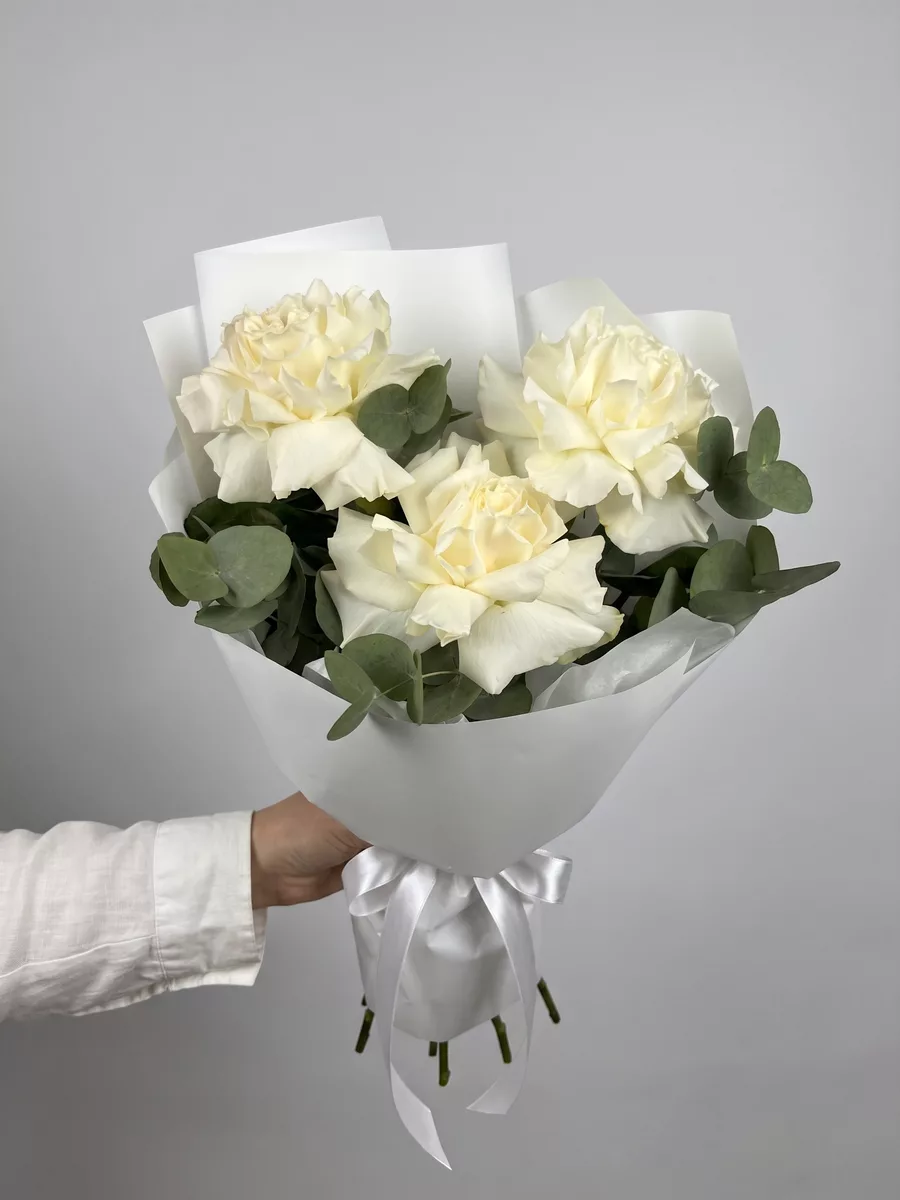
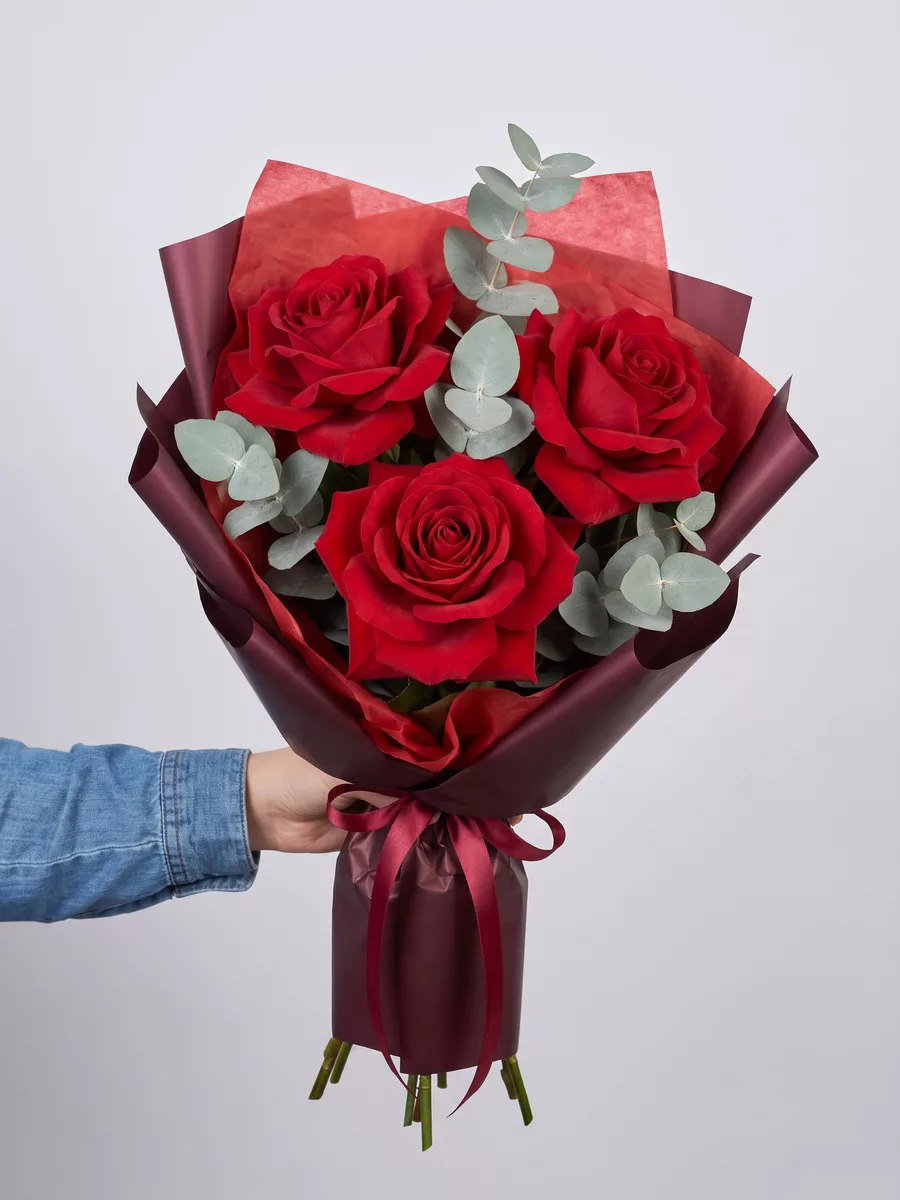
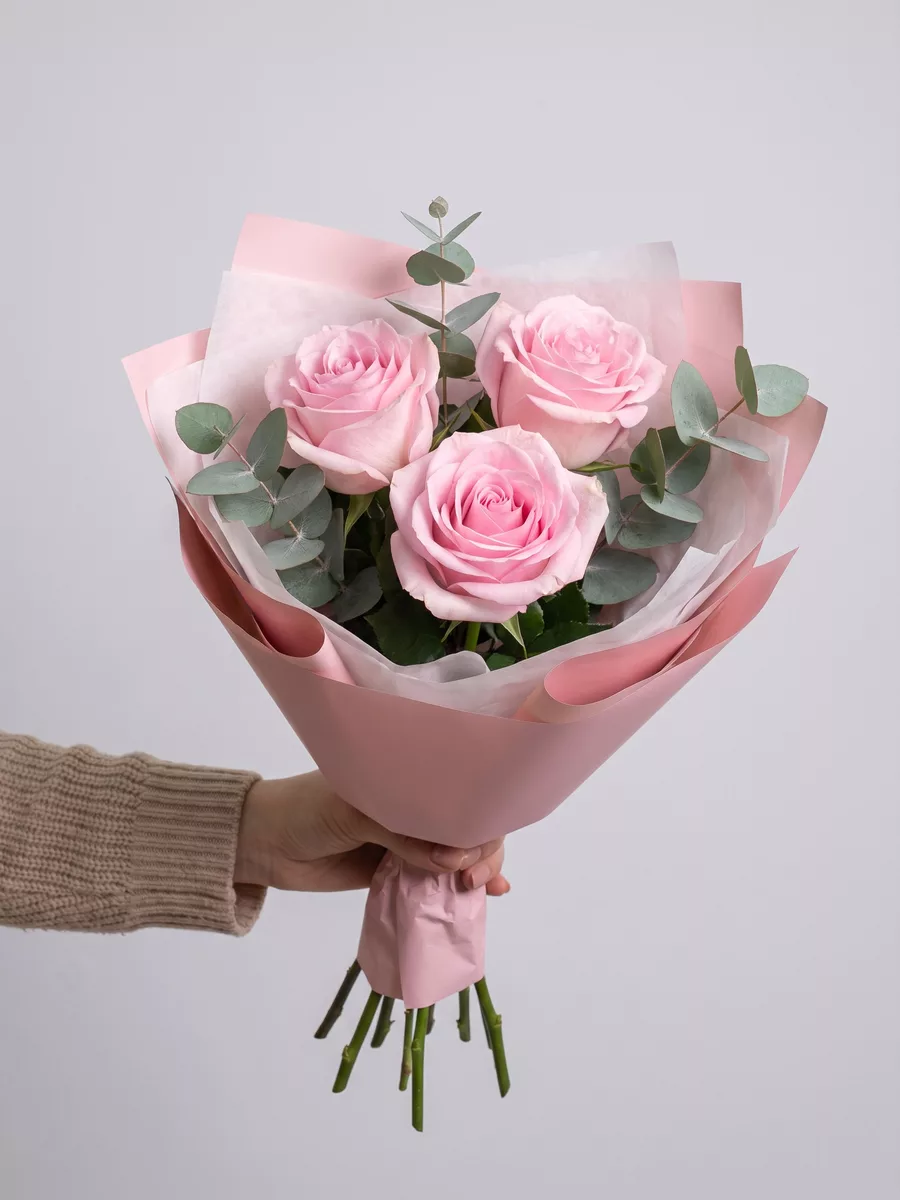
Which Flowers Travel Best to Pokhvistnevo
Not every flower handles a one-to-two-hour transit equally well, and choosing with that in mind makes the difference between a bouquet that looks just-cut and one that arrives looking tired. Roses, particularly spray roses and standard garden roses with tight buds, are among the most reliable travellers. A bud that is still slightly closed when it leaves the shop will open beautifully over the next day or two, giving the recipient the full arc of the bloom.
Eustoma, also called lisianthus, is another strong choice for Pokhvistnevo deliveries. Its layered petals look delicate but hold their shape well, and a single stem carries multiple flowers that open in succession, extending vase life well beyond a week. Chrysanthemums, both the large disbud variety and the smaller spray type, are practically indestructible in transit and hold colour exceptionally well.
In warmer months, sunflowers add a generous, celebratory scale that photographs beautifully and needs very little care from the recipient. In colder months, alstroemeria is a sensible backbone for mixed bouquets because it tolerates temperature fluctuation better than, say, gerbera or open peonies. Avoid ordering fully open peonies or open garden roses for long-distance transit in summer heat above twenty-five degrees; a half-open bud is always the safer and more generous choice. Seasonal greenery such as eucalyptus and ruscus adds structure and longevity to any arrangement without adding fragility.
Choosing by Occasion: Who Is Receiving and What Will They Feel
Start from the person, not the flower name. A woman in her sixties who grew up in the Soviet era will likely feel most touched by a lush, round bouquet of roses or carnations in warm tones — these flowers carry deep cultural meaning in Russia and are associated with care and respect rather than anything old-fashioned. A younger recipient might appreciate something more textural: a mix of eustoma, eucalyptus, and a few spray roses in a soft palette feels current without being difficult to place in a home.
For a birthday, volume matters. Russians tend to associate generous bouquets with celebration, so a single-stem arrangement, while elegant, can read as understated in this context. An odd number of flowers is the norm for celebrations in Russia — this is a genuine custom, not a superstition to dismiss. Even numbers are traditionally reserved for solemn occasions, so a bouquet of eleven roses or fifteen mixed stems signals joy clearly.
For a romantic occasion, monochrome arrangements in deep red, blush pink, or white carry immediate meaning without needing explanation. For a colleague or teacher, mixed seasonal bouquets in neutral tones feel appropriate and generous without being overly personal. If you are sending to a new mother, soft colours and flowers with a light fragrance — like freesia or alstroemeria — work better than heavily scented varieties, which can be overwhelming in a small room. Think about where the bouquet will live and who else shares that space.
Budget and What You Get at Each Level
A modest budget in the lower range still buys something real and meaningful in Pokhvistnevo. A compact bouquet of five to seven spray roses with seasonal greenery, wrapped cleanly and tied with ribbon, is a complete and presentable gift. The key at this level is choosing one flower type and doing it well rather than mixing too many varieties on a tight stem count, which can look sparse rather than curated.
A mid-range budget opens up combinations. This is where you can pair eustoma with roses, add a few stems of waxflower or statice for texture, and include a small card. The bouquet gains depth and the recipient sees that thought went into it, not just the transaction. At this level, the florist can also build around a colour story — all warm tones, or all cool tones — which makes a stronger visual impression than a random mix.
At a higher budget, scale and composition both improve. Larger-headed roses, peonies in season, or a statement arrangement in a hatbox or kraft wrap all become possible. These orders often include premium greenery like cotton stems, brunia, or ornamental cabbage in cooler months, which add an almost architectural quality to the arrangement. For a significant birthday or a milestone like a promotion or anniversary, this level signals the occasion clearly without requiring any explanation. Whatever your budget, the wrapping and presentation are treated with the same care — a small bouquet in crisp paper with a handwritten card is just as thoughtfully delivered as a large one.
Temperature, Seasons, and What Changes Across the Year
Pokhvistnevo has a continental climate with cold winters and warm summers, and this affects flower choices more than most people realise. In January and February, temperatures regularly drop below minus fifteen degrees Celsius, which means the time a bouquet spends between the vehicle and the recipient's door genuinely matters. Flowers are wrapped in insulating paper and carried in temperature-controlled conditions, but the recipient should ideally be home or at the delivery address to receive the bouquet promptly.
In winter, hardy varieties like roses, chrysanthemums, and alstroemeria are the safest choices. Tropical flowers such as anthuriums or bird of paradise can show cold damage — dark spots on petals — if exposed to frost even briefly. If you want something exotic in winter, order it knowing there is a small risk, and mention it to the florist so they can pack accordingly.
Spring and early summer bring the best variety. Tulips arrive in abundance from March onward, and by May, peonies begin their short but spectacular season. A peony bouquet in late May or early June is one of the most requested deliveries of the year, and for good reason — the flowers are voluminous, fragrant, and feel genuinely seasonal. Summer heat above twenty-eight degrees can shorten vase life for open flowers, so the florist will often send buds rather than fully open blooms. Autumn brings dahlias, sunflowers, and chrysanthemums in rich seasonal tones that suit the mood of the season and hold exceptionally well in cooler indoor temperatures.
Care Instructions to Share with the Recipient
Most people in Pokhvistnevo, as elsewhere in Russia, know to put flowers in water — but the details that extend vase life by several days are less widely known. The single most important step is a fresh diagonal cut at the base of each stem, made with a sharp knife rather than scissors, immediately before placing the flowers in water. Scissors crush the stem tissue and reduce water uptake. A diagonal cut maximises the surface area for drinking.
The vase should be filled with cool, clean water, changed every two days. Removing any leaves that would sit below the waterline prevents bacterial growth, which is the main reason flowers die early. A small amount of the flower food sachet that comes with the bouquet dissolved in the water makes a real difference — it contains a mild bactericide and a sugar source that feeds the blooms.
Keep the vase away from direct sunlight, heating radiators, and fruit bowls. Ripening fruit releases ethylene gas, which accelerates ageing in cut flowers — roses and carnations are particularly sensitive to this. A cool room, ideally between sixteen and twenty degrees, is ideal. In a warm apartment, moving the vase to a cooler spot overnight can add two or three days to the bouquet's life. Eustoma and chrysanthemums typically last ten to fourteen days with correct care. Roses in a cool room with fresh water and daily stem re-cuts will often last seven to ten days from delivery, sometimes longer if they arrived as tight buds.
Making the Order Smooth: Small Details That Matter
A few practical habits make the difference between a delivery that goes perfectly and one that requires extra calls. When entering the address, include the building number and the entrance number if the building has multiple entrances — this is common in Russian apartment blocks and can save the courier ten minutes of searching. If the recipient lives on a high floor, noting the floor number helps too.
If you want a handwritten card included, write the message exactly as you want it to appear. Florists copy the text faithfully, so punctuation and line breaks matter if they matter to you. A simple, warm message in Russian is always appreciated, but if you write in English, that is perfectly fine and will be included as written. Some senders choose to remain anonymous, which is entirely possible — just note it in the order.
For deliveries to workplaces, confirm that the recipient will actually be at the office that day. A birthday bouquet delivered to a reception desk when the person is working from home creates a logistical puzzle for everyone. If you are not sure of the schedule, a home delivery is the safer default. For deliveries to hospitals or medical facilities, always check the facility's policy on receiving flowers before ordering — some wards have restrictions. Finally, if you are ordering from a different time zone, convert the delivery time carefully: Pokhvistnevo operates on Moscow time plus one hour, which catches some senders off guard when calculating morning or evening windows.
Sending flowers to Pokhvistnevo is simpler than the distance might suggest. With the right flower choice for the season, a clear address, and a delivery window that suits the recipient's schedule, a bouquet can arrive looking as fresh and considered as anything handed over in person. The gesture travels well — and in a city where a beautifully wrapped bouquet at the door is still something people talk about, it is worth doing properly.
Frequently asked questions
What is the best time of day to send flowers to a colleague in Pokhvistnevo for a work anniversary?
Morning orders placed before eleven are ideal because the bouquet lands on the desk while the working day is still building momentum, which makes the gesture feel immediate rather than like an afterthought. Confirm the office address and floor number when you order, since commercial buildings sometimes have multiple entrances that can slow a courier down.
How do roses hold up during a one-to-two-hour delivery in Pokhvistnevo in summer heat?
Roses travel well when they are properly conditioned before dispatch, but in warm months ask for the stems to be wrapped in damp paper inside the packaging rather than left dry. A bouquet arriving at a home or office that has air conditioning will open more slowly and look fresh for several days longer than one left in a warm hallway.
Can I send a bouquet to someone in Pokhvistnevo without them knowing it is coming?
Yes, and this is actually common practice. Note in the order comments that the delivery should be a surprise, and the courier will contact the recipient only to confirm the address rather than reveal what is arriving. This preserves the moment without risking a missed delivery.
Which flower combinations work well for a birthday in Pokhvistnevo when I do not know the recipient's taste?
A mixed bouquet built around spray roses and alstroemeria is a safe and generous choice because both flowers read as celebratory, travel reliably, and suit almost any interior. Adding a few stems of eucalyptus or ruscus gives the arrangement structure and makes it look considered rather than assembled at random.
What should I tell the recipient to do with the flowers once they arrive so they last longer?
Ask them to trim the stems at an angle, remove any leaves that would sit below the waterline, and place the vase away from direct sunlight and fruit bowls. Changing the water every two days matters more than any additive, and a cool room at night can add several extra days of vase life to most mixed arrangements.
Ready to send flowers?
Pick the city, choose the bouquet, and a local florist takes it from there.
Choose a city →