Flower Delivery in Pokrov: Timing, Choices and What to Expect
Pokrov is a quiet Vladimir Oblast town with a pace of its own, and sending flowers there from Saint Petersburg feels like a small act of warmth crossing a real distance. Whether you are surprising a mother on her birthday, marking an anniversary for a couple who moved there from the city, or simply saying thank you to someone who deserves it, the bouquet you choose carries more weight when it arrives fresh, on time and arranged the way a florist would actually want it presented. This article walks you through exactly what the delivery experience looks like, which flowers travel well on that route, and how to make sure the person opening the door feels something the moment they do.
Why Pokrov Is Worth Sending Flowers To
Pokrov sits roughly 120 kilometres east of Moscow along the M7 highway, a town that many people outside Vladimir Oblast overlook when thinking about flower delivery. That distance is precisely why a bouquet arriving there feels meaningful. It tells the recipient that someone made a deliberate effort, not just clicked a button for the nearest corner shop.
The town has a close community feel. Birthdays, name days, graduations and professional milestones are celebrated with real attention to gesture. In Russian tradition, flowers are not a background detail — they are often the centrepiece of how you express care. Arriving with a well-composed bouquet rather than a cellophane-wrapped bunch from a petrol station changes the entire tone of the occasion.
For recipients who grew up in larger cities and relocated to Pokrov, a delivery from a proper florist carries a layer of nostalgia too. It is a reminder that good taste and genuine warmth travel. That emotional dimension is worth keeping in mind when you are choosing what to send and how to present it. The flowers are doing social work as well as aesthetic work, and the two should reinforce each other.
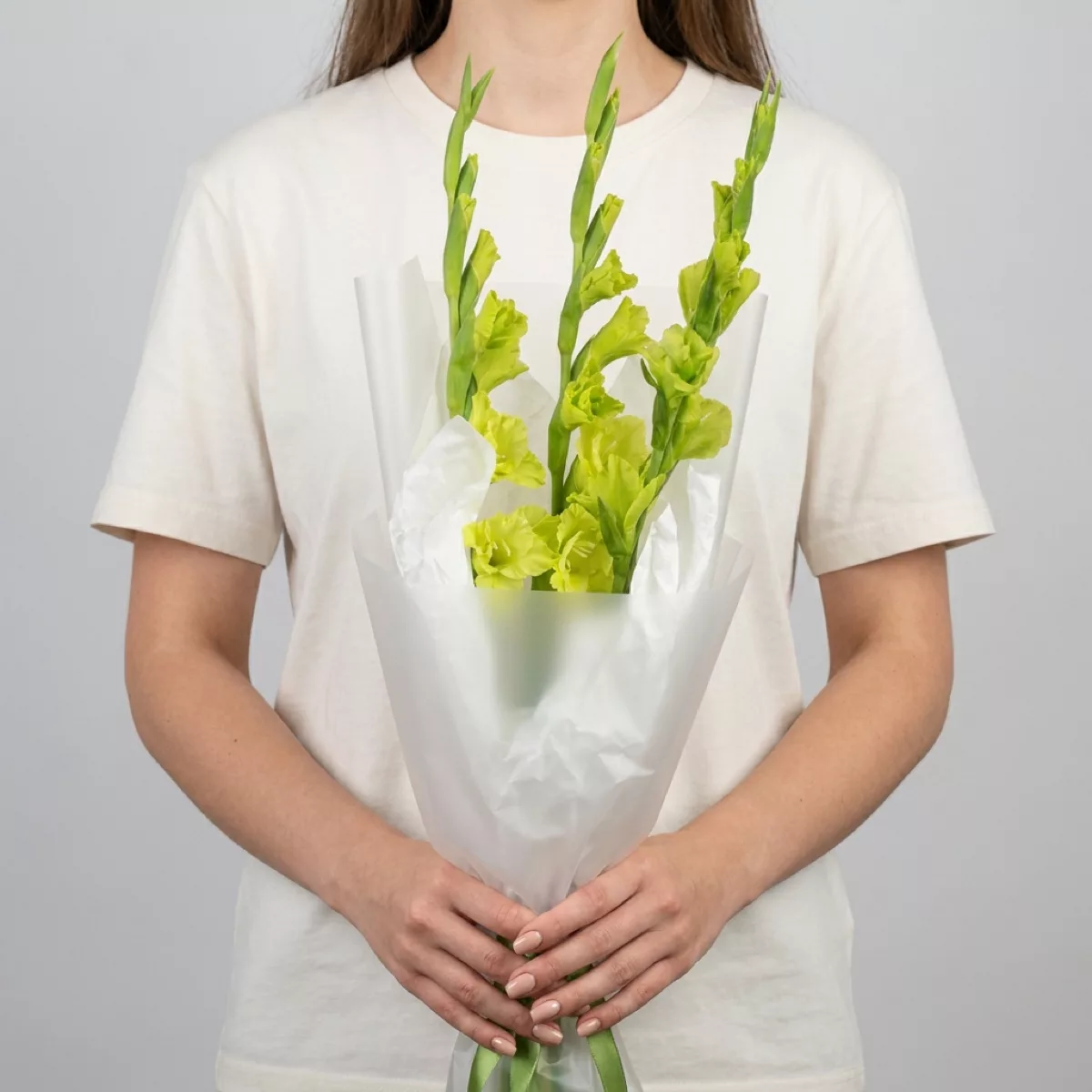
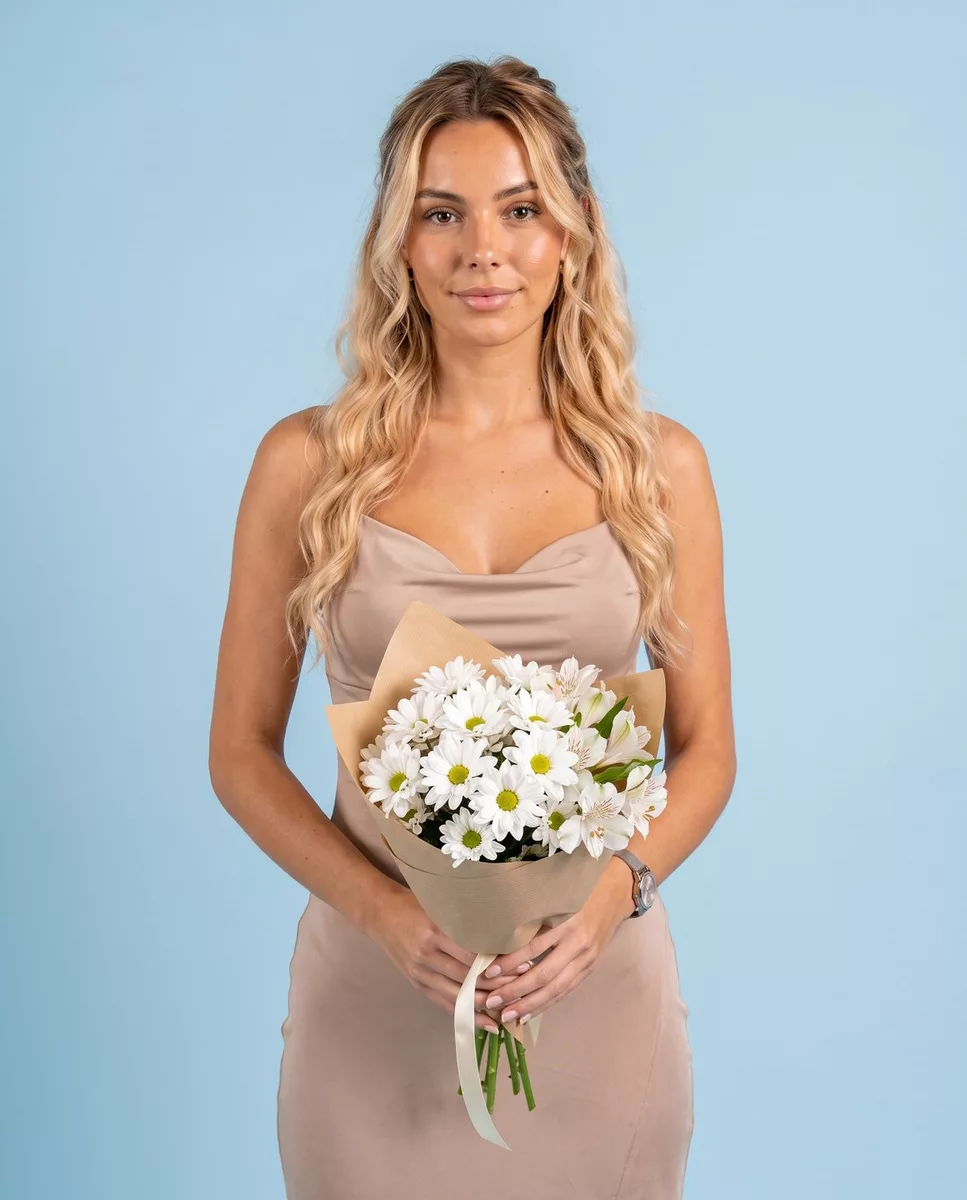
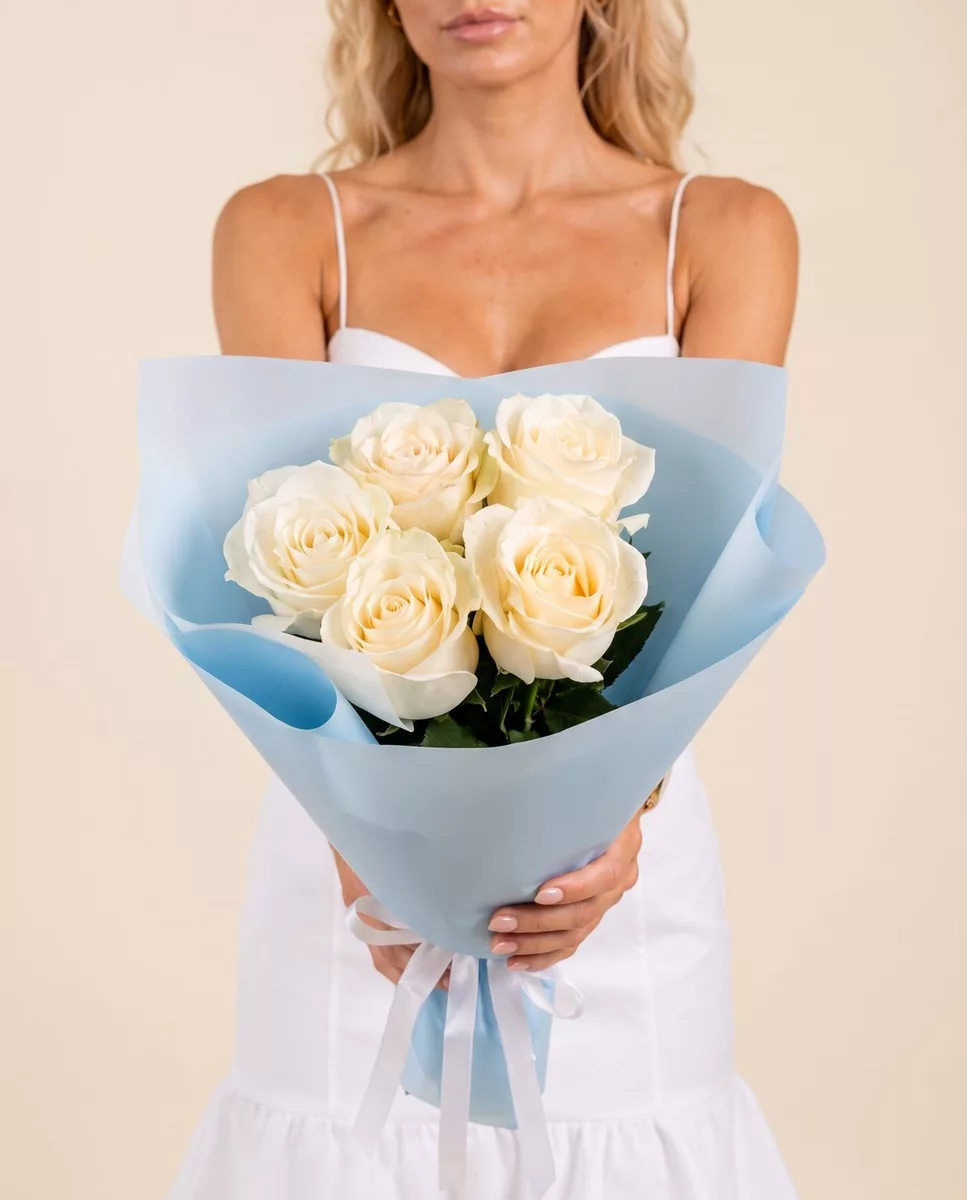
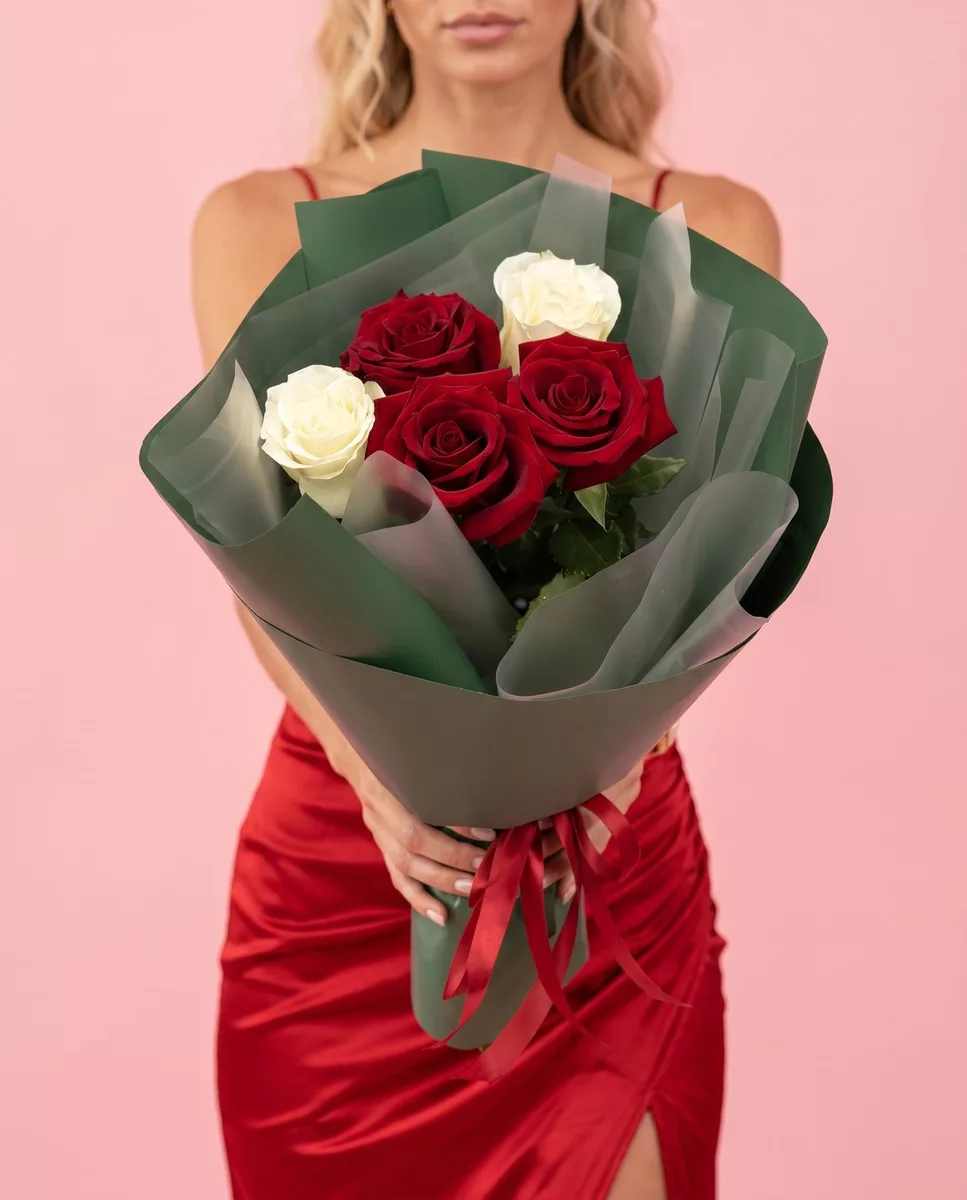
Bouquets we can deliver
Delivery Timing: What the Route Actually Looks Like
Turboflora operates from Saint Petersburg and delivers across Russia, including Pokrov, with a commitment to fresh same-day or next-day arrival depending on when the order is placed. The route to Pokrov passes through Moscow Oblast, and timing is planned around road conditions, seasonal weather and the specific delivery window you select at checkout.
For morning deliveries, orders placed the evening before give the best results. The flowers are prepared early, packed correctly for the journey temperature, and dispatched so they arrive before the midday heat builds in summer or before evening frost sets in during autumn and winter. If you need an afternoon or early evening arrival, placing your order before noon on the day usually works well.
One practical thing to understand: delivery to smaller towns like Pokrov is not the same as delivering within a major city. The driver is not circling a dense neighbourhood. The route is planned as a direct run, which actually benefits the bouquet — less time in transit, fewer stops, flowers that arrive closer to how they left the studio.
Always provide a precise address including the building entrance number if it exists, and a working phone number for the recipient. In Russian addressing, the format matters: street, house number, apartment or office number. A small note about the best time to find the person home prevents the most common delivery hiccup, which is simply nobody answering the door.
Choosing Flowers That Travel Well in Every Season
Not every flower handles a long journey the same way. Roses, particularly spray roses and standard long-stemmed varieties, are among the most reliable travellers when conditioned properly the night before. Their stems are recut, they spend time in cool water, and they are wrapped to prevent bruising during transit. A well-prepared rose arrives looking as though it was just cut.
Eustoma, also called lisianthus, is an excellent choice for Pokrov deliveries because it is sturdy, long-lasting and has a softness that photographs beautifully. It pairs well with eucalyptus or ruscus greens, which also travel without drama. Chrysanthemums, both single-headed and spray varieties, are another dependable option — they hold their shape and colour across temperature changes better than many delicate blooms.
In summer, avoid ordering flowers that wilt quickly in heat: open garden roses in full bloom, sweet peas and ranunculus in late stage are all risky for a long delivery. In winter, the concern shifts to frost damage. Orchid stems and tropical flowers like anthuriums can suffer cell damage below zero, so they need specific insulated packaging on cold days.
Spring is actually the best season for this route. Tulips, narcissus and hyacinths from Dutch growers arrive in Russian wholesale markets in excellent condition from February through April, and they travel well because they are still in bud. A bouquet of mixed spring bulb flowers opening over two or three days gives the recipient a slow, pleasant surprise rather than a single moment of bloom.
Reading the Occasion: Bouquets That Match the Moment
A birthday for a woman in her fifties calls for something different from a congratulations bouquet for a young colleague finishing university. The flowers themselves communicate tone before a single word of the card is read, so it is worth thinking about the person and the moment together rather than defaulting to whatever seems safe.
For a birthday or anniversary, warm colours — deep coral roses, amber-toned chrysanthemums, burgundy eustoma — feel celebratory without being loud. Pair them with neutral greenery like pittosporum or olive branches and the arrangement reads as considered rather than generic. If the recipient has a preference for pale tones, a white and blush combination with peonies in season or garden spray roses out of season achieves the same warmth in a quieter register.
For professional occasions — a promotion, a successful project, a retirement — structure matters more than softness. Architectural flowers like calla lilies, gladioli or tall alliums say something about accomplishment. They stand upright, they command space, and they hold that presence for days.
New baby congratulations in Russia often feature soft yellows, whites and very pale pinks rather than the strong pink-or-blue coding common elsewhere. A bouquet of white alstroemeria with yellow mimosa in early spring, or white spray roses with chamomile-like matricaria in summer, feels appropriate and genuinely lovely. Adding a few stems of soft lamb's ear foliage gives the arrangement a gentle, tactile quality that suits the occasion perfectly.
Presentation and Packaging for a Town Like Pokrov
How a bouquet looks when the door opens matters enormously. In Russian flower culture, presentation is not an afterthought — it is part of the gift. A bouquet wrapped in kraft paper with a satin ribbon reads as artisanal and warm. A bouquet in a clear cellophane cone with a bow reads as traditional and festive. Neither is wrong; they speak different visual languages.
For deliveries to smaller towns, kraft and fabric wrapping tends to land better than elaborate box arrangements. Boxes are beautiful but they require the recipient to immediately find a vase or container, and in the moment of receiving them the practicalities can overshadow the emotion. A hand-tied bouquet in paper is ready to hold, photograph and display with minimal fuss.
If you want to add something beyond the flowers, a small accompanying note written in Russian or English is always appropriate. Turboflora can include a printed card with your message. Keep the message personal and specific — a reference to a shared memory or a concrete reason you are sending flowers means far more than a generic greeting.
For winter deliveries specifically, ask about insulated outer packaging. The difference between a bouquet arriving in minus ten degrees with proper insulation versus without it is visible immediately: petals that have been exposed to frost become translucent and soft, and no amount of warm water revives them. Good packaging on a cold day is not a luxury, it is the reason the flowers look the way they should when the wrapping comes off.
Care Instructions to Pass Along with the Bouquet
One of the most useful things you can do for the recipient is include simple care instructions, either on the card or communicated separately. Many people in Russia know that flowers need water, but the details that extend vase life by four or five days are less widely known, and sharing them is a genuine act of kindness.
The first step is always a fresh cut at the bottom of each stem, made at a diagonal angle with a sharp knife rather than scissors. Scissors crush the stem's water channels; a clean diagonal cut maximises surface area for water uptake. This should be done ideally under running water or immediately before placing stems in the vase.
Water temperature matters by flower type. Tulips prefer cool water, almost cold. Roses do best in room-temperature water. Tropical flowers like anthuriums want water that is slightly warm. Mixing flower types in one vase means compromising on temperature, which is one reason florists often suggest keeping dramatic mixed arrangements in cool rooms rather than near radiators.
Change the water every two days and rinse the vase each time. Remove any leaves that fall below the waterline — they decompose quickly and cloud the water, which accelerates bacterial growth and shortens the life of every stem in the vase. Keep the arrangement away from direct sunlight and away from fruit bowls: ripening fruit releases ethylene gas, which causes petals to age faster. A cool hallway or a north-facing windowsill is ideal in summer.
Making the Delivery a Complete Experience
The most memorable flower deliveries are the ones where every detail reinforces the intention behind them. The flowers are right for the person. The timing is right for the day. The presentation matches the occasion. And the recipient does not have to puzzle out what to do next — the vase, the water, the card are all part of a complete moment.
If you are sending flowers to someone in Pokrov who lives alone, consider whether they have a vase. It sounds like a small thing, but a person who rarely receives flowers may not own one. A compact ceramic vase added to the order solves this immediately and adds a lasting element to the gift — the vase will be used again, and every time it is, there is an association with the original gesture.
For significant occasions — a milestone birthday, a major anniversary — think about what the bouquet will look like in photographs. Russians photograph flowers. It is part of how the moment is shared and remembered. A tall, well-structured arrangement with interesting textures and a coherent colour story photographs far better than a flat, uniform bunch. Mixing textures — a smooth rose petal next to a feathery astilbe or a spiky thistle — creates visual depth that reads beautifully even on a phone camera.
Finally, do not underestimate the power of surprise. A delivery that arrives when the recipient is not expecting it, on an ordinary Tuesday rather than a marked date, carries its own particular warmth. Sometimes the most powerful message flowers can send is simply: I was thinking of you today.
Pokrov may not be the first city that comes to mind when you think about flower delivery across Russia, but that is exactly what makes sending there feel special. The distance becomes part of the meaning. When you take the time to choose the right flowers for the person, think about how they will be presented and cared for, and make sure the timing works for the day, the bouquet stops being a transaction and becomes a real expression of something. Turboflora handles the logistics so that you can focus entirely on the person you are sending to.
Frequently asked questions
Can I send flowers to Pokrov on the same day I order?
Yes, same-day delivery to Pokrov is available when you place your order before noon. Orders placed in the afternoon are typically scheduled for next-day morning delivery to ensure the flowers arrive fresh and in good condition. Always include a working phone number for the recipient so the driver can confirm arrival.
Which flowers are best to avoid sending in winter to Pokrov?
Tropical flowers such as anthuriums and orchid stems are sensitive to temperatures below zero and can suffer frost damage even in transit. Open garden roses in full bloom are also risky in hard frost. Roses in bud, chrysanthemums, eustoma and eucalyptus greens handle cold weather reliably when packed with proper insulated outer wrapping.
Do I need to write my message in Russian for a Pokrov delivery?
No, you can write your card message in English and Turboflora will include it exactly as written. If you would prefer the message in Russian and are not a native speaker, writing a simple, sincere note in English is perfectly fine — the recipient will understand the warmth behind it regardless of the language.
How long will the flowers last once they arrive in Pokrov?
With proper care — fresh diagonal cuts on arrival, clean water changed every two days, kept away from direct sun and fruit — roses and chrysanthemums typically last seven to ten days. Eustoma and alstroemeria can reach twelve days. Tulips are shorter at four to six days but open beautifully over that time, which recipients often find just as rewarding.
Is there a minimum order size for delivery to Pokrov?
Turboflora does not require a large minimum for deliveries to Pokrov, but a well-composed bouquet of reasonable size travels better than a very small one, as the stems support each other during transit. A medium arrangement of fifteen to twenty stems is a practical and visually generous choice for most occasions and handles the journey comfortably.
Ready to send flowers?
Pick the city, choose the bouquet, and a local florist takes it from there.
Choose a city →