Sending Flowers to Polevskoy? Here Is What to Expect
Polevskoy sits south of Yekaterinburg in the Ural foothills, and if you have ever tried to send flowers there from another city you already know the uncertainty — will they arrive fresh, will the timing hold, will the bouquet look anything like the photo? This article walks you through exactly how delivery works in Polevskoy, what combinations travel well on that route, how to time an order for a birthday or anniversary, and what the recipient should do the moment the courier rings the bell.
Which Parts of Polevskoy We Reach and How Long It Takes
Polevskoy is a compact industrial city with a clear centre around Lenina Street and two main residential zones — the older northern district near the metallurgical plant and the newer southern neighbourhoods spreading toward the forest edge. We deliver across all of these areas, including the private house streets that branch off the main roads and the apartment blocks on the outskirts near the Chusovaya river bank.
Standard delivery from the moment your order is confirmed runs one to two hours. During peak dates — the eighth of March, Valentine's Day, the first of September — add thirty to forty minutes to that estimate and order earlier in the day rather than closer to the evening. If you are sending to a private address with a gate code or a non-standard entrance, leave that detail in the comment field at checkout; it saves the courier a call and keeps the surprise intact.
Winter in the Urals is serious. From November through March, temperatures in Polevskoy regularly drop to minus fifteen or lower overnight. We pack bouquets in insulated kraft sleeves and water-retention foam for cold-weather runs, so the flowers arrive at temperature rather than shocked by it. Summer deliveries move faster because road conditions are easier, and we can use lighter, more open wrapping that lets the blooms breathe during transit.
Bouquets we can deliver

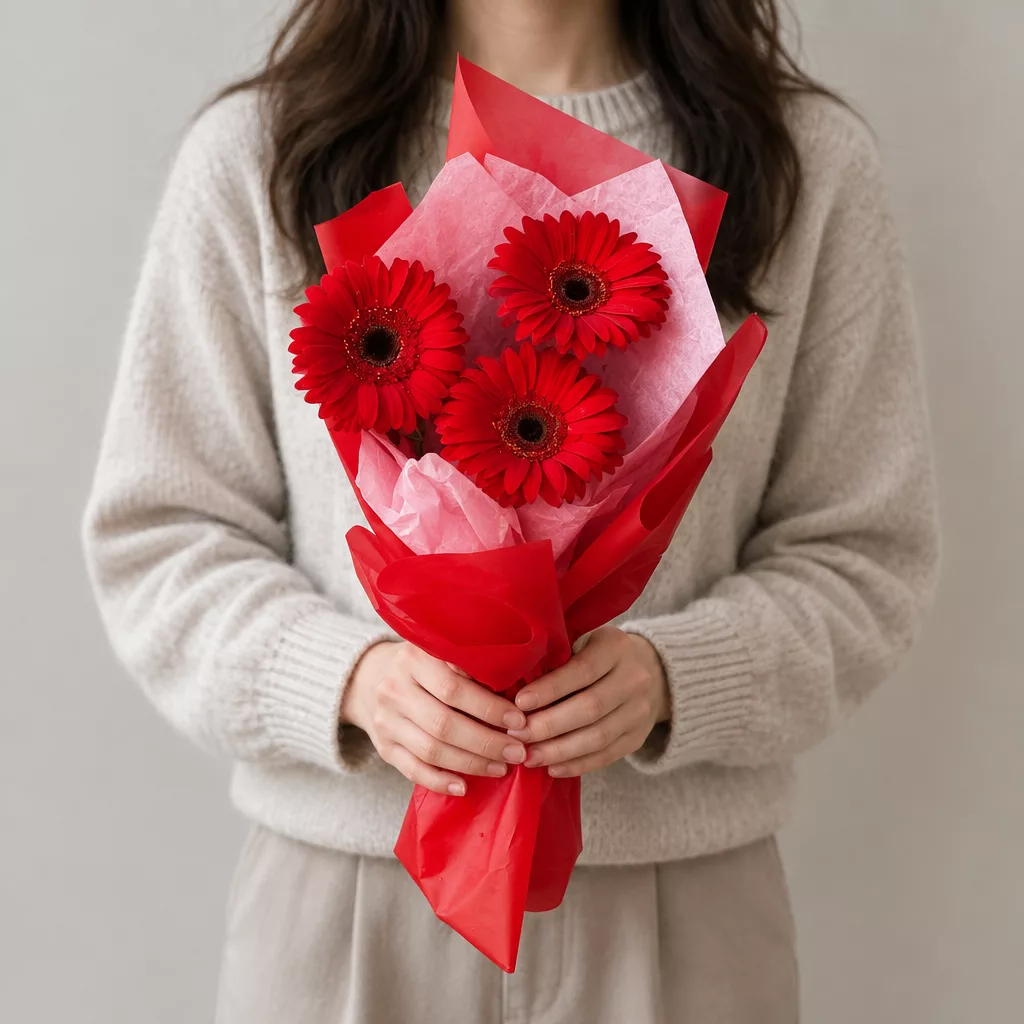
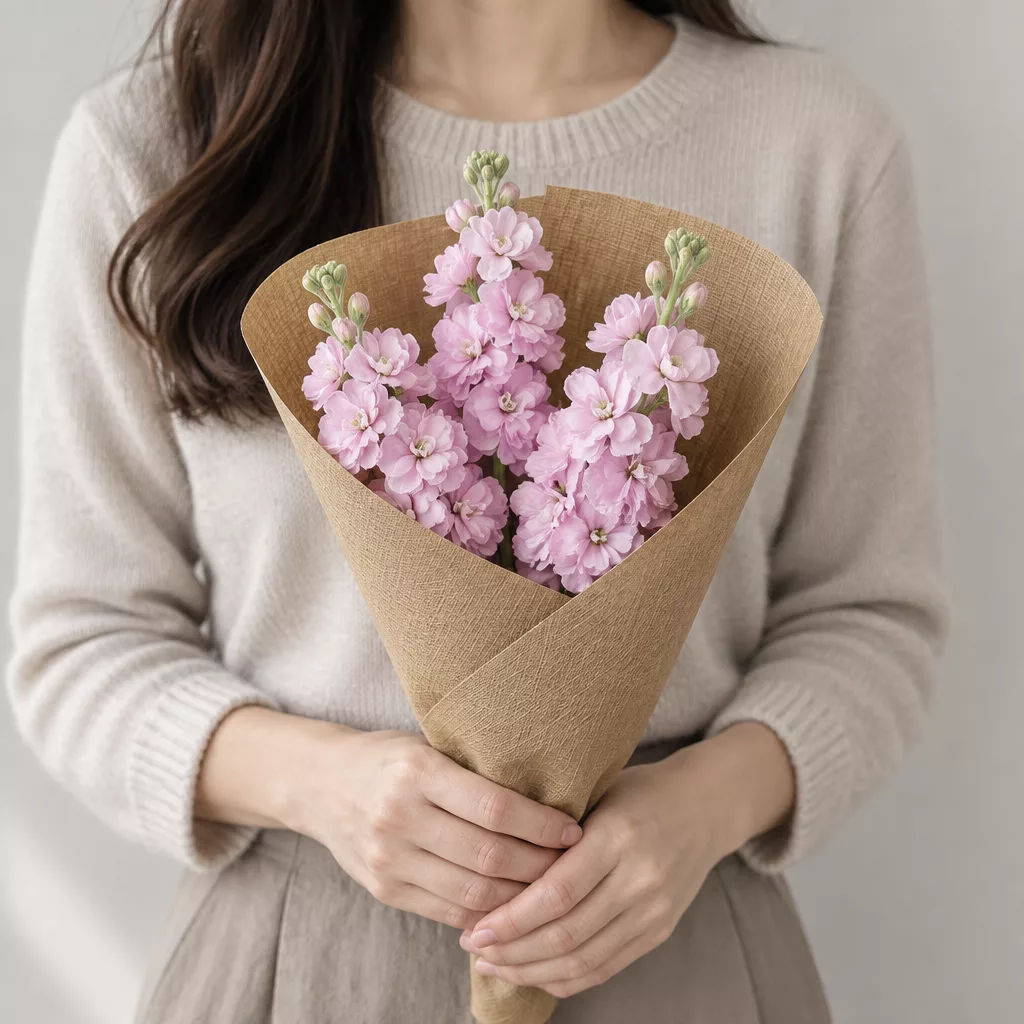
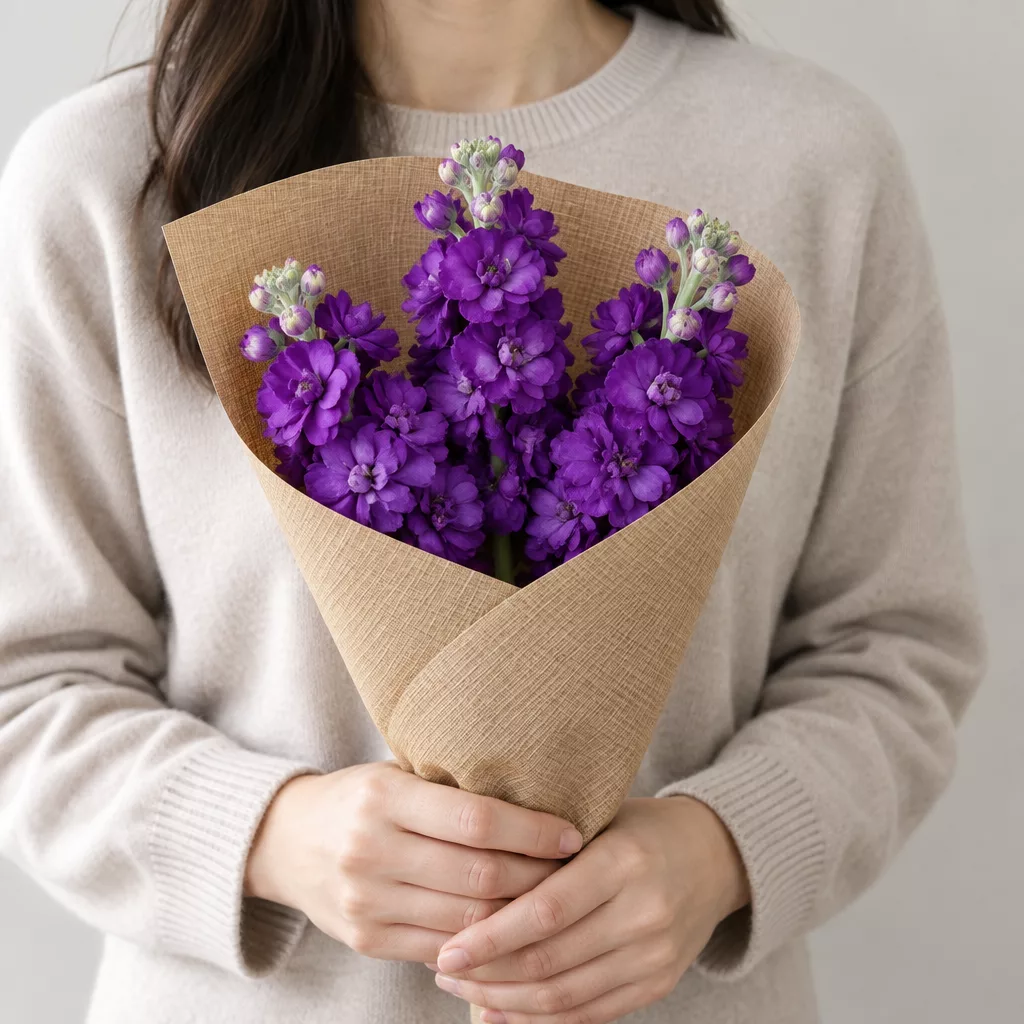
Choosing the Right Bouquet for the Person, Not Just the Occasion
The most common mistake senders make is choosing by occasion first and recipient second. A birthday bouquet for a sixty-year-old woman who grew up in the Soviet era will land very differently than the same flowers sent to her twenty-five-year-old granddaughter. Start with what you know about the person — their home, their style, whether they prefer something dramatic or quietly elegant — and let the occasion guide the scale rather than the flower choice.
For a woman who keeps a tidy, traditional home, garden roses in cream or blush paired with white eustoma and eucalyptus stems create a classic arrangement that reads as considered rather than generic. For a younger recipient with a modern apartment, a mono-bouquet of bright ranunculus or a loose cluster of anemones with minimal greenery feels current and personal.
Men receive flowers in Russia more often than many international senders expect. For a male recipient — a father, a colleague, a mentor — lean toward structural flowers: anthuriums, tropical bird-of-paradise, dark calla lilies, or a bold combination of sunflowers and solidago. Avoid anything that reads as a romantic gesture unless that is clearly the intention. The wrapping matters here too; kraft paper and a simple ribbon communicate respect rather than sentimentality, which tends to land better with a male recipient who may not be used to receiving flowers at all.
Bouquets That Travel Well on the Ural Route
Not every flower handles a delivery run equally well. Roses are reliable travellers when they are cut correctly and kept hydrated — their petals are dense enough to resist bruising during transport, and they open gradually over several days, which means the recipient gets to watch the bouquet evolve. Spray roses in particular hold their shape well and add texture without adding fragility.
Chrysanthemums are underrated for exactly this reason. They are extraordinarily robust, they last ten to fourteen days in a vase with proper care, and they come in a range of forms — from the tight button type to the large spider variety — that suits everything from a cheerful birthday gift to a more structured, architectural arrangement. In Polevskoy's colder months, chrysanthemums are a genuinely smart choice.
Flowers that need more care in transit include open peonies in full bloom, garden dahlias, and delicate sweet peas. We handle these with extra padding and shorter transit windows, but if you are ordering for a specific time and the weather is extreme, it is worth choosing a sturdier variety as the centrepiece and using the more delicate flower as an accent rather than the star. Tulips travel well when closed but can open dramatically in a warm room within hours — a feature rather than a flaw if you time the delivery right, since the recipient gets to watch the bouquet come alive.
Seasonal Combinations Worth Ordering in Polevskoy
The Urals have four distinct seasons, and the best bouquets reflect what is actually growing rather than forcing summer flowers into a January order. In spring — from late March through May — tulips, hyacinths, and muscari are at their peak. A bunch of mixed tulips in white, lilac, and deep violet with a few stems of fragrant hyacinth is one of the most genuinely seasonal gifts you can send, and the scent travels into the room the moment the wrapping comes off.
Summer brings the widest palette. Lisianthus, or eustoma, blooms in layers that resemble roses but last longer and hold better in heat. Combine it with alstroemeria — which is another long-lasting variety — and seasonal greenery like ruscus or pittosporum for a bouquet that looks full and stays fresh for over a week without much effort from the recipient.
Autumn is the season for warm tones. Rust and amber chrysanthemums, orange gerberas, and yellow solidago create combinations that feel genuinely seasonal rather than assembled from a generic palette. Add a few stems of hypericum berry for texture and a deep burgundy rose or two for contrast, and the result is a bouquet that looks like it belongs to the time of year.
Winter orders often lean toward white and red — roses, carnations, and amaryllis — which is classic for a reason. But do not overlook cotton stems, eucalyptus pods, and dried grasses as accent material; they add structure and a quiet, wintry texture that fresh flowers alone cannot provide.
How to Time a Delivery for a Birthday or Anniversary in Polevskoy
Timing a flower delivery is a small act of planning that has a disproportionate effect on how the gift lands. A bouquet that arrives at nine in the morning on a birthday turns the whole day into something marked. One that arrives at eight in the evening, when the person has already been out celebrating and is tired, feels like an afterthought even if the flowers are beautiful.
For a morning delivery, place your order the evening before or very early on the day itself — before nine if possible. This gives us time to prepare the bouquet, pack it correctly for the weather conditions, and route the courier to arrive at a time that feels intentional rather than rushed. If the recipient works standard hours and leaves home before nine, ask in the comment field about a workplace delivery instead; receiving flowers at the office in front of colleagues is a social experience that many people genuinely enjoy.
Anniversaries often call for a larger arrangement or a combination of flowers and a secondary gift — a plant, a box of chocolates, or a small decorative item. In Russia it is common to give an odd number of flowers in a bouquet for a living recipient; this is a cultural convention that matters to many people, particularly in the older generation, so we follow it by default. If you are sending an even number for a specific aesthetic reason, simply note it and we will arrange accordingly. The most important thing is that the delivery feels timed with care rather than placed as a transaction.
What the Recipient Should Do the Moment the Flowers Arrive
A fresh bouquet has already been on a journey by the time it reaches the door, and what happens in the first thirty minutes in the recipient's home determines how long the flowers last. The single most important step is getting the stems into water quickly — within fifteen minutes of unwrapping is ideal. While that sounds obvious, people often leave a bouquet on a table to admire it for an hour before finding a vase, and that pause costs days of vase life.
Before placing the stems in water, cut one to two centimetres from the bottom of each stem at a forty-five-degree angle. This increases the surface area through which the flower draws water. Use a clean, rinsed vase — residue from previous bouquets carries bacteria that shorten vase life significantly. Fill it with cool, not cold, water and add the flower food sachet that comes with the bouquet; it contains a mild acidifier and a biocide that keep the water cleaner for longer.
Keep the bouquet away from direct sunlight, radiators, and fruit bowls. Ripening fruit releases ethylene gas, which accelerates petal drop in roses and tulips noticeably. A spot on a windowsill that gets indirect light and stays at room temperature — roughly eighteen to twenty-two degrees Celsius — is ideal. Change the water every two days and re-cut the stems each time. Roses in particular benefit from this routine and can last seven to ten days with consistent care. Chrysanthemums and alstroemeria, with the same treatment, will often go twelve days or longer.
Small Details That Make a Delivery Feel Considered
The bouquet itself is only part of what the recipient experiences. The wrapping, the card, and the way the courier presents the order all contribute to whether the moment feels warm and personal or transactional. A few small choices at the order stage make a real difference.
Write the card message in the language the recipient speaks and thinks in. If they are Russian-speaking, a message written in Russian — even if you have to use a translation tool and then check it — reads as more personal than a generic phrase in English. Keep the message short: one or two sentences that say something specific rather than a long paragraph of sentiment. Specific details — a shared memory, a reference to the occasion — land harder than general warmth.
Ask yourself whether the bouquet needs to be a surprise or whether a heads-up would actually serve the moment better. For a workplace delivery, a small warning means the recipient is present at the office rather than out at a meeting. For a home delivery, a genuine surprise works best when you know the person will be home. If you are not certain, a note in the comment field asking the courier to call ahead by five minutes gives the recipient a moment to compose themselves — which sounds small but matters when someone is about to be genuinely moved.
Finally, consider the wrapping colour in relation to the flowers. Pale kraft paper suits almost everything and photographs well, which matters because the recipient will almost certainly take a picture. A coloured sleeve — deep green, dusty rose, matte black — adds a statement but should complement the dominant flower colour rather than compete with it.
Sending flowers to Polevskoy is straightforward when you know what to expect from the route, the season, and the person on the other end. The best orders are the ones where the sender has thought about the recipient first — their taste, their home, the time of day the bouquet will arrive — and let those details guide every other choice. Get the timing right, pick flowers that suit the weather and the moment, and the bouquet will do the rest.
Frequently asked questions
Can I order flowers to Polevskoy from another city?
Yes. You can place an order from anywhere in Russia or abroad through the Turboflora website. Choose your bouquet, enter the Polevskoy delivery address, set the preferred time, and add a card message. The order is confirmed immediately and delivery runs within one to two hours from that confirmation, so factor in any time zone difference when scheduling.
How do flowers hold up in Polevskoy's cold winters?
We use insulated kraft sleeves and water-retention foam for all cold-weather deliveries. Bouquets are packed so the blooms are protected from temperature shock during transit. Roses, chrysanthemums, and alstroemeria handle Ural winters particularly well. For very fragile varieties like open peonies or sweet peas, we recommend ordering in warmer months or choosing them as accent stems rather than the centrepiece.
Does the odd-number flower rule really matter in Russia?
It matters to many recipients, particularly those over forty. The convention of giving an odd number of flowers to a living person is widely observed across Russia, including in the Urals. We follow it by default on all bouquets. If you have a specific aesthetic reason to want an even number, simply note it in the comment field and we will arrange accordingly without any issue.
What is the best way to make a bouquet last longer in a Polevskoy apartment?
Cut the stems at an angle, place them in a clean vase with cool water and the included flower food sachet, and keep the bouquet away from radiators, direct sunlight, and fruit. Change the water every two days and re-cut the stems each time. Apartments in Polevskoy tend to be warm in winter due to central heating, so a slightly cooler spot in the room will noticeably extend vase life.
Can I schedule a delivery for a specific time rather than just same-day?
Yes. At checkout you can specify a preferred delivery window. For morning deliveries, placing the order the evening before gives the best result. On high-demand dates like the eighth of March or Valentine's Day, we recommend ordering at least a day in advance and choosing an earlier time slot, as afternoon and evening windows fill quickly and transit times can extend by thirty to forty minutes.
Ready to send flowers?
Pick the city, choose the bouquet, and a local florist takes it from there.
Choose a city →