Sending Flowers to Polysaevo? Here Is What to Expect
Polysaevo sits in the Kemerovo region of Siberia, a compact city where most people know their neighbours and a bouquet arriving at the door feels like a genuine event. Whether you are ordering from across Russia to surprise someone on a birthday, or you live locally and want something ready within the hour, the details matter — which flowers travel well in Siberian temperatures, what a realistic delivery window looks like, and how to make sure the arrangement still looks stunning when it arrives. This guide answers all of that plainly.
Where in Polysaevo We Deliver and How the Area Is Covered
Polysaevo is a single-district city closely connected to Leninsk-Kuznetsky, and our delivery zone covers the full residential area of Polysaevo itself, including the newer neighbourhoods on its eastern edge and the older central streets near the main administrative buildings. We do not rely on third parties — our own couriers handle every order from packing to handover, which means we control the quality at every step.
The city is compact enough that most addresses are reachable within a predictable window. If you are sending to a workplace, a school, or a residential block, the address format matters: include the building number, apartment or office number, and a working phone for the recipient. Couriers in Russian cities routinely call ahead when they are ten minutes away, so the recipient should expect a brief call from an unknown local number — this is completely normal and not a cause for alarm.
If the recipient is not home, our courier will agree a handover time by phone. We do not leave flowers unattended in a hallway or at a door, because temperature swings in Siberian stairwells can damage blooms within twenty minutes in winter. Knowing the building entry code in advance also helps the delivery go smoothly, so include it in your order notes if the entrance has a keypad.
Bouquets we can deliver

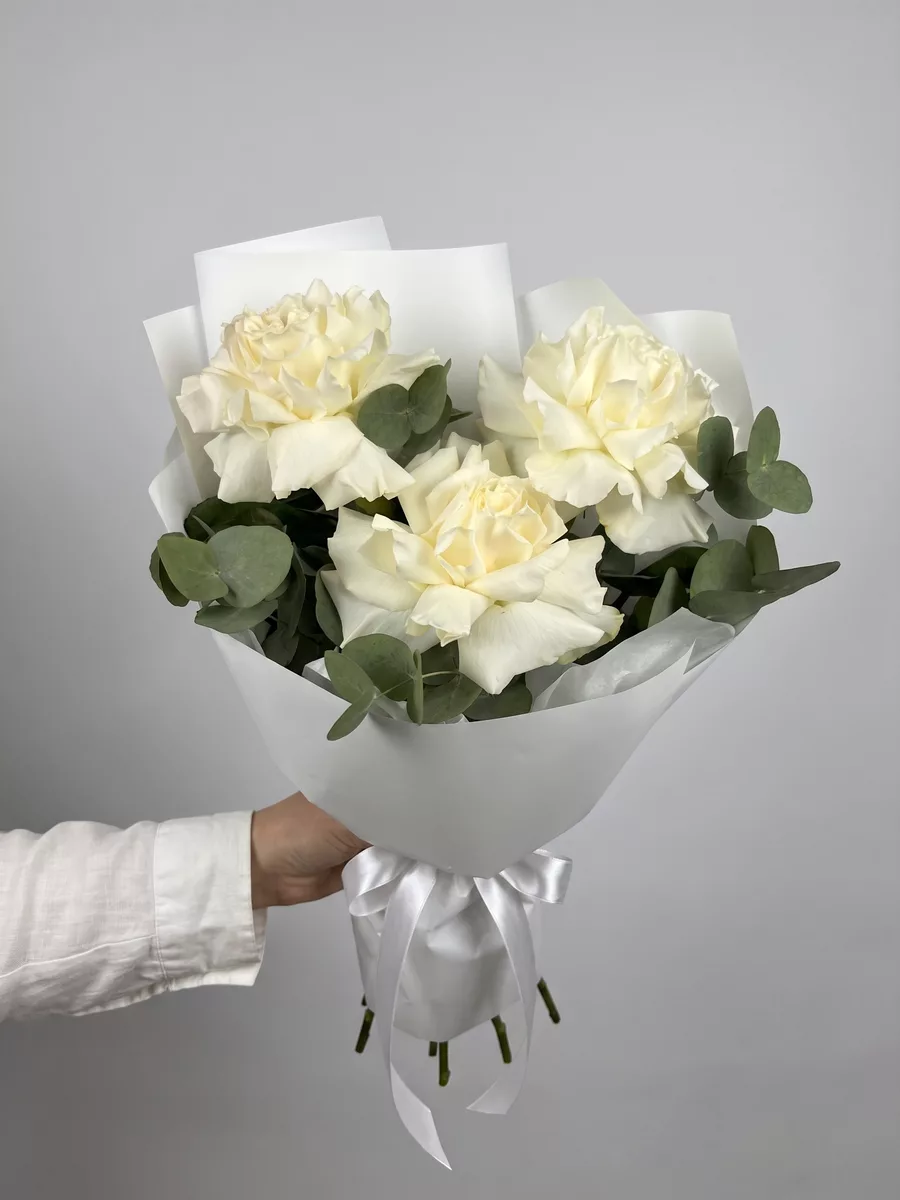
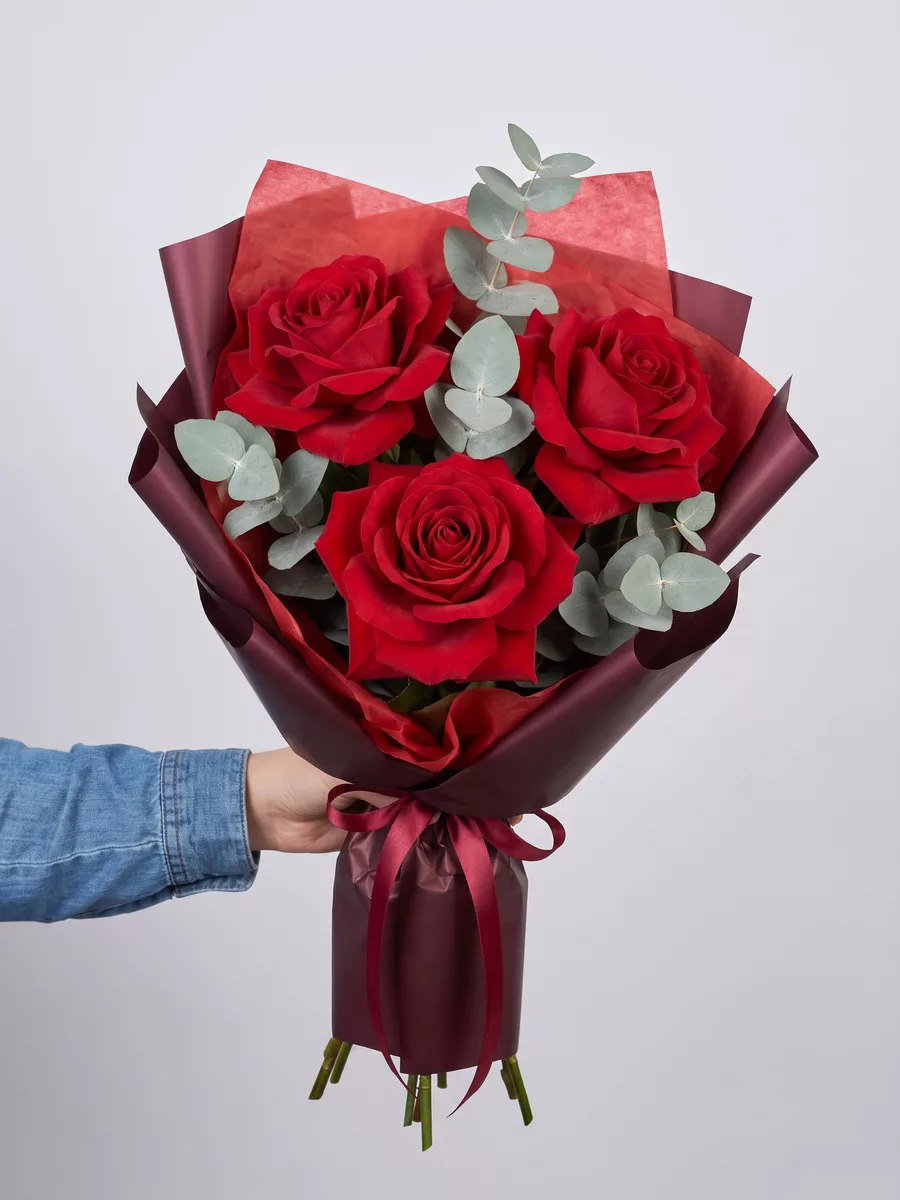
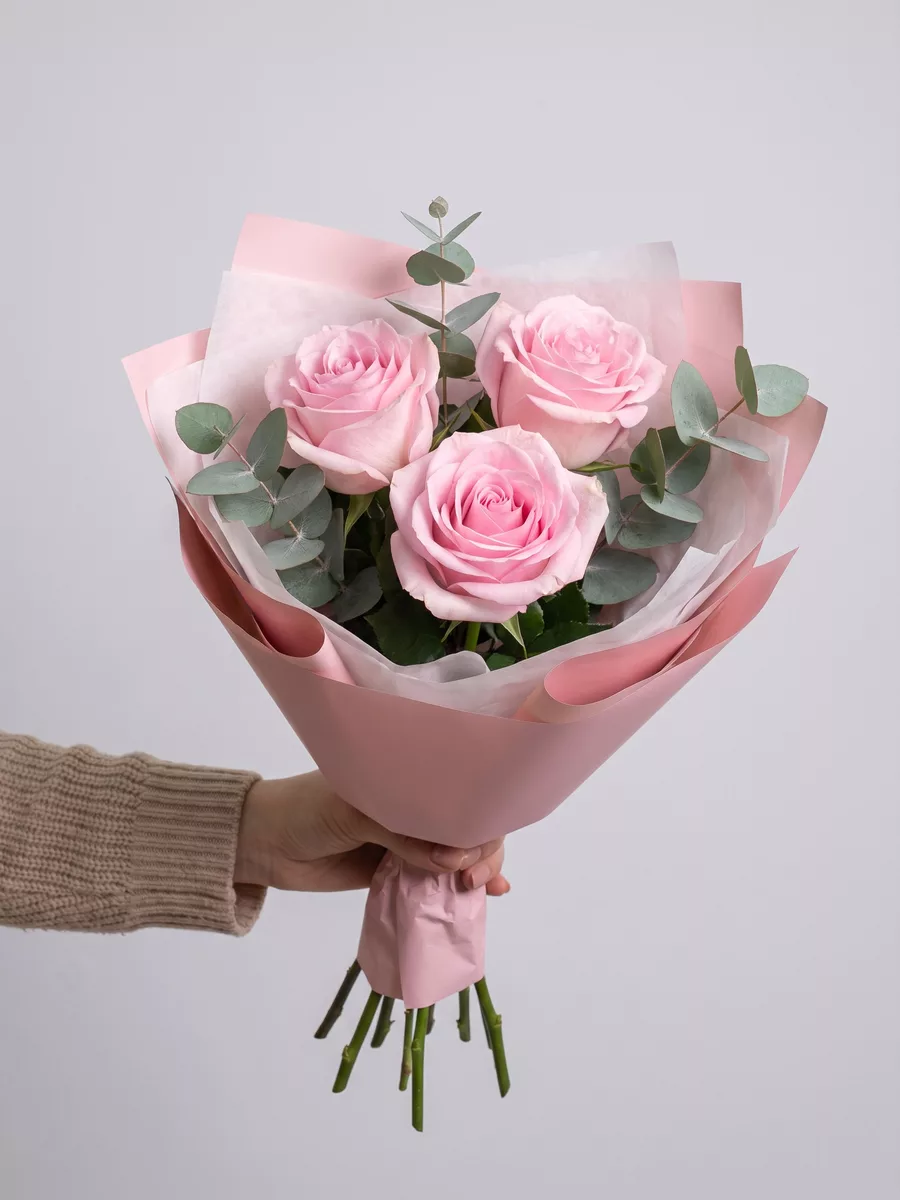
Timing Your Order: What One to Two Hours Actually Means
Our standard delivery window across Russia, including Polysaevo, is one to two hours from the moment your order is confirmed and assembled. That window begins after the bouquet is prepared, not from the second you click the order button. During busy periods — Valentine's Day, International Women's Day on the eighth of March, and the first of September when children return to school — preparation itself can take a little longer, so ordering the evening before or early in the morning is a practical habit worth building.
For same-day delivery, orders placed before midday almost always arrive before the end of the working day. Orders placed in the afternoon are typically delivered within the same evening slot. We are transparent about this: if a specific time matters to you, for example a surprise at exactly noon, note it clearly in the order and we will confirm whether it is achievable before we proceed.
Polysaevo's road network is straightforward, which works in your favour. There are no major traffic bottlenecks comparable to large Russian cities, and our couriers know the area well. In winter, allow a small buffer — ice and snow can add fifteen to twenty minutes to any journey, and we would rather arrive slightly late with a perfect bouquet than rush and compromise the presentation. Scheduling a delivery for early afternoon rather than late evening in January or February is simply sensible.
Choosing Flowers for the Occasion, Not Just the Occasion
Russian flower culture places a lot of weight on the number of stems and the colour palette, and if you are ordering from outside Russia it helps to know a few conventions. An odd number of flowers is the standard for celebratory occasions — one, three, five, seven, or more stems. Even numbers are traditionally associated with sorrow, so a bouquet of twelve roses, while common elsewhere, can read as an unusual choice here. We handle this automatically when composing arrangements, but if you are requesting a specific stem count, keep this in mind.
For birthdays, warm tones work beautifully: peach and coral spray roses, orange gerberas, sunflowers in late summer, and yellow chrysanthemums year-round. For a romantic gesture, red or deep burgundy roses remain the clearest signal, though a mix of white lisianthus and blush peonies in spring reads as equally heartfelt and feels more considered. For a colleague or teacher — a common occasion in Russian culture, especially around professional holidays — a clean, elegant arrangement of white alstroemeria or mixed seasonal stems is appropriate and universally appreciated.
Think about what the recipient will feel when they open the door, not just what looks impressive in a photograph. A single large bouquet of garden roses with eucalyptus smells extraordinary and creates an immediate emotional response. A tight cluster of identical carnations is perfectly fine but creates a different impression. We are happy to advise by phone or chat if you describe the person and the occasion.
Budget Ranges and What You Actually Get at Each Level
Flowers in Russia are priced by stem, by composition complexity, and by seasonality. Imported roses from Ecuador or Colombia cost more in winter because logistics are longer; local greenhouse roses and chrysanthemums are available year-round at steadier prices. Understanding this helps you set expectations honestly.
At a modest budget, you can expect a well-made mono-bouquet: five to seven stems of a single variety, wrapped cleanly with kraft paper and a ribbon. Spray roses, alstroemeria, and chrysanthemum pompons are reliable choices at this level — they hold their shape during transport and last well in a vase. The presentation is simple but genuine, and a handwritten card transforms even a small bouquet into something personal.
At a mid-range budget, mixed compositions become possible. A florist can combine a focal flower — a standard rose, a gerbera, or a tulip in season — with supporting textures like waxflower, eucalyptus, or limonium. This layering is what makes a bouquet look full and intentional rather than sparse. The recipient notices the thought behind it.
At a higher budget, you move into garden-style arrangements: loose, asymmetric, with premium varieties like David Austin roses, peonies when in season, or ranunculus in spring. These are the bouquets that get photographed and remembered. If you are celebrating something significant — an anniversary, a major birthday, a graduation — this is where the investment makes sense. We can also add a small plant, chocolates, or a soft toy to any order at any budget level.
Siberian Winters and Summer Heat: How Temperature Shapes Your Order
Polysaevo winters are genuinely cold. January temperatures regularly drop to minus twenty Celsius or lower, and this affects flowers directly. Roses and tulips are particularly sensitive — their petals can bruise or turn translucent within minutes of exposure to severe frost. Our couriers use insulated packaging for cold-weather deliveries, wrapping bouquets in protective sleeves before placing them in thermal bags for transit.
When the recipient receives the bouquet in winter, they should bring it indoors immediately and let it rest at room temperature for fifteen to twenty minutes before removing the outer wrapping. Unwrapping a frozen bouquet too quickly in a warm room causes condensation that accelerates petal browning. This is one of the most common mistakes people make, and it is entirely avoidable with a brief wait.
Summer in the Kemerovo region brings the opposite challenge. July and August can be warm, and flowers like tulips and anemones wilt quickly in heat above twenty-two degrees. For summer deliveries, we prioritise varieties with better heat tolerance: gerberas, chrysanthemums, alstroemeria, and sunflowers. If you are ordering for an outdoor event or a recipient without air conditioning, mention it so we can choose accordingly.
Spring and autumn are the most forgiving seasons for flower delivery in Siberia. Temperatures are moderate, flowers travel well, and seasonal varieties like tulips in April or dahlias in September are at their best. If you have flexibility in timing, these months offer the widest range of options at the most consistent quality.
Keeping the Bouquet Fresh: Care That Makes a Real Difference
A well-made bouquet from a professional florist should last five to ten days in a vase if the recipient follows a few simple steps. The most important is the first cut: trim the stems by two to three centimetres at a forty-five degree angle immediately before placing them in water. This angle increases the surface area for water absorption and prevents the flat base of the stem from sitting directly against the vase bottom and blocking the uptake.
Use clean, cool water and change it every two days. Tap water in many Russian cities, including those in the Kemerovo region, is hard and mineral-heavy. If the recipient notices the water turning cloudy quickly, it is worth using filtered water or adding a small sachet of flower food — we include one with every order. The sachet contains a mild acidifier and a sugar source that together slow bacterial growth and feed the stems.
Keep the bouquet away from direct sunlight, radiators, and fruit bowls. Ripening fruit releases ethylene gas, which accelerates flower ageing — this is particularly noticeable with roses and tulips, which can drop petals within a day if placed near a fruit bowl. A cool spot on a table away from the window is ideal.
Remove any leaves that fall below the waterline as soon as you notice them. Submerged foliage rots quickly and contaminates the water, shortening the life of the entire bouquet. A minute of attention every other day is genuinely all it takes to keep the arrangement looking its best through the full vase life.
Making the Delivery Feel Like a Moment, Not Just a Transaction
In Russian culture, receiving flowers is a social event as much as a gift. The bouquet is presented, admired, and often photographed before it goes into a vase. This means presentation matters enormously — not just the flowers themselves, but the way they are wrapped, the card that accompanies them, and the small details that signal care.
When you place your order, write the card message in your own words rather than choosing a generic phrase. A specific, personal sentence — something that references a shared memory or uses the recipient's nickname — lands completely differently from a printed template. We print the message exactly as you write it, so take a moment to compose something genuine. If Russian is not your first language, writing in English is perfectly fine; the recipient will understand and will likely appreciate the gesture even more.
Consider the timing as part of the gift. A bouquet arriving at the start of a birthday, before the day fills with other plans, feels more intentional than one arriving in the evening. A delivery to a workplace in the morning creates a small public moment — colleagues notice, and the recipient carries that warmth through the whole day. If privacy matters more, an evening home delivery is quieter and more intimate.
Finally, if this is a surprise delivery, brief the recipient's family member or colleague in advance rather than hoping for the best. A coordinated surprise is far more likely to land at the right moment than one that depends entirely on chance. A thirty-second phone call in advance can make the difference between a perfect moment and a missed one.
Polysaevo may be a small city by Russian standards, but the people who live there appreciate the same things everyone does: a thoughtful gesture that arrives on time, looks beautiful, and lasts. Ordering flowers from a distance is simpler than it sounds when you know what to expect at each stage — the delivery window, the seasonal choices, the care steps that make a real difference. We handle the logistics and the craftsmanship; your job is simply to choose the occasion and write the message that makes it personal.
Frequently asked questions
Does the delivery zone cover the newer eastern neighbourhoods of Polysaevo or just the central streets?
Our couriers cover the full residential area of Polysaevo, including the newer blocks on the eastern edge and the older streets near the central administrative buildings. There is no postcode or district that falls outside our zone. Include the building number, apartment or office number, and a working phone for the recipient and we handle the rest.
What should I include in the order notes to make sure the handover goes smoothly?
The most useful details are the building entry code if the entrance has a keypad, the apartment or office number, and any timing preference the recipient has mentioned. Couriers call ahead when they are around ten minutes away, so a working phone number for the recipient is essential. A brief note about the occasion also helps the courier handle the bouquet with the right care on arrival.
Why do your couriers refuse to leave flowers at the door or in the stairwell?
Temperature swings in Siberian stairwells can damage blooms within twenty minutes in winter. Leaving a bouquet unattended in that environment risks wilted petals and frozen stems before the recipient even opens the door. We only hand flowers directly to a person, and if the recipient is unavailable, the courier arranges a new handover time by phone rather than abandoning the order.
When exactly does the one to two hour delivery window start?
The window begins after your bouquet has been assembled and packed, not from the moment you place the order. Assembly time depends on what you have chosen and whether the flowers need conditioning before wrapping. For urgent orders, contacting us directly before you place the order lets us confirm the realistic earliest handover time for your specific address in Polysaevo.
How does sending to a workplace or school in Polysaevo differ from a home address?
Workplaces and schools often have a reception desk or security point where the courier must hand over the bouquet rather than reaching the recipient directly. Naming the specific department, classroom, or office number in your notes avoids delays at the entrance. If the recipient is in a meeting or class, the courier will agree a handover moment by phone rather than leaving the flowers with an unrelated third party.
Ready to send flowers?
Pick the city, choose the bouquet, and a local florist takes it from there.
Choose a city →