Sending Flowers to Proletarsk? Here Is What to Expect
Proletarsk sits in the Rostov Oblast, a warm southern region where summers are long and winters are mild compared to most of Russia. That climate shapes everything — from which flowers hold up during transit to how long a bouquet stays fresh once it arrives on someone's doorstep. Whether you are ordering for a birthday, an anniversary, or simply to say you are thinking of someone, understanding how delivery actually works here will help you choose the right arrangement and avoid the small frustrations that come from guessing.
Where in Proletarsk We Deliver and How the Zone Is Covered
Proletarsk is a compact town, which works in your favour when it comes to delivery logistics. The central streets, residential districts and the areas around the main market square are all within our standard delivery zone. Addresses on the outskirts, including private house neighbourhoods closer to the Manych River, are also covered, though it is worth noting that rural road conditions can occasionally add fifteen to twenty minutes to an estimated arrival window.
When you place an order, the address goes through a quick check against our zone map. If there is any question about reach, our team contacts you directly before confirming — no silent failures. We do not rely on third parties to complete the last stretch, so the same standards of packaging and flower handling apply from the moment the bouquet is made to the moment it is handed over.
For recipients living in apartment buildings, we ask for the full entrance number and floor if you know it. In many Russian towns, including Proletarsk, large residential blocks share a single street number but have several separate entrances, and a missing entrance code is the single most common reason a delivery takes longer than expected. Giving that detail upfront saves everyone time and keeps the flowers looking their best when they finally arrive.
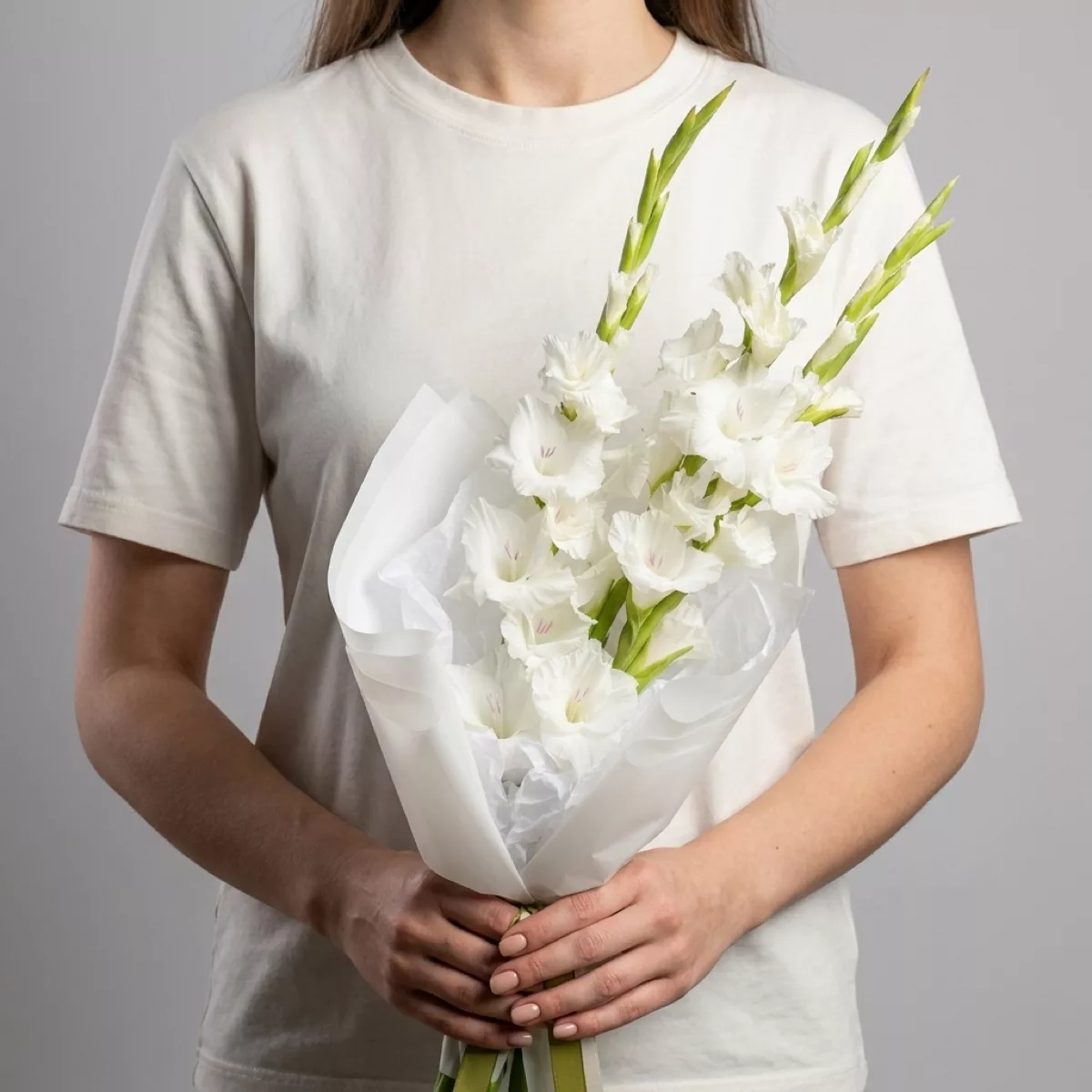
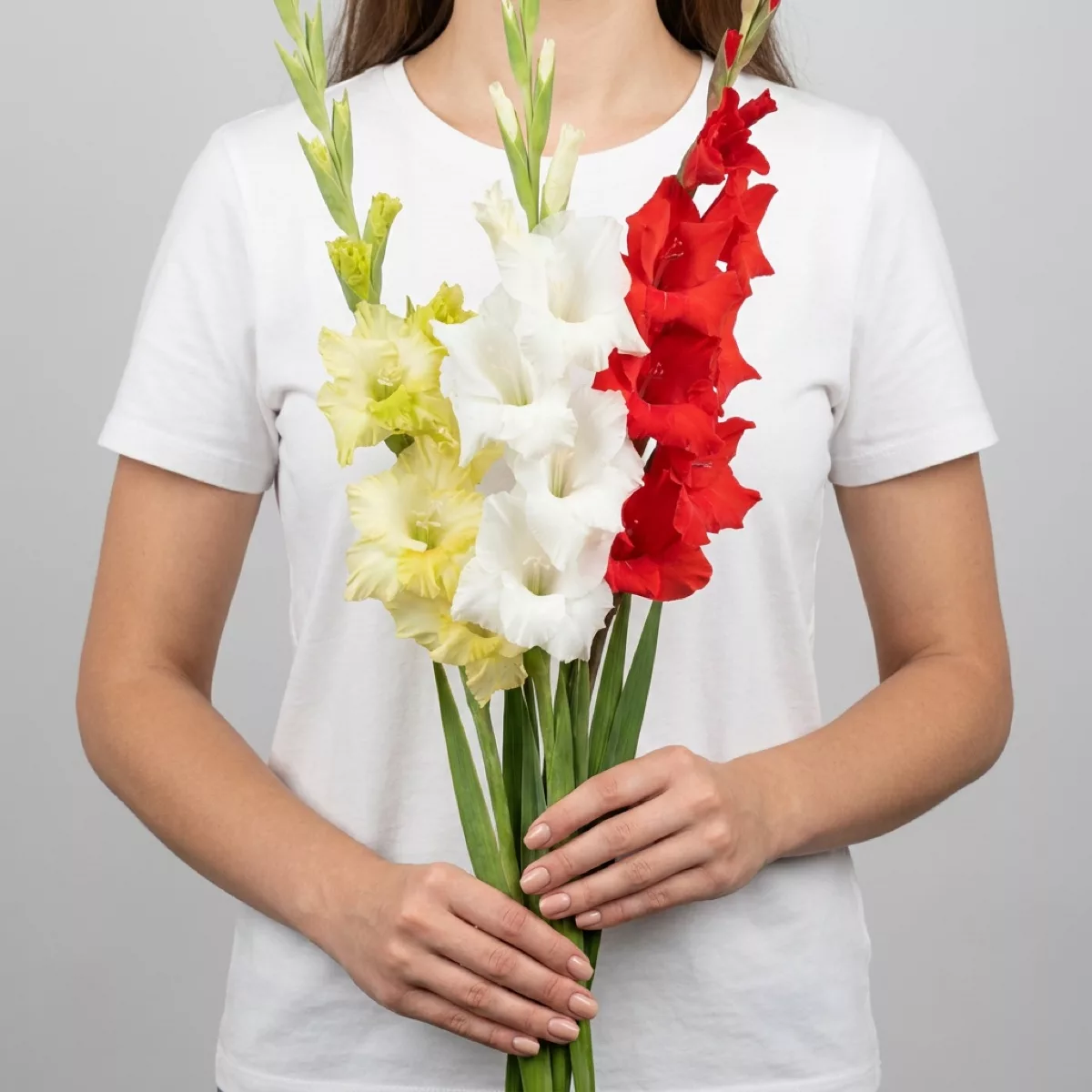
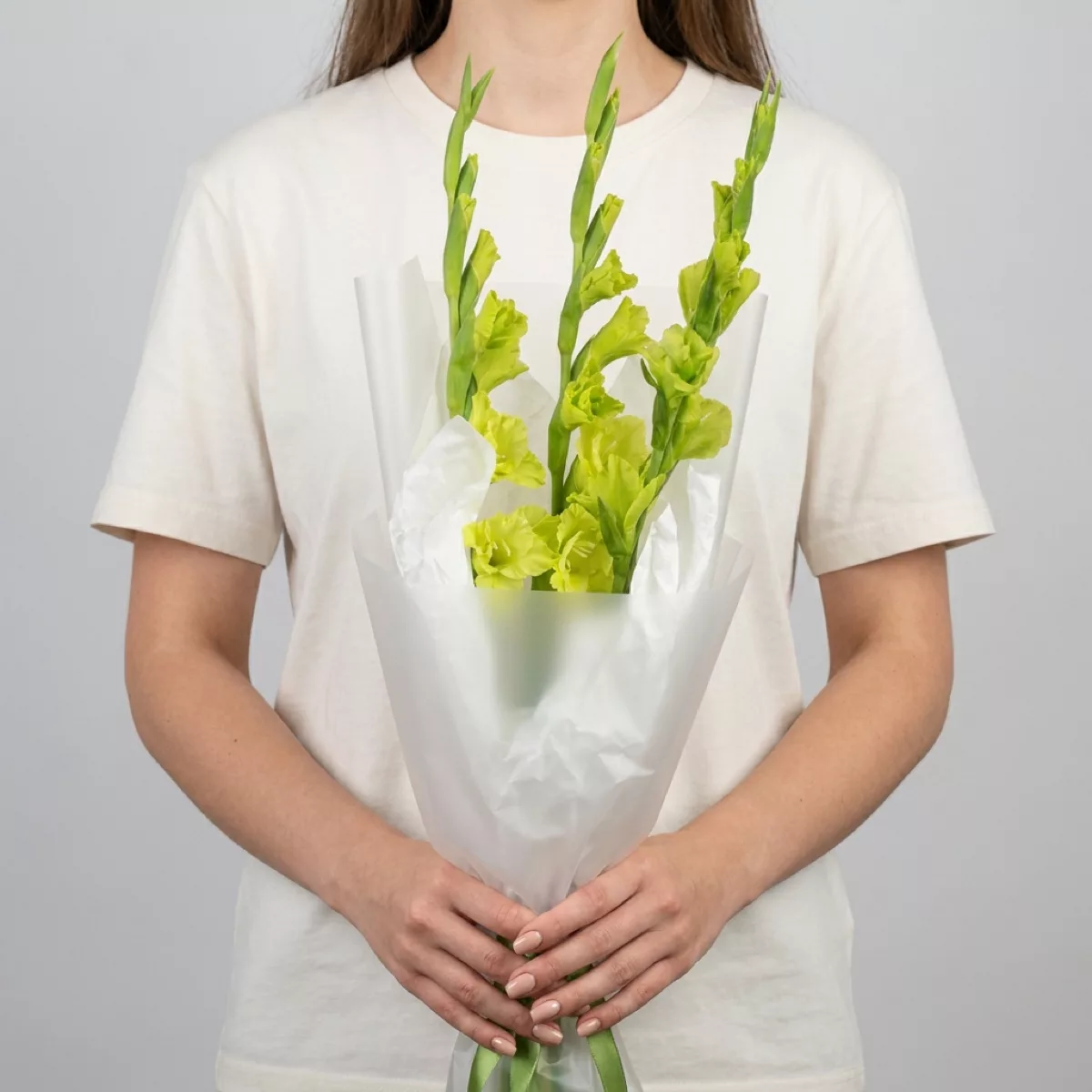
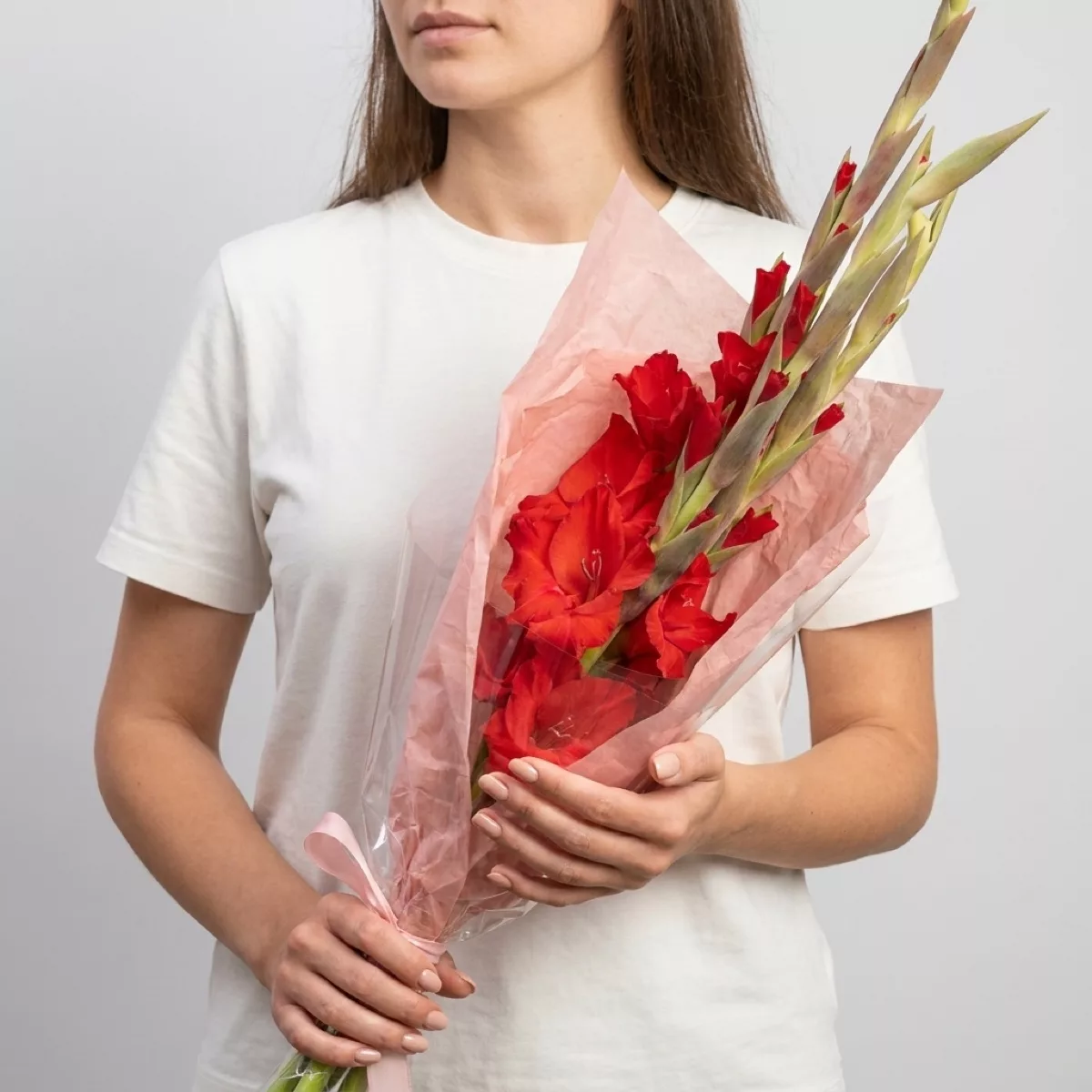
Bouquets we can deliver
Timing Your Order: Same-Day and Scheduled Delivery Explained
Most orders placed before 3 p.m. local time can be delivered the same day. Orders placed in the morning tend to arrive within two to three hours, giving you a comfortable buffer if the occasion is in the afternoon or evening. If you are ordering for a specific event time — a dinner, a birthday gathering, a work anniversary — scheduling delivery for an hour beforehand is a reliable approach that florists recommend consistently.
Proletarsk follows Moscow time plus zero offset, meaning it runs on Moscow Standard Time. If you are ordering from another city or from abroad, double-check that the delivery window you select reflects local Proletarsk time rather than your own. It is a small detail that occasionally catches people off guard, especially when ordering from western Europe or from cities in Siberia.
Evening deliveries, typically between 7 p.m. and 9 p.m., are available and popular for surprise gifts. The recipient does not need to be home — a bouquet can be left with a neighbour or building concierge if you specify that preference and the recipient agrees. However, in warm Proletarsk summers, when temperatures can reach 35 degrees Celsius, leaving flowers unattended in a hot entrance hall for more than thirty minutes is not advisable. For summer evening deliveries, we recommend confirming that someone will be present to receive the arrangement promptly.
Choosing Flowers for the Southern Climate: What Holds Up Best
The Rostov Oblast heat is something every florist working in this region respects. Delicate varieties like lily of the valley, sweet peas, and garden ranunculus wilt faster in high temperatures, which means they are better suited to spring and autumn orders rather than midsummer. For warm-weather deliveries, roses — particularly spray roses and standard long-stem varieties — are a dependable choice. Chrysanthemums and alstroemeria also handle heat well and tend to last seven to ten days in a vase when cared for properly.
In winter, the concern shifts slightly. Proletarsk winters are mild but not frost-free, and temperatures between minus five and minus ten degrees Celsius are common in January and February. Tropical varieties like anthurium and orchid stems can suffer cold damage if exposed to outdoor air for even a few minutes without proper wrapping. Our packaging uses insulating kraft sleeves and, where needed, sealed boxes to protect against both heat and cold during transit.
Spring and autumn are genuinely the easiest seasons for flower delivery here. Tulips in March and April, sunflowers from July through September, and dahlias in late summer all travel well and resonate strongly with local recipients. If you are unsure what is in season at the time of your order, describing the occasion and the recipient to our team is enough — we will suggest what is at its best that week rather than defaulting to whatever is simply available.
Budget Ranges and What Each Level Gets You
A modest bouquet — five to seven stems of a single variety, simply wrapped — is the most common starting point for a casual gift. This level works well for a colleague's birthday, a thank-you gesture, or a spontaneous hello. The presentation is clean and honest rather than elaborate, and a single variety done well often makes a stronger impression than a crowded mixed bunch that has been assembled without a clear idea.
A mid-range arrangement typically combines two or three varieties with complementary foliage. Think roses paired with eucalyptus and a few stems of waxflower, or sunflowers with solidago and leather leaf fern. This combination gives the bouquet visual depth and extends vase life, because the foliage continues looking fresh even as individual blooms age. For birthdays, anniversaries and housewarming gifts, this is the range most recipients remember most warmly.
At the upper end, you are looking at larger volumes, premium varieties like garden roses or peonies when in season, and more considered presentation — linen wrapping, a coordinated ribbon, perhaps a small accompanying card written by hand. These arrangements are appropriate for significant occasions: a milestone anniversary, a new baby, a promotion. One practical note: premium seasonal varieties like peonies have a narrow availability window, roughly May to June, so if you have a date in mind and peonies matter to you, ordering a few days in advance rather than same-day gives us the best chance of sourcing them at peak quality.
What Russian Flower Customs Mean for Your Order
If you are not familiar with Russian gifting customs around flowers, a few things are worth knowing before you choose. The number of stems in a bouquet carries meaning here: an odd number is given to the living, while an even number is traditionally associated with mourning. Most florists in Russia follow this instinctively, and we do too — your bouquet will always contain an odd count unless you specifically request otherwise.
Colour choices also carry weight in Russian culture, though the rules are softer than the number rule and vary by generation. Red roses are strongly romantic, making them ideal for partners but occasionally awkward for a colleague or a parent. Yellow flowers were historically considered unlucky in Soviet-era folklore, though younger generations in cities like Rostov-on-Don and beyond have largely moved past this association. If you are unsure, mixing yellow with white or orange removes any ambiguity and still produces a warm, generous-looking arrangement.
It is also common in Russia to present flowers without the price tag visible — giving a gift that obviously displays its cost is considered slightly graceless. Our packaging never includes pricing on the outer wrap. If you are sending a bouquet to someone who is not expecting it, a short handwritten message adds considerably more warmth than an elaborate arrangement delivered in silence. We include a card with every order; even two or three sentences make a meaningful difference to how the gift is received.
How to Give Care Instructions That Actually Get Followed
Most bouquets arrive looking their best and then fade faster than they should, not because the flowers were poor quality but because the first hour after delivery is handled carelessly. A stem left out of water for two hours in a warm room loses more vase life than almost any other single factor. The most useful thing you can do when ordering a gift delivery is ask us to include a simple care note with the bouquet — we print one with every arrangement, but drawing the recipient's attention to it matters.
The basics are consistent across most cut flowers: trim the stems at a diagonal, remove any leaves that would sit below the waterline, use a clean vase with cool water, and keep the arrangement away from direct sunlight and ripening fruit. Fruit releases ethylene gas, which accelerates wilting in roses and carnations noticeably. A windowsill above a fruit bowl is one of the most common places people put flowers, and one of the least suitable.
For specific varieties, there are small differences worth knowing. Tulips continue to grow after cutting — they can gain three to four centimetres in the vase and will lean toward the nearest light source, so rotating the vase daily keeps them upright. Roses benefit from re-trimming every two days. Chrysanthemums are among the most forgiving and need only fresh water every other day. Alstroemeria, which is underrated as a gift flower, regularly lasts twelve to fourteen days with basic care — longer than almost any other variety at a comparable price point.
Making the Order Smooth: Details That Actually Matter
The information that most affects delivery success is the recipient's phone number. In Russia, a delivery driver who cannot locate an address will typically call the recipient directly rather than return the bouquet — but only if a number has been provided. If you are organising a surprise and do not want the recipient called, note that clearly when ordering, and we will rely on the address alone and take extra care with the location details.
For surprise deliveries, it helps to confirm in advance that the recipient will actually be home or reachable. Sending flowers to someone who is travelling, working a night shift, or spending the day at a dacha outside town means the bouquet waits — and waiting is hard on flowers, particularly in summer. A quick indirect check, even asking a mutual friend, saves the arrangement.
If you are ordering from outside Russia, the time zone and language barrier occasionally create small misunderstandings around delivery windows. Our ordering system operates in Russian and English, and our team can communicate in both. Spelling the recipient's name and address in transliterated Latin characters alongside Cyrillic where possible helps avoid any ambiguity at the driver's end. Finally, if the occasion has a fixed time — a party starting at seven, a work event at noon — tell us that time explicitly rather than just the date. We will work backward from the moment that matters and make sure the flowers arrive when they are meant to.
Proletarsk is not a city where flower delivery is complicated, but like anywhere in Russia, the small details — the entrance number, the stem count, the care note tucked inside the wrap — are what separate a bouquet that is remembered from one that simply arrives. When you order through Turboflora, you are working with a team that thinks about those details before you have to ask. Tell us the person, the occasion, and the time, and we will handle the rest.
Frequently asked questions
Can I order flowers for delivery in Proletarsk if I am based in another city or country?
Yes, absolutely. Our ordering system works in both Russian and English, and you can place an order from anywhere. Just make sure the delivery time you select reflects Proletarsk local time, which follows Moscow Standard Time, and provide the recipient's full address including entrance number if it is an apartment building.
What is the latest time I can order for same-day delivery in Proletarsk?
Orders placed before 3 p.m. Proletarsk time are eligible for same-day delivery in most cases. Evening delivery slots up to around 9 p.m. are available. If your order comes in close to the cutoff, our team will confirm availability before processing rather than accepting an order we cannot fulfil on time.
Why does the number of stems in a Russian bouquet matter?
In Russian tradition, an odd number of flowers is given as a celebratory gift, while an even number is associated with funerals and mourning. This is taken seriously across generations, so all our bouquets are assembled with an odd stem count by default. If you have a specific number in mind for another reason, let us know and we will advise.
Which flowers last longest in Proletarsk's warm summer climate?
Alstroemeria, chrysanthemums, and spray roses hold up best in heat and regularly last ten to fourteen days with basic care. Sunflowers are a strong summer choice too, lasting five to seven days. We avoid packing heat-sensitive varieties like sweet peas or lily of the valley for summer deliveries unless specifically requested and conditions allow.
What if the recipient is not home when the delivery arrives?
If you have provided the recipient's phone number, our driver will call to arrange a suitable moment. For surprise deliveries where you prefer no call, we can leave the bouquet with a neighbour or building concierge if you specify that in your order notes. In summer, we recommend ensuring someone is available, as flowers left in a hot entrance hall deteriorate quickly.
Ready to send flowers?
Pick the city, choose the bouquet, and a local florist takes it from there.
Choose a city →