Sending Flowers to Pugachev? Here Is What to Expect
Pugachev sits quietly along the Irgiz River in the Saratov region, and like any real Russian town, it has its share of birthdays, anniversaries, and moments that deserve something beautiful. Whether you are ordering from Moscow for a mother you cannot visit, or you are in Pugachev itself and want flowers delivered across town within the hour, the process is simpler than most people expect — and the result, when done right, is a bouquet that arrives looking as though it was just cut.
Which Parts of Pugachev We Reach and How Far We Go
Pugachev is a compact city, which works strongly in the recipient's favour. The central districts along Pugachevskaya and Chapaeva streets, the residential blocks near the railway station, and the quieter streets toward the outskirts are all within our delivery zone. We do not limit coverage to the historical centre alone — if your recipient lives on the edge of town near the industrial quarter or in one of the newer housing developments, the bouquet still reaches them.
For addresses that sit slightly beyond the city boundary, in the surrounding villages and settlements of the Pugachevsky district, delivery is possible but requires a little more planning time. It helps to confirm the full postal address when you order, including the apartment number and any building entrance code. Russian apartment buildings often have locked entrance doors, called podezdy, and a driver who cannot get through the door will have to call ahead — which is fine, but it is smoother when the code is already in the order notes.
If the recipient is at work rather than home, a workplace delivery in Pugachev is entirely normal and often preferred. Many people enjoy receiving flowers in front of colleagues — it is considered a warm, public gesture of attention rather than an intrusion. Just include the organisation name and floor if you know it, and the delivery goes directly to the desk.
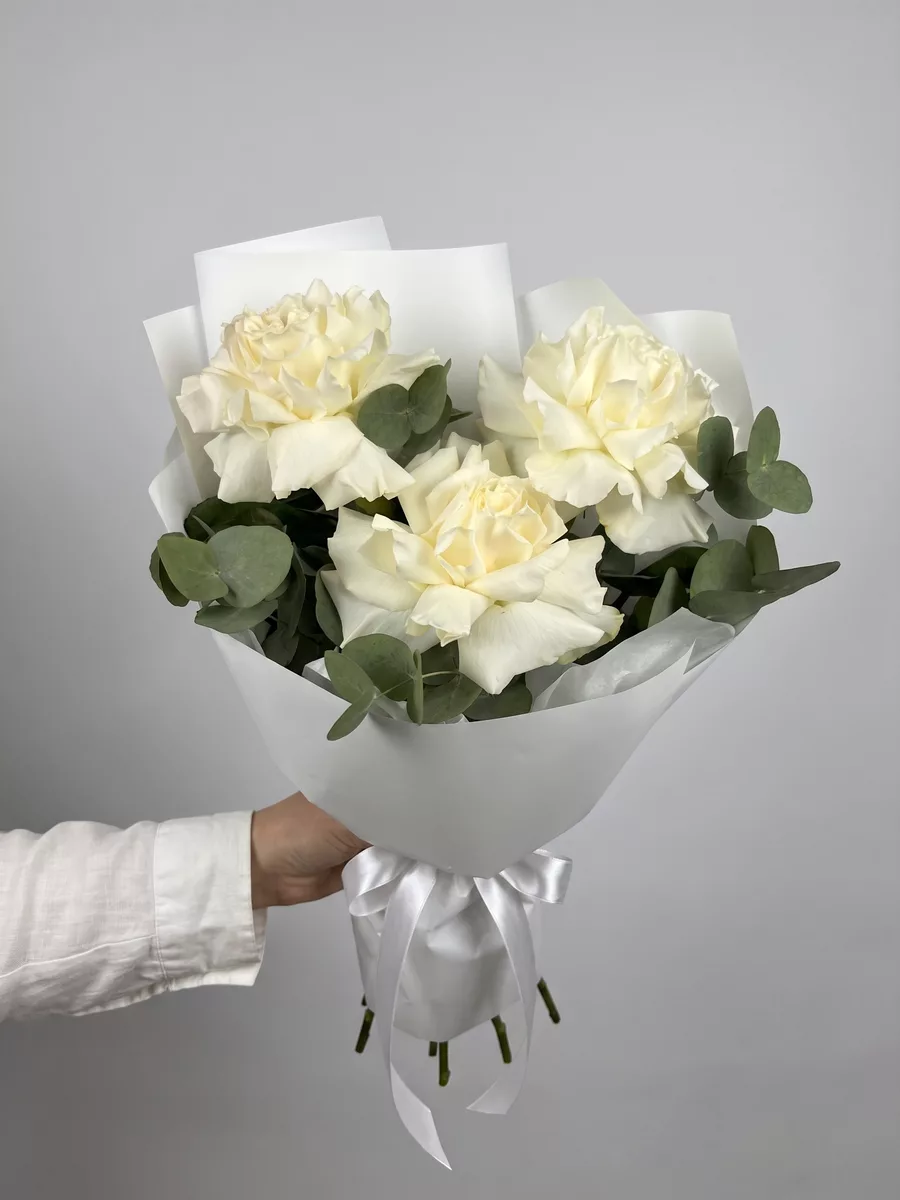
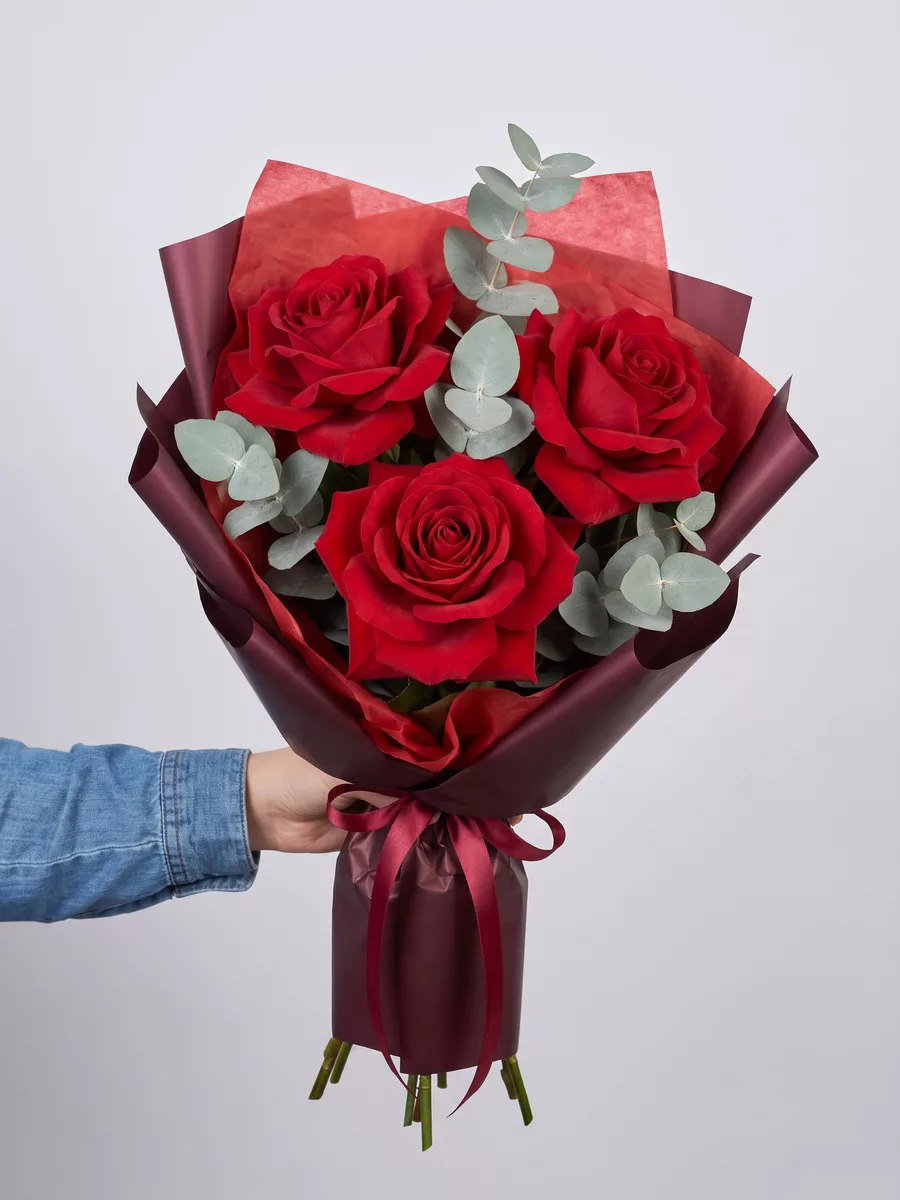
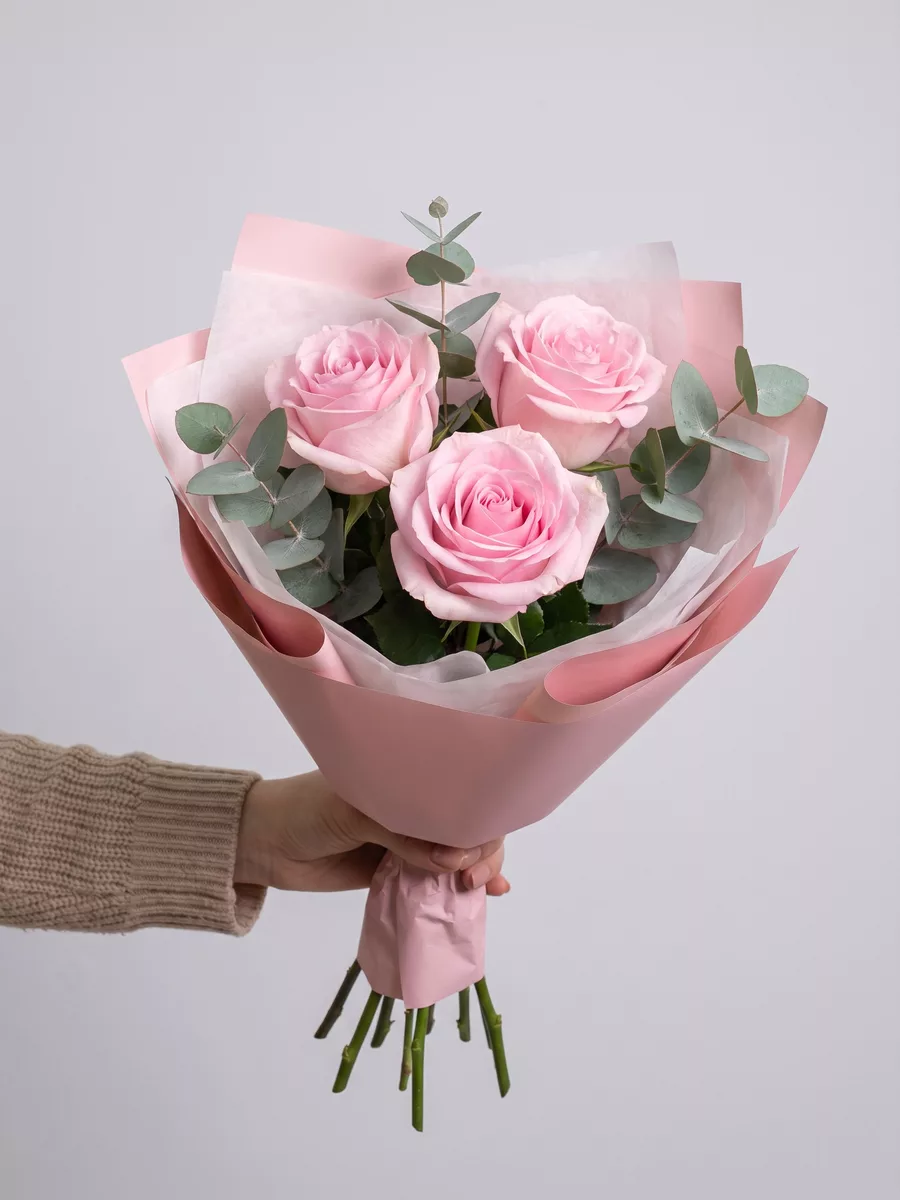
Bouquets we can deliver

Timing Your Order for the Moment That Matters
The standard delivery window for Pugachev is one to two hours from the moment your order is confirmed. That window holds for most of the day, including evenings, which matters because many celebrations in Russia happen after the working day ends — a birthday dinner that starts at seven, a name-day gathering that begins after six. Ordering at five in the afternoon for a seven o'clock arrival is entirely realistic.
Morning deliveries are popular for a specific reason: Russian custom often treats the start of the day as the right moment to begin a celebration. A bouquet that arrives at nine in the morning before the birthday person leaves for work carries a particular warmth — it says the sender was thinking of them from the first hour. If you want a morning delivery, placing the order the evening before with a scheduled time removes any uncertainty.
The one variable that affects timing in Pugachev, as in any regional Russian city, is seasonal road conditions. Winter in the Saratov region is genuine — temperatures regularly drop below minus fifteen Celsius between December and February, and snowfall can slow traffic on secondary streets. We account for this in our planning, but it is worth knowing that a morning order during a heavy snowfall might land closer to the two-hour mark than the one-hour mark. Flowers themselves travel safely in insulated packaging during cold weather, so the bouquet arrives in the same condition regardless of the temperature outside.
Choosing the Right Flowers for a Pugachev Occasion
The occasion shapes the bouquet before the budget does. For a birthday, think about what the recipient actually enjoys rather than what looks impressive in a photograph. A woman who keeps a tidy home and loves order often responds better to a structured arrangement of spray roses and alstroemeria than to a loose, romantic garden-style bouquet — even if the garden style is currently fashionable. A woman who loves colour and spontaneity is the opposite.
For romantic occasions — an anniversary, a first date that went well, a gesture of reconciliation — red or deep burgundy roses remain the most understood language in Russia. A single variety, presented in a generous number, reads as confident and deliberate. Mixing red roses with white ranunculus softens the statement without losing the intention.
For a colleague's promotion or a teacher's farewell, chrysanthemums and gerberas are genuinely appropriate choices, not a compromise. They are cheerful, long-lasting, and carry no romantic implication, which is exactly what a professional context requires. In Russian culture, giving flowers to a teacher or a doctor is a common and respected gesture, so do not hesitate to order for those occasions.
Spring celebrations in Pugachev, particularly around early May when the weather begins to shift, call for tulips and hyacinths if they are still in season, or for peonies as the temperature rises. These varieties feel local and timely rather than imported and generic, and recipients notice that quality of attention.
Bouquets by Budget: What Each Level Actually Gets You
A modest budget does not mean a thin bouquet — it means a focused one. A small arrangement built around five to seven stems of good-quality spray roses, finished with eucalyptus or ruscus greens and wrapped cleanly, looks intentional and complete. The key is that every stem earns its place. Nothing is added to fill space, and nothing is missing that the eye expects to find.
A mid-range budget opens the door to mixed compositions. This is where the florist's judgment matters most. A combination of garden roses, lisianthus, and a few stems of matthiola — stock — creates a bouquet that smells as good as it looks. Lisianthus in particular is underused and underappreciated: its ruffled petals resemble a rose from a distance but have their own quiet character up close. A recipient who receives lisianthus for the first time often asks what it is, which starts a conversation.
At a higher budget, you move into peonies in season, David Austin roses, or large-headed hydrangeas as the centrepiece. These varieties are generous in scale and require nothing else to make an impression. A bouquet of seven full peonies in blush pink, wrapped in kraft paper with a ribbon, is complete as a concept — adding more variety would only dilute it.
Regardless of budget, presentation matters as much as the flowers themselves. Clean wrapping, a proper water sachet attached to the stems for transit, and a handwritten card — these details are what the recipient sees first, before they even smell the flowers.
What Happens to Flowers During Delivery in Cold Weather
Pugachev winters are cold enough to damage unprotected flowers within minutes of exposure. Roses are particularly sensitive: petals that freeze even briefly develop dark, water-soaked patches that cannot be reversed. Tulips collapse at the neck. Gerberas lose the tension in their stems. These are not hypothetical risks — they are what happens when flowers travel without proper protection in minus ten or colder.
Our packaging for cold-weather delivery uses insulated wrapping that holds warmth around the stems and blooms during transit. The driver keeps the vehicle heated, and the handoff at the door is quick. In practice, this means the recipient opens the door to a bouquet that looks exactly as it did when it left the shop — no wilting, no frost damage, no discolouration.
In summer, the challenge reverses. Pugachev summers can reach thirty degrees Celsius, and heat accelerates the opening of roses and peonies. A bud that is just beginning to open in the morning can be fully open by afternoon in that temperature. We cut accordingly in summer, choosing stems that are slightly less advanced so the recipient has more time to enjoy the bouquet at its peak. It also means keeping the flowers out of direct sunlight as soon as they arrive — a north-facing windowsill or a cool interior spot is far better than a sunny table.
If the recipient is not home when the bouquet arrives, we contact them directly to arrange a handoff time rather than leaving flowers in an uncontrolled environment.
How to Help Your Bouquet Last Once It Arrives
A fresh bouquet from a good florist should last five to ten days with basic care. The first thing to do when the flowers arrive is cut the stems again — about two centimetres from the bottom, at an angle, with a sharp knife rather than scissors. Scissors crush the vascular tissue of the stem, which reduces water uptake. A clean diagonal cut maximises the surface area and keeps the channel open.
The vase matters more than most people realise. It should be clean — residue from a previous bouquet introduces bacteria that shorten the life of fresh flowers significantly. Fill it with cool water, not warm. Roses and most cut flowers prefer cool water because it slows bacterial growth and keeps the stems firm. Change the water every two days, and re-cut the stems each time.
Remove any leaves that sit below the waterline. Submerged leaves rot quickly and cloud the water, which again accelerates bacterial growth. A stem that enters clean water through a clean cut, in a clean vase, will last noticeably longer than the same stem in compromised conditions.
Keep the bouquet away from fruit bowls. Ripening fruit releases ethylene gas, which causes flowers — particularly roses and carnations — to age faster. A kitchen counter next to a fruit bowl is one of the worst places for a bouquet, even though it seems like a natural spot. A dining table away from the fruit, or a hallway console, is better. At night, a cooler room extends vase life by another day or two.
Adding a Personal Touch to a Pugachev Delivery
The bouquet is the gesture, but the card is the voice. A handwritten message — even a short one — changes the experience of receiving flowers entirely. When you order, take a moment to write something specific rather than generic. Not 'happy birthday' alone, but something that only you could say to this person. Even one sentence that references a shared memory or a specific quality you admire makes the card something the recipient keeps rather than discards.
In Russian tradition, flowers are almost always given in odd numbers — three, five, seven, nine. Even numbers are associated with mourning and are avoided for celebratory occasions. If you are not Russian and did not know this, now you do: it is one of those customs that is rarely explained but widely felt. Ordering a bouquet of five roses rather than four, or seven rather than six, is a small detail that lands correctly with a Russian recipient.
Beyond the card, you can add small accompaniments to a Pugachev delivery — a box of chocolates, a small plant, or a candle. These additions work best when they match the personality of the recipient rather than the occasion. A person who loves plants will treasure a small succulent alongside their bouquet long after the cut flowers have faded. A person with a sweet tooth will remember the chocolates.
For milestone occasions — a fortieth birthday, a twenty-fifth anniversary — consider a larger arrangement presented in a hat box or a low ceramic vessel rather than a standard wrap. The format signals that this is not a routine gesture, and the recipient can keep the vessel after the flowers are gone.
Pugachev may not be the first city that comes to mind when you think of flower delivery, but the people there celebrate the same moments — birthdays, anniversaries, returns, reconciliations — with the same warmth as anywhere else in Russia. Getting flowers to them on time, in good condition, and presented in a way that reflects the thought behind the gesture is entirely possible, and it is what we do. Whether you are ordering from across the country or from the next street over, the bouquet that arrives should feel like it carried the intention with it.
Frequently asked questions
Can flowers be delivered to the residential blocks near Pugachev railway station on the same day?
Yes, the area around the railway station sits comfortably within our delivery zone and follows the standard one to two hour window. When you order, include the full street address and building entrance number. Locked podezd doors are common in that part of town, so noting the intercom code or asking your recipient to watch for the courier saves time.
What seasonal flowers work best for a bouquet being sent to Pugachev in summer?
Summer in the Saratov region is warm and dry, which shortens vase life for delicate blooms like garden roses and sweet peas. Chrysanthemums, alstroemerias, and sunflowers handle the heat far better and stay fresh longer in an apartment without air conditioning. Pairing one strong focal flower with sturdy greenery gives the bouquet presence without sacrificing longevity in the recipient's home.
Is it possible to arrange delivery to a village or settlement in the Pugachevsky district rather than the city itself?
Delivery beyond the city boundary into surrounding settlements is possible but needs more lead time than a standard Pugachev order. Confirm the full postal address including the settlement name and any landmark that helps the courier locate the property. Reaching out early in the day gives us the best chance of arranging same day delivery rather than scheduling it for the following morning.
What should I include in the order notes to make sure a workplace delivery in Pugachev goes smoothly?
Include the organisation name, the street address, the floor, and your recipient's full name as it would be known at the front desk. If the building has a reception area or security post, noting that helps the courier navigate without delay. A workplace delivery in Pugachev is a warmly received gesture, and arriving with a named bouquet at someone's desk rarely causes any disruption.
Can I choose a specific flower combination for the bouquet rather than leaving it to the florist?
You can describe a colour palette, a mood, or name particular flowers you want included, and the florist will build around that. If you want something that photographs well for a birthday post, say so. If the recipient prefers understated arrangements over large dramatic bouquets, that preference shapes the whole build. The more context you give about the person and the occasion, the closer the result will be to what you have in mind.
Ready to send flowers?
Pick the city, choose the bouquet, and a local florist takes it from there.
Choose a city →