Flower Delivery in Pushchino: Timing, Choices and What Arrives at the Door
Pushchino sits quietly on the Oka River, a compact science town where most people know their neighbours and a flower delivery feels like a real event. Whether you are sending a bouquet from Moscow to a colleague at the research institute or surprising a relative on a birthday, the details matter — which flowers travel well on that road, how long the journey realistically takes, and what the recipient will find when they open the door. This guide answers all of that from the florist's side of things.
Where Exactly Turboflora Delivers in Pushchino
Pushchino is a single, walkable town, but its address geography can confuse anyone unfamiliar with Soviet-era science settlements. The residential blocks — known locally as microrayons — sit close together, yet the institute campus, the riverside embankment area and the older housing stock each have their own street logic. Turboflora delivers to all residential addresses in Pushchino, including the high-rise blocks on Nauki Avenue, the quieter streets closer to the biological research campus and the private house sector near the forest edge.
One thing worth knowing: Pushchino has no large shopping centre or public landmark where a courier would wait. All deliveries go directly to the door of the apartment or house. If the recipient lives in a building with a security desk or a coded entrance — which is common in the institute dormitories and newer blocks — it helps to include that code or a contact phone number in the order notes. The courier will always call ahead, but having the entrance details ready saves everyone time.
If you are sending to a workplace rather than a home, the research institutes and administrative buildings are also reachable. Just specify the building name or department in the delivery address field, and note whether the recipient will be at their desk during the delivery window. A bouquet sitting at a reception desk for three hours in a warm lobby is not ideal for delicate blooms like ranunculus or garden roses, so timing matters even more for office deliveries.
Bouquets we can deliver
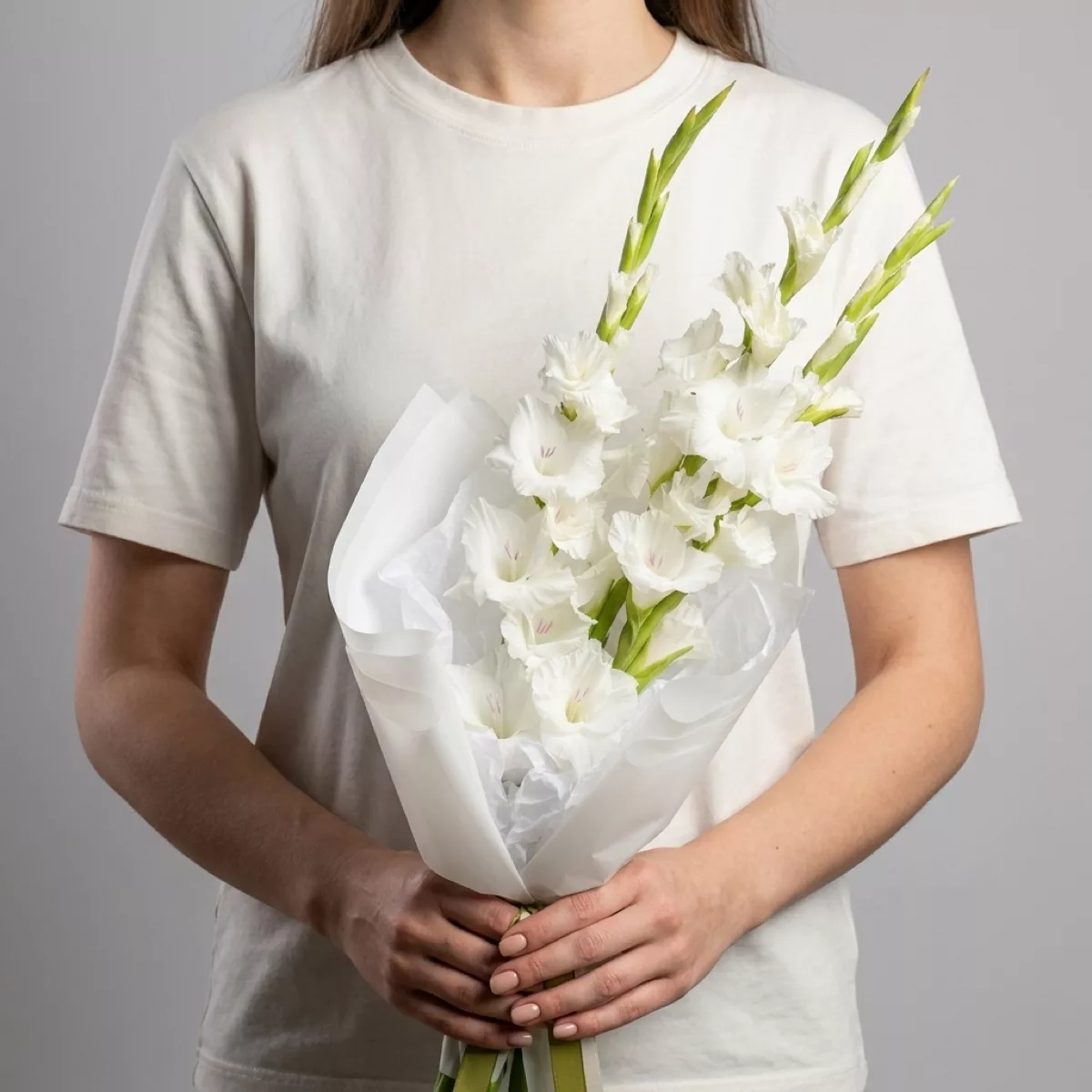
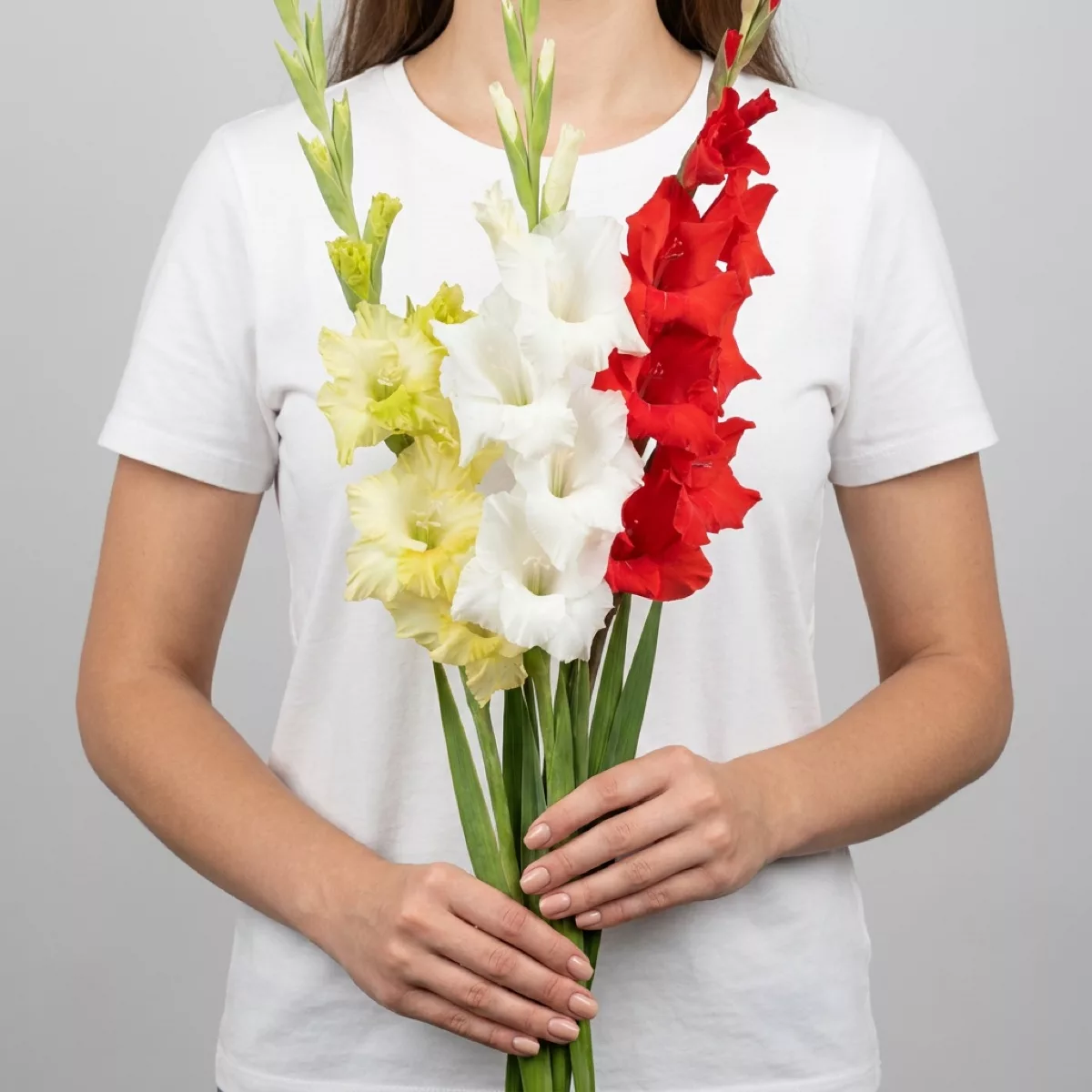
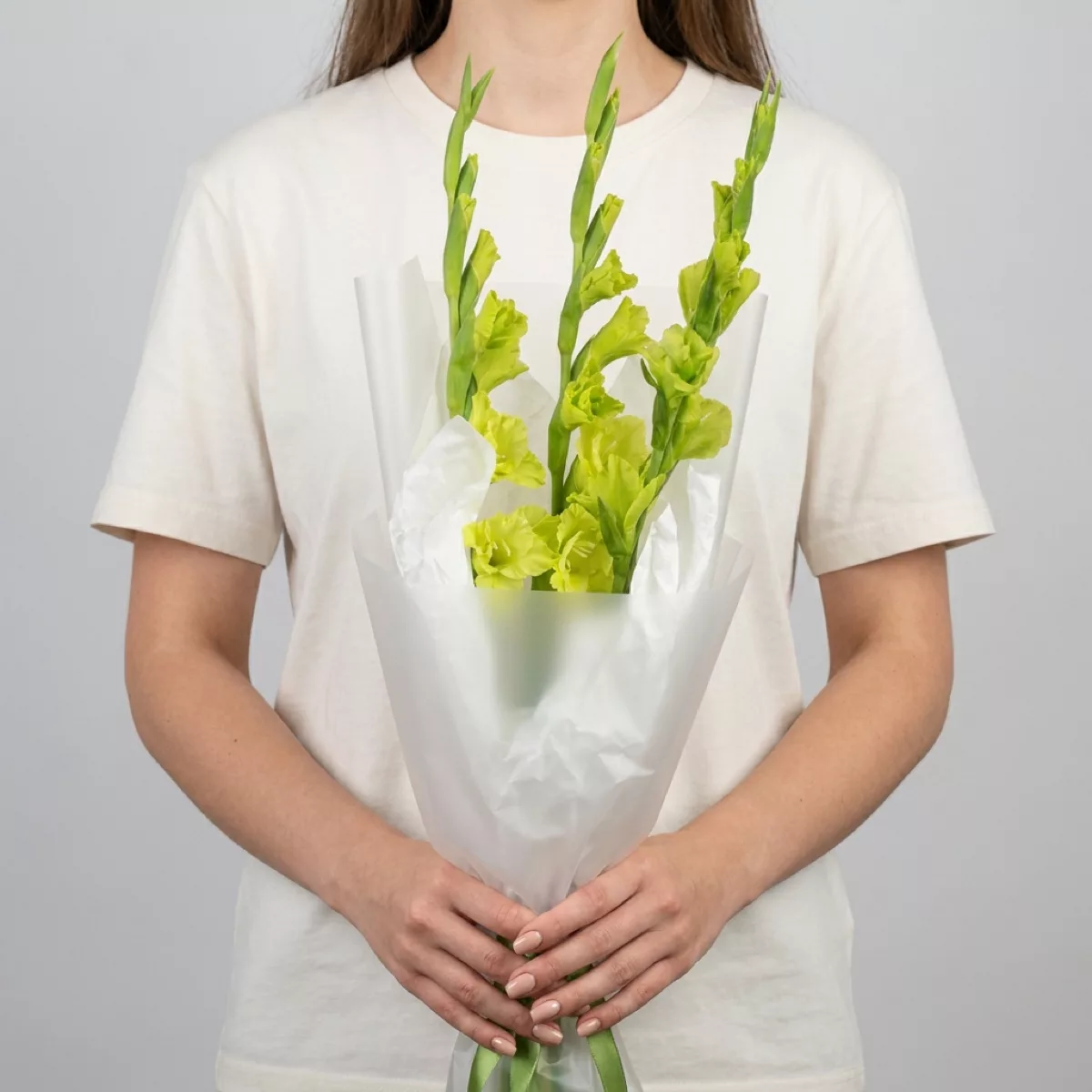
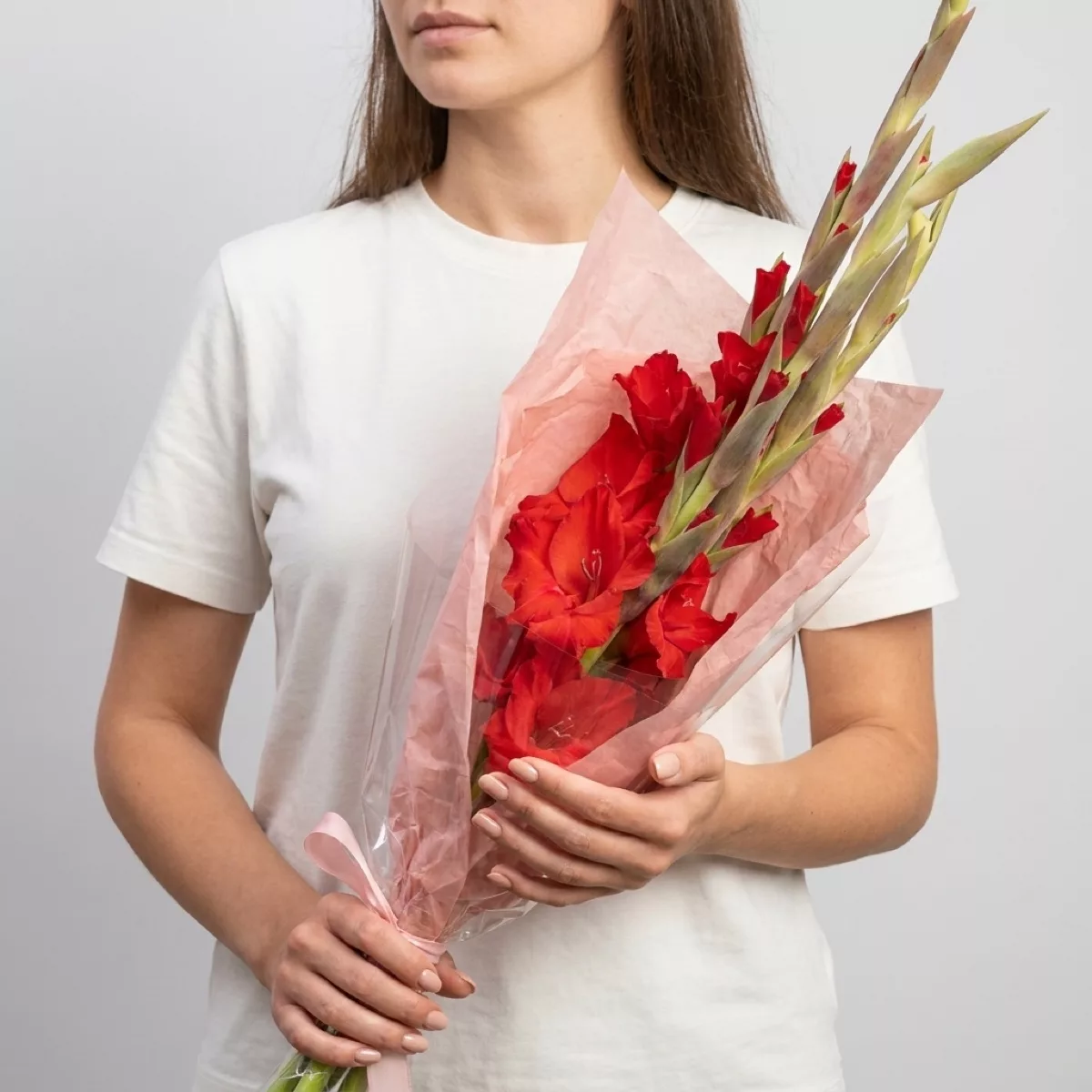
How Long the Journey from Saint Petersburg Actually Takes
The distance from Saint Petersburg to Pushchino is roughly 750 kilometres by road. Turboflora dispatches orders from Saint Petersburg, and the courier route typically passes through Moscow and then south along the M2 highway toward Serpukhov, with Pushchino lying just off that corridor. Under normal road conditions, the transit time is approximately one to two days depending on the time of order placement and the specific delivery slot you choose at checkout.
For same-day delivery to Pushchino, orders placed in the morning have the strongest chance of arriving by evening. Orders placed in the afternoon are more realistically scheduled for the following morning. This is not a limitation unique to Pushchino — any destination outside the immediate Saint Petersburg metro area involves a transit leg, and being honest about that timing is more useful than vague promises.
Temperature is a real factor on this route. In summer, the road can get hot, and flowers like tulips and anemones are sensitive to heat stress during transit. Turboflora uses insulated packaging to keep the bouquet cool, but if you are ordering in July or August, choosing sturdier varieties — spray chrysanthemums, alstroemeria or solidago — gives the arrangement a better chance of arriving in peak condition. In winter, the opposite risk applies: frost damage can affect tropical foliage and thin-petalled flowers, so packaging is adjusted seasonally to protect against temperatures that can drop well below zero between November and March.
Choosing the Right Flowers for the Person and the Moment
Start from the recipient, not the catalogue. A young woman celebrating a university admission is a different brief from a grandmother's name day, which is itself different from a colleague's work anniversary. Russian flower-giving customs lean toward odd numbers of stems — even numbers are traditionally reserved for mourning occasions, so a bouquet of five, seven or nine roses reads as celebratory, while six or eight would feel off to many Russian recipients even if they cannot immediately say why.
For birthdays, lush and generous arrangements work well: garden roses in peach or coral tones, peonies in season from May to June, or a mixed bouquet with eucalyptus and waxflower for texture. For a romantic occasion, red roses remain the clearest signal, but deep burgundy ranunculus or blush-pink lisianthus can feel more personal and less expected. For congratulations — a promotion, a new baby, a graduation — something with height and structure reads as festive: sunflowers, tall spray roses or a combination of gerbera and greenery.
Pushchino has a strong academic community, and many recipients there appreciate something a little considered rather than generic. A bouquet built around a single colour family — all whites with silver brunia, or all oranges from marigold through to copper chrysanthemum — tends to feel more intentional than a mixed rainbow arrangement. When you place your order, the note field is a useful place to mention the recipient's personality or the occasion in a sentence or two, which helps the florist make choices that fit.
Bouquets by Budget: What Each Range Actually Gets You
Budget shapes the bouquet, but it does not have to limit it if you understand what each range delivers well. At the entry level, a single-variety bouquet of seasonal flowers — monobouquets of alstroemeria, spray roses or freesia — often looks more polished than a mixed arrangement at the same price point. Freesia in particular has an excellent fragrance-to-cost ratio and travels well, making it a smart choice when the budget is modest but the gesture needs to feel generous.
In the mid range, you gain the ability to combine a focal flower with supporting greenery and accent blooms. A classic pairing is garden roses with eucalyptus and a few stems of waxflower — the eucalyptus adds volume and a pleasant herbal scent, while the waxflower provides delicate texture without competing with the roses. Lisianthus is another mid-range favourite: its ruffled petals resemble peonies but it is available year-round and holds up well in transit, which matters on a longer delivery route like the one to Pushchino.
At the higher end, the options open up considerably. Peonies in season, David Austin garden roses, protea, and orchid stems all become possible, and the arrangement can be built with real depth — multiple layers of texture, a wrapped presentation and a handwritten card. One common mistake at this level is over-filling: a bouquet of fifteen different varieties can look cluttered rather than luxurious. The florist's job is to edit, and a well-composed arrangement of three complementary elements will photograph better and feel more intentional than a maximalist mix.
What the Recipient Should Do the Moment the Flowers Arrive
The first ten minutes after a bouquet arrives determine a lot about how long it will last. The most important step is simple and often skipped: cut the stems. Use a sharp knife or scissors at a diagonal angle, removing about two centimetres from the bottom of each stem. A diagonal cut increases the surface area for water uptake and prevents the flat end from resting against the bottom of the vase and blocking absorption. Do this under running water or while the stems are submerged if possible.
The vase should be clean — soap residue or bacteria from a previous arrangement will shorten the life of fresh flowers significantly. Fill it with cool, fresh water. If the bouquet came with a small sachet of flower food, dissolve it in the water before placing the stems. Flower food contains a mild acidifier, a sugar source and a biocide, and it genuinely extends vase life by several days compared to plain water.
Keep the arrangement away from direct sunlight, radiators and fruit bowls. Ripening fruit releases ethylene gas, which accelerates wilting in flowers — particularly in roses, carnations and sweet peas. A cool room with indirect light is ideal. Change the water every two days and re-cut the stems each time. Alstroemeria, chrysanthemums and carnations can easily last ten to fourteen days with this care. Roses and tulips typically give seven to ten good days. Peonies and ranunculus are shorter at five to seven days but are so visually striking that most people feel the trade-off is worth it.
Seasonal Availability and What Changes Through the Year
Flower availability shifts noticeably through the year, and orders placed without considering the season sometimes lead to disappointment when a specific variety is not available or arrives in poor condition. Understanding the broad seasonal rhythm helps you make better choices and set realistic expectations for the recipient.
Spring, from March through May, is the richest season for variety. Tulips flood the market from late February onward, followed by hyacinths, narcissus and muscari. Peonies arrive in late May and are worth ordering specifically during that window — they are genuinely different from the Dutch hothouse version available in other months. If someone you are sending to has a birthday in May or early June, peonies are an outstanding choice.
Summer brings gerbera, sunflowers, lisianthus and seasonal dahlias. The heat on the transit route is the main challenge, so packaging matters more and the florist will choose varieties accordingly. Autumn is excellent for textured, warm-toned arrangements: spray chrysanthemums in rust and amber, hypericum berries, celosia and solidago all come into their own from September onward. These are robust flowers that handle cooler transit temperatures well.
Winter is the season for roses, carnations, alstroemeria and imported tropical varieties like anthurium and bird of paradise. The cold actually helps flowers in transit, and a well-packaged bouquet can arrive in excellent condition even in January. The main winter mistake is ordering thin-petalled flowers like anemones or sweet peas without specifying that you understand the cold risk — the florist can adjust the selection to something equally beautiful but more cold-tolerant.
Making the Delivery Feel Like More Than Just Flowers
A bouquet is the centrepiece, but the details around it shape how the moment lands. A handwritten card is the single most effective addition — not a printed slip, but an actual note in your own words. It does not need to be long. Three genuine sentences about why you are sending flowers and what the person means to you will stay with the recipient far longer than the flowers themselves. When you place the order, the note field is where you write this, and the florist will transfer it to a card in the package.
Russian gift-giving culture places real value on presentation. The wrapping material, the ribbon and the way the bouquet is held together all signal care and attention. Turboflora wraps each arrangement to suit the occasion — a romantic bouquet gets softer, more romantic paper; a celebratory arrangement gets something with more colour and structure. If you have a preference, mention it in the order notes.
For milestone occasions — a significant birthday, a retirement, a major achievement — consider adding something alongside the flowers. A small box of chocolates, a jar of honey or a candle can be included in the delivery and transforms the bouquet into a proper gift moment rather than a single-item delivery. This matters especially when you cannot be there in person: the recipient in Pushchino opens the door to something that feels considered and complete, not just a flower delivery that happened to arrive. That feeling of being genuinely thought of is, in the end, what the whole exercise is about.
Pushchino may be a small town on the Oka, but a well-chosen bouquet arriving there carries the same weight as anywhere else — perhaps more, because the gesture stands out in a place where everyone notices. Order with enough lead time, choose varieties that suit the season and the transit, include a real handwritten note, and the flowers will do the rest. Turboflora handles the road; you just need to think about the person on the other end of it.
Frequently asked questions
Can I order same-day flower delivery to Pushchino?
Same-day delivery to Pushchino is possible for orders placed in the morning. The route from Saint Petersburg covers roughly 750 kilometres, so afternoon orders are more reliably scheduled for next-morning arrival. When you place the order, the available delivery windows for your chosen date will be shown at checkout so you can pick the slot that works.
What flowers hold up best on a long delivery route in summer?
Alstroemeria, spray chrysanthemums, solidago and gerbera are all reliable in warm weather. They have sturdy petals and stems that handle heat stress better than thin-petalled varieties like anemones or sweet peas. Turboflora uses insulated packaging on summer orders, but choosing a robust variety from the start gives the bouquet the best chance of arriving in perfect condition.
Why do Russian bouquets always have an odd number of stems?
In Russian tradition, even numbers of flowers are associated with mourning and are brought to funerals. An odd number — five, seven, nine, eleven — signals celebration and goodwill. Most recipients will not explain this if you get it wrong, but they will notice. When ordering, stick to odd numbers for any joyful occasion and the gesture will read correctly to the recipient.
What should the recipient do if the flowers arrive slightly wilted from the journey?
Trim two centimetres from each stem at a diagonal angle, place the bouquet in cool fresh water and leave it in a cool room away from sunlight for two to three hours. Most flowers recover well from transit fatigue once they can drink properly. If the bouquet includes a flower food sachet, dissolve it in the water first — it speeds up the recovery noticeably.
Can I include a gift or a card with the flower delivery to Pushchino?
Yes. A handwritten card is included with every order — you write the message in the notes field when placing the order and the florist transfers it by hand. Small additions like chocolates or a candle can also be included in the delivery. Mention what you would like in the order notes and the team will confirm availability and pack everything together for a single door delivery.
Ready to send flowers?
Pick the city, choose the bouquet, and a local florist takes it from there.
Choose a city →