Sending Flowers to Raychikhinsk? Here Is What to Expect
Raychikhinsk sits in the Amur region of Russia's Far East, and distance does not have to mean a lesser gift. Whether you are marking a birthday from across the country or surprising someone on an ordinary Tuesday, the right bouquet — chosen with the climate and the journey in mind — arrives just as vivid and meaningful as one handed over in person. Here is everything worth knowing before you order.
Where in Raychikhinsk We Deliver and How We Cover the City
Raychikhinsk is a compact city, and that works in your favour. Delivery reaches residential districts, the central streets around Lenin Square, the hospital quarter, and the outlying neighbourhoods without any additional complication. If the address is within the city boundary, the bouquet gets there. For addresses on the immediate outskirts — dachas and private houses just beyond the main built-up area — it is worth confirming the postcode when you place the order so the route is planned correctly from the start.
The Amur region has its own postal codes and street naming conventions that sometimes confuse people ordering from western Russia. Do not worry about that: when you fill in the address field, write the street name and house number as you know them, and the team will cross-reference it. A note in the comments about a landmark — the school on the corner, the blue gate — always helps the courier find the right entrance quickly, especially in residential blocks where numbering can be inconsistent.
One practical point worth knowing: Raychikhinsk has several micro-districts that grew up around the coal industry, and some of them share similar street names. Specifying the district name alongside the street removes any ambiguity. The goal is simple — the flowers reach the right door at the right time, and a little extra detail in the address field makes that certain.
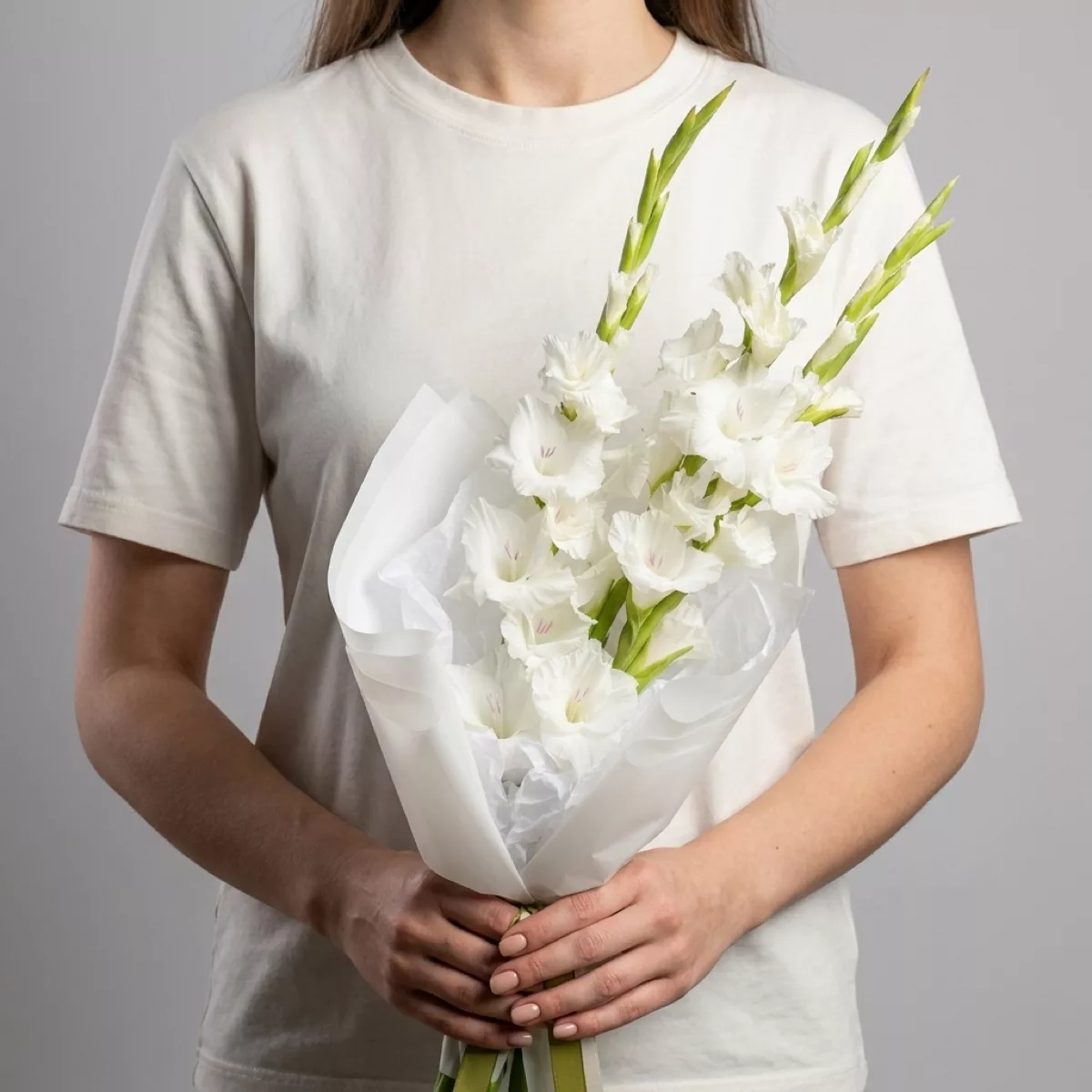
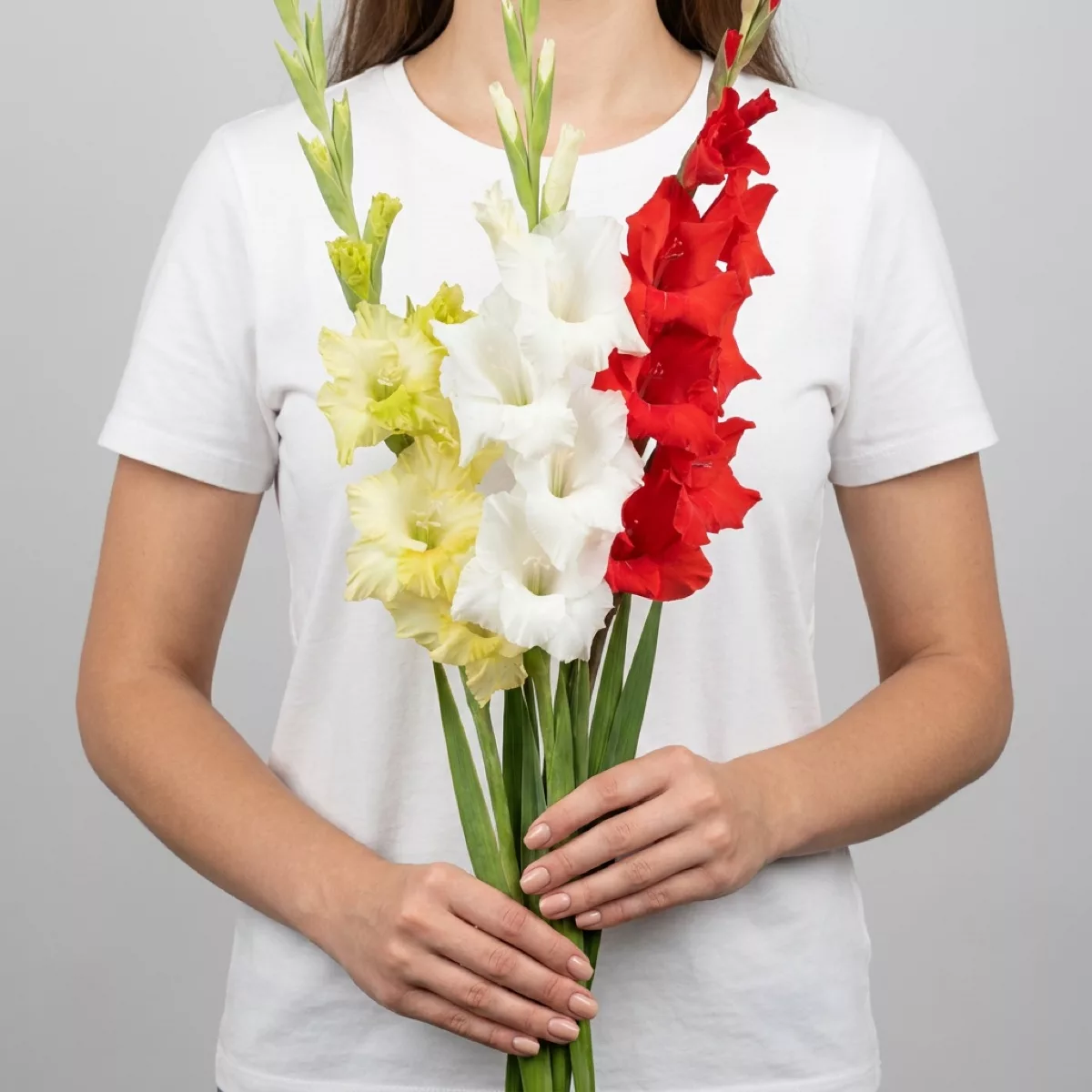
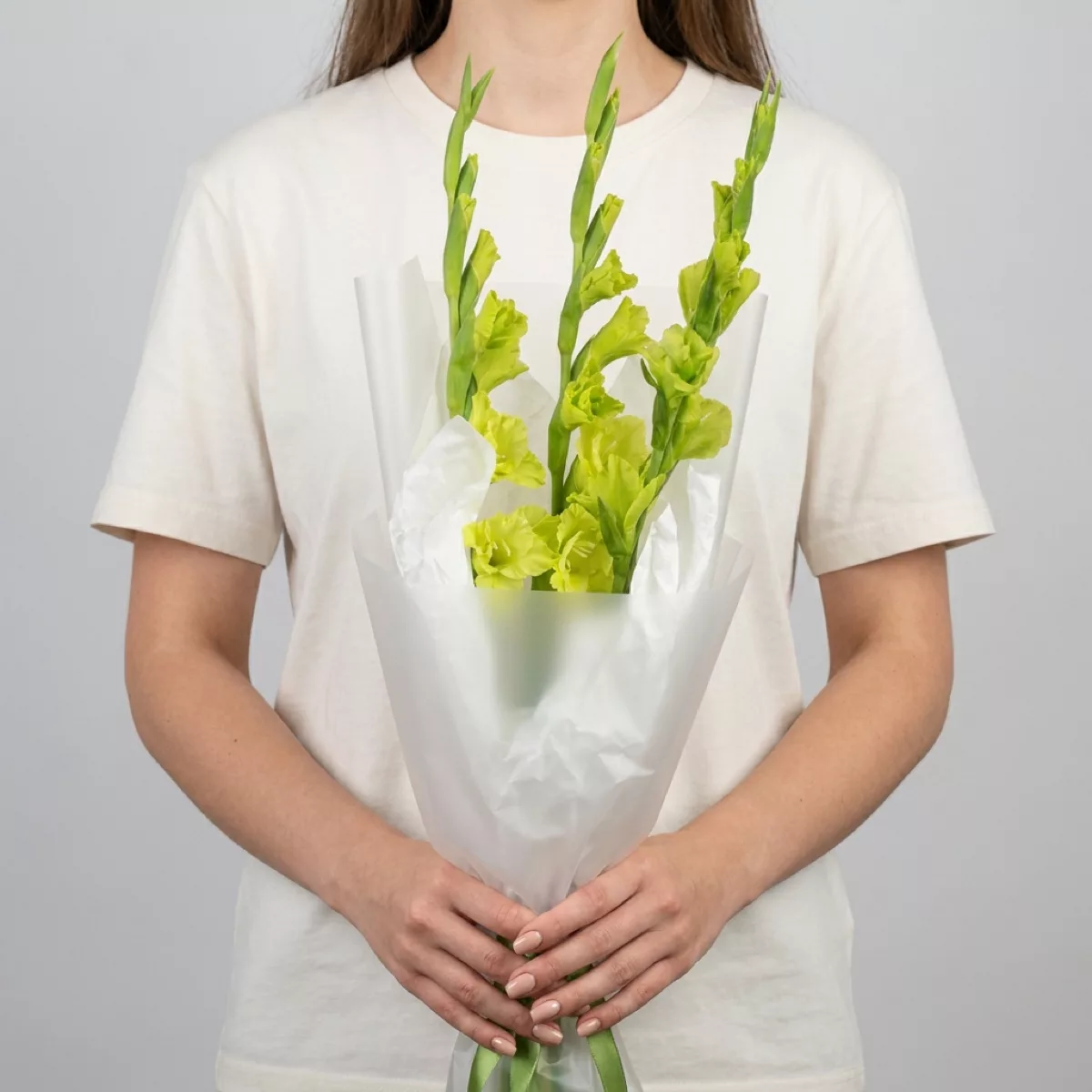
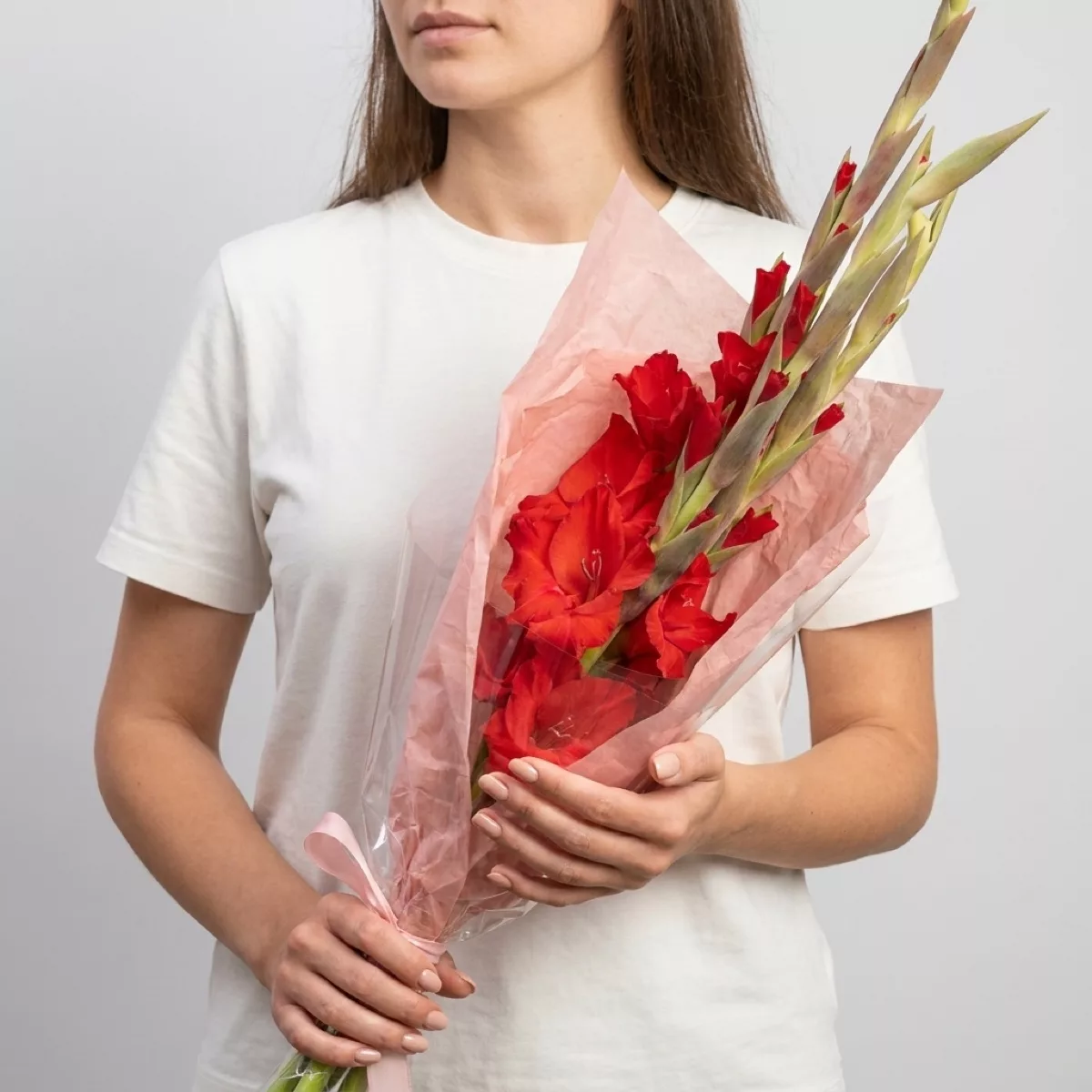
Bouquets we can deliver
Timing Your Order: When Flowers Arrive and Why It Matters
Turboflora works on a one-to-two-hour delivery window, and that applies to Raychikhinsk just as it does to larger cities. The Far East time zone — Raychikhinsk runs on Yekaterinburg Time plus four hours ahead of Moscow — means that when you order from European Russia in what feels like mid-afternoon to you, it may already be early evening there. Always think in local Raychikhinsk time when you set the delivery slot, and the order form makes this easy by asking for the recipient's local time rather than Moscow time.
For surprise deliveries, the morning slot between ten and noon is reliably the most effective. People are generally at home or have just arrived at work, the day has not yet become complicated, and a bouquet at that hour genuinely feels like an event. If the occasion is an evening celebration — a dinner party, a birthday gathering — ordering for a five or six o'clock arrival gives the recipient time to arrange the flowers before guests come.
Same-day delivery is available for orders placed before a cut-off that accounts for the time difference, so check the current cut-off on the site before assuming a very late order will reach someone that same evening. Scheduling the delivery for the following morning is often the more elegant choice: flowers that arrive fresh at breakfast carry their own quiet charm, and the recipient wakes up to something unexpected. Planning one day ahead also gives you the full range of bouquet options rather than whatever is quickest to assemble.
Choosing Flowers for the Amur Region Climate
The Amur region has a sharply continental climate with cold winters and warm, humid summers. In January and February, outdoor temperatures in Raychikhinsk regularly fall below minus twenty Celsius. That matters for flowers because even a short walk from a warm car to a cold doorstep can shock tropical varieties. In deep winter, avoid arrangements built around anthurium, bird of paradise, or single-stem tropical orchids — these are sensitive to cold and can blacken at the edges within minutes of exposure to frost.
Roses, spray chrysanthemums, alstroemeria, and carnations handle the cold transit far better. They are also the flowers most likely to last well in a centrally heated apartment, which in Russian winter tends to run quite warm and dry — a combination that shortens vase life for delicate blooms. Lisianthus is a good middle-ground choice: it looks as refined as a peony but travels more robustly and holds up in dry indoor air longer than many people expect.
In summer, Raychikhinsk gets genuinely warm, sometimes reaching thirty Celsius or above. The risk flips: flowers sitting in a hot car or on a sunny doorstep wilt fast. Summer orders benefit from bouquets with sturdy stems — sunflowers, gerbera, solidago — and from specifying a delivery time when someone will actually be home to receive them rather than leaving the bouquet on a warm step. Hydrangeas are beautiful in summer but need water quickly; if you choose them, make sure the recipient knows to trim the stems and get them into a vase within the first hour.
What the Bouquet Looks Like When It Arrives
A Turboflora bouquet is wrapped and conditioned for the journey, not just for the photograph. The stems are cut at an angle before packaging, the lower leaves are removed so nothing rots in transit, and the wrapping holds moisture at the base without soaking the paper. When the recipient unwraps it, the flowers should look as though they have just come from the workbench — not crushed, not dry, not leaning at strange angles.
Presentation in Russia carries real weight. Giving flowers is a gesture that people notice and remember, and the way a bouquet is wrapped signals care as much as the flowers themselves. Kraft paper with a ribbon, layered tissue, or a structured box — the choice of wrapping is part of the message. If the occasion is romantic, a monobouquet of red or cream roses in a clean wrap reads as intentional and serious. For a birthday, mixed seasonal arrangements with some height and texture feel generous and celebratory.
If you are sending flowers without a card — which is common when the delivery itself is the surprise — the courier can relay a short verbal message. But a written card, even just two lines, gives the recipient something to hold onto. In Russian culture, flowers without explanation are perfectly acceptable between people who know each other well, but a few words of context make the gesture land more fully for someone who might genuinely wonder what prompted it. Keep the message warm and direct; elaborate formality reads as distant rather than respectful.
Seasonal Availability and What Grows Well in Each Month
Because Raychikhinsk is far from the large flower wholesale hubs of Moscow and Saint Petersburg, the range available on any given day reflects what has travelled well and what is in season. Spring in the Amur region arrives later than in European Russia — late April and May — and this is when tulips, daffodils, and hyacinths feel most appropriate. They are also the varieties most likely to be at their freshest during those weeks, which means better vase life for the recipient.
Summer brings the widest variety. Peonies peak in June and are worth ordering if you have any reason at all — they are generous, fragrant, and deeply associated with warmth and celebration in Russian tradition. Sunflowers are available through July and August and work beautifully as a standalone statement or mixed with rudbeckia and green fillers like pistache or eucalyptus. They are also one of the most universally liked flowers, which makes them a safe choice when you are not certain of the recipient's taste.
Autumn is chrysanthemum season, and in the Amur region this feels entirely right — the large-headed varieties in rust, cream, and deep yellow mirror the landscape. They are also among the longest-lasting cut flowers, often holding for ten days or more with basic care. In winter, roses and alstroemeria carry the season. Alstroemeria in particular is underrated: it lasts up to two weeks, comes in a wide colour range, and the multiple blooms per stem mean the arrangement fills out beautifully as buds open over several days.
Caring for the Flowers Once They Arrive in Raychikhinsk
The recipient does not need to be a florist to keep a bouquet looking good for a week. The first step is the most important and the most skipped: trim the stems. Cut at least two centimetres off at a forty-five-degree angle, ideally under running water or while the stem is submerged. This removes the dried cut end that formed during transit and immediately improves water uptake. A clean, sharp knife works better than scissors, which can crush the stem cells.
In a Raychikhinsk winter apartment, the central heating creates very dry air. This shortens vase life noticeably compared to a more humid environment. Keep the vase away from radiators and from the window — both extremes damage flowers, one through heat and dryness, the other through cold drafts when it is minus twenty outside. A cool corner of the room, away from direct sunlight, is ideal. Change the water every two days and re-trim the stems each time. This single habit extends vase life by several days.
For roses specifically: if the heads start to droop before the stems show any sign of wilting, the problem is usually an air bubble in the stem. Re-cut the stem and place it in warm — not hot — water for an hour. The head often recovers completely. Chrysanthemums and alstroemeria need very little intervention beyond clean water and a cool spot. Peonies, if they arrive still in bud, will open over two to three days in a warm room — this is not a problem, it is the design. A tight bud means the recipient gets to watch the flower open, which is its own kind of pleasure.
Russian Flower Customs Worth Knowing Before You Order
If you are not familiar with Russian customs around flowers, a few things are worth knowing so your gift lands exactly as intended. The most widely known rule is the odd-number convention: bouquets given as gifts are always made with an odd number of stems. Even numbers are associated with mourning and are reserved for entirely different occasions. Turboflora follows this automatically, but if you are building a custom order and specifying stem counts, keep it odd — one, three, five, seven, and so on.
Colour carries meaning, though it is less rigid than some guides suggest. Red roses read as romantic and are understood that way across generations. Yellow flowers have a complicated reputation in some parts of Russia — traditionally associated with parting or jealousy — though this belief is less strong among younger recipients and in the Far East regions. If you are not certain, a mixed bouquet with white, pink, and warm tones is universally safe and genuinely beautiful.
Flowers are given at almost every significant occasion in Russia: birthdays, name days, graduations, professional milestones, first meetings with someone important, and visits to someone's home. Arriving at a Russian household for a dinner without flowers is noticed. If you are sending on behalf of someone who cannot attend an event in person, a bouquet delivered just before the gathering starts is a thoughtful and entirely normal substitute for physical presence. It says: I remembered, and I wanted you to know it.
Ordering flowers to Raychikhinsk from anywhere in Russia is straightforward when you know what to expect from the climate, the timing, and the customs. Choose varieties that travel well in the season you are ordering, set the delivery time in local Raychikhinsk hours, and give the recipient a little care guidance — that is genuinely all it takes. The distance between you and the person you are thinking of becomes much smaller when something alive and beautiful arrives at their door.
Frequently asked questions
Can I order flowers to Raychikhinsk from Moscow or Saint Petersburg?
Yes, you can place the order from anywhere in Russia or abroad. The key is to enter the delivery time in local Raychikhinsk time, not Moscow time, so the bouquet arrives when your recipient is actually home. The order form on the site accounts for the time zone difference when you select the region.
Which flowers survive the cold transit in Raychikhinsk winter?
Roses, carnations, alstroemeria, and spray chrysanthemums handle cold transit reliably. Avoid tropical varieties like anthurium or bird of paradise in January and February — even brief exposure to minus twenty Celsius can damage them visibly. If you want something special in winter, a monobouquet of roses in a warm colour is both safe and elegant.
Is same-day delivery available in Raychikhinsk?
Same-day delivery is available for orders placed before the daily cut-off, which accounts for the time difference between your location and the Amur region. Check the current cut-off time on the site before ordering. For important occasions, placing the order the evening before and scheduling a morning delivery is often the more reliable and more pleasant option.
Why do Russian bouquets always have an odd number of flowers?
Odd numbers are the tradition for celebratory gifts in Russia — one, three, five, seven stems and so on. Even numbers are associated with mourning and are not used for birthday or celebration bouquets. Turboflora follows this convention automatically, so every gift bouquet you order will already be composed correctly without you needing to count.
How long will the flowers last once they arrive in Raychikhinsk?
With basic care — fresh water every two days, stems re-trimmed at an angle, and placement away from radiators and cold windows — most bouquets last five to eight days. Alstroemeria and chrysanthemums often reach ten days or more. Peonies and tulips are shorter, around four to six days, but their impact in that time more than compensates.
Ready to send flowers?
Pick the city, choose the bouquet, and a local florist takes it from there.
Choose a city →