Sending Flowers to Rtishchevo? Here Is What to Expect
Rtishchevo sits in the Saratov region, a quiet city where a bouquet arriving at someone's door still feels like a genuine event. Whether you are sending roses to a colleague after a promotion or surprising a parent on their birthday, the distance between you and the recipient does not have to show. This guide walks you through timing, seasonal choices, presentation and the small details that make a delivery feel personal rather than transactional.
Where in Rtishchevo We Deliver and How the City Is Covered
Rtishchevo is a compact city, which works in your favour when you are ordering flowers. The central districts, the residential areas along Kommunisticheskaya and the neighbourhoods near the railway station are all within our standard delivery zone. Because the city is not spread across a wide area, a courier can move from one end to the other without the long transit times you might face in a larger Russian city.
We cover private addresses, apartment buildings, workplaces and public institutions. If your recipient is at a hospital ward visiting someone, a school, or an office building, we work with those addresses too. The key detail to get right is the entrance number and flat number for apartment buildings, since many Rtishchevo blocks share a single street address across several entrances. A missing entrance number is the most common reason a delivery takes longer than expected, so double-check that field when you place your order.
For addresses on the outskirts or in the private housing sectors beyond the main districts, delivery is still possible but we recommend adding a little extra time when you book. Rural addresses just outside the city boundary may require a separate arrangement, so it is worth confirming the exact postcode when you order. The recipient's phone number is equally important: our courier will call ahead so the person is ready to receive the bouquet, which keeps flowers from sitting in a warm hallway longer than necessary.
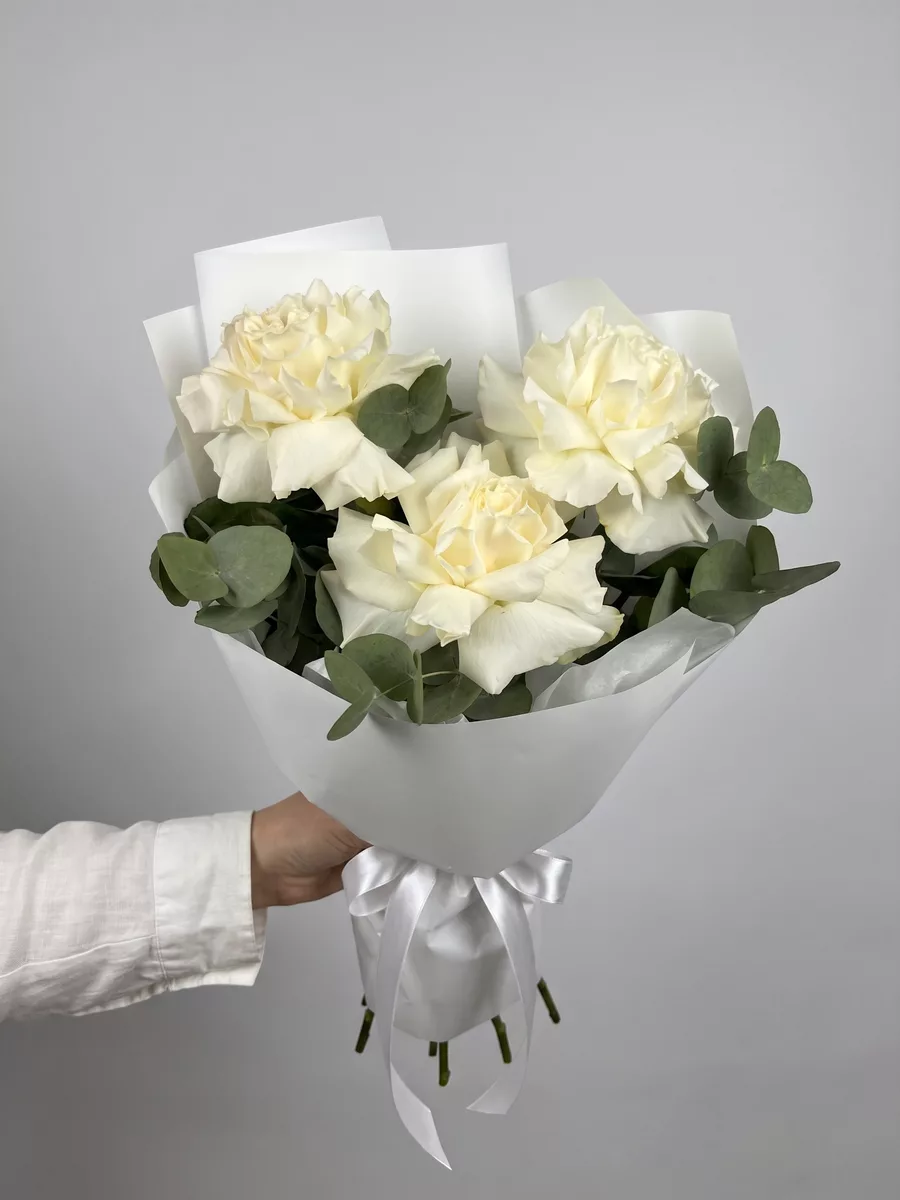
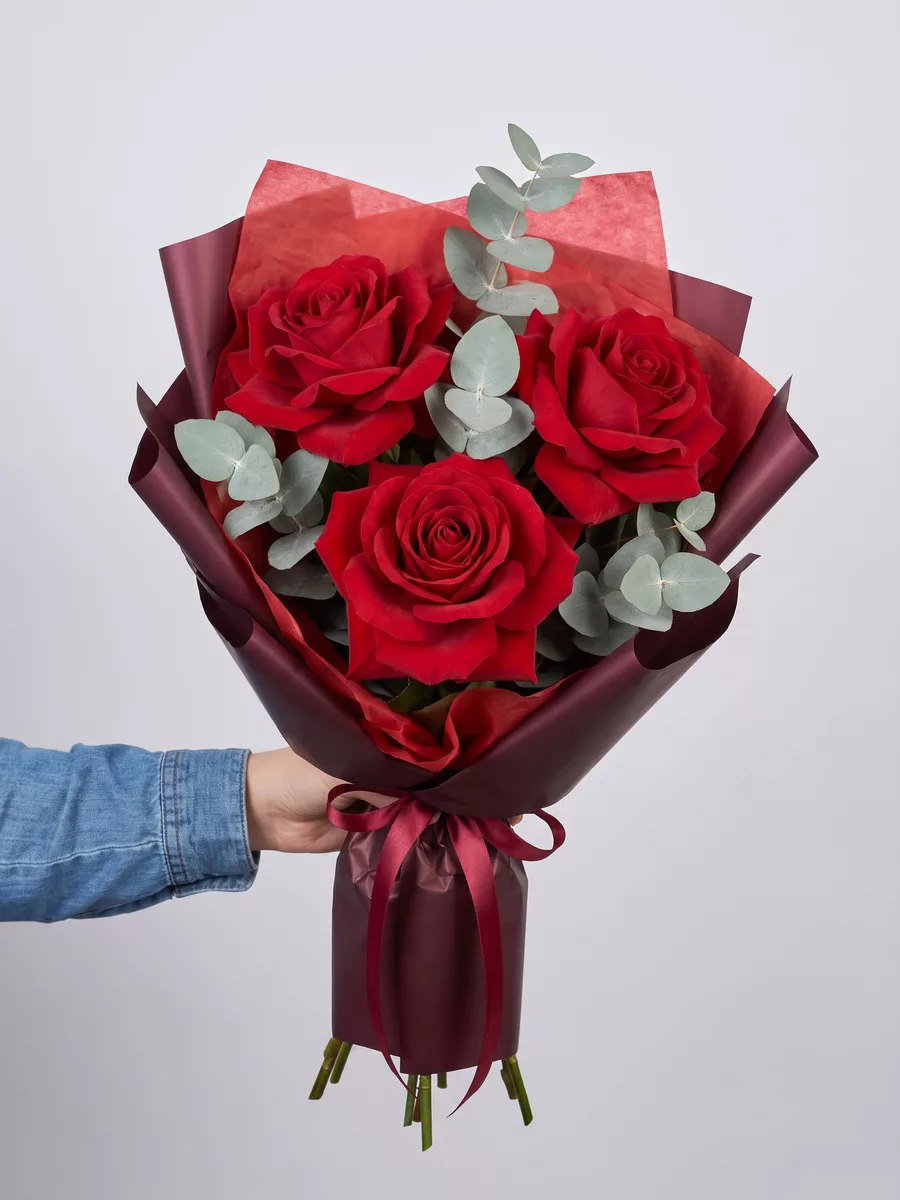
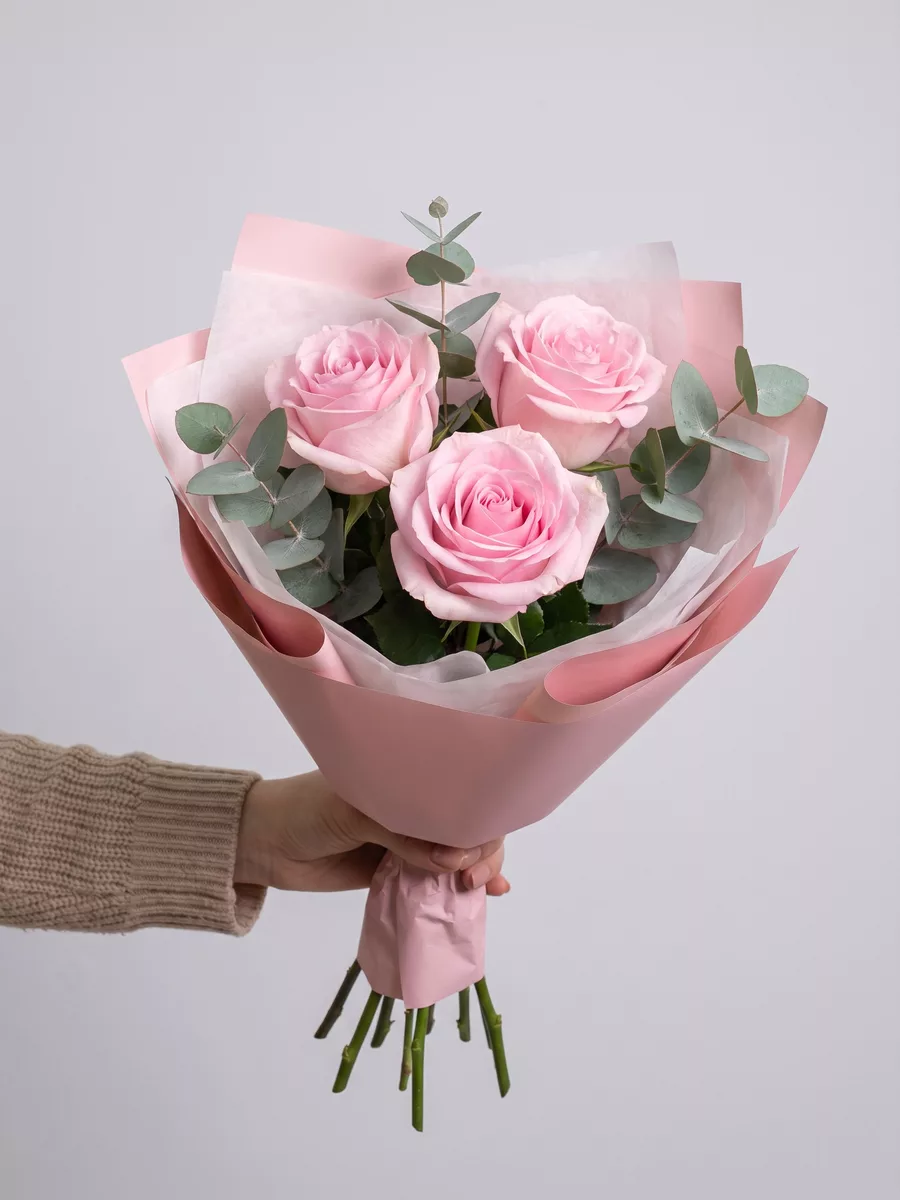
Bouquets we can deliver

Timing Your Order: What One to Two Hours Actually Means
Our standard delivery window across Russia is one to two hours from the moment your order is confirmed. In Rtishchevo, that window holds for most central addresses during regular hours. What affects it most is not the distance but the time of day and the date. Ordering at eleven in the morning on a Tuesday is a very different situation from ordering at six in the evening on the eighth of March.
Peak dates in Russia include International Women's Day on the eighth of March, Valentine's Day on the fourteenth of February, and the first of September, when schoolchildren traditionally bring flowers to teachers. On these days we strongly recommend placing your order the evening before or early in the morning. This is not a formality: florists prepare compositions in advance, and couriers handle significantly higher volume. Booking early means your bouquet is made fresh, not assembled in a rush.
For same-day delivery on a regular weekday, orders placed before two in the afternoon have the most comfortable margin. Evening deliveries, meaning arrival between seven and nine, are possible but require the order to be in before five. If you are planning a surprise for a specific moment, such as flowers arriving exactly when someone gets home from work, share that detail in the order notes. We will do our best to hit that window, and it is far easier to plan for it than to try to correct timing after the fact. Clear communication at the order stage is the single most effective thing a customer can do.
Choosing Flowers for the Rtishchevo Climate and Season
Rtishchevo has a continental climate, which means hot dry summers and cold winters with temperatures that can drop well below minus fifteen Celsius. Both extremes matter for cut flowers. In July and August, a bouquet left in a warm car or on a sunny doorstep for even twenty minutes will begin to wilt. In January and February, roses and tulips can suffer frost damage within minutes of leaving a heated vehicle if they are not properly wrapped.
In winter we wrap bouquets in insulating kraft paper and use protective sleeves, but the recipient should still bring the flowers indoors immediately and let them rest at room temperature for about thirty minutes before unwrapping. Plunging cold flowers straight into warm water causes condensation inside the petals and shortens vase life noticeably.
For spring, tulips and ranunculus are excellent choices. They are bred to handle transit well and open beautifully over two to three days. In summer, lisianthus and alstroemeria hold up better in heat than garden roses, which can drop petals quickly when temperatures rise above twenty-five degrees. Autumn is the best season for chrysanthemums and sunflowers, both of which last well and feel appropriate for the season. In winter, spray roses, hypericum berries and eucalyptus branches create full, warm-looking arrangements that travel safely. Knowing the season helps you choose something that will still look beautiful the day after delivery, not just in the first hour.
What the Bouquet Looks Like When It Arrives
Presentation matters as much as the flowers themselves, and we think about it from the moment the bouquet is assembled. Every arrangement leaves our workshop wrapped and secured so that it arrives looking the way it was intended, not like something that was jostled in the back of a car. The outer packaging protects the blooms while still allowing the recipient to see that something beautiful is inside.
For a classic rose bouquet, stems are cut at an angle, the lower leaves are removed to prevent rotting in water, and the flowers are grouped so the heads sit at slightly different heights. This is not just aesthetic: it allows air to circulate between blooms and slows bacterial growth in the water. A flat, uniform bouquet where all roses sit at exactly the same level is actually a sign of less careful preparation.
If you want to add a card, write the message when you place the order and we print or handwrite it depending on the format. Keep the message warm and direct. In Russian gifting culture, a handwritten note carries more weight than a printed one, so if the occasion is significant, a handwritten card is worth requesting. You can also add a small gift alongside the bouquet, such as a box of chocolates or a soft toy, and we will present everything together so it arrives as a single composed gift rather than separate items in a bag. First impressions at the door are the moment the gift does its work, and we take that seriously.
Occasions That Call for Flowers in Russian Culture
If you are not familiar with Russian gifting customs, a few things are worth knowing before you order. Flowers are given far more frequently here than in many Western countries. Birthdays are the most common occasion, but flowers also appear at graduations, job promotions, first days at a new school, anniversaries and housewarming gatherings. Bringing flowers when you visit someone's home for the first time is considered polite and thoughtful rather than excessive.
One custom that surprises many people unfamiliar with Russian tradition is the preference for odd numbers of flowers. Even numbers are traditionally associated with mourning and are avoided for celebratory gifts. So a bouquet of seven roses, nine tulips or eleven peonies is the norm for a birthday or anniversary. If you are ordering a mixed bouquet, the florist handles this automatically, but if you are specifying a single variety and a quantity, choose an odd number.
For a teacher or a colleague, chrysanthemums and alstroemeria are reliable and well-regarded choices. For a romantic occasion, red or deep pink roses remain the clearest signal, though a single-variety bouquet of white peonies or blush ranunculus can feel more personal and less generic. For a mother or grandmother, softer colours work well: cream, peach and lilac tones read as warm and considered rather than showy. Understanding who the recipient is and what the occasion means to them is always the starting point for choosing well, and it matters more than any specific variety.
Vase Life and Care Once the Flowers Arrive
A bouquet that arrives in perfect condition can last anywhere from four days to two weeks depending on the variety and how it is cared for. Roses typically last seven to ten days with proper care. Tulips last five to seven days but continue to grow after cutting, sometimes by several centimetres, which means they need a taller vase than you might expect. Lisianthus and alstroemeria are among the longest-lasting cut flowers, often reaching twelve to fourteen days.
The single most important step is re-cutting the stems as soon as the bouquet is unwrapped. Use a sharp knife or scissors and cut at a forty-five degree angle, removing about two centimetres from the bottom. Do this under running water or while the stems are submerged, which prevents air bubbles from blocking water uptake. Then place the bouquet in a clean vase with fresh, cool water. Avoid vases that have not been washed recently, as bacteria in residue from previous flowers will shorten the life of the new ones significantly.
Change the water every two days and re-cut the stems each time you do. Keep the vase away from direct sunlight, radiators and fruit bowls. Ripening fruit releases ethylene gas, which accelerates petal drop in roses and carnations noticeably. A cool room is always better than a warm one. If a few stems begin to fade before others, remove them promptly: decaying plant matter releases bacteria that affect the remaining healthy stems. These steps take two minutes every other day and genuinely double the display life of most bouquets.
How to Place an Order and What Information You Need Ready
Ordering is straightforward, but having the right information at hand before you start makes the process faster and reduces the chance of delays. The essentials are the recipient's full address including entrance number and flat number, their phone number, your preferred delivery window and any message for the card. If you are ordering a surprise, note that in the comments so the courier knows not to announce the sender before the door opens.
Choose your bouquet based on the occasion and the recipient rather than starting with a price point. Think first about who they are: their age, their taste, whether they prefer something lush and full or something simple and architectural. Then think about where the flowers will go, because a single stem of an amaryllis makes a striking statement in a modern apartment but might look sparse in a large family home where something fuller would feel more generous.
If you are unsure, the notes field is the right place to share details. Write something like: she is turning sixty and loves soft colours, or this is for a colleague's first day and the office is quite formal. That context allows us to make a better decision on your behalf than any dropdown menu can. We read those notes before we assemble the order.
Payment is completed online before the order is confirmed. Once confirmed, you will receive a notification and can track the delivery. If anything changes on the recipient's end, such as a change of address or a request to delay arrival, contact us as early as possible. Changes are much easier to accommodate when there is still time before the courier departs.
Sending flowers to Rtishchevo from anywhere in Russia is genuinely straightforward when you know what to plan for. The city is manageable in size, the delivery window is real, and the details that make a bouquet land well, the right variety for the season, the correct stem count, a handwritten note, the care instructions passed along to the recipient, are all things you can control from the moment you place your order. A flower delivery is not just logistics. It is the feeling someone gets when they open the door and find something beautiful waiting for them, and that feeling is worth getting right.
Frequently asked questions
Can I order flowers for delivery to Rtishchevo if I am in another city?
Yes, you can place an order from anywhere in Russia or abroad through our website. You will need the recipient's address and phone number in Rtishchevo. Payment is made online, and we handle everything from assembly to delivery. You will receive confirmation once the order is placed and a notification when it is delivered.
What happens to the flowers if the recipient is not home when the courier arrives?
Our courier calls ahead before arriving, so the recipient knows to expect the delivery. If there is no answer, the courier will attempt to reach them by phone. If contact cannot be made, we will coordinate a second delivery attempt or arrange for the bouquet to be left with a neighbour at the recipient's building, depending on what you prefer when placing the order.
How many flowers should I order for a birthday bouquet?
In Russian tradition, bouquets for celebratory occasions should contain an odd number of stems. For a birthday, seven, nine, eleven or fifteen stems are all appropriate depending on how substantial you want the gift to feel. If you are ordering a mixed arrangement, our florists follow this convention automatically. Just specify in the notes if you have a preference for a particular number.
Are there flowers I should avoid sending in winter because of the cold?
Tropical varieties such as anthurium and bird of paradise are sensitive to temperatures below ten degrees Celsius and can suffer cold damage during transit in a Rtishchevo winter. Roses, tulips and chrysanthemums travel better in cold weather when properly wrapped. We insulate all winter bouquets, but if temperatures are extreme, hardier varieties like spray roses and alstroemeria are the safest choices.
Can I include a gift alongside the flowers rather than sending them separately?
Yes. When placing your order you can add items such as chocolates or a soft toy to accompany the bouquet. We present everything together as a single composed gift so it arrives looking intentional rather than assembled in transit. Mention any specific preferences in the order notes and we will make sure the presentation reflects the occasion.
Ready to send flowers?
Pick the city, choose the bouquet, and a local florist takes it from there.
Choose a city →