Flower Delivery on Russian Public Holidays: What Changes?
You have found the perfect bouquet, written the message, and chosen the delivery window — then you notice the date falls on a Russian national holiday. Suddenly the rules shift. Demand spikes, roads fill, and the calm afternoon slot you were counting on becomes the most contested hour of the day. Understanding how public holidays reshape the rhythm of flower delivery in Russia means the person you care about receives something fresh and beautiful exactly when it matters most, not a wilted afterthought that arrived too late.
The Russian Holiday Calendar: Dates Every Sender Should Know
Russia observes a generous spread of public holidays throughout the year, and each one creates its own pattern of demand. New Year runs from January 1 through January 8, making it effectively a ten-day national pause when combined with Orthodox Christmas on January 7. Defender of the Fatherland Day falls on February 23 and is celebrated by gifting men — colleagues, fathers, partners — with flowers and small presents. International Women's Day on March 8 is the single largest floral event of the Russian year, eclipsing even Valentine's Day in volume. Spring and Labour Day on May 1 and Victory Day on May 9 are both deeply felt occasions, often marked with red carnations and white chrysanthemums. Russia Day on June 12 and National Unity Day on November 4 round out the calendar with quieter but still meaningful peaks. If you are ordering from outside Russia or simply unfamiliar with these dates, it helps to think of them not just as days off but as emotional occasions — each one carries a specific feeling and a specific flower tradition. Knowing which holiday is approaching tells you what the city is feeling, what flowers are moving fastest, and how much lead time you genuinely need to secure a fresh, well-made arrangement delivered within the hour.
Bouquets we can deliver


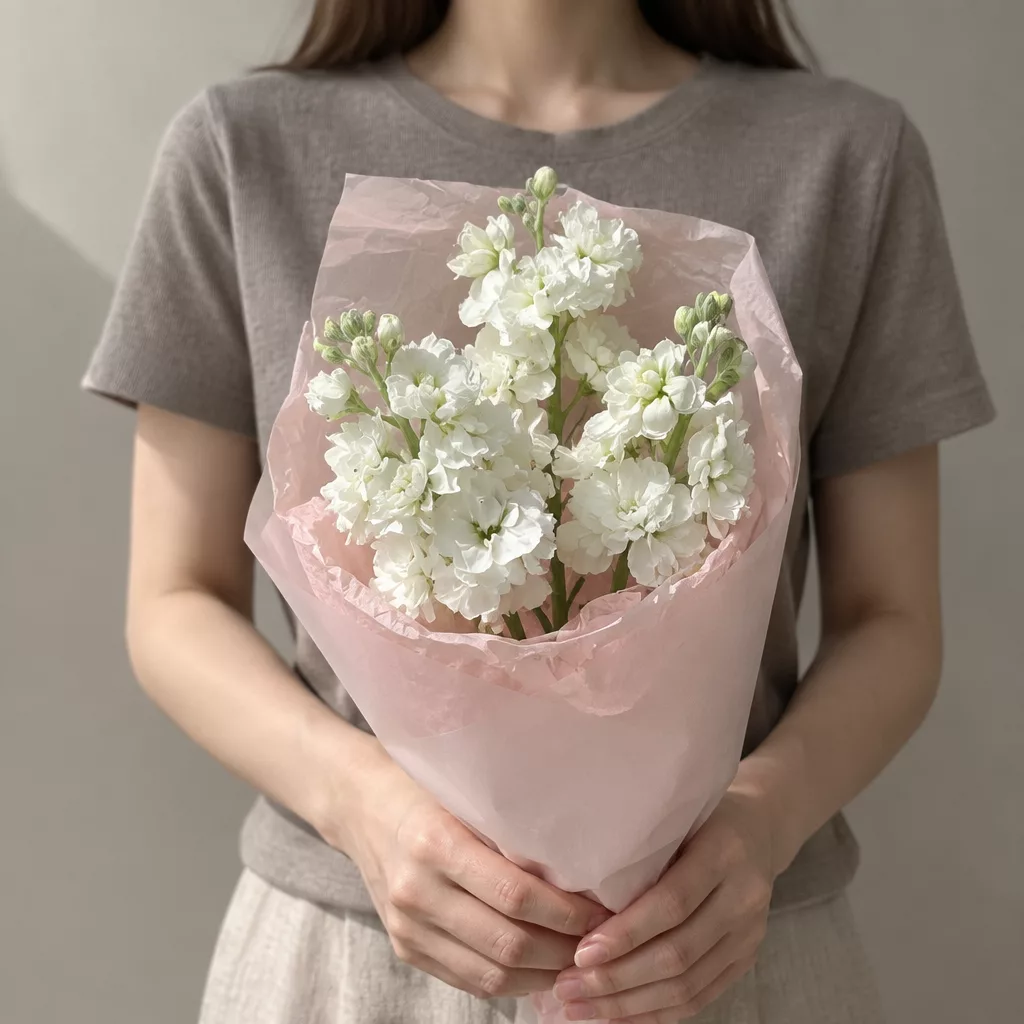
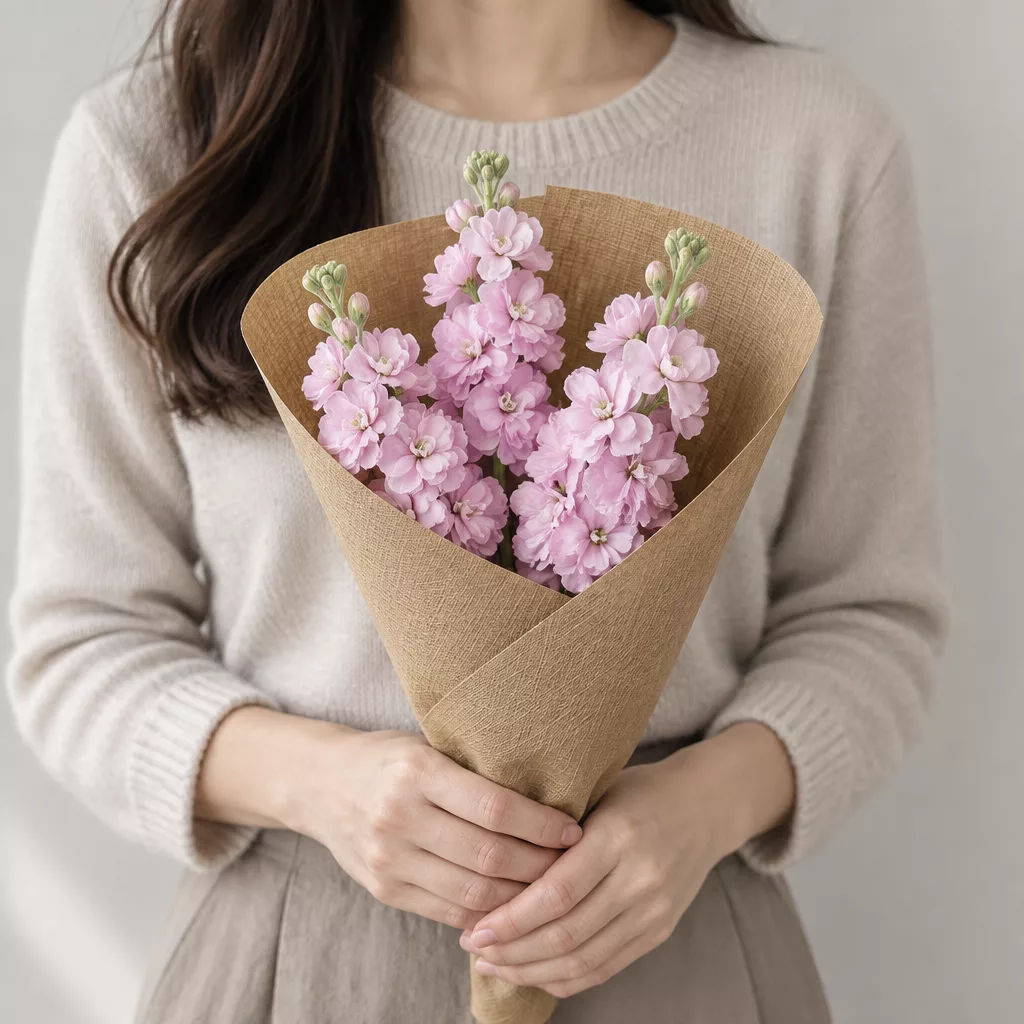
March 8: Why Women's Day Demands the Most Planning
International Women's Day on March 8 is unlike any other date in the Russian floral calendar. For roughly a week before the holiday, order volumes climb steadily. By March 6 and 7 they reach levels that no other single day touches. Every woman in a man's life — mother, partner, colleague, teacher, neighbour — is a potential recipient, and the expectation of flowers is genuine and warm rather than merely polite. Tulips are the defining flower of this holiday: Dutch and local varieties arrive in enormous quantities in late February, and a bouquet of fifteen or twenty tulips in a single saturated colour — deep violet, coral, white — is the classic choice. Roses, ranunculus, and hyacinths are also extremely popular. The practical consequence for you as a sender is that cut-off times move earlier. What might normally be a same-day order placed by early afternoon needs to be placed by the evening of March 7 at the latest to guarantee a specific delivery window on March 8 morning. Morning slots between 8 and 11 are the most requested and fill first. If you want a particular variety or colour combination, ordering two to three days ahead gives the arrangement time to be assembled thoughtfully rather than assembled under pressure. The recipient feels the difference — a tulip bouquet where every stem is at the same stage of opening, spiralled cleanly and wrapped in kraft paper, says something that a rushed last-minute bundle simply cannot.
February 23 and the Art of Gifting Flowers to Men
Defender of the Fatherland Day on February 23 is sometimes misread by people outside Russia as a purely military occasion. In practice it has become a broad celebration of the men in your life, and flowers are a completely normal and appreciated gift. The bouquets tend toward bold, structured arrangements rather than soft romantic ones. Single-variety bunches of deep red roses, burgundy dahlias in season, or architectural stems like anthurium and tropical foliage read as confident and considered. A monochrome palette — all one colour, all one flower — tends to land well because it feels deliberate rather than decorative. Delivery on February 23 itself is busy but manageable if you order by the evening of February 22. The more common mistake is ordering on the morning of the 23rd and expecting a two-hour window to hold. On a major holiday the delivery queue builds from early morning, and the gap between placing an order and receiving a confirmed slot can widen. Ordering the evening before and scheduling a morning delivery is the most reliable approach. It also means the flowers are cut and conditioned overnight, so the recipient opens the door to stems that have had time to hydrate fully — roses will have begun to open just slightly, which is exactly the right stage. If you are sending to a workplace, check whether the office is open on the 23rd; many companies give the day off, so a home delivery may be more appropriate than it first appears.
New Year and the Long January Holiday: A Different Kind of Rush
The period from December 28 through January 8 is unlike any other stretch in the Russian year. New Year's Eve on December 31 is the emotional centrepiece — a night of family gatherings, long tables, and the kind of warmth that calls for flowers in every room. White roses, fragrant freesias, amaryllis, and branches of eucalyptus are all popular choices for New Year's arrangements. The challenge is that the entire country is simultaneously in celebration mode and then in recovery mode. From January 1 through January 8 many businesses are closed, but Turboflora continues to deliver because people are visiting family, hosting guests, and marking Orthodox Christmas on January 7. Traffic patterns shift significantly during this period. Moscow and Saint Petersburg empty out as residents travel, but within the cities the roads can be unexpectedly clear or unexpectedly congested depending on the day and time. For December 31 specifically, place your order by December 30 at the latest and choose a morning or early afternoon delivery slot. Evening slots on New Year's Eve are the first to fill and the most vulnerable to delay. For January 7 — Orthodox Christmas — white flowers carry particular resonance: white roses, white tulips if available, white lisianthus. A simple, clean bouquet in a clear vase with no additional decoration is quietly elegant for this occasion.
May Holidays: Victory Day, Carnations, and Warm Weather Care
May 1 and May 9 arrive when Saint Petersburg is finally warming, which changes both the flower selection and the logistics. Victory Day on May 9 is one of the most emotionally significant dates in the Russian calendar — a day of remembrance and pride. Red carnations are the traditional flower, and they appear everywhere: in hands, on monuments, in windows. A bouquet of red carnations is an entirely appropriate and deeply understood gesture on this day. They are also remarkably hardy, which matters because May temperatures can swing between cool mornings and genuinely warm afternoons. Carnations tolerate a wider temperature range than roses or tulips, making them a sensible choice when a bouquet may spend time outside. Spring and Labour Day on May 1 is a lighter, more festive occasion — a celebration of spring itself. Bright seasonal combinations work well: orange ranunculus with white anemones, yellow tulips with blue muscari if the season has held them, or a loose arrangement of mixed garden flowers. The practical concern in May is temperature. A bouquet left in a warm car or a sunny hallway for more than an hour will suffer. When placing your order, note if the recipient will be home to receive it, and choose a delivery time when someone will be there. Flowers delivered to a door and left in direct May sunlight for two hours arrive in a very different condition than flowers handed directly to a person.
How to Protect Your Order on Any Russian Holiday
The single most effective thing you can do on any major Russian holiday is order earlier than feels necessary. If your instinct says order the morning of, order the evening before. If your instinct says order two days ahead, that instinct is probably right. Specific delivery windows — a particular hour or two-hour slot — are finite resources on high-demand days, and they are allocated in the order requests are confirmed. A beautiful bouquet delivered at the wrong time, after the celebration has ended or before the recipient is home, loses most of its meaning. Beyond timing, think about what the flowers will experience between our door and the recipient's hands. In January, a bouquet of tropical stems like anthuriums can suffer cold shock if it spends more than a few minutes below five degrees Celsius. In July, garden roses in a delivery bag without cool packing can arrive with petals already softening. When you place your order, mention any relevant conditions — a long outdoor walk from the delivery point, a building with no doorman, a recipient who works until late. This information shapes how the arrangement is packed and when it is sent. Finally, consider vase life when choosing flowers for holidays when the recipient may be busy or travelling. Chrysanthemums, alstroemeria, and carnations regularly last ten to fourteen days with clean water and a cool room. Delicate sweet peas or garden peonies are glorious but need attention from day one. Match the flower to the life the recipient is actually living that week.
Russian public holidays are not obstacles to flower delivery — they are the occasions that make delivery matter most. The person receiving tulips on the morning of March 8 or carnations on May 9 is receiving something that connects directly to what the day means in this country. When you understand how the calendar shapes demand, cut-off times, and flower availability, you stop racing against the clock and start working with it. Order with a day or two of margin, choose flowers suited to the season and the occasion, and let the delivery do what it is meant to do: arrive at exactly the right moment and say exactly the right thing.
Frequently asked questions
How far in advance should I order flowers for March 8 in Russia?
For International Women's Day, placing your order by the evening of March 6 is strongly recommended. Morning slots on March 8 fill within hours of becoming available, and specific variety requests require time to source and arrange. Two to three days ahead gives you the widest choice of flowers and the most reliable delivery window.
Does Turboflora deliver on January 1 and during the New Year holidays?
Yes, Turboflora delivers throughout the New Year holiday period, including January 1 through January 8. Delivery schedules remain active because people are hosting guests and celebrating Orthodox Christmas on January 7. We recommend booking your slot in advance as demand continues across the entire holiday stretch, not just on December 31.
What flowers are traditionally given on Victory Day, May 9?
Red carnations are the deeply established tradition for Victory Day in Russia. They appear throughout the country on this date and carry genuine emotional weight. A simple, generous bunch of red carnations is always appropriate. They also have excellent vase life and handle May temperature variations better than more delicate spring varieties.
Can I schedule a specific delivery time on Russian public holidays?
Specific time windows can be selected when placing your order, but availability on major holidays is limited and allocated on a first-confirmed basis. Morning slots between 8 and 11 are always the first to fill on high-demand days like March 8 and February 23. Ordering the evening before gives you the best chance of securing your preferred window.
Which flowers last longest if the recipient is busy or travelling during the holidays?
Chrysanthemums, alstroemeria, and carnations are the most resilient choices, regularly lasting ten to fourteen days with fresh water and a cool room. These are excellent for May holidays or the New Year period when recipients may be travelling or hosting. Avoid delicate varieties like sweet peas or open peonies if the bouquet will not receive daily attention.
Ready to send flowers?
Pick the city, choose the bouquet, and a local florist takes it from there.
Choose a city →