Sending Flowers to Ryazhsk? Here Is What to Expect
Ryazhsk sits about 80 kilometres south-east of Ryazan, a compact city where a bouquet of fresh flowers still feels like a genuine event. Whether you are ordering from Moscow for a relative's birthday or surprising someone locally, the details matter: which flowers travel well, how long delivery actually takes, and what the recipient will see when they open the door. This article walks you through all of it, the way a florist who has packed hundreds of boxes would.
Where in Ryazhsk We Deliver and How the Coverage Works
Ryazhsk is a single-district city, which means the delivery zone covers the entire urban area without complicated postcode restrictions. The central streets around Sovetskaya and Lenin Square, the residential neighbourhoods spreading toward the railway station, the quieter outskirts near the river — all of these are within reach. You do not need to worry about whether a particular address qualifies.
For addresses in the surrounding villages and rural settlements of Ryazhsky District, delivery is possible but the timing window extends. If you are sending to a village rather than the city itself, it helps to place the order a day ahead rather than the same morning. This gives the courier enough flexibility to plan the route without rushing the flowers.
One practical note: when you fill in the address, include the entrance number and floor if it is an apartment building. Ryazhsk has a mix of Soviet-era multi-storey blocks and private houses, and a courier standing outside a nine-storey building with no entrance information loses time that matters for fresh flowers. A phone number for the recipient is equally important — a quick call before arrival means the bouquet is handed over at the right moment rather than left with a neighbour.
Bouquets we can deliver
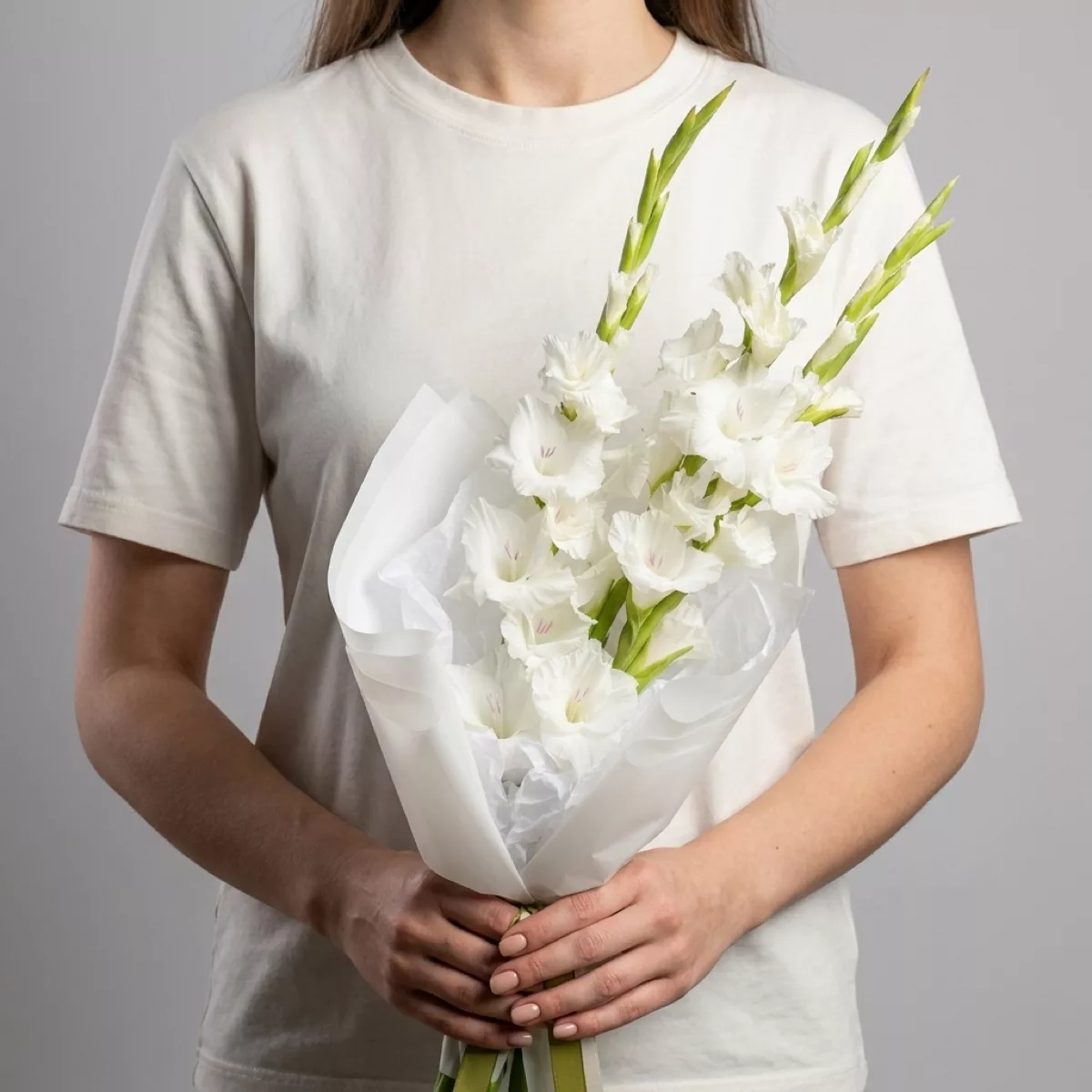
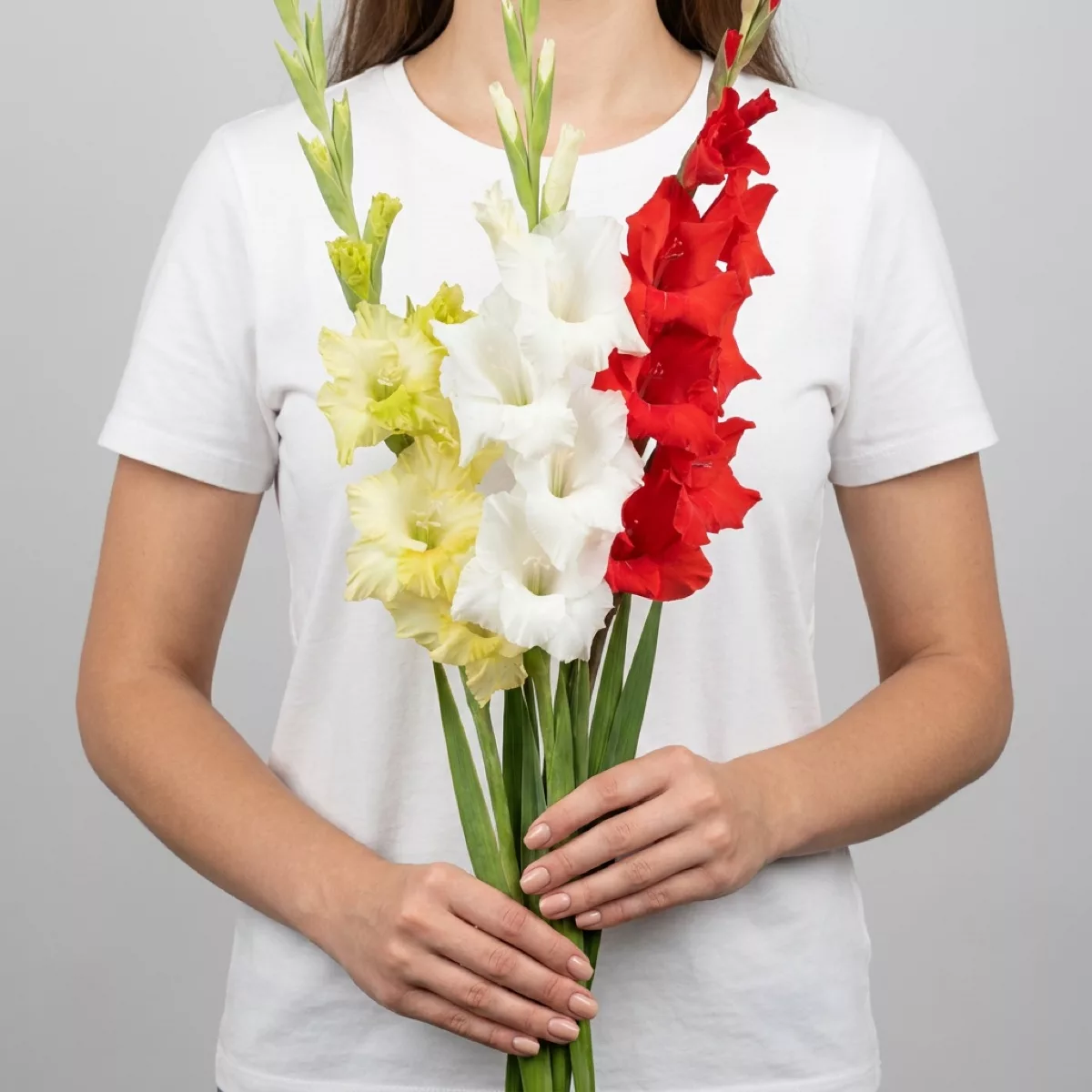
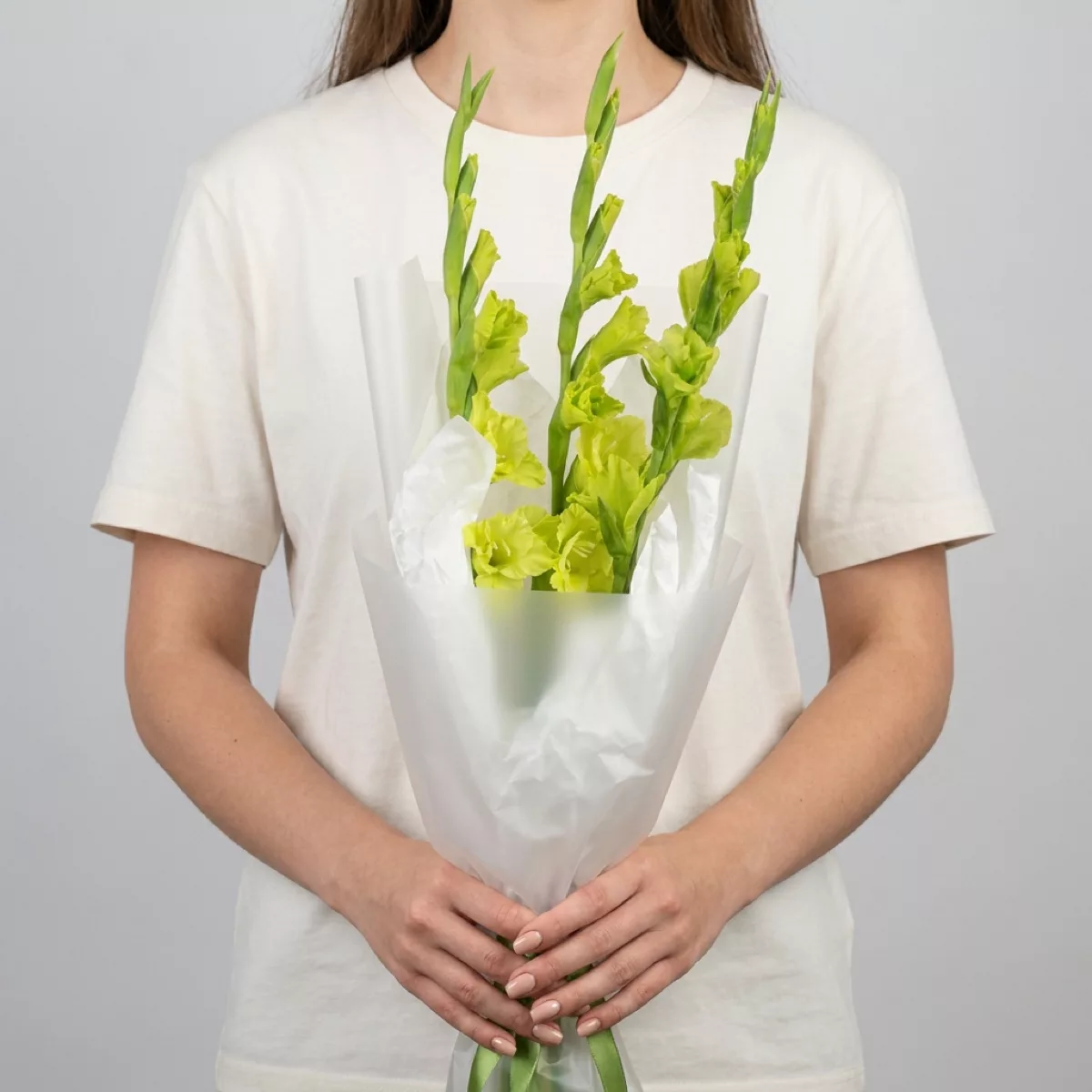
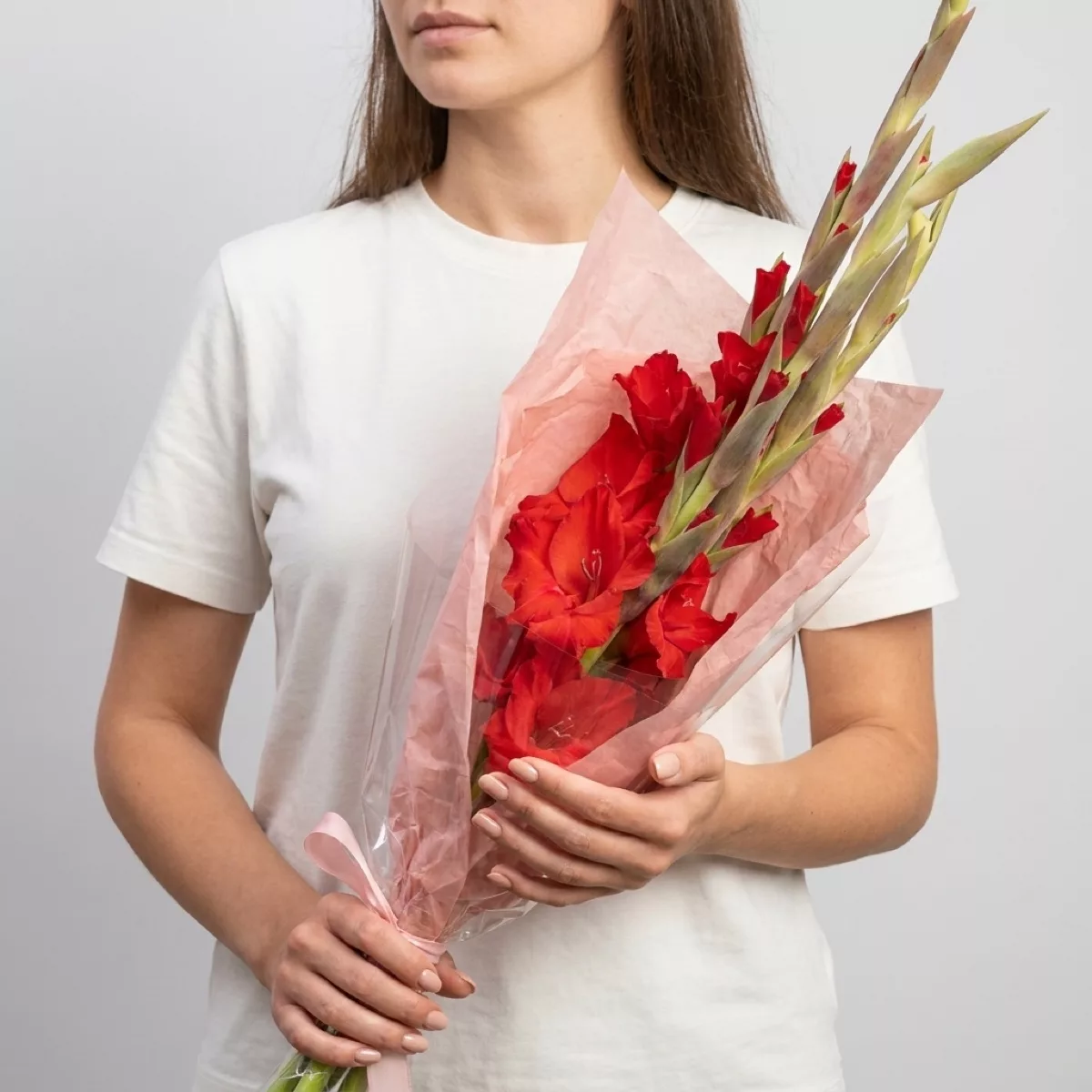
Delivery Timing: What One to Two Hours Actually Means
The one-to-two-hour window is a real commitment, not a marketing phrase. It begins from the moment your order is confirmed and the bouquet is assembled, not from when you start browsing. Assembly itself takes fifteen to twenty minutes for a standard bouquet and up to thirty-five minutes for a large arrangement with foam, a vase or added elements like fruit or sweets.
For Ryazhsk, the honest picture is this: orders placed before noon on weekdays typically arrive within two hours. Orders placed in the evening, especially after seven, may shift to the first slot the following morning unless you specifically request an evening delivery window and the courier schedule allows it. Weekends and public holidays in Russia see a spike in orders — Valentine's Day, March 8th, and New Year's Eve are the three peaks — and on those days adding an extra hour to your expectation is wise.
If you need the flowers at a specific time, say for the moment a birthday dinner begins or just before guests arrive, use the scheduled delivery option. Choose a slot thirty to forty minutes before the moment you actually need them. Flowers do not ring the doorbell on the exact minute, but a scheduled slot narrows the window considerably. Same-day orders placed before two in the afternoon have the highest success rate for precise timing in Ryazhsk.
Choosing Flowers for the Person, Not Just the Occasion
A birthday bouquet for a twenty-five-year-old woman and one for her grandmother are not the same bouquet, even if both occasions are technically birthdays. Start from the person: their style, the colours they wear, the plants they keep at home if you have ever noticed.
For someone with a modern, minimal taste, a monochrome bouquet works beautifully — all-white ranunculus with eucalyptus, or a single-variety arrangement of garden roses in blush or terracotta. These read as intentional and considered rather than generic. For someone who loves abundance and warmth, a mixed seasonal bouquet with peonies in spring, sunflowers in late summer or chrysanthemums in autumn gives that feeling of a generous armful rather than a florist's exercise.
Children receiving flowers — a common gesture after school performances or graduations in Russia — respond well to bright, simple shapes: gerberas, solidago and small spray roses. Avoid heavily scented varieties like lilies or freesia for anyone with a small apartment or known sensitivities.
For colleagues or a teacher, which is a very common gifting occasion in Russian culture, a neat hand-tied bouquet in neutral tones travels well and does not overwhelm a shared workspace. Alstroemeria, lisianthus and statice are all excellent here: they look polished, last well and do not drop petals on a desk. The key is that the bouquet should feel like it was chosen for that person specifically, not pulled from a shelf.
Bouquets by Budget: Getting the Most from Every Range
Budget shapes a bouquet less than most people think, provided the flowers are chosen with intention. A modest arrangement of three stems of garden roses with a collar of ruscus and a satin ribbon can look more considered than a large bunch of mixed filler flowers assembled without a clear idea.
At the entry level, single-variety bouquets are your best friend. Five or seven stems of spray chrysanthemums, a small bunch of freesia, or a trio of sunflowers with greenery all carry meaning without strain. Odd numbers are traditional in Russian gifting — even numbers are associated with mourning, so always choose three, five, seven or nine stems when going small.
In the mid range, you gain access to combination bouquets where texture and contrast do the work. Pairing roses with waxflower, or lisianthus with eucalyptus and a few stems of hypericum berries, creates visual depth that feels generous. This is also the range where a simple glass vase or a kraft-paper wrapping upgrade makes the difference between a bouquet and a complete gift.
At the higher end, the options expand to include imported varieties with shorter availability windows — garden roses from Ecuador, peonies during their brief Russian season from May to June, or large-headed hydrangeas. These are statement flowers. One or two of them anchoring a bouquet of supporting greens and textures is often more striking than a bunch composed entirely of premium stems competing for attention.
Seasonal Flowers in Ryazhsk: What Travels Best Through the Year
Ryazhsk has a continental climate with cold winters and warm summers, and that climate shapes what arrives in good condition at different times of year. Understanding this helps you order with confidence rather than hoping for the best.
In winter, from November through February, roses and chrysanthemums are the workhorses. They are robust, travel well in cold temperatures, and hold their shape. Tulips appear from January onward and are enormously popular around March 8th, International Women's Day — the single biggest flower-giving day in Russia. If you are ordering tulips for that date, place your order at least two days ahead.
Spring brings ranunculus, anemones and the first peonies by late May. These are more delicate and do not tolerate heat. If the outside temperature in Ryazhsk rises above twenty degrees, which it does from June onward, request that the bouquet be packed with a cool gel pack and ask for morning delivery. Flowers assembled in the cool of the morning and delivered before the midday heat arrive in noticeably better condition.
Summer and early autumn are the most forgiving seasons for variety but the most demanding for speed. Sunflowers, dahlias and zinnias are at their peak but wilt faster than winter flowers. In autumn, chrysanthemums, eustoma and branches of hypericum berries make excellent choices — they are hardy, long-lasting and carry that warm, seasonal feeling that matches the changing light in Ryazhsk from September onward.
Keeping the Bouquet Fresh: Care Instructions Worth Sharing
When the bouquet arrives, the first thirty minutes matter more than anything that follows. The stems have been out of water during transit, and the flowers are ready to drink. Cut one to two centimetres from the base of each stem at a forty-five-degree angle — this increases the surface area for water uptake — and place them immediately in a clean vase filled with cool, fresh water.
Remove any leaves that fall below the waterline. Submerged foliage rots quickly and clouds the water with bacteria that block the stems. This single step extends vase life by two to three days on average. Change the water every two days and re-cut the stems slightly each time.
Temperature is the other key variable. Flowers last longest between fifteen and eighteen degrees Celsius. A warm living room in winter, especially near a radiator, shortens vase life significantly. Moving the bouquet to a cooler spot at night — a hallway or a cool bedroom — can add several days. Direct sunlight and draughts from open windows are equally damaging.
For specific varieties: roses benefit from a deep initial drink of at least ten centimetres of water. Tulips continue to grow after cutting and will curve toward light, so rotate the vase daily if you want them upright. Chrysanthemums are the most forgiving and will last ten to fourteen days with basic care. Peonies open slowly — if they arrive tightly budded, a warm room speeds the process; if they arrive already open, keep them cool to hold them longer.
Making the Delivery Feel Like a Moment, Not Just a Transaction
A bouquet is a physical message, and the way it arrives shapes how it is received. A few small decisions on your end make the difference between a delivery that feels warm and personal and one that feels like a parcel.
The card message is the most underused element. In Russia, a handwritten card — or a printed note that sounds handwritten — is expected with a gift. A single sentence that names the occasion and the person is enough: not a formal greeting but something that sounds like you. If you are ordering from far away and cannot be there, the card is your presence in the room.
Timing relative to the occasion matters. Flowers that arrive the morning of a birthday are part of the day from the start. Flowers that arrive the evening before are a lovely surprise but miss the moment. Flowers that arrive a day late, even beautiful ones, carry an apology in them. If you are unsure of the exact date, earlier is always better.
For significant occasions — a first anniversary, a promotion, a graduation — consider adding a complementary element to the bouquet rather than simply ordering a larger version of the same thing. A small plant alongside the cut flowers, a box of chocolates, or a candle gives the recipient something that lasts beyond the vase life. In Russian gifting culture, a layered gift reads as more thoughtful than an expensive single item, and the flowers remain the centrepiece rather than competing with anything else.
Ordering flowers for someone in Ryazhsk is simpler than it might seem from a distance, and the result — a fresh bouquet arriving at the right address at the right time — is one of those gestures that lands every time it is done with a little thought. Choose for the person first, then the occasion, then the season. Get the address details right, write something on the card, and let the flowers do the rest. That is really all there is to it.
Frequently asked questions
Can I order flowers for same-day delivery to Ryazhsk?
Yes, same-day delivery to Ryazhsk is available for orders placed before two in the afternoon. Orders confirmed in the morning typically arrive within two hours. For evening deliveries, place your order by five to allow enough time for assembly and the courier to reach the address before the end of the delivery window.
What flowers are available in Ryazhsk in winter?
Roses, chrysanthemums, lisianthus and alstroemeria are reliably available through the winter months and travel well in cold temperatures. Tulips arrive from January onward. Delicate varieties like ranunculus and anemones become available from late February. Winter is actually a good season for flowers because the cold during transit helps preserve them.
Do I need to be home to receive the delivery?
It is best if the recipient is home or reachable by phone. The courier will call ahead before arriving. If no one answers and the address is an apartment building, the bouquet cannot simply be left in a hallway. Providing a reliable phone number when you order is the single most important step for a smooth delivery.
Why do Russian bouquets traditionally have an odd number of stems?
In Russian tradition, even numbers of flowers are associated with mourning and are brought to funerals. Odd numbers — three, five, seven, nine — are for celebrations and happy occasions. This is taken seriously across all generations. When ordering a small bouquet, always choose an odd stem count to ensure the gift feels celebratory rather than ambiguous.
How long will the bouquet stay fresh after delivery?
With basic care — clean water, trimmed stems, cool temperatures away from direct sun — most bouquets last five to eight days. Chrysanthemums and alstroemeria regularly reach ten to fourteen days. More delicate flowers like ranunculus or garden peonies are at their peak for four to six days. Changing the water every two days and re-cutting stems each time makes a noticeable difference.
Ready to send flowers?
Pick the city, choose the bouquet, and a local florist takes it from there.
Choose a city →