Sending Flowers to Saki? Here Is What to Expect
Saki is a quiet, sun-warmed city on the western coast of Crimea, and surprising someone there with a fresh bouquet is one of the most generous things you can do from a distance. Whether you are marking a birthday, a anniversary, or simply saying that you are thinking of someone, flowers travel well when the order is handled carefully and the timing is thought through. This guide walks you through exactly what delivery to Saki looks like, what grows well in this climate, and how to choose something that will still look beautiful hours after it arrives.
What the Delivery Area in Saki Actually Covers
Saki sits roughly forty kilometres north of Yevpatoria, connected by a straight road across the steppe. The city itself is compact, and most residential addresses — from the central streets near the lake to the quieter districts closer to the salt flats — fall within our standard delivery zone. If your recipient lives on the outskirts or in a nearby village settlement, it is worth specifying the full address including any building number or entrance code when you place the order, because satellite navigation in some parts of the region can be imprecise.
The surrounding resort areas along the coast are also reachable, though travel time from our dispatch point extends accordingly. Saki is not a large city, which works in your favour: once a courier is on the road, reaching almost any address within the city boundary takes a predictable amount of time. There are no complicated ring roads or traffic bottlenecks comparable to a major city, so the estimated window we give you at checkout is genuinely reliable rather than a rough guess.
If you are unsure whether a specific address qualifies, the safest approach is to enter it in full during checkout or contact us directly before placing the order. We would rather confirm upfront than have you waiting with uncertainty. Deliveries to sanatoria, resort complexes, and medical facilities in the Saki area are also handled regularly, and we are familiar with the reception procedures at the larger institutions.
Bouquets we can deliver

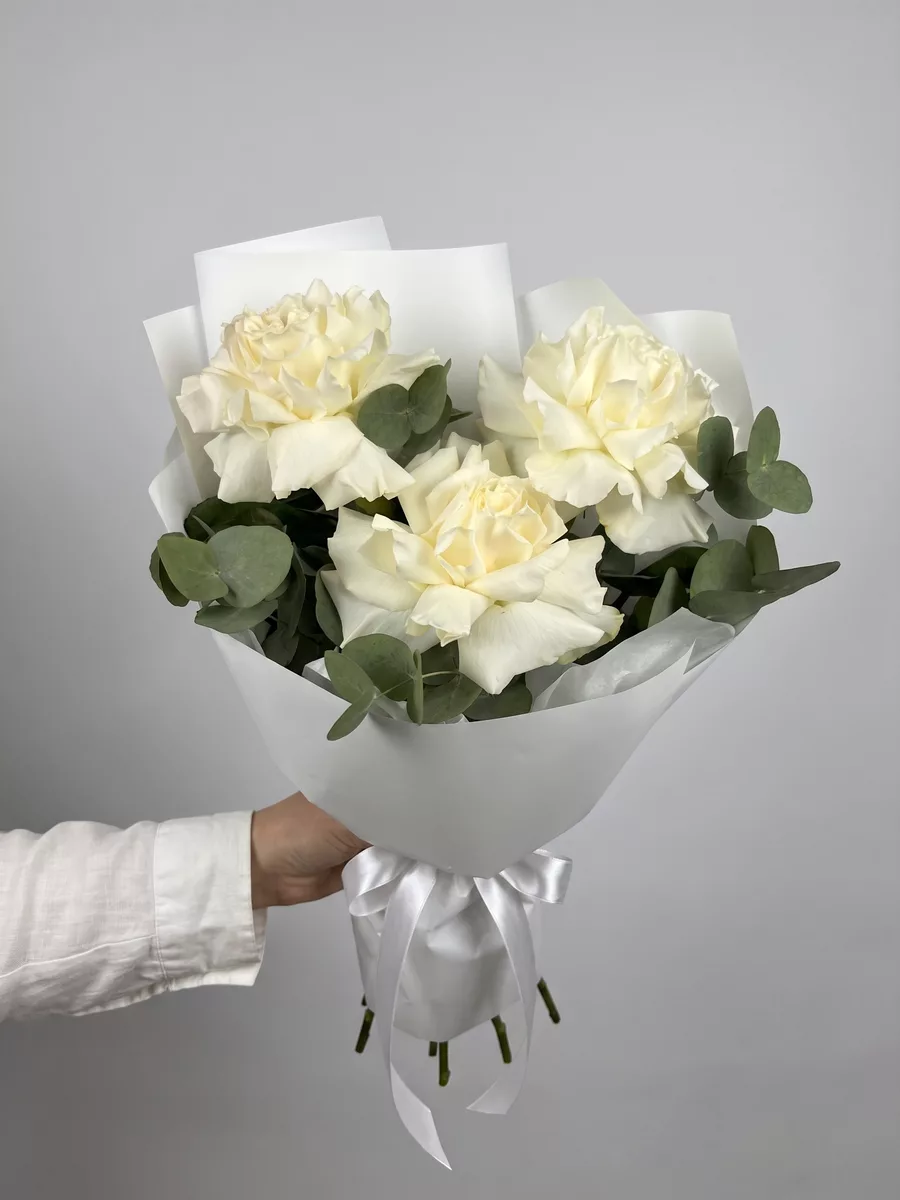
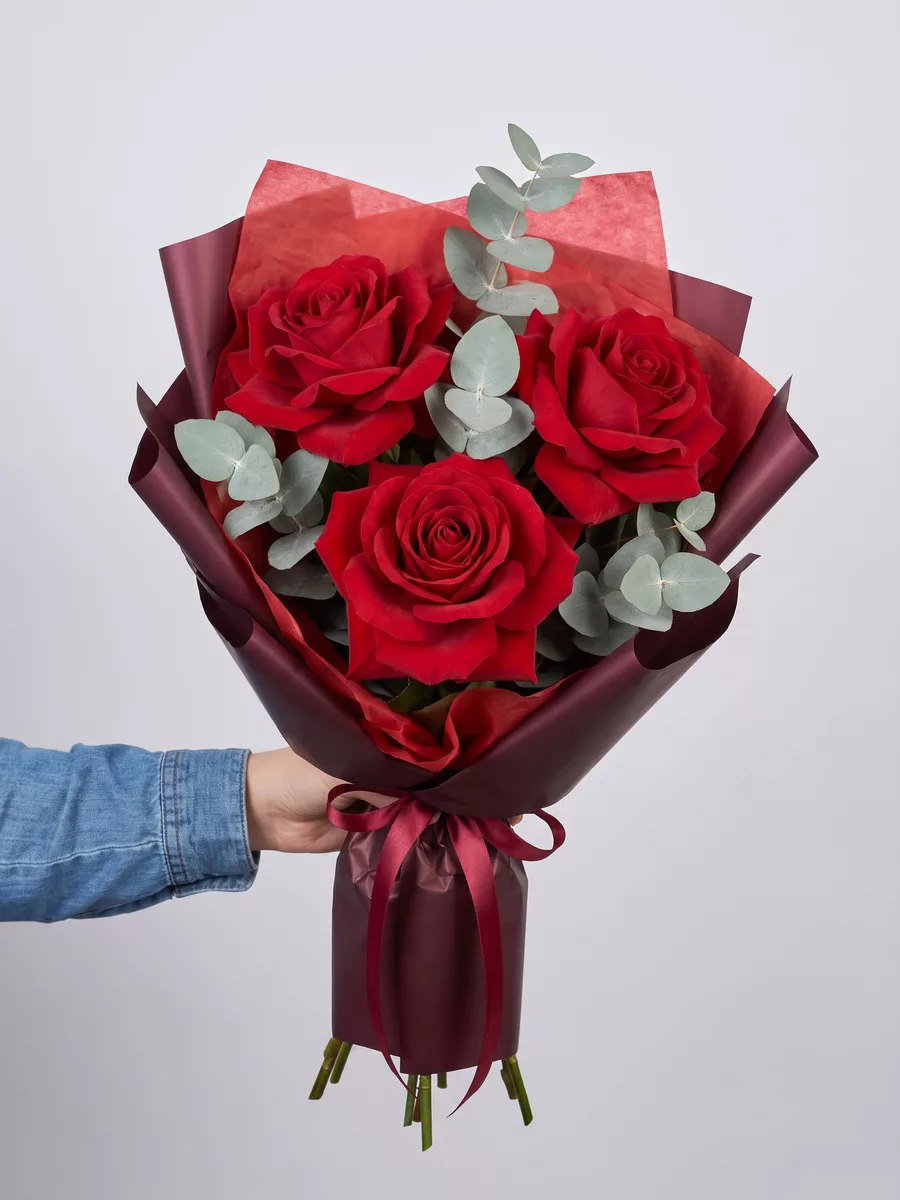
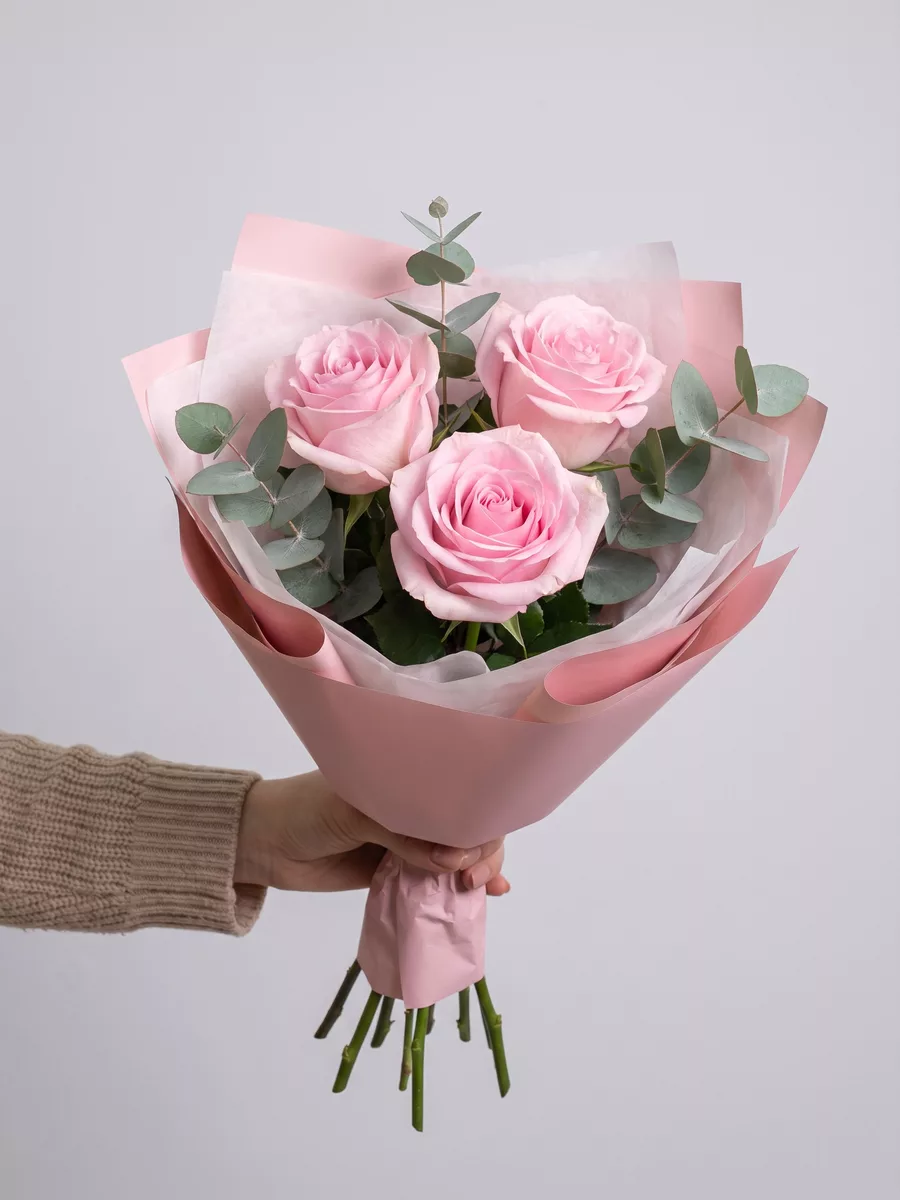
Timing Your Order for Saki: What the Hours Mean
Our standard delivery window across Russia is one to two hours from the moment your order is confirmed. For Saki, that window applies to orders placed during our operating hours, and the bouquet is prepared fresh after your order comes through — not pulled from a refrigerator shelf where it has been sitting since morning. This matters more than most people realise, because a rose cut and arranged an hour before delivery looks entirely different from one that has been standing in shop water since dawn.
The most popular time slots for deliveries in Saki are mid-morning and early evening. Mid-morning works well for birthdays when the recipient is at home, and early evening suits people returning from work or a day at the resort. If you want a surprise delivery timed to a specific moment — the end of a dinner, the arrival of a guest — place the order at least two hours before that moment and note the preferred time in the comments field.
Same-day delivery is available for orders placed before a cut-off time that varies slightly by season. In summer, when demand across Crimea is higher, placing your order before early afternoon gives the most reliable result. In the quieter months of autumn and winter, same-day windows are more flexible. If you are ordering from Moscow or Saint Petersburg for someone in Saki, the time zone difference is the same — Crimea operates on Moscow time — so no mental arithmetic is needed when you are choosing your delivery slot.
Choosing Flowers for the Saki Climate and Season
Saki has a continental steppe climate with hot, dry summers and mild winters. That combination affects which flowers travel and last best once they arrive. In July and August, when daytime temperatures regularly exceed thirty degrees, delicate open blooms like garden roses or ranunculus can wilt within hours if left in a warm room without water. For summer deliveries, we lean toward varieties with strong stems and thick petals: spray roses, alstroemeria, and chrysanthemums all handle heat well and hold their shape after transit.
Lisianthus is another excellent summer choice for Saki — it looks like a peony but has the resilience of a cut flower that genuinely tolerates warmth. Paired with eucalyptus or ruscus, it creates a bouquet that feels luxurious without being fragile. Avoid asking for open garden peonies in the height of summer unless delivery is timed to arrive within the first hour of the day.
In spring and autumn, the range opens up considerably. Tulips from Dutch cold-chain stock arrive firm and close-budded, opening gradually over three to five days. Freesia adds scent that carries across a room. Gerberas in coral, yellow, and deep red suit the warm tones of a Crimean autumn beautifully. In winter, orchid stems and amaryllis hold up well in cooler indoor temperatures and last far longer than most people expect — amaryllis in a cool room can stay open for two full weeks if the water is changed every other day.
Bouquet Combinations That Work Well as Gifts
A single-variety bouquet reads as intentional and confident — eleven white spray roses, or a tight round of pale pink lisianthus, makes a stronger impression than a mixed bunch assembled without a clear idea. That said, combination bouquets work beautifully when the colours and textures are chosen with a relationship in mind rather than just thrown together for volume.
For a romantic occasion, consider pairing garden roses in a dusty pink or peach tone with eucalyptus and a few stems of wax flower. The result is soft without being overly sweet, and the eucalyptus adds a faint, clean scent that complements rather than competes with the roses. For a friend's birthday, a brighter palette — sunflowers with orange gerberas and yellow solidago — feels genuinely celebratory and suits Saki's sunny character.
If the recipient is older or more traditional in their tastes, gladioli remain a deeply respected flower in Russian culture. A tall, formal arrangement of white or pale lilac gladioli with a few stems of statice communicates respect and warmth simultaneously. Younger recipients often appreciate something more unconventional: protea, anthurium, or a bouquet built around textural foliage with just a few statement blooms.
Presentation matters as much as the flowers themselves. A bouquet wrapped in kraft paper with a ribbon tied at the stem reads differently from the same flowers in cellophane. When you are ordering for someone you want to impress, specify the wrapping style in the comments — our florists will match the packaging to the mood of the arrangement.
What Happens Between the Florist and the Front Door
Once your order is confirmed, a florist assembles the bouquet fresh using stems from our climate-controlled storage. The flowers are conditioned before arrangement — stems are recut at an angle under water, lower leaves are removed to prevent bacterial growth in the vase, and any variety that benefits from a drink before travel is given time to hydrate. This step is not visible to the customer but it is the difference between a bouquet that lasts five days and one that lasts ten.
The finished arrangement is wrapped to protect the blooms during transit. In summer, we use insulating wrap that slows heat transfer during the journey. In colder months, frost protection is added for any delivery where outdoor temperatures drop below five degrees — even a short exposure to freezing air can blacken the edges of rose petals or collapse a tulip bud entirely.
The courier travels with the bouquet positioned upright, which keeps the stems in the water-retaining base and prevents the blooms from being crushed against the packaging. On arrival, the courier will wait briefly if the recipient does not answer immediately, and we will contact the number you provided if there is no response after a reasonable interval. If the recipient is unexpectedly away, we will coordinate with you on redelivery rather than leaving flowers outside where heat or cold would damage them. The goal is that the bouquet arrives looking exactly as it did when it left the workroom.
Care Instructions to Pass Along to Your Recipient
The single most useful thing a recipient can do in the first ten minutes is cut the stems. Even a centimetre removed at a forty-five degree angle under running water opens the stem's vascular system and allows water to travel up to the bloom. A clean diagonal cut, not a straight one, gives more surface area for absorption. If the recipient does not have scissors nearby, a sharp kitchen knife works fine.
Vase water should be cool and changed every two days. Warm water encourages bacterial growth that blocks the stem and shortens vase life dramatically. A vase that is rinsed properly before use and refilled with fresh cool water will extend the life of almost any cut flower by two to three days compared with water left to go murky. Some people add a small amount of sugar or a drop of bleach — both have some effect, but clean water changed regularly is more reliable than any additive.
Position matters more than most recipients realise. Flowers placed near a radiator, on top of a television, or in direct sunlight through a south-facing window will fade and wilt days earlier than the same bouquet kept in a cooler corner of the room. In Saki's summer heat, a shaded spot with some air movement is ideal. At night, moving the vase to a cooler room — even a hallway — gives the blooms a rest from warmth and extends their life noticeably. Roses and lisianthus respond particularly well to this simple overnight treatment.
Common Mistakes When Ordering Flowers to an Unfamiliar City
The most frequent mistake is leaving the order too late and then choosing the fastest option without thinking about what that means for the flowers. Rushing an order through in the final thirty minutes before a party starts means the florist has less time to condition the stems properly and the courier has less margin if traffic or an address issue causes a small delay. Building in two to three hours of buffer transforms the experience for everyone involved.
The second common mistake is ordering by photograph without considering the season. A peony bouquet seen on a summer inspiration board may not be available in October, and substituting with a visually similar flower — such as a garden rose in a full, cupped bloom — actually produces a better result than forcing an out-of-season variety. When you leave a note saying you are open to seasonal alternatives in a similar colour palette, the florist can make a genuinely better choice than the one locked in by a specific product name.
Third, and this applies specifically to deliveries in resort cities like Saki: do not assume the recipient will be at the address all day. People in Saki are often at the beach, at the salt lake, or out in the afternoon. If you know their schedule, share it in the comments so we can aim the delivery at a time when they are actually home. A surprise is only a surprise if someone is there to receive it. A bouquet left on a warm doorstep for two hours in July is not a gift — it is a problem. A little coordination in advance makes the whole thing work.
Saki may be a small city, but the people who live and holiday there deserve flowers that arrive the way they were meant to — fresh, well-arranged, and timed to the moment. The distance between you and your recipient does not have to show in the bouquet. When the order is placed with a little thought about timing, season, and what the recipient's day looks like, a flower delivery to Saki becomes something genuinely memorable rather than just a transaction. That is what we aim for with every order that leaves our workroom.
Frequently asked questions
Can I order flowers for delivery to Saki on the same day?
Yes, same-day delivery to Saki is available for orders placed within our daily cut-off time. In summer months we recommend ordering before early afternoon to allow comfortable preparation and transit time. In autumn and winter the window is more flexible. Check the checkout page for the current same-day availability when you place your order.
What flowers hold up best in Saki's summer heat?
Spray roses, alstroemeria, chrysanthemums, and lisianthus all travel and last well in warm conditions. Delicate open blooms like garden peonies or fully open ranunculus are more vulnerable to heat. For summer deliveries we wrap bouquets with insulating material and recommend the recipient place flowers in a cool, shaded spot immediately on arrival.
Do you deliver to sanatoria and resort complexes in the Saki area?
Yes. Deliveries to sanatoria, resort hotels, and medical facilities in Saki are handled regularly. When ordering, include the full name of the institution, the building or ward number if relevant, and a contact phone number for the recipient. This allows the courier to coordinate with reception and reach the right person without delay.
How long will the bouquet last after delivery?
Most bouquets last five to ten days with proper care. The key steps are recutting the stems at an angle on arrival, using a clean vase with cool water, and changing the water every two days. Keeping the bouquet away from direct sunlight and heat sources adds several days to vase life. Amaryllis and orchid stems last the longest; tulips and ranunculus are shorter-lived but very beautiful.
What if the recipient is not home when the delivery arrives?
The courier will wait briefly and attempt to reach the recipient using the phone number provided. If there is no answer, we contact you to coordinate. We do not leave flowers outside unattended, especially in summer, as heat would damage the bouquet quickly. We will arrange a redelivery window that works for the recipient rather than let the flowers go to waste.
Ready to send flowers?
Pick the city, choose the bouquet, and a local florist takes it from there.
Choose a city →