Sending Flowers to Satka: Timing, Choices and What Arrives at the Door
Satka sits in the southern Urals, a compact industrial city surrounded by forested hills and the kind of community where a bouquet of flowers at the door still means something. Whether you are sending roses to a colleague after a long project, surprising a parent on their birthday, or marking a school graduation from across the country, the question is always the same: will the flowers actually arrive fresh, on time, and looking the way you imagined them? This article walks you through everything that matters — the delivery window, which flowers travel well to Satka, what the recipient will experience when the door opens, and how to keep the arrangement alive for as long as possible.
Where in Satka We Deliver and Why the City Layout Matters
Satka is a linear city that stretches along the Bolshaya Satka river valley, with residential districts, the central area near Sovetskaya Street, and outlying neighbourhoods spread across a fairly long corridor. This layout means that the distance between two addresses can be larger than you would expect for a city of its size, and that matters when you are planning a timed delivery. We cover the full urban territory of Satka, including the Magnesit district and the residential areas along the northern and southern edges of town. If you are sending to a private house rather than an apartment block, it helps to include a landmark or a clear gate description in the address field, because satellite navigation in some parts of the city still lags behind recent construction. The recipient does not need to be home at the exact moment of arrival. We contact them in advance by phone to agree on a convenient window, so nobody is left waiting in a stairwell or missing a delivery because of a work meeting. If the address is a workplace — a school, a clinic, an office building — we coordinate with whoever is at the reception desk. Satka has a strong sense of local community, and a flower delivery at a workplace is always noticed, which is often exactly the effect the sender wants.
Bouquets we can deliver

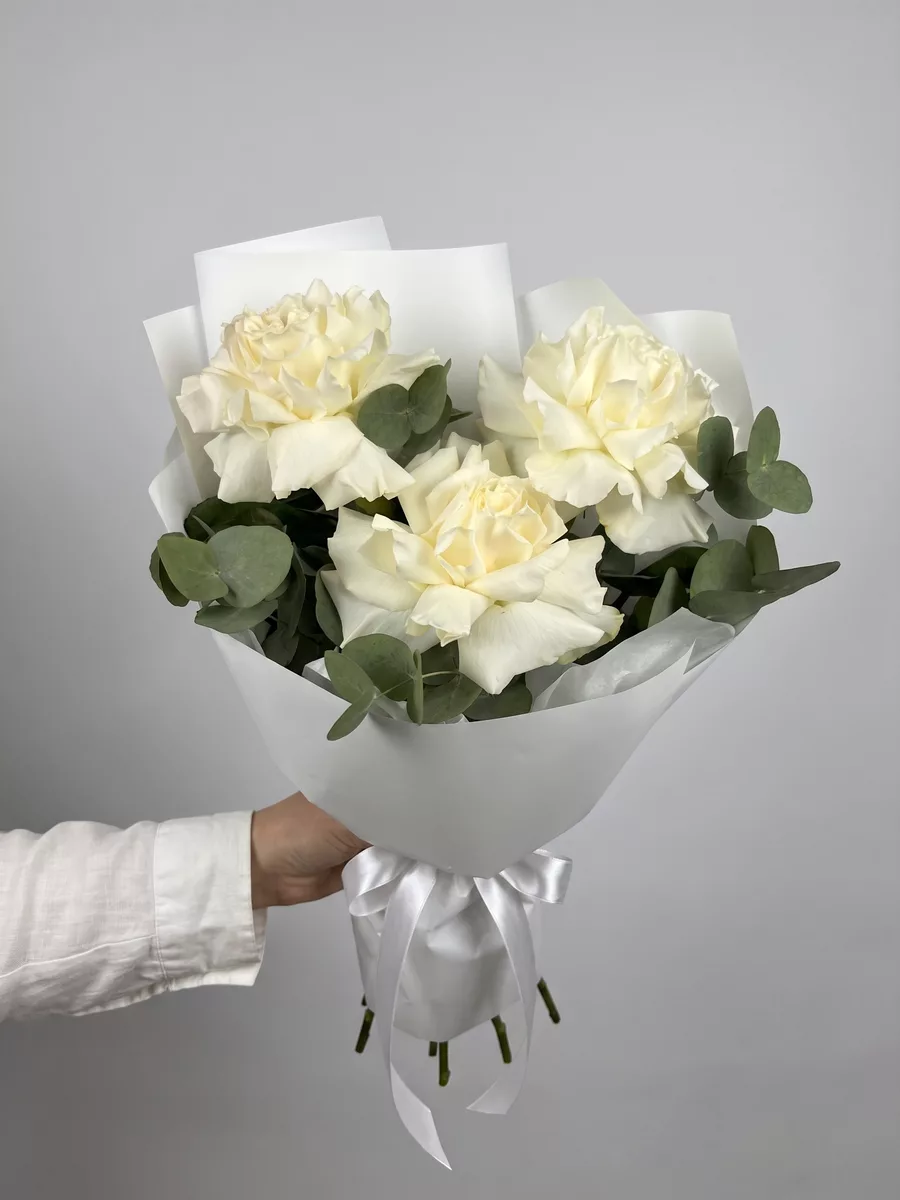
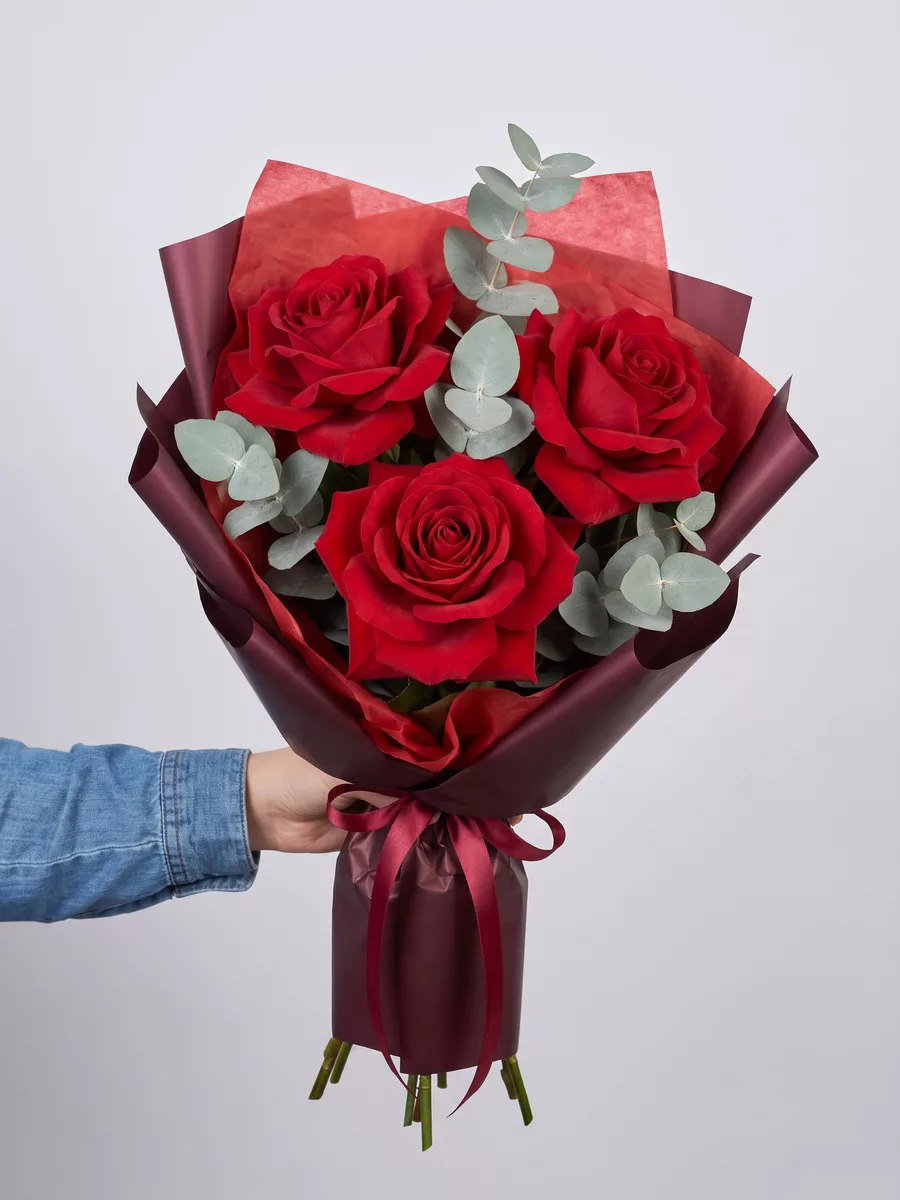
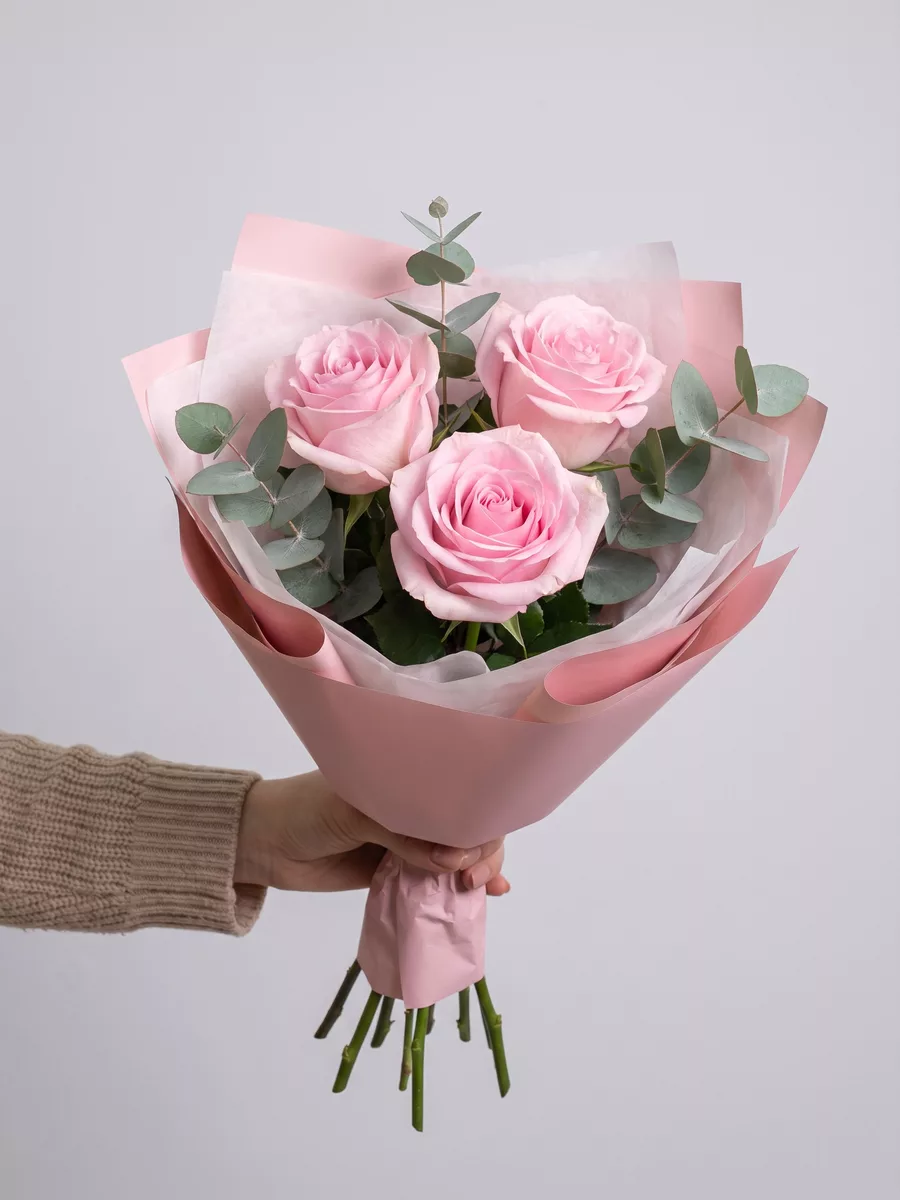
Delivery Timing: What the One-to-Two Hour Window Means in Practice
The one-to-two hour delivery promise is not a marketing phrase — it is the operational standard we build every order around. From the moment your order is confirmed, the bouquet is assembled, packed and dispatched. For Satka, the realistic window depends on where you are ordering from and when. Orders placed from within the Chelyabinsk region typically move fastest. Orders placed from Moscow, Saint Petersburg or abroad follow the same assembly process, but the coordination step — confirming the recipient's availability — adds a few minutes. We strongly recommend placing orders at least two to three hours before the moment you want the bouquet to arrive, especially for milestone occasions like anniversaries or birthdays where the timing is part of the gift. Evening deliveries, meaning anything after 20:00, require advance notice because some apartment buildings in Satka restrict entrance after that hour. Morning deliveries before 09:00 are possible but should be discussed when placing the order. The Ural region experiences significant seasonal temperature swings, and our couriers adjust packaging accordingly: insulated wrapping in winter when temperatures in Satka regularly drop below minus fifteen, and ventilated kraft paper in summer when afternoon heat can stress delicate petals during transit. Telling us the approximate indoor temperature at the delivery address in winter genuinely helps us choose the right protective layer for the bouquet.
Which Flowers Arrive Best: Varieties That Handle the Ural Climate
Not every flower is equally suited to traveling through a Ural winter or a hot July afternoon in the Chelyabinsk region, and an honest florist will tell you that upfront. Roses are the most requested flower in Satka, and they travel very well when cut at the right stage — tight buds hold better than fully open blooms during transit. Garden spray roses, with their clustered smaller heads, are especially resilient and look generous in a bouquet without requiring the same level of careful handling as large hybrid tea varieties. Chrysanthemums are excellent for Satka deliveries in autumn and winter: they are sturdy, long-lasting, and available in a wide colour palette from white and cream through to deep burgundy. Alstroemeria is another reliable choice, particularly for budget-conscious senders who still want a full, colourful arrangement — the stems carry multiple blooms and the flower holds its shape even after a cold transit. Tulips are beloved in spring but require careful handling in warm weather, as they continue to grow after cutting and can shift dramatically in the vase. Gerberas are cheerful and popular for birthdays but are more sensitive to temperature shock than roses or chrysanthemums. For winter deliveries, we recommend building a bouquet around roses or chrysanthemums as the main flower, with eucalyptus, ruscus or waxflower as supporting greens — these all tolerate cold packaging without wilting or blackening at the edges.
Choosing the Right Bouquet for the Occasion and the Person
In Russia, flowers are given for a much wider range of occasions than in many other countries, and Satka is no exception. Teachers receive bouquets at the start and end of the school year. Doctors and nurses are thanked with flowers after a successful treatment. Colleagues mark promotions, retirements and project completions with arrangements. Understanding this context helps you choose more thoughtfully than simply picking by colour. For a teacher, a classic structured bouquet — roses, alstroemeria, or a mixed arrangement with seasonal greenery — reads as respectful and considered. For a birthday, especially for someone younger, a looser, more garden-style arrangement with ranunculus, lisianthus or freesia feels more personal and less formal. For a romantic occasion, red roses remain the clearest signal in Russian flower culture, though a monochrome bouquet of pale pink peonies in season or white spray roses can feel more sophisticated. If you are unsure of the recipient's taste, neutral palettes — white, cream, soft peach — tend to suit almost any interior and any age group. Avoid sending yellow flowers to a romantic partner if you are unfamiliar with Russian customs: yellow is traditionally associated with separation in Russian folk belief, though younger generations are increasingly relaxed about this. When in doubt, ask our florists at the point of ordering — we will suggest combinations based on what is fresh that day and what photographs well in a Satka apartment.
Presentation and Packaging: What the Recipient Actually Sees
The moment the door opens is the moment that counts, and packaging is not just protection — it is the first impression. We wrap bouquets in layered kraft paper with a fabric ribbon, keeping the stems in a water capsule during transit so the flowers are still hydrated when they arrive. In winter, an additional insulating sleeve goes around the outer layer to protect against the temperature shock of moving from a heated car into minus twenty air and then back indoors. The bouquet is handed to the recipient with a care card explaining how to trim the stems and what water temperature works best. If you add a personal message when ordering, it is printed on a small card and tucked into the wrapping — not attached to the outside where it can get wet or torn. For larger arrangements or box compositions, the box itself is sealed during transit and opened by the recipient, which creates a small moment of discovery that many people find more memorable than receiving a pre-opened display. We do not use cellophane as the main wrapping material because it traps moisture and can cause petal damage on longer journeys. The overall presentation is designed to feel considered rather than mass-produced, even for a same-day order placed under time pressure.
Vase Life and Care: Keeping Satka Flowers Fresh for Longer
A bouquet that arrives looking beautiful and then wilts within two days is a disappointment for the recipient and a waste of the sender's effort. The single most important step is the first one: cut one to two centimetres off each stem at a forty-five degree angle immediately after unwrapping, using a sharp knife rather than scissors, which can crush the vascular tissue. Place the stems in cool, clean water — not cold and not warm — and change the water every two days. Satka tap water is generally fine for cut flowers, but if the recipient notices the water turning cloudy quickly, filtered or boiled-and-cooled water extends vase life noticeably. Keep the arrangement away from direct sunlight, radiators and draughts. In Satka winters, central heating runs high and the air indoors becomes very dry, which shortens vase life for almost every variety. Placing the vase in a cooler part of the room — away from the radiator panel — and misting the petals lightly in the morning helps. Roses should have their outer guard petals removed if they look bruised after transit: the petals underneath are usually perfect. Chrysanthemums and alstroemeria are the most forgiving varieties and will typically last ten to fourteen days with basic care. Gerberas benefit from shallow water — no more than five centimetres — because deep water causes the stems to rot faster. Tulips need fresh water daily and will continue to grow toward the light, so rotating the vase keeps them upright.
Ordering from Outside Satka: What Remote Senders Need to Know
A significant share of flower orders sent to Satka come from people who are not in the city themselves — family members working in other regions, partners travelling for work, or friends who moved to larger cities but want to mark an occasion back home. Ordering remotely is straightforward, but a few practical details make the process smoother. First, confirm the recipient's current address before placing the order: people in Satka, as in many Russian cities, sometimes receive mail at a registered address but actually live elsewhere, and a bouquet delivered to the wrong building is a frustrating outcome for everyone. Second, if you want to coordinate the delivery as a surprise, it is possible to ask us not to call the recipient in advance — but this means someone must be available to receive the order, and the delivery window becomes less precise. Third, time zones matter more than people expect. Satka operates on Yekaterinburg time, which is UTC plus five. If you are ordering from Moscow, that is two hours ahead of you; from Saint Petersburg, the same. A bouquet ordered at noon Moscow time for a 14:00 Satka arrival is achievable, but a noon Moscow order for a noon Satka delivery is not. Building in a buffer of at least ninety minutes between your order time and the desired arrival time is the safest approach. Our order form allows you to specify the recipient's time zone preference, and our team double-checks this for all inter-regional deliveries.
Satka may not be the first city that comes to mind when people think about flower delivery logistics, but the experience of receiving a fresh, well-packaged bouquet there is no different from what someone in a major city expects — and that is exactly the standard we hold ourselves to. The flowers are cut fresh, the packaging protects them through whatever the Ural weather is doing that day, and the recipient opens the door to something that looks and smells like it was assembled that morning, because it was. Whether you are in the same city or ordering from the other end of Russia, the process is the same: choose the occasion, pick the flowers that suit the person, and let us handle the rest.
Frequently asked questions
Can I order flowers to Satka from another city or country?
Yes, remote orders are a normal part of what we do. You place the order online, specify the Satka delivery address and your preferred arrival window in Satka local time, and we handle everything from assembly to doorstep delivery. Just remember that Satka runs on Yekaterinburg time, UTC plus five, when calculating your order window.
What happens if the recipient is not home when the bouquet arrives?
We contact the recipient by phone before arriving to agree on a convenient moment. If they are temporarily unavailable, we can wait briefly or reschedule within the same delivery window. For surprise orders where you prefer we do not call ahead, please note this when ordering and make sure someone will be present at the address during the delivery period.
Do flowers survive the cold during winter delivery in Satka?
Yes, with the right preparation. We use insulated outer wrapping and keep stems hydrated in a water capsule during transit. Roses, chrysanthemums and alstroemeria handle cold transit particularly well. The key risk is temperature shock when moving between environments, which our packaging is specifically designed to minimise even at minus fifteen or below.
Which flowers last longest in a Satka apartment in winter?
Chrysanthemums and alstroemeria consistently give the longest vase life, often ten to fourteen days with basic care. Roses last seven to ten days when stems are trimmed properly and water is changed every two days. The dry indoor air from central heating is the main enemy in winter — keeping the vase away from radiators and misting petals lightly in the morning makes a real difference.
Can I send a bouquet to a workplace or school in Satka?
Absolutely, and it is a very common request. We coordinate with reception staff or the relevant contact at the workplace so the delivery reaches the right person without disruption. Please include the full name of the recipient and the name of the institution in your order notes, and let us know if there are restricted entry hours we should be aware of.
Ready to send flowers?
Pick the city, choose the bouquet, and a local florist takes it from there.
Choose a city →