Flower Delivery in Segezha: Timing, Choices and What Arrives at the Door
Segezha sits in the Republic of Karelia, surrounded by lakes and pine forest, and its winters are long and genuinely cold. Sending flowers here is a real gesture — the recipient knows exactly how much thought went into it. Whether you are surprising a parent, celebrating a colleague's promotion or simply saying you are thinking of someone, the bouquet that lands on their doorstep carries more weight when it has travelled to reach them. This guide walks you through every step of ordering, from picking the right arrangement for the season to knowing what your recipient will find when they open the door.
Which Areas of Segezha We Reach and How We Plan Each Route
Segezha is a compact industrial city on the western shore of Lake Segozero, and most residential addresses — from the central districts near the pulp mill to the quieter neighbourhoods along the lake edge — fall within our standard delivery zone. We map each order individually before dispatch, checking road conditions and distance from our nearest fulfilment point, so you do not need to worry about whether a specific street qualifies. If you are unsure, enter the full address at checkout and the system will confirm coverage immediately.
The city's layout is straightforward, but Karelian weather can complicate even short drives. In January and February, daytime temperatures regularly drop below minus fifteen Celsius, and ice forms quickly on secondary roads. Our couriers account for this by leaving earlier and driving at a pace that keeps the flowers safe rather than fast. A bouquet shaken by a rushed trip over a frozen road is no gift at all.
For addresses on the outskirts — dachas, private houses beyond the main grid — we ask that you add a clear landmark or gate description in the comments field. Satellite navigation sometimes lags in less-developed areas, and a note like 'blue fence, second house past the water tower' saves everyone time. We would rather spend an extra two minutes reading your instructions than arrive at the wrong gate with roses starting to feel the cold.
Bouquets we can deliver

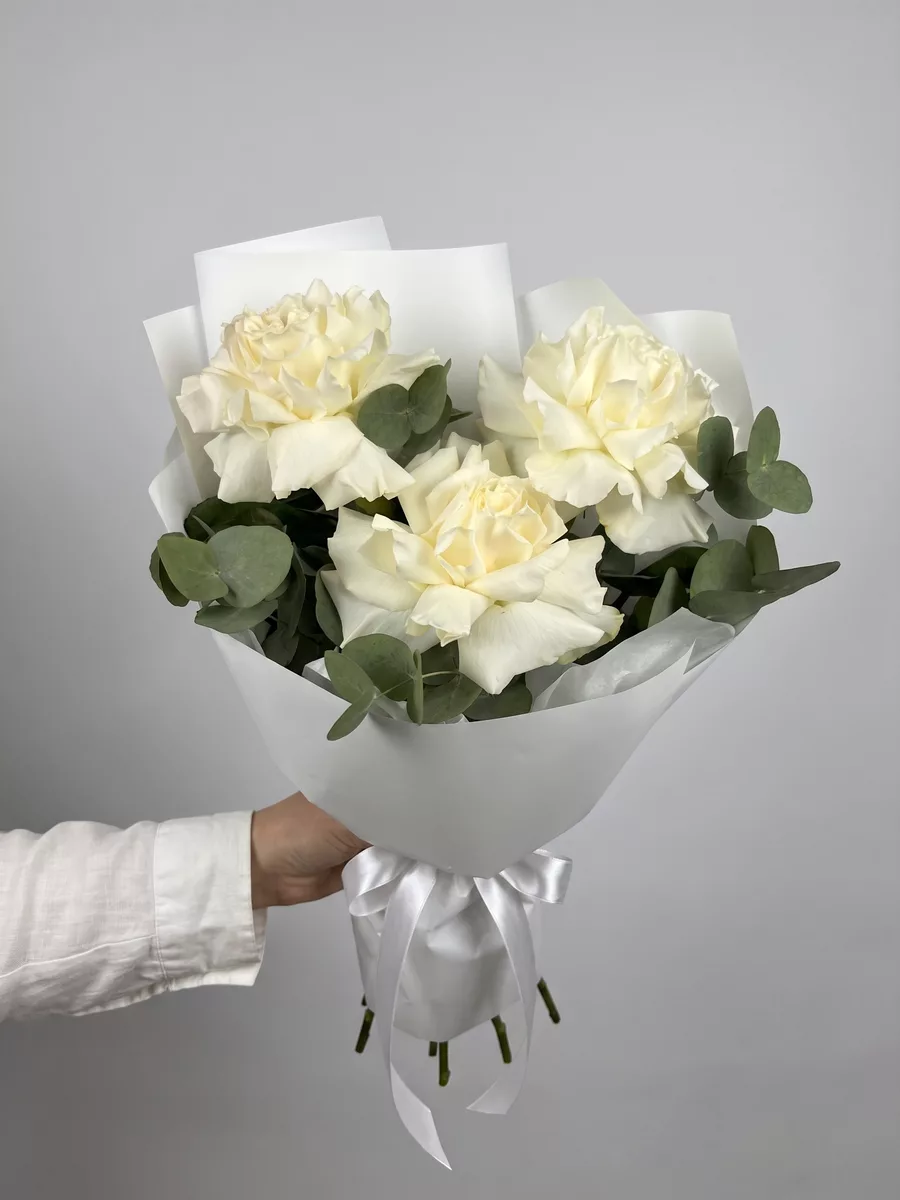
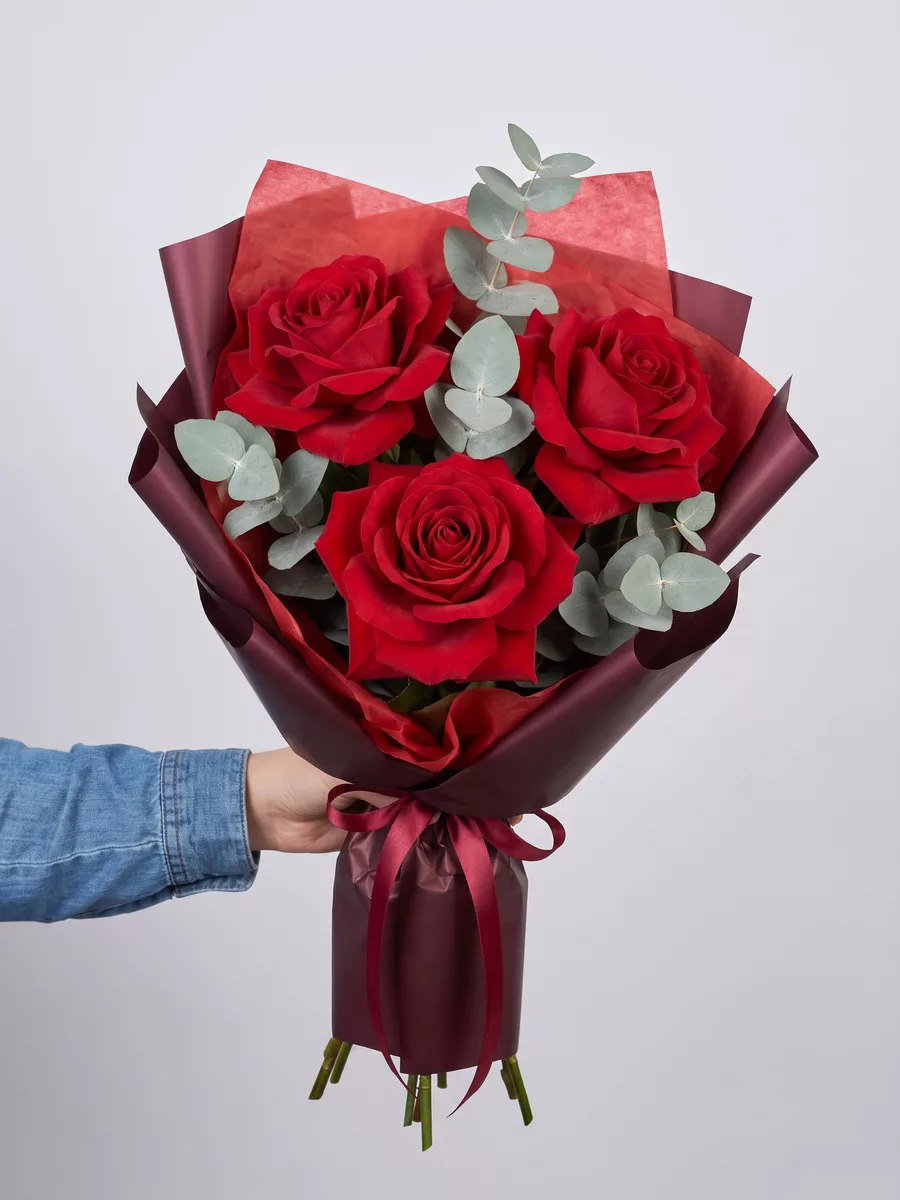
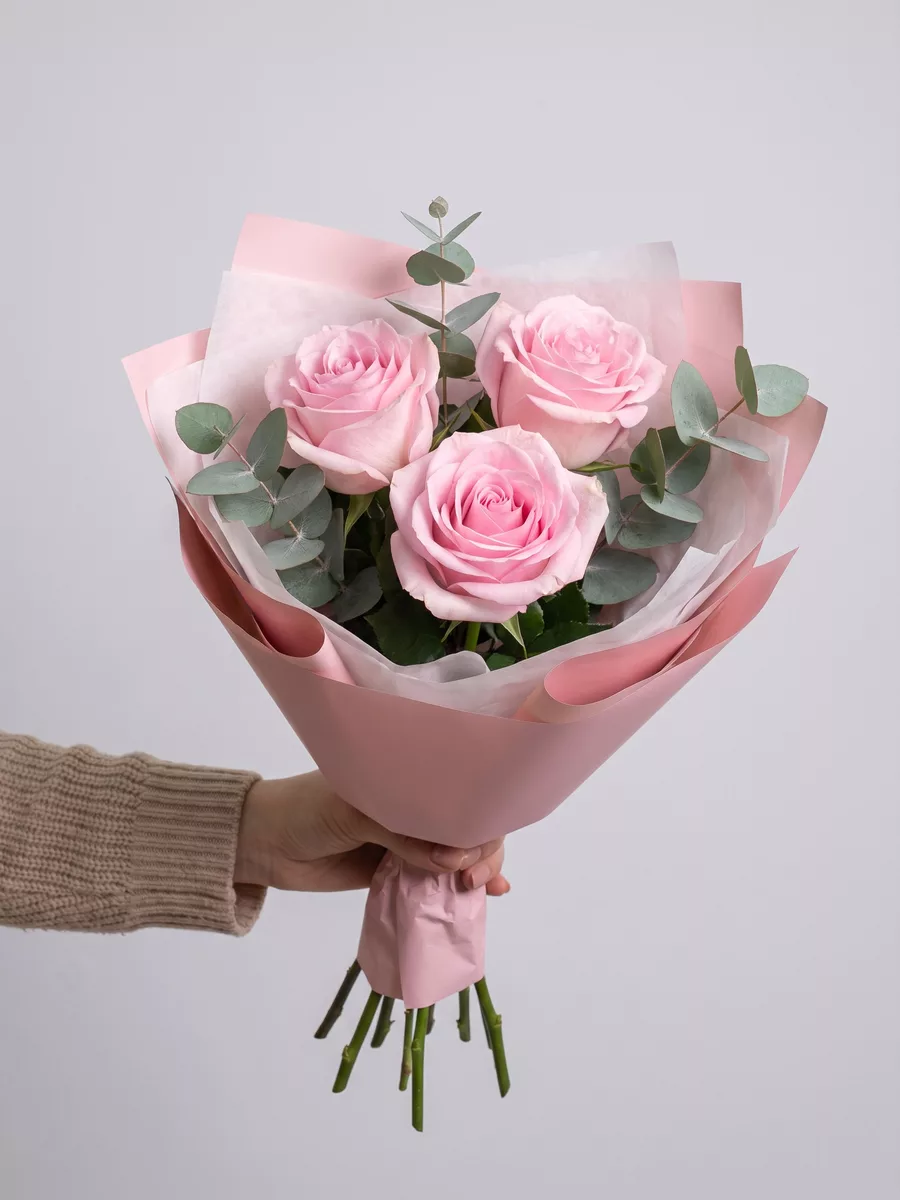
Timing Your Order: What the 1–2 Hour Window Actually Means Here
The one-to-two hour delivery promise reflects how we work in practice, not just in marketing copy. Once your order is confirmed, a florist assembles the bouquet fresh, wraps it, and hands it to a courier who is already en route. In Segezha, the driving time from our dispatch point to most central addresses sits comfortably within that window. For addresses further from the centre, we will let you know at the time of ordering if a slightly longer slot applies.
Timing matters most when you are working around someone's schedule. If the recipient leaves for work at eight in the morning, a delivery window of nine to eleven is useless. Use the scheduled delivery option to anchor the arrival to a specific hour, and factor in about fifteen minutes of buffer for the courier to find parking and reach the door. In apartment buildings, our couriers call ahead rather than buzz every intercom in the block.
The one situation where timing shifts is during major Russian holidays: the eighth of March, New Year's Eve and Valentine's Day all generate a surge in orders across every city we serve. In Segezha, as elsewhere, we strongly recommend ordering at least a day ahead during these periods. Last-minute orders on the eighth of March in particular can push delivery into the afternoon even if you order in the morning, simply because every florist in the country is assembling bouquets at the same moment. Book early and your recipient gets their flowers at the moment you intended.
Choosing the Right Flowers for Segezha's Climate and the Occasion
Karelia's climate shapes what works in a bouquet. In summer, the city enjoys long northern days and mild temperatures, and almost any cut flower will travel and last beautifully — garden roses, lisianthus, alstroemeria and sunflowers all arrive in excellent condition. In winter, the calculus changes. Tropical flowers like anthuriums and birds of paradise are sensitive to cold shock; even a few minutes exposed to minus ten Celsius on a doorstep can blacken their petals. We protect every bouquet in insulated packaging during cold months, but it still pays to choose hardier varieties for winter orders.
For cold-weather deliveries, roses are the most reliable choice because their petals are dense and recover well from brief temperature drops. Spray carnations and chrysanthemums are similarly robust. If you want something more unusual in winter, tulips are a strong option from January onward — they are grown in controlled greenhouses and arrive tightly budded, opening slowly over several days in a warm apartment, which the recipient often finds more exciting than a fully open bouquet.
For the occasion itself: a birthday calls for colour and volume, so consider a mixed bouquet of garden roses, alstroemeria and seasonal greenery. A thank-you arrangement can be quieter — a monochrome bundle of white spray roses or pale peach lisianthus reads as elegant rather than showy. For a romantic gesture, red or deep burgundy roses remain the clearest signal across Russian culture, and no explanation is needed when the door opens.
What the Recipient Experiences When the Bouquet Arrives
Most people receiving an unexpected delivery feel a mix of surprise and slight confusion at first — especially if no one warned them. In Russian custom, it is perfectly normal to send flowers without announcing yourself in advance; the surprise is part of the gift. If your recipient is shy or lives alone, you can add a short personal note through our card option, which the courier places visibly with the bouquet so the moment of opening feels complete rather than puzzling.
Our couriers arrive in plain clothing rather than branded uniforms, which keeps the moment personal. They hand over the bouquet, confirm the recipient's name, and leave — there is no pressure to tip, no paperwork to sign, no awkward small talk required. If the recipient is not home, the courier will call the number you provided and either wait briefly or arrange a second attempt, depending on your instructions at checkout.
The packaging itself is part of the presentation. We wrap bouquets in craft paper or soft matte wrapping depending on the style, and we add a water sachet at the stem ends for deliveries over thirty minutes. This keeps the flowers hydrated in transit without making the package drip. In winter, an additional layer of thermal wrap goes around the outside. When the recipient peels it back, the flowers inside should look exactly as they did when the florist finished assembling them — not wilted, not frozen, not crushed at the edges.
Seasonal Availability: What to Expect Month by Month
Russia's flower supply chain is genuinely global. The roses in a February bouquet in Segezha most likely grew in Ecuador or Kenya; the tulips in March came from Dutch greenhouses. This means availability is more consistent than people expect, but it is not infinite. Certain flowers have genuine seasonal peaks that affect both quality and what we can honestly recommend.
Peonies, for example, are at their best from late May through June. If you order them in October, we can source them, but they will have travelled further and the blooms will be smaller. Sunflowers peak in late summer and remain good through September. Hydrangeas are available year-round but are fuller and more affordable from June to August. Knowing this helps you make a better choice rather than being disappointed by a variety that is technically available but not at its finest.
In Segezha specifically, the contrast between the white winter and the vivid Karelian summer makes seasonal choices feel more meaningful. A bouquet of bright gerberas or orange marigolds arriving in January, when the city is deep in snow, has an almost theatrical impact. Conversely, a delicate arrangement of white lisianthus and eucalyptus in July, when the birch trees outside are in full leaf, feels quietly right. Think about what the recipient will see through their window when they put the vase on the sill — that contrast or harmony is part of the gift.
Care Instructions Your Recipient Will Actually Use
Most flowers die early not from poor quality but from poor handling in the first hour after arrival. The single most important step is a fresh diagonal cut across the stems — about two centimetres from the bottom, with a sharp knife rather than scissors, which crush the tissue. This cut should happen before the stems go into water, ideally while they are still dry. If the recipient has never kept cut flowers before, this is the one instruction worth passing on.
Water temperature matters more than most people realise. Roses and most tropical varieties prefer lukewarm water; tulips and hyacinths do better in cold water. Tap water in Segezha is clean and suitable — no need for bottled water. Add the flower food sachet that comes with the bouquet, as it contains a mild bactericide and a small amount of sugar that genuinely extends vase life by two to four days compared to plain water.
Placement in the apartment makes a real difference. Keep the vase away from direct heat sources — radiators, sunny windowsills in summer, the top of the refrigerator — and away from fruit bowls, because ripening fruit releases ethylene gas that accelerates petal drop. Change the water every two days and re-cut the stems each time. Roses typically last seven to ten days with this care; alstroemeria and chrysanthemums can reach twelve to fourteen. Tulips are shorter-lived at five to seven days, but they continue to grow and open in the vase, which many people find charming rather than frustrating.
Common Mistakes to Avoid When Ordering to an Unfamiliar Address
The most frequent problem we encounter with deliveries to smaller Russian cities is an incomplete address. Russia uses a specific address format: city, street, building number, apartment number, entrance number and floor. In Segezha, many residential buildings have multiple entrances — a large Soviet-era block might have six or eight — and without the entrance number, a courier can spend ten minutes at the wrong door while the flowers sit in a cold hallway. Double-check that every field is filled in, and use the comments box for anything the format does not capture.
A second common mistake is ordering without confirming that someone will be home. If the recipient works a shift at the mill or is out for the afternoon, a perishable bouquet waiting in a shared entrance is not ideal, especially in summer heat or winter cold. Either coordinate discreetly with a neighbour or family member, or use the scheduled delivery to target a time when you know the person will be in.
Finally, people sometimes underestimate how important the message card is. A beautiful bouquet with no explanation can be genuinely confusing — especially if the recipient is not expecting anything. Even a single line, 'Happy birthday from Masha in Moscow,' turns the delivery from a mystery into a memory. We print cards in Russian or English depending on your preference, and the text is entirely up to you. Do not skip it to save time; it takes thirty seconds and it matters more than the choice of wrapping paper.
Sending flowers to Segezha is a meaningful act precisely because the city is not around the corner. The bouquet that arrives at a Karelian doorstep in the middle of winter, or on a bright July evening when the sun barely sets, carries a warmth that the recipient feels immediately. Get the address right, choose varieties that suit the season, and pass along the simple care tips — and the flowers will do the rest of the talking for you.
Frequently asked questions
Can you deliver to a private house on the outskirts of Segezha, not just central addresses?
Yes, we deliver to private houses and dachas in the wider Segezha area. Enter the full address at checkout and add a landmark or gate description in the comments field — this helps the courier find you quickly on roads where satellite navigation is sometimes imprecise. The system will confirm coverage before you complete the order.
How do you protect flowers from the cold during a Segezha winter delivery?
Every bouquet sent during cold weather is wrapped in an insulating thermal layer on the outside, with the decorative wrapping protected underneath. The stems carry a water sachet to maintain hydration. Our couriers keep the car heated and minimise the time the bouquet spends exposed to outside temperatures between the vehicle and the recipient's door.
What happens if the recipient is not home when the courier arrives?
The courier will call the recipient's phone number you provided at checkout. If there is no answer, they will follow the instructions you left — either waiting briefly, leaving with a neighbour if you specified one, or contacting you directly to arrange a second delivery attempt. We do not leave flowers unattended in an entrance without your explicit permission.
Is it acceptable in Russian culture to send flowers without warning the recipient first?
Completely normal, and often preferred. Surprise deliveries are a well-established gesture in Russia — the element of unexpectedness is considered part of the gift rather than an inconvenience. Including a personal message card with the bouquet ensures the recipient immediately knows who sent it and why, which completes the moment.
Which flowers last longest in a Segezha apartment during winter when the heating is on high?
Central heating in Russian apartments runs hot in winter, which dries the air and shortens vase life. Chrysanthemums, alstroemeria and spray carnations cope best in warm, dry interiors and regularly reach ten to fourteen days. Roses last well too with fresh water every two days. Keep the vase away from the radiator and away from any fruit on the table.
Ready to send flowers?
Pick the city, choose the bouquet, and a local florist takes it from there.
Choose a city →