Sending Flowers to Semenov: Timing, Freshness and What to Expect
Semenov is a quiet town in the Nizhny Novgorod region, known for its woodcraft tradition and its unhurried pace — and when someone there receives an unexpected bouquet, it lands differently than in a big city. The gesture feels more personal, more deliberate. If you are ordering from a distance, perhaps from Saint Petersburg or anywhere else in Russia, you want to know exactly what will happen after you press the order button: when the flowers arrive, how fresh they will be, and what the person opening the door will actually see and feel.
What Delivery to Semenov Actually Looks Like
Semenov sits roughly 80 kilometres north of Nizhny Novgorod, and that geography shapes everything about how a delivery is planned and executed. The route is real road, not motorway, and weather in this part of Russia — hard frosts in winter, muddy thaw in April, summer heat in July — affects both travel time and how flowers are packed for the journey.
When you order from Turboflora, the bouquet is assembled fresh and then transported in a climate-controlled way to protect petals and stems. In cold months, roses and ranunculus are wrapped against frost; in summer, the concern shifts to heat wilting soft-petalled flowers like lisianthus or sweet peas. The courier does not simply drop a box at the gate. Someone rings the bell, hands the bouquet or box directly to the recipient, and waits to confirm it has been received safely.
For the person in Semenov, the experience is receiving a proper florist delivery, not a courier parcel. The flowers come arranged, often with foliage and filler already in place, so the recipient does not need to do anything except find a vase. If you add a card message at checkout, it travels with the bouquet in a small envelope, which in Russian custom is considered far more personal than a digital notification. That small paper detail matters more than many senders realise.
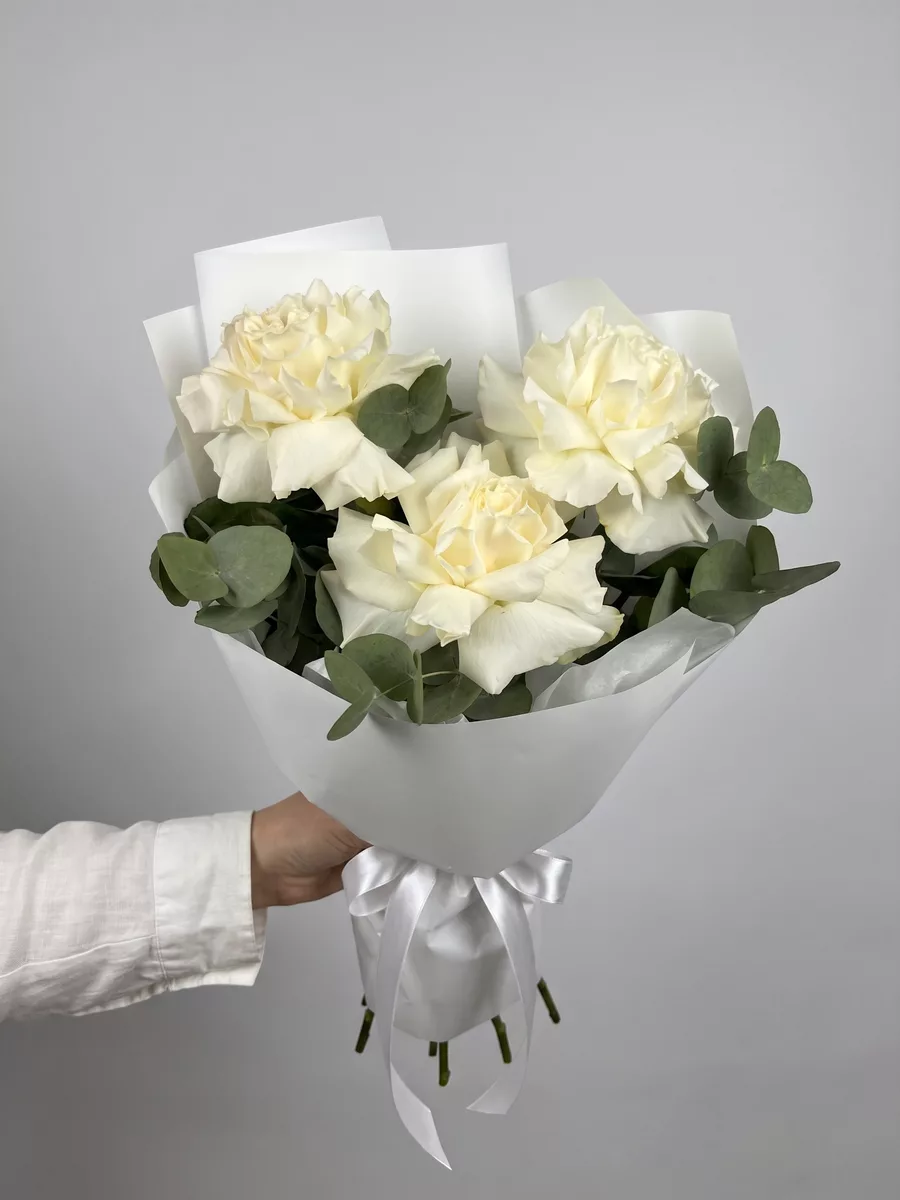
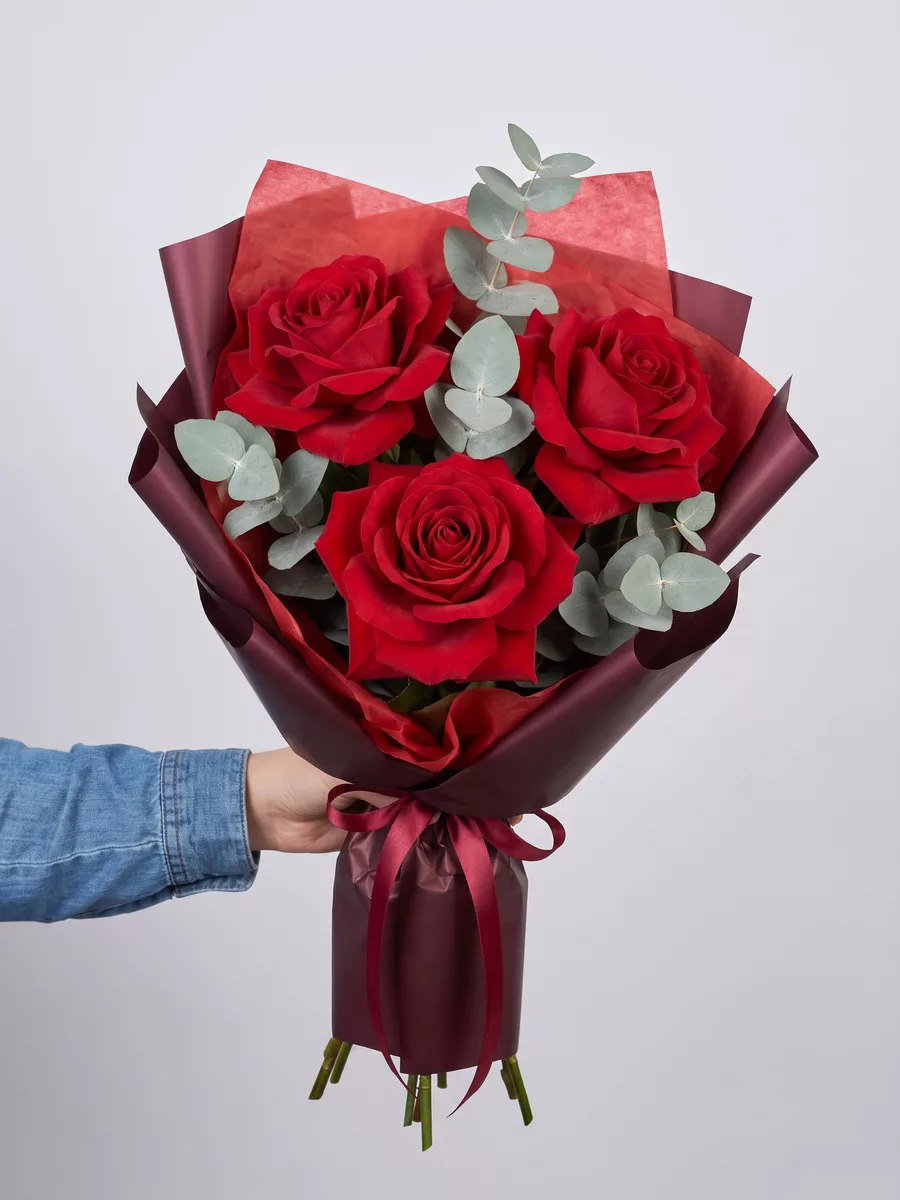
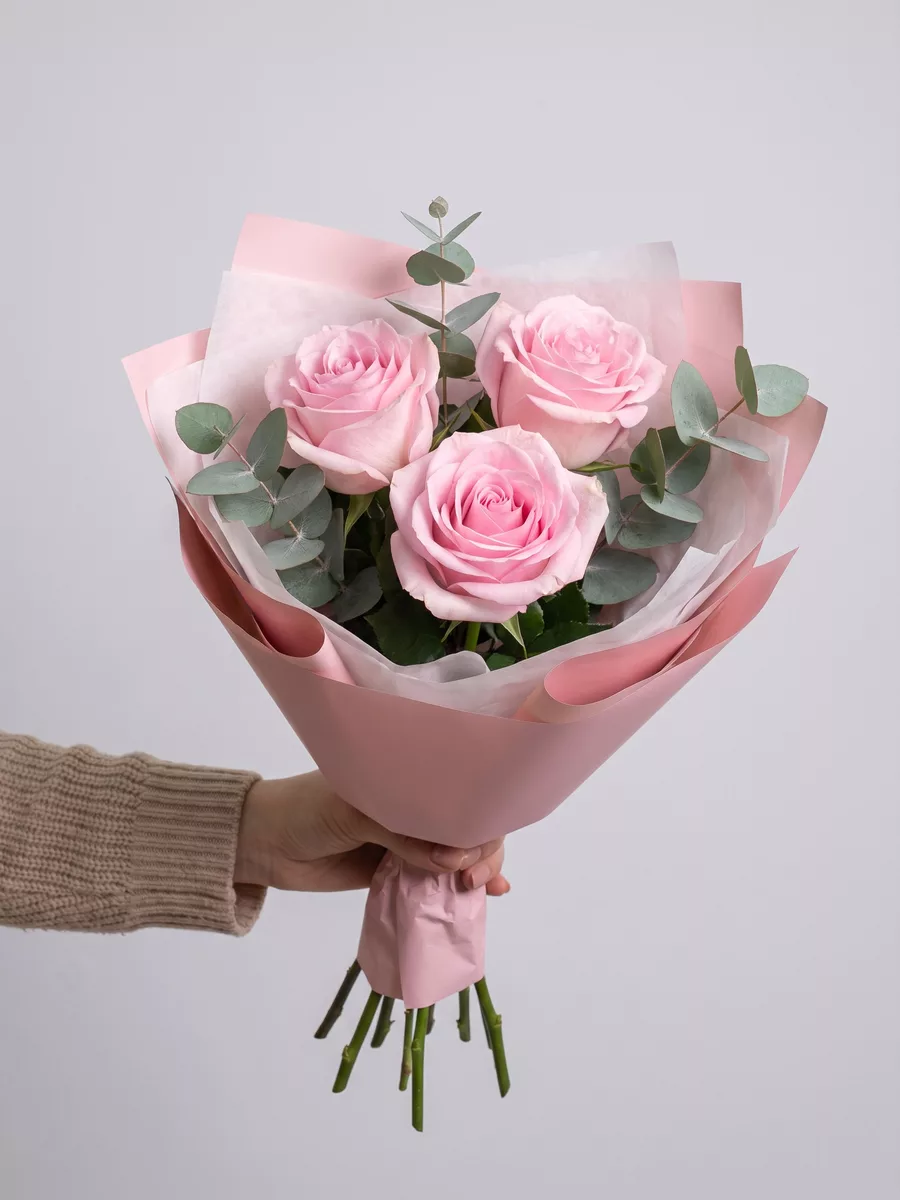
Bouquets we can deliver

Choosing the Right Flowers for Someone in Semenov
Start from the person, not the product. A grandmother in her sixties who keeps a kitchen garden will respond to something that feels natural and garden-grown — think spray roses mixed with chamomile-like matricaria, or a loose arrangement of alstroemeria with eucalyptus. A younger woman celebrating a birthday might prefer the drama of garden roses in a single rich colour, or a compact bouquet of tulips in spring when they are at their peak and their price reflects genuine quality.
For a colleague or a thank-you occasion, chrysanthemums are genuinely appreciated across Russia and are not seen as old-fashioned — they last exceptionally well after a long delivery, which makes them a practical and thoughtful choice for a recipient who may not have a florist nearby to replace wilted stems quickly. Carnations, similarly, have excellent vase life and travel beautifully in cold temperatures.
If you are sending to mark something significant — a new home, a promotion, the arrival of a baby — a mixed seasonal bouquet with a focal flower like a peony or a garden rose, supported by softer textures such as waxflower or limonium, creates the sense of abundance that Russians associate with celebration. Avoid sending a single flower type with no greenery; in Russian aesthetic tradition, a bouquet feels complete when it has layers and contrast, not when it looks like a single bunch pulled from a market stall.
Timing Your Order: When to Place It and What to Tell the Recipient
Turboflora delivers across Russia, and for a destination like Semenov the practical window you should work with is same-day or next-day, depending on when you place your order. Morning orders placed before noon give the most flexibility and the widest choice of available stems, because the flowers have not yet been allocated to other orders assembled during the day.
One thing many people underestimate is the value of giving the recipient a heads-up — not about the flowers themselves, but simply that someone will ring their bell. In smaller Russian towns, an unexpected knock from an unfamiliar courier can cause hesitation, especially among older recipients. A quick message saying a delivery is coming, without revealing what it is, removes that friction entirely and means the flowers are received immediately rather than left at a neighbour's.
If the occasion is a surprise and you genuinely cannot say anything in advance, make sure the delivery address includes a specific flat number and floor, and add a phone number for the recipient. Russian address formats can be abbreviated in ways that confuse GPS, and a building with multiple entrances in a Soviet-era block will slow a courier down considerably. The more precise your address, the more reliably the timing holds. A note in the order comments about the building entrance number, called a podezd in Russian, is genuinely useful and experienced florists always appreciate it.
Seasonal Flowers That Travel Well to This Region
The Nizhny Novgorod region has a continental climate: winters are genuinely cold, often reaching minus 20 Celsius, and summers are warm and sometimes humid. Both extremes affect which flowers arrive in the best condition and which ones need extra care in packing.
In winter, roses, chrysanthemums, and carnations are the most reliable travellers. They are sturdy, they hold up against cold air when moving between vehicle and doorstep, and they have the vase life to justify a longer journey. Tulips in January and February are available as greenhouse-grown stems and they travel well if they are kept upright and cool — they will continue to open beautifully in a warm room over two or three days.
Spring brings the best tulip season, and from March through May the variety of colours and forms is at its widest. Ranunculus appear in late winter and are worth choosing for their layered petals and the way they photograph — important if the recipient is likely to share the moment. Summer is the season for lisianthus, alstroemeria, and sunflowers, all of which handle warmth better than roses and arrive looking vibrant. Autumn is excellent for dahlias and for mixed warm-toned arrangements using orange and burgundy spray roses alongside berried branches.
The one season to be careful with delicate flowers like garden peonies is the shoulder period between late May and early June, when temperatures fluctuate and a bouquet can experience cold mornings and warm afternoons on the same journey.
Presentation Options and What They Mean to the Recipient
In Russia, how a bouquet is presented carries its own meaning. A round, densely packed bouquet — sometimes called a Dutch-style arrangement — reads as generous and celebratory. A loose, asymmetric hand-tied bouquet feels more personal and contemporary, the kind of thing you might give a close friend rather than a formal acquaintance. Understanding this difference helps you choose the right format before you even think about which flowers to include.
Wrapping matters too. Kraft paper in natural tones signals a relaxed, artisan sensibility. A satin ribbon on a box arrangement says occasion and formality. For a recipient in Semenov who may not be used to receiving florist deliveries, a beautifully wrapped bouquet in quality paper with a real ribbon creates a moment — the unwrapping itself becomes part of the gift, and it is something they will mention when they call to say thank you.
A hatbox or a flower box is worth considering when the recipient lives alone and may not own a tall vase. The box holds water and acts as its own vessel, so the flowers can be placed on a table immediately without any preparation. This is a genuinely practical choice for elderly recipients or for anyone you know leads a busy life with little time to fuss over flower care.
Adding a small accompaniment — a scented candle, a box of chocolates — is common in Russian gifting culture and reads as thoughtful rather than excessive. It rounds out the gesture without overshadowing the flowers themselves.
Keeping the Flowers Fresh After Delivery
The moment the bouquet arrives is when the recipient's job begins, and a few simple actions in the first ten minutes will double the vase life of almost any arrangement. The most important is cutting the stems. Using a sharp knife or scissors, each stem should be trimmed at an angle of about 45 degrees, removing roughly two centimetres from the bottom. This creates a fresh surface for water uptake and prevents the flat-cut end from sitting flush against the base of the vase, which restricts flow.
Water temperature matters more than most people expect. Lukewarm water, not cold, is the right choice for most cut flowers, because it moves up the stem more easily. The exception is tulips, which prefer cool water and will grow and lean dramatically in a warm room — this is normal behaviour, not a sign of poor quality, and many people find it charming.
Keep the vase away from direct sunlight, radiators, and fruit bowls. Ripening fruit releases ethylene gas, which accelerates petal drop in roses and carnations noticeably. In a Semenov home in winter, the radiator is often running at full strength, so placing flowers on a cool windowsill during the day and moving them away from the glass at night — when temperatures outside drop sharply — is a sensible routine.
Change the water every two days and re-trim the stems each time. A clean vase matters: bacteria in stale water is the most common reason flowers fade faster than expected, and rinsing the vase with cold water before refilling takes less than a minute.
Common Mistakes People Make When Ordering Long-Distance
The most frequent mistake is choosing flowers based on appearance in a photo rather than on suitability for the journey and the season. Delicate open garden roses in full bloom look stunning on a website in July, but if the delivery day is cold and the route is long, a bud-stage rose that opens over the following two days is a far better choice for the recipient. A working florist always thinks about the flower at the moment it is received, not the moment it was photographed.
The second mistake is leaving the address incomplete. In smaller Russian towns, streets may share names with streets in neighbouring districts, and building numbers sometimes include letters or fractions that are easy to omit when typing quickly. Always double-check the full address, including the flat number and, if relevant, the entrance number. If you are unsure, call the recipient casually beforehand under a different pretext and confirm their address naturally in conversation.
A third mistake is ordering too close to the desired delivery time. Same-day delivery is genuinely possible, but ordering at 4 pm for a 5 pm delivery leaves no room for any adjustment. Building in at least two to three hours of lead time gives the florist the space to assemble the bouquet properly and the courier the flexibility to navigate any unexpected delays on the road.
Finally, people sometimes forget to specify whether the delivery is a surprise. This small detail changes how the courier communicates at the door and whether the card is handed over openly or tucked inside the wrapping. It is worth mentioning in the order notes.
Ordering flowers for someone in Semenov is a more considered act than sending to a city with a florist on every corner. The distance makes the gesture feel larger, and the arrival of a fresh, beautifully wrapped bouquet in a quieter town carries a warmth that the recipient remembers. Choose flowers that travel well for the season, give a precise address, allow enough lead time, and think about the person's home and how they will care for the stems once the courier leaves. Do those things, and what arrives at the door will be exactly what you imagined when you placed the order.
Frequently asked questions
Can I order flowers for delivery to Semenov on the same day?
Same-day delivery to Semenov is available when the order is placed with sufficient lead time, ideally before midday. Orders placed in the afternoon can often still be fulfilled the same day, but building in a window of at least two to three hours between ordering and the desired arrival time ensures the bouquet is assembled properly and the courier has flexibility on the road.
Which flowers hold up best on a long delivery to Semenov in winter?
Roses, chrysanthemums, and carnations are the most reliable choices in cold weather. They withstand low temperatures between vehicle and doorstep without petal damage and have strong vase life once inside a warm home. Tulips also travel well in winter if kept upright and cool during transport. Avoid fully open, soft-petalled flowers like lisianthus for very cold delivery days.
What should the recipient do with the flowers immediately after delivery?
The first step is to trim each stem at a 45-degree angle, removing about two centimetres, then place the bouquet in a vase of lukewarm water. Remove any leaves that would sit below the waterline. Keep the arrangement away from radiators, sunny windowsills, and fruit. Changing the water every two days and re-trimming the stems each time will noticeably extend how long the flowers last.
How do I make sure the delivery address is correct for Semenov?
Include the full street name, building number, flat number, and entrance number if the building has multiple entrances. In Russian addressing, the entrance is called a podezd and is often omitted by people unfamiliar with Soviet-era apartment blocks. Adding the recipient's phone number to the order is strongly recommended, as it allows the courier to confirm the location if anything is unclear on arrival.
Is it appropriate to send flowers as a gift in Russian culture for non-celebratory occasions?
Flowers in Russia are given for a wide range of positive occasions: birthdays, housewarmings, professional achievements, visits to a host, and simply as a gesture of appreciation or affection. An odd number of flowers is traditional for celebratory gifts. Even a modest bouquet is received warmly and is never considered too small a gesture, particularly in a smaller town where florist deliveries are less routine.
Ready to send flowers?
Pick the city, choose the bouquet, and a local florist takes it from there.
Choose a city →