Sending Flowers to Semikarakorsk? Here Is What to Expect
Semikarakorsk sits on the Don River in the Rostov region, a city where a well-chosen bouquet can cross the distance between you and someone you care about in a matter of hours. Whether you are surprising a mother on her birthday, marking a colleague's promotion, or simply telling someone they are on your mind, the flowers that arrive at the door do all the talking. This guide walks you through everything that shapes a successful delivery here — timing, variety choices, seasonal realities, and the small details that turn a nice gesture into a memorable one.
Where in Semikarakorsk We Deliver and How the Area Shapes Your Order
Semikarakorsk is a compact city, but its layout — spread along the Don floodplain with residential districts, a central market zone, and quieter streets on the outskirts — does affect how we plan each run. The central areas around Sovetskaya Street and the riverside neighborhoods are straightforward. Addresses further from the center, including private houses on the city's edges, take a little longer to reach, so it is worth building in an extra window when you order for those locations.
If you are sending to a workplace — a school, a medical facility, a local business — it helps to include the full address with floor or office number and a note about the best time to arrive. Receptionists and colleagues sometimes redirect deliveries, and a precise address means the bouquet reaches the right person at the right moment rather than sitting at a front desk.
For private home deliveries, let the recipient know a courier is coming if you want them to be home. A surprise delivery is romantic in theory, but flowers left in a warm stairwell for two hours lose their freshness quickly. A brief heads-up — without spoiling who sent them — keeps the surprise intact and the roses looking their best when the door opens.
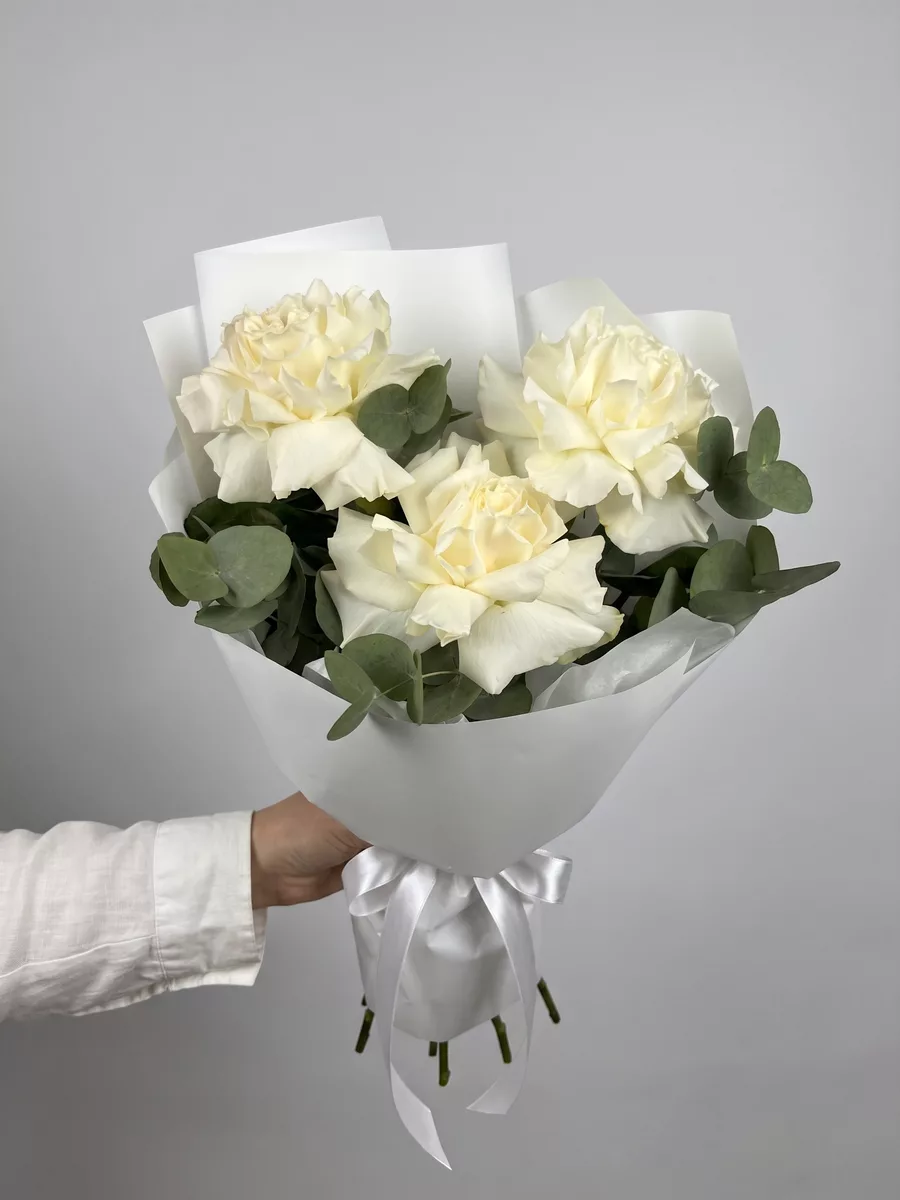
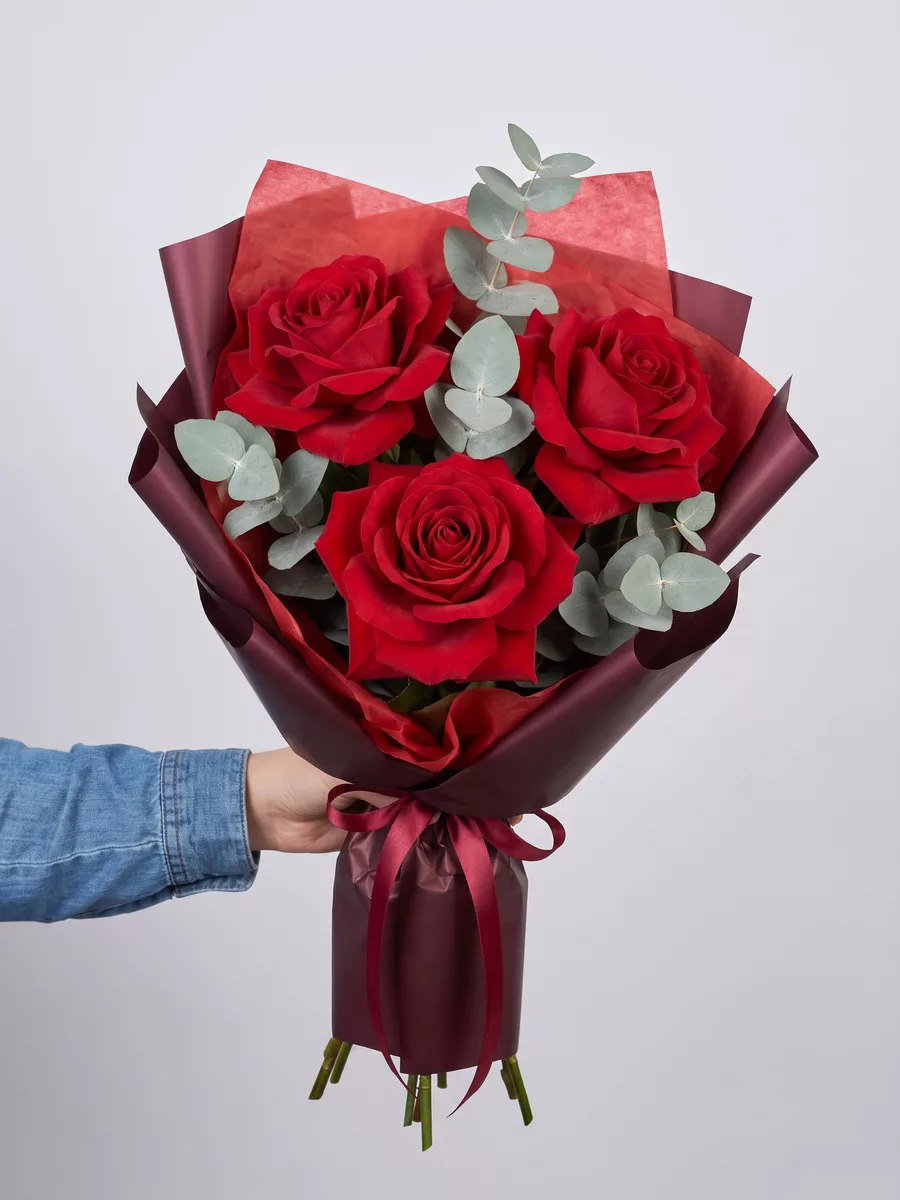
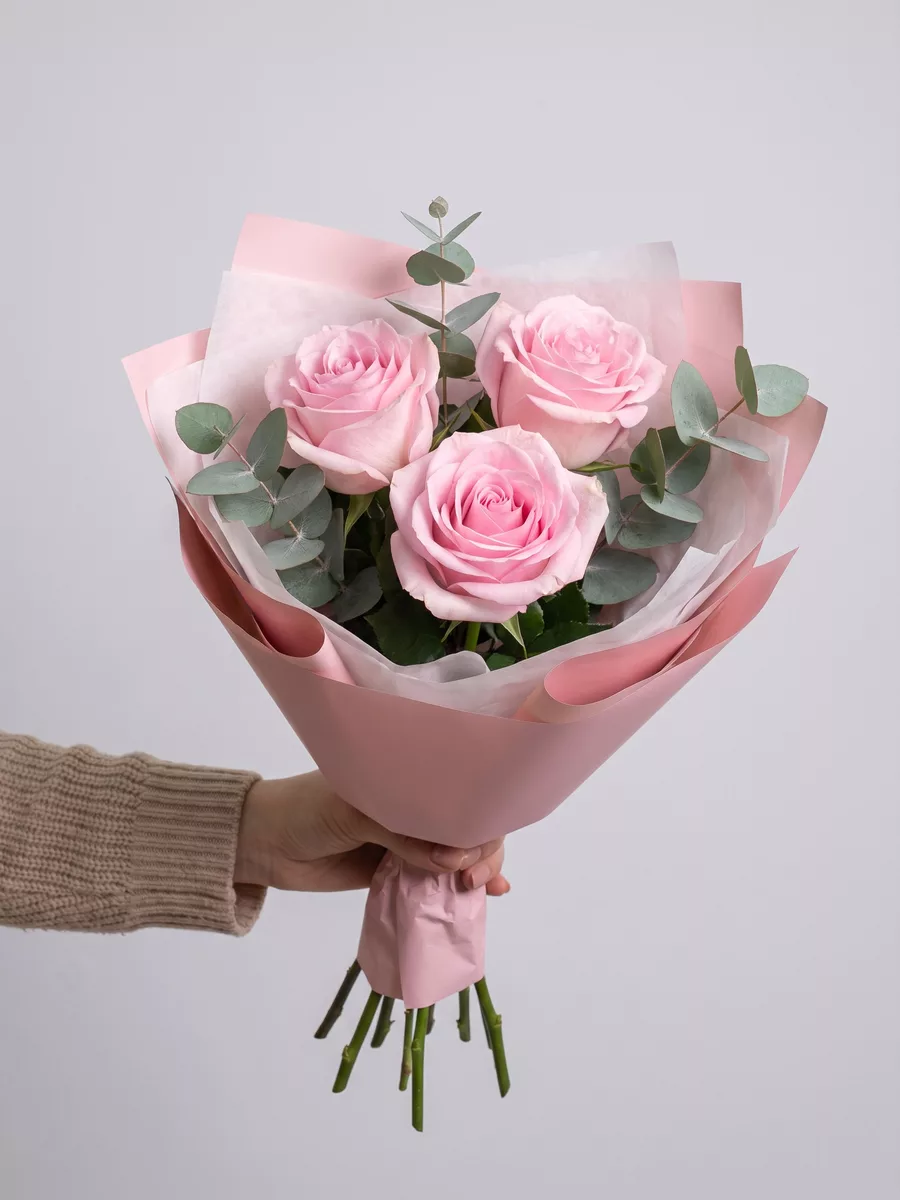
Bouquets we can deliver

Timing Your Delivery: Morning, Afternoon, and the Slots That Work Best
Turboflora operates on a one-to-two-hour delivery window, which means a bouquet ordered at ten in the morning can be at the door before noon. In Semikarakorsk, mornings tend to work well for home deliveries when people are still getting ready for their day. Afternoon slots are popular for office and workplace deliveries, catching recipients at their desks rather than in transit.
Evening deliveries — say, between six and eight — are ideal for birthday surprises after work. The city quiets down in the evening, which actually helps couriers move efficiently. The key is to place your order at least two hours before the moment you have in mind, giving the florists time to assemble the arrangement fresh rather than pulling something pre-made from a shelf.
The Rostov region experiences genuine summer heat, with temperatures regularly reaching 35 degrees Celsius in July and August. This matters for flower choice. Delicate garden roses and sweet peas suffer in high heat inside a vehicle, even briefly. For summer deliveries, varieties with stronger cell walls — spray roses, alstroemeria, lisianthus — travel better and arrive looking as fresh as when they were cut. When you order in summer, our florists will sometimes suggest a swap that keeps the overall look of your bouquet intact while protecting the flowers from the journey.
Choosing Flowers for the Person, Not Just the Occasion
The occasion tells you the mood; the person tells you the flower. A grandmother celebrating her seventieth birthday might love a generous arrangement of garden-style roses mixed with white lisianthus and soft green eucalyptus — classic, fragrant, and easy to place in any room. A younger colleague who just got promoted might respond better to something architectural: anthuriums, birds of paradise, or a tight cluster of burgundy calla lilies that feels modern and confident.
For romantic gestures, red roses remain the clearest signal in Russian culture, but a single variety bouquet of fifty stems in soft blush — a mix of Mondial and Avalanche roses, for example — reads as more considered and personal than a standard dozen. If the person you are sending to has mentioned a favorite color or flower in conversation, use that. It shows you were listening, and that detail lands harder than any grand gesture.
Children's celebrations — a school performance, a first competition — call for something bright and unpretentious. Sunflowers, gerbera daisies in yellow and orange, and a few stems of solidago make a bouquet that feels joyful without being fussy. These varieties also hold up well if a child is carrying the bouquet around for an hour before it finds a vase, which is almost always what happens.
Bouquets by Budget: What Each Level Gets You in Real Terms
A modest budget does not mean a modest impression — it means choosing varieties that deliver maximum visual impact per stem. Chrysanthemums, spray roses, and alstroemeria are the workhorses of affordable bouquets. A well-structured arrangement of white chrysanthemum blooms with a few stems of purple statice and some ruscus greenery looks intentional and full, not thin.
A mid-range budget opens the door to single-variety rose bouquets, mixed seasonal arrangements with peonies in spring, and combinations that use texture — fluffy ranunculus alongside smooth tulips, for instance. This is where presentation starts to feel genuinely special. The wrapping, the ribbon, the proportion of the bouquet to its packaging — these details are where a mid-range order separates itself from something that looks like it was grabbed in a hurry.
At a higher budget, you are working with premium Dutch roses, orchid stems, garden peonies when in season, and arrangements that have a clear compositional idea behind them — not just more flowers, but a specific color story or structural concept. A cascading arrangement of white and blush flowers for a wedding anniversary, or a bold tropical mix of heliconia, anthurium, and monstera leaves for someone who appreciates the unexpected — these are the orders where the florist's eye matters most. Describing the recipient briefly when you place a premium order helps us make choices you would not have thought to ask for but will immediately recognize as right.
Seasonal Realities: What Grows When and Why It Matters
The Rostov region has a continental climate with hot summers and cold winters, and while most flowers now arrive via temperature-controlled supply chains, seasonality still shapes what is freshest and most affordable at any given time. In spring — March through May — tulips, ranunculus, and hyacinths are at their peak. A bouquet of pink and white tulips in March costs less and lasts longer than the same tulips ordered in November, when they have traveled further and been stored longer.
Summer brings sunflowers, which are grown locally in the Rostov region and arrive with genuinely short stems and open faces. A bouquet of fresh sunflowers in July or August is one of the most honest seasonal choices you can make — they look exactly like what they are, and they make people smile without trying. Combine them with orange gerberas and a few stems of yellow solidago for something that feels like the season itself.
Autumn is the moment for dahlias, if you can find them, and for deeper tones — burgundy, terracotta, rust. These colors suit the light in September and October. Winter is the season of roses and orchids — varieties that travel well from the Netherlands and Colombia and arrive in good condition despite the cold. A winter bouquet of white Avalanche roses with silver brunia berries and some dried cotton stems feels seasonal and warm at the same time. Knowing the season helps you order something that will last five to seven days in the vase rather than three.
Keeping the Bouquet Fresh: What the Recipient Should Do First
The first thirty minutes after a bouquet arrives are the most important for vase life. The stems need water quickly, and the cut ends need to be trimmed before they go in. A diagonal cut of about two centimeters — using a sharp knife rather than scissors, which crush the stem tissue — opens the maximum surface area for water uptake. This single step adds one to two days to the life of almost any bouquet.
The vase should be clean and filled with cool water. Warm water encourages bacteria and accelerates wilting. Any leaves that would sit below the waterline should be removed before the bouquet goes in — submerged foliage rots quickly and clouds the water, which shortens the life of the stems above. Change the water every two days and re-trim the stems each time.
In Semikarakorsk's summer heat, placement matters enormously. A bouquet on a sunny windowsill in July will look tired by the next morning. A cool interior wall, away from direct sunlight and away from any fruit bowl — ethylene gas from ripening fruit accelerates petal drop — keeps flowers looking fresh for much longer. Roses and lisianthus are particularly sensitive to heat and ethylene. Tulips, by contrast, continue to grow after cutting and will lean toward the light, so rotating the vase keeps them upright and even.
Adding a Message and Getting the Details Right Before You Order
A handwritten card changes the weight of a bouquet completely. In Russian tradition, the giver's identity is often known — this is not a culture of anonymous sending — but the words on the card are what get remembered. Keep the message specific rather than generic. Not just 'Happy Birthday' but something that names a shared memory or uses a word the person would recognize as yours. Our florists can pass along exactly what you write, so take a moment with it.
When you place your order, double-check the address format. In Semikarakorsk, as in most Russian cities, the address should include the street name, house number, apartment or office number if applicable, and any entry code for the building door. A missing entry code means the courier waits outside and calls the recipient, which can spoil a surprise. If you know the code, include it in the order notes.
Consider the recipient's schedule. A delivery that arrives during a work meeting, a school pickup, or a lunch break can sit unattended. A small note in the order about the best arrival window — 'after three in the afternoon' or 'before noon' — helps us route the delivery to land at the right moment. These small pieces of information cost you thirty seconds to type and can be the difference between a bouquet that lands perfectly and one that almost did.
Sending flowers to Semikarakorsk is not complicated once you know what shapes the experience — the city's layout, the season, the heat in summer, and the small details like a clean vase and a sharp knife. The flowers themselves do the emotional work, but the choices you make before they leave our studio determine how well they arrive and how long they last. A little thought about the person, the timing, and the season turns a bouquet into something the recipient will actually remember.
Frequently asked questions
How long does delivery to Semikarakorsk actually take?
Turboflora delivers within one to two hours of your order being confirmed. If you are sending to an address on the city's outskirts or a private house further from the center, it is worth allowing the full two-hour window. Placing your order at least two hours before the moment you have in mind gives us time to assemble everything fresh.
What flowers travel best in Semikarakorsk's summer heat?
Spray roses, alstroemeria, lisianthus, and gerbera daisies handle summer temperatures better than delicate garden roses or sweet peas. If you order in July or August and have a specific variety in mind, let us know — we may suggest a small adjustment that keeps the look of your bouquet intact while protecting the flowers during the journey.
Can I send a bouquet as a surprise without the recipient knowing it is coming?
Yes, but a brief heads-up to the recipient — without revealing who sent the flowers — helps enormously. It ensures someone is home to receive the bouquet rather than leaving it in a warm stairwell. You can keep the sender a mystery while simply letting them know a delivery is on its way that afternoon.
What information do I need to provide for a smooth delivery?
A full address including street, house number, apartment or office number, and any building entry code is essential. Adding a preferred delivery window and a working phone number for the recipient means our courier can reach the right person without delays. Notes about workplace reception desks or gate codes are always helpful.
How do I make the bouquet last as long as possible after it arrives?
Trim the stems diagonally with a sharp knife, place them in a clean vase of cool water, and remove any leaves below the waterline. Keep the bouquet away from direct sunlight, heat sources, and fruit bowls. Change the water every two days and re-trim the stems each time. These steps can add two to three days to the bouquet's vase life.
Ready to send flowers?
Pick the city, choose the bouquet, and a local florist takes it from there.
Choose a city →