Sending Flowers to Semiluki: Timing, Choices and What Arrives at the Door
Semiluki sits just outside Voronezh, quiet and unhurried, and when someone there receives a bouquet at their door it genuinely surprises them — flowers by courier are not yet ordinary here the way they are in larger cities. That surprise is exactly what makes the gesture land so well. Whether you are sending to a mother on her birthday, a colleague on a professional holiday, or simply someone you want to remind that you are thinking of them, the details of how delivery works in this town matter. Get them right and the flowers arrive fresh, on time and exactly as you pictured them.
Where in Semiluki We Deliver and Why the Route Matters
Semiluki is a compact town of roughly 25,000 people on the right bank of the Don River, directly west of Voronezh. Most residential addresses — the central streets near the main square, the neighborhoods along Svobody and Lenina, the quieter blocks toward the river — are fully reachable by our courier. Industrial zones on the eastern edge of the district and some rural settlements further from the town centre may require a little extra coordination, so it is always worth specifying the full address including any building entrance number when you place an order.
The route from our dispatch point runs through Voronezh before reaching Semiluki, which means traffic on the Voronezh ring road can influence timing during peak hours. Morning deliveries before 10 a.m. and evening deliveries after 7 p.m. tend to move more predictably. If the occasion has a fixed time — a birthday dinner, a work anniversary celebration at a specific hour — booking a morning slot gives you the most reliable window.
One thing many customers do not think about: apartment buildings in Semiluki often have intercoms with no directory, and the courier needs the recipient's phone number to get inside. Providing it at checkout is not optional — it is what keeps the bouquet from waiting in the cold outside a locked entrance. The recipient does not need to know a delivery is coming; our couriers are discreet and will simply say they have a parcel if you want the arrival to be a surprise.
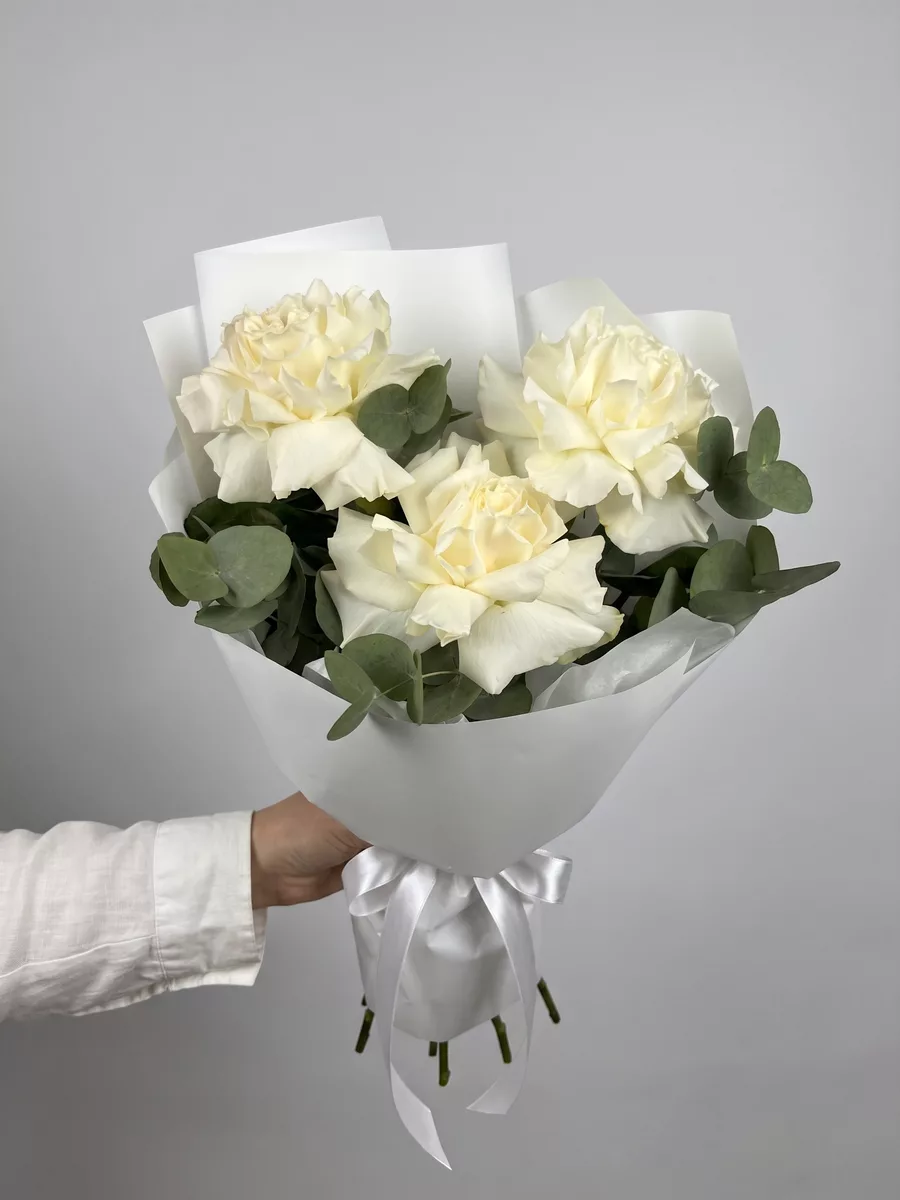
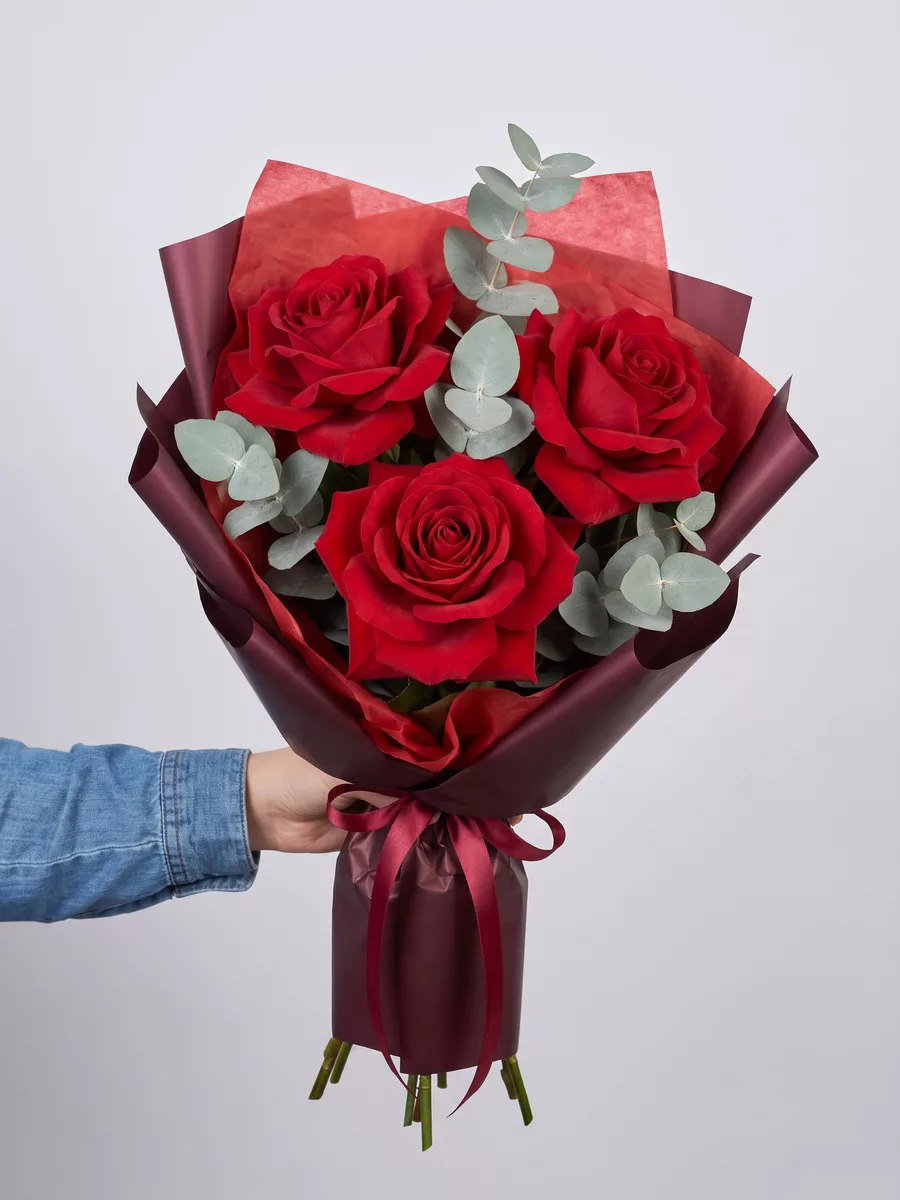
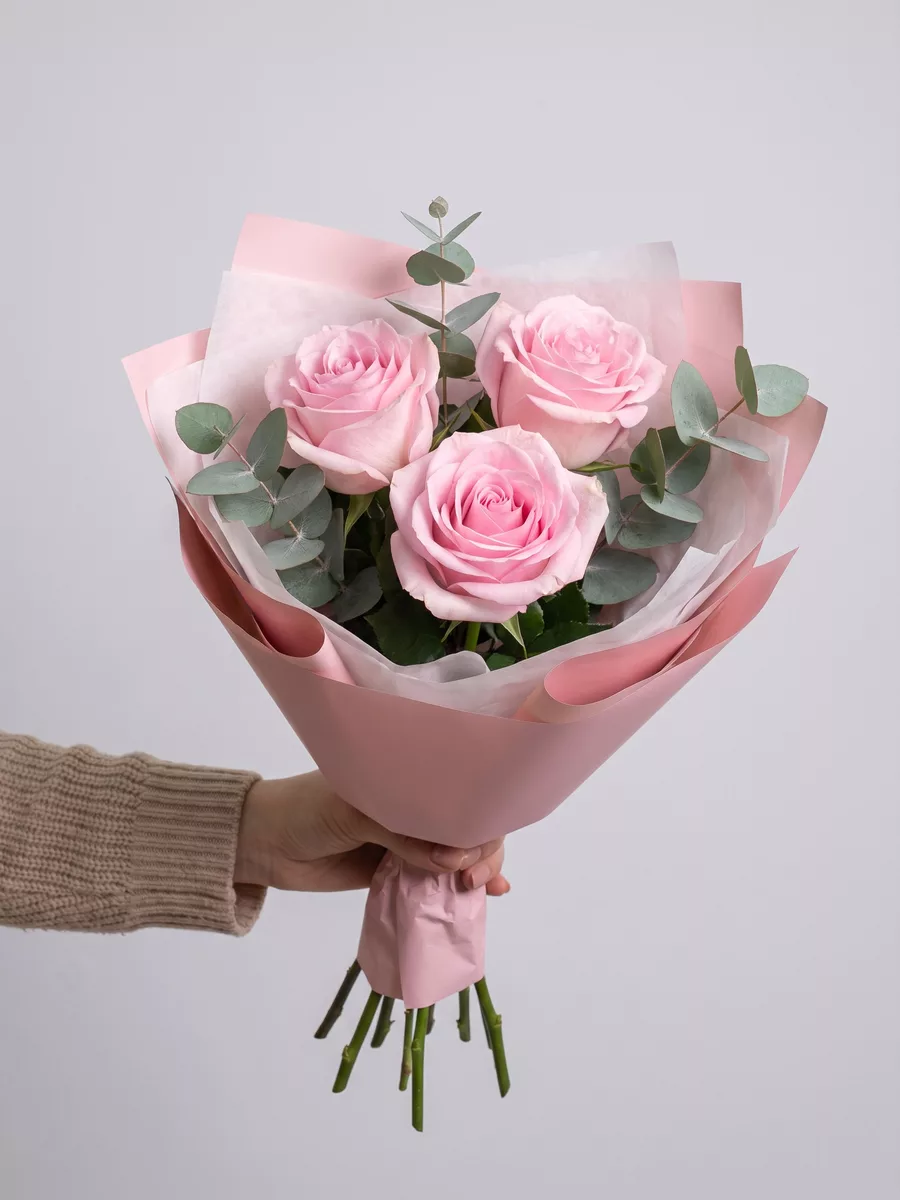
Bouquets we can deliver

Delivery Timing: What One to Two Hours Actually Means Here
Our standard window of one to two hours refers to the time between order confirmation and the moment the courier leaves our preparation facility with your bouquet. For Semiluki specifically, add the transit time from Voronezh, which is typically 25 to 40 minutes depending on traffic and the exact address within the town. In practical terms, a fresh bouquet placed at 11 a.m. on a weekday is realistically at the recipient's door between 1 p.m. and 2 p.m.
This matters most when the occasion has a hard deadline — the end of a working day, a dinner reservation, the moment before guests arrive for a celebration. Russian birthday culture places real importance on flowers arriving before the party begins, not during or after. If you are not sure of the exact schedule, aim to deliver two hours earlier than you think necessary. It is far better for the bouquet to wait in a vase than for it to arrive while everyone is already at the table.
Same-day delivery to Semiluki is available for orders placed before 3 p.m. local time. After that cutoff, next-morning delivery is the dependable choice and often the better one for flowers that need to look their absolute best — roses and peonies in particular benefit from being cut fresh the morning of delivery rather than late in the afternoon. We prepare each bouquet to order, so the timing of your order directly affects how freshly the stems are cut and conditioned before they travel.
Choosing Flowers for the Person, Not Just the Occasion
Before thinking about which flowers to order, think about who is receiving them and what they will feel when they open the door. A woman in her sixties who keeps a tidy home with a windowsill full of plants will appreciate something she can tend — a potted orchid or a mixed bouquet with longevity, like chrysanthemums combined with spray roses and eucalyptus. A younger recipient celebrating a milestone might want something bold and immediate: a monobouquet of garden roses in a deep burgundy or a loose arrangement of ranunculus in peach and cream.
For professional occasions — a teacher's day, a colleague's promotion, an office anniversary — restraint reads as respect. White and cream tones with clean greenery such as ruscus or pittosporum feel appropriate without being stiff. Avoid very fragrant flowers like lilies for office deliveries; in a small room the scent can become overwhelming before the end of the working day.
Seasonal availability genuinely shapes what will look best in the bouquet. In summer, lisianthus, matthiola and garden roses are at their most expressive. In winter, tulips flown in from Dutch growers and anemones with their dark centres make striking alternatives to the year-round standbys. Asking for what is freshest that day is never a mistake — our florists will tell you honestly what arrived that morning and what is at its peak. A flower chosen for freshness will always outlast one chosen purely by name.
Budgeting for a Bouquet: Small, Generous and Everything Between
A thoughtful bouquet does not require a large budget — it requires good editing. A small arrangement of five or seven stems with considered greenery and a clean wrap can feel more intentional than a large bunch of mixed flowers thrown together without a colour story. The key is consistency: one or two flower types in two close tones, supported by a single variety of foliage, will always look more polished than six different flowers in six different colours.
For a modest budget, consider a monobouquet of alstroemeria — it is underrated, lasts up to two weeks in a vase, and comes in a wide range of colours from soft lilac to warm coral. Pair it with a few stems of waxflower for texture and the result is genuinely lovely. Spray carnations are another honest choice that florists themselves use because the flower holds so well in transit.
At a mid-range budget, roses remain the most universally understood gesture in Russian gifting culture. A dozen garden roses in a single colour, wrapped in kraft paper with a ribbon, is a classic that does not need explanation. If you want something less expected at the same price point, a mixed bouquet built around peonies in season, or around dahlias in late summer and early autumn, will feel more personal and less formulaic.
For a generous gift, consider adding a complementary element — a small plant, a box of chocolates, or a handwritten card that we can include with the order. The flowers carry the emotion; the extra touch shows the planning behind it.
How Semiluki's Climate Affects Your Bouquet in Transit
Semiluki shares Voronezh's continental climate, which means genuine seasonal extremes — cold winters that regularly drop below minus fifteen Celsius and warm summers where July temperatures climb above thirty. Both ends of that range create real challenges for cut flowers in transit, and understanding them helps you make better choices.
In winter, the biggest risk is thermal shock. A bouquet of tulips or ranunculus moved from a warm vehicle into minus fifteen air and then back inside can develop bruised petals within minutes. We wrap cold-weather deliveries with insulating kraft and tissue specifically to slow that temperature change. As a recipient, the best thing to do is bring the bouquet inside immediately and let it rest in a cool room — not directly above a radiator — for twenty minutes before unwrapping. This acclimatisation step prevents the petals from wilting from sudden warmth.
In summer, the challenge reverses. Heat accelerates the opening of roses and peonies, and a bouquet sitting in a warm car for forty minutes will arrive further along in bloom than one delivered in October. This is not a flaw — an open rose is beautiful — but it does mean the vase life will be slightly shorter. For summer deliveries, we cut stems slightly longer and condition them in cold water before packing, which slows the process. Ask for varieties with thicker petals, like garden roses or gerbera, if you know the bouquet will be displayed in a warm room. Delicate flowers like sweet peas and anemones are better suited to cooler months when they can show their full lifespan.
Keeping the Bouquet Fresh After It Arrives
The moment a bouquet arrives is not the end of the florist's work — it is the beginning of the recipient's. A few simple steps in the first hour after delivery make the difference between flowers that last four days and flowers that last ten.
The most important step is a clean diagonal cut on each stem, made with a sharp knife rather than scissors. Scissors compress the stem tissue and reduce water uptake. Cut underwater if possible, or at least immediately before placing the stem in the vase, so no air enters the stem. Remove any leaves that would sit below the waterline — they rot quickly and cloud the water with bacteria that shorten the life of every stem in the vase.
Change the water every two days and rinse the vase when you do. Tap water in most Russian towns, including the Voronezh area, is hard enough that a small pinch of citric acid or a single aspirin tablet dissolved in the water can measurably extend vase life by keeping bacteria levels low. Keep the bouquet away from direct sunlight, ripening fruit — which releases ethylene gas and ages flowers quickly — and heating vents.
Different flowers in a mixed bouquet age at different rates. Chrysanthemums and alstroemeria will often outlast roses and tulips by several days. When the shorter-lived flowers are spent, remove them and let the survivors continue. A single stem of lisianthus in a narrow vase can be beautiful long after the rest of the arrangement has been composted. Think of a bouquet as something that evolves rather than something that is finished.
What Russian Flower-Giving Customs Mean for Your Order
If you are sending flowers to someone in Semiluki and you did not grow up with Russian gifting customs, a few conventions are worth knowing — not because breaking them is catastrophic, but because following them makes the gesture land more warmly.
The most widely observed rule is about even and odd numbers of stems. In Russian tradition, even numbers of flowers are associated with mourning and are brought to cemeteries or funerals. For any celebratory or affectionate occasion, odd numbers — five, seven, nine, eleven — are the norm. This applies most strictly to single-variety bouquets. In a large mixed arrangement of many stems the count matters less, but if you are ordering a simple rose bouquet, seven or nine is the right instinct.
Colour carries meaning too, though less rigidly than the number rule. Red roses communicate romantic love clearly and universally. Yellow flowers have a complicated reputation in some parts of Russia — some people associate them with separation or bad luck, while younger generations largely ignore this. If you are unsure of the recipient's feelings on the matter, a warm orange or a soft coral is a safe and beautiful alternative that carries none of the ambiguity.
Presentation matters enormously. A bouquet handed over in a plastic sleeve reads as an afterthought; the same flowers in kraft paper with a satin ribbon feel considered. We wrap every order with care, but if you want a specific style — very minimal and modern, or lush and wrapped in several layers — mention it in the order notes. The wrapping is part of the gift.
Sending flowers to Semiluki is genuinely straightforward once you know what to expect from the route, the climate and the local customs. The town is small enough that a bouquet arriving at someone's door still feels like an event — and that is precisely why the gesture is worth doing well. Choose flowers for the person rather than the occasion, plan your timing with a little buffer, and give the recipient the simple care instructions that will keep the bouquet alive long after the surprise of opening the door has passed. A well-chosen, well-delivered bouquet does not just mark a moment — it extends it.
Frequently asked questions
Can I order flowers for delivery to Semiluki on the same day?
Yes, same-day delivery to Semiluki is available for orders confirmed before 3 p.m. local time. The bouquet is prepared fresh after your order is placed and travels from our facility through Voronezh to the address you provide. For time-sensitive occasions, ordering in the morning gives you the most reliable arrival window and the freshest possible stems.
What happens to the flowers if nobody is home when the courier arrives?
Our courier will call the recipient's phone number you provided at checkout. If there is no answer, we will contact you as the sender to agree on next steps — a second delivery attempt, leaving the bouquet with a neighbour, or holding until the recipient is available. This is why a working phone number for the recipient is essential, even if the delivery is meant to be a surprise.
Is it true I should not send yellow flowers in Russia?
Some people in Russia, particularly older generations, associate yellow flowers with separation or misfortune, though this belief is not universal and younger recipients often pay no attention to it. If you are unsure, warm orange tones — orange roses, marigolds, or peach-coloured ranunculus — carry none of that ambiguity and are equally cheerful and generous as a gift.
Why do bouquets in Russia always seem to have an odd number of flowers?
Even numbers of stems are traditionally reserved for mourning occasions in Russian culture and are associated with grief rather than celebration. For birthdays, anniversaries, professional holidays and romantic gestures, odd numbers — five, seven, nine, eleven — are the standard. This matters most in simple single-variety bouquets; in large mixed arrangements the exact count is less significant.
Which flowers travel best to Semiluki in summer heat?
Varieties with firm, thick petals handle summer transit most reliably. Garden roses, gerbera, chrysanthemums and alstroemeria all hold well in warm conditions. Delicate flowers like sweet peas, anemones and lily of the valley are better suited to cooler months. We condition all summer bouquets in cold water before packing, but choosing a heat-tolerant variety gives you the best vase life after arrival.
Ready to send flowers?
Pick the city, choose the bouquet, and a local florist takes it from there.
Choose a city →