Sending Flowers to Serdobsk? Here Is Everything You Need to Know
Serdobsk sits quietly in the Penza region, a city where a bouquet arriving at the door still feels like a genuine event. Whether you are sending roses to a partner across the country or surprising a parent on their birthday, getting flowers there takes a little planning — and the right florist behind it. This guide walks you through timing, seasonal choices, presentation ideas and how to make sure the arrangement arrives looking exactly as it left our studio.
Why Serdobsk Is Worth Sending Flowers To
Serdobsk may not be the first city that comes to mind when people think about flower delivery in Russia, but for the people who live there, receiving a fresh bouquet from a distant sender carries real weight. The city has a close-knit feel, and a flower delivery is rarely anonymous — neighbours notice, family members ask questions, and the gesture lands with more visibility than it might in a large metropolis.
This also means the bouquet needs to look its best on arrival. A wilted stem or a crushed ribbon tells a story you do not want told. That is why we pay particular attention to how arrangements are packed for longer-distance routes: each stem is hydrated before packing, foliage is trimmed to reduce moisture loss, and the outer wrapping protects against temperature shifts during transit.
For the sender, understanding the city's geography matters too. Serdobsk is not a sprawling urban centre, which makes address accuracy especially important. A street name written in full, including the building number and apartment, prevents the kind of delay that turns a same-day delivery into a next-morning one. When you order, double-check the recipient's address against their own messages — people often abbreviate addresses in casual conversation in ways that confuse routing.
Sending flowers here is also a way of saying you thought beyond the obvious. Most people in Serdobsk receive gifts through parcel services. A fresh, fragrant bouquet hand-delivered to the door is a different category of gesture entirely, and recipients feel that difference immediately.
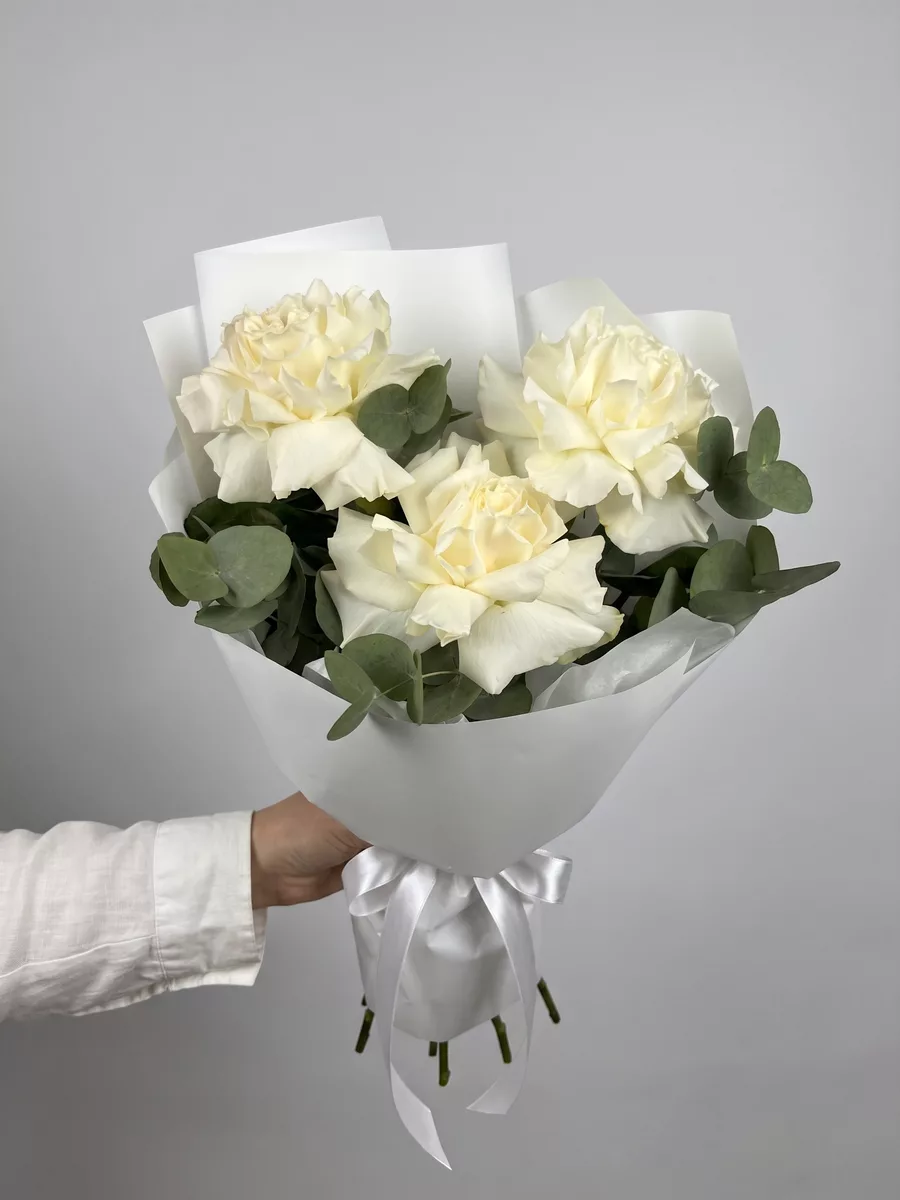
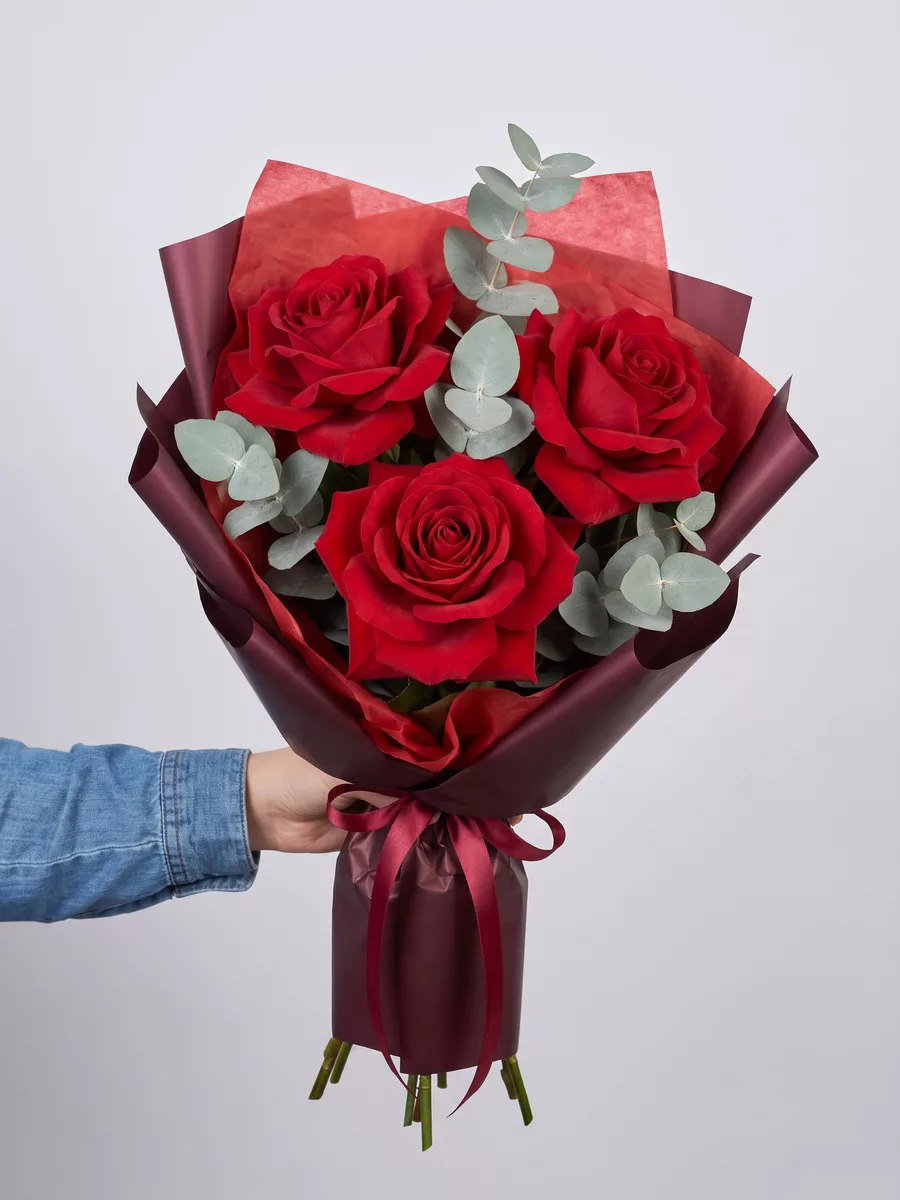
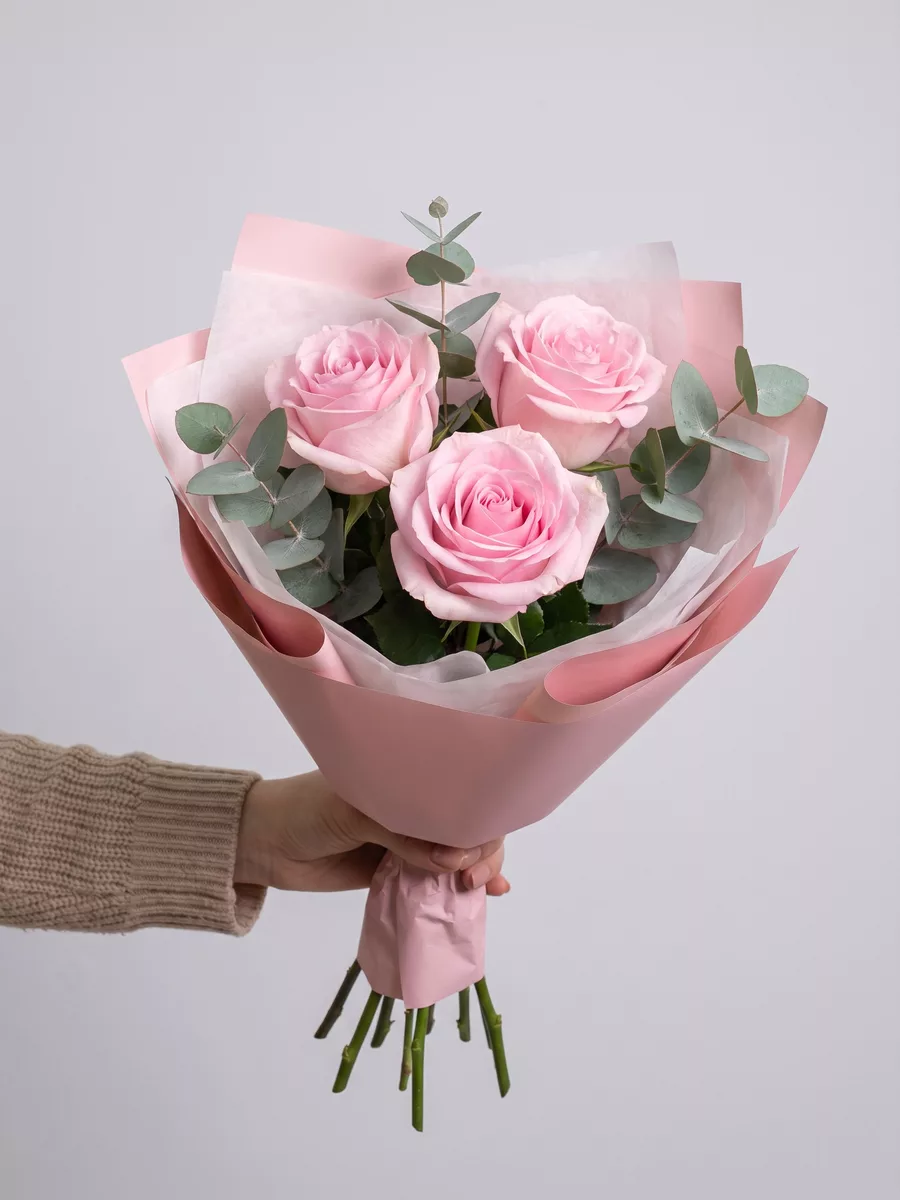
Bouquets we can deliver

Delivery Timing: What the Journey Actually Looks Like
Turboflora operates from Saint Petersburg with a network that reaches cities across Russia, and Serdobsk is within our delivery coverage. For this route, delivery typically falls within one to two days from the moment of order confirmation, depending on when you place it and what time of day the recipient is available to receive the bouquet.
Orders placed in the morning on a weekday move fastest. If you order before noon, the arrangement is assembled the same day and dispatched promptly. Orders placed in the evening are prepared first thing the following morning, which means the recipient sees the flowers at their freshest. Rushing a late-night order into an overnight slot sounds efficient but can mean the bouquet sits in transit during the coldest hours, which affects delicate varieties like garden roses and ranunculus.
We always recommend choosing a delivery window when the recipient is actually home. In Serdobsk, as in many smaller Russian cities, leaving a bouquet with a neighbour or building attendant is sometimes possible, but it is not ideal for perishable arrangements. A bunch of alstroemeria or spray carnations can wait an hour in a cool hallway; a delicate arrangement of sweet peas or anemones cannot.
If the occasion has a fixed time — a birthday dinner, an anniversary morning — place the order at least 24 hours ahead. This gives us room to source the right stems, assemble without rushing and dispatch on a schedule that puts the flowers at the door before the moment you have in mind. Last-minute orders are accepted, but the variety selection narrows when time is short.
Choosing the Right Flowers for the Person and the Moment
The best bouquet for Serdobsk is not necessarily the most elaborate one — it is the one that fits the recipient's personality and the occasion's emotional register. Start from the person, not the flower. A grandmother celebrating her seventieth birthday responds differently to a lush arrangement of garden roses, lisianthus and eucalyptus than to a sleek, modern composition of anthuriums and tropical foliage. Both are beautiful; only one is right for her.
For romantic occasions, red and blush roses remain the most understood gesture across Russian culture. If you want something that reads as more personal, combine peach roses with white freesia and a few stems of wax flower — the fragrance is stronger and the palette more unusual. Freesia in particular travels well and opens gradually after delivery, so the recipient gets to watch the bouquet evolve over several days.
For celebrations — promotions, graduations, new arrivals — colour does the work. Sunflowers mixed with orange gerbera and yellow solidago create energy without requiring explanation. Chrysanthemums in white or cream are classic for teachers and colleagues in Russia, especially around professional holidays. If you are unsure of the occasion's tone, a mixed seasonal bouquet in soft tones is almost always received warmly.
Spring deliveries to Serdobsk open up tulips, hyacinths and narcissus — all of which are grown in large volumes in Russia and arrive at peak freshness in March and April. Summer brings peonies and lisianthus. Autumn is the season for dahlias, which hold their shape well in transit and make a strong visual impression when unwrapped.
Budget Ranges and What Each One Gets You
Flower budgets in Russia tend to fall into three broad tiers, and each one produces a genuinely different result. Understanding what each tier delivers helps you set expectations and avoid disappointment on either end.
At the entry level, you are working with a single-variety bouquet: five to seven stems of roses or gerbera, wrapped simply with kraft paper and a ribbon. This is not a lesser gift — a tight, well-proportioned bunch of red roses tied with grosgrain ribbon has a clarity and confidence that an overstuffed arrangement sometimes lacks. The key is that every stem must be perfect, because there is nowhere to hide an imperfect one.
In the mid range, combinations become possible. This is where you can bring together roses and lisianthus, or tulips and muscari in spring, and add greenery like ruscus or pittosporum to give the arrangement depth. The wrapping can include tissue paper layering, a more substantial ribbon, and a handwritten card. This tier suits most occasions — birthdays, thank-you gestures, celebrations — and gives the florist enough material to create something with real visual interest.
At the upper end, you are commissioning a composition rather than buying a bouquet. Garden roses, peonies when in season, orchid stems, and structured greenery like eucalyptus or olive branches come together into something that could sit on a dining table and anchor a room. Presentation at this level includes premium wrapping, a box option, and sometimes a small accompaniment like a candle or macarons. For milestone occasions — significant anniversaries, major birthdays — this tier communicates the weight of the moment.
Temperature, Seasons and What They Mean for Your Order
Russia's climate is not gentle to flowers, and Serdobsk sits in a continental zone where winters are genuinely cold and summers can be warm enough to shorten vase life noticeably. Knowing the season when you order helps us advise you on the right varieties and packaging.
In winter, temperatures in the Penza region regularly drop below minus fifteen degrees Celsius. Flowers in transit are protected with insulating wrap and thermal packaging, but certain varieties are more vulnerable than others. Tropical flowers — anthuriums, strelitzia, birds of paradise — suffer in extreme cold and can show blackening on the petals after exposure. For winter deliveries, we steer toward cold-tolerant varieties: roses, chrysanthemums, alstroemeria and carnations all handle the chill far better and arrive looking sharp.
Spring and autumn are the most reliable seasons for delivery across Russia. Temperatures are moderate, the flower market is well stocked with seasonal varieties, and transit conditions are predictable. This is the window when tulips, ranunculus and anemones are at their best and most affordable.
Summer brings a different challenge: heat. A bouquet sitting in a warm vehicle for an extended period loses moisture quickly. We schedule summer deliveries for morning or early evening when possible, and we recommend that recipients place flowers immediately in cool water upon arrival. Sunflowers and gerbera are robust in heat; sweet peas and garden roses are not — if you are sending in July or August, ask us to guide you toward varieties that hold up best for the route.
These are not reasons to avoid ordering — they are reasons to order with a florist who plans around them, which is exactly what we do.
Presentation Details That Make the Difference
The moment a bouquet is handed over is the moment all the planning either pays off or falls short. Presentation is not decoration for its own sake — it is the frame that tells the recipient how seriously the sender took the gesture.
Wrapping choices matter more than most people realise. Kraft paper gives a natural, artisan feeling that works beautifully with wildflower-style arrangements, meadow mixes and sunflowers. Matte or glossy florist paper in a single colour — dusty pink, deep green, charcoal — suits more formal compositions and makes colours pop against the contrast. A layered wrap, where kraft sits inside a coloured outer layer, adds dimension without looking overdone.
Ribbon selection follows the same logic. A wide grosgrain ribbon in ivory or burgundy reads as classic and intentional. Thin satin ribbon tied in a simple bow is lighter and more romantic. Avoid combining too many ribbon types — one well-chosen ribbon does more than three competing ones.
The card is where many senders underinvest. A blank card with a name written in haste communicates less than you intend. Take a moment to write something specific: a memory, a wish, a reason for the flowers. In Russian culture, the accompanying message is often read aloud to family members present at the moment of delivery, which means your words have an audience beyond the recipient.
For box arrangements, which are increasingly popular for milestone occasions, we nestle stems in floral foam with moss or preserved leaves as ground cover. The box opens like a gift, which creates a moment of its own. This format also travels more securely than a hand-tied bouquet and is a strong choice for longer delivery routes like the one to Serdobsk.
Keeping Flowers Fresh After Delivery: Practical Care in Serdobsk
A bouquet that arrives in perfect condition can still fade within two days if it is not cared for correctly after delivery. Giving your recipient a few simple instructions — or including a care card with the order — extends the life of the arrangement significantly.
The first step is the most important: cut the stems at an angle under running water as soon as the bouquet arrives. An angled cut increases the surface area through which the stem draws water. Use a clean, sharp knife rather than scissors, which can crush the stem's vascular tissue. Remove any foliage that would sit below the waterline in the vase — submerged leaves rot quickly and cloud the water, which accelerates bacterial growth.
Vase choice affects longevity more than people expect. A tall, narrow vase supports stems and reduces the surface area of water exposed to air. A wide, shallow bowl looks beautiful but requires more frequent water changes. Whatever the vessel, clean it thoroughly before use — residual soap or mineral deposits from previous use can shorten the life of fresh flowers.
Change the water every two days and re-cut the stems each time. Keep the arrangement away from direct sunlight, heating radiators and fruit bowls. Ripening fruit releases ethylene gas, which accelerates the ageing of petals — this is especially damaging to roses and tulips.
With proper care, roses and chrysanthemums last seven to ten days. Alstroemeria and carnations can reach two weeks. Tulips and anemones are shorter-lived at five to seven days but are so striking in their prime that the shorter vase life is a fair trade. Lisianthus, often overlooked, is one of the longest-lasting cut flowers available and is an excellent choice when you want the bouquet to make an impression over time.
Sending flowers to Serdobsk is a gesture that lands with real meaning, precisely because it requires intention. You are reaching across distance to mark a moment for someone who matters, and the details — the variety, the wrapping, the timing, the care instructions — are what turn a purchase into a memory. Turboflora handles the logistics and the craft; your part is simply knowing the person and the occasion. When those two things are clear, the right bouquet follows naturally, and what arrives at the door in Serdobsk will say exactly what you meant it to say.
Frequently asked questions
How far in advance should I order flowers for delivery to Serdobsk?
Placing your order at least 24 hours before the intended delivery time gives us the best conditions to source the right stems and dispatch on schedule. For significant occasions with a fixed time — a morning birthday or an anniversary dinner — 48 hours ahead is even better. Last-minute orders are accepted, but variety availability narrows when the window is short.
Which flowers travel best on longer delivery routes in winter?
Roses, chrysanthemums, alstroemeria and carnations are the most cold-tolerant cut flowers and hold up well during winter transit to cities like Serdobsk. Tropical varieties such as anthuriums and strelitzia are more sensitive to temperature drops and can show petal damage in severe cold. We always advise on the safest options for the season when you order.
Can I include a personalised message with the bouquet?
Yes, and we strongly encourage it. A handwritten card is included with every order. In Russian culture, the card message is often shared with family members present at the moment of delivery, so a specific, personal note carries more weight than a generic greeting. Write something that only you could have written — it makes the gesture complete.
What happens if the recipient is not home when the flowers arrive?
We contact the recipient before delivery to confirm they are available. If they are briefly out, we can coordinate a short wait or reschedule the handover for a time that works. Leaving a perishable arrangement unattended is not something we recommend, particularly in summer heat or winter cold, so we always try to confirm before the final leg of delivery.
Are box arrangements a better option than hand-tied bouquets for Serdobsk deliveries?
Box arrangements travel more securely because the stems are held in place rather than wrapped loosely, which reduces movement and bruising during transit. They also create a stronger unboxing moment for the recipient. For longer routes, or for milestone occasions where presentation really matters, a box composition is an excellent choice and one our florists are happy to put together for you.
Ready to send flowers?
Pick the city, choose the bouquet, and a local florist takes it from there.
Choose a city →