Flower Delivery in Sergach: Timing, Choices and What to Expect
Sergach sits in the Nizhny Novgorod region, a quiet town where a bouquet arriving at someone's door still feels like a genuine event. Whether you are sending roses to a mother on her birthday or congratulating a colleague on a promotion, the flowers have to arrive looking as though they were just cut — not tired, not wilted, not dropped in a hallway. Turboflora delivers across Russia including Sergach, and this article walks you through exactly what that journey looks like, what to order for the season, and how to make the bouquet last once it is in the recipient's hands.
Ordering for Someone in Sergach When You Are Far Away
Most people who send flowers to Sergach are not in Sergach themselves. They are in Moscow, Saint Petersburg or another city, trying to do something thoughtful for someone they cannot visit in person. That distance can feel like a barrier, but it does not have to be. The key is giving yourself enough information to make a confident choice rather than guessing.
Start with the recipient, not the flower. Think about what they actually like — bold and dramatic, or soft and understated? A sunflower and orange gerbera mix reads as cheerful and energetic. A white and blush peony arrangement feels intimate and a little romantic. Knowing the difference helps you choose a bouquet that suits the person, not just the occasion.
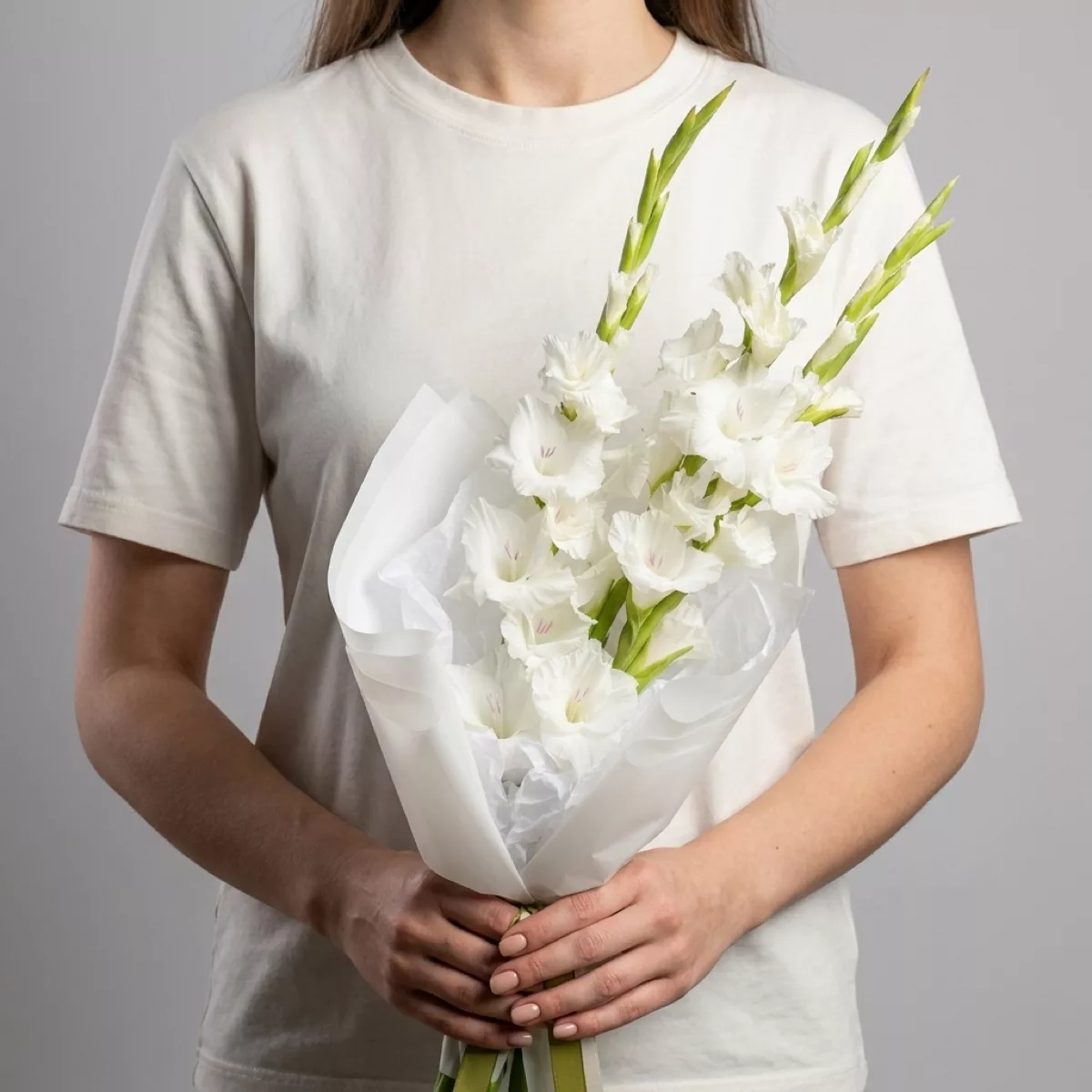
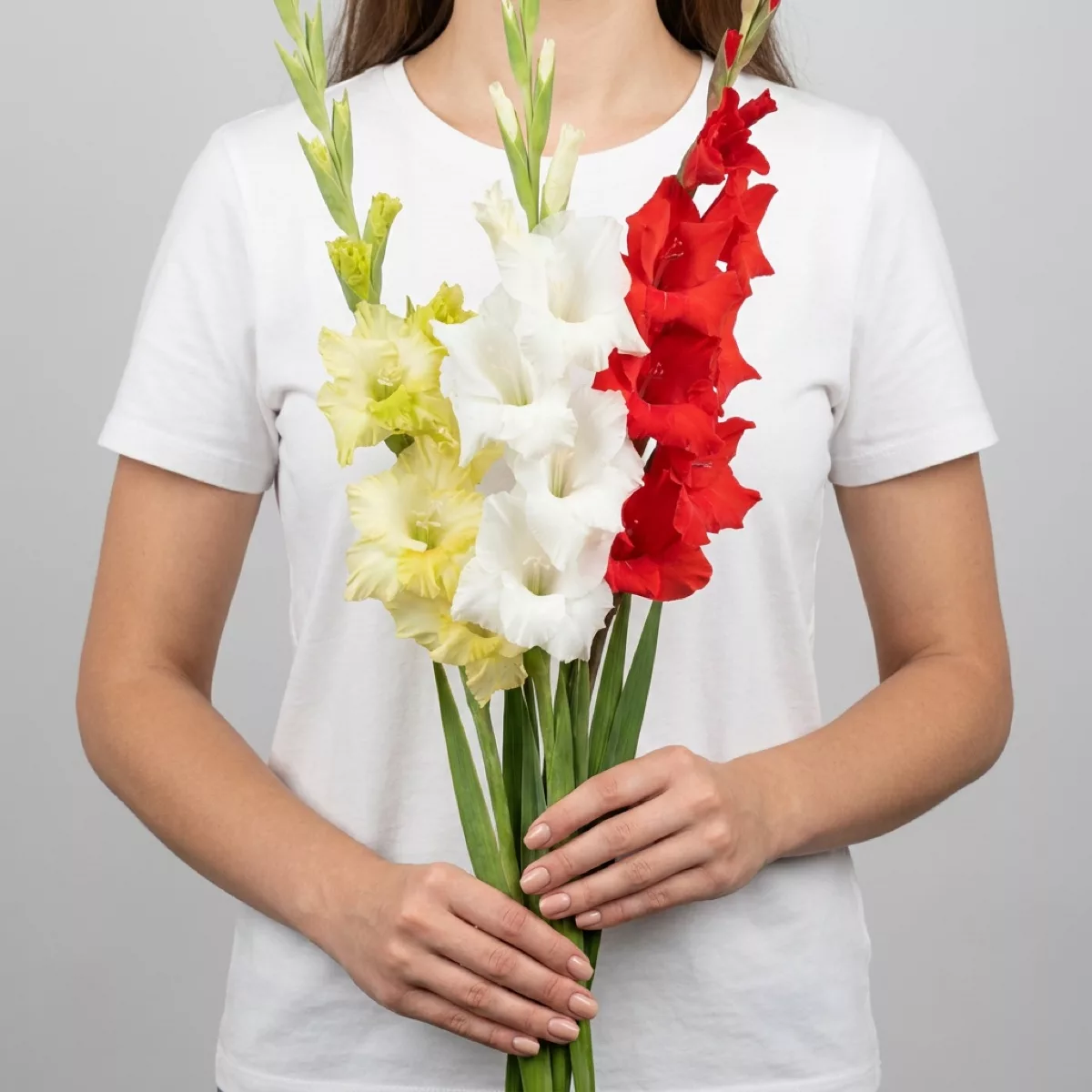
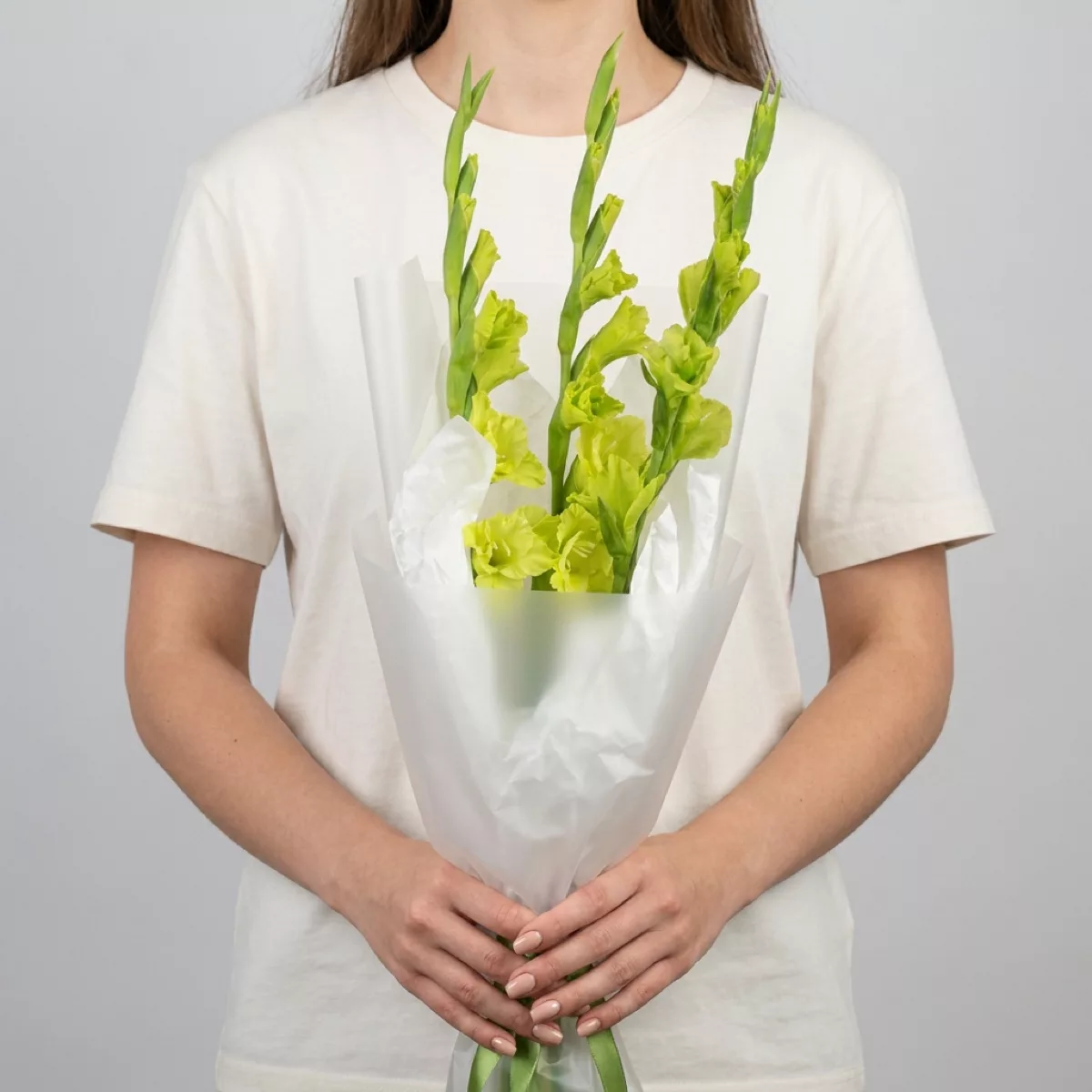
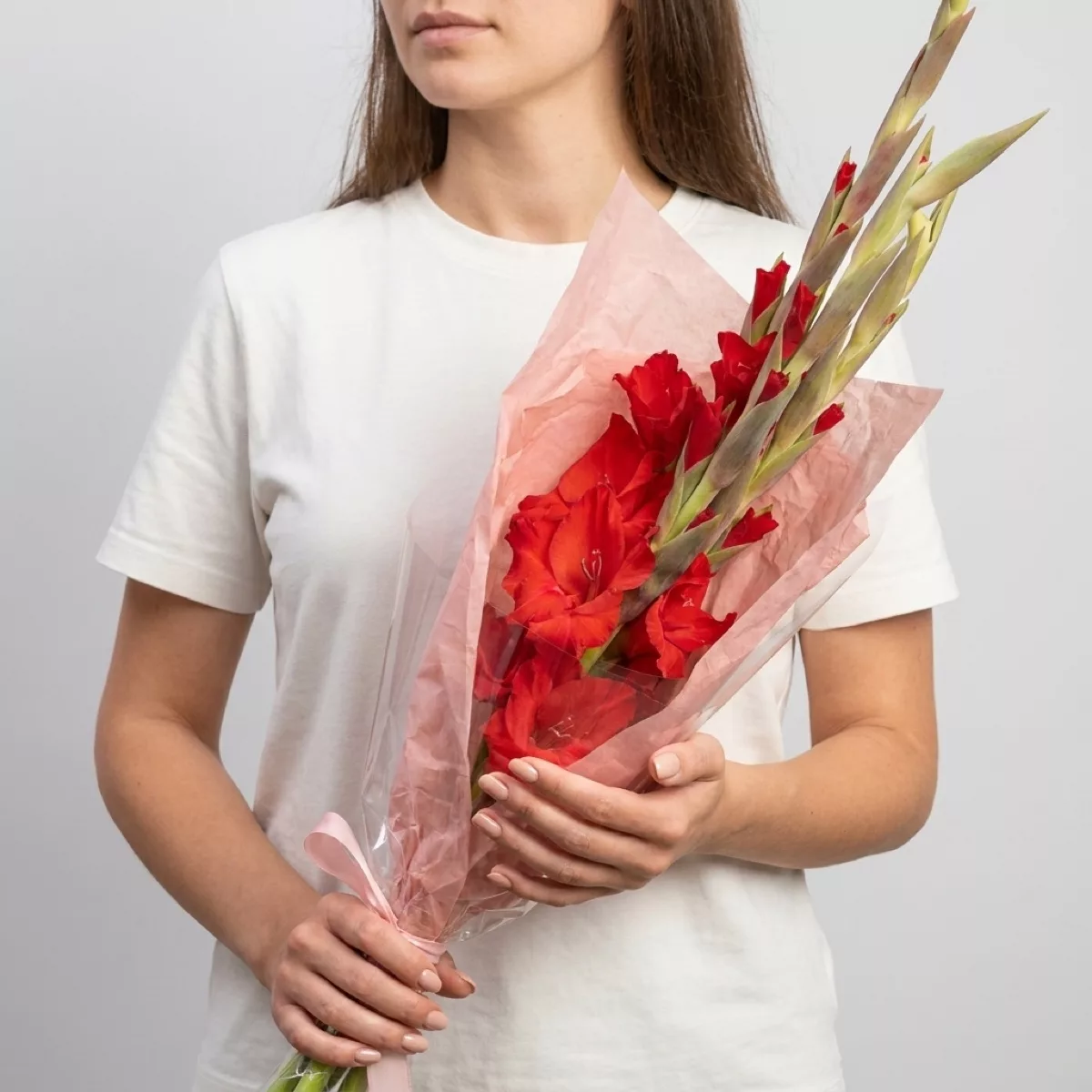
Next, think about where the flowers will live. A small apartment with one table near the window calls for something compact and long-lasting, like spray roses or alstroemeria. A large office or a wide hallway can carry a taller statement piece with gladioli or lisianthus. When you order, you can leave a note in the comment field describing the setting — our florists read those notes and adjust accordingly.
Finally, confirm the recipient's address carefully. Sergach has both central streets and quieter residential areas on the outskirts. A precise address, including the apartment number and entry code if there is one, prevents delays and means the courier does not have to call the recipient in advance, which ruins any surprise.
Bouquets we can deliver
Delivery Timing in Sergach: What the Window Actually Means
Turboflora operates on a one-to-two-hour delivery window, and in a town the size of Sergach that timing is realistic for most addresses. The clock starts from the moment your order is confirmed and the bouquet is assembled, not from the moment you click the button. Assembly itself typically takes fifteen to twenty minutes for a standard bouquet and up to thirty-five minutes for a more complex arrangement with wrapped stems, decorative elements or a gift box included.
The time of day matters. Orders placed in the morning on weekdays move quickly because roads in Sergach are clear and the courier can move efficiently between addresses. Orders placed on major holidays — International Women's Day on the eighth of March, Valentine's Day, or New Year's Eve — take longer because demand spikes sharply. If you are ordering for a specific time on one of those dates, placing your order the day before is a practical habit rather than an overreaction.
Weather is a real factor in winter. Sergach winters are cold, with temperatures regularly dropping to minus fifteen or lower between December and February. Our couriers use insulated packaging for cold-sensitive flowers like orchids, anthuriums and open roses during those months. Tulips and chrysanthemums handle cold better and are often a safer choice if you are worried about a bouquet sitting outside even briefly.
If you need delivery at a precise hour — say, exactly at noon for a birthday lunch — choose a scheduled delivery slot rather than the standard window. That option exists in the order form and gives you more control over the moment.
Which Flowers Travel Well to Sergach by Season
Choosing the right flower for the season is not about trends — it is about what will arrive in the best condition and last the longest once it gets there. In spring, from March through May, tulips are at their peak. They are sturdy, vibrant and widely available in white, yellow, red, pink and deep purple. Peonies begin appearing in late May and are worth ordering if you want something that feels luxurious without being overly formal.
Summer, from June through August, is the season for sunflowers, eustoma and garden roses. Eustoma, also called lisianthus, is particularly good for delivery because its multiple buds open gradually over several days, meaning the bouquet looks fresh for longer than a single-bloom arrangement. Sunflowers are cheerful and almost universally liked, making them a safe choice when you are not completely sure of the recipient's taste.
Autumn brings chrysanthemums, which are perhaps the most underestimated flower in Russia. They come in an enormous range of colors and last exceptionally well — up to two weeks with basic care. Dahlias appear in early autumn and have a rich, velvety texture that photographs beautifully, which matters if the recipient is likely to share the moment on social media.
In winter, roses are the reliable backbone of most bouquets. Spray roses — the smaller-headed variety with several blooms per stem — hold their shape well even in cold transport. Alstroemeria is another winter workhorse: inexpensive, long-lasting and available in warm oranges and pinks that feel like a small defiance of the grey season outside.
Reading the Occasion: Choosing for the Person, Not Just the Event
In Russia, flowers are given far more often than in many Western countries. Birthdays, anniversaries, graduations, professional achievements, the first day of school in September — all of these are flower occasions. If you are sending from outside Russia and you are not sure whether flowers are appropriate, the answer is almost always yes.
For a birthday, the number of flowers in a bouquet carries meaning in Russian tradition. Odd numbers are for the living, even numbers are for mourning. A bouquet of fifteen roses or eleven tulips is appropriate; a bouquet of ten or twelve is not. This is one of the most important details to know if you are unfamiliar with Russian customs, and it is worth double-checking before you confirm your order.
For a romantic occasion, red roses remain the clearest statement, but they are not the only option. A mix of red and white spray roses feels warmer and less formal. Deep burgundy ranunculus with pale eucalyptus is a contemporary alternative that reads as romantic without being predictable. If the relationship is new and you want to express affection without pressure, soft pink peonies or blush lisianthus are a gentler choice.
For professional congratulations — a promotion, a successful project, a new business — white and green combinations work well. White roses with green trick dianthus or white chrysanthemums with eucalyptus branches look polished and appropriate in an office setting. Avoid very fragrant flowers like hyacinths or lilies in a workplace context, as strong scent can be overwhelming in a shared space.
Presentation and Packaging: Why It Matters as Much as the Flower
The bouquet is the gift, but the packaging is the first thing the recipient sees. A beautiful arrangement wrapped carelessly in plain paper loses some of its impact before the flowers are even touched. At Turboflora, wrapping is treated as part of the design — the paper, ribbon and proportions are chosen to complement the flowers rather than just contain them.
For winter deliveries in Sergach, the outer wrapping also serves a practical function. A double layer of kraft paper or a box with tissue inside protects delicate petals from frost during the short walk from the courier's car to the front door. Even two minutes in minus ten degrees can bruise an open rose petal or cause a tulip to droop. Ask for cold-weather packaging if you are ordering between November and March.
A handwritten card is a small detail that makes a significant difference. In Russian culture, a personal message — even a short one — elevates the gesture. If you are writing in English for a recipient who reads Russian, you can leave the message in English and note that in the order comments; alternatively, write it in Russian if you are comfortable doing so. Either way, the card should be specific to the person: a shared memory, a private joke or a line that only they would understand.
If you want to add something alongside the flowers, a small box of chocolates or a potted plant works well. A potted succulent or a small orchid in a ceramic pot lasts indefinitely and serves as a lasting reminder of the occasion long after the cut flowers have faded.
Care Instructions to Pass On: Making the Bouquet Last
A florist's job does not end at the door. The way the recipient handles the bouquet in the first hour determines how long it will look its best. If you are sending flowers to someone who does not deal with them often, it helps to pass on a few simple instructions — either in the card or in a quick message after delivery.
The first step is always the same: cut the stems at an angle under running water before placing them in a vase. An angled cut increases the surface area that draws up water. Cutting under water prevents an air bubble from forming in the stem, which would block hydration. Even a small pair of kitchen scissors works if there are no floral shears available.
Vase water should be cool and clean. Warm water encourages bacteria to grow, which shortens vase life significantly. Change the water every two days, re-cutting the stems each time. Remove any leaves that sit below the waterline — they rot quickly and cloud the water. A small sachet of flower food is often included with the bouquet; it contains a mild acidifier and a sugar source that genuinely extend bloom time.
Keep the bouquet away from direct sunlight, radiators and fruit bowls. Ripening fruit releases ethylene gas, which accelerates petal drop in roses and tulips in particular. A cool spot — a windowsill away from direct sun, or a corner of a room that does not overheat — is ideal. Roses kept this way last five to seven days. Chrysanthemums and alstroemeria can last ten to fourteen days with consistent care.
What Happens If Something Goes Wrong with Your Delivery
Most deliveries go smoothly, but it is worth knowing what to do if yours does not. The most common issue is a missed delivery — the recipient is not home, the door code is wrong or the address is slightly off. In that case, the courier will call the recipient directly. If there is no answer, they will attempt delivery a second time within the same window or reschedule to the next available slot.
If the flowers arrive damaged — petals bruised, stems broken, arrangement visibly compromised — photograph them immediately and contact Turboflora's customer support with the order number and photos. A replacement or refund is processed based on that documentation. The sooner you report the issue, the faster it is resolved. Waiting a day makes it harder to establish what happened during transit.
Temperature damage is the most preventable issue. In summer, open roses and hydrangeas can wilt if left in a warm car for too long. In winter, tropical varieties like anthuriums and orchids can show blackening on petals if exposed to frost even briefly. Choosing season-appropriate flowers reduces this risk considerably, which is one reason florists make specific seasonal recommendations rather than treating every month the same.
If you placed a scheduled delivery and the timing was missed, that is treated as a service failure and escalated immediately. Scheduled slots exist precisely for time-sensitive occasions — a birthday dinner, a ceremony, a specific moment — and Turboflora takes those commitments seriously. Keep your order confirmation with the scheduled time noted, as that is the reference point for any follow-up.
Sending flowers to Sergach is a genuine act of care, and it works best when you treat it as a small creative decision rather than a logistical task. Think about the person, the season and the space where the bouquet will live. Give the order form accurate information, choose packaging that suits the weather, and pass on a few care tips so the flowers last. Turboflora handles the rest — from assembly in Saint Petersburg to the moment the courier hands the bouquet over on a Sergach doorstep.
Frequently asked questions
Can I send flowers to Sergach if I am ordering from another city?
Yes. Turboflora accepts orders from anywhere in Russia and from abroad. You place the order online, specify the Sergach delivery address and choose your preferred time slot. The bouquet is assembled and dispatched from our end — you do not need to be in Sergach or know anyone locally to arrange the delivery.
How many flowers should a bouquet have for a birthday in Russia?
Always choose an odd number — seven, nine, eleven, fifteen and so on. In Russian tradition, even numbers of flowers are associated with mourning and are not appropriate for celebratory occasions. This applies to roses, tulips, and most other cut flowers. If you are unsure about the count in your chosen arrangement, check the product description or ask in the order comments.
Which flowers are safest to send to Sergach in winter?
Spray roses, chrysanthemums, alstroemeria and carnations handle cold transport well. Tulips are also resilient in low temperatures. Avoid open tropical flowers like anthuriums or orchids unless you request cold-weather insulated packaging. Our florists automatically adjust packaging for winter conditions, but mentioning your concern in the order comments adds an extra layer of care.
What if the recipient is not home when the courier arrives?
The courier will call the recipient to arrange an alternative. If there is no answer, a second delivery attempt is made within the same day where possible. To avoid this situation entirely, you can note in the order that the delivery should be a surprise and ask the courier to call you first rather than the recipient — just leave that instruction clearly in the comments field.
How long will the flowers last after delivery in Sergach?
With basic care — clean water changed every two days, stems re-cut at an angle, kept away from heat and direct sun — most bouquets last five to ten days. Chrysanthemums and alstroemeria can reach twelve to fourteen days. Roses average five to seven days. Including the flower food sachet from the bouquet and keeping the arrangement away from ripening fruit both make a measurable difference.
Ready to send flowers?
Pick the city, choose the bouquet, and a local florist takes it from there.
Choose a city →