Sending Flowers to Shakhunya? Here Is What to Expect
Shakhunya sits in the Nizhny Novgorod region, a quiet city where a well-timed bouquet of fresh flowers still feels like a genuine event. Whether you are sending roses to a mother on her birthday or surprising a colleague with a spring arrangement, the distance between Saint Petersburg and Shakhunya does not have to mean compromise. Here is everything you need to know before you place your order.
Where We Deliver in Shakhunya and the Surrounding Area
Shakhunya is a compact city, and our delivery covers the central districts as well as residential neighbourhoods that spread toward the outskirts. If your recipient lives on one of the main streets near the railway station or in the newer housing blocks to the north, delivery is straightforward. We also reach addresses in the immediate surroundings, including villages and settlements within a reasonable radius of the city centre.
When you place your order, enter the full address including the building number, apartment number and any entry code for the front door. In Russian apartment buildings, intercoms are common, and a missing code can delay the handover by ten or fifteen minutes. Your recipient will appreciate not having to rush downstairs in winter to let the courier in.
If you are unsure whether a specific address falls within our zone, the safest step is to contact us directly before completing the order. We will confirm coverage immediately. Shakhunya is not a large city, so the majority of addresses present no difficulty. The important thing is accuracy: a correct address is the single most reliable way to ensure the flowers arrive in perfect condition and on time.
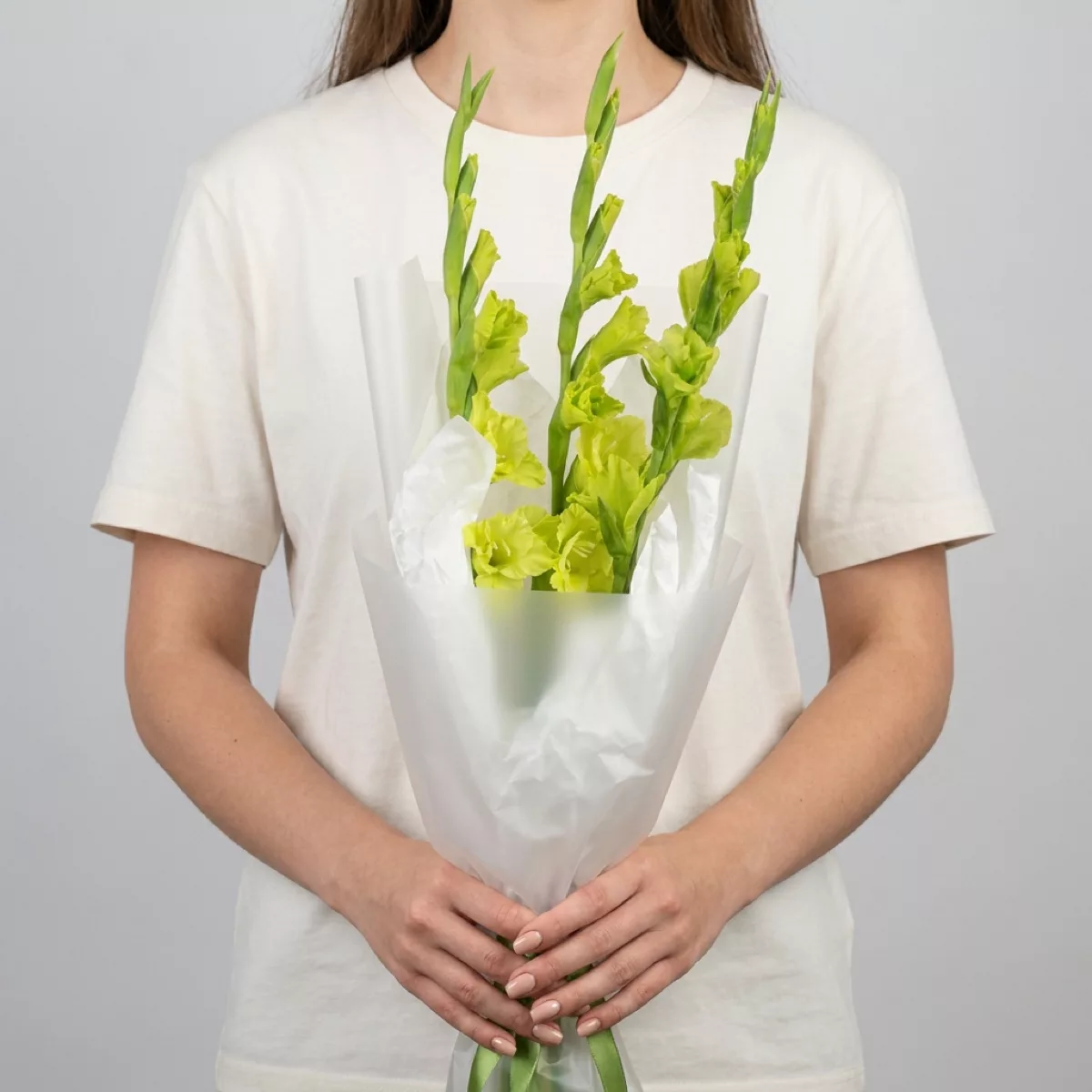
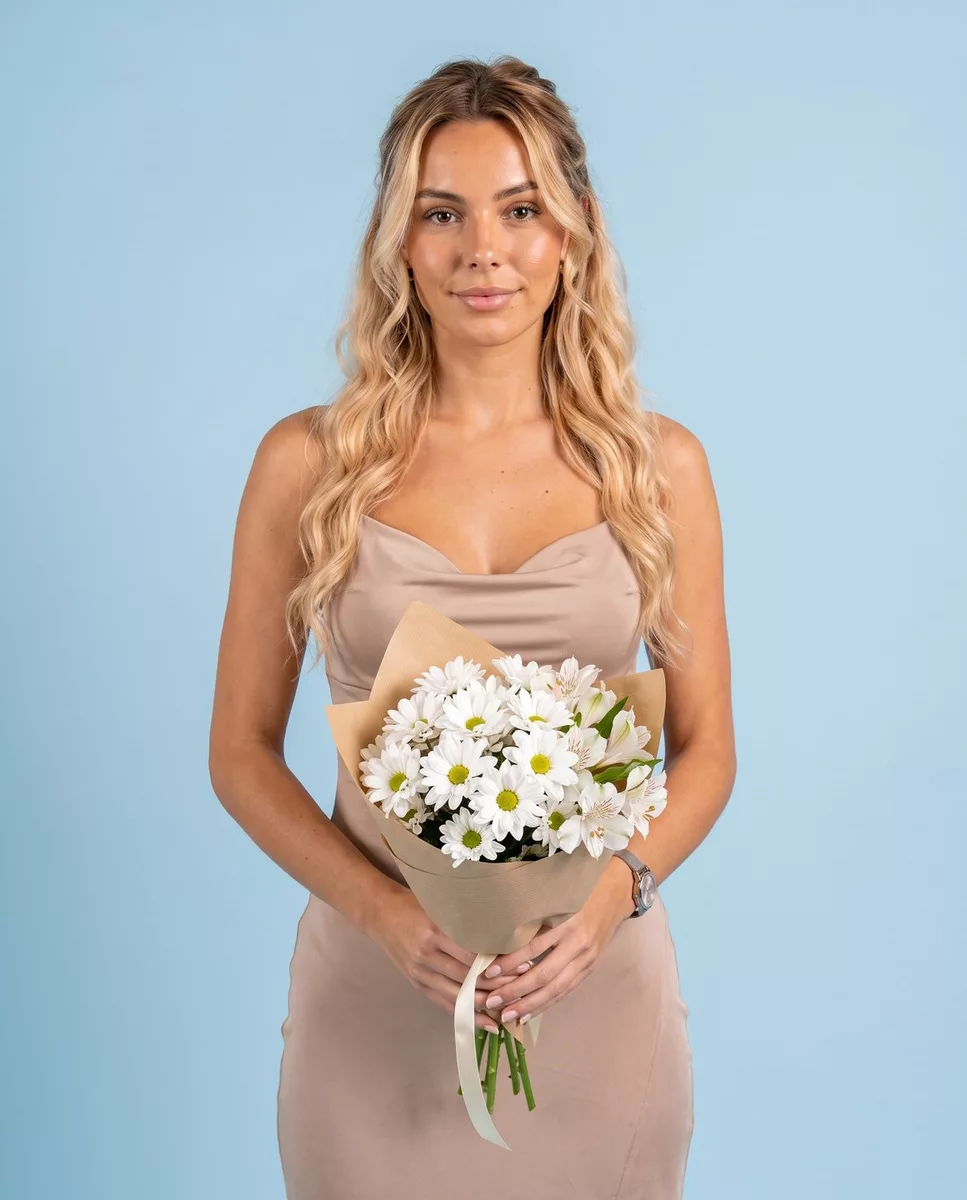
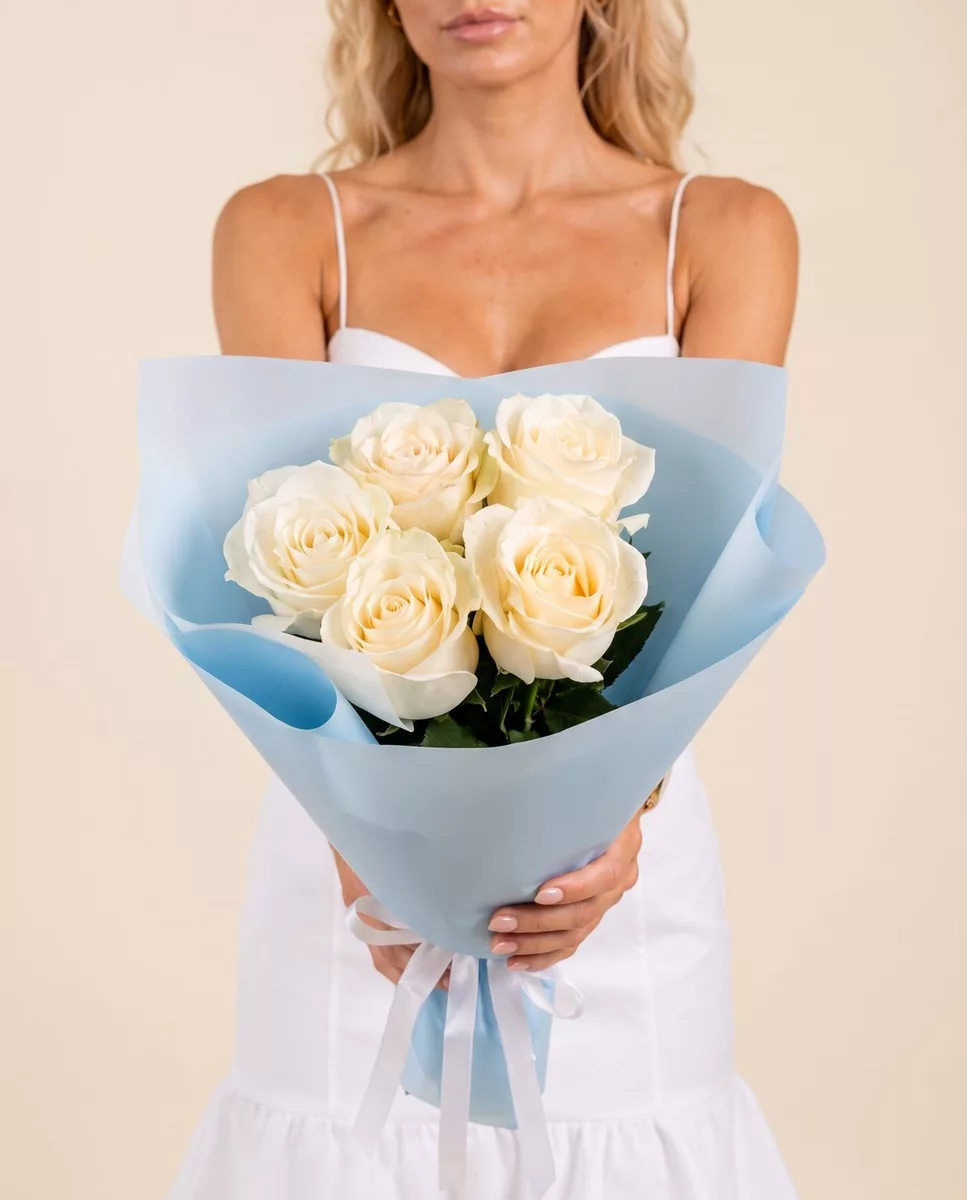
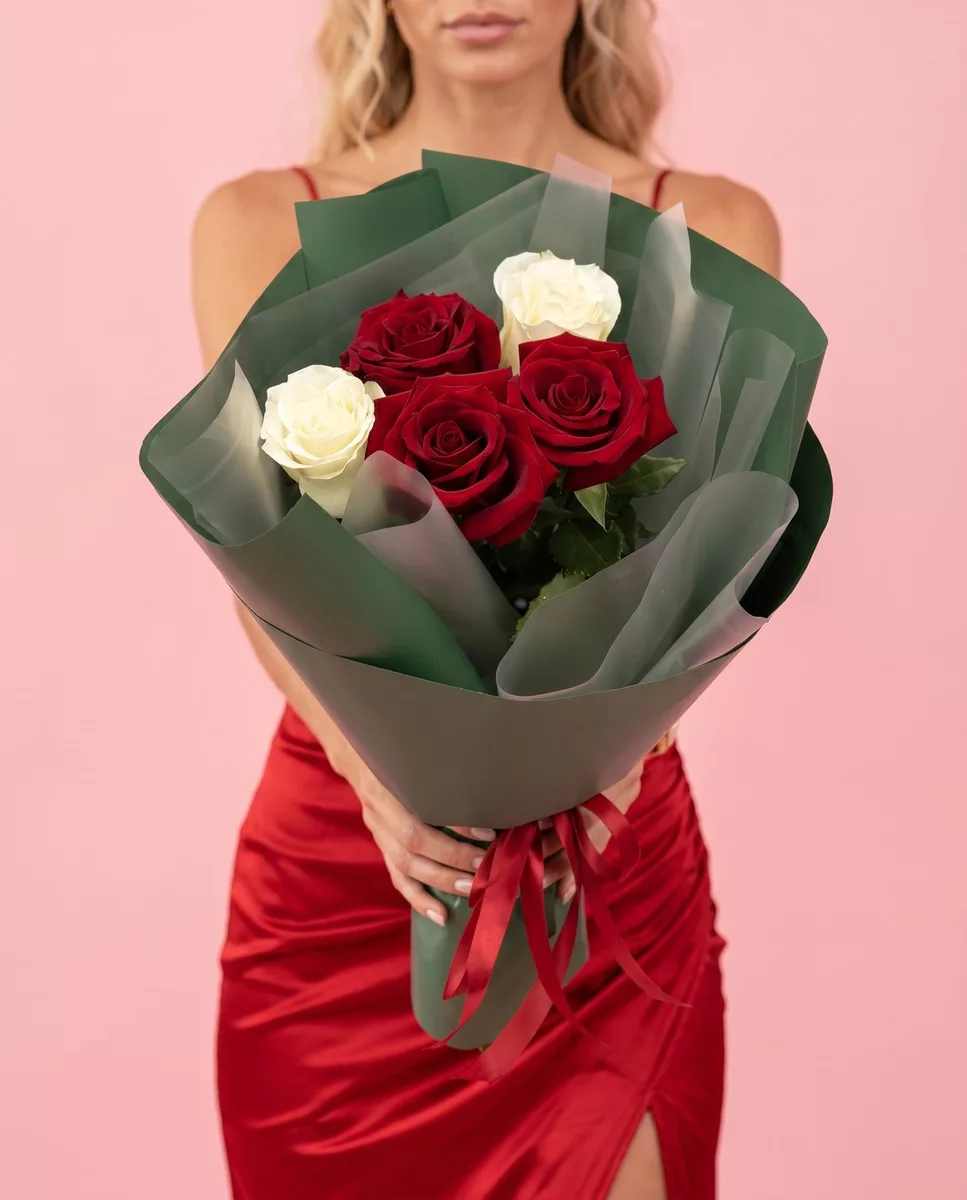
Bouquets we can deliver
Timing Your Delivery: What the Hours Look Like
Turboflora operates with a one-to-two-hour delivery window, and that standard applies to Shakhunya just as it does to our Saint Petersburg orders. When you choose a time slot, you are choosing the window in which the courier will arrive at the door, not the moment the order leaves our hands. We prepare the bouquet fresh, package it carefully and dispatch it so that it lands within your chosen period.
Morning deliveries work well for birthdays, because the recipient gets to enjoy the flowers throughout the whole day. If you are sending to a workplace, aim for mid-morning when people have settled in but the day has not yet become hectic. Evening deliveries suit romantic occasions and surprises planned after work hours.
One practical note: avoid scheduling delivery to an office address after five in the evening, because many buildings in Shakhunya lock their front entrance once the working day ends. For home addresses, late afternoon and early evening are often the easiest slots, since most people are back from work by then. If the recipient has an irregular schedule, it is worth letting us know so we can build in a small buffer. A bouquet that arrives when nobody is home does not disappear, but it does sit in a warm stairwell, which is not ideal for tulips or ranunculus.
Choosing Flowers for the Shakhunya Climate
The Nizhny Novgorod region experiences a continental climate with cold winters and warm summers. In January and February, outdoor temperatures in Shakhunya regularly drop below minus fifteen degrees Celsius. In July and August, the heat can push past thirty degrees. Both extremes matter when you are choosing flowers, because certain varieties handle temperature stress better than others.
In winter, roses, chrysanthemums and carnations travel well because they are robust and do not bruise easily in the cold. We wrap cold-weather deliveries in insulating sleeves to protect the petals during the final stretch from vehicle to door. Avoid ordering tropical or very delicate varieties like gardenia or open peonies during deep winter if the recipient lives in a building with a long outdoor walkway.
In summer, the challenge reverses. Heat accelerates the opening of buds and shortens vase life. Alstroemeria, solidago, and spray roses hold up better in warm conditions than large-headed garden roses or sweet peas. If you are sending flowers for a summer birthday and the recipient does not have air conditioning, choose varieties with tighter buds rather than fully open blooms. A closed bud arriving in the heat will open beautifully over the next day or two, giving the recipient the full experience of watching it come alive. That is actually one of the quiet pleasures of receiving a fresh bouquet.
What to Order for Different Occasions in Shakhunya
Birthdays are the most common reason people send flowers in Russia, and in smaller cities like Shakhunya they carry particular weight. A bouquet arriving at the door feels personal in a way that a gift card never quite does. For a woman's birthday, a mixed arrangement of spray roses, lisianthus and eucalyptus reads as thoughtful and current without being showy. For a man's birthday, a structured bouquet of monochrome tulips or a bold arrangement of sunflowers and greenery works well.
For anniversaries, think about the couple rather than the calendar. If they are private people, a classic arrangement of cream and blush roses in a clean wrap says everything without overstatement. If they are expressive and love colour, dahlias in season or bright gerberas with contrasting foliage will suit them better.
Russian customs around flowers include one important rule that surprises many people from outside the country: always send an odd number of blooms. Even numbers are traditionally associated with mourning, so a bouquet of twelve roses would feel wrong to most Russian recipients, while thirteen would feel perfectly natural. This is not a strict law, but it is a deeply ingrained cultural habit, and we follow it automatically in every arrangement we prepare. You do not need to count the stems yourself. We handle that as a matter of course.
How We Package Flowers for Long-Distance Freshness
The distance between Saint Petersburg and Shakhunya is significant, and packaging is what bridges that gap without the flowers knowing they have travelled. We cut stems at an angle immediately before packaging, which maximises the surface area for water uptake once the recipient places them in a vase. Aqua packs, small sealed pouches of water and floral preservative, keep the stem ends hydrated throughout transit.
The outer wrapping serves two purposes. It protects the blooms from physical contact during movement, and it regulates temperature to a modest degree. In winter we use an additional insulating layer. In summer we ensure the arrangement is not sealed too tightly, because trapped warmth accelerates ethylene production, which is the gas that causes petals to age faster.
Ribbons, kraft paper and decorative elements are added last, after the structural and protective layers are already in place. This means the bouquet looks beautiful when unwrapped but has been travelling safely underneath. When your recipient opens the package, the first thing they should see is the colour of the blooms, not the logistics of how they got there. That transition from packaging to vase should feel like a small ceremony, and we design the unboxing experience with that in mind. Scissors are sometimes needed to cut the aqua pack ties, so it is worth mentioning that to the recipient if they will be unwrapping alone.
Vase Life and Care Tips for Your Recipient
A bouquet is only as good as the care it receives after delivery, and passing along a few simple instructions is one of the kindest things you can do for the person receiving it. The first step is always a fresh cut. Even if the stems look fine, cutting two centimetres off each one at an angle, ideally under running water or in a bowl, removes any air bubbles that have formed during transit and restores water uptake immediately.
The vase should be clean and filled with cool water. Warm water encourages buds to open faster, which sounds appealing but actually shortens the overall display. Add the sachet of floral food that comes with the bouquet if one is included. These sachets contain a mild acidifier, a sugar source and a biocide, and they genuinely extend vase life by two to four days compared to plain water.
Place the vase away from direct sunlight, radiators and fruit bowls. Ripening fruit releases ethylene gas, which is invisible but causes flowers to age noticeably faster. Change the water every two days and re-cut the stems at the same time. Roses, lisianthus and alstroemeria can last eight to twelve days with this care. Tulips and ranunculus are shorter-lived but more dramatic, typically giving five to seven beautiful days. Chrysanthemums are the long-distance runners of the flower world and can look fresh for two weeks with minimal attention. Letting the recipient know which variety they have received helps them calibrate their expectations and enjoy the bouquet fully.
Making Your Order Smooth: Practical Steps Before You Confirm
Before you confirm your order, take two minutes to check four things. First, confirm the recipient's address including the apartment number and door code. Second, check whether the recipient will actually be at that address during your chosen delivery window. A surprise delivery is wonderful, but a surprise that lands when the person is at a medical appointment or picking up children from school creates unnecessary complications.
Third, think about the message card. In Russian culture, written words in a card carry genuine emotional weight. A handwritten message, even a short one, elevates the bouquet from a purchase to a gesture. You do not need to write in Russian. Our team can transliterate a message or leave it in English if the recipient reads the language. Just write what you genuinely feel and let the flowers do the rest.
Fourth, consider the presentation format. A classic wrapped bouquet is the most versatile option and suits almost every occasion and every recipient. A box arrangement works well when the recipient will be receiving the flowers at work and needs something that stands on a desk without a vase. Hat boxes and round arrangements have become popular in recent years and photograph beautifully, which matters if the recipient is likely to share the moment. Think about who you are sending to and how they live, and the right format will become obvious. Our team is always available to advise if you are genuinely uncertain.
Shakhunya may not be the first city that comes to mind when people think about flower delivery, but the joy of receiving a fresh, well-chosen bouquet is exactly the same there as anywhere else. The logistics are manageable, the timing is reliable, and the flowers we send are the same quality we would hand across a counter in Saint Petersburg. What matters most is the thought behind the order: who you are sending to, what the occasion means, and what you want the recipient to feel when they open the door. Get those things right, and the rest follows naturally.
Frequently asked questions
Can I schedule a flower delivery to Shakhunya for a specific time of day?
Yes. When placing your order you select a delivery window, and our courier will arrive within that slot. Morning, afternoon and evening windows are available. For workplace deliveries, mid-morning is usually the most practical choice, since office buildings in Shakhunya are reliably accessible during standard working hours.
What happens if my recipient is not home when the flowers arrive?
The courier will attempt to contact the recipient by phone. If there is no answer, we will coordinate with you to arrange a second attempt or an alternative handover time. Flowers are never left unattended in a stairwell for more than a very short period, especially in extreme temperatures, because the bouquet's condition is our responsibility until it reaches the right hands.
Is it true that flowers in Russia should always come in odd numbers?
Yes, this is a genuine and widely observed custom. Even numbers of flowers are traditionally associated with mourning in Russian culture, so all celebratory bouquets use an odd stem count. We apply this automatically to every arrangement we prepare, so you do not need to count or specify. Your bouquet will always arrive culturally appropriate.
Which flowers last longest in a Shakhunya apartment during winter?
Chrysanthemums are the most durable, often lasting two weeks with basic care. Alstroemeria and carnations are also excellent for longevity. Roses and lisianthus give eight to twelve days when cared for properly. In heated winter apartments, keep the vase away from radiators and change the water every two days to get the maximum display from any variety.
Can I include a message card in a language other than Russian?
Absolutely. You can write your card message in English or any other language and we will include it exactly as you write it. If you would like help phrasing something or want the message written in Russian, just let us know in the order comments and our team will assist. A personal message, whatever the language, always adds meaning to the bouquet.
Ready to send flowers?
Pick the city, choose the bouquet, and a local florist takes it from there.
Choose a city →