Sending Flowers to Shcherbinka? Here Is What to Expect
Shcherbinka sits in the Troitsky and Novomoskovsky Administrative District, just south of the Moscow Ring Road, and getting a bouquet there on time — fresh, wrapped well and ready to hand over — takes more planning than most people realise. Whether you are ordering for a birthday, an anniversary or simply to tell someone you are thinking of them, this guide walks you through every step: the delivery area, the timing, what the flowers will look like when they arrive and how to keep them beautiful for as long as possible.
Where in Shcherbinka We Deliver and Why the District Matters
Shcherbinka is a compact urban settlement within the Troitsky and Novomoskovsky Administrative District of Moscow. It has its own railway station on the Kursk direction line, a clear grid of residential streets and several newer residential complexes on its eastern edge. All of these addresses fall within our standard delivery zone, so whether the recipient lives near the station, in the older Soviet-era blocks on Simferopolskoye Shosse or in one of the newer buildings further along the highway, we cover the full area without additional routing complications.
Knowing the district matters because it shapes how we plan the route. Shcherbinka is not a single-point destination — it stretches along the highway and includes side streets that can back up during morning and evening commuter hours. We factor that into every order, which is why we ask for the full address including the building entrance number, the floor and any gate or intercom code. A missed detail at the address stage is the single most common reason a delivery takes longer than expected, and it is entirely avoidable.
If you are sending to a workplace rather than a home, please note whether the office building has a reception desk or a security checkpoint. Our courier will always call ahead, but knowing the access procedure in advance means the bouquet reaches the recipient's hands faster and without the awkward wait in a lobby. The flowers stay at their best when the handover is quick and smooth.
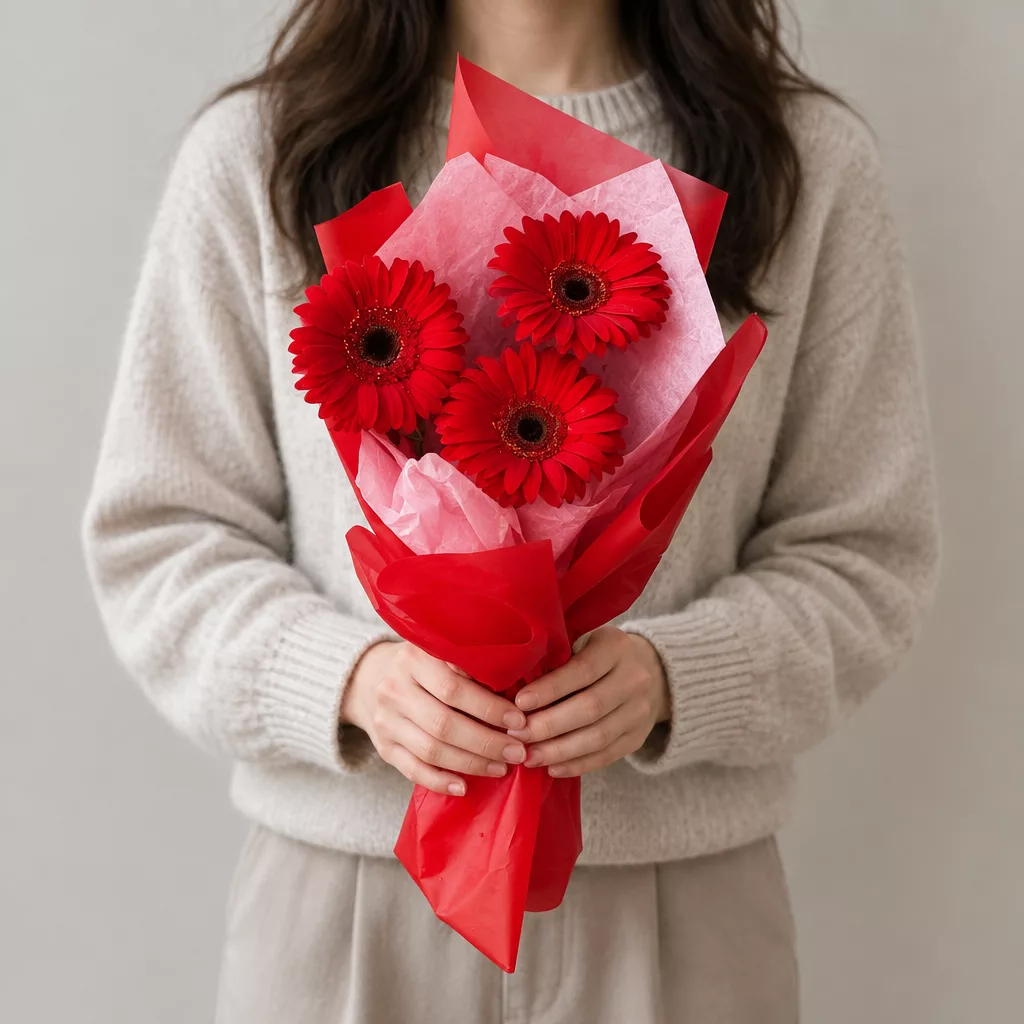
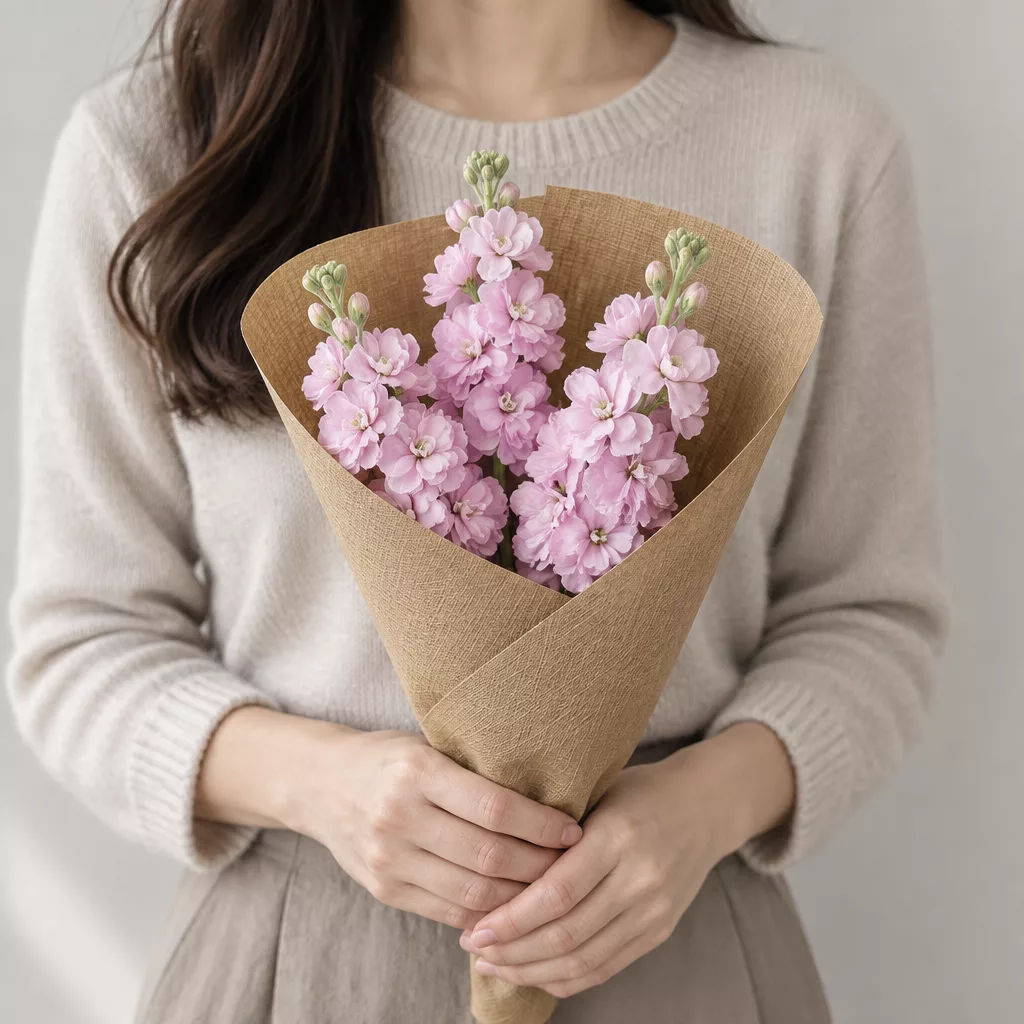
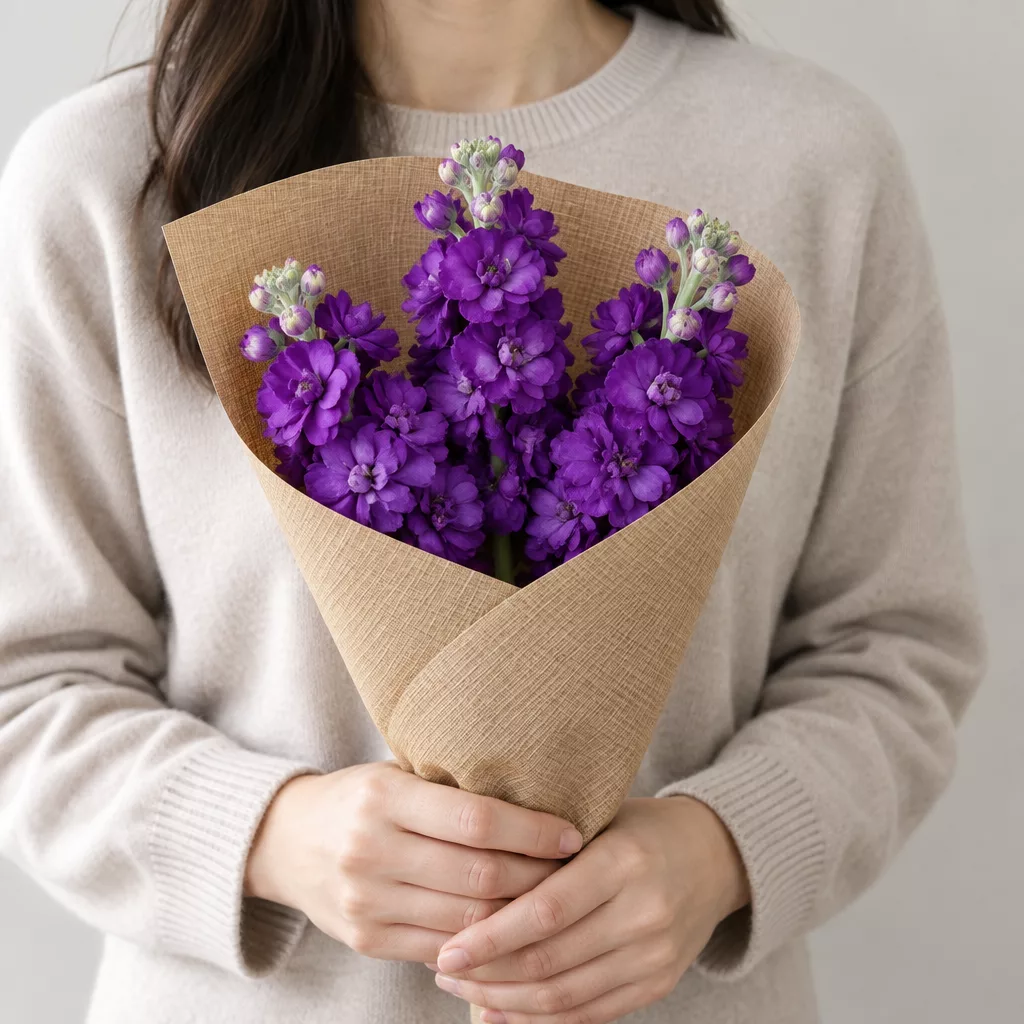
Bouquets we can deliver

Timing Your Order: When to Place It for the Best Result
Our standard delivery window in Shcherbinka is one to two hours from the moment the order is confirmed. That window holds for most of the day, including evenings up to our closing time. Morning orders placed before ten o'clock tend to arrive with the most flexibility, because the courier routes are less congested and we have the full day's fresh stock to work with. If the occasion is time-sensitive — a birthday dinner that starts at seven in the evening, for example — placing the order by five gives us a comfortable margin.
Rush orders are possible, and we handle them regularly. The honest advice here is to treat the two-hour window as the realistic expectation rather than a guaranteed minimum. Traffic on Simferopolskoye Shosse and the approach roads into Shcherbinka can slow things during the lunch hour and the post-work rush between five and seven in the evening. We will always contact you if we anticipate a delay, but building in a small buffer on your end removes any stress from the occasion.
Same-day delivery is available for orders placed before our daily cutoff. Next-day pre-scheduled delivery is also an option if you want to plan ahead for a milestone date, and it gives our florists more time to assemble something particularly considered — a large arrangement, a mixed bouquet with specific colour requests or a combination that includes seasonal flowers that need to be sourced fresh that morning. Pre-scheduling is especially worth it for significant anniversaries or celebrations where the bouquet is the centrepiece of the occasion.
Choosing the Right Bouquet for the Person, Not Just the Occasion
The most useful question to ask before ordering is not what occasion it is but who the recipient actually is. A woman in her fifties who keeps a tidy home will respond differently to a loose garden-style arrangement of lisianthus, ranunculus and eucalyptus than to a tight round bouquet of red roses — even if both are technically appropriate for her birthday. Think about what she has in her home, whether she tends to prefer bold statements or quiet elegance, and how much time she realistically has to look after flowers.
For recipients who are not used to receiving flowers and may not know what to do with them, simpler is better. A single-variety bouquet of spray roses or alstroemeria is forgiving, long-lasting and easy to arrange in any vase. These varieties hold well at room temperature, which matters in Shcherbinka apartments that are kept warm in winter. Alstroemeria in particular continues to open over five to seven days, so the bouquet actually looks better on day three than it did on arrival.
For someone who clearly loves flowers and has the space to display them, a mixed bouquet rewards the extra thought. Combining textures works better than combining many colours: think white peonies with dusty miller and a few stems of veronica, or coral gerberas with solidago and flat green leaves. Avoid mixing flowers with very different water needs in the same arrangement — tulips, for instance, drink heavily and can pull water away from roses in a shared vase, shortening the life of the whole bouquet. Our florists will always consider this when assembling your order.
Bouquets by Budget: What Each Price Range Delivers
Budget shapes the bouquet, but it does not have to limit its impact. At the entry level, the most effective approach is to choose one strong focal flower and build around it with generous greenery and a single accent. A few stems of garden roses with ruscus and one or two spray chrysanthemums can look considered and full without requiring a large spend. The key is proportion: a small, well-balanced bouquet always reads better than a sparse one that is trying to look larger than it is.
In the mid range, you gain access to more textured combinations and to flowers that have a stronger visual presence — lisianthus, which has a ruffled, peony-like bloom and lasts exceptionally well; matthiola, which adds fragrance that carries across a room; or waxflower, which fills space beautifully and dries in place rather than wilting. A mid-range bouquet can comfortably hold seven to nine stem types without looking cluttered, and that variety is what makes it feel genuinely generous.
At the upper end of the range, the difference is not just more flowers but better individual stems — longer-stemmed Dutch roses with tighter, more symmetrical blooms, peonies in full bud rather than already open, or garden-cut dahlias when they are in season. Presentation also improves: the wrapping is more considered, the ribbon work is more precise and the bouquet is assembled in a way that survives the journey without losing its shape. For a significant occasion where the bouquet will be photographed and remembered, that level of finish is worth the investment.
What the Delivery Experience Looks Like from the Recipient's Side
Most people in Russia are accustomed to receiving flowers as a surprise, and that shapes the whole experience. The recipient typically does not know a bouquet is coming until the courier calls from outside the building. That call is standard practice and not a spoiler — it gives the person a moment to come to the door or the lobby rather than having the courier wait in the cold, which in Shcherbinka winters can mean temperatures well below minus ten degrees Celsius.
The bouquet arrives wrapped in paper or fabric, with the stems in a small water-retaining sleeve that keeps them hydrated during transit. This is not decorative packaging that should be removed immediately — the water sleeve genuinely extends the flowers' freshness during the handover period. We recommend leaving it in place until the recipient is ready to trim the stems and put the bouquet in a vase, which ideally happens within the first thirty minutes of arrival.
If you are sending flowers as a surprise and the recipient is not home, our courier will contact you to discuss options. Leaving a bouquet unattended in a hallway is not something we do — the flowers would suffer and the gesture would lose its warmth. It is worth confirming with the recipient's household or a neighbour that someone will be present, particularly if you are ordering for a weekday afternoon when people may still be at work. A brief, vague message saying something nice is coming can solve this without giving the surprise away entirely.
Keeping Your Flowers Fresh: Care That Actually Makes a Difference
The single most important thing a recipient can do is trim the stems as soon as the bouquet is unwrapped. Cut at a forty-five degree angle with a sharp knife — not scissors, which crush the stem tissue — and place the flowers immediately into clean, cool water. Warm tap water is fine; it does not need to be chilled. The angled cut increases the surface area through which the flower draws water, and this small step can extend vase life by two to three days compared with flowers placed in water without trimming.
In Shcherbinka apartments during winter, central heating creates very dry air, which accelerates wilting. Keep the vase away from radiators and from windowsills where the glass may frost overnight. A spot on a table in a room that stays between eighteen and twenty-two degrees Celsius is ideal. Roses and tulips are particularly sensitive to heat; gerberas and carnations are more tolerant. If you notice petals drooping on roses within the first day, the room is likely too warm or the stems were not trimmed on arrival.
Change the water every two days and rinse the vase each time. Remove any leaves that sit below the waterline — they decompose quickly and cloud the water with bacteria that block the stems. Most bouquets include a small sachet of flower food; dissolve it in the first vase of water rather than saving it. It contains a mild biocide and a sugar source that genuinely helps, particularly for roses and lisianthus. With proper care, a well-assembled mixed bouquet from fresh stock should last seven to ten days in a Shcherbinka home.
Russian Flower Customs Worth Knowing If You Are Ordering from Abroad
If you are placing an order from outside Russia — perhaps for a family member or a colleague based in Shcherbinka — a few local customs are worth understanding so the gesture lands exactly as you intend. The most widely known is the even-and-odd number rule: bouquets in Russia are traditionally given in odd numbers of stems, because even numbers are associated with mourning. This is not a rigid law, and modern mixed bouquets assembled by stem type rather than stem count are now common, but if you are ordering a single-variety bouquet of roses or tulips, an odd number is the culturally expected choice.
Colour carries meaning here as it does in many cultures, but the associations are softer than people sometimes expect. Red roses signal romantic love clearly and universally. Yellow flowers were once considered unlucky in parts of Russia, but this belief has faded significantly among younger generations, and yellow sunflowers in particular are now popular and cheerful gifts. White flowers are elegant and appropriate for most occasions. If you are unsure, a mixed bouquet with two or three colours is always a safe and generous choice.
Including a card message is standard and appreciated. In Russian custom, the card is often kept long after the flowers are gone, so a few genuine, specific words matter more than a generic greeting. If you are writing in English for a recipient who speaks Russian, that is perfectly fine — it adds a personal touch rather than seeming careless. Our ordering process gives you space to write your message exactly as you want it, and we print it clearly on the card that accompanies the bouquet.
Ordering flowers to Shcherbinka is straightforward when you know what to expect at each step — the delivery area, the realistic timing, the choices that suit the person rather than just the occasion and the small care habits that keep the bouquet looking its best for as long as possible. The distance is manageable, the fresh stock is assembled the same day and the courier will call ahead so the handover is smooth and warm. All the planning happens on our side; all you need to do is think about the person who will open the door.
Frequently asked questions
Do you deliver to all streets and residential complexes in Shcherbinka?
Yes, we cover the full Shcherbinka settlement including the older residential streets near the railway station, the buildings along Simferopolskoye Shosse and the newer complexes on the eastern side of the district. Please provide the full address with building entrance number and intercom code to ensure the fastest possible handover.
What happens if the recipient is not home when the courier arrives?
Our courier will call you, the sender, to discuss next steps. We do not leave bouquets unattended in hallways or on doorsteps. Depending on the situation, we can attempt redelivery or hold the order briefly. It helps to confirm in advance that someone will be present, especially for weekday afternoon deliveries.
Is it true that flowers in Russia should be given in odd numbers?
Yes, this is a widely observed custom. Single-variety bouquets — roses, tulips, chrysanthemums — are traditionally given in odd numbers because even numbers are associated with mourning. Mixed bouquets assembled by combination rather than stem count are now common and do not carry the same expectation, so the rule applies mainly to uniform, single-flower arrangements.
Which flowers last longest in a warm Shcherbinka apartment in winter?
Alstroemeria, carnations, lisianthus and spray chrysanthemums are the most resilient in dry, centrally heated interiors. They can last ten days or more with basic care. Tulips and anemones are the most sensitive to heat and need a cool spot away from radiators. Roses fall in the middle — they last well if stems are trimmed on arrival and water is changed regularly.
Can I schedule a delivery for a specific time rather than a two-hour window?
Yes. When placing your order, you can request a preferred delivery window and we will do our best to meet it. For the most precise timing — for example, delivery before a dinner that starts at a fixed hour — we recommend ordering at least three hours in advance and noting the required arrival time clearly in your order comments.
Ready to send flowers?
Pick the city, choose the bouquet, and a local florist takes it from there.
Choose a city →