Sending Flowers to Shelekhov? Here Is What to Expect
Shelekhov sits close enough to Irkutsk that a well-organised delivery run feels natural, yet far enough that timing and temperature really matter. Whether you are surprising a colleague at the aluminium plant, sending roses to a parent on the other side of the city, or marking a birthday for someone you cannot visit in person, fresh flowers arrive with a weight that a gift card simply cannot match. This guide walks you through the delivery area, the best choices for the season and the occasion, and the small details that keep a bouquet looking beautiful for days after it lands at the door.
Which Parts of Shelekhov We Reach and How Long It Takes
Shelekhov is a compact industrial city in the Irkutsk Oblast, and our delivery zone covers the full municipal boundary — from the central districts near the main avenue to the residential mikrorayons on the eastern and western edges. If you are sending to a private address, a workplace near the industrial zone, or a school or hospital within city limits, the order reaches the recipient within one to two hours of confirmation.
The route from our Irkutsk preparation hub to Shelekhov typically takes around thirty to forty minutes by road, depending on traffic on the Irkutsk–Shelekhov highway. We factor that transit time into the delivery window we quote you at checkout, so the clock starts from when the courier leaves with your bouquet, not from when you place the order.
For same-day delivery, orders placed before early afternoon almost always arrive the same day. Evening deliveries are possible for orders confirmed before mid-afternoon. If you need a precise arrival time — say, flowers on the table before a birthday dinner — adding a thirty-minute buffer to your chosen slot is always wise. We contact the recipient or you directly if any delay arises, so nobody is left guessing at the door.
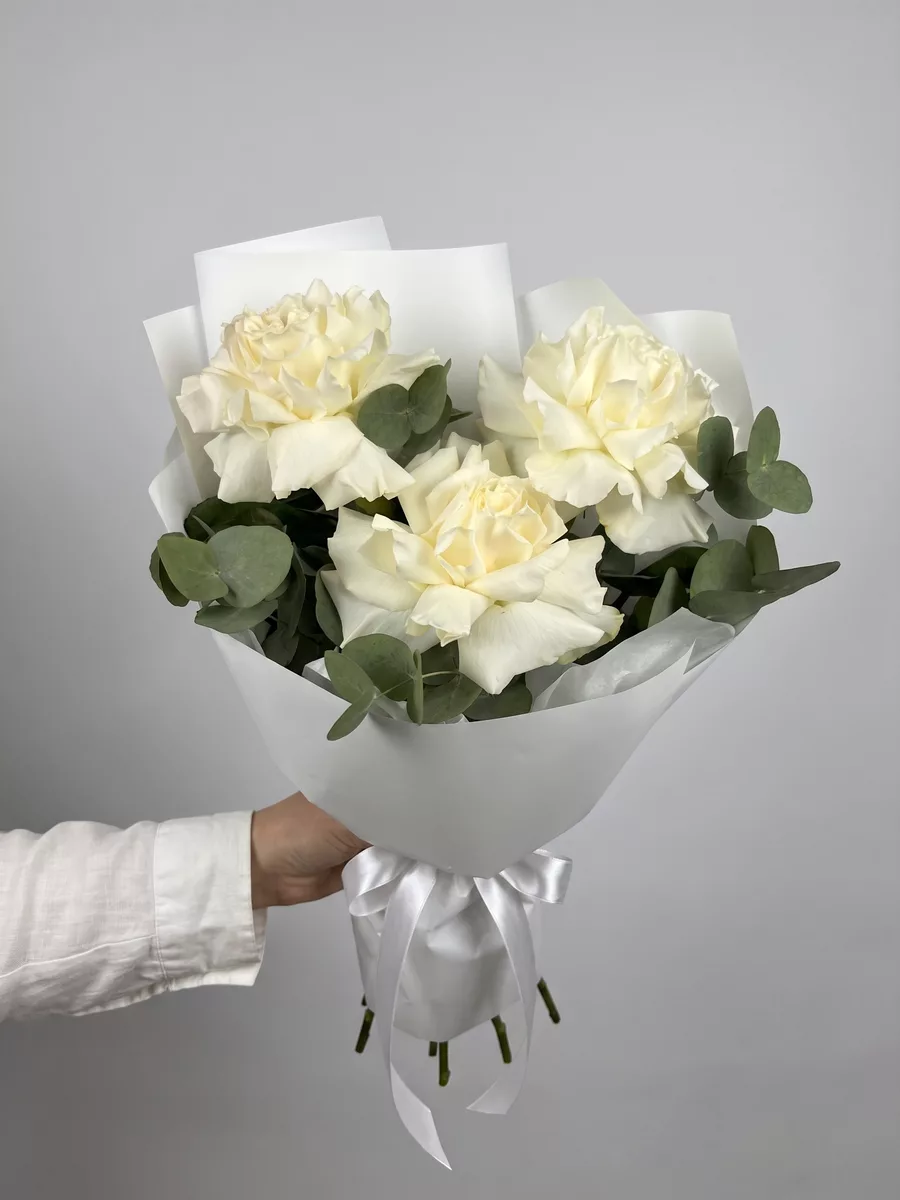
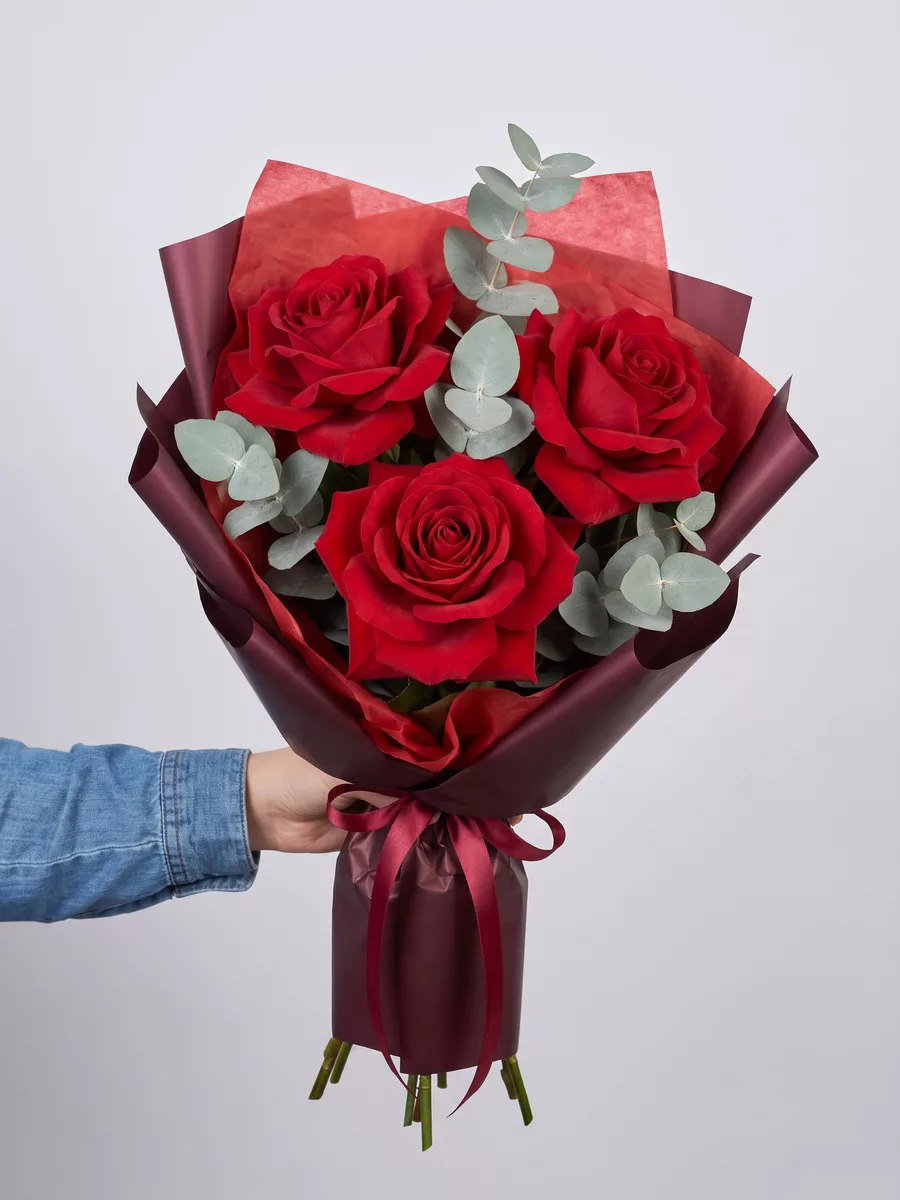
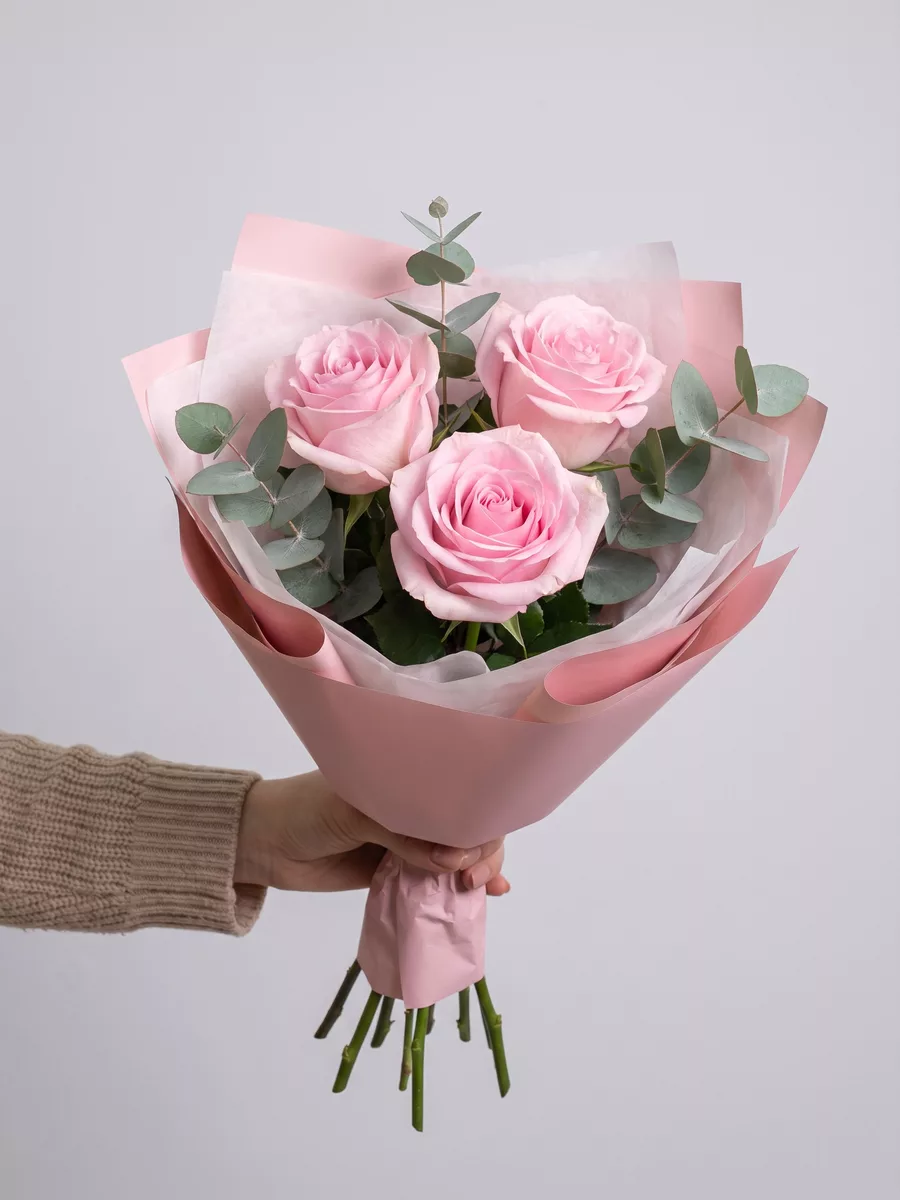
Bouquets we can deliver

Choosing Flowers for the Person, Not Just the Occasion
The most common mistake people make when ordering flowers remotely is thinking about the occasion first and the person second. A birthday calls for something celebratory, yes — but a woman who keeps a tidy minimalist flat will feel far more seen by a structured arrangement of white lisianthus and eucalyptus than by a loud mixed bouquet in five colours. Start with what you know about the recipient, then let the occasion shape the scale.
For colleagues and professional relationships, single-variety bouquets work beautifully. A clean bundle of cream freesias or pale-pink spray roses reads as thoughtful without overstepping. For close family or a romantic partner, you have more room to be expressive — garden roses in peach and coral tones, or a lush combination of ranunculus and matthiola, carry warmth without requiring a word of explanation.
Age matters too, though not in the obvious way. Younger recipients often respond to texture and movement — anemones, scabiosa, or loose-stemmed tulips feel fresh and personal. Older recipients frequently appreciate classic forms: long-stemmed roses, gladioli, or chrysanthemums, which carry decades of positive association in Russian flower culture. When in doubt, ask yourself what the person's home looks like and build the bouquet to belong there.
Seasonal Considerations: What Arrives Fresh in Shelekhov
Shelekhov shares the Siberian continental climate of the Irkutsk region, which means winters are long and cold, summers are short and warm, and the shoulder seasons swing fast. Temperature in transit is one of the most important factors in vase life, and we account for it at every step.
In winter, when outdoor temperatures drop well below freezing, every bouquet leaves our preparation space wrapped in insulating kraft and placed in a thermal sleeve before the courier departs. Roses and tulips are particularly sensitive to cold shock — a few minutes of exposure to minus fifteen can cause petals to bruise or stems to collapse. Our couriers are trained to move quickly between vehicle and door, and we never leave a bouquet on a doorstep unattended in cold weather.
In summer, the risk flips. Heat accelerates the opening of peonies, ranunculus, and gerbera, which means a bouquet that looks tight and promising at pickup can be fully open by the time it arrives if the car is warm. We cut stems to order rather than holding pre-made arrangements, which gives each bouquet the maximum possible lifespan from the moment it is assembled.
Spring brings tulips, daffodils, and hyacinths — all of which travel well and open gradually over several days. Autumn is the season for dahlias and sunflowers, which are robust and visually striking. Knowing the season helps you set realistic expectations and choose varieties that will genuinely thrive.
Bouquets by Budget: What Each Level Gets You
Budget shapes not just size but composition, and understanding what changes at each level helps you make a confident decision rather than guessing from a photo.
At the entry level, a single-variety bouquet of seasonal stems — tulips in spring, chrysanthemums in autumn, spray roses year-round — is the most honest and elegant choice. These arrangements are clean, easy to style at home, and often more appreciated than a crowded mid-range bouquet that tries to do too much. Fifteen to twenty stems of a single variety in a complementary colour always looks intentional.
In the mid range, you gain access to combinations. A base of garden roses paired with waxflower or pittosporum greenery, or lisianthus layered with eucalyptus and a few stems of veronica, creates depth and fragrance that a single-variety bouquet cannot match. This is where most anniversary and birthday orders sit, and rightly so — the composition feels like a considered gift rather than a standard gesture.
At the upper end, premium varieties come in: large-headed garden roses from Ecuador, peonies during their short season, or structured arrangements built around protea or anthurium for something architectural and long-lasting. These bouquets photograph beautifully and hold their form for longer. If the recipient has a large dining table or an entrance hall, a statement arrangement at this level fills the space in a way that smaller bouquets simply cannot. Think about where the flowers will live before you choose the scale.
Russian Flower Customs Worth Knowing Before You Order
If you are not familiar with Russian gift-giving traditions around flowers, a few customs are worth understanding before you place an order — not because they are rigid rules, but because knowing them helps you avoid an unintentional misstep.
The most widely observed custom is that bouquets given as gifts should contain an odd number of stems. Even numbers are traditionally associated with mourning and are brought to cemeteries, not given to living recipients. This applies across all occasions — birthdays, anniversaries, housewarming visits, congratulations. When you order from us, our florists follow this rule automatically, but if you are specifying an exact stem count, keep it odd: nine, eleven, fifteen, twenty-one.
Colour carries meaning too, though less rigidly than the odd-number rule. Red roses are unambiguously romantic and work well for partners but can feel too intense for a professional relationship. White flowers are clean and celebratory for most occasions — graduations, new babies, congratulations — but some older recipients associate them with formal or solemn contexts, so pairing white blooms with green foliage or a warm accent colour softens any ambiguity.
Flowers are given at the door, not left on a table for the recipient to find alone. The moment of receiving matters in Russian culture — it is a small ceremony. If you are ordering a surprise delivery, letting us know so the courier presents the bouquet directly to the recipient rather than handing it to a neighbour or leaving it at reception adds that personal touch.
Keeping Your Bouquet Fresh: Practical Care After Delivery
A good bouquet can last anywhere from five days to nearly two weeks depending on the varieties and how it is cared for after arrival. The first hour after delivery is the most important.
As soon as the flowers arrive, cut one to two centimetres from the bottom of each stem at a diagonal angle — diagonal because it increases the surface area drawing water. Use a sharp knife rather than scissors, which can crush the vascular tissue inside the stem. Place them immediately in clean, cool water. Tap water works perfectly well; there is no need for special additives unless the flowers came with a sachet, in which case dissolve it fully before adding the stems.
The vase itself matters more than most people realise. It should be clean — residual bacteria from a previous bouquet will shorten vase life significantly. Fill it about one third full rather than to the brim; too much water encourages the lower stems to rot. Remove any leaves that sit below the waterline, as submerged foliage decays quickly and clouds the water.
Keep the bouquet away from direct sunlight, radiators, and fruit bowls. Ripening fruit releases ethylene gas, which accelerates petal drop in roses and tulips noticeably. Change the water every two days and re-cut the stems each time. Roses and lisianthus benefit from being placed in a cool room overnight — even a hallway in a Siberian winter flat is ideal. Tulips will continue to grow after cutting, so trim them regularly to keep the arrangement balanced.
Planning a Delivery for a Special Moment in Shelekhov
The best flower deliveries feel effortless to the recipient and are actually the result of a small amount of planning on the sender's part. Thinking through three things in advance — timing, access, and the message — turns a good delivery into a genuinely memorable one.
Timing is everything for surprises. If the recipient works a standard shift at one of Shelekhov's industrial facilities, a midday delivery to a home address will miss them entirely. Confirm whether they will be home, at work, or somewhere else during your chosen window. Workplace deliveries are warmly received and have the bonus of an audience — colleagues noticing a beautiful bouquet on a desk amplifies the gesture considerably.
Access to apartment buildings in Shelekhov varies. Some buildings have an intercom system that requires a code or a call to the resident; others have a concierge. When you place your order, note any access details — floor number, building entrance, intercom code — so the courier does not lose time at the door. We will contact the recipient by phone if we cannot reach the address, but a smooth handover feels better for everyone.
The written message that accompanies the flowers is often underestimated. A card that says something specific — referencing a shared memory, naming what you admire about the person, or simply saying why today felt like a day to send flowers — makes the bouquet feel chosen rather than convenient. We print the message exactly as you write it, so take a moment to write something real.
Shelekhov may be a compact city, but the people there deserve flowers that arrive fresh, on time, and chosen with care. Whether you are marking a milestone, saying thank you, or simply reminding someone that they matter, a well-assembled bouquet delivered within the hour carries that message more vividly than almost anything else you could send. Think about the person first, the season second, and let the occasion set the scale — and the rest takes care of itself.
Frequently asked questions
Can I order flowers to Shelekhov the same day?
Yes. Same-day delivery to Shelekhov is available for orders confirmed before mid-afternoon. The delivery window is one to two hours from confirmation. For a specific arrival time — such as before an evening celebration — place your order at least three hours ahead and note the preferred slot in the comments field.
Why do Russian bouquets always have an odd number of flowers?
In Russian tradition, even numbers of flowers are associated with mourning and are brought to graves rather than given as gifts. Odd numbers — nine, eleven, fifteen — are for living recipients on any celebratory occasion. Our florists follow this automatically, so every bouquet we prepare for a gift already respects this custom.
What happens to the flowers if the recipient is not home when the courier arrives?
Our courier will call the recipient directly. If there is no answer, we will contact you as the sender for instructions. We do not leave bouquets unattended at doors, especially in cold weather, as even a short exposure to freezing temperatures can damage delicate petals. We will arrange a second delivery attempt or a revised time.
Which flowers last the longest in a Shelekhov winter flat?
Chrysanthemums, alstroemeria, and lisianthus are among the most durable varieties and regularly last ten days or more with basic care. Spray roses also hold well. Tulips and ranunculus are shorter-lived but beautiful — expect five to seven days. Avoid placing any variety near a radiator, which is the single fastest way to shorten vase life in a heated winter apartment.
Can I include a personalised card message with my delivery?
Yes, and we strongly recommend it. During checkout you can type your message exactly as you want it printed on the card. There is no character minimum or maximum — a single sentence works as well as a longer note. The card is printed and attached to the bouquet before the courier departs, so the recipient receives it as part of the arrangement.
Ready to send flowers?
Pick the city, choose the bouquet, and a local florist takes it from there.
Choose a city →