Flower Delivery in Shimanovsk: What to Expect and How to Prepare
Shimanovsk sits deep in the Amur region, and sending flowers there feels like a bigger task than ordering a bouquet across town — but it does not have to be. When you know what the climate does to petals, which varieties hold up on a long journey, and how to time an order around someone's actual day, the whole thing becomes straightforward. This guide walks you through every part of the process so the flowers arrive looking as though they were arranged five minutes ago.
Which Areas of Shimanovsk We Reach and How the Delivery Zone Works
Shimanovsk is a compact city in the Amur Oblast, and our delivery zone covers the central districts, the residential microrayons along the main avenues, and the areas close to the railway junction that defines so much of the city's layout. If you are sending to a private house rather than an apartment block, it helps to include the nearest landmark or the name of the street quarter in the address field — drivers navigate more confidently with that extra detail.
Industrial zones on the outskirts and some rural addresses just beyond the city boundary may require a longer delivery window or a specific time slot. When you place your order, the address field will flag any zones that need special handling, and our team will contact you to confirm timing before the bouquet leaves the shop.
One thing many customers do not realise: Shimanovsk uses a mix of old Soviet-era street naming and newer addresses, and some buildings share numbers across different blocks. Double-checking the house number and entrance number when you order saves the most common delay we see. A phone number for the recipient is genuinely important here — not to spoil a surprise, but so the courier can navigate the last hundred metres without standing in the wrong courtyard in the cold.
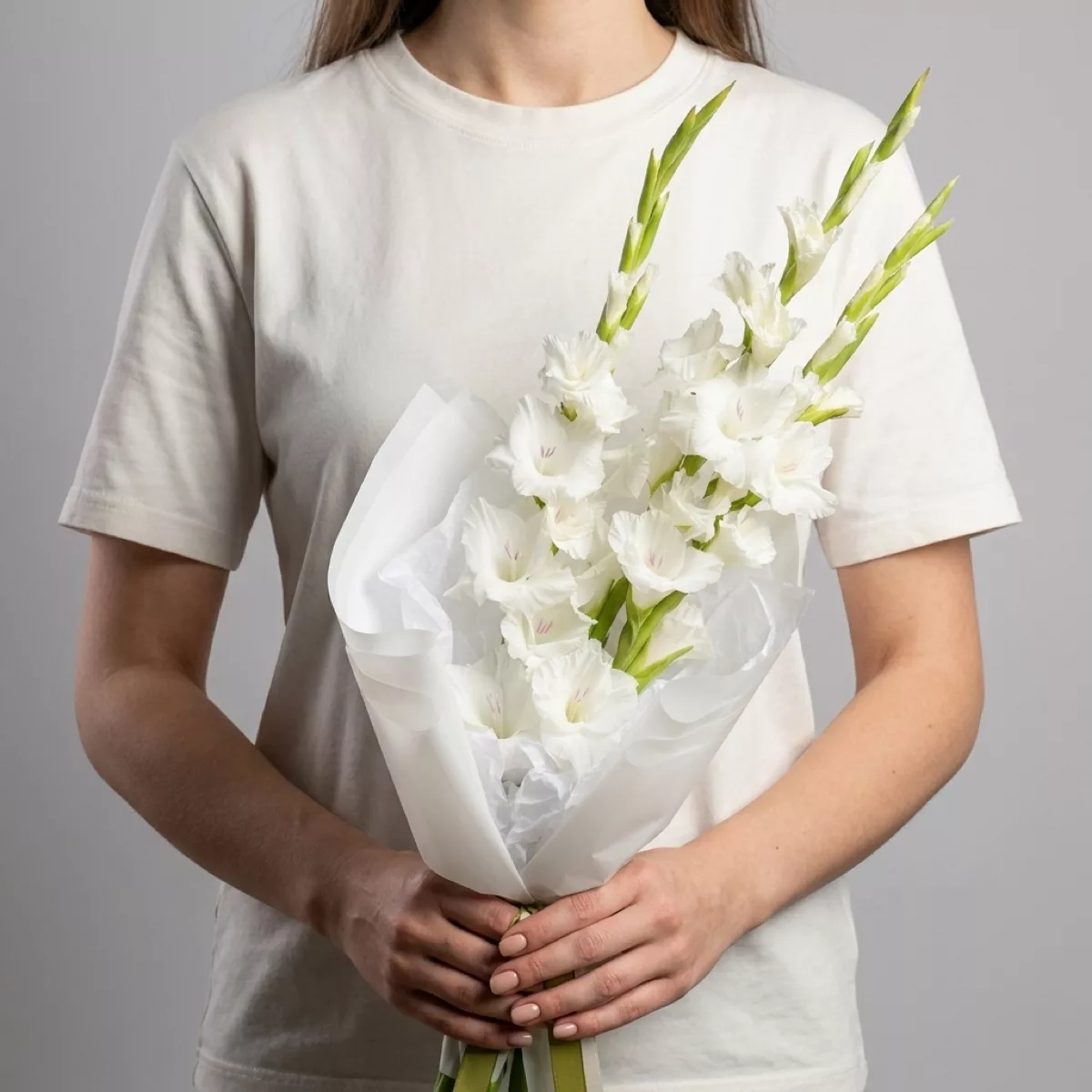
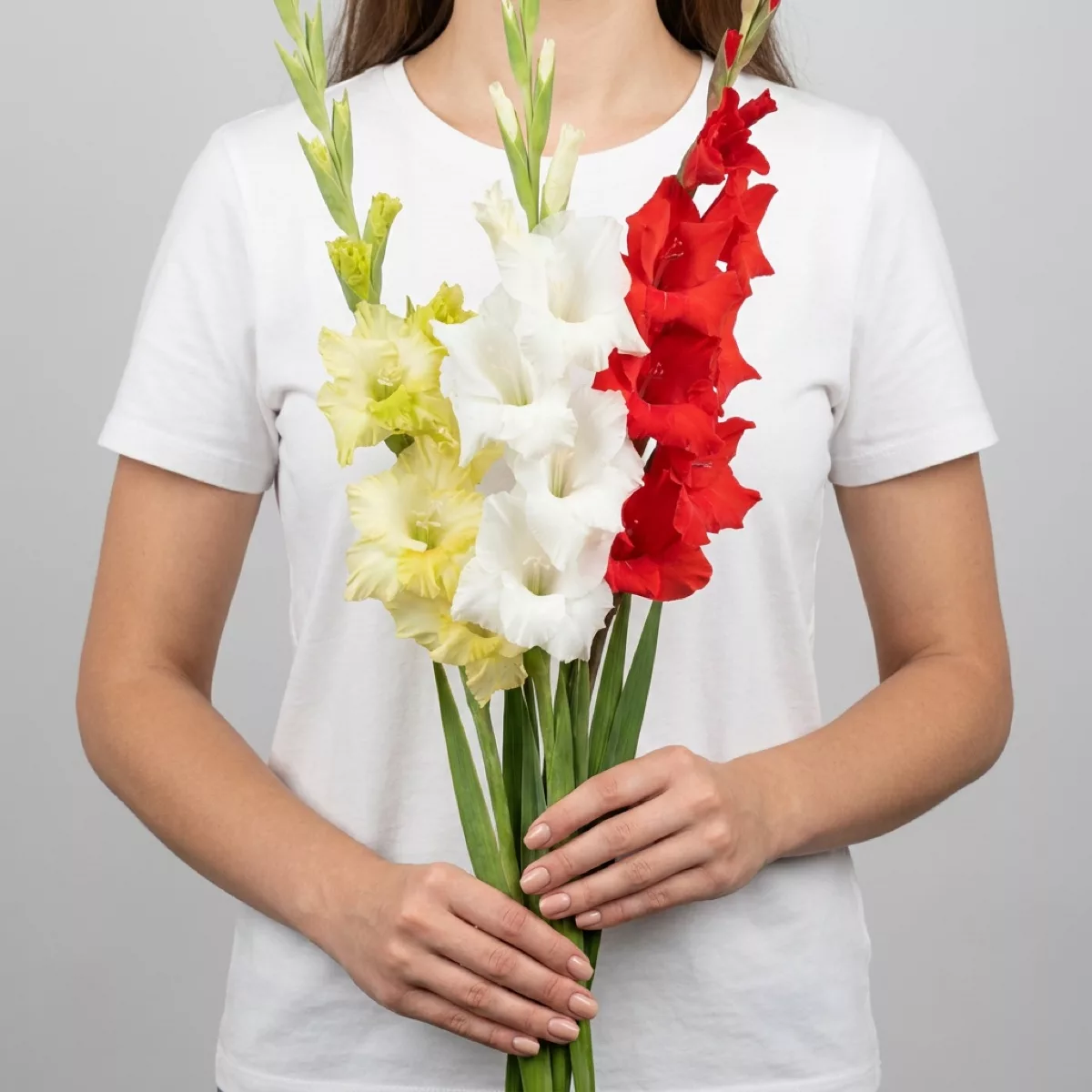
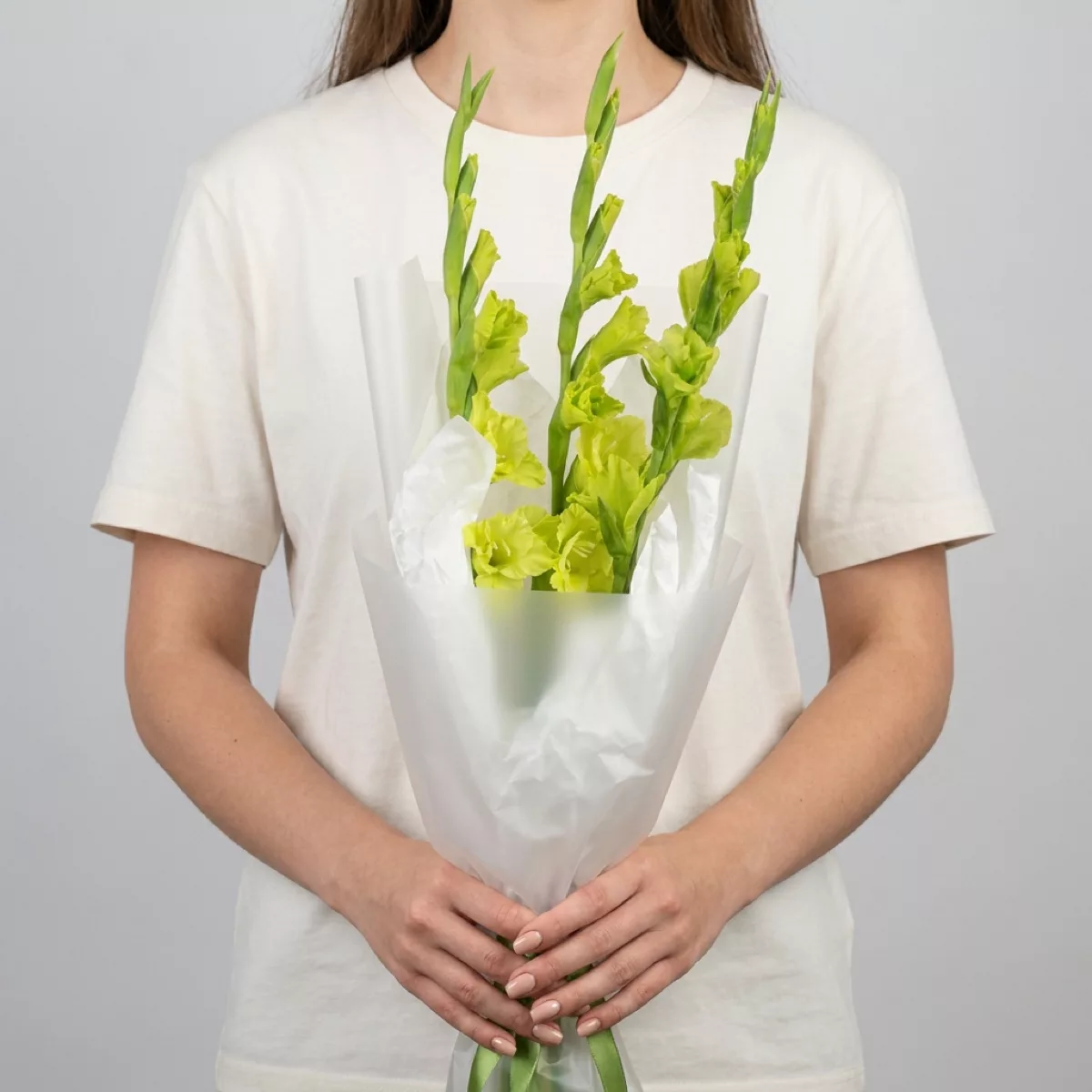
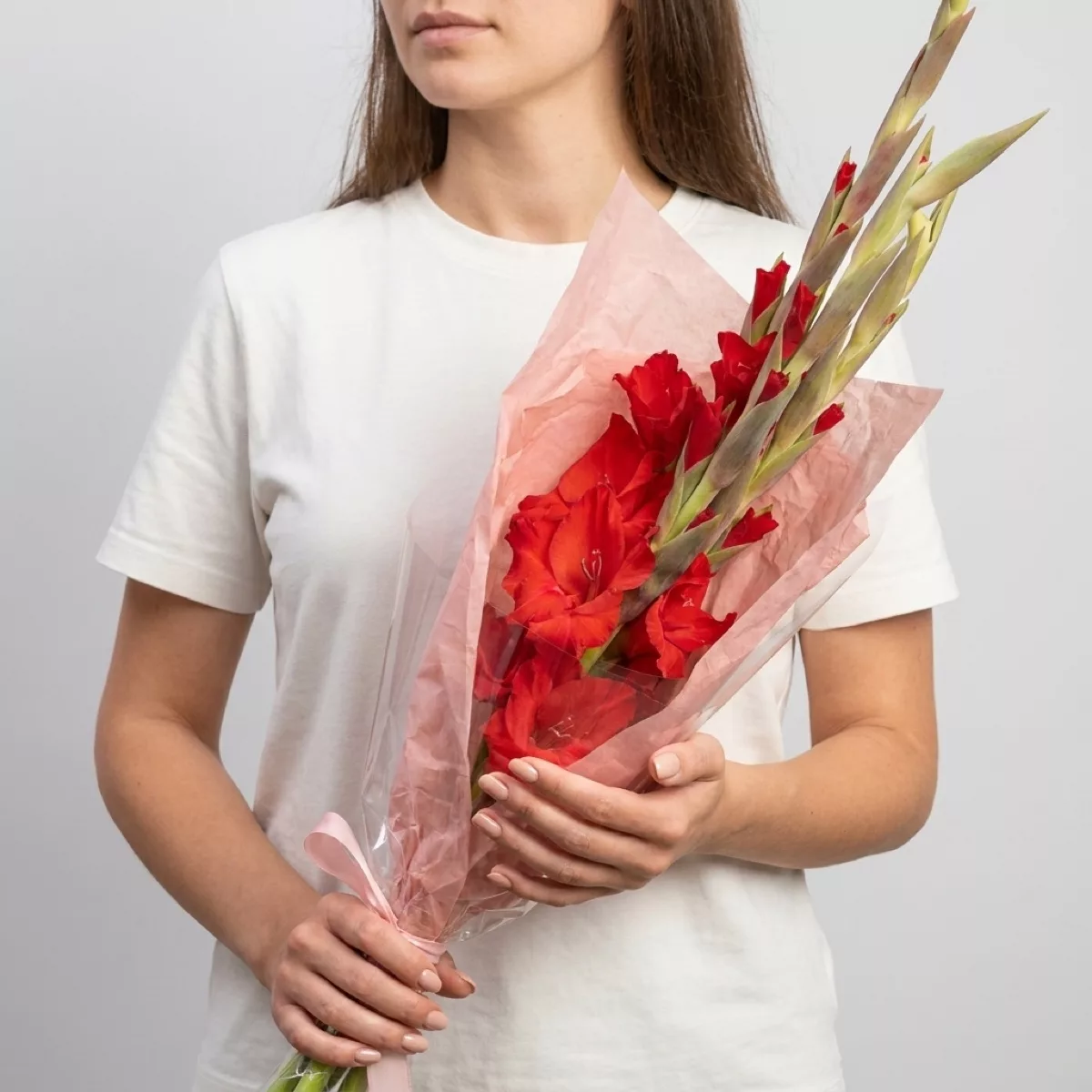
Bouquets we can deliver
Timing Your Order: When Flowers Leave and When They Arrive
Shimanovsk is in the UTC+9 time zone, which means there is a six-hour difference with Moscow and a significant gap with Saint Petersburg. When you are ordering from another city or from abroad, that time difference matters more than almost any other detail. A bouquet ordered at noon Moscow time may arrive in Shimanovsk during the late afternoon, which is actually ideal for a birthday or anniversary — the recipient is usually home from work and the moment lands well.
For same-day delivery, orders placed before the local cut-off time in Shimanovsk are dispatched as a priority. Morning slots tend to fill first, especially around public holidays and the dates that matter most in Russia: February 14th, March 8th, and the weeks around New Year. Booking a day ahead during those periods is not overcaution — it is simply practical.
Express delivery within one to two hours is available for orders placed during business hours. If you are sending flowers for a surprise lunch or a spontaneous congratulation, this window is realistic as long as the address is clear and the recipient will be present. Evening deliveries are possible but require confirmation that someone will be at the door — leaving a bouquet of tulips or spray roses outside in Amur region temperatures is not something we recommend, for reasons the next section will explain in full.
What the Amur Region Climate Does to Fresh Flowers
The Amur region has a continental climate with cold winters that are genuine and sharp — January temperatures in Shimanovsk regularly drop to minus twenty-five degrees Celsius or colder. Summer is warm and can be humid, with temperatures climbing above thirty degrees in July and August. Both extremes affect cut flowers in specific ways, and knowing this helps you choose the right varieties and the right timing.
In winter, petals freeze within minutes of exposure to outdoor air. Roses, which are among the most popular choices year-round, need insulated packaging and a fast handover at the door. Gerberas and anthuriums are particularly sensitive to cold and can develop black spots on their petals after even brief exposure to sub-zero temperatures. If you are ordering in January or February, varieties like chrysanthemums, alstroemerias, and certain spray carnations handle temperature stress better and arrive looking cleaner.
In summer, the challenge reverses: heat and humidity accelerate wilting. Flowers that travel well in warm conditions include lisianthus, statice, and waxflower, all of which have naturally lower water requirements and tougher cell walls. We pack all summer bouquets with water-retaining materials and recommend the recipient unwrap and place the stems in water within fifteen minutes of delivery. In the Amur summer, that fifteen-minute window is not an exaggeration — it is the difference between a bouquet that lasts a week and one that droops by evening.
Choosing Flowers for the Person, Not Just the Occasion
Russian flower-giving has a few customs that are worth knowing if you are new to them. Odd numbers of stems are given to the living — even numbers are reserved for mourning, so always check your bouquet count when ordering. Red roses carry romantic weight, while white roses read as elegant and neutral. Yellow flowers were once considered unlucky in Soviet-era thinking, but that association has faded significantly among younger generations in Russian cities, including Shimanovsk.
For a colleague or a teacher — and Teacher's Day in early October is one of the busiest delivery dates of the year across Russia — chrysanthemums in white or pale yellow, or a mixed seasonal bouquet, is a safe and genuinely appreciated choice. For a close friend's birthday, something with texture and colour variety tends to land better than a single-variety bunch: think garden roses combined with eucalyptus and a few stems of freesia for scent.
For a romantic gesture, the classic dozen red roses still works because it is understood immediately and carries no ambiguity. But if you want something that feels more considered, a combination of peach or blush garden roses with white lisianthus and soft greenery reads as thoughtful rather than automatic. The person receiving it notices that someone made a choice, not just clicked the first option. That small difference in perception is worth thinking about when you are ordering from a distance and cannot see the bouquet being made.
Bouquet Options Across Different Budgets in Shimanovsk
The price of a bouquet reflects three things: the variety of flowers used, the number of stems, and the complexity of the arrangement. A single-variety bouquet of seasonal spray roses or alstroemerias in a neat wrap is an honest, fresh gift that costs less and lasts well — alstroemerias in particular have a vase life of ten to fourteen days, which means the recipient is still enjoying them nearly two weeks later. That longevity often makes a modest bouquet feel more generous than it looks at the moment of delivery.
A mid-range bouquet typically combines two or three varieties with complementary greenery. A popular combination for Shimanovsk deliveries is standard roses with waxflower and pittosporum — the waxflower adds a faint honey scent and the pittosporum keeps its shape even after a long journey. This kind of arrangement photographs well, which matters because many recipients in Russia share a picture of their flowers on social media or in a family chat almost immediately.
Larger bouquets with garden roses, peonies in season, or imported orchid stems are available for landmark occasions — a significant birthday, a work anniversary, a graduation. Peonies are only reliably available from late May through July, so if you have a celebration in that window and want something genuinely impressive, that is the moment to use them. Outside of peony season, garden roses in full bloom are the closest equivalent in terms of visual impact and the feeling they create when someone opens the door and sees them.
How to Help the Recipient Get the Most from Their Bouquet
The first thing a recipient should do after unwrapping a delivered bouquet is cut the stems at a diagonal — about two centimetres from the bottom — and place them immediately in clean, cool water. The diagonal cut is not decorative; it increases the surface area through which the stem drinks and prevents the cut end from sitting flat against the bottom of the vase and blocking water uptake. This single step extends vase life more than almost anything else.
Tap water in most Russian cities, including Shimanovsk, is treated with chlorine, which is not harmful to flowers but does affect water clarity over time. Changing the water every two days and rinsing the vase each time keeps bacteria from building up at the stem ends. A small pinch of sugar added to the water gives the flowers a light energy source, and a drop of bleach keeps the water clear — these are old florist habits that genuinely work.
Keep the bouquet away from direct sunlight, radiators, and open windows in cold weather. In a Shimanovsk apartment in winter, the radiators run warm and the air is dry, which shortens vase life noticeably. A cool corner of the kitchen or a north-facing windowsill is better than a sunny living room table. Removing any leaves that sit below the waterline prevents rot and keeps the water smelling clean. With proper care, roses last five to seven days, chrysanthemums ten to fourteen, and alstroemerias up to two weeks — these are realistic numbers, not optimistic ones.
What Makes a Flower Delivery to Shimanovsk Go Smoothly
The single most useful thing you can do when placing an order for Shimanovsk is provide a working mobile number for the recipient. Not because we call ahead and announce the delivery — a surprise stays a surprise — but because the courier can send a message when they are two minutes away, which means the recipient is at the door rather than in the shower or on another floor of the building. That small logistical detail prevents the majority of missed deliveries.
If you are sending to a workplace rather than a home address, include the office name and the floor or department. Many buildings in Shimanovsk have security desks or closed entrance systems, and a bouquet handed to reception and then carried through an office has a different effect than one that arrives directly at someone's desk. Both are fine — just be specific so we can plan the handover correctly.
For surprises, you can add a note with the order and we will include it with the bouquet. Keep the message short and personal — three or four sentences land better than a long paragraph when someone is standing in a doorway holding flowers and feeling emotional. If you are ordering from abroad and the time difference makes you uncertain about timing, our team can hold a bouquet at the ready and dispatch it at a specific local Shimanovsk time that you nominate. That flexibility is there for exactly these situations, and using it makes the whole experience feel planned rather than accidental.
Sending flowers to Shimanovsk is entirely doable when you understand the climate, plan around the time zone, and choose varieties that travel honestly. The city is far from Saint Petersburg in distance, but the logistics are straightforward when the address is clear, the timing is confirmed, and the bouquet is packed for the conditions it will actually face. A well-chosen arrangement arriving at the right moment — whether it is a birthday morning, a surprise at the office, or a quiet thank-you — does something that a message cannot. It takes up space in a room and stays there for days, which is the whole point.
Frequently asked questions
Can I order flowers for same-day delivery to Shimanovsk?
Yes, same-day delivery is available for orders placed before the daily cut-off time in the Shimanovsk time zone, which is UTC+9. Morning orders are dispatched as a priority. During busy periods like March 8th or New Year, ordering a day ahead is strongly recommended to secure your preferred time slot and avoid disappointment.
Which flowers hold up best in Shimanovsk's cold winters?
Chrysanthemums, alstroemerias, and spray carnations are the most cold-tolerant cut flowers and arrive in the best condition during the Amur region's harsh winters. Roses travel well with proper insulated packaging but need a fast handover at the door. Gerberas and anthuriums are the most vulnerable to frost and are better chosen for warmer months.
Do I need to give an even or odd number of flowers in Russia?
In Russian tradition, odd numbers of stems are given as gifts to the living, while even numbers are associated with mourning. When ordering, check the stem count in your bouquet. Most pre-arranged bouquets from Turboflora already follow this convention, but it is worth verifying if you are building a custom arrangement with a specific number of stems in mind.
What if the recipient is not home when the flowers arrive?
Our courier will contact the recipient using the mobile number provided with the order. If there is no answer, the team will coordinate a second delivery attempt or hold the bouquet until a confirmed time. This is why a working recipient phone number is the most important detail in any order — it protects both the surprise and the flowers.
How long will the bouquet last after delivery to Shimanovsk?
With proper care — diagonal stem cut, clean cool water changed every two days, kept away from radiators and direct sun — roses last five to seven days, chrysanthemums ten to fourteen days, and alstroemerias up to two weeks. Shimanovsk's dry winter indoor air shortens vase life slightly, so keeping the bouquet in a cooler part of the room makes a real difference.
Ready to send flowers?
Pick the city, choose the bouquet, and a local florist takes it from there.
Choose a city →