Flower Delivery in Shlisselburg: What to Expect on the Day
Shlisselburg sits at the point where the Neva leaves Lake Ladoga, about 35 kilometres east of Saint Petersburg — close enough that fresh flowers can reach someone there the same day you order, yet far enough that a few things are worth knowing before you click confirm. Whether you are sending a birthday bouquet to a friend in a riverside apartment or surprising a colleague who just moved to the new districts near the Ladoga shore, this article walks you through timing, seasonal choices, presentation and the small details that make the difference between a bouquet that arrives looking shop-fresh and one that has clearly had a long journey.
Ordering from Saint Petersburg for Someone in Shlisselburg
Most people who order to Shlisselburg are in Saint Petersburg themselves, or in another Russian city entirely, sending flowers to someone they cannot visit in person. That distance is exactly why the details matter — you will not be there to check the bouquet before it goes out the door, and the recipient will form their first impression the moment the courier hands it over.
Turboflora prepares every order at the studio in Saint Petersburg and delivers directly, so the bouquet you see on the website is the bouquet that leaves the shop. There is no handoff to a local seller, no repackaging in a back room somewhere along the route. The courier drives the Murmansk Highway east, crosses the Neva at the Ladoga Bridge and arrives in the town centre in roughly 50 to 70 minutes under normal traffic conditions.
The practical consequence is that you should order at least two to three hours before the moment you want the flowers to arrive. That window gives the florist time to cut and condition the stems, build the composition and package it for a road journey rather than a short city trip. If you are ordering for a specific time — a birthday dinner at seven, a morning surprise before work — note the preferred delivery window in the comment field and the team will plan the route accordingly.
Russia does not have a strong tradition of same-day online shopping in smaller towns, so recipients in Shlisselburg are often genuinely surprised to receive fresh flowers delivered to their door. That surprise is part of the gift.
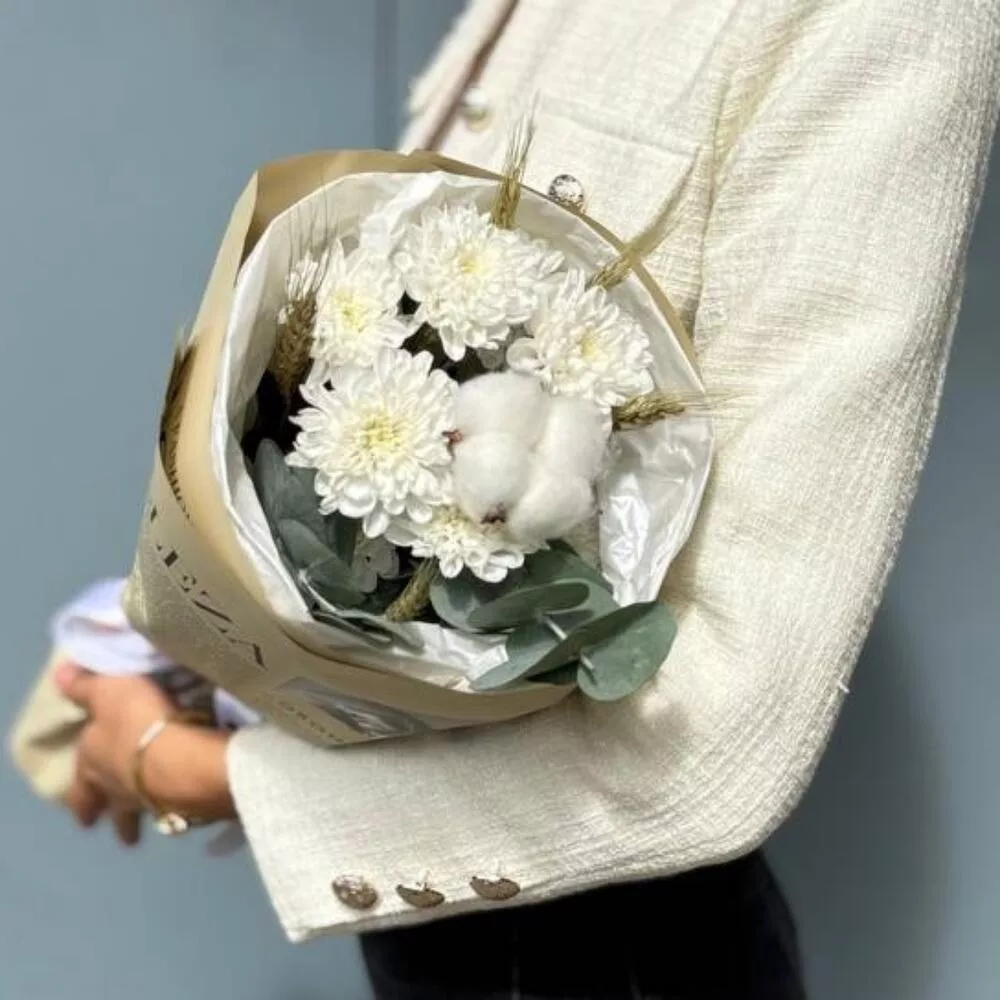
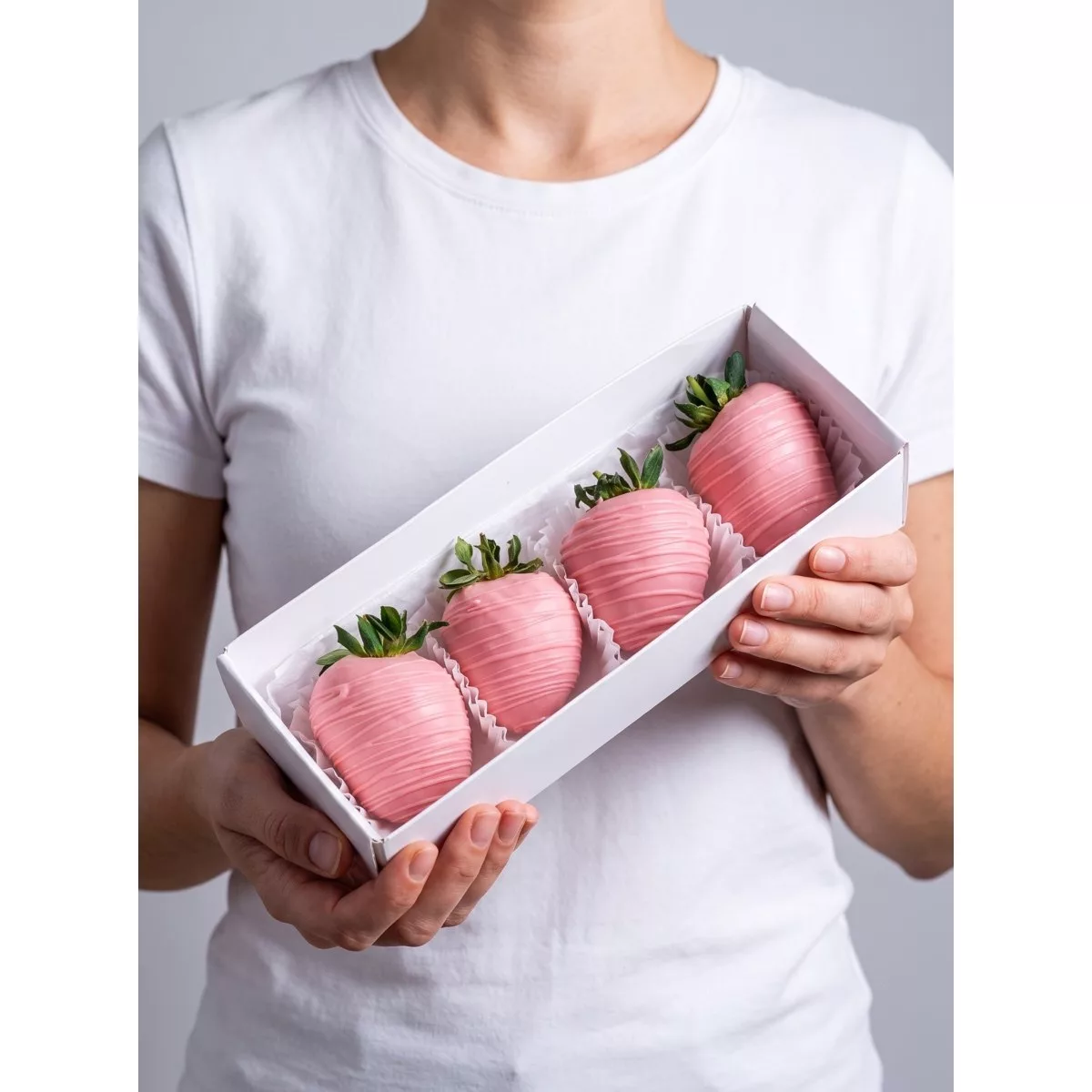
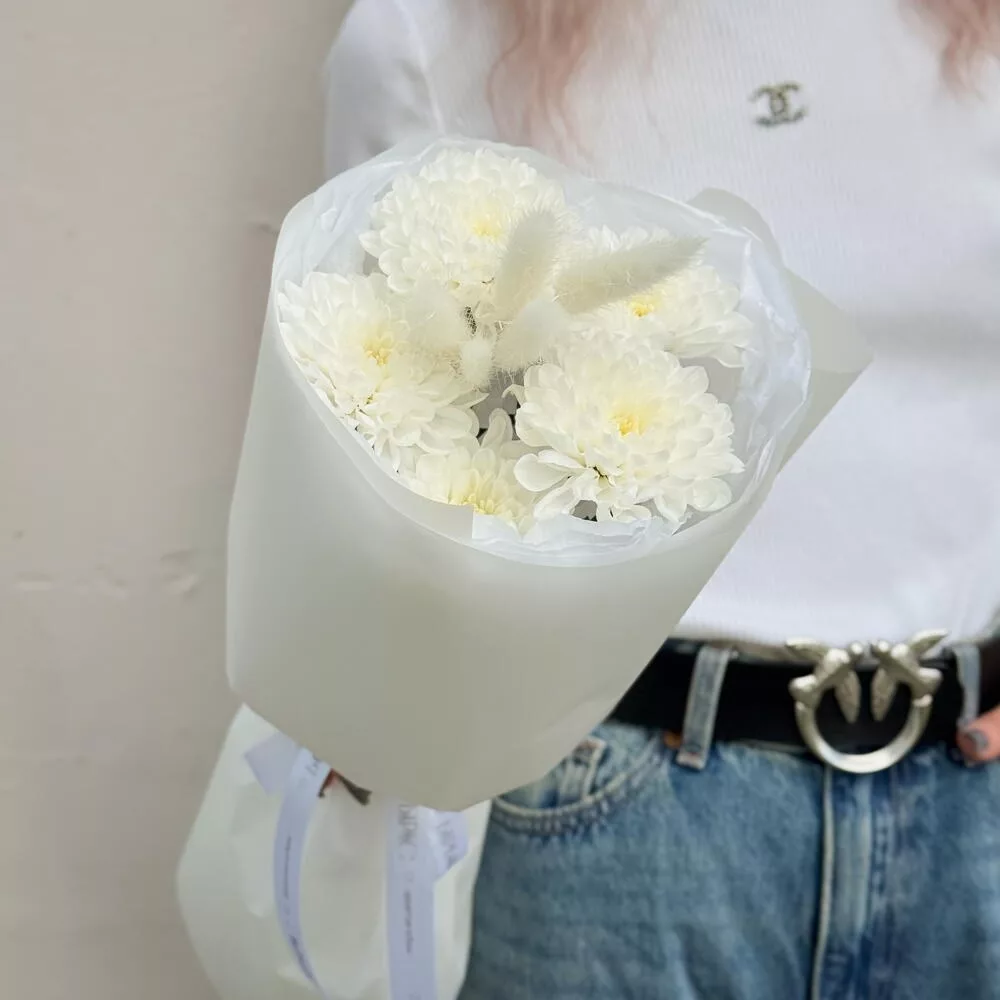
Bouquets we can deliver

Which Neighbourhoods and Streets Turboflora Reaches
Shlisselburg is a compact historic town, and the delivery zone covers the entire municipality — the old centre around Proviantskaya and Krasnaya streets, the residential blocks along Rabochiy Island, the newer apartment areas on the mainland side near the Ladoga Canal, and the private house districts that spread toward the Kirovsky district boundary.
If you are sending to a private address — a detached house with a gate code or a courtyard entrance — add that information when you order. Couriers navigate by address and phone, and a quick note about a tricky entrance saves everyone time. Recipients in Russia generally expect a call from the courier about ten minutes before arrival, so make sure the phone number you provide is one the recipient actually answers, or ask a neighbour to receive the bouquet if the person will be away.
Delivery to workplaces, schools, cultural institutions and the local hospital reception is also possible. For workplace deliveries, confirm the building is open to visitors and note the department or office name — Shlisselburg institutions can have security desks that require a contact name before they allow entry.
The Oreshek Fortress on the island in the Neva is a landmark, not a delivery address, but guests staying on the mainland side near the museum ferry can receive flowers at their accommodation. If the destination is genuinely unusual — a boat, a summer dacha on an unmarked lane — call the shop before ordering so the logistics can be confirmed rather than discovered at the last moment.
Choosing a Bouquet for the Occasion, Not Just the Price
Before you think about budget, think about the person and the moment. A woman turning fifty who loves her garden will respond differently to a loose, garden-style arrangement of lisianthus, spray roses and eucalyptus than to a tight round bouquet of red roses — even if both cost the same. A young man receiving flowers for graduating from university will appreciate something structured and unfussy: a clean bundle of white chrysanthemums or a single-variety bunch of alstroemeria in a strong colour.
For birthdays, which are the most common reason people send flowers to Shlisselburg, warmth and abundance read well. Combinations of garden roses with seasonal fillers — waxflower in spring, hypericum berries in autumn — feel generous without being overwhelming. Peonies, when in season from late May through June, are the single most requested flower in Russian birthday orders and for good reason: they open beautifully over three to four days and fill a room with scent.
For romantic occasions, restraint often works better than volume. A dozen long-stemmed roses in a single colour, wrapped simply, carries more weight than a mixed arrangement that tries to do everything at once. Burgundy, blush and cream are the shades that photograph well and feel considered rather than generic.
For a new home or a housewarming — a common occasion in Shlisselburg where new residential buildings have gone up in recent years — choose flowers with a long vase life. Chrysanthemums, carnations and alstroemeria all last ten days or more if the recipient follows basic care steps, which makes them a practical gift when someone is still unpacking boxes.
Bouquet Options Across Different Budgets
At the entry level, a single-variety bouquet of five to seven stems is the right choice. Alstroemeria in coral or white, spray chrysanthemums in yellow or lilac, or a small bunch of freesias all make an honest, cheerful gift that does not pretend to be more than it is. Freesias in particular carry a strong fragrance relative to their size, which makes them feel generous even in a small bunch.
In the mid range you can move into mixed compositions. A combination of garden roses with lisianthus and a soft filler like gypsophila or pittosporum gives the florist enough material to create shape and contrast. This is the range where presentation starts to matter as much as the flowers themselves — kraft paper wrapping with a ribbon, a box with a transparent lid, or a hat box all change how the moment of receiving feels.
At the upper end, the conversation shifts to statement pieces. Hydrangeas paired with garden roses and eucalyptus branches make a bouquet that fills a room visually and photographically. Dutch tulips in season, arranged in a generous bunch of thirty or forty stems, are deceptively simple but immediately impressive. Orchid stems — phalaenopsis or cymbidium — add an architectural quality that suits modern interiors.
One practical note for all budgets: flowers travelling 35 kilometres in a car need to be packaged with the journey in mind. Turboflora wraps stems in water-retaining material for longer deliveries, which keeps the flowers hydrated and prevents the wilting that can happen when a bouquet sits in a warm car without moisture at the stem ends.
Seasonal Flowers and What Grows Well in the Ladoga Climate
The Leningrad Oblast has a cool, damp climate that shapes what is available locally and what travels well. In January and February, when temperatures in the Shlisselburg area regularly drop below minus ten Celsius, the flower range is almost entirely greenhouse-grown: roses, chrysanthemums, carnations and imported tulips from the Netherlands. These varieties handle cold transport well as long as the courier uses insulated packaging and does not leave the bouquet in an unheated car for more than a few minutes.
Spring arrives slowly here. By late March, local wholesalers begin receiving the first tulips and daffodils, and by April the choice opens up considerably. Ranunculus appear in April and May and are worth requesting if you want something that looks less formal than a rose but more refined than a tulip. Their layered petals and wide colour range make them a favourite for styled, photogenic arrangements.
Summer, from June through August, is the peak season for peonies, lisianthus, matthiola and garden roses. Matthiola — stock flowers — have a clove-like fragrance that is immediately noticeable when you walk into a room, and they pair naturally with roses and eucalyptus. This is the season to order something abundant and seasonal rather than playing it safe with year-round varieties.
Autumn brings dahlias, sunflowers and the warm-toned palette that suits September and October gifting. By November the choice contracts again, but chrysanthemums in their many forms — spider, button, disbud — carry the season well and last longer in a vase than almost any other cut flower.
Keeping Flowers Fresh After Delivery: Practical Advice for Recipients
The moment the bouquet arrives is not the end of the florist's job — it is the beginning of the recipient's. Most flowers that die within two days do so because of simple, avoidable mistakes made in the first hour after delivery.
The first step is to recut the stems at an angle, removing about two centimetres, and place the flowers immediately into clean water. Tap water in the Shlisselburg area is treated and suitable for flowers without any additives. If a sachet of flower food came with the bouquet, dissolve it in the water — it contains sugar for nutrition and a mild acidifier that slows bacterial growth.
Keep the vase away from direct sunlight, radiators and fruit bowls. Ripening fruit releases ethylene gas, which accelerates wilting in roses, carnations and lisianthus in particular. A cool spot — a windowsill away from the heating panel, or a hallway — adds days to vase life.
Change the water every two days and recut the stems each time. This sounds like extra effort but it makes a measurable difference: roses that would last five days with unchanged water often last eight or nine with regular water changes.
Different flowers in a mixed bouquet fade at different rates. When a stem starts to go over, remove it rather than leaving it in the vase — decaying stems release bacteria that shorten the life of the flowers still going strong. A bouquet of ten stems can become a small arrangement of five that looks intentional rather than depleted if you edit it as it ages.
Russian Flower Customs Worth Knowing Before You Order
If you are not familiar with Russian gifting culture, a few conventions are worth knowing so your order feels right for the context rather than accidentally awkward.
The most well-known rule is the odd number of stems. In Russia, even numbers of flowers are traditionally associated with mourning and are brought to cemeteries, not given as gifts to the living. If you are ordering a bouquet for any celebratory or affectionate occasion, choose an odd number: five, seven, nine, eleven, fifteen, twenty-five. Most florists apply this automatically, but it is worth knowing the reason so you can specify if you have a preference.
Red roses carry a strong romantic association in Russian culture, stronger than in many Western European countries. Sending red roses to a colleague or a casual acquaintance can be read as a romantic declaration rather than a professional gesture. For workplace occasions or friendships, white, yellow, orange or pink flowers are safer and warmer choices.
Yellow flowers have a complicated reputation in some parts of Russia — there is an old belief that they signal separation or bad luck — but this association is fading among younger recipients and in urban areas. If you are uncertain about the recipient's views, a mixed bouquet that includes yellow as an accent rather than the dominant colour avoids the question entirely.
Presenting flowers in Russia is a hands-on moment. The giver typically removes the wrapping before handing the bouquet over, or the recipient unwraps it immediately and displays it in a vase. Packaging that is easy to open gracefully — a simple bow rather than a sealed box — suits the occasion well.
Shlisselburg is close enough to Saint Petersburg that fresh flowers can arrive the same morning you decide to send them, but the journey is real and the details around timing, packaging and seasonal choice all shape what the recipient actually experiences. Order with a clear delivery window in mind, think about the person before the price point, and pass on the simple care steps — recutting stems, clean water, a cool spot away from fruit — and the bouquet will look and smell the way it did when it left the studio.
Frequently asked questions
How long does it take for flowers to reach Shlisselburg from Saint Petersburg?
The drive from the Turboflora studio to Shlisselburg takes roughly 50 to 70 minutes depending on traffic on the Murmansk Highway. Add preparation time at the studio — usually 30 to 60 minutes — and the total from order to doorstep is typically two to three hours. Ordering in the morning gives the most flexibility for same-day delivery.
Can I send flowers to a private house rather than an apartment block?
Yes. Include the full address, any gate or entry code, and a working phone number for the recipient. Private house deliveries in Shlisselburg work well when the contact details are accurate. The courier will call ahead, so make sure the recipient's phone is on or arrange for a neighbour to accept the bouquet if needed.
What flowers travel best in cold winter weather to Shlisselburg?
Roses, chrysanthemums and carnations are the most cold-tolerant cut flowers and handle winter road journeys well when wrapped in insulated packaging. Tropical varieties like anthuriums and certain orchids are more sensitive to temperatures below five Celsius. In January and February, ask the florist to recommend what is travelling well that week.
Why do Russian bouquets always seem to have an odd number of flowers?
Even numbers of flowers are traditionally reserved for mourning in Russian culture and are placed at graves rather than given as gifts. Odd numbers — five, seven, eleven, fifteen — are the standard for any living recipient. Most florists apply this automatically, but it is worth specifying if you have a particular stem count in mind.
How can I make sure the flowers still look fresh when they arrive?
Turboflora wraps stems in water-retaining material for deliveries over longer distances, which keeps them hydrated during the journey. On your end, ask the recipient to recut the stems at an angle and place them in clean water immediately on arrival. Keeping the vase away from radiators and fruit extends vase life significantly.
Ready to send flowers?
Pick the city, choose the bouquet, and a local florist takes it from there.
Choose a city →