Flower Delivery in Shuya: Timing, Choices and What Arrives at the Door
Shuya is a quiet textile city in the Ivanovo region, and sending flowers there is entirely possible — if you understand what the journey involves and how to prepare a bouquet that survives it looking its best. Whether you are marking a birthday, a anniversary, a new job or simply a moment that deserves colour, the right flowers chosen with delivery in mind will arrive fresh, open at just the right stage and ready to brighten a room for days.
Where in Shuya Do We Deliver and How Far Does That Reach
Shuya sits roughly 320 kilometres northeast of Moscow and about 30 kilometres from Ivanovo, the regional capital. Turboflora covers the city itself — the central streets around the Resurrection Cathedral, the residential districts along the Teza River and the newer housing blocks on the outskirts. Delivery reaches private homes, apartment buildings, offices, schools and medical facilities within the city boundary.
Beyond the city centre, we also serve the surrounding settlements that fall within the Shuya municipal district. If your recipient lives in a village just outside the administrative border, it is worth confirming the exact address when you place the order so we can give you a precise answer rather than a general one. A full street address with entrance number and flat number saves time and prevents the courier from waiting outside a locked lobby.
One practical note: Shuya has some streets with old Soviet-era names that were later renamed, and both names are still in use locally. If you know the address only by an older name, include both versions in the order notes. Our team will cross-reference and make sure the bouquet finds the right door without delay or confusion for the recipient.
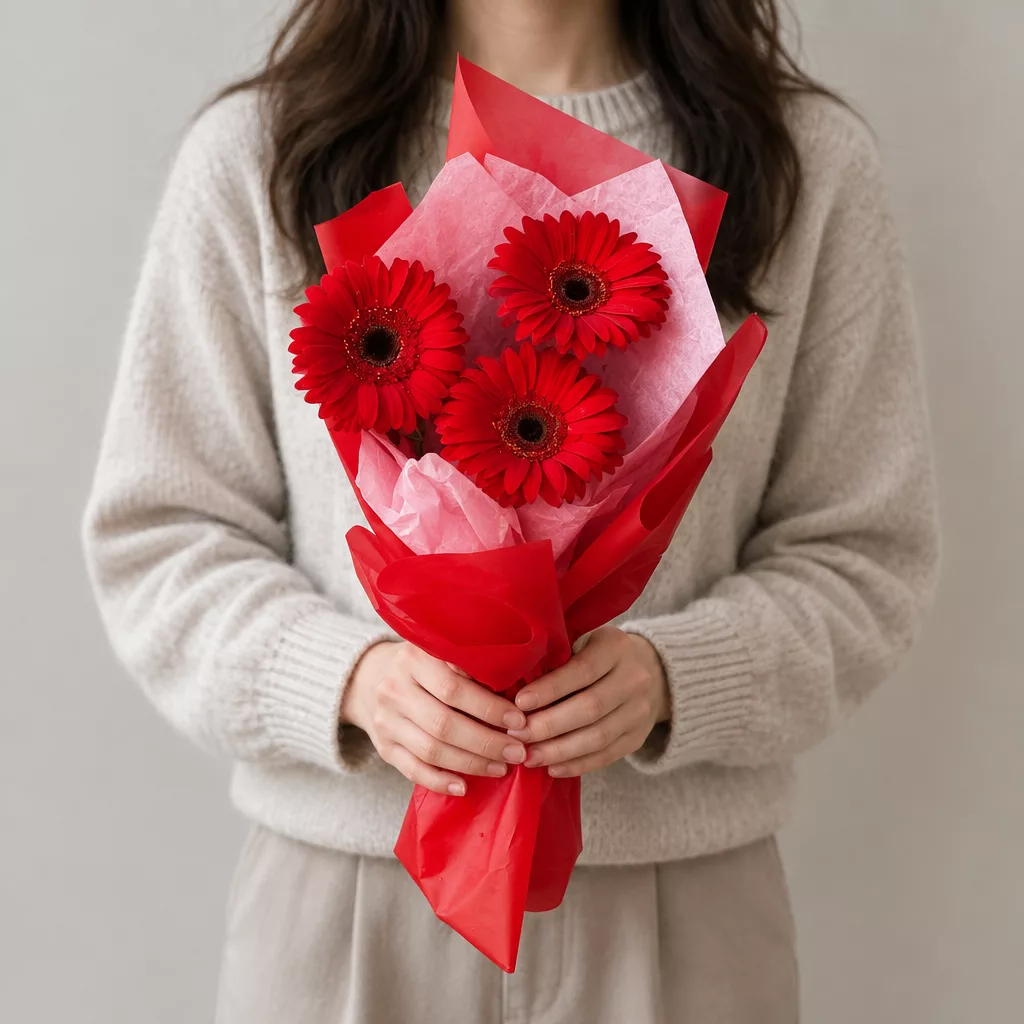
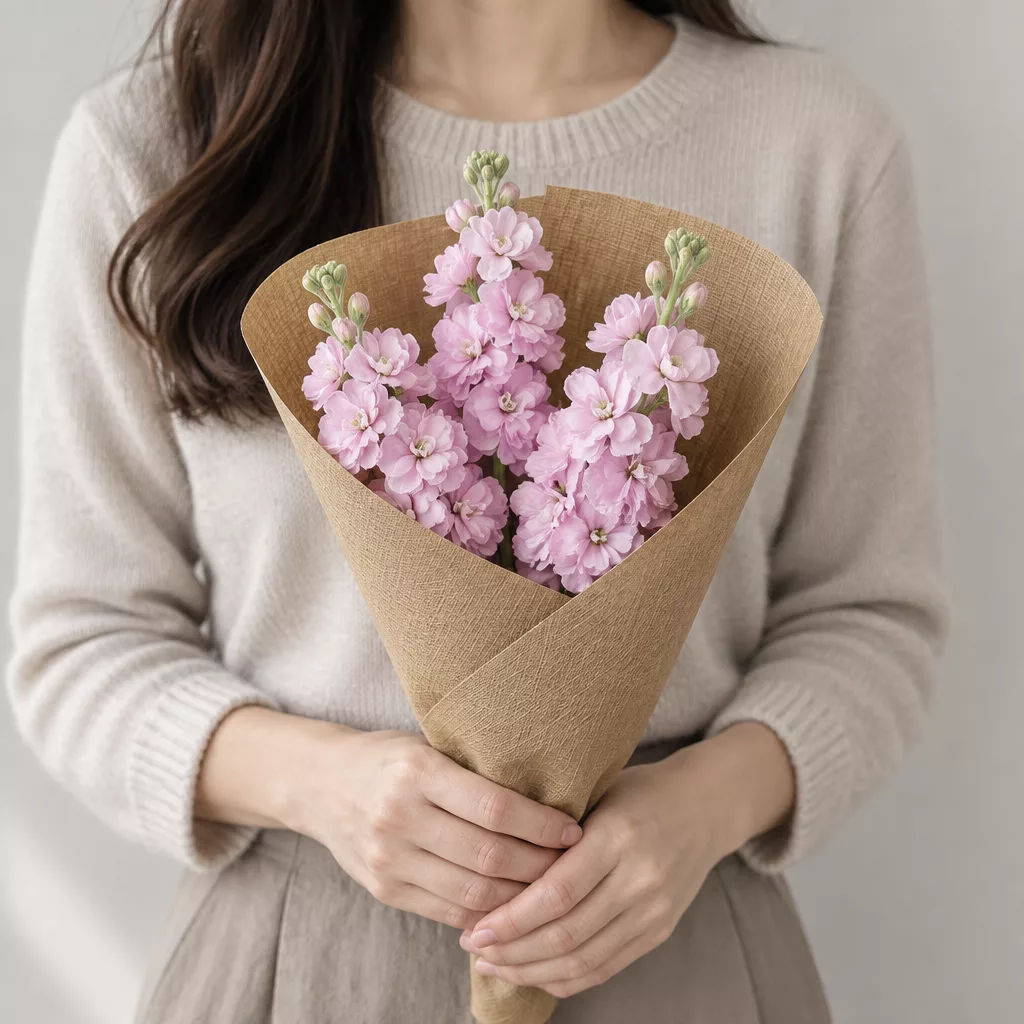
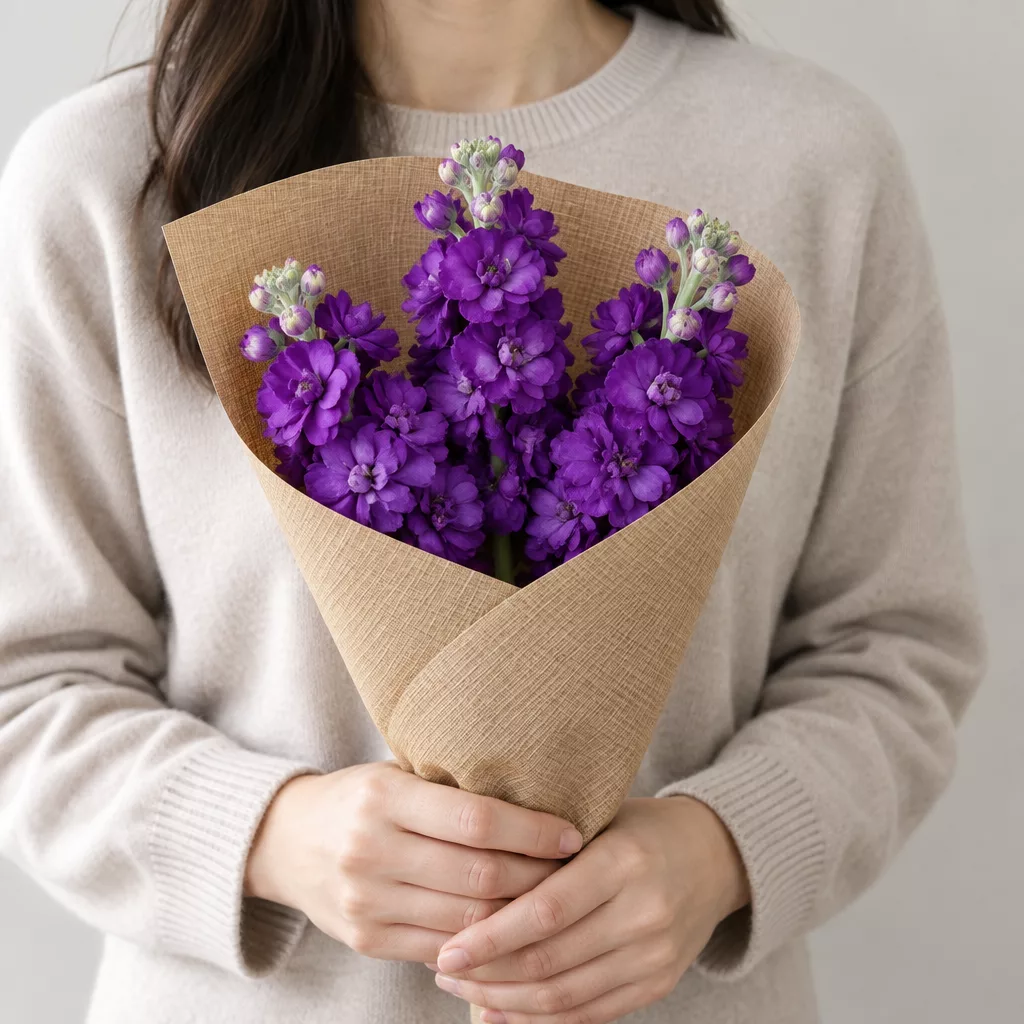
Bouquets we can deliver

Timing Your Order: What a 1–2 Hour Window Means in Practice
Turboflora operates on a 1–2 hour delivery promise across its network, and that window reflects real florist and logistics preparation time, not just travel. For Shuya, the courier journey from our nearest dispatch point adds to that window, so it is honest to say that same-day delivery to Shuya typically means placing your order with enough lead time — ideally several hours before the moment you want the flowers to arrive.
Morning orders placed before noon have the smoothest path. The florist assembles the bouquet fresh, wraps it correctly for travel and hands it to the courier during a calm part of the day. Late-afternoon and evening orders are possible, but availability of specific varieties may narrow as the day progresses, since perishable stock is managed carefully and we do not keep surplus sitting in a cold room overnight.
For milestone events — a significant birthday, a wedding anniversary, a graduation — placing the order the evening before and scheduling delivery for the following morning is the most reliable approach. You choose the arrival window, and we work backward from it. Last-minute orders are welcome and we fulfil them whenever stock allows, but if you have a fixed time that matters, early booking removes all uncertainty. Flowers assembled with care and dispatched on time arrive looking exactly as the florist intended them to look.
Choosing Flowers for the Person, Not Just the Occasion
Before you think about varieties, think about the recipient. A grandmother in Shuya who tends a balcony garden will likely treasure something that echoes what she already loves — garden roses, lisianthus or a mixed seasonal arrangement that feels like a cutting from a real garden rather than a formal presentation. A younger colleague celebrating a promotion may respond better to something graphic and modern: a tight cluster of ranunculus in one colour, or long-stemmed tulips wrapped simply in kraft paper.
Russian gifting culture traditionally leans toward odd numbers of stems — three, five, seven, nine — and this is worth knowing if the recipient or their family holds to that custom. Even numbers are historically associated with mourning in Russia, so sticking to odd numbers is a small but meaningful gesture of cultural awareness. You do not need to overthink it, but it is the kind of detail a thoughtful sender notices.
For romantic occasions, red roses remain the classic choice and they travel well when cut at the right stage — buds that are just beginning to show colour but have not yet opened. Peonies are beloved across Russia but are intensely seasonal, available mainly from late May through June. Outside that window, garden roses with layered petals offer a similar lushness without the seasonal restriction. Alstroemeria and carnations are sometimes underestimated, but both hold beautifully over long delivery routes and fill out a bouquet with real warmth when combined with focal flowers.
Seasonal Conditions and Why They Shape Every Bouquet
The Ivanovo region has a proper continental climate. Winters are cold — temperatures in Shuya regularly drop below minus fifteen Celsius from December through February — and summers are warm and sometimes humid. Both extremes affect how flowers travel and what you should order during each season.
In winter, the greatest risk is cold shock. A bouquet that spends even five minutes in unprotected air at minus ten degrees will show petal damage within hours of arriving indoors. Turboflora wraps cold-weather deliveries in insulating layers and uses sealed packaging that protects stems from temperature swings between the courier vehicle and the entrance hall of a building. Flowers that tolerate cold travel best include roses, chrysanthemums and alstroemeria. Tropical varieties like strelitzia or anthuriums are more vulnerable and need extra care in deep winter.
In summer, the challenge reverses. Heat and humidity accelerate the opening of buds and can cause soft petals — those of gerbera or open garden roses — to bruise during transit. We cut these varieties at a tighter stage in warm months and cool the vehicle interior accordingly. If you are ordering in July or August, asking for flowers at an earlier bud stage is not a sign of getting something unfinished — it means the bouquet will look its best for longer once it reaches your recipient. Communicating the season you are in to your florist, even briefly, always improves the result.
Bouquet Combinations That Work Well for Shuya Recipients
A single variety done well is often more striking than a mixed arrangement done carelessly. Five large-headed white roses wrapped in matte paper with a single sprig of eucalyptus is a complete, elegant gift. Seven salmon-coloured lisianthus with a few stems of waxflower tucked in at the base reads as thoughtful and refined without being fussy. These kinds of restrained combinations also travel better because there are fewer stems competing for water and fewer delicate elements to shift during transit.
For larger celebrations — a significant birthday, a housewarming, a retirement — a fuller bouquet makes sense. A combination that works reliably across seasons is spray roses as the base, one or two focal flowers such as standard roses or lisianthus, and a soft textural element like pittosporum, ruscus or eucalyptus. This three-layer structure gives the bouquet depth and keeps it looking intentional rather than simply large.
Colour matters more than variety in most cases. A bouquet built entirely in shades of cream, blush and white feels luxurious regardless of which specific flowers are used. A bold combination of orange ranunculus, red roses and burgundy alstroemeria reads as warm and celebratory. If you are unsure of the recipient's taste, soft pinks and whites are the most universally appreciated palette in Russian gifting culture — they read as neither too bold nor too neutral and suit almost every age and occasion.
What Happens When the Flowers Arrive: Care Instructions Worth Passing On
Many recipients in Russia, particularly older generations, have strong instincts about flower care that are sometimes at odds with what actually extends vase life. The most common mistake is placing flowers directly into warm water. Cold or room-temperature water is far better — it slows bacterial growth and keeps stems firm. A clean vase matters as much as the water temperature, since residue from previous bouquets introduces bacteria that shorten the life of fresh flowers.
Every stem should be cut at an angle before going into the vase, ideally under running water or submerged, which prevents an air bubble from forming at the cut end and blocking water uptake. About two centimetres off the bottom of each stem is enough. Leaves that would sit below the waterline should be stripped away entirely — they rot quickly and cloud the water within a day.
Roses and tulips benefit from a full water change every two days. Chrysanthemums and alstroemeria are more forgiving and can go three days between changes. Direct sunlight shortens vase life significantly, as does proximity to fruit bowls — ripening fruit releases ethylene gas, which accelerates petal drop. A cool room away from radiators and windows is the ideal spot. If the recipient follows these steps, a well-made bouquet of roses should last seven to ten days; alstroemeria and chrysanthemums often reach twelve to fourteen days with proper care.
Making the Order Feel Personal Before It Leaves the Shop
The bouquet itself is the main gift, but the details around it shape how it is received. A handwritten card is the most valued addition in Russian gifting culture — not a printed label, but actual handwriting, even if it is just a few words. When you place your order, write the message as you would say it aloud to the person. Formal phrasing that you would never use in conversation tends to read as impersonal. A simple, direct sentence — 'I am glad you are in my life' or 'Congratulations on everything you have built' — lands more warmly than a flowery passage.
If you want the delivery to be a surprise, note that clearly in the order. We will instruct the courier to call only if there is a delivery access issue, not to announce the arrival in advance. For apartment buildings with intercoms, providing the flat number and any entry code is essential — a courier standing outside with flowers and no way to reach the recipient is a frustrating situation for everyone.
You can also request that the bouquet be assembled in a specific colour palette, or ask for a particular flower to be included if it has meaning to the recipient. A florist who knows that the recipient's late mother always kept white freesias in the house will include them if stock allows. These details cost nothing to share and they transform a pleasant gift into one that the recipient will remember and talk about.
Sending flowers to Shuya from anywhere in Russia is straightforward when the order is placed with the right information and enough lead time. The city is reachable, the occasions are the same as anywhere else — birthdays, anniversaries, moments of gratitude — and the flowers that travel well are the same ones that look beautiful in a vase on a windowsill overlooking the Teza. Choose for the person first, trust the season, and let the bouquet speak in the way that flowers always have.
Frequently asked questions
Can I order flowers for delivery in Shuya on the same day?
Yes, same-day delivery to Shuya is available when the order is placed with sufficient lead time earlier in the day. Morning orders have the most reliable same-day fulfilment. For a specific delivery window — such as arriving before a birthday dinner — placing the order at least four to five hours in advance gives us the best conditions to meet your timing.
What flowers hold up best during delivery to Shuya in winter?
Roses, alstroemeria and chrysanthemums travel most reliably in cold conditions. They tolerate temperature fluctuations between a warm vehicle and a cold entrance hall better than soft tropical varieties. We wrap winter bouquets in insulating packaging to protect petals from frost exposure during the final moments of delivery, which makes a significant difference to how the arrangement looks on arrival.
Do I need to follow Russian customs around flower numbers when ordering?
You do not have to, but it is worth knowing. In Russian tradition, odd numbers of stems are given as gifts and even numbers are associated with mourning. If the recipient or their family observes this custom, ordering five, seven or nine stems rather than six or eight is a small, appreciated gesture. If you are unsure, simply note your preference and we will advise.
How long will the bouquet stay fresh after it arrives in Shuya?
A well-assembled bouquet of roses typically lasts seven to ten days with proper care — fresh water every two days, stems cut at an angle, leaves stripped below the waterline. Alstroemeria and chrysanthemums often last twelve to fourteen days. Keeping the bouquet away from direct sunlight, radiators and fruit bowls extends vase life noticeably and keeps the colours vivid for longer.
Can I include a handwritten card with the delivery?
Yes, and we strongly recommend it. When placing your order, write the message exactly as you want it to appear. We transcribe it by hand onto a card that travels with the bouquet. In Russian gifting culture, a personal handwritten note adds significant warmth to the gift and is often kept long after the flowers are gone. Keep the tone natural — write as you would speak to the person.
Ready to send flowers?
Pick the city, choose the bouquet, and a local florist takes it from there.
Choose a city →