Sending Flowers to Skopin? Here Is What to Expect
Skopin sits in the Ryazan region, a quiet city where a bouquet arriving at the door still feels like a genuine event. Whether you are ordering from Moscow, Saint Petersburg or from across town, getting flowers there on time and in beautiful condition takes a little planning — and the right florist behind it. This guide walks you through everything: the areas we reach, the timing that works, what to order by season and how to make sure the flowers still look stunning an hour after delivery.
Which Parts of Skopin We Deliver To
Skopin is a compact city, which is actually good news for delivery. The central streets around Lenin Square, the residential districts along Sovetskaya and Kommunisticheskaya, the quieter neighbourhoods toward the outskirts — we cover all of them. If you are sending to a private house rather than an apartment block, it helps to include the house number and any gate or entry code in your order notes. Russian addresses sometimes list the building number separately from the flat number, so double-checking that detail saves time at the door.
For addresses on the edge of the city or in the surrounding villages and settlements, delivery is still possible but timing may extend slightly. The Ryazan region road network is reliable in dry seasons and can slow down in deep winter, so we always factor that in when confirming your delivery window. It is worth ordering a little earlier in January and February just to be safe.
If the recipient lives in a gated residential complex, which is becoming more common even in smaller Russian cities, leaving a phone number for the courier is essential. In Russia it is completely normal for the courier to call ahead, and most recipients expect and appreciate that brief call. It also means the flowers are never left outside in the cold.
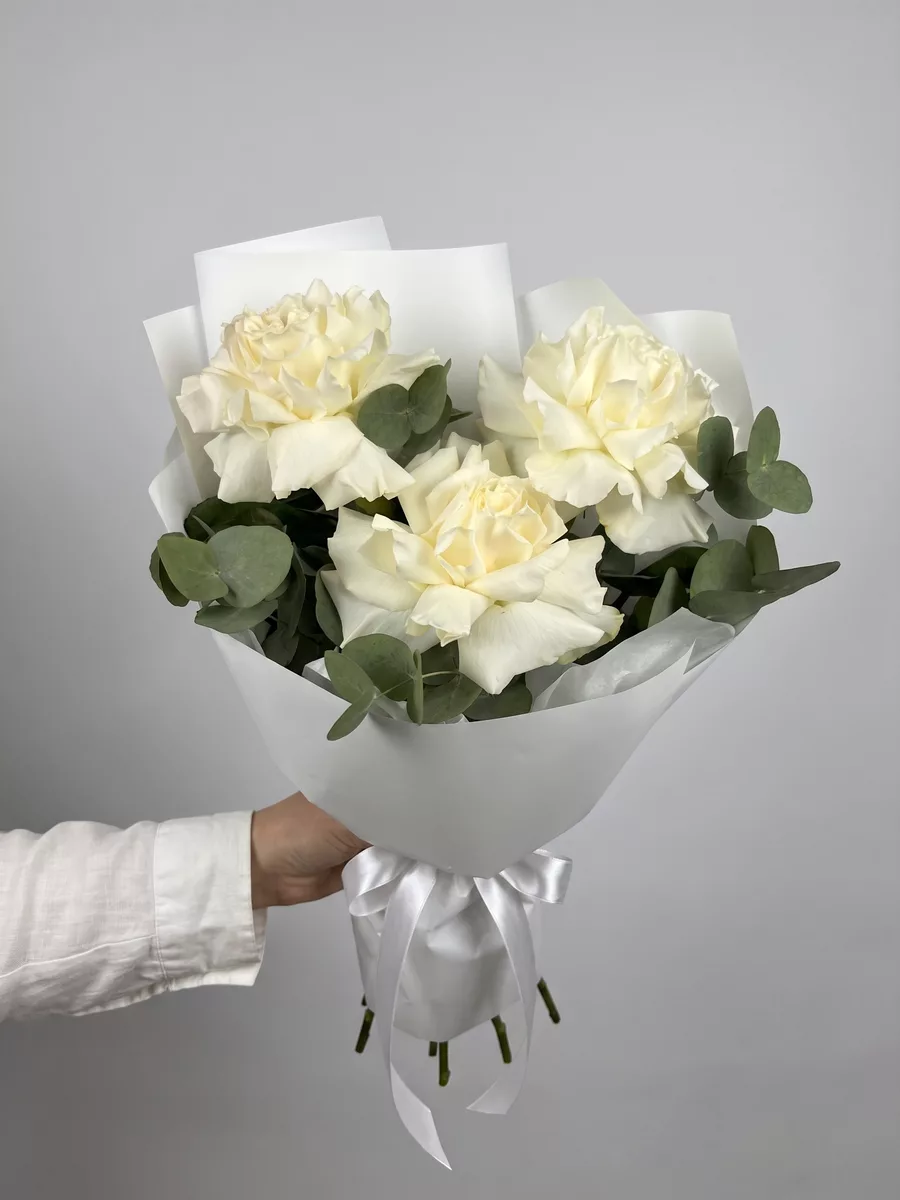
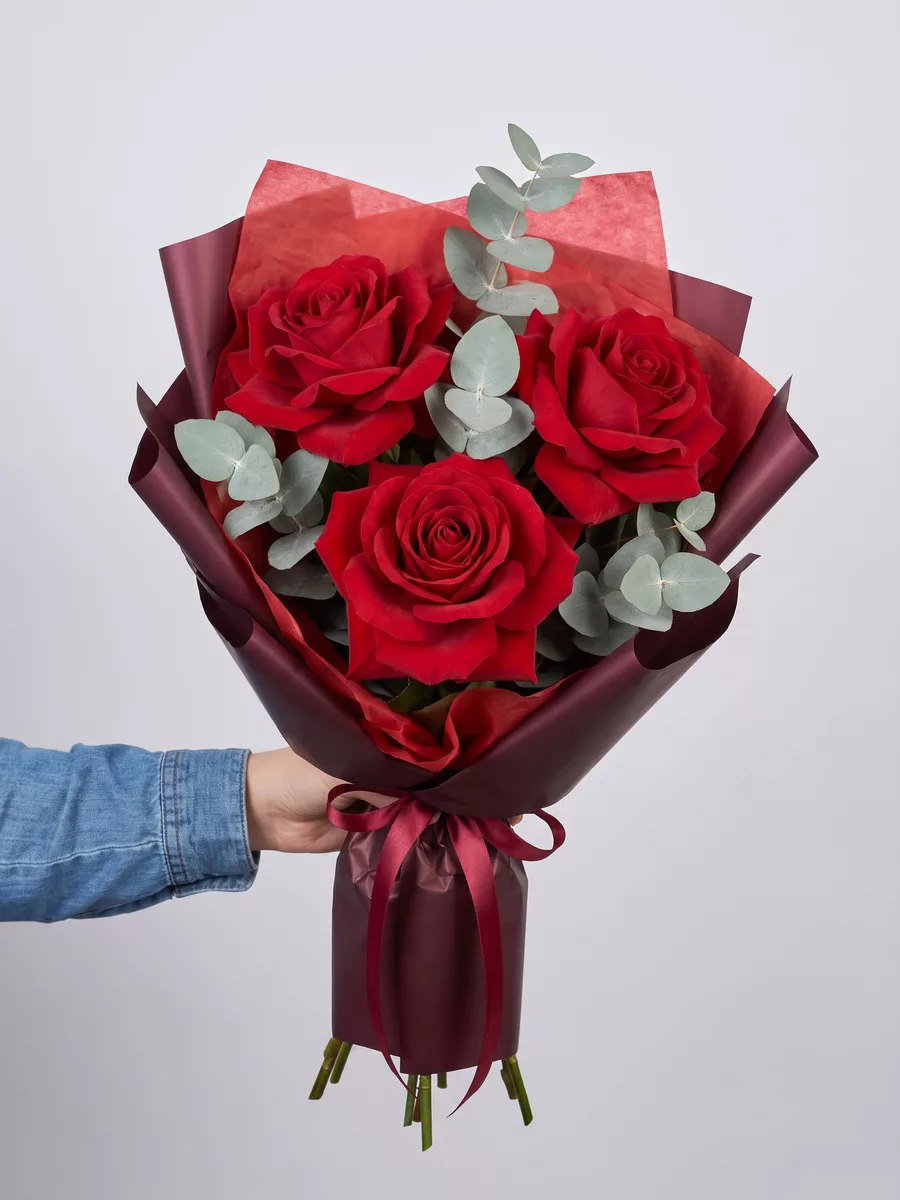
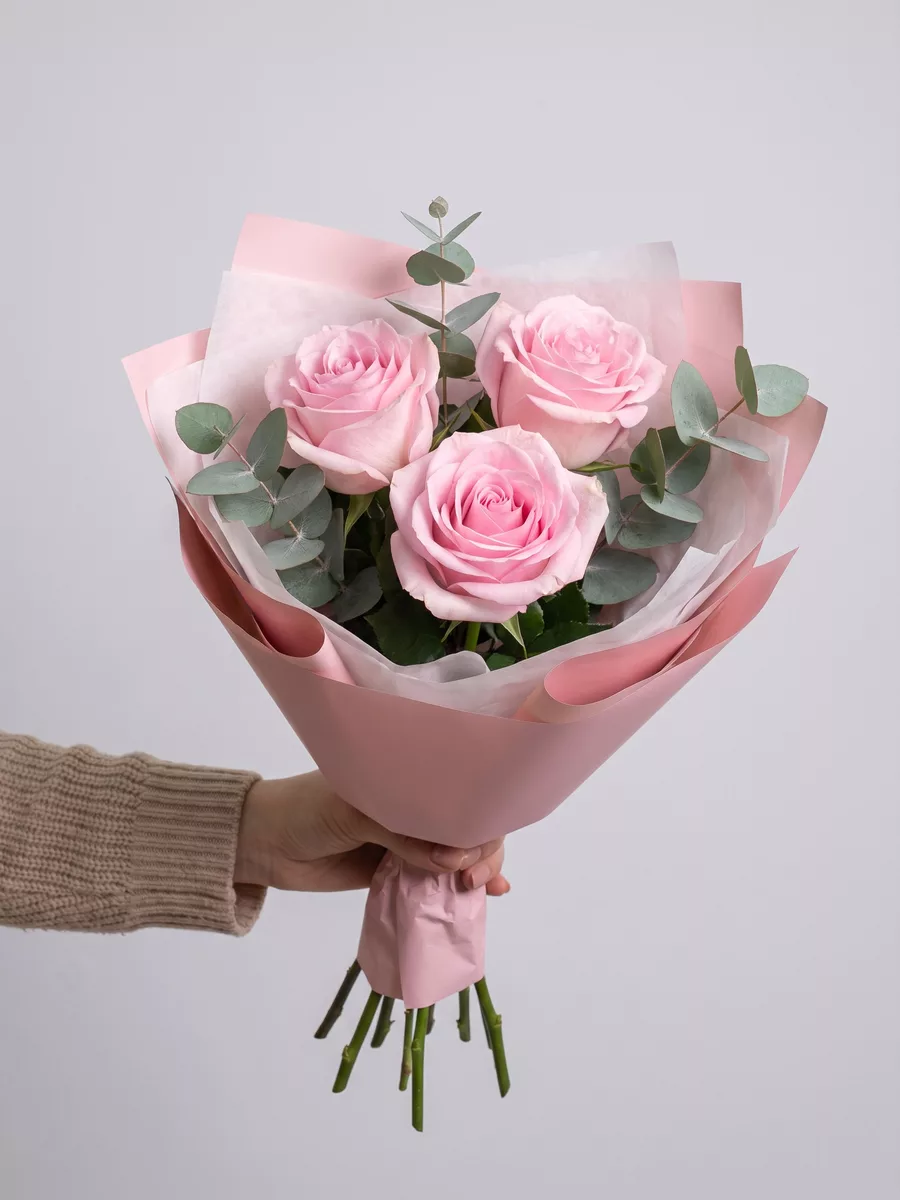
Bouquets we can deliver

Delivery Timing: What One to Two Hours Actually Means
Our standard delivery window across Russia is one to two hours from the moment your order is confirmed and assembled. In Skopin that window is realistic for central addresses during daytime hours. For morning deliveries before ten o'clock or evening deliveries after seven, allow a little extra flexibility — traffic patterns and florist preparation time both shift at those edges of the day.
The one thing that genuinely affects timing in smaller cities is not distance but access. Apartment buildings with a concierge or a coded entrance can add ten to fifteen minutes if the recipient is not reachable by phone. We always recommend including a working mobile number for the person receiving the flowers. This is not just a formality — in Russian culture, a call from the courier is considered courteous and helps the moment feel more intentional rather than a surprise drop at the door.
For birthdays, anniversaries or situations where the timing genuinely matters — a lunch celebration, a moment before someone leaves for a trip — place your order at least three hours ahead. That buffer lets us prepare the arrangement properly without rushing the conditioning of stems, which directly affects how long the flowers last. A bouquet assembled under pressure often shows it within twenty-four hours. One made with care, with stems properly cut and hydrated before wrapping, will hold for five to seven days even in a warm apartment.
Choosing Flowers for the Person, Not Just the Occasion
Before you think about which flowers, think about who is receiving them. A colleague turning fifty responds differently to a tight formal bouquet of red roses than to a loose, garden-style arrangement of spray roses, lisianthus and eucalyptus. A young woman celebrating her first job does not need a dozen long-stemmed roses — she might love a bright mix of ranunculus, anemones and freesia that feels personal rather than ceremonial.
In Russia, the number of flowers in a bouquet carries meaning. An odd number is always given to the living — three, five, seven, nine stems. Even numbers are reserved for mourning, so this is one custom worth following. Your florist will already know this, but if you are building a specific count in your mind, keep it odd. It is a small detail that the recipient will notice and appreciate.
For romantic occasions, red and deep pink roses remain the most understood gesture in Russian culture. But combinations often say more than a single variety. Pairing garden roses with white freesia adds fragrance. Adding a few stems of waxflower or pittosporum gives the bouquet a softness and longevity that straight roses alone do not have. For friendships and family celebrations, softer palettes — peach, cream, lilac — tend to feel warmer and less formal. Think about the room the flowers will live in and the personality of the person who will tend them.
Seasonal Flowers That Arrive in the Best Condition
Skopin experiences proper Russian seasons — cold winters that drop well below freezing, warm summers, and the beautiful but brief windows of spring and autumn. Each season changes what travels best and what looks most alive on arrival.
In winter, from November through February, roses, chrysanthemums and alstroemeria are your most reliable choices. They are grown in controlled greenhouse conditions and handle cold transport well when wrapped correctly. Tulips are popular in winter too, but they need careful handling — they continue to grow after cutting and can lean dramatically in a vase if not placed in cool water immediately. Gerberas are cheerful in winter but sensitive to frost; a good courier wraps them in insulating paper for the journey.
Spring brings tulips in abundance, and from late March onward, ranunculus and anemones start appearing in good quality. These are the flowers that feel most alive in April and May — loose, slightly wild-looking, full of colour. Summer opens up the full range: peonies in June are perhaps the most beloved flower in Russia and they are worth ordering the moment they appear, as the season is short. Lisianthus, sunflowers and hydrangeas carry summer arrangements beautifully.
Autumn is underrated. Dahlias, late roses and branches of hypericum berries make arrangements that feel warm and substantial. The colours — deep burgundy, amber, rust — suit the season and the mood of September and October perfectly.
Presentation and Wrapping: Why It Matters in a Smaller City
In a city like Skopin, a beautifully presented bouquet carries extra weight. It signals that someone thought carefully, ordered deliberately and chose something real rather than a last-minute grab. The wrapping is part of that signal. We use kraft paper, matte film and linen ribbon depending on the style of the arrangement — rustic and natural for garden-style bouquets, cleaner and more structured for formal rose arrangements.
If you are sending flowers as a gift, a handwritten card matters enormously. In Russian culture, written words accompanying flowers are taken seriously. Even a short message — four or five lines — makes the bouquet feel complete. If you are not sure what to write, keep it honest and specific rather than generic. Mentioning the occasion directly, or something personal about the recipient, always lands better than a standard congratulations.
For corporate deliveries to an office or workplace in Skopin, presentation shifts slightly. A taller, more structured arrangement in a box or with a wide base travels better to a desk and makes an impression in a shared space. Single-variety bouquets — all white roses, all coral spray roses — read as intentional and professional. Mixed wildflower-style arrangements can feel a little informal in a business context unless the office culture is relaxed.
Temperature during transit matters for presentation too. In summer, flowers in a hot car for even twenty minutes will show stress in the petals. We time our Skopin deliveries to minimise that exposure, and we condition stems in cold water before wrapping so they arrive firm and upright.
Caring for Flowers After Delivery: A Few Honest Tips
The delivery is only the beginning. What happens in the first two hours after the bouquet arrives determines whether it lasts three days or eight. The most common mistake is placing flowers directly into a tall vase without trimming the stems. Stems should be cut at an angle, about two centimetres from the bottom, under running water or submerged in a bowl. This prevents an air bubble from forming at the cut and blocking water uptake.
Water temperature matters more than most people realise. Most cut flowers prefer cool to room-temperature water — not cold, not warm. Tulips are an exception and actually do better in quite cool water. Roses, lisianthus and alstroemeria all last longer in a clean vase with water changed every two days. If a flower food sachet is included with the bouquet, use it — it contains a mild acidifier and sugar that genuinely extend vase life.
Placement in the room makes a real difference in a Russian apartment context. Central heating in Russian homes runs warm and dry from October through April. Keep flowers away from radiators and direct sun. A windowsill in winter looks appealing but the temperature swings between warm room air and cold glass stress the flowers. A table in the middle of the room, away from heating vents, is almost always the best spot.
Finally, remove any leaves that fall below the waterline. Submerged leaves rot quickly and cloud the water, which shortens the life of every stem in the vase. It takes thirty seconds and adds two or three days to the bouquet.
Making the Order Go Smoothly from Start to Finish
Ordering flowers to a city you may not know personally — especially if you are sending from another region of Russia or from abroad — involves a little trust. Here is what makes that trust well-placed. Start with a clear delivery address including the street, building number, apartment number and any entry code. Then add a working phone number for the recipient. These two details resolve ninety percent of delivery complications before they start.
Choose your bouquet based on the recipient's personality first, the occasion second and your budget third. The most thoughtful orders we receive are not the most expensive — they are the ones where someone has described the person: she loves soft colours, he always has fresh flowers in his office, she just moved into a new flat and does not have a vase yet. That last detail, by the way, is worth noting in your order — we can include a simple vase or wrapping that doubles as a container.
If you are not certain about timing — for example, you know the person will be home in the afternoon but not the morning — choose a delivery window rather than a specific time and note it in the comments. Flexibility on your side makes it much easier for us to deliver in perfect condition rather than rushing to meet a narrow slot.
For repeat occasions like monthly flower subscriptions or regular office deliveries to Skopin, getting in touch directly lets us plan the schedule properly and ensure consistent quality across every delivery. A relationship with your florist, even a remote one, always produces better flowers.
Skopin may not be the largest city on the map, but a beautiful bouquet arriving there on time, in full bloom and perfectly wrapped means exactly as much as it would anywhere else — perhaps more. The key is choosing flowers that suit the person and the season, giving the courier the information they need to get to the door without delay, and then passing along a few simple care tips so the flowers last. We handle the rest: the sourcing, the conditioning, the wrapping and the drive. Your part is simply knowing who the flowers are for and what you want them to feel when they open the door.
Frequently asked questions
Can you deliver flowers to a specific street address in Skopin, not just the city centre?
Yes, we deliver across Skopin including residential streets away from the centre. For addresses in outer districts or nearby settlements, delivery may take slightly longer than the standard window. Including a precise address with building and apartment number, plus a phone number for the recipient, ensures the courier reaches the right door without delays.
Why does the number of flowers in a Russian bouquet matter?
In Russian tradition, an odd number of flowers is given to living recipients — three, five, seven or more stems. Even numbers are associated with mourning and are not used for celebratory or romantic occasions. This is a widely observed custom across Russia, and our florists follow it automatically when assembling any arrangement.
What flowers travel best to Skopin in winter?
Roses, chrysanthemums and alstroemeria are the most reliable in cold weather because they are greenhouse-grown and handle temperature changes well when wrapped properly. Gerberas and tulips need extra care in frost — they can be ordered but require insulating packaging. We adjust our wrapping method based on the outdoor temperature on the day of delivery.
How far in advance should I order for a birthday delivery in Skopin?
For a specific delivery time — say, noon for a birthday lunch — place your order at least three hours ahead. This allows proper stem conditioning and wrapping without rushing. For early morning deliveries before ten o'clock or same-day orders during busy periods like March 8th or Valentine's Day, ordering the evening before is strongly recommended.
What should the recipient do immediately when the flowers arrive?
Trim each stem at an angle, about two centimetres from the bottom, and place the bouquet in clean cool water right away. Avoid putting flowers near radiators or on cold windowsills. Change the water every two days and remove any leaves below the waterline. These steps alone can extend vase life from three days to a full week.
Ready to send flowers?
Pick the city, choose the bouquet, and a local florist takes it from there.
Choose a city →