Sending Flowers to Slantsy: Timing, Choices and What Arrives at the Door
Slantsy sits about 150 kilometres southwest of Saint Petersburg, close to the Estonian border, and it is exactly the kind of town where a well-timed bouquet lands with real weight. Whether you are sending roses to a mother on her birthday, congratulating a colleague on a promotion, or simply letting someone know you are thinking of them, the flowers that arrive should look as though they were arranged an hour ago — not yesterday. Here is everything you need to know before you place your order.
How Turboflora Reaches Slantsy from Saint Petersburg
The route from Saint Petersburg to Slantsy runs along the A180 highway, a well-maintained road that our couriers know well. The drive takes roughly two to two and a half hours depending on traffic near the city outskirts, which means we factor that into every order placed for this destination. When you select Slantsy at checkout, the system automatically adjusts the earliest available delivery window so your flowers are not sitting in a cold car longer than necessary.
We do not hand orders off to local shops or third-party florists. The bouquet is assembled in our Saint Petersburg studio, wrapped, and driven directly to the address you provide. This matters more than it might seem: every time a bouquet changes hands, stems get jostled, water is lost, and petals bruise. A direct route means the arrangement that leaves our studio is the arrangement that reaches your recipient.
For Slantsy, we recommend placing your order at least three to four hours before your intended delivery time on weekdays. On weekends and public holidays — and Russia has quite a few of those, from New Year through to late January, and again in May — add another hour as a buffer. If the occasion is the eighth of March, International Women's Day, which is by far the busiest flower day in Russia, place your order the evening before without hesitation.
Bouquets we can deliver

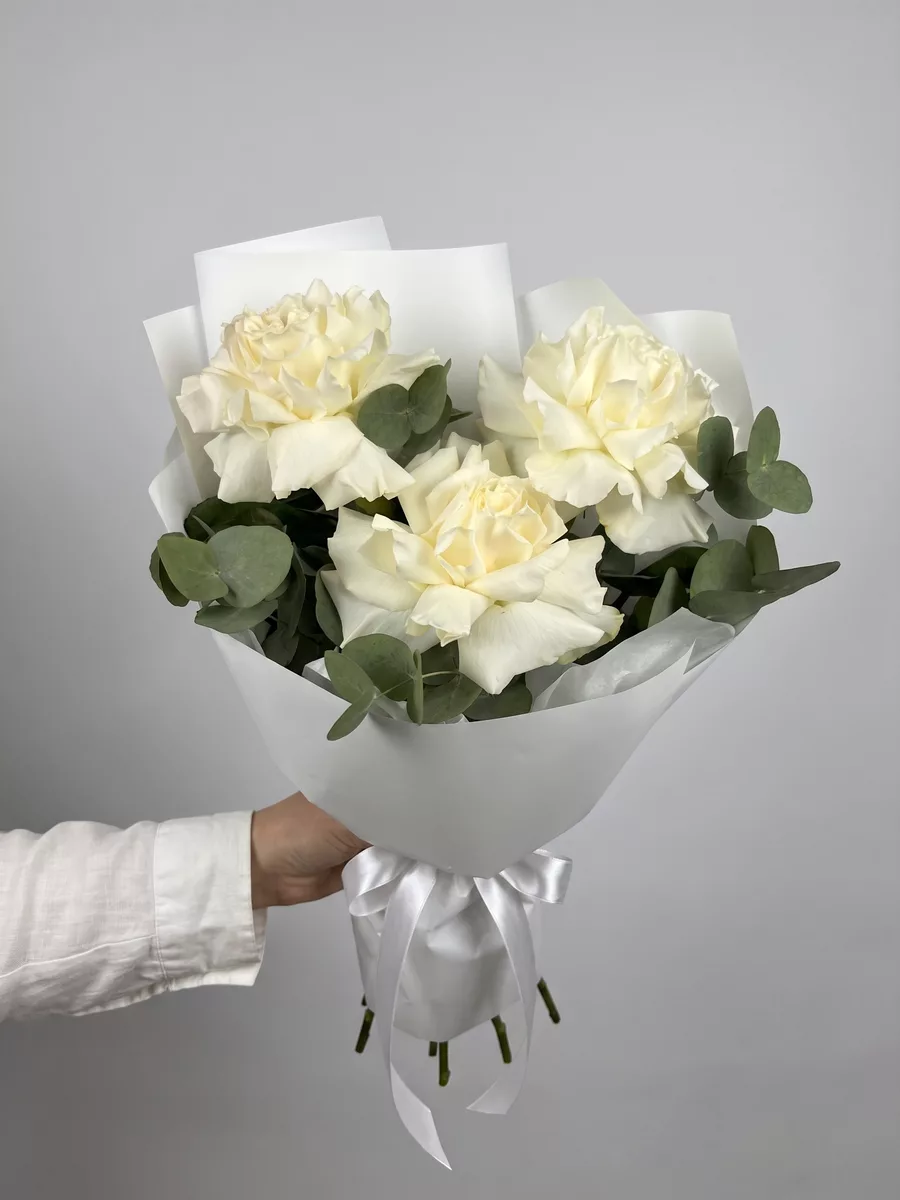
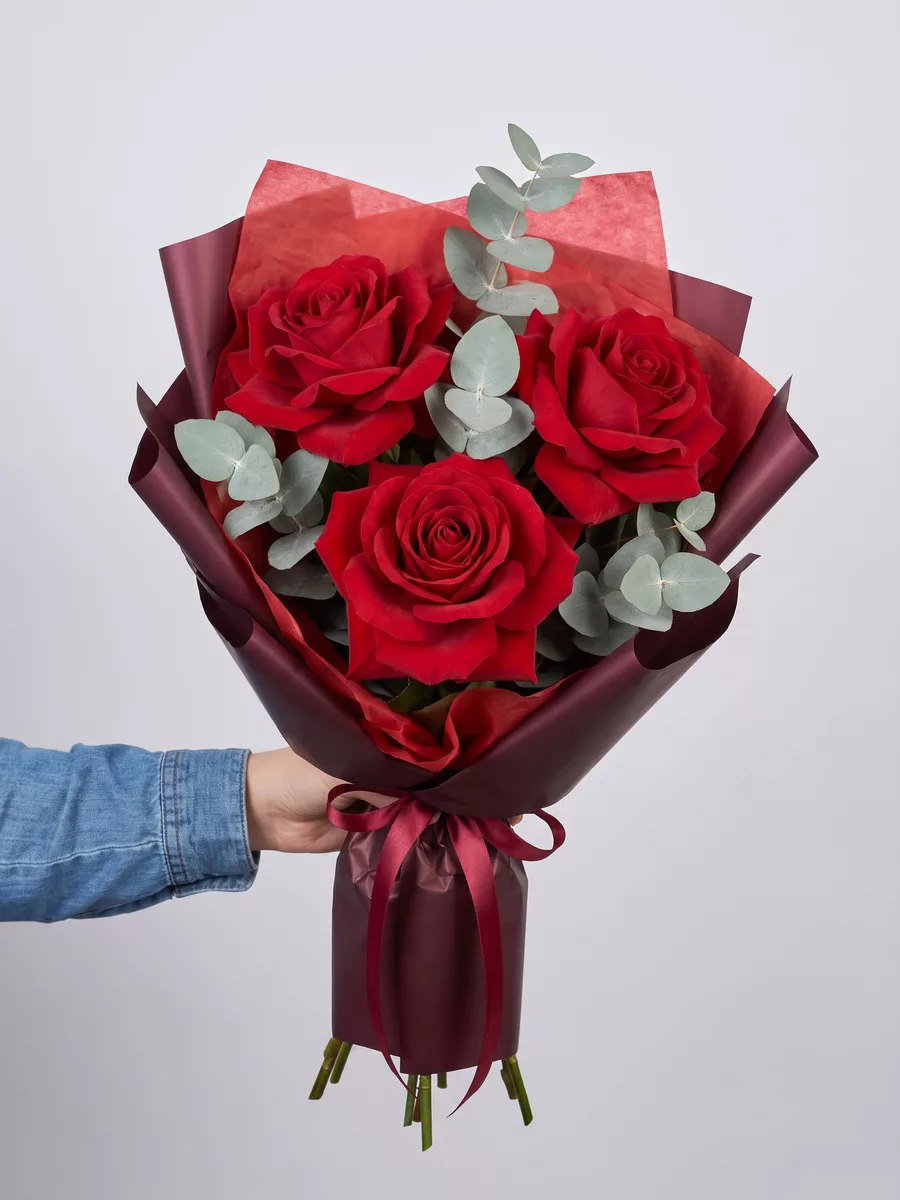
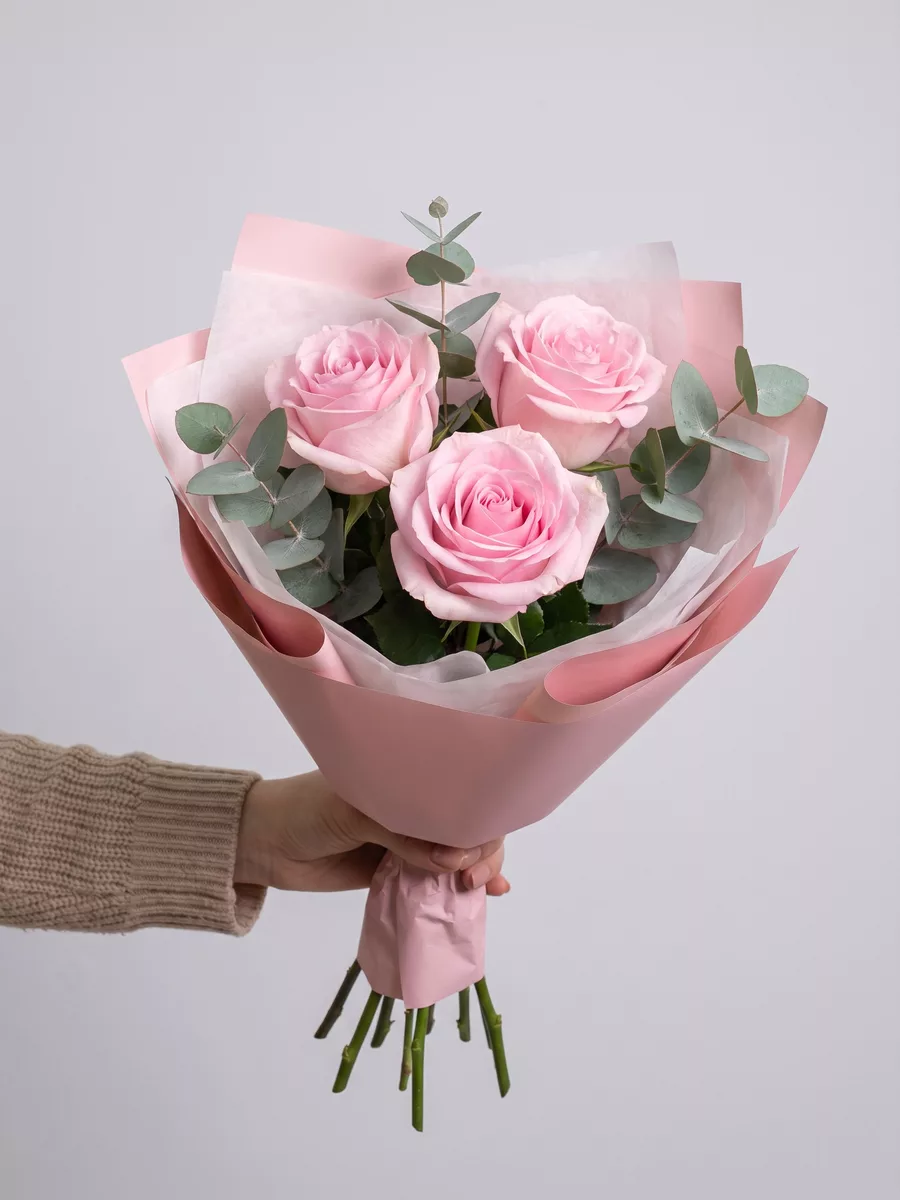
What the Leningrad Region Climate Means for Your Bouquet
Slantsy belongs to the Leningrad Region, which shares the same cool, damp climate as Saint Petersburg itself. Winters here are genuinely cold, with temperatures regularly dropping below minus ten degrees Celsius from December through February. Summers are mild and often overcast. This climate shapes every decision we make about packaging and flower selection for deliveries to this area.
In winter, cold is actually your bouquet's friend up to a point. Roses, tulips, and chrysanthemums all tolerate brief exposure to near-freezing air well, provided they are wrapped correctly. Our couriers use insulated packaging for cold-weather deliveries, and stems are kept in water-retaining wrapping throughout the journey. What damages flowers is not cold itself but rapid temperature swings — going from minus fifteen outside into a warm hallway in thirty seconds. We advise recipients to let the bouquet rest in a cool room for fifteen to twenty minutes before unwrapping, giving it time to adjust gradually.
In summer, the challenge reverses. Temperatures in July and August can reach twenty-five degrees inside a car, which accelerates wilting in delicate varieties like sweet peas, ranunculus, and garden roses. For warm-weather orders to Slantsy, we prioritise sturdy varieties — spray roses, alstroemeria, and lisianthus — that handle heat better and arrive looking fresh. If you have a specific variety in mind for a summer delivery, it is always worth asking our team whether it is a good fit for the conditions that day.
Choosing Flowers for Someone in Slantsy You Know Well
When you know your recipient, you have an enormous advantage: you can match the bouquet to the person rather than the occasion. A woman who keeps a tidy, minimal home usually responds better to a single-variety arrangement — twenty white freesias, or fifteen blush tulips — than to a mixed bouquet packed with colour and texture. Someone with a large, cheerful kitchen and children running around will likely love the opposite: a generous, loose arrangement of sunflowers, orange spray roses, and eucalyptus that fills a corner with energy.
For a man receiving flowers — which is more common in Russia than in many Western countries, particularly on birthdays and professional milestones — consider foliage-forward compositions with anthuriums, tropical leaves, and bold single blooms like birds of paradise or protea. These feel confident rather than delicate, and they last exceptionally well, often ten to fourteen days with proper care.
For a child or teenager, gerberas are almost always the right answer. They come in every colour imaginable, they are robust enough to survive enthusiastic handling, and they have a cheerfulness that more formal flowers cannot match. Pair them with solidago for a warm yellow accent, or with bright blue statice for contrast. Think about what the recipient's bedroom or living space looks like, and let that image guide your colour choice more than any rule about what flowers mean. Meaning matters, but so does the smile on their face when they open the door.
Choosing Flowers When You Do Not Know the Recipient
Sending flowers to someone you have not met — a business contact, a new colleague, a friend of a friend — calls for a different approach. The goal is to be generous and thoughtful without being presumptuous. Avoid very intense perfumes, since some people are sensitive to fragrance and a strongly scented bouquet in a small apartment can feel overwhelming rather than welcoming. Lilies, while beautiful, fall into this category; if you love them, choose Asiatic lilies over Oriental varieties, as they carry far less scent.
Neutral palettes work well here: whites, creams, soft greens, and pale pinks read as universally warm without making strong assumptions about taste. A composition of white lisianthus, green trick dianthus, and silver brunia has a quiet elegance that suits almost any interior and any age group. Add a stem or two of eucalyptus and the whole arrangement smells gently fresh rather than perfumed.
In Russian culture, the number of stems in a bouquet carries meaning: an even number is traditionally reserved for mourning, so always choose an odd number — five, seven, eleven, fifteen — for any celebratory or affectionate occasion. This is one of those customs that locals notice immediately, and getting it right signals that the sender paid attention. Our studio follows this rule automatically, but if you are ordering a specific stem count, keep it in mind. A bouquet of twelve roses is lovely in many countries; in Russia, eleven or thirteen is the better choice.
What Happens When the Recipient Is Not Home
Slantsy is a working town, and many residents are out during the day. Before placing your order, it is worth thinking about whether your recipient will actually be at the delivery address at the time you choose. A surprise delivery is a beautiful idea, but only if someone is there to receive it.
If you are not certain of their schedule, consider coordinating with a neighbour, a family member, or a building concierge if the address has one. Alternatively, you can place the order for an evening window when most people are home. When you add the delivery address, include as much detail as possible: building number, apartment number, entry code if there is one, and floor. Russian addresses often include a korpus — an additional building number within a larger complex — and missing it can send our courier to entirely the wrong entrance.
If no one answers at the door, our courier will contact you directly. We will not leave flowers unattended outside a door in cold weather, since even an hour at minus ten degrees can damage a bouquet beyond recovery. In warm weather, the window is slightly longer, but we still prefer to confirm before leaving anything. The simplest solution is a quick message to your recipient before the delivery window: you do not have to reveal the full surprise, just make sure they will be home. A small heads-up saves everyone time and keeps the flowers in perfect condition.
Making the Bouquet Last: Care Advice for Slantsy Homes
A bouquet that arrives in perfect condition can stay beautiful for seven to twelve days with the right care — or fade in three days without it. The single most important step is re-cutting the stems. As soon as the bouquet is unwrapped, cut one to two centimetres off each stem at a forty-five-degree angle using a sharp knife, not scissors. Scissors crush the stem's vascular tissue; a clean diagonal cut maximises the surface area through which the flower drinks.
Use a clean vase and fill it with cool, fresh water. Remove any leaves that will sit below the waterline, since submerged foliage rots quickly and clouds the water with bacteria that shorten vase life. Change the water every two days and re-cut the stems each time. Keep the bouquet away from direct sunlight, radiators, and fruit bowls — ripening fruit releases ethylene gas, which causes flowers to age faster. This last point surprises many people, but it is one of the most common reasons a bouquet wilts prematurely.
Different varieties have different lifespans even under ideal conditions. Chrysanthemums and alstroemeria are the longest-lasting cut flowers, often going two weeks. Roses typically give seven to ten days. Tulips are shorter at five to seven days but are spectacular while they last and continue to grow and move in the vase, which many people find charming. Knowing what you have in the bouquet helps you set the right expectations and enjoy each flower at its peak.
Occasions That Call for Flowers in Slantsy
Russia's calendar is full of moments when flowers are expected, and Slantsy is no different from any other Russian city in this respect. The eighth of March — International Women's Day — is the occasion when virtually every woman receives flowers, from grandmothers to schoolteachers. Ordering well in advance is not optional on this day; it is essential. The same applies to the twenty-third of February, Defender of the Fatherland Day, when men are often the recipients.
Birthdays are the most frequent reason people order flowers year-round, and here the bouquet should feel personal rather than generic. If you know the recipient's favourite colour, build from there. If you know they have a garden, consider varieties they might not grow themselves — something exotic like protea or tropical heliconia that they would never find at a local market.
New baby congratulations are another warm tradition. Pale yellows, soft whites, and mint greens work beautifully here, and it is worth choosing flowers with no strong fragrance for a home with a newborn. Housewarming bouquets are also common when someone moves into a new apartment, which happens frequently in growing towns. For this occasion, think about longevity: potted orchids or a large arrangement of alstroemeria and lisianthus will decorate the new space for weeks while the boxes are still being unpacked. Whatever the occasion, the flowers you choose say something specific — make sure they say what you intend.
Slantsy may not be the first city that comes to mind when you think of flower delivery, but the distance from Saint Petersburg is no obstacle when the logistics are planned carefully and the flowers are handled with attention from studio to doorstep. The most successful deliveries we make to this area share the same qualities: the order is placed with enough lead time, the address details are complete, and the recipient knows to expect something — even if not exactly what. A bouquet that arrives fresh, on time, and chosen with the recipient in mind does something that a message or a phone call cannot quite replicate. It takes up space in a room, it changes the smell of the air, and it is still there three days later reminding someone that they were thought of.
Frequently asked questions
How long does delivery from Saint Petersburg to Slantsy take?
The drive takes roughly two to two and a half hours depending on traffic near the city. We factor this into the delivery window automatically when you enter a Slantsy address. For time-sensitive occasions, place your order at least three to four hours before the desired arrival time, and add extra buffer on public holidays.
Can I order a specific flower variety for delivery to Slantsy?
Yes, and we encourage it. If you have a particular variety in mind, check availability when placing your order or contact our team directly. For summer deliveries, we may suggest hardier alternatives if a delicate variety is unlikely to survive the journey in peak heat — we will always explain the reason and offer a comparable option.
Why does the number of stems in a Russian bouquet matter?
In Russian tradition, an even number of flowers is associated with mourning and is typically brought to funerals. For any celebratory or affectionate occasion, an odd number — seven, nine, eleven — is the correct choice. Our studio follows this convention automatically, so your bouquet will always arrive with the right count unless you specify otherwise.
What happens if the weather is very cold on the day of delivery?
We use insulated packaging for cold-weather deliveries and keep stems in moisture-retaining wrapping throughout the journey. We advise recipients to let the bouquet rest in a cool indoor space for fifteen to twenty minutes before unwrapping, allowing it to adjust gradually rather than moving straight from freezing air into a warm room.
Is there a best day and time to order flowers for Slantsy?
Weekday mornings work best for same-day delivery with the most flexibility. Avoid placing last-minute orders on major holidays like the eighth of March or New Year's Eve, when demand is highest. Evening deliveries are practical if your recipient works during the day — most people are reliably home after six in the evening.
Ready to send flowers?
Pick the city, choose the bouquet, and a local florist takes it from there.
Choose a city →