Sending Flowers to Slavyansk-Na-Kubani? Here Is What to Expect
Slavyansk-na-Kubani sits in the heart of Krasnodar Krai, surrounded by farmland and river channels, and it has the warm, unhurried character of a southern Russian town where a bouquet of flowers still means something. Whether you are sending a birthday arrangement to a relative you cannot visit in person or surprising a partner on an ordinary Tuesday, getting flowers there quickly and in perfect condition is entirely possible — if you understand how delivery works and what choices will travel best.
Which Parts of Slavyansk-Na-Kubani We Reach and How Quickly
Slavyansk-na-Kubani is a compact city, and the central districts — around Ulitsa Lenina, the main market area and the hospital quarter — are the easiest to reach with a fast turnaround. Residential streets further toward the eastern and western outskirts add a little time, but delivery across the whole city typically falls within a one-to-two-hour window from the moment your order is confirmed. We also cover addresses in the surrounding settlements and stanitsy that fall within the delivery zone of Krasnodar Krai, so if your recipient lives just outside the city boundary, it is always worth checking at checkout rather than assuming it is impossible.
One practical thing to keep in mind: Slavyansk-na-Kubani has several streets with similar or duplicated names across different microdistricts. When you place an order, include the full address with the district name or a nearby landmark if you know one. This single detail prevents almost every failed delivery we see in smaller southern cities. A courier arriving at the wrong end of a street on a hot Kuban afternoon is a situation nobody wants.
Delivery windows can be booked for the same day or scheduled in advance. If the occasion is fixed — a birthday, an anniversary, the first day of school — scheduling the evening before gives the freshest flowers and removes any morning anxiety about timing. For spontaneous gifts, same-day orders placed before early afternoon reach most addresses comfortably within the working day.
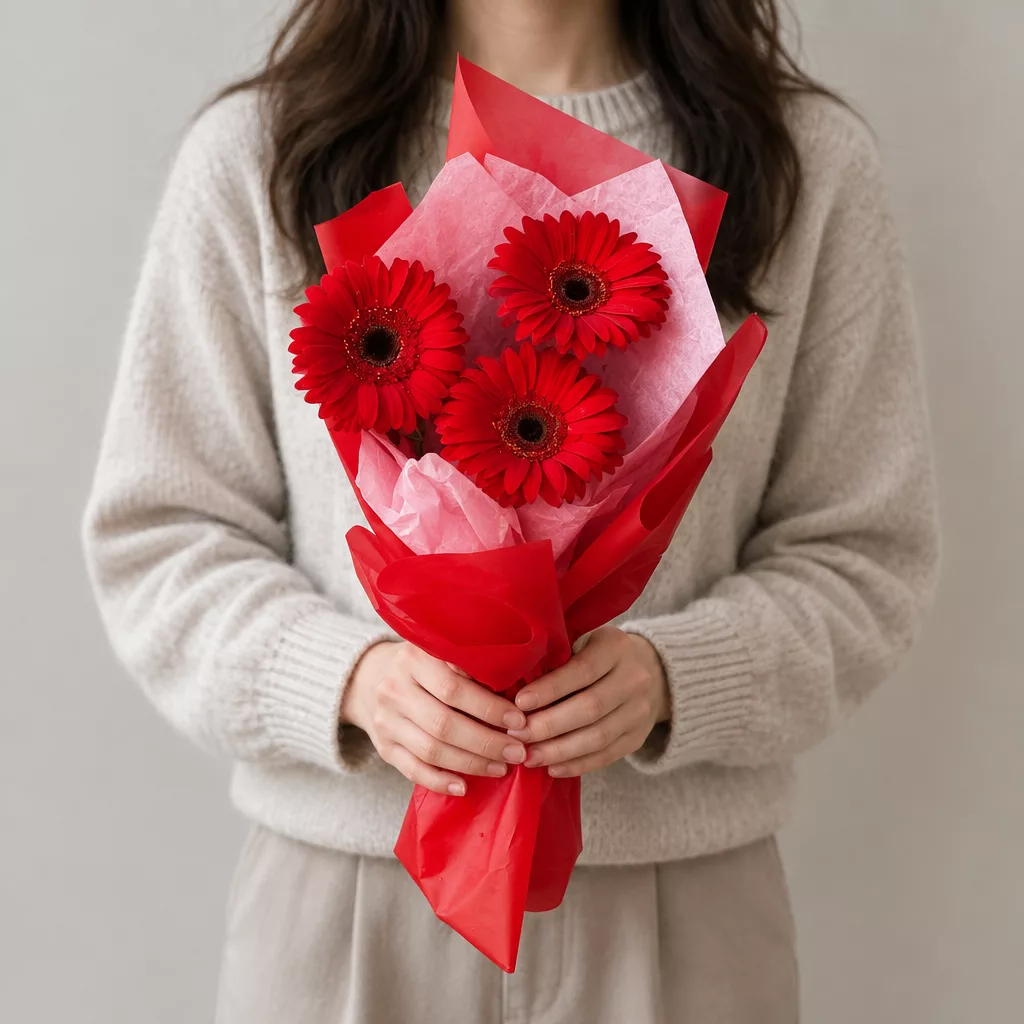
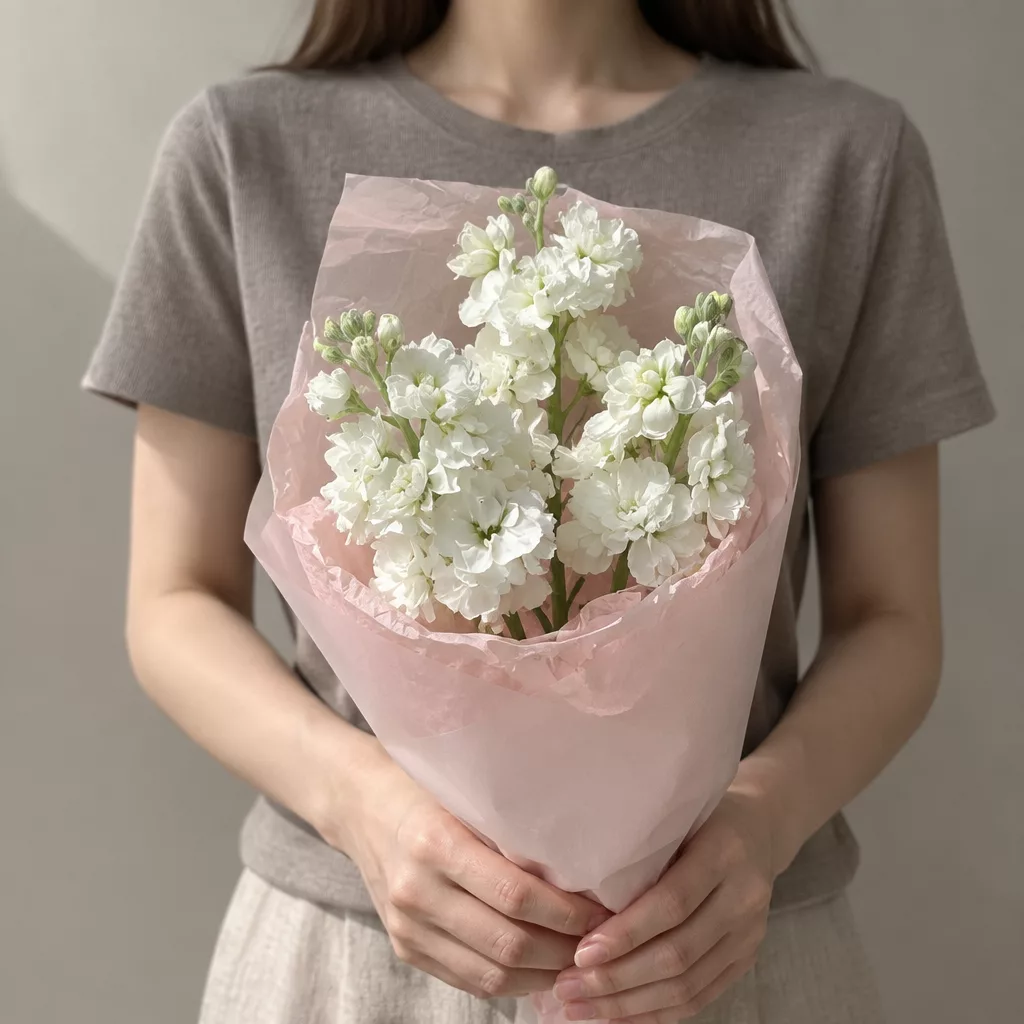
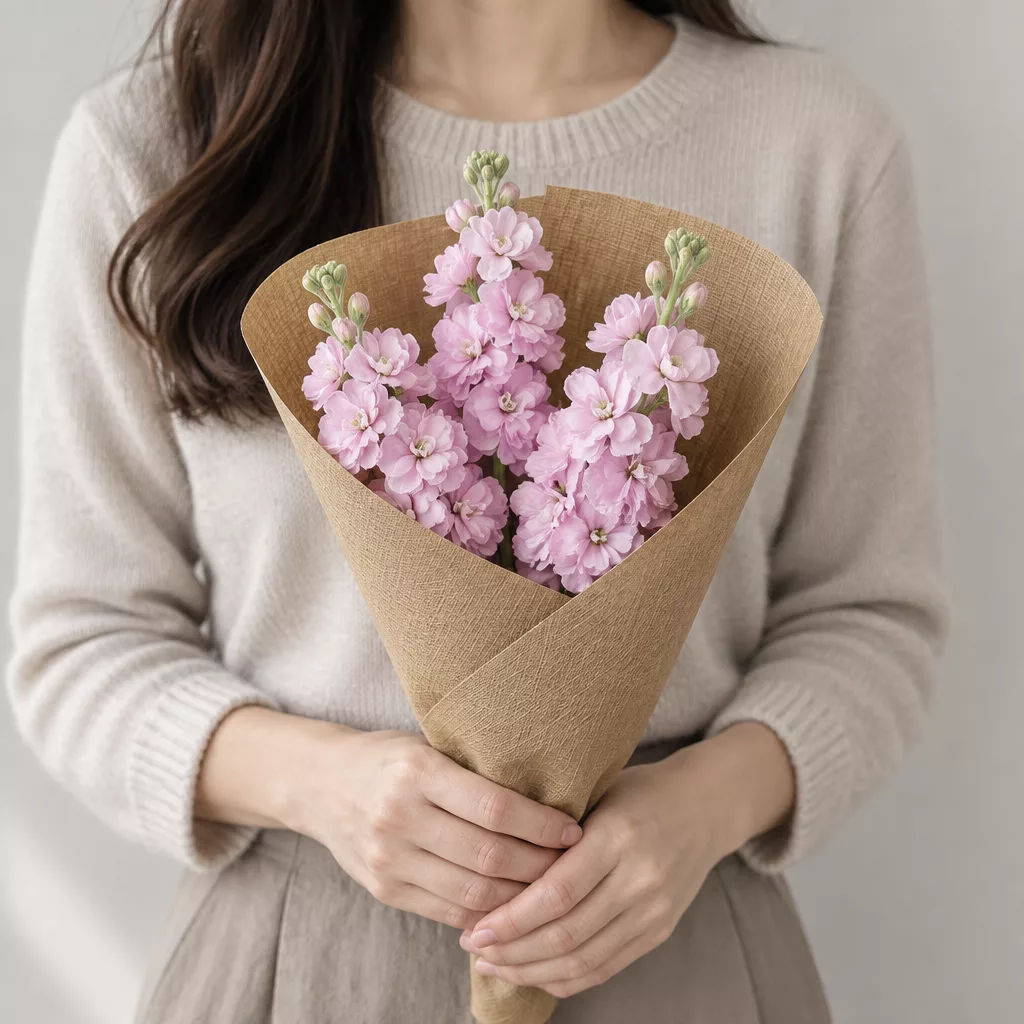
Bouquets we can deliver

How the Kuban Climate Shapes Your Flower Choices
Krasnodar Krai has one of the warmest climates in Russia, and Slavyansk-na-Kubani shares that character fully. Summers are long and genuinely hot, with midday temperatures regularly above thirty degrees Celsius. This matters more than most people realise when choosing flowers for delivery, because a bouquet that looks stunning in a Moscow shop photograph may wilt within two hours on a southern doorstep in July.
For summer orders, the most reliable choices are flowers with firm, waxy petals and strong stems. Chrysanthemums in spray or single-head form hold up exceptionally well in heat. Alstroemeria, with its compact buds and thick stems, is another strong performer. Roses can travel beautifully in summer if they are cut at the right bud stage — half-open rather than fully blown — because they continue to open slowly after delivery and look their best for days rather than hours.
Delicate flowers like sweet peas, anemones and ranunculus are spring and early autumn choices in this region. They are genuinely lovely and we work with them when conditions allow, but in July or August they need very careful handling and a recipient who will put them in water immediately. If you are sending to someone who may not be home when the bouquet arrives, or who keeps their home warm, lean toward the sturdier varieties and let the presentation do the emotional work.
In winter, the Kuban is mild by Russian standards, rarely dropping below freezing for long, which means cold-weather flower damage is much less of a concern here than in northern cities. This is actually a gift — winter deliveries in Slavyansk-na-Kubani are straightforward.
Reading the Occasion: Choosing a Bouquet That Feels Right
In Russian culture, flowers are given far more frequently than in many Western countries, and the unwritten rules around them are worth understanding if you are sending from abroad or are unfamiliar with local customs. The number of flowers in a bouquet matters: even numbers are associated with mourning, so arrangements for celebrations are always made with an odd count — three, five, seven, eleven stems or more. This is not superstition in the way outsiders sometimes assume; it is simply the expected norm, and a florist who ignores it is not doing their job.
For a birthday, the mood should feel generous and a little celebratory. A bouquet built around garden roses in coral or peach tones, with eucalyptus and a few stems of lisianthus for softness, reads as warm and personal rather than formal. For a professional occasion — congratulating a colleague on a promotion or thanking a teacher — white and cream tones with clean structure feel appropriately respectful without being cold.
Romantic bouquets in Russia tend to be bold rather than understated. Deep red roses remain the classic choice for a reason: they are immediately legible as a declaration, which is often exactly what the sender wants. If you prefer something less expected, burgundy dahlias in season or a mixed arrangement of garden roses in blush and cream with textural foliage can feel more personal while carrying the same emotional weight.
When you are unsure, describe the person and the occasion in the order notes. A working florist reads those notes carefully and will make choices that fit the moment.
Bouquet Sizes and What Each Budget Actually Buys
The range of what a bouquet can be is wider than most people imagine, and size is not the only variable. A small, tightly composed arrangement of five garden roses with interesting foliage and a well-chosen ribbon can feel more considered and personal than a large, loosely assembled bunch of mixed stems. That said, volume does matter in Russian gifting culture — a generous bouquet signals effort and care in a way that is socially understood.
At the more modest end of the range, a bouquet built around spray chrysanthemums or alstroemeria with seasonal greenery is a genuinely lovely gift. These flowers are not lesser choices; they are simply different in character. Chrysanthemums in white or pale yellow have a clean, cheerful quality that works beautifully for a friend's birthday or a thank-you gesture.
Mid-range arrangements allow for a combination of premium stems — garden roses, lisianthus, eustoma — with supporting flowers and structured foliage. This is where presentation really opens up. A hand-tied bouquet wrapped in kraft paper and ribbon looks completely different from the same flowers arranged in a box with moss and a few decorative elements, even if the stem count is identical. The format changes what the recipient feels when they open it.
At the top of the range, you are working with statement flowers: large-headed peonies in season, premium long-stem roses, orchid stems, or a composition that mixes several premium varieties into something that genuinely stops the room. These arrangements are worth it for milestone occasions — a significant anniversary, a major achievement — where the scale of the gesture matters as much as the flowers themselves.
What Happens Between the Florist and the Front Door
Understanding the journey a bouquet takes helps you make better decisions about timing and packaging. Once an order is confirmed, the arrangement is assembled fresh — not pulled from a refrigerated shelf but built specifically for your order. Stems are cut at an angle, conditioned in clean water, and the bouquet is constructed so that the most delicate elements are protected during transit. In summer, the courier carries the arrangement in a way that keeps it shaded and upright.
For deliveries where the recipient may not be home, we contact them in advance to confirm they will be available or to arrange a safe handover. A bouquet left in direct southern sun on a doorstep for an hour is not a good outcome for anyone. If you know the recipient has an unpredictable schedule, it is worth including a secondary contact number in your order or choosing a delivery window when they are reliably at home.
The packaging itself is part of the gift. We use paper wrapping, ribbon and sometimes decorative elements like dried botanicals or foliage accents that complement the main flowers. A small care card with your message is included as standard. If you want the message to be in Russian and you are writing in English, you can note this and we will translate it appropriately — the warmth of a handwritten-style card in the recipient's own language makes a real difference.
For corporate orders or larger quantities, advance notice allows for better coordination. A single arrangement and a dozen bouquets for an office celebration are both manageable, but the latter benefits from a conversation about timing and delivery sequence.
Keeping the Flowers Fresh After Delivery: Practical Advice
The moment the bouquet arrives is not the end of the florist's job — it is the beginning of the flower's life in the home. A few simple habits make the difference between flowers that last four days and flowers that last ten or more. The single most important step is getting the stems into clean, cool water as quickly as possible after delivery. In the Kuban summer, this is especially critical because warm air accelerates dehydration.
Before placing stems in a vase, cut the bottom two centimetres off at a diagonal angle using a sharp knife or scissors. A clean diagonal cut maximises the surface area for water uptake. Do not use a sawing motion — a clean single cut is better. Remove any leaves that would sit below the waterline, because submerged foliage rots quickly and clouds the water with bacteria that shortens vase life for every stem in the arrangement.
Change the vase water every two days and re-cut the stems slightly each time. This sounds like more effort than it is — it takes about three minutes and genuinely extends the life of the bouquet by several days. Keep the arrangement away from direct sunlight and from sources of heat like radiators or the top of the refrigerator. Fruit bowls are another enemy of flowers: ripening fruit releases ethylene gas, which accelerates petal drop in roses and lisianthus particularly.
Roses that arrive partially closed will continue to open over the first day or two. This is intentional — it means they are at their freshest when they arrive and will reach full bloom in the home rather than in transit. If a rose seems slow to open, a few hours in a slightly warmer room will encourage it.
Scheduling Around Slavyansk-Na-Kubani's Local Calendar
Like all Russian cities, Slavyansk-na-Kubani has a rhythm of celebrations that shapes demand for flowers across the year. Knowing this rhythm helps you plan ahead and avoid the moments when last-minute orders are hardest to fulfil exactly as imagined.
The eighth of March — International Women's Day — is the single largest flower-giving occasion in Russia, far larger than Valentine's Day in terms of volume and social importance. Almost every woman receives flowers that day: from partners, from children, from colleagues, from friends. The days immediately before the eighth are extremely busy, and the most popular varieties — roses, tulips in early spring, mimosa — are in highest demand. Ordering two or three days in advance for this date is not overcaution; it is simply sensible planning.
The first of September is the start of the school year and a major gifting occasion for teachers. Gladioli are the traditional choice — large, dramatic spikes that photograph beautifully and have a festive quality suited to the occasion. If you are sending flowers to a teacher in Slavyansk-na-Kubani for this date, gladioli in white, yellow or soft pink are immediately recognisable and culturally appropriate.
New Year in Russia falls on the first of January and is celebrated more extensively than in many countries, with gifting that continues through the first week. Flowers in deep red, white and green tones fit the seasonal mood. Birthdays, name days and anniversaries are spread across the year and represent the steady, everyday business of flower giving — these are the orders where personal knowledge of the recipient matters most, and where a note in the order about their personality or preferences genuinely helps us build something that feels like it was chosen specifically for them.
Slavyansk-na-Kubani is a city where flowers are given with real feeling, and getting a bouquet there in good condition and at the right moment is straightforward when you understand the local climate, the timing, and the small cultural details that make a gift land well. Whether you are sending from across Russia or from abroad, the process is the same: choose flowers suited to the season and the person, give us a complete address, and let us handle the rest. A fresh, well-composed bouquet arriving at someone's door in the warm Kuban afternoon is one of the simpler pleasures in life, and it is entirely within reach.
Frequently asked questions
How far in advance should I order flowers for delivery to Slavyansk-na-Kubani?
For same-day delivery, orders placed in the morning give the most comfortable window. For major dates like March 8th or September 1st, ordering two to three days ahead is strongly recommended. Scheduled deliveries for birthdays or anniversaries can be placed up to several days in advance, which also guarantees the freshest possible flowers on the day.
What flowers hold up best in the hot Kuban summer?
Chrysanthemums, alstroemeria and roses cut at the half-open bud stage are the most reliable choices for summer delivery in Slavyansk-na-Kubani. They tolerate heat during transit far better than delicate varieties like ranunculus or sweet peas. If the recipient will be home to receive the bouquet promptly and put it in water, the range of suitable flowers widens considerably.
Can I send flowers to an address just outside the city centre?
Yes. We deliver across the full city and to surrounding addresses within our Krasnodar Krai delivery zone. Outlying streets and nearby settlements may add a little time to the delivery window, but are generally reachable the same day. Always include the full address with district details to avoid any confusion with similarly named streets.
Is it true that even numbers of flowers are inappropriate for a gift in Russia?
Yes, this is a firmly held convention across Russia. Even numbers of flowers are associated with mourning occasions, so all celebratory bouquets are composed with an odd number of stems — three, five, seven, eleven and so on. Every arrangement we build for a celebration follows this rule automatically, so you do not need to count or specify it yourself.
What should I do if the recipient is not home when the flowers arrive?
Include a secondary contact number when placing your order, or choose a delivery window when the recipient is reliably available. Our courier will contact the recipient before arrival. In summer especially, leaving flowers unattended in direct sunlight is not a good outcome, so we always try to confirm someone will be present before completing the handover.
Ready to send flowers?
Pick the city, choose the bouquet, and a local florist takes it from there.
Choose a city →