Sending Flowers to Snezhinsk? Here Is What to Expect
Snezhinsk sits in the southern Urals, a city with a distinct character — quiet, precise, and not always easy to reach from outside. When you want to send flowers there for a birthday, an anniversary, or simply to say you are thinking of someone, the distance can feel like an obstacle. It does not have to be. With the right preparation and a clear picture of how delivery works in this region, a fresh bouquet can arrive looking exactly as it should.
Understanding Snezhinsk Before You Order
Snezhinsk is a closed administrative-territorial formation, known in Russian as a ZATO. That means entry and movement within the city follow specific rules, and deliveries require advance coordination that goes beyond a standard courier run. If you have never sent flowers to a ZATO before, the process feels unfamiliar at first, but it is entirely manageable once you understand what is needed.
The key thing to know is that the recipient's address and full name must be accurate and complete. A vague address that works fine in a large open city will cause delays here. Street name, building number, apartment number, and the recipient's full name — all of it matters. When you place your order, treat the address field as a formal document rather than a quick note.
Snezhinsk has a population that is educated, close-knit, and accustomed to quality. Flowers arrive as genuine gestures here, not casual gifts, so the presentation and freshness of the bouquet carry real weight. A wilted stem or a carelessly wrapped arrangement will be noticed. That is not pressure — it is simply context that helps you choose well and order with confidence.
Bouquets we can deliver

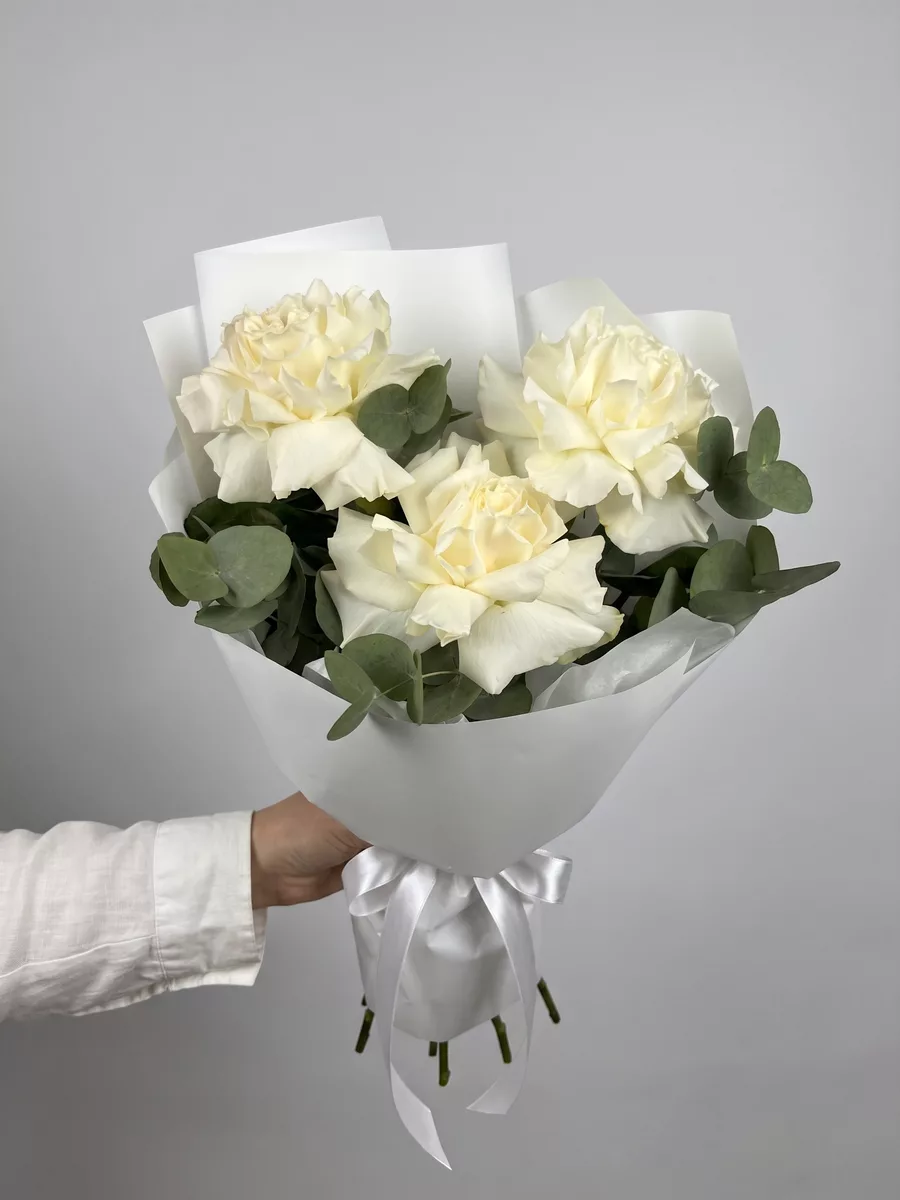
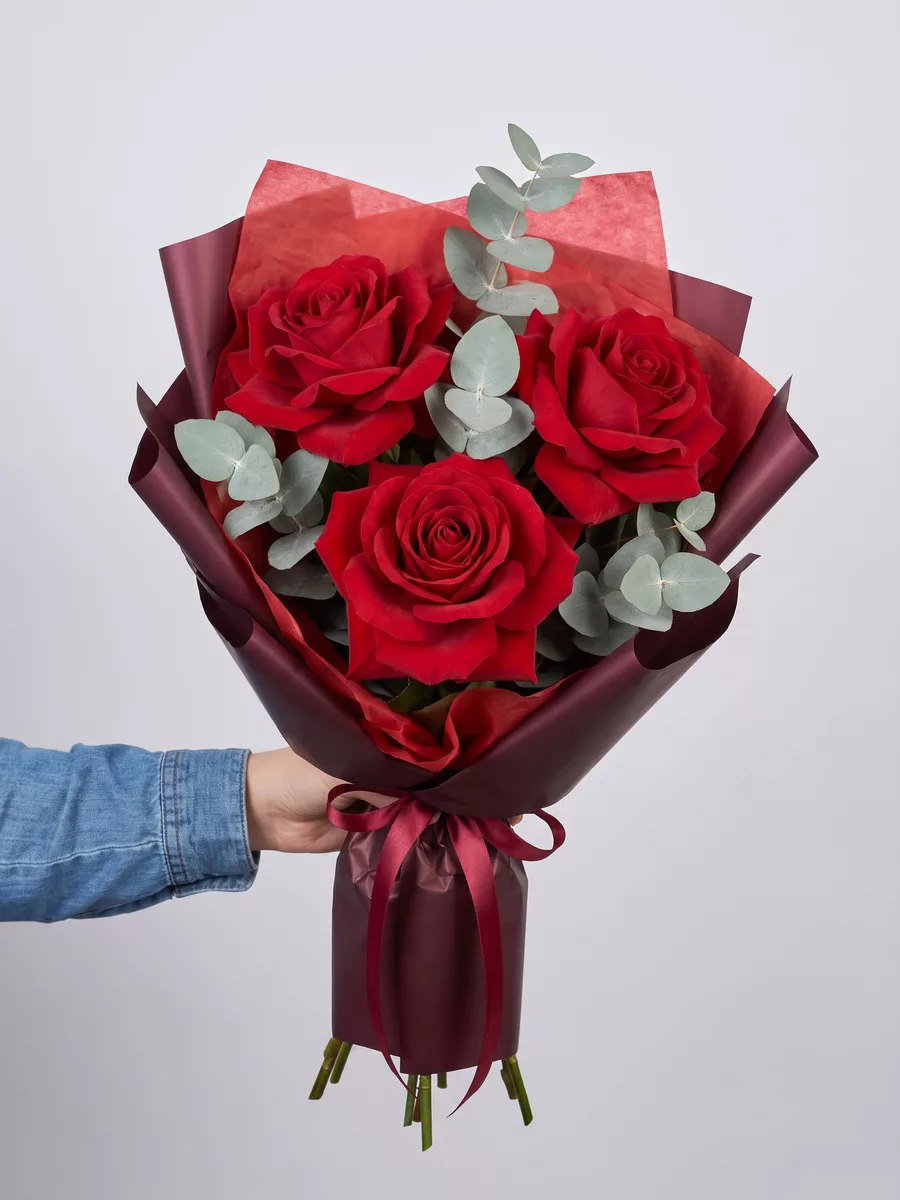
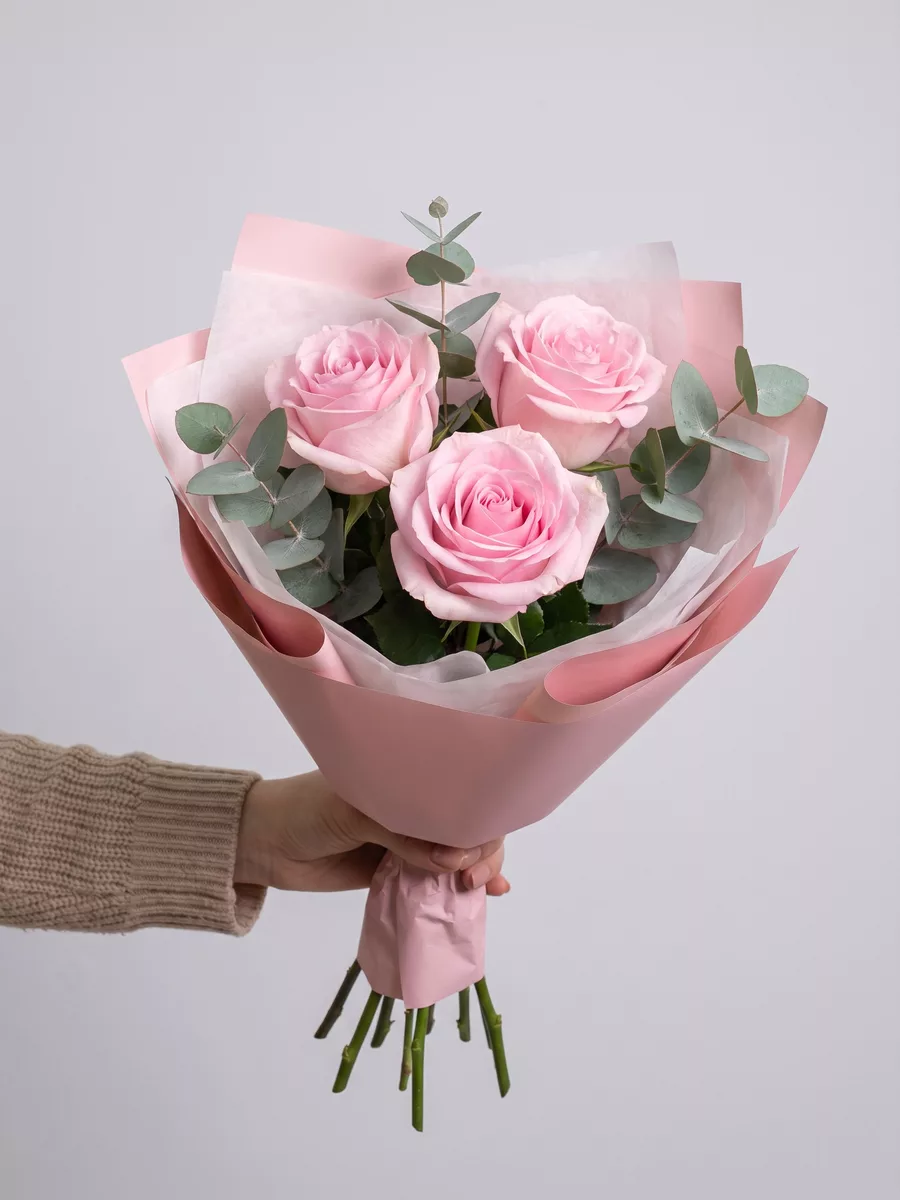
Delivery Timing: What the Ural Climate Means for Your Bouquet
The Chelyabinsk Oblast, where Snezhinsk is located, experiences serious winters. Temperatures regularly drop below minus fifteen degrees Celsius from November through February, and sudden cold snaps in October and March are common. This has a direct effect on how flowers travel and what arrives at the door in good condition.
Delicate open blooms — garden roses with many petals, open peonies, large hydrangea heads — are vulnerable to frost even during a short time outdoors. In cold months, flowers are wrapped in thermal packaging and moved quickly, but the recipient should still bring the bouquet inside immediately and let it rest at room temperature for twenty to thirty minutes before unwrapping. Rushing to put cold flowers straight into warm water can cause condensation shock and shorten their vase life noticeably.
In warmer months, from late May through August, delivery windows open up and more variety becomes available. Summer is when sunflowers, lisianthus, and garden-style mixed bouquets travel well and arrive looking generous and full. Spring and autumn are the transitional seasons where a florist's judgment about which stems are sturdy enough to make the journey matters most. Delivery timing to Snezhinsk typically requires planning ahead by at least several hours, so same-day orders placed early in the morning have the best chance of arriving on schedule.
Choosing Flowers for the Person, Not Just the Occasion
Before you think about colour or size, think about who is receiving the bouquet. A woman in her fifties who tends a balcony garden will respond differently to flowers than a young colleague celebrating a promotion. One might love a loose arrangement of spray roses, freesia, and eucalyptus — something that smells of a real garden. The other might prefer a structured, graphic bouquet of white calla lilies or single-variety tulips that looks bold and contemporary.
For birthdays, warmth and volume tend to read well. Chrysanthemums, alstroemeria, and standard roses hold their shape for days and feel celebratory without being over the top. For romantic occasions — anniversaries, Valentine's Day, moments of reconciliation — red or deep burgundy roses remain the most understood gesture in Russian culture. You do not need to explain them. They carry their meaning on their own.
For a thank-you or a congratulation on a new home or a new job, mixed seasonal bouquets with interesting textures work beautifully. Combine something soft like ranunculus with something architectural like protea or thistle, and the result feels thoughtful rather than generic. If the recipient has a preference for a specific flower and you know it, always lead with that. A single favourite flower, presented well, outperforms a large bouquet of unfamiliar stems every time.
Bouquet Options Across Different Budgets
A smaller budget does not mean a lesser gift — it means choosing flowers that are naturally generous. Alstroemeria, for example, produces multiple blooms per stem and lasts ten to fourteen days in a vase. A compact bunch of alstroemeria with some waxflower and a few stems of ruscus looks full and considered without requiring a large spend. Chrysanthemums in a single colour — white, yellow, or deep burgundy — have a clean, intentional look that photographs well and lasts long.
In the mid range, you gain access to combinations. This is where the bouquet starts to feel designed rather than assembled. Spray roses paired with lisianthus and a few stems of ornamental grass give a romantic, garden-gathered quality. Standard roses with gypsophila is a classic that works because the contrast in scale — large bloom against tiny cloud of white — is genuinely pleasing to the eye.
At a higher budget, the conversation shifts to premium stem varieties and presentation. Garden roses with their layered, cup-shaped heads and strong scent are a meaningful step up from standard roses. Peonies in season, large-headed ranunculus, and imported tulip varieties in unusual colours all signal that the sender chose carefully. Packaging at this level should match — a hat box, a linen wrap, or a structured arrangement in a ceramic vessel rather than a standard cone of kraft paper. The wrapping is part of the message.
How to Write a Card That Lands Well
In Russian culture, a handwritten or printed card with the bouquet is expected for any meaningful occasion. Arriving without a card can make the recipient uncertain about who sent the flowers, especially if they are receiving them at home from a courier. It also removes the personal layer that turns a purchase into a gesture.
Keep the message direct and warm. Russian recipients generally respond better to specific, honest words than to elaborate poetic phrases that feel borrowed. Saying that you are proud of them, that you are thinking of them on this day, or that you wanted them to have something beautiful — these land better than formal congratulatory language that sounds like a printed template.
If you are writing in Russian but are not a native speaker, keep the sentence structure simple. A short, clear message in correct Russian is far more touching than a long one with grammatical errors. If you are writing in English for a recipient who reads English, that is perfectly fine — the gesture is understood regardless of language. What matters is that the words are yours and that they say something true. Florists see thousands of cards, and the ones that move people are almost always the ones that sound like a real person wrote them in a real moment.
Caring for the Bouquet Once It Arrives
The journey to Snezhinsk is longer than a delivery within Saint Petersburg, which means the flowers have been travelling for some time by the time they reach the door. A few simple steps at the recipient's end will make a significant difference to how long the bouquet lasts.
First, re-cut the stems at an angle — about two centimetres from the bottom — using a sharp knife rather than scissors. Scissors crush the stem cells and reduce water uptake. Second, remove any leaves that would sit below the waterline in the vase. Submerged leaves rot quickly and cloud the water, which shortens the life of every stem in the arrangement.
Fill the vase with cool, clean water and change it every two days. Keep the bouquet away from direct sunlight, radiators, and fruit bowls. Ripening fruit releases ethylene gas, which accelerates the ageing of cut flowers — particularly roses and tulips. A cool room with indirect light is ideal. Most standard roses and chrysanthemums will last seven to ten days with this care. Alstroemeria and lisianthus can go to twelve or fourteen days. Tulips are shorter — around five to seven days — but their movement as they open is part of their charm, and many people find that worth the shorter window.
Making the Order Go Smoothly from Start to Finish
The most common reason a flower delivery to a distant city runs into trouble is incomplete information at the point of ordering. For Snezhinsk specifically, because of its administrative status, accuracy matters more than usual. Double-check the recipient's full name, their exact address including entrance number if applicable, and a working phone number. The courier may need to call ahead to coordinate access, and an unreachable number can delay everything.
Choose a delivery window that gives you buffer time, especially for occasions with a fixed moment — a birthday dinner, a morning surprise before work. Ordering for a specific hour on the same day you remembered the occasion is a risk in any city; in a city that requires more logistical coordination, it compounds. Ordering the evening before or early in the morning for an afternoon delivery is the approach that works consistently.
If the recipient is at work during the day, confirm whether they can receive a delivery there or whether home is better. Some workplaces in Snezhinsk have restricted access for outside visitors, and a bouquet waiting at a reception desk for hours in a warm lobby will not look its best by the time it reaches the person it was meant for. A little planning at the start means the flowers arrive the way you imagined them — fresh, full, and completely worth the distance.
Sending flowers to Snezhinsk is not complicated once you know what the city requires. Accurate details, a sensible delivery window, and flowers chosen for the person rather than the occasion will carry the gesture across any distance. The Urals winter is real, the logistics are specific, but the moment someone opens their door to a fresh bouquet — that part is universal.
Frequently asked questions
Does the ZATO status of Snezhinsk affect whether my flowers will actually be delivered?
It affects how delivery is coordinated, not whether it happens. Couriers working with closed cities know the access requirements. Your job is to provide a complete address and the recipient's full name exactly as it appears on official documents. Orders placed through services familiar with ZATO logistics reach Snezhinsk regularly without issue.
What flowers hold up best when temperatures in Snezhinsk drop below minus fifteen?
Chrysanthemums, alstroemerias, and carnations are the most cold-tolerant cut flowers and travel well through Chelyabinsk Oblast winters. Roses and tulips can make the journey but need proper insulated packaging. Tropical flowers like orchid stems or anthuriums are a poor choice from October through March — the cold damages them quickly even with wrapping.
Is a same-day order realistic for Snezhinsk, or does the closed-city process require more lead time?
Same-day delivery is rarely achievable for Snezhinsk given the coordination that ZATO access requires. Ordering at least one to two days ahead gives the florist and courier time to arrange everything correctly. For a specific occasion like a birthday at a set hour, two days minimum is a sensible buffer.
Will the bouquet look the way it does in the photo, given how far it has to travel?
A well-packaged bouquet from a florist experienced with regional delivery should arrive close to what you ordered. Flowers are packed in water-retaining materials and protective wrapping for the journey. Simpler, structured arrangements — think tight rose clusters or chrysanthemum bouquets — travel more reliably than loose, open designs with delicate focal blooms.
How should I tell the recipient to care for the flowers once they arrive in Snezhinsk in winter?
Ask them to let the flowers rest at room temperature for thirty minutes before unwrapping, especially after a cold journey. Trim the stems at an angle, place them in clean water with any sachet provided, and keep the vase away from radiators, which are working hard in Ural winters and dry the air significantly around them.
Ready to send flowers?
Pick the city, choose the bouquet, and a local florist takes it from there.
Choose a city →