Sending Flowers to Sokol? Here Is Everything You Need to Know
Sokol is a quiet residential district where a bouquet arriving at the right moment carries real weight — a birthday surprise at the door, a thank-you left with a neighbour, roses handed over before a dinner that matters. When you are ordering from across the city or from another region entirely, you want to know exactly what will happen between placing the order and the moment someone opens the door. This article walks you through timing, flower choices for the season, how to think about budget, and the small details that make a delivery feel considered rather than rushed.
Getting Flowers to Sokol: Coverage and Timing
Sokol sits within the delivery zone Turboflora serves directly from Saint Petersburg, and orders placed during working hours typically arrive within one to two hours of confirmation. The district includes both older apartment blocks and newer residential complexes, and our couriers navigate both without difficulty. If you are sending to a specific entrance or floor, adding that detail in the comments field saves time at the door and means the bouquet arrives in better condition — a courier who has been standing in a cold stairwell for ten minutes is not ideal for temperature-sensitive flowers like ranunculus or garden roses.
For same-day delivery, placing your order before midday gives the most flexibility. Evening slots are available but fill faster on weekends and around public holidays, particularly around February 14th, March 8th, and the first of September, which is Knowledge Day in Russia — a major occasion for giving flowers to teachers and children starting school. If your date is fixed and meaningful, ordering the evening before with a scheduled morning delivery is a smart move. We hold the bouquet in a cool environment and dispatch it at the time you choose, so freshness is not compromised by the gap between order and delivery.
Bouquets we can deliver

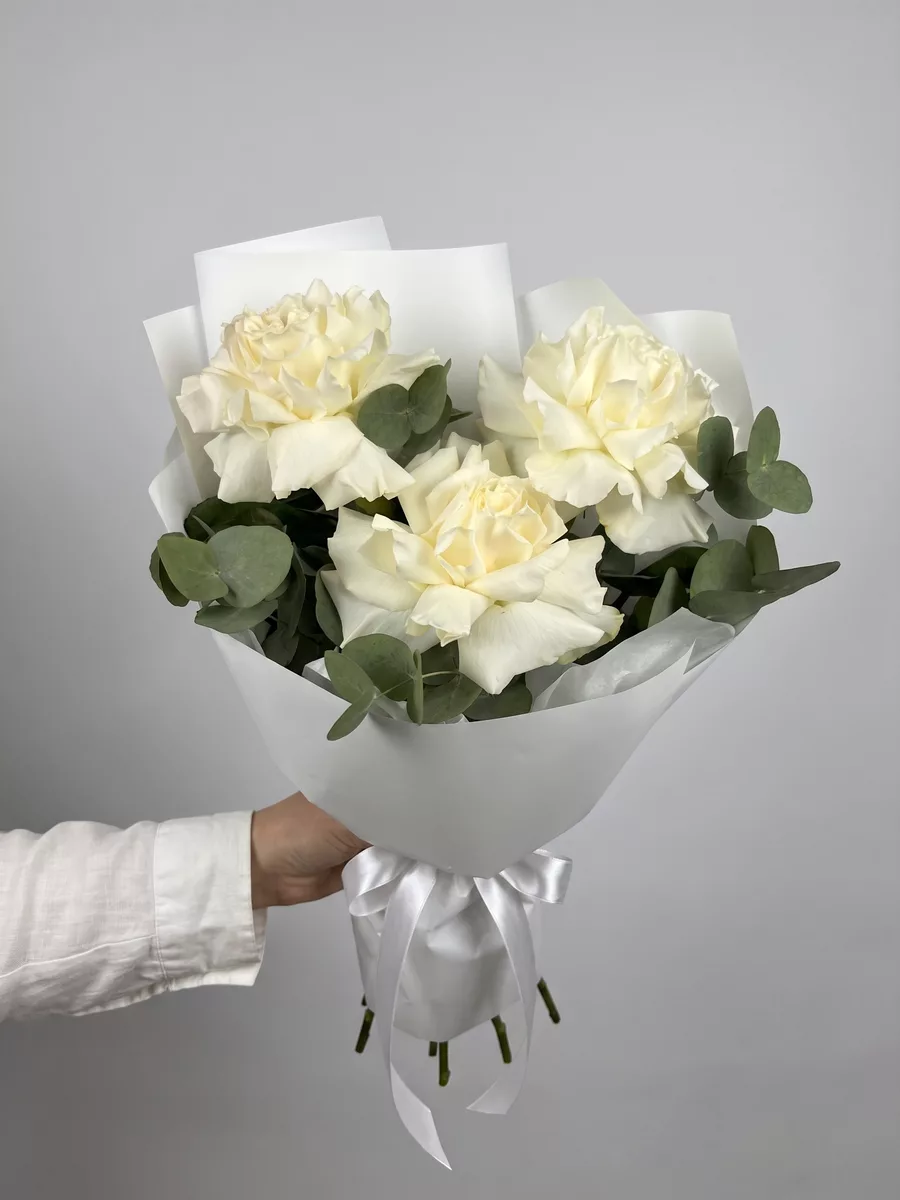
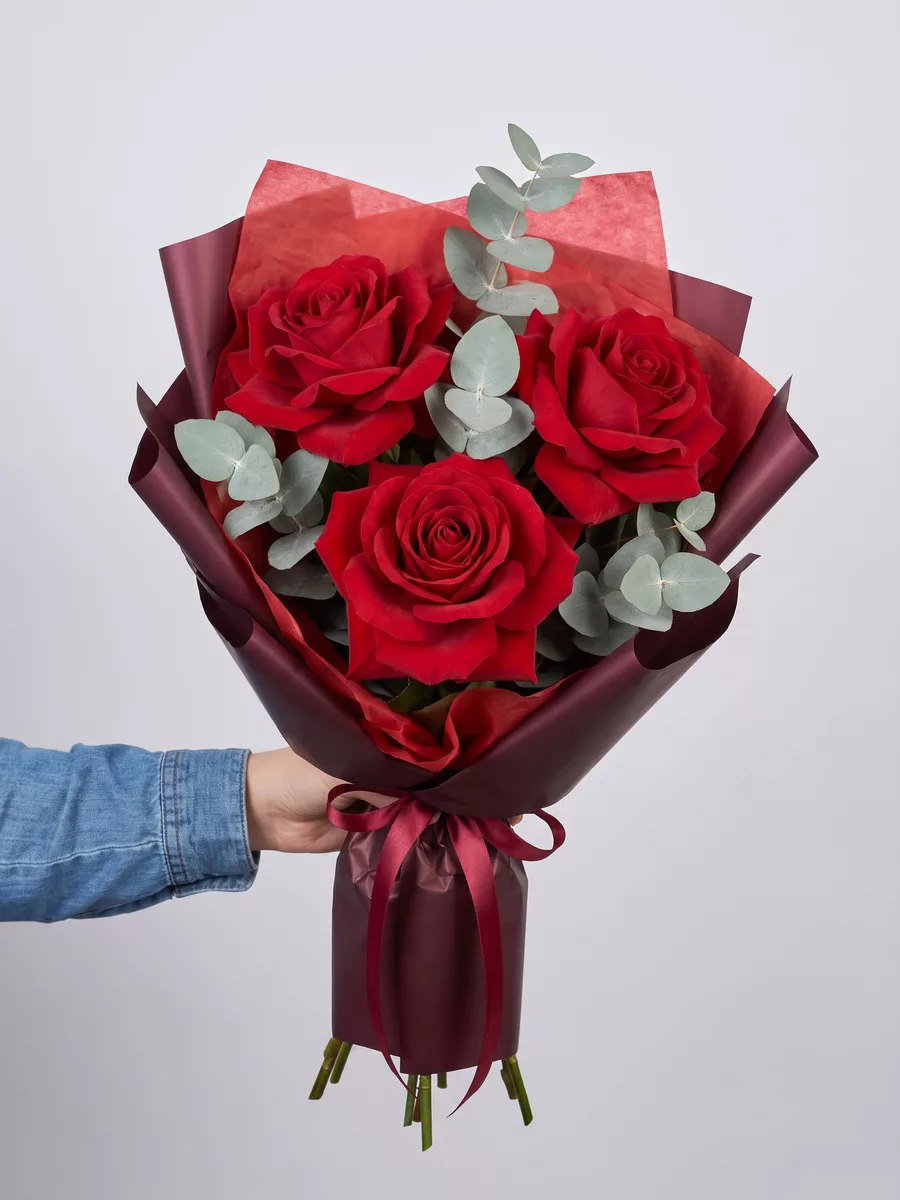
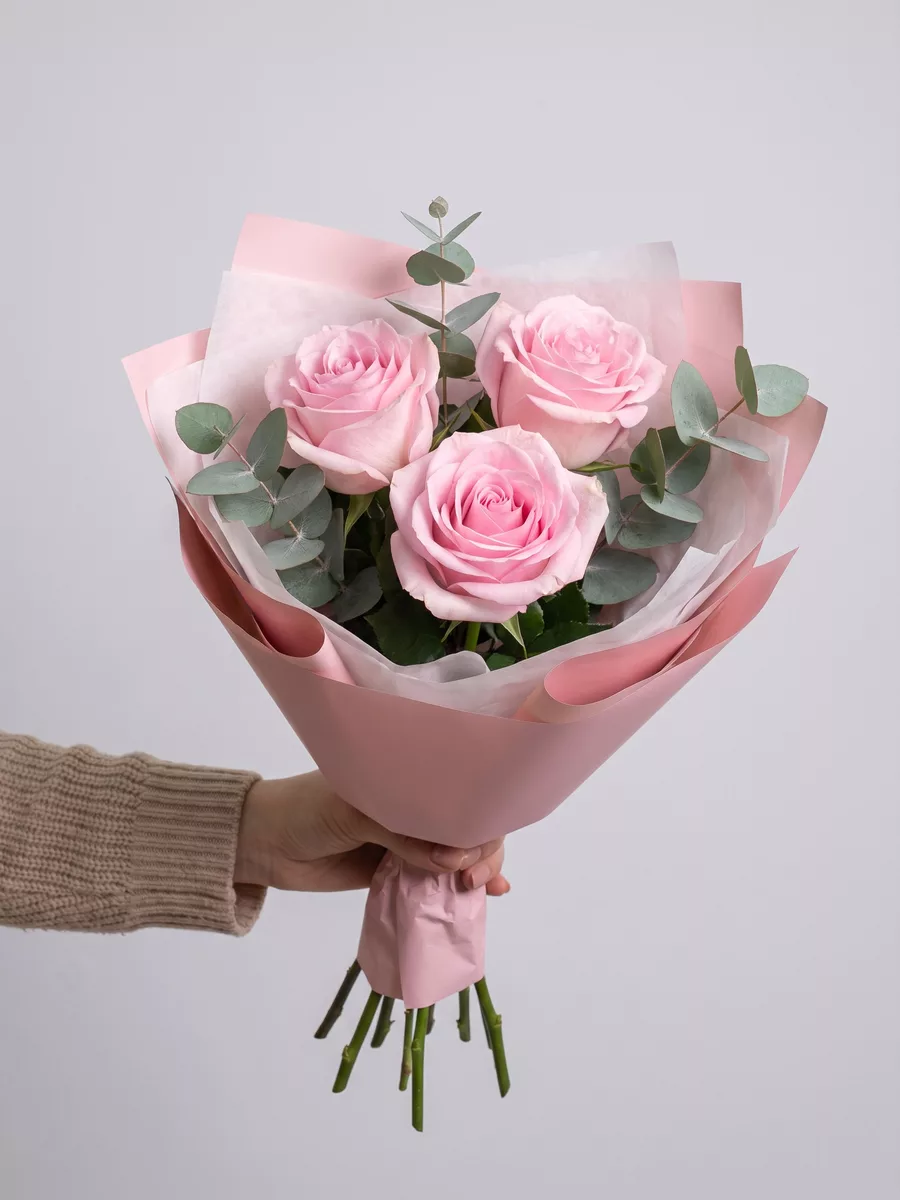
Reading the Recipient Before You Choose the Flowers
The most common mistake when ordering remotely is choosing what you personally like rather than what suits the person receiving the bouquet. A colleague who keeps her desk minimal and tidy will probably appreciate a single-variety arrangement of white freesias or blush spray roses over a large mixed tropical display. A grandmother in Sokol who has a garden of her own will notice the quality of each stem and respond warmly to something that feels grown rather than assembled — think dahlias in season, sweet peas, or lisianthus in soft purples and creams.
Age matters less than personality, but occasion matters a great deal. For a birthday, colour and volume say celebration — sunflowers paired with orange gerberas or hot-pink peonies with eucalyptus create an immediate visual impact when the door opens. For a new home, something that lasts is thoughtful: chrysanthemums, alstroemeria, and solidago hold well in a vase for ten days or more and do not shed petals across freshly unpacked boxes. For a romantic gesture, red or deep burgundy roses remain the clearest signal in Russian culture, though garden roses in peach or apricot tones have become increasingly popular as a softer, more personal alternative. Think about what the recipient will do with the flowers in the first thirty seconds — that reaction is what you are designing.
Choosing by Occasion: Birthdays, Anniversaries, and Everyday Gestures
Birthdays in Russia are celebrated with particular enthusiasm, and arriving empty-handed is genuinely unusual — flowers are almost always expected. A bouquet for a birthday should feel generous in proportion even if it is modest in price. Volume can come from greenery: adding ruscus, pittosporum, or eucalyptus branches fills out an arrangement without inflating the cost, and the contrast between foliage and blooms makes each flower stand out more clearly.
Anniversaries call for something more considered. Couples who have been together for years often respond better to a bouquet that tells a story — their favourite colour, a flower from their wedding, or a combination that references a shared memory — than to a generic dozen red roses. If you know one detail about what they love, mention it in the order notes and we will build around it.
Everyday gestures are underused and often the most appreciated. Sending flowers to a friend who has just moved to Sokol, to a parent after a difficult week, or to a colleague finishing a long project does not require a formal occasion. For these moments, a hand-tied bouquet of seasonal flowers — whatever is at peak quality that week — works beautifully. In spring that might be tulips and muscari. In late summer, zinnias and dahlias. In winter, amaryllis and hypericum berries give warmth and depth. Seasonal choices are also the freshest, because they have not travelled as far to reach us.
Budget Ranges and What Each Level Gets You
Thinking in ranges rather than exact figures helps when ordering flowers, because availability shifts with the season and what is at peak quality on any given day. At the entry level, a well-made bouquet focuses on one or two varieties and lets the flowers speak clearly. A tight bunch of white or yellow tulips in spring, or a cluster of alstroemeria with a single focal rose, can be genuinely lovely when the stems are fresh and the wrapping is clean. Do not underestimate this range — a small bouquet that arrives in perfect condition beats a large one that has been held too long.
The mid range opens up combinations. You can pair a focal flower like a garden rose or peony with supporting blooms — spray roses, waxflower, or ranunculus — and add a layer of foliage that gives the arrangement structure. This is the range where presentation starts to carry real weight: the paper, the ribbon, and the way the stems are gathered all become part of the gift.
At the higher end, you are working with premium varieties, greater stem counts, and often a more architectural approach. Anthurium, orchid branches, protea, and garden roses sourced at full bloom fall into this territory. These arrangements photograph well and make a strong impression in a large space. If the recipient lives in a smaller Sokol apartment, a taller, looser arrangement with negative space often reads as more elegant than a dense, heavy bouquet — proportion to the room matters as much as the flowers themselves.
What Happens Between the Florist and the Front Door
Once your order is confirmed, the bouquet is assembled fresh from stock we hold in refrigerated conditions. Flowers are kept between two and eight degrees Celsius depending on the variety — tropical flowers like anthuriums and birds of paradise prefer the warmer end of that range, while roses and tulips stay tighter and fresher closer to two degrees. This temperature management is what separates a flower that opens beautifully over five days from one that droops by the second morning.
The courier transports the bouquet in a way that keeps it upright and protected from wind and cold. In Saint Petersburg winters, this matters significantly — a bouquet exposed to minus ten degrees for even a few minutes can suffer petal damage that is not immediately visible but shows within hours. We wrap accordingly and move quickly.
If the recipient is not home, we contact you before leaving the bouquet with a neighbour or building manager, unless you have specified otherwise in advance. In Russian apartment culture, leaving a bouquet with a neighbour is common and generally well received, but it is always better to confirm rather than assume. If a specific time slot is critical — a surprise timed to a particular moment — note this clearly and we will coordinate the dispatch to match. The goal is that the flowers arrive looking exactly as they did when they left our hands.
Flower Care After Delivery: Making the Bouquet Last
A bouquet that arrives in Sokol on a Tuesday should still be looking good the following Monday if it is cared for properly. The first step is the most important and the most frequently skipped: cut the stems at an angle under running water before placing them in the vase. An angled cut increases the surface area absorbing water, and doing it under water prevents air bubbles from blocking the stem. Even five minutes out of water on the way to the kitchen can create a blockage that shortens vase life by days.
Use a clean vase with fresh, cool water. Flower food sachets, which we include with the bouquet, contain a mild bactericide, a sugar for energy, and an acidifier to keep the water at the right pH. They are worth using — the difference in longevity is real. Change the water every two days and re-cut the stems each time.
Keep the bouquet away from direct sunlight, radiators, and fruit bowls. Ripening fruit releases ethylene gas, which accelerates the aging of flowers — tulips and carnations are particularly sensitive to this. A cool room or a spot near a north-facing window is ideal. Remove any leaves that fall below the waterline immediately, as they rot quickly and cloud the water with bacteria. Different flowers in a mixed bouquet age at different rates: remove individual stems as they fade rather than replacing the whole arrangement, and what remains will continue to look considered and intentional.
Russian Flower Customs Worth Knowing Before You Order
If you are not familiar with Russian traditions around flowers, a few details are worth knowing before you order. The number of stems in a bouquet carries meaning: even numbers are traditionally associated with mourning and funerals, so bouquets for celebrations are always given in odd numbers — five, seven, eleven, fifteen. This is taken seriously across generations, and a bouquet of twelve roses, however beautiful, will read as wrong to many recipients. When in doubt, ask us to compose an odd-numbered arrangement.
Colour carries associations too, though these are softening with younger generations. Yellow flowers were historically linked to separation and infidelity in Russian culture, though this is changing and yellow tulips and sunflowers are now widely given without concern. White flowers are associated with purity and are perfectly appropriate for celebrations, weddings, and birthdays. Red remains the strongest romantic signal.
Wrapping matters. A bouquet handed over loose, without paper or ribbon, reads as careless. Russian gift culture places real value on presentation — the wrapping is part of the respect shown to the recipient. Our bouquets are wrapped as standard, but if you want a specific colour of paper or a particular ribbon, mention it and we will do our best to match. Finally, flowers in Russia are typically given directly to the person, not left on a table for them to find — the handover moment is part of the gift. If you are sending remotely, a short personal note included with the bouquet carries the emotional weight of that moment.
Ordering flowers to Sokol from a distance is simpler than it might seem, and the details that make it feel personal are usually small ones: the right odd number of stems, a note that says something specific, a flower that suits the room it will live in. The logistics — timing, temperature, wrapping, delivery to the door — are handled on our end. Your part is thinking about the person receiving the bouquet for a few minutes before you order, and the rest follows naturally.
Frequently asked questions
How quickly can flowers be delivered to Sokol from Saint Petersburg?
Orders placed during working hours are typically delivered within one to two hours of confirmation. For a specific time slot — a morning surprise or an evening arrival — you can schedule the delivery in advance and we will hold the bouquet in refrigerated conditions until dispatch, so freshness is fully preserved.
What if the recipient is not home when the courier arrives in Sokol?
We contact you before making any decision about the bouquet. Depending on your instructions, we can leave it with a neighbour or building manager, wait briefly for the recipient to return, or reschedule. We do not leave bouquets unattended in hallways or outside doors without your explicit permission.
Why do bouquets in Russia always have an odd number of flowers?
Even numbers of flowers are traditionally associated with funerals and mourning in Russian culture, so gifts for celebrations are always composed in odd numbers — five, seven, eleven, and so on. This convention is widely observed across generations. All our celebration bouquets follow this rule automatically.
Which flowers last longest after delivery, especially in a warm apartment?
Chrysanthemums, alstroemeria, carnations, and solidago are among the most resilient and typically last ten days or more with proper care. Tropical varieties like anthuriums also hold well. Tulips and ranunculus are shorter-lived but stunning while they last. Changing the water every two days and keeping blooms away from radiators extends vase life significantly.
Can I include a personal note with a flower delivery to Sokol?
Yes, and we strongly recommend it. You can write your message during checkout and we print and include it with the bouquet. A handwritten-style card makes the delivery feel personal rather than transactional, especially when you are sending from a distance and cannot be there to hand the flowers over yourself.
Ready to send flowers?
Pick the city, choose the bouquet, and a local florist takes it from there.
Choose a city →