Sending Flowers to Sovetsk? Here Is What to Expect
Sovetsk sits at the western edge of the Kaliningrad region, close to the Lithuanian border, and ordering flowers here from Saint Petersburg means thinking carefully about distance, timing, and what will actually arrive looking fresh. Whether you are surprising a partner on a birthday, thanking a colleague, or marking a school graduation, the bouquet needs to travel well and land at the right moment. This guide walks you through everything that matters — from choosing the right flowers for the season to understanding how long delivery realistically takes and what to do with the arrangement once it arrives.
Where Sovetsk Fits Into the Delivery Picture
Sovetsk is a compact city of roughly 40,000 people in the Kaliningrad exclave, separated from mainland Russia by Lithuania and Belarus. That geographical position makes it one of the more logistically interesting destinations in the country. Flowers ordered through Turboflora reach Sovetsk via a well-established courier route that covers the Kaliningrad region, so the city is firmly within the delivery zone — not a remote edge case.
The city itself is easy to navigate. Most residential addresses, workplaces, schools, and cultural venues sit within a short drive of the centre, which means that once a courier arrives in Sovetsk, the final leg to the door is quick. That matters for flowers: the shorter the time between the florist's hands and the recipient's vase, the longer the bouquet will last.
One thing worth knowing is that Sovetsk uses standard Russian postal addressing, so when you place an order, write the street name and apartment number in full. Avoid abbreviations that might be clear to a local but ambiguous to a courier arriving from outside the region. A working phone number for the recipient is equally important — couriers will call ahead to confirm they are at the right building, which is common practice across Russia and genuinely helpful in a city where some older apartment blocks share entrance codes or have multiple wings.
Bouquets we can deliver

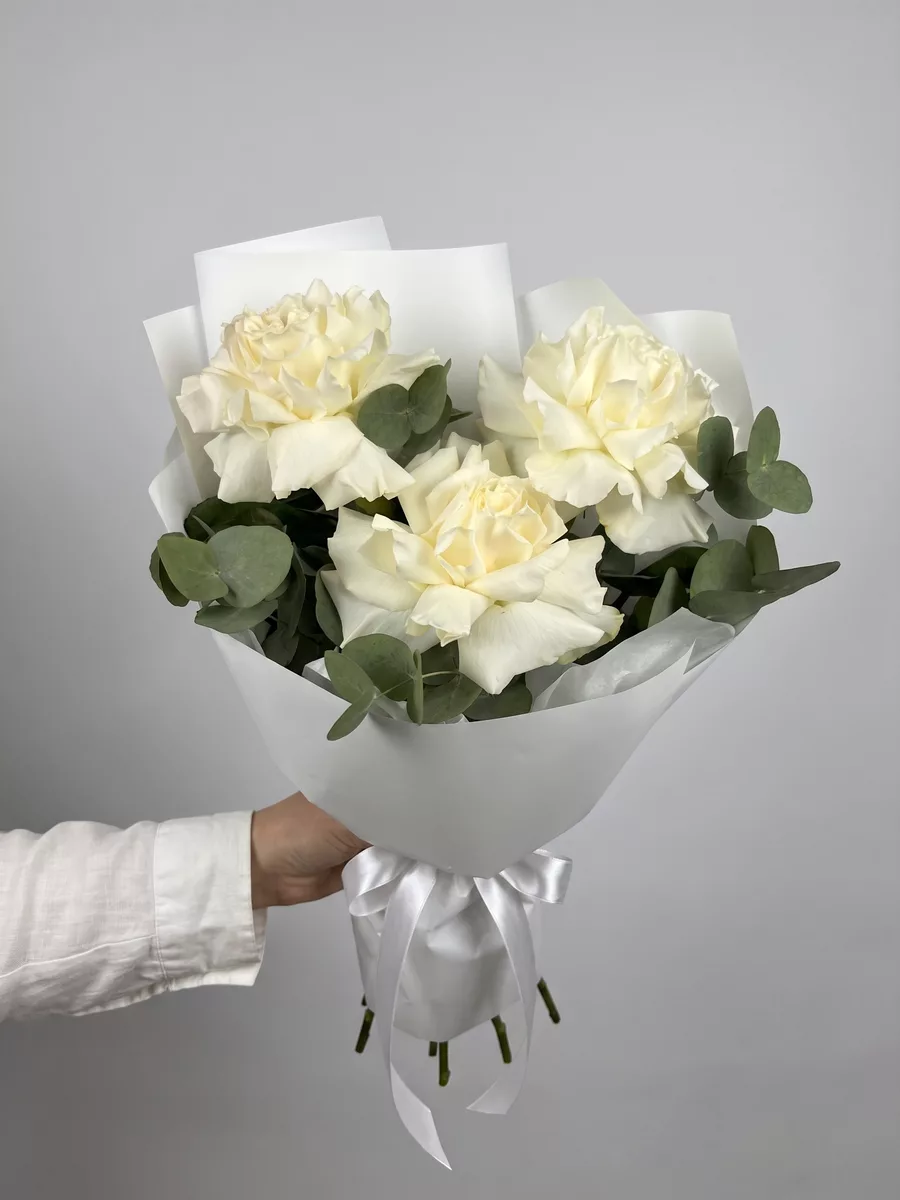
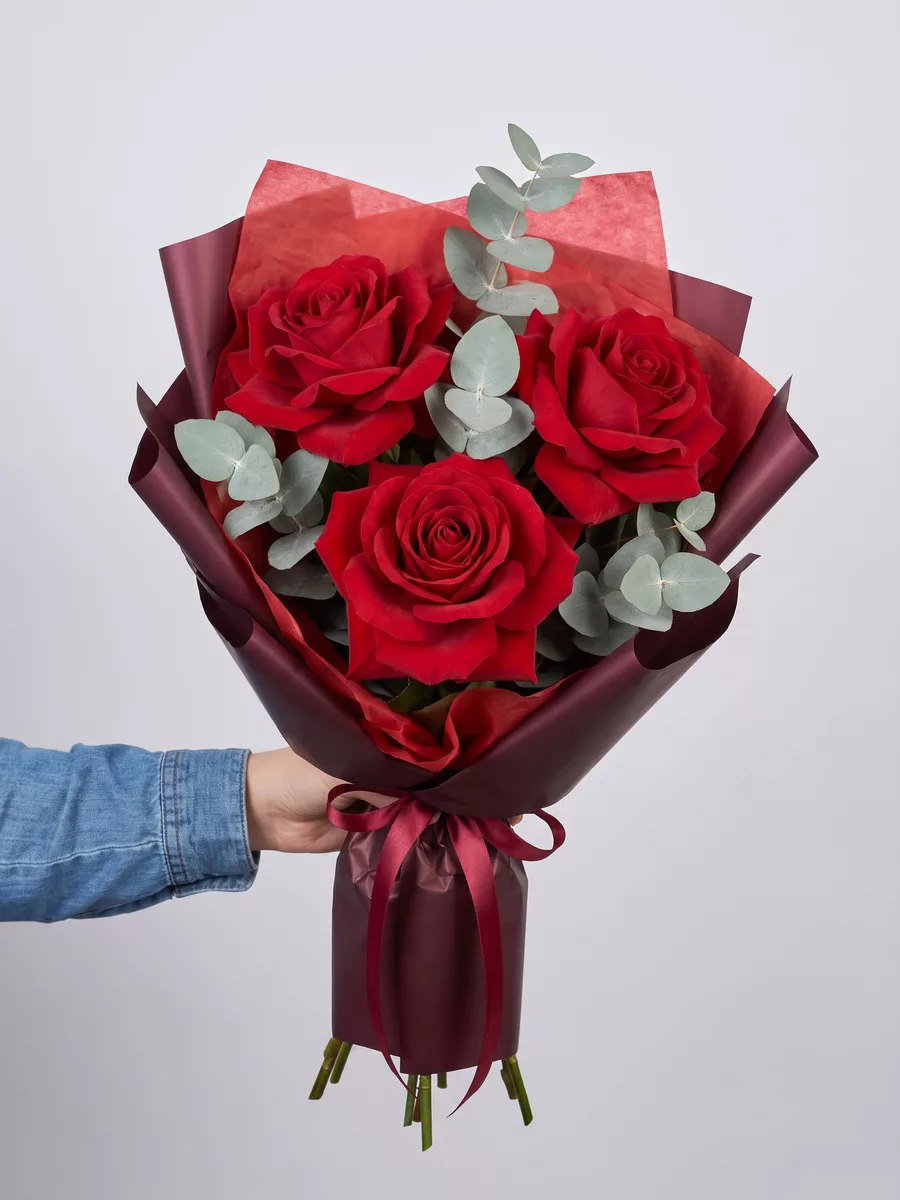
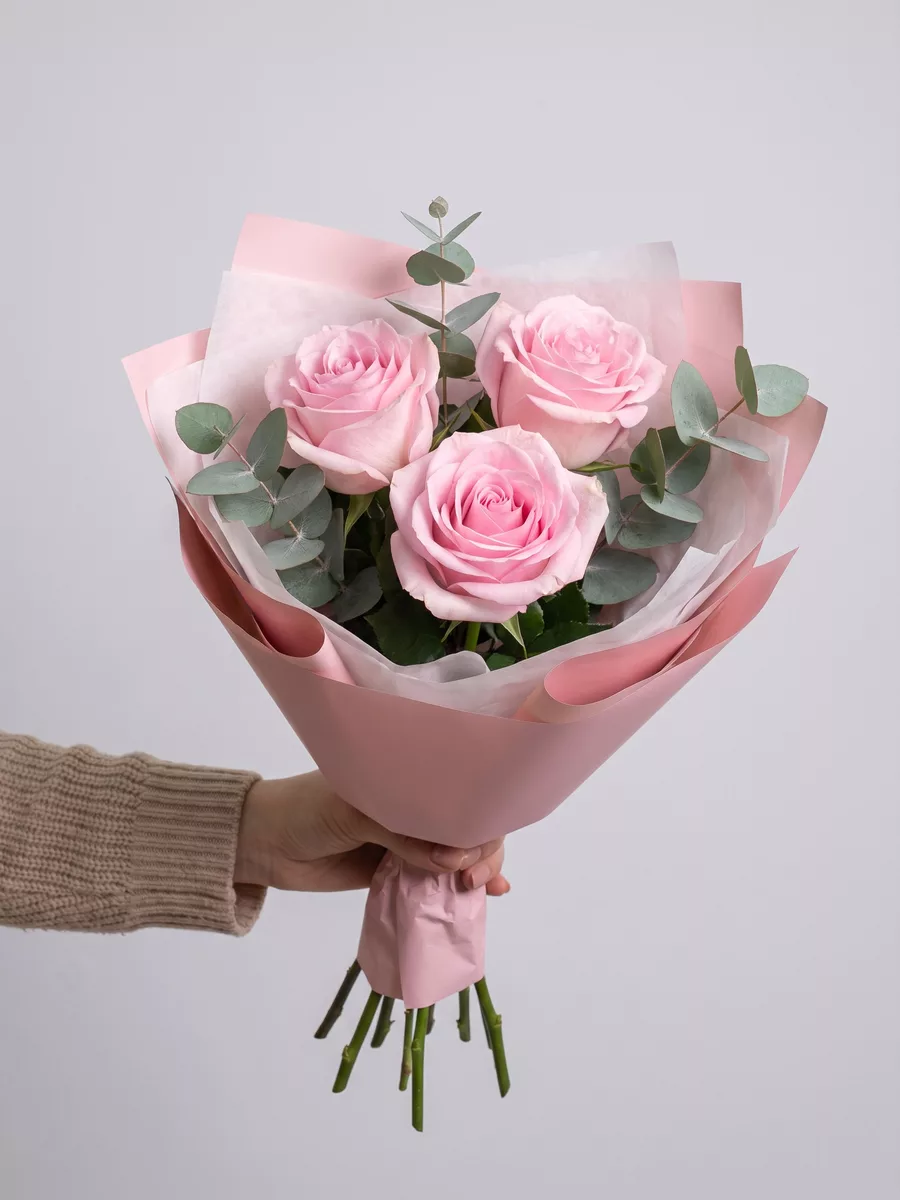
Timing Your Order: What Same-Day and Next-Day Mean Here
Delivery timing to Sovetsk is honest and straightforward once you understand the geography. Because the city is in the Kaliningrad region rather than on the Russian mainland, same-day delivery operates within a specific daily cut-off. Orders placed before mid-morning on any working day are the most reliably fulfilled the same day. Orders placed in the afternoon may arrive the following morning, depending on route scheduling.
This is not a limitation unique to Sovetsk — it applies to any destination that requires a dedicated regional route rather than a city-centre run. The good news is that flowers prepared for these routes are packed specifically for longer transit: stems are hydrated, wrapping is breathable, and temperature is managed so that roses, for example, do not arrive with bent necks or browning petals.
If you are planning for a specific occasion — a birthday dinner, a morning graduation ceremony, an anniversary breakfast — place your order at least 24 hours in advance and specify the preferred delivery window in the order notes. Florists can work with a two-hour delivery window when the timing is communicated clearly. Vague requests like 'sometime in the afternoon' are harder to honour precisely than 'between 14:00 and 16:00.' Being specific costs you nothing and significantly increases the chance that the flowers arrive exactly when you pictured them arriving.
Choosing Flowers That Travel Well to Kaliningrad
Not every flower is equally suited to a journey of several hundred kilometres. Some varieties are naturally robust; others are beautiful in a local shop but arrive disappointed after a long transit. Knowing the difference helps you order with confidence rather than hope.
Roses are the most reliable long-distance flower when they are cut at the right bud stage — tight enough to survive travel, open enough to bloom within a day of arrival. Ecuadorian and Kenyan roses, which are widely used by professional florists, have thick petals and strong stems that hold up well. Spray chrysanthemums are another excellent traveller: dense, resilient, and available year-round. Alstroemeria, sometimes called Peruvian lily, lasts up to two weeks in a vase and barely notices a long journey.
Flowers that need more care in transit include open garden roses, ranunculus, and anemones. These are not impossible to send, but they require careful packing and cool temperatures throughout. In summer, when Kaliningrad can reach 25–28 degrees Celsius, these delicate varieties are best ordered for morning delivery before the day heats up. In winter, the concern flips: temperatures in the region drop to minus 10 or lower, and flowers need insulated packaging to avoid frost damage to petals and stems. When you place your order, the florist accounts for the current forecast and adjusts packaging accordingly — you do not need to request this separately.
Matching the Bouquet to the Occasion and the Person
In Russia, flowers carry clear social meaning, and Sovetsk is no exception. A few conventions are worth knowing if you are unfamiliar with Russian gifting culture. The number of flowers in a bouquet traditionally matters: an odd number is for celebration and joy, while an even number is reserved for mourning. If you are ordering a birthday or anniversary bouquet, stick to an odd count — three, five, seven, nine, or more. Most florists compose bouquets with this in mind automatically, but it is good to be aware.
For a romantic occasion, red roses remain the clearest signal of affection, but a mono-bouquet of white or blush peonies in season (late May through June) can feel more personal and less expected. For a colleague or teacher — a common gifting occasion in Russia, especially around professional holidays and the start of the school year in September — a mixed seasonal bouquet with greenery reads as warm but appropriately professional. Tulips in spring, sunflowers in summer, and dahlias in early autumn all feel timely and considered.
For a child's birthday or a young person's celebration, bright colours work better than elegant pastels. Gerberas in orange, yellow, and coral, combined with solidago or waxflower for texture, create a bouquet that feels genuinely festive. If you are unsure, describe the recipient's personality and the occasion in the order notes — a florist who knows their material will make a better choice than a dropdown menu.
Budget and What Different Price Points Actually Get You
Flower budgets translate into real, visible differences in what arrives, and it helps to understand what those differences are rather than simply choosing a tier by feel. At a modest budget, you are typically looking at a single-variety bouquet — five or seven roses, a bunch of spray chrysanthemums, or a small tulip arrangement in season. These are not lesser flowers; they are simply focused. A tight, well-composed mono-bouquet of good roses can be more striking than a crowded mixed arrangement that tries to do too much.
At a mid-range budget, composition opens up. The florist can combine two or three varieties with supporting greenery — eucalyptus, ruscus, or pittosporum — and add texture through dried elements, cotton stems, or seasonal berries in autumn. The bouquet gains depth and lasts longer in a vase because the varieties are chosen to complement each other's water needs and lifespan.
At a higher budget, you move into premium varieties and larger volume. Garden roses from David Austin, peonies flown in from the Netherlands, protea, or lisianthus in soft layered tones — these are flowers that make an impression the moment the door opens. Presentation also changes at this level: structured wrapping, ribbon work, and a considered colour palette rather than a generic mix. Whatever your budget, be honest about it when ordering. A florist working within a clear number will always produce something better than one guessing at what you meant.
What Happens at the Door: Russian Gifting Etiquette
If you are sending flowers to someone in Sovetsk and you are not Russian yourself, a few small details about how flowers are given and received will make the whole experience feel smoother. In Russia, flowers are almost always presented unwrapped or with the wrapping folded back so the blooms are visible. The paper or kraft wrap is part of the aesthetic — it frames the bouquet — but the flowers themselves should be seen immediately. A bouquet handed over with the stems forward and the blooms facing the recipient is the standard gesture.
The recipient will typically hold the bouquet for a moment, admire it, and then move to put it in water fairly quickly. This is not abruptness — it is care. Russians tend to treat fresh flowers seriously and know that the sooner they go into water, the better they will look for the days ahead. If you are including a card, handwritten notes are appreciated far more than printed ones. Even a few words in your own handwriting carry warmth that a typed message does not.
Couriers delivering on your behalf will hand over the bouquet, confirm the recipient's name, and wait for acknowledgement. They will not linger or require a signature in most cases. Tipping is not expected but is genuinely appreciated, particularly in winter when couriers are navigating cold and difficult conditions to get flowers to the door in good shape. A small gesture of thanks goes a long way.
Keeping the Flowers Fresh After Delivery
A bouquet that arrives in perfect condition can last five days or ten days depending almost entirely on what happens after the door closes. The first hour matters most. Stems should go into clean, cool water as soon as possible — tap water is fine, but let it sit for a few minutes if it is very cold, since a sudden temperature shock can cause roses and tulips to close prematurely and not reopen.
Cut about two centimetres from the bottom of each stem at a diagonal angle before placing them in the vase. This is not a decorative step — it dramatically increases the surface area through which the stem draws water. Use a clean, rinsed vase rather than one that held flowers last week, since bacterial residue is the primary reason bouquets die faster than they should. Change the water every two days and re-cut the stems each time.
Keep the bouquet away from direct sunlight, radiators, and fruit bowls. Ripening fruit releases ethylene gas, which accelerates wilting in cut flowers — particularly in roses and carnations. A cool room between 15 and 20 degrees Celsius is ideal. In Sovetsk's winters, a cool hallway can actually be a good spot overnight. Remove any petals or leaves that begin to brown promptly, as they release compounds that speed the decline of the healthy flowers around them. With these habits, a well-chosen bouquet should reward the recipient with colour and fragrance for at least a week.
Ordering flowers to Sovetsk from Saint Petersburg is a straightforward process when you know what to expect at each stage — the geography, the timing, the varieties that travel well, and the small cultural details that make a gift land exactly right. The distance is real, but it is manageable, and the result at the other end is a fresh, carefully composed bouquet handed to someone who will remember it. Plan a day ahead when you can, be specific about timing and the recipient, and trust that the flowers have been chosen and packed with the journey in mind.
Frequently asked questions
Will flowers sent to Sovetsk look fresh after travelling through the Kaliningrad region?
Yes, because Turboflora uses an established courier route covering the Kaliningrad region and Sovetsk is compact enough that the final delivery leg is short. Flowers are packed to survive transit, and the quicker handover from courier to door means the bouquet reaches the vase before it has time to tire. Choosing hardy stems like roses or chrysanthemums helps further.
What occasions do people in Sovetsk most commonly receive flowers for, and does that change what I should order?
Birthdays, school graduations, and professional milestones are the most common reasons people send to Sovetsk. For graduations, something structured and celebratory works well, like a mixed bouquet with bright focal flowers. For a birthday or romantic gesture, roses or peonies in season feel personal. Matching the bouquet to the moment matters more than picking the most expensive option.
Is there a cutoff time I need to know about when ordering flowers to Sovetsk from Saint Petersburg?
Yes, and it is worth checking before you place the order rather than after. Because Sovetsk sits in the Kaliningrad exclave rather than on the Russian mainland, same-day delivery runs to a specific daily cutoff. Orders placed after that window move to the next available slot, so if the occasion is time-sensitive, place the order as early in the day as possible.
Which seasonal flowers travel best to Sovetsk and will actually look good on arrival?
Roses, spray chrysanthemums, and alstroemeria hold their shape well in transit and last longer once in a vase. In spring, tulips are a good choice if ordered early in the day. Delicate open blooms like garden roses or anemones are beautiful but more vulnerable to movement, so if you want them, ask the florist to pack them with extra support.
Can I send a bouquet to a Sovetsk workplace or school rather than a home address?
Yes, and it works well. Most workplaces, schools, and public venues in Sovetsk are within a short drive of the centre, so the courier reaches them quickly. Include the full organisation name, the building number, and a recipient phone number. The courier will call ahead, which is especially useful at a school or office where the recipient may not be waiting at the entrance.
Ready to send flowers?
Pick the city, choose the bouquet, and a local florist takes it from there.
Choose a city →