Sending Flowers to Sovetskaya Gavan? Here Is What to Expect
Sovetskaya Gavan sits at the edge of the Khabarovsk Krai, pressed between taiga and the Tatar Strait, and sending flowers there from anywhere in Russia takes a little more planning than a same-day order to a city centre address. But it is absolutely doable, and when a bouquet arrives in a place that does not see flower shops on every corner, the effect on the recipient is genuinely outsized. This article walks you through timing, seasonal sense, budget options and how to make sure the flowers look their best after the journey.
Why Distance Changes Everything for a Flower Order
Sovetskaya Gavan is roughly 9,000 kilometres from Saint Petersburg by air, which already tells you something important: flowers sent here travel through time zones, temperature swings and at least one logistics transfer. That is not a reason to avoid sending them — it is a reason to choose and pack them thoughtfully. The distance is the first thing a working florist considers before recommending varieties.
Cut flowers are living things, and every hour they spend in transit is an hour they are not in water. Roses, for example, can hold well for 24 to 36 hours in proper cool packaging, but they will suffer if that window is exceeded or if the packaging lets warm air in. Chrysanthemums and carnations are significantly more resilient and can travel 48 hours without visible decline when conditioned correctly before dispatch.
The practical implication for you as a sender is this: long-distance orders to Sovetskaya Gavan are planned 24 to 48 hours ahead of the intended delivery date, not placed the same morning. Building that lead time into your thinking is the single most useful habit you can adopt. It also gives the florist time to source the freshest batch available rather than working from stock that has already been on display for a day.
Bouquets we can deliver

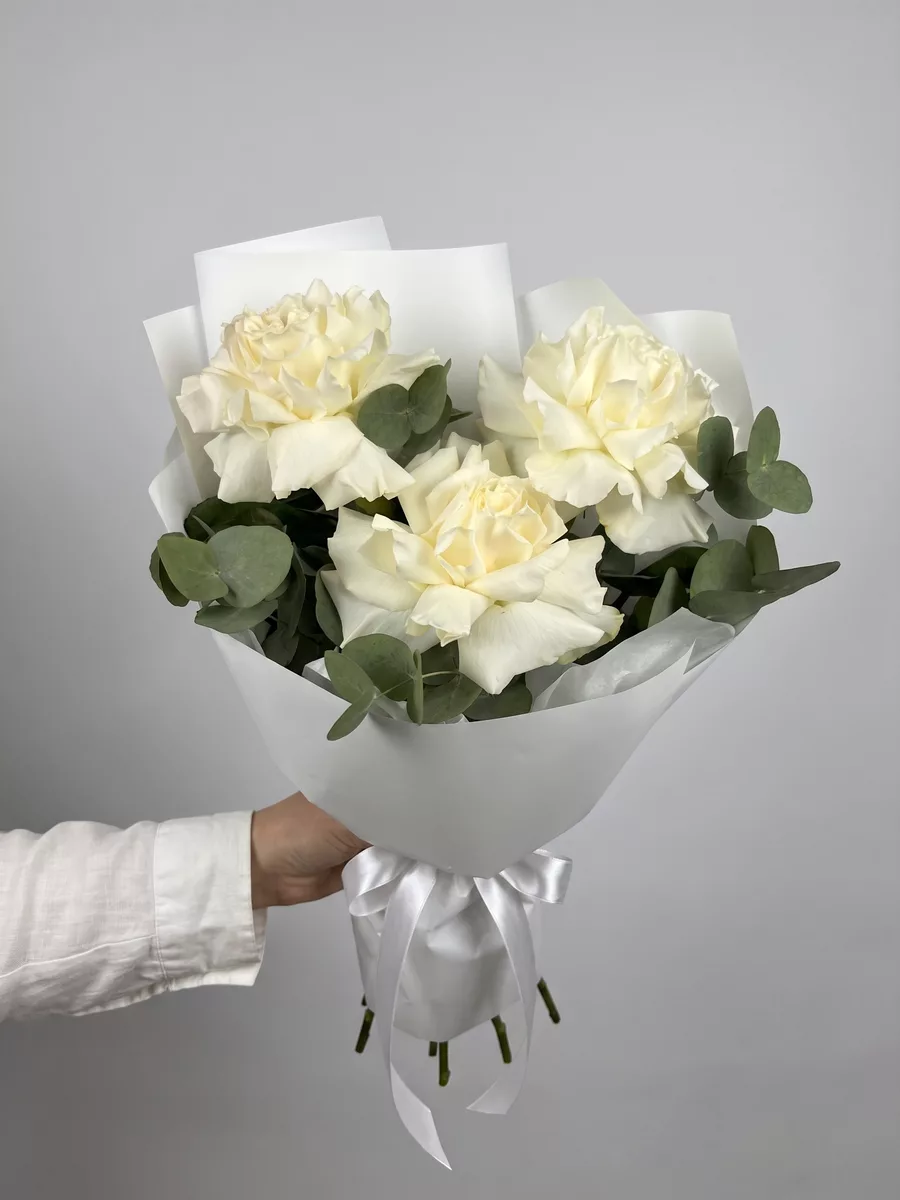
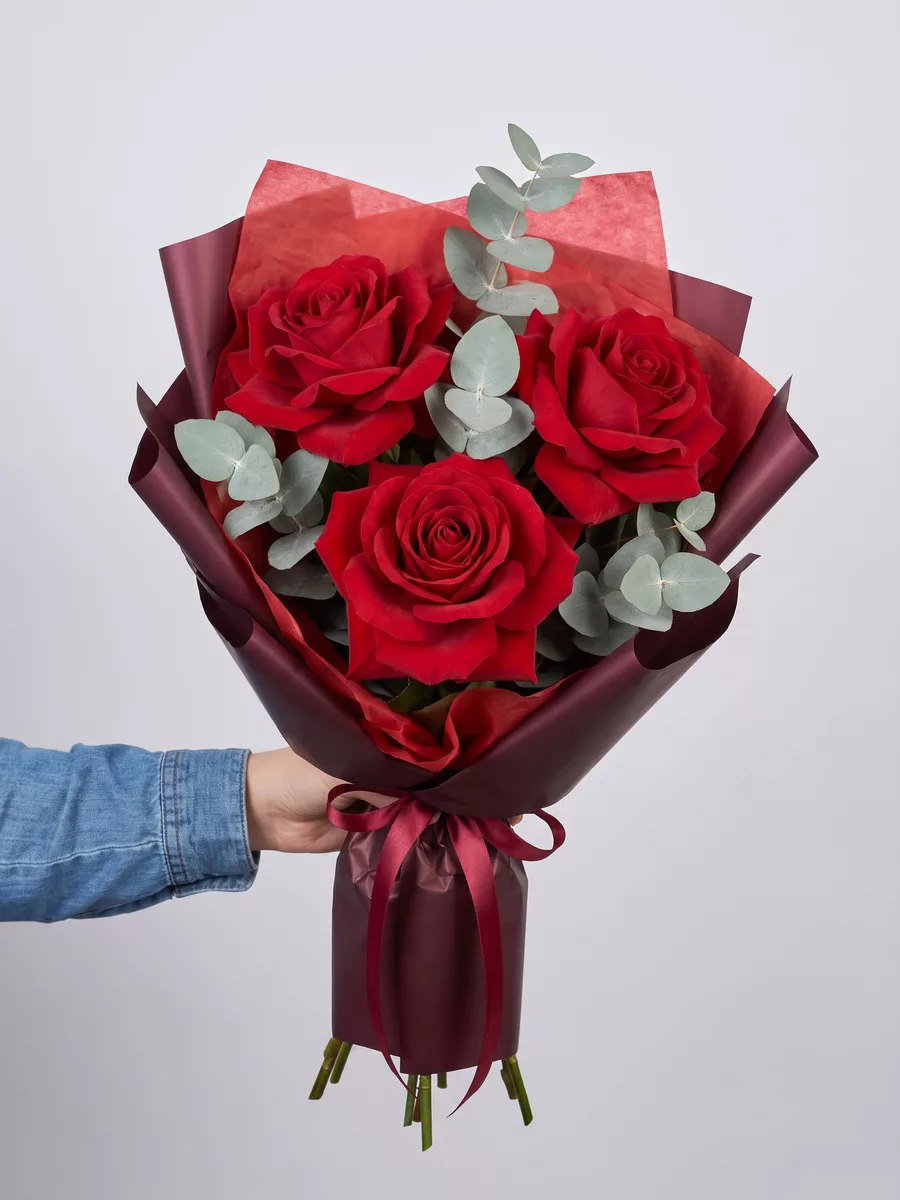
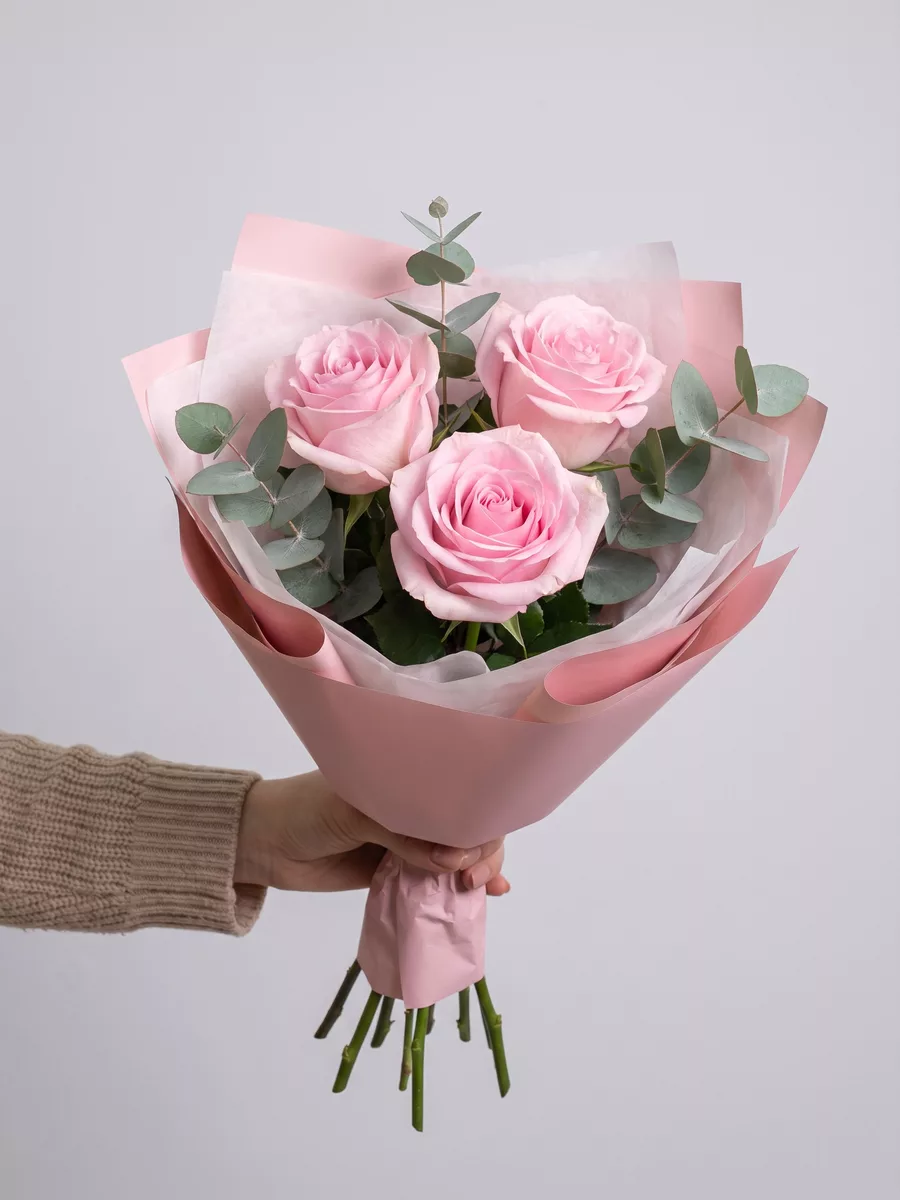
The Delivery Window and What Realistic Timing Looks Like
Turboflora's headline promise of one to two hours applies to deliveries within Saint Petersburg. For Sovetskaya Gavan, the model is different: orders are dispatched on a scheduled basis, and the recipient receives their bouquet within a confirmed time window that is agreed at the point of order. This is not a limitation — it is actually more reliable than an open-ended promise, because the florist can coordinate with the recipient or a trusted contact at the destination address.
Typically, delivery to Sovetskaya Gavan is confirmed for a specific date and a morning or afternoon slot. The florist will contact the recipient or the person you nominate to arrange a handover time. This matters in a town of this size, where addresses can be harder to locate and where it is better to have someone expecting the delivery than to leave a bouquet at a door in variable weather.
Sovetskaya Gavan has a humid continental climate with cold winters and mild but rainy summers. In January and February, outdoor temperatures regularly drop below minus fifteen degrees Celsius. Flowers dispatched in winter are wrapped in thermal insulation and a heat-retaining sleeve, but the recipient should still bring them indoors immediately and let them acclimatise for twenty minutes before unwrapping. In summer, heat is the enemy: deliveries in July and August are scheduled for morning slots to avoid the warmest part of the day.
Choosing the Right Flowers for the Person and the Moment
Start with the recipient, not the catalogue. A woman in her sixties who grew up in the Soviet Far East will likely respond to something classic and lush — think deep-red spray roses mixed with white alstroemeria and eucalyptus, a combination that reads as generous and considered without being showy. A younger woman receiving flowers for a birthday might love something more playful: peach ranunculus with white freesia and a few stems of waxflower for texture.
For a man receiving flowers — which is more common in Russian culture than many outside the country expect — keep the palette cooler and the structure cleaner. A tight bundle of white and cream chrysanthemums with dark foliage, or a single-variety arrangement of sunflowers, lands well and does not feel fussy. Russian men often receive flowers at professional milestones, graduations and birthdays, so do not hesitate to order for them.
The occasion shapes the colour story more than anything else. Congratulations call for warm oranges, yellows and corals. A romantic gesture leans into reds and deep pinks. A thank-you arrangement is often softer: lavender lisianthus, white roses and pale green hydrangea create a mood that feels generous without being declarative. Think about what the recipient will feel when they open the door and see the colours — that emotional first second is what you are designing.
Seasonal Sense: What Travels Best at Each Time of Year
Russia's flower supply is largely greenhouse-driven, which means roses, chrysanthemums, carnations and gerberas are available year-round. But seasonality still matters for two reasons: some varieties are at their peak quality only at certain times, and the travel conditions change dramatically between summer and winter.
In spring and early summer, tulips and peonies are in excellent supply and travel well when they are sent in bud rather than full bloom. A bouquet of pale pink peonies arriving in Sovetskaya Gavan in May or June, still slightly closed, will open beautifully over two to three days in the recipient's home — which extends the experience rather than shortening it. This is one of the genuine pleasures of receiving flowers that have been chosen with care.
In autumn, dahlias and sunflowers are at their most affordable and vibrant. A mixed arrangement built around orange and burgundy dahlias with some brown-edged rudbeckia can feel almost impossibly warm against the grey skies that arrive in Sovetskaya Gavan by September. In winter, lilies are a strong choice: they travel in bud, they are robust in cold packaging and they fill a room with scent once they open, which is especially welcome during the long indoor months of a Far Eastern winter. Avoid delicate open blooms like garden roses or full-blown hydrangea for winter transit — they bruise easily and the cold accelerates petal damage.
Budget Ranges and What Each One Gets You
Flower budgets work on a simple principle: more money buys more stems, rarer varieties and better secondary materials like quality foliage and wrapping. But a smaller budget, spent wisely, can produce something that feels just as intentional.
At the entry level, a single-variety bouquet of ten to fifteen stems — white spray chrysanthemums, for example, or yellow gerberas — is clean, cheerful and easy to arrange in any vase the recipient has at home. It does not try to do too much, and that restraint often reads as confidence. Add a few stems of ruscus or eucalyptus and the whole thing looks considered.
A mid-range budget opens up mixed arrangements: a combination of roses, alstroemeria and waxflower gives you three textures and two or three complementary colours. This is the range where most birthday and anniversary orders sit, and it is where a florist's eye for proportion matters most. The roses should not overwhelm the alstroemeria; the waxflower should fill gaps rather than dominate.
At a higher budget, you are working with premium varieties — garden roses, lisianthus, ranunculus, peonies in season — and the arrangement can carry a real sense of abundance. A large, loosely structured bouquet in blush and cream tones, wrapped in kraft paper with a linen ribbon, arrives looking like something from a European flower market. For a significant anniversary or a major professional achievement, this level of presentation matches the weight of the occasion.
Keeping Flowers Fresh After Arrival: Practical Advice for Recipients
The florist's job ends at the door, but the flowers' life does not. A few simple habits on the recipient's side will double the vase life of almost any arrangement, and it is worth including these as a note with the order so the person knows what to do.
The first step is a clean diagonal cut across each stem, about two centimetres from the bottom, using scissors or a sharp knife. This reopens the water-uptake channel that closes during transit. Do this while holding the stems under or just above water if possible. Then place the flowers in a clean vase — soap residue or bacteria from a previously used vase shortens vase life significantly — filled with cool, fresh water. Room temperature water is fine; very cold water slows uptake.
Remove any leaves that will sit below the waterline. Submerged foliage rots quickly and introduces bacteria that cloud the water and shorten the life of the blooms. Change the water every two days and re-cut the stems at the same time. Keep the arrangement away from direct sunlight, radiators and fruit bowls — ripening fruit releases ethylene gas, which accelerates petal drop in roses and carnations noticeably.
With this routine, roses and carnations last seven to ten days. Chrysanthemums and alstroemeria can reach twelve to fourteen days. Lilies, which arrive in bud, will open over three to five days and then hold for another week. If the recipient is not experienced with flowers, a short handwritten card with these steps is one of the most thoughtful things you can include.
Making the Order Feel Personal Across the Distance
One of the quiet anxieties of sending flowers to a distant city is the feeling that the gesture might arrive impersonal — a transaction rather than a thought. A few deliberate choices close that gap entirely.
The message card is the most underused part of a flower order. Most people write something brief and safe. But a specific sentence — something that references a shared memory, a joke, or the exact reason you are thinking of this person today — transforms the bouquet from a nice object into a conversation. The florist can handwrite this card, and handwriting in itself carries warmth that a printed label does not.
Ask about the wrapping when you place the order. A bouquet for someone who loves colour might arrive in bright tissue with a contrasting ribbon; one for someone more restrained might suit kraft paper and a simple twine knot. These choices are small but they signal that you thought about the specific person, not just the category of occasion.
If you know the recipient's home, think about what vase they are likely to have. A very large, wide arrangement looks magnificent in a farmhouse kitchen with big vessels but crowded and awkward in a small apartment with only narrow glasses. Mentioning this to the florist — even a rough sense of the recipient's living space — helps shape the proportions of the arrangement so it sits comfortably in its actual environment rather than just looking good in a photograph.
Sovetskaya Gavan is far from Saint Petersburg by any measure, but distance does not make a flower delivery less meaningful — in many ways it makes it more so. A bouquet that has travelled across the country to reach someone carries a weight of intention that a local order simply cannot replicate. Plan a day or two ahead, choose varieties that travel well for the season, include a real message and give the recipient the simple care instructions that will let the flowers reward them for the full ten days or more. That is how a flower order becomes something the recipient remembers.
Frequently asked questions
How far in advance should I order flowers for delivery to Sovetskaya Gavan?
Plan at least 24 to 48 hours ahead of your intended delivery date. This allows the florist to source the freshest flowers, prepare the order with proper cool packaging and confirm a delivery window with the recipient or your nominated contact. Same-day orders to Sovetskaya Gavan are not available given the distance from Saint Petersburg.
Which flowers hold up best on a long journey to the Russian Far East?
Carnations, chrysanthemums and alstroemeria are the most resilient for long-distance transit. Roses travel well when sent in bud with proper cool packaging. Lilies are an excellent winter choice as they arrive closed and open at the destination. Avoid fully open garden roses or hydrangea for long journeys, as they bruise easily and are sensitive to temperature changes.
Is it appropriate to send flowers to a man in Russia?
Yes, completely. In Russian culture it is normal and well-received for men to be given flowers at birthdays, professional achievements and graduations. A clean, single-variety arrangement — sunflowers, white chrysanthemums or a cool-toned mixed bouquet — works well. Avoid overly delicate or pastel combinations and keep the structure simple and confident.
What happens to the flowers if nobody is home at the delivery address?
Before dispatch, the florist contacts the recipient or a person you nominate to agree a specific handover time. This is standard practice for long-distance deliveries, especially in smaller towns like Sovetskaya Gavan. Leaving a bouquet unattended is avoided precisely because weather conditions — heat in summer, frost in winter — can damage flowers quickly without shelter.
Can I include a personalised message card with the bouquet?
Yes, and it is strongly recommended. A handwritten card is included with every order. When you place your order, write your message in the notes field and the florist will transcribe it by hand onto the card. A specific, personal sentence means far more to the recipient than a generic greeting, and handwriting adds warmth that a printed label cannot replicate.
Ready to send flowers?
Pick the city, choose the bouquet, and a local florist takes it from there.
Choose a city →