Sending Flowers to Sovetsky? Here Is What to Expect
Sovetsky is one of those neighbourhoods where a bouquet arriving at the right moment says everything words cannot. Whether you are surprising someone after a long commute home, marking a birthday in a quiet apartment on the edge of the district, or simply saying thank you to a colleague — the flower order you place today can be at their door within an hour or two. This guide walks you through exactly how that happens, what to order for the season, and how to make sure the flowers still look stunning three days later.
Which Parts of Sovetsky Does the Delivery Actually Reach
Sovetsky district sits in the southern part of Saint Petersburg, stretching across residential blocks, parks and a mix of Soviet-era and newer construction. Turboflora delivers across the entire district — from the quieter streets closer to Kupchino to the busier avenues near the metro. The courier navigates by precise address, so even buildings set back from main roads or tucked into courtyard clusters are fully reachable.
One thing worth knowing: Saint Petersburg addresses can be layered. Many buildings have a korpus number — a secondary building number that sits alongside the main street number. Always include it when ordering, because two buildings sharing the same street number can be several courtyards apart. A missed korpus is one of the most common reasons a delivery slows down, and it is entirely avoidable.
If you are sending to a workplace rather than a home, note the office floor and any entry code or intercom number in the comments field. Business premises in Sovetsky range from small ground-floor offices to larger complexes, and the courier will appreciate the detail. The more specific the address, the smoother the handover — and the more composed the flowers will look when they arrive, since they spend less time waiting in a bag.
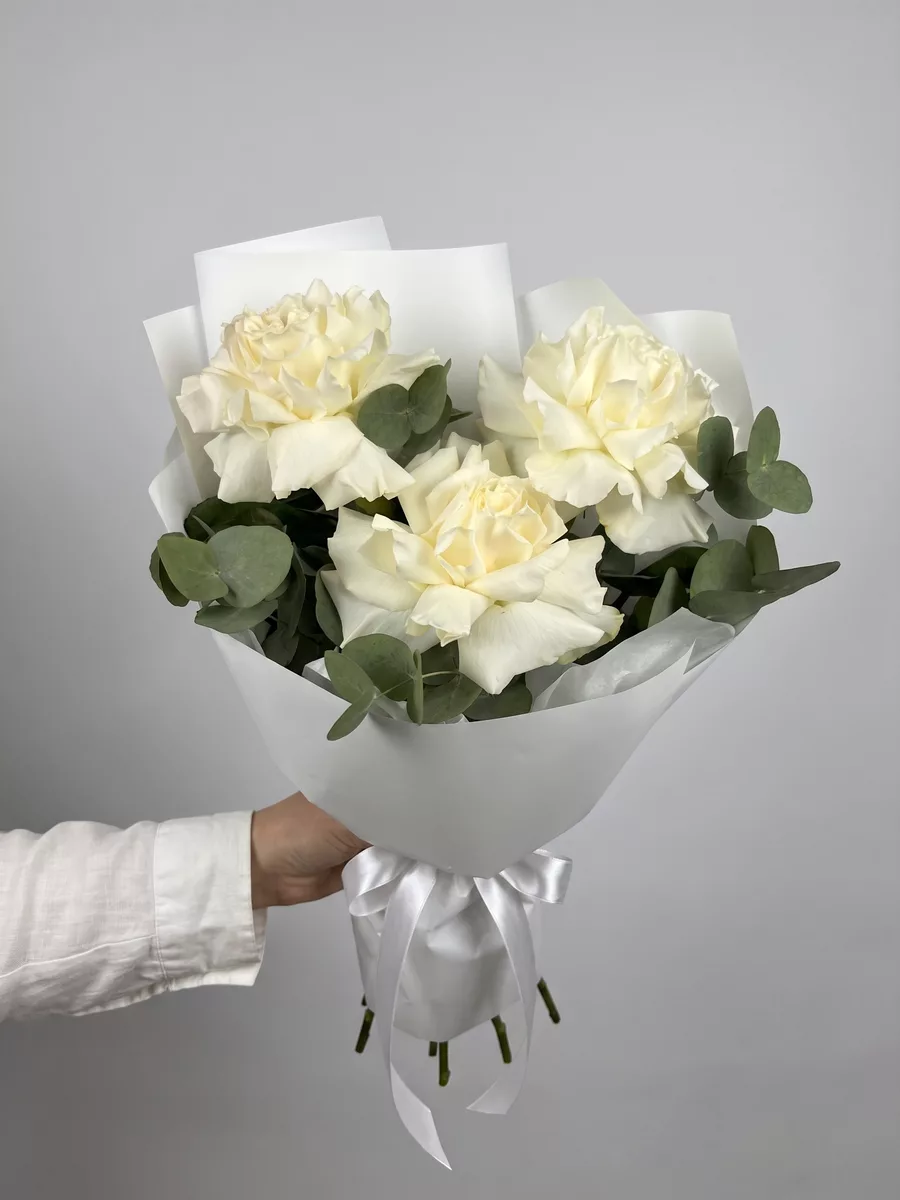
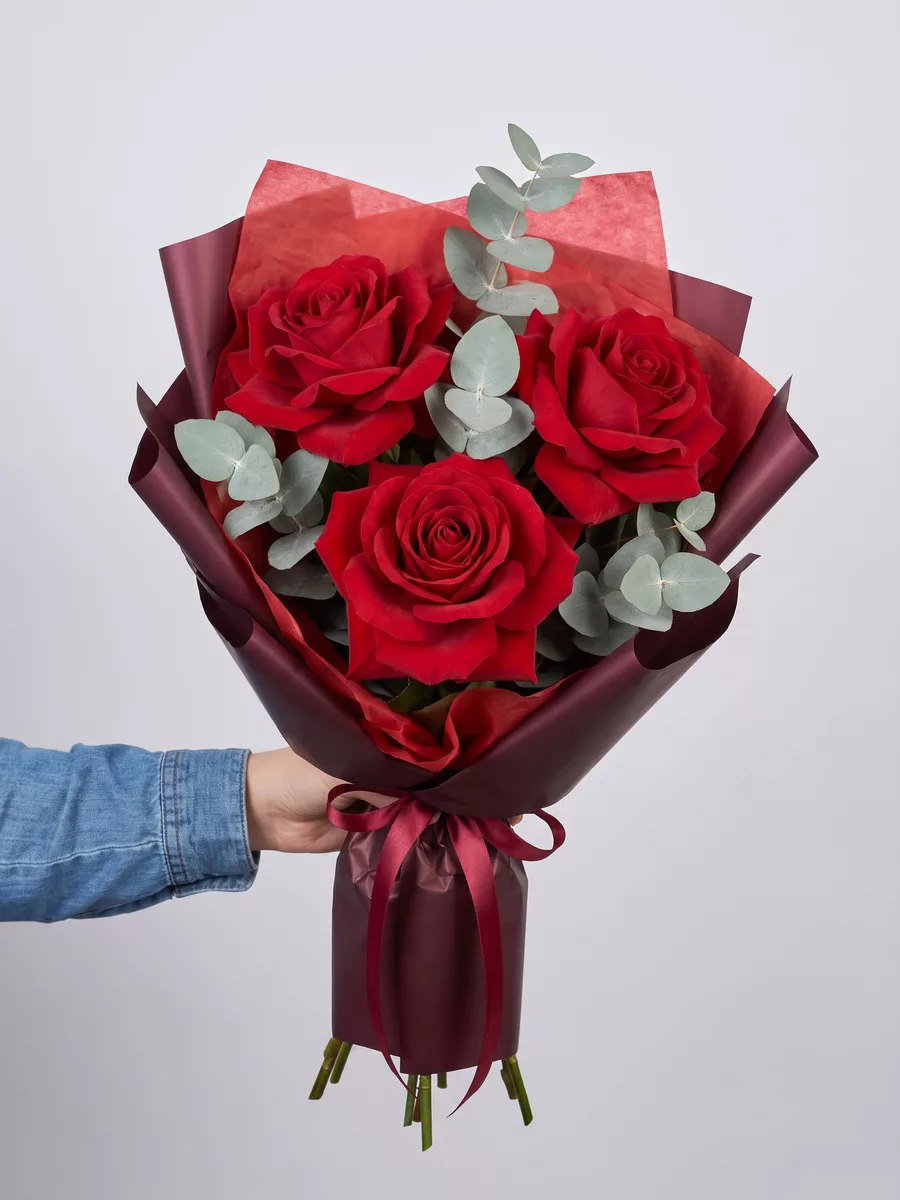
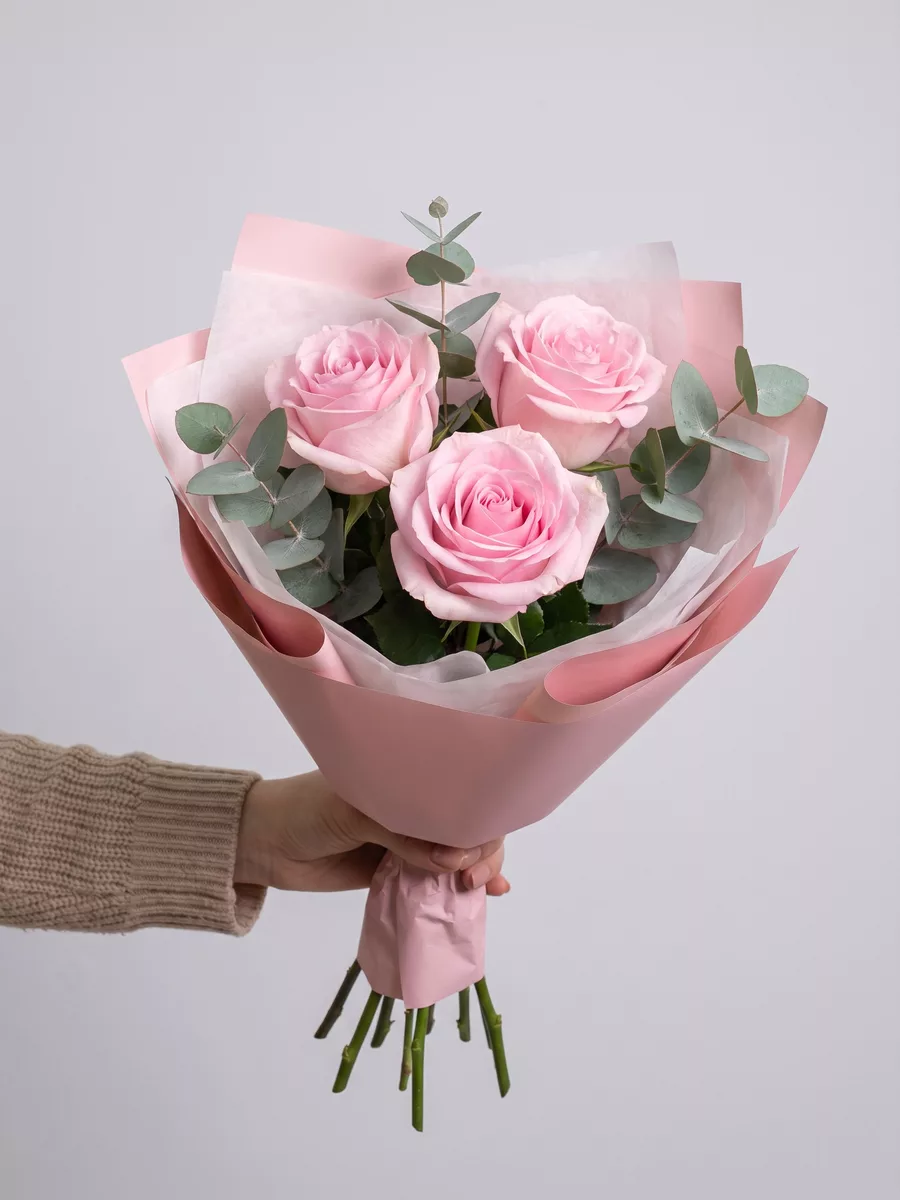
Bouquets we can deliver

Timing the Delivery Around Real Life in This Neighbourhood
Most people in Sovetsky follow fairly predictable rhythms — morning departures, evening returns, weekend routines built around the nearby parks and markets. This matters when you are choosing a delivery window, because a bouquet landing while nobody is home is a missed moment rather than a surprise. Turboflora offers same-day delivery within one to two hours, which means you can time the order to arrive just before the person gets back, rather than hours earlier.
For a morning delivery, placing the order by nine or ten gives the florist time to cut and condition the stems properly before they leave the shop. Flowers assembled in a rush, without a proper drink of water after cutting, will wilt faster — especially in summer when temperatures inside a courier bag can climb quickly. A well-prepared bouquet, by contrast, arrives firm and fragrant.
Evening deliveries work particularly well for birthdays and anniversaries, when the recipient is home and the occasion calls for a moment rather than a package left at the door. If you want the delivery to feel like an event, choose a time when you know they will be there to open the door themselves. You can also coordinate with a family member without spoiling the surprise — simply ask them to be available without explaining why. That small piece of planning turns a nice bouquet into a genuinely memorable one.
Choosing Flowers for the Person, Not Just the Occasion
The first question to ask is not which flowers are popular right now — it is who is receiving them and what you want them to feel. A bouquet for a grandmother who grew up surrounded by dacha gardens will land differently if it includes garden-style flowers like lisianthus, matthiola or spray roses rather than a formal arrangement of red roses. For a younger recipient with a modern apartment, a loose, textural mix with eucalyptus, ranunculus and single-stem tulips often feels more personal than a classic round bouquet.
For colleagues or acquaintances — common in Russian workplace culture, where flowers mark almost every occasion from promotions to farewells — neutral, elegant choices work best. White or cream alstroemeria, pale chrysanthemums and simple greenery read as warm without overstepping. They are also long-lasting, which matters when the flowers will sit on a desk rather than a kitchen table.
For romantic occasions, the instinct is often to reach for red roses, and there is nothing wrong with that — but consider the stem count and presentation. A tight dozen red roses in a box feels formal and deliberate. The same roses loosened slightly, wrapped in kraft paper with a few sprigs of wax flower tucked in, feels more intimate. The flowers are identical; the presentation changes the message entirely. Think about what the person will do the moment they receive them — that image usually tells you exactly what to order.
Seasonal Flowers and What Is Actually Available Right Now
Saint Petersburg sits far enough north that the seasons genuinely shape what arrives at the flower market. In winter and early spring, the range leans heavily on imports — roses from Ecuador, tulips from the Netherlands, chrysanthemums and carnations that travel well and hold their colour in cold storage. These are reliable and beautiful, but they benefit from a longer conditioning time after cutting, so ordering from a florist who works with fresh stock daily makes a visible difference.
From late April through June, domestic and nearby European growers start contributing more. Peonies arrive in late May and are gone by early July — if you want them, order without hesitating because the window is short and the demand is high. Lilac, which has enormous cultural significance in Russia as a sign of spring, is available for only a few weeks and carries a scent that no imported flower can replicate.
Summer brings sunflowers, dahlias and the full range of garden roses. These are at their best when temperatures are moderate — above twenty-five degrees, cut flowers in a delivery bag lose hydration quickly, so summer orders benefit from early morning or late evening slots when the air is cooler. Autumn is excellent for textural arrangements: dried-look flowers like craspedia, celosia and statice mix beautifully with fresh chrysanthemums and hypericum berries. Knowing the season helps you order something that genuinely reflects the moment rather than a generic arrangement.
Budget and What Each Range Actually Gets You
Flower budgets divide naturally into three broad bands, and understanding what each delivers helps you choose without guesswork. At the entry level, a small but carefully made bouquet — five to seven stems of a single variety, wrapped simply — is often more striking than a larger arrangement put together without thought. A tight cluster of white freesias, for example, or five stems of deep burgundy ranunculus, makes a confident impression and smells extraordinary.
The middle range opens up the combination work. This is where a florist can build something with layers — a focal flower like a garden rose or a peony surrounded by secondary flowers such as wax flower or limonium, with foliage that gives the whole thing structure. These arrangements photograph well and last longer because the variety of stems means different flowers peak at different times, keeping the bouquet interesting for five to seven days.
At the higher end, the difference is usually in stem count, rare varieties and presentation. Box arrangements, hat-box designs and large wrapped bouquets with premium flowers like peonies, garden roses or Ecuadorian roses with fifty-centimetre stems fall here. These are the orders that feel genuinely ceremonial — appropriate for significant birthdays, anniversaries marking a decade or more, or professional milestones. One honest tip: a mid-range bouquet from a florist who sources well will consistently outperform an expensive arrangement made with older stock. Freshness is always the first luxury.
What Happens to the Flowers After They Arrive
This is where most people lose half the vase life of a perfectly good bouquet, and it is worth explaining clearly. The moment flowers arrive, they need water — not in ten minutes, after the photos and the unwrapping, but as soon as possible. Stems that have been out of water during transit have begun to seal at the cut end, which reduces their ability to drink. A fresh diagonal cut, two to three centimetres from the bottom, reopens the stem and makes an immediate difference.
The water temperature matters more than most people expect. Lukewarm water — around room temperature — is absorbed faster than cold water, particularly for roses and gerberas. Very cold tap water slows uptake and can shock tropical varieties. Change the water every two days and re-cut the stems each time. This sounds like more work than it is; the whole process takes about three minutes and extends vase life by two to three days.
Placement in the apartment is the other major factor. Flowers sitting next to a radiator, in direct sunlight, or beside a fruit bowl will fade significantly faster. Ethylene gas from ripening fruit is invisible but genuinely harmful to cut flowers — it accelerates petal drop in roses and causes yellowing in foliage. A cool spot away from direct heat, with good air circulation, is ideal. In Sovetsky's older apartment buildings, a windowsill on the shaded side of the flat often works perfectly, especially in autumn and winter when indoor heating can be intense.
Small Details That Make the Delivery Feel Considered
The flowers themselves are only part of what arrives. The card message, the wrapping and the way the courier hands over the bouquet all contribute to how the moment lands. For a card message, the most effective ones are specific rather than general — not just 'happy birthday' but a line that only you could have written. Russian recipients, even those who speak English, appreciate a message that feels personal, and a single genuine sentence outperforms a long formal note every time.
Wrapping choices communicate tone. Kraft paper with a simple ribbon reads as warm and artisan. Transparent cellophane wrapped tightly around the stems looks more formal and is better suited to large, structured arrangements where you want the flowers to be fully visible. A hat box or round box changes the delivery entirely — the recipient lifts the lid rather than unwrapping, which creates a different kind of reveal and works especially well when the flowers are arranged as a compact dome of a single variety.
If you are sending flowers as a complete surprise — meaning the recipient does not know you are sending anything — make sure the delivery address is accurate and that someone will be home. A bouquet that cannot be handed over in person loses most of its impact. If there is any uncertainty, a brief message asking the person to be home at a particular time, framed as something unrelated, is a classic approach. The moment of surprise is worth the small effort of engineering it properly.
Sovetsky is a neighbourhood of everyday life — commutes and kitchens, birthdays in ordinary flats and celebrations that matter deeply to the people having them. Flowers delivered here do not need to be grand to be meaningful. They need to be fresh, well chosen for the person receiving them, and timed to arrive when someone is actually there to open the door. Turboflora handles the distance and the timing; the part that makes it personal is the thought you put in before you place the order. Start with who the person is, pick flowers that suit the season, and let the rest follow.
Frequently asked questions
Can you deliver to an apartment building with a locked entrance in Sovetsky?
Yes. Add the intercom code or apartment number in the order comments and the courier will use it. If the intercom is broken or unreliable, include a phone number so the courier can call ahead. Most deliveries in residential buildings go smoothly when the entry details are complete.
How far in advance should I order for a same-day delivery in Sovetsky?
Placing your order at least two to three hours before the intended delivery time gives the florist enough space to cut, condition and arrange the flowers properly. Last-minute orders are often possible, but flowers prepared without conditioning time will not last as long. Morning orders for evening delivery are ideal.
What flowers hold up best during winter delivery in Saint Petersburg?
Roses, chrysanthemums, alstroemeria and carnations all travel well in cold weather and recover quickly once inside. Tropical flowers like anthuriums and orchids are more sensitive to temperature drops below five degrees. In winter, Turboflora wraps bouquets carefully to protect against the cold during transit.
Is it appropriate to send flowers to a male colleague in Russia?
Yes, though the choice of flowers matters. Neutral, structured arrangements — think single-variety bouquets of white or green chrysanthemums, or a simple bundle of sunflowers — are well received. Avoid anything overtly romantic in colour or composition. In Russian workplace culture, flowers for colleagues of any gender are a normal and appreciated gesture.
What should I do if the recipient is not home when the flowers arrive?
The courier will attempt to contact the recipient by phone. If no one answers, the order is held and a new delivery time is arranged. To avoid this, include a backup contact in the order notes — a family member or neighbour who can accept the bouquet. Flowers left unattended lose freshness quickly, so a confirmed recipient always gives the best result.
Ready to send flowers?
Pick the city, choose the bouquet, and a local florist takes it from there.
Choose a city →