Flower Delivery in Spassk-Dalny: Timing, Choices and What Arrives at the Door
Spassk-Dalny sits deep in Primorsky Krai, far from the big wholesale markets of Moscow or Saint Petersburg, yet the people who live there celebrate birthdays, anniversaries and quiet Tuesday gestures just as warmly as anyone else. When you order flowers for someone here, a few things are worth knowing before you click confirm — the distances involved, what stays fresh on the road, and how to pick an arrangement that actually looks the way you pictured it when it finally arrives.
Where Spassk-Dalny Sits and Why Distance Shapes Every Order
Spassk-Dalny is a city of roughly 40,000 people in Primorsky Krai, positioned about 180 kilometres northeast of Vladivostok. That geography matters the moment you start thinking about flowers, because everything that blooms here travels a serious distance before it reaches a vase. The Russian Far East has its own supply rhythm, and understanding it helps you set realistic expectations rather than being surprised on delivery day.
The city itself is compact, with a clear central district, residential blocks spreading outward, and industrial zones along the rail corridor — Spassk-Dalny is a notable railway junction. Deliveries move efficiently within the urban area once the flowers are in the region, but the initial journey from the nearest major distribution point adds time that simply cannot be compressed without compromising freshness.
This is why the varieties chosen for long-haul delivery to the Far East are selected specifically for travel hardiness. Spray roses, alstroemeria, chrysanthemums and sturdy single-stem roses in bud stage all hold their form and colour through extended transit far better than open garden blooms or delicate ranunculus. Knowing this upfront means you can lean into those choices rather than feeling like you are settling for second best. A tight bud that opens in the recipient's home over two or three days is often more rewarding than a fully open flower that droops before the evening is out.
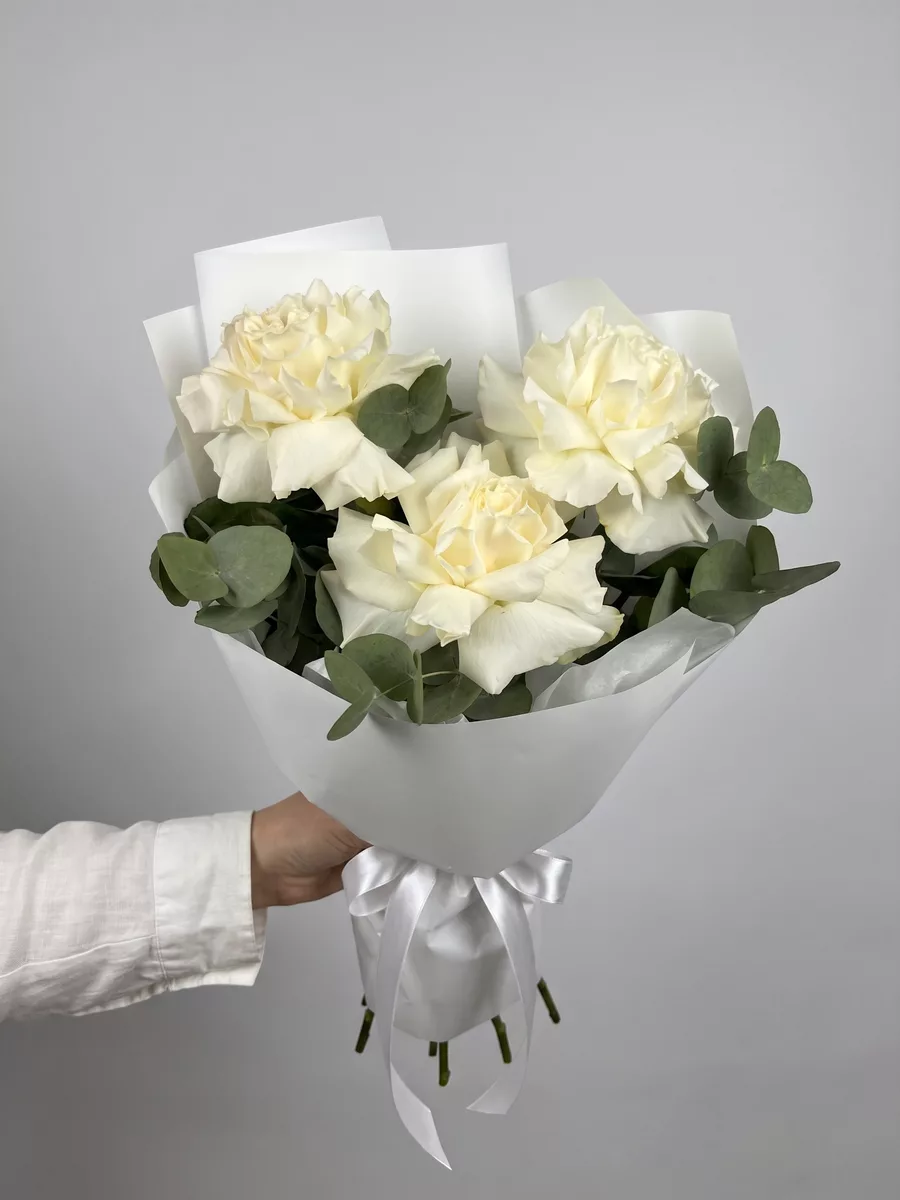
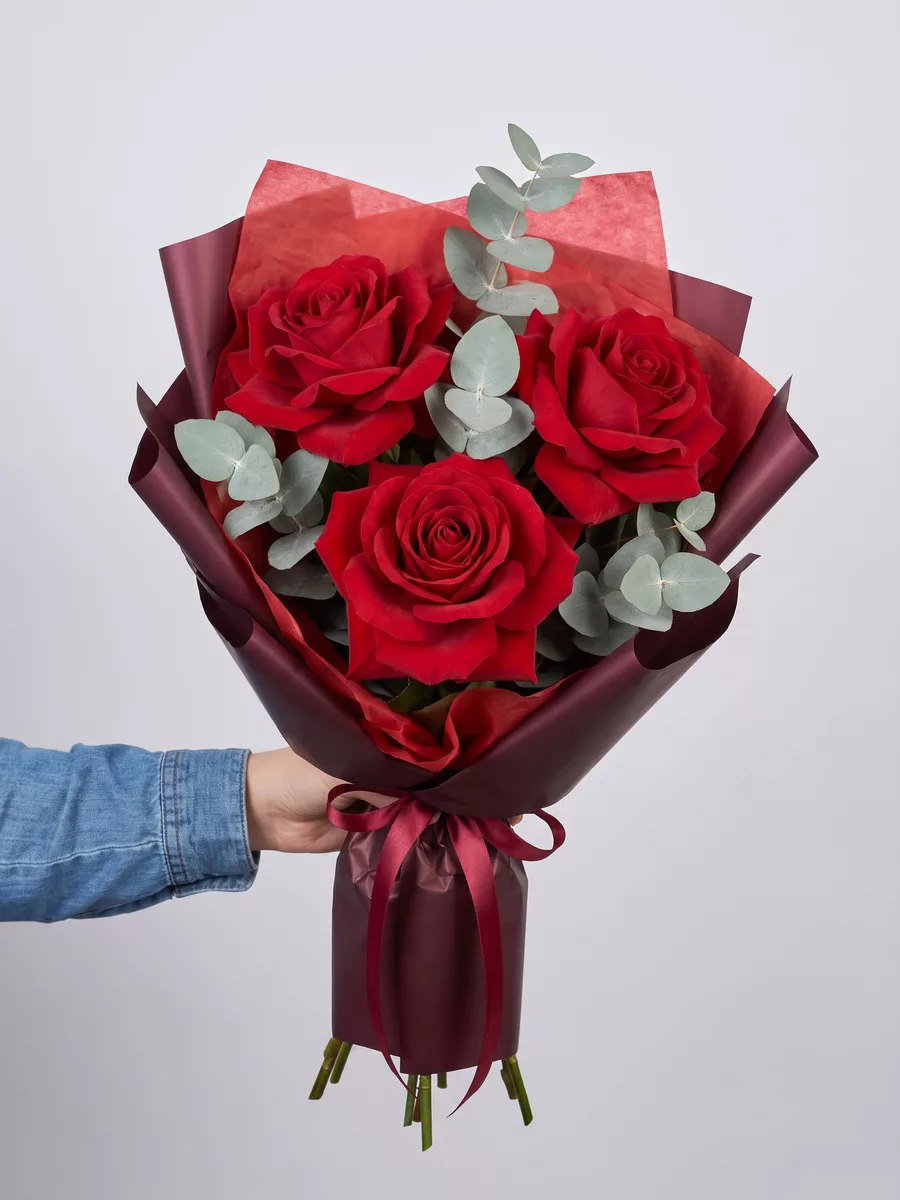
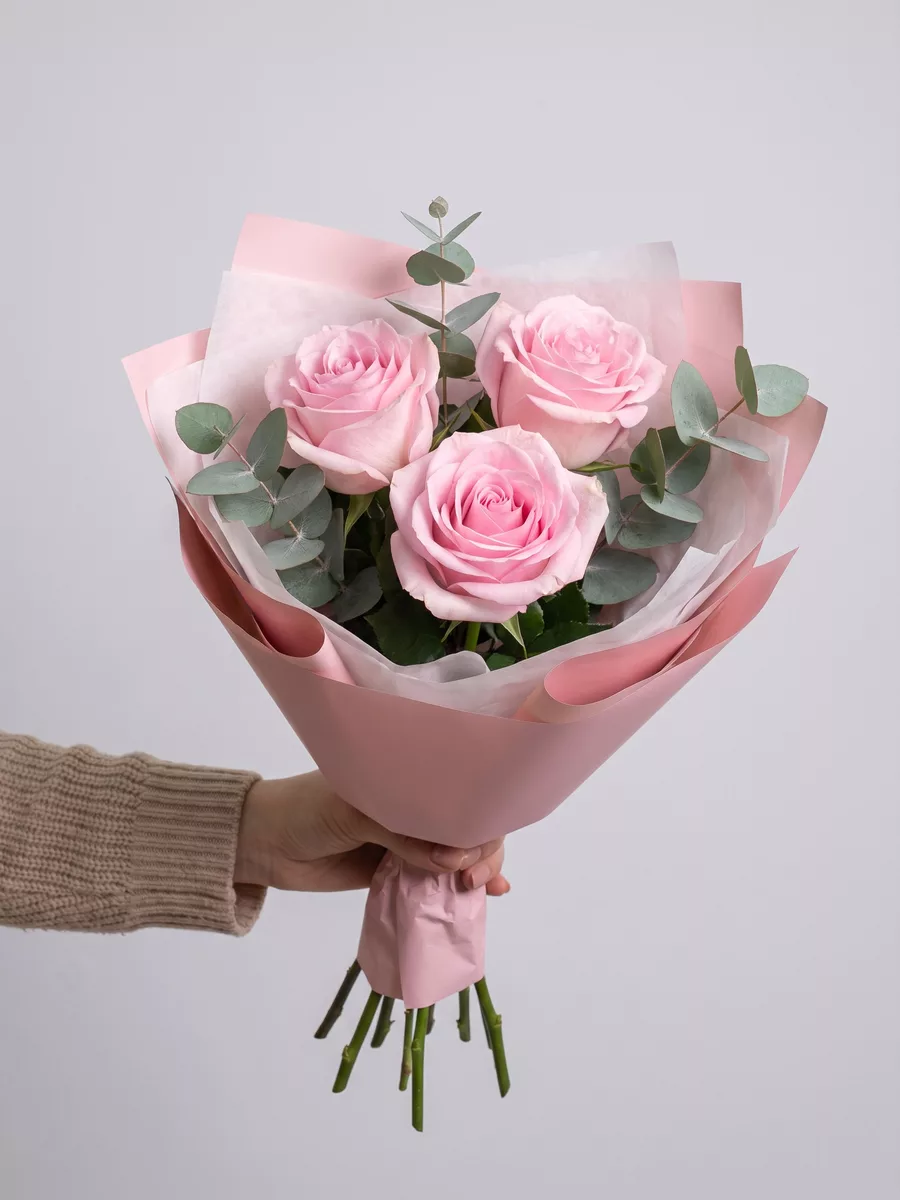
Bouquets we can deliver

Delivery Timing: What the 1–2 Hour Window Actually Means Here
Turboflora's 1–2 hour delivery promise applies to orders placed within supported delivery zones, and Spassk-Dalny is covered as part of our Far Eastern service area. The clock on that window starts once your order is confirmed and the bouquet is assembled, not from the moment you first browse the site. Placing your order early in the day — before noon local Primorsky time — gives the most reliable same-day outcome.
Primorsky Krai runs on UTC+10, which is seven hours ahead of Moscow. If you are ordering from European Russia or from abroad, that time gap catches people off guard. A thoughtful birthday order placed at 11 p.m. Moscow time lands as 6 a.m. locally, which is not an ideal delivery hour for anyone. Factor the recipient's timezone into your plan, and aim for a delivery window between 10 a.m. and 7 p.m. local Spassk-Dalny time for a comfortable, expected arrival.
Weekend and holiday orders follow the same timing structure, but demand spikes around February 14th, March 8th and major public holidays, so placing those orders 24 to 48 hours in advance is a practical habit rather than an abundance of caution. If the occasion is fixed — a birthday, an anniversary — locking in the order the day before removes any stress from the equation entirely. Last-minute orders still go through, but earlier is always smoother when the destination is in the Far East.
Choosing Flowers That Suit the Recipient, Not Just the Occasion
The best starting point when ordering for someone in Spassk-Dalny is to think about who they actually are, not just what the occasion is called. A grandmother celebrating her 70th birthday responds to something entirely different than a 28-year-old colleague finishing a difficult project. The occasion sets the context; the person sets the tone.
For someone warm and home-oriented, a mixed bouquet built around spray chrysanthemums and alstroemeria in cream and soft peach tones feels generous without being showy. These flowers last beautifully — alstroemeria regularly gives ten to fourteen days in a vase with basic care — and they photograph well in the kind of home where the bouquet will sit on a kitchen table near a window. That matters, because people in Russia almost always photograph flowers they receive and share those images with the sender.
For a younger recipient or someone with a more contemporary sensibility, a monochromatic arrangement of roses in a single deep colour — burgundy, coral or white — reads as deliberate and considered rather than generic. Avoid mixing too many colours for a first order to someone you do not know extremely well; restraint in palette almost always looks more intentional than abundance. If you want to add texture, greenery like ruscus or eucalyptus does the work without competing with the focal flowers. Think of the arrangement as an outfit: the flowers are the clothing, the greens are the accessories, and the whole thing should feel like it belongs together.
Seasonal Conditions in Primorsky Krai and How They Affect Your Bouquet
Primorsky Krai has a monsoon-influenced climate that swings considerably through the year. Summers are warm and humid, with temperatures regularly reaching 28 to 30 degrees Celsius from July through August. Winters are cold and dry, with January temperatures dropping well below minus 15 Celsius. Both extremes affect flowers in transit and in the vase, so knowing the season when you order helps you choose wisely.
In summer heat, flowers are packed with ice packs and insulating wrapping to survive the journey from the distribution point to the door. Even so, open blooms are more vulnerable than buds. Ordering roses in tight bud stage during July and August is not a limitation — it means the recipient gets to watch the flower open over several days, which many people find genuinely lovely. Hydrangeas, despite their visual impact, struggle in high heat and are not the best summer choice for Far Eastern delivery.
In winter, the concern flips: cold shock can blacken petals on delicate flowers within minutes of exposure. Tulips and gerberas are particularly sensitive to frost damage. Spray roses, carnations and chrysanthemums handle cold transit far better and arrive looking clean and fresh even after exposure to sub-zero outdoor temperatures. The packaging accounts for cold as well as heat, but choosing cold-hardy varieties adds an extra layer of confidence. Spring and autumn — May through June and September through October — are the most forgiving seasons for flower delivery in this part of Russia, with moderate temperatures and lower humidity.
Bouquet Sizes and Budgets: Matching the Gesture to the Moment
Flower giving in Russia carries a strong cultural weight around quantity and presentation. An odd number of stems is the standard for celebratory bouquets — 5, 7, 11, 15, 21 and so on — while even numbers are traditionally associated with mourning and should be avoided for any joyful occasion. If you are ordering from outside Russia and are unfamiliar with this convention, it is one of the most important things to carry with you.
A smaller bouquet of 7 stems done with intention — say, deep red roses wrapped in kraft paper with a satin ribbon — reads as thoughtful and personal. It suits a close friend, a romantic gesture or a thank-you. A larger arrangement of 15 to 21 stems, particularly in a mixed composition with premium focal flowers and layered greenery, signals a significant occasion: a major birthday, a professional milestone, a long-awaited reunion. The size of the gesture communicates something independent of the price.
For colleagues or professional relationships, a clean, neutral palette in a medium size strikes the right balance — generous enough to feel meaningful, restrained enough not to overstep. White or cream chrysanthemums with green filler, or a classic rose arrangement in pink, works well in an office or shared space. For romantic occasions, depth of colour — rich reds, deep purples, warm corals — signals emotion more effectively than pastel tones. Think about where the bouquet will live after it arrives: a desk, a dining table, a bedside — and let that shape the scale.
What Happens After Delivery: Helping the Recipient Get the Most from Their Flowers
Flowers that travel to Spassk-Dalny have already done something impressive just by arriving fresh. A little attention in the first hour after delivery extends their life significantly, and passing along a few simple instructions with your order note is one of the kindest things you can do.
The stems should be cut at a diagonal angle — about two centimetres from the base — immediately before placing them in water. This increases the surface area absorbing water and prevents the flat end from sitting flush against the bottom of the vase, which would block uptake. Use cool, clean water and change it every two days. Keeping the bouquet away from direct sunlight, heating vents and ripe fruit makes a real difference: ethylene gas from ripening fruit accelerates petal drop in roses and carnations noticeably.
Alstroemeria and chrysanthemums are the long-distance champions of the cut flower world and will reliably last ten to fourteen days with basic care. Roses give seven to ten days when the stems are re-cut and water is changed regularly. Spray roses, because they have multiple smaller blooms on one stem, tend to open in sequence, which means the arrangement looks alive and changing over its whole lifespan rather than peaking and declining all at once. Including a short care note with your order — even a single sentence — is a warm touch that turns a beautiful delivery into something the recipient can enjoy for as long as possible. It also shows you thought about the flowers beyond the moment of sending.
Writing the Card: What to Say When Words Feel Difficult
The card that arrives with the flowers is often the part of the order that people think about last, and it shows. A generic message undercuts even the most carefully chosen bouquet. Taking three minutes to write something specific and honest transforms the whole experience for the person receiving it.
In Russian flower-giving culture, the message tends to be warm and direct rather than witty or ironic. Affection is stated plainly: 'I am proud of you,' 'You deserve every beautiful thing,' 'Thank you for always being there.' If you are writing in English for a Russian-speaking recipient, a short message in Russian — even imperfectly spelled — is almost always received with more emotion than a polished English note. It shows effort that crosses a language boundary, which people notice.
If the occasion is a birthday, name something specific about the person rather than writing a general wish. If it is a thank-you, say what you are grateful for. If it is a romantic gesture, say exactly what you feel rather than reaching for a quote. The flowers do the visual work; the card does the emotional work, and neither should be left to chance.
For professional relationships — a colleague's promotion, a client's milestone — keep the tone warm but measured. Acknowledge the achievement specifically and wish them well in the next chapter. That kind of precision in a card message is remembered long after the flowers have faded, and it reflects on you as someone who pays attention. The bouquet arrives once; the card gets read more than once.
Ordering flowers for someone in Spassk-Dalny is a gesture that travels a long way — literally and emotionally. The distance is real, the logistics require planning, and the climate asks for variety choices that are honest about what travels well. But none of that diminishes the moment when a bouquet arrives at a door in Primorsky Krai and someone feels genuinely seen and celebrated. Get the timing right, choose flowers that suit the person rather than just the occasion, pay attention to the season, and write something true on the card. The rest takes care of itself.
Frequently asked questions
Can I order flowers for same-day delivery in Spassk-Dalny?
Yes, same-day delivery is available for orders confirmed before noon local Primorsky Krai time, which is UTC+10. If you are ordering from Moscow or another European Russian city, remember the seven-hour time difference. Orders placed early in the day consistently achieve the most reliable same-day results, especially outside of peak holiday periods.
Which flowers hold up best during delivery to the Russian Far East?
Spray roses, alstroemeria, chrysanthemums and carnations are the most reliable choices for long-haul delivery to Primorsky Krai. They travel in bud or semi-open stage, resist temperature fluctuation better than open blooms, and continue developing beautifully in the vase after arrival. Avoid fully open garden roses or hydrangeas for summer orders, as heat affects them quickly.
Why do Russian bouquets always have an odd number of stems?
In Russian tradition, even numbers of flowers are associated with mourning and are brought to funerals. For any celebratory or affectionate occasion — birthdays, anniversaries, thank-you gestures — an odd number is the correct choice. Common counts are 5, 7, 11, 15 and 21. This is a deeply held cultural convention and noticeably matters to recipients across all generations.
How long will the flowers last once they arrive in Spassk-Dalny?
With basic care, alstroemeria and chrysanthemums last ten to fourteen days. Roses typically give seven to ten days when stems are re-cut diagonally and water is changed every two days. Keeping the bouquet away from direct sun, heating vents and ripening fruit extends vase life noticeably. Spray roses open in sequence, so the arrangement looks fresh over its entire lifespan.
What should I write on the card if I am ordering from outside Russia?
Write something specific to the person rather than a general wish — name what you admire about them or what the occasion means to you. Even a short phrase attempted in Russian is warmly received and shows genuine effort. Keep the tone direct and sincere; Russian recipients respond to plainly stated affection far more than to clever or indirect phrasing.
Ready to send flowers?
Pick the city, choose the bouquet, and a local florist takes it from there.
Choose a city →