Flower Delivery in Staraya Russa: Timing, Options and What to Expect
Staraya Russa is a quiet, historic city in the Novgorod region, and sending flowers there feels personal in a way that a big-city delivery rarely does. Whether you are surprising a parent on their birthday, marking an anniversary from a distance, or simply wanting someone to open their door to something beautiful, the right bouquet arrives with weight and meaning. This guide walks you through everything that shapes a successful delivery here — from timing and seasonal flower choices to how to present a gift so it lands exactly as you imagined.
Which Areas of Staraya Russa We Reach and How Quickly
Staraya Russa sits along the Polist River in the Novgorod region, roughly 100 kilometres south of Veliky Novgorod. The city is compact by Russian standards, which works in your favour when you need flowers delivered quickly. Our couriers cover the central streets around Mineralny Park, the residential districts along Pushkinskaya and Gazetny Lane, the neighbourhoods near the Staraya Russa railway station, and the quieter streets on the far bank of the river.
Delivery windows run from early morning through to late evening, seven days a week. For most addresses within the city, you can expect arrival within two to three hours of placing your order, and in many cases faster than that. If you are sending to a workplace, a school, or a health resort — the city has several historic spa facilities that remain popular — it helps to include the full building name and any reception or gate details in your order notes.
One thing worth knowing: Staraya Russa has a number of older residential buildings with courtyard entrances that are not always obvious from the street address alone. Adding a landmark, a floor number, or a short note like 'blue gate, second entrance from the left' removes any guesswork and keeps your delivery on schedule. The more specific the address, the smoother the handover — especially if you are sending a surprise and the recipient is not expecting anyone at the door.
Bouquets we can deliver

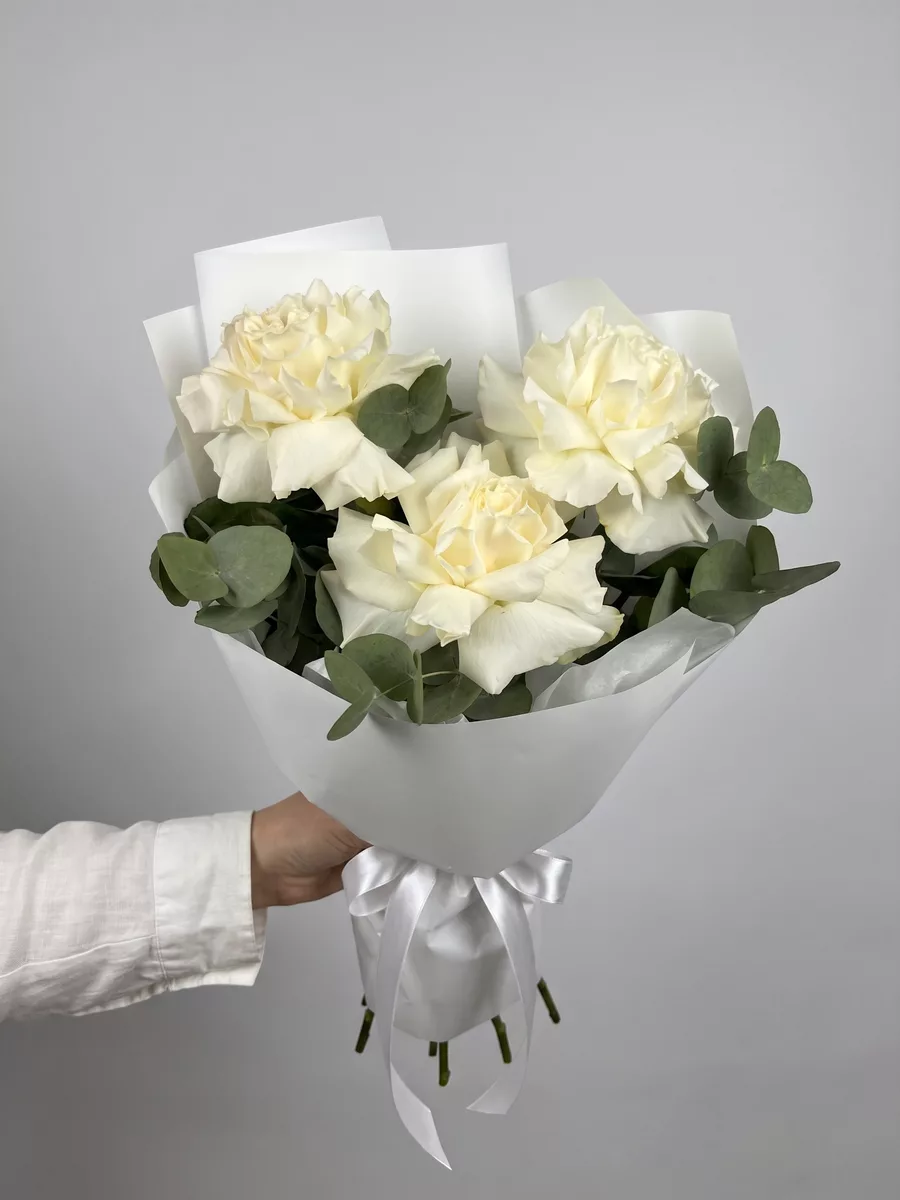
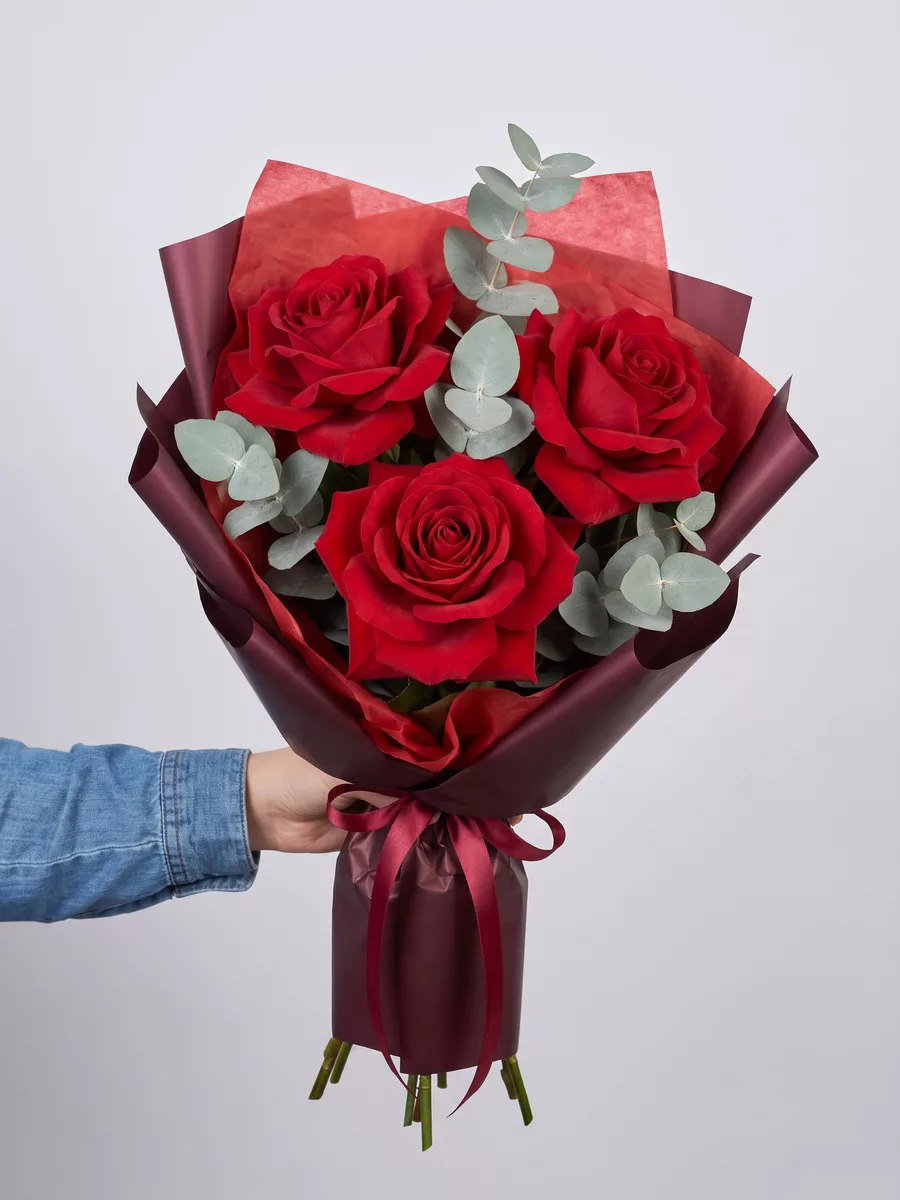
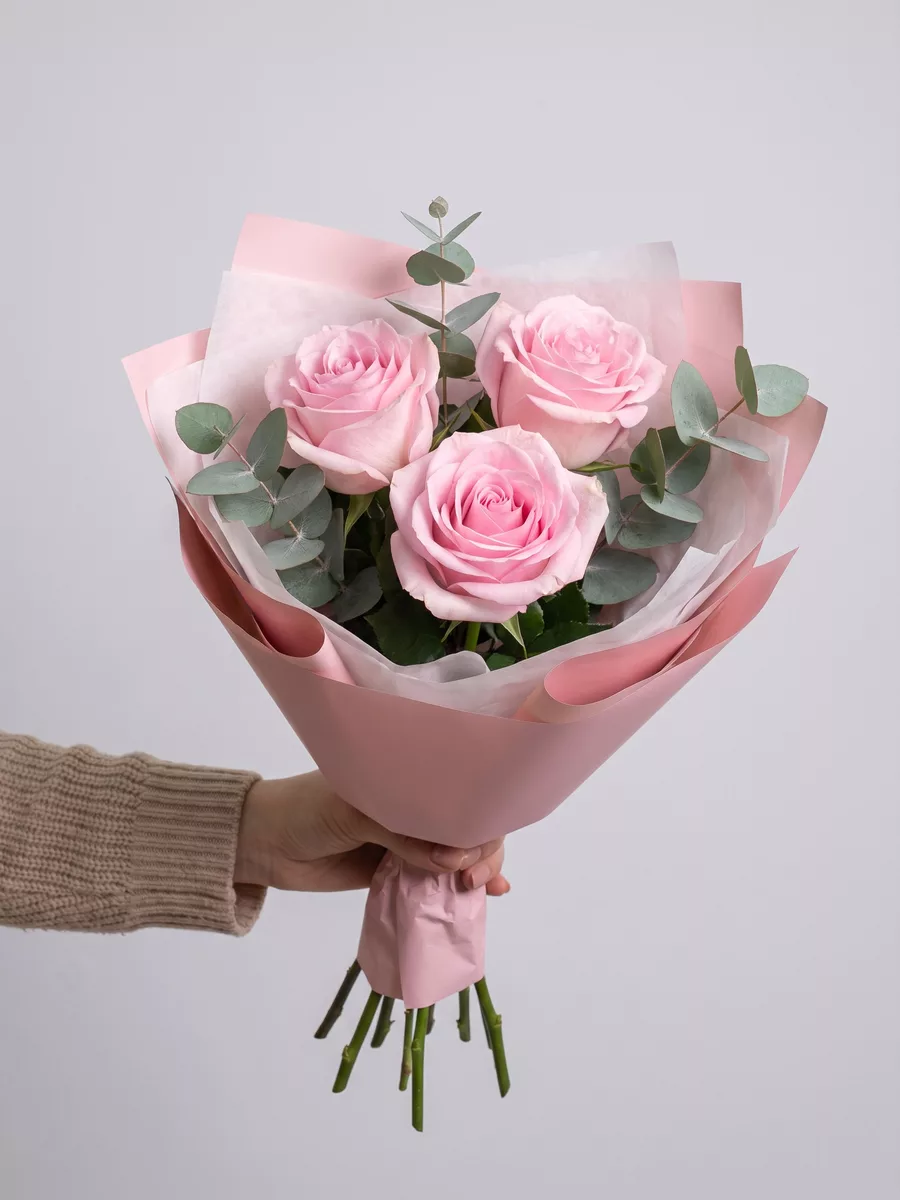
Choosing Flowers for the Person, Not Just the Occasion
Before you think about which flowers to order, think about who is receiving them. A grandmother in Staraya Russa who keeps a kitchen garden will likely feel more moved by a generous bunch of garden-style dahlias, lisianthus, and fragrant stocks than by a tight architectural arrangement of anthuriums. A young woman celebrating a promotion might love a monochromatic bouquet of white ranunculus and ivory garden roses that feels grown-up and considered. A teenager getting flowers for the first time? Bold sunflowers mixed with bright alstroemeria and a handful of eucalyptus will look exciting without feeling overdone.
Russian floral customs lean toward abundance. Bouquets tend to be full and round rather than spare and sculptural. If you are not sure what the recipient prefers, a lush mixed bouquet in warm tones — think peach spray roses, apricot lisianthus, and copper-toned chrysanthemums — reads as generous and celebratory in almost any household.
One practical note for those sending from outside Russia: an odd number of flowers is the convention for living recipients in Russian tradition. Even numbers are associated with mourning. This applies mainly to single-variety bouquets where the stems are easy to count. In a full mixed arrangement it matters less, but if you are ordering a simple rose bouquet, five, seven, or nine stems will always feel right. Our florists follow this automatically, but it is useful context if you are building a custom order.
The Best Flowers to Send by Season in This Region
Staraya Russa experiences a true northern Russian climate — cold winters that regularly drop well below minus fifteen, a brief but vivid spring, warm summers, and autumns that turn golden and then grey quite quickly. Seasonal awareness matters here both for the look of the bouquet and for how well flowers survive the journey.
In winter, from November through March, the most reliable choices are roses, chrysanthemums, alstroemeria, and carnations. These varieties travel well in the cold and hold their shape indoors even when heating is intense, which it typically is in Russian apartments during these months. Tulips are available in late winter and feel like a genuine signal of spring arriving — they are a popular choice for the International Women's Day period in early March, when demand across the country is extremely high, so ordering a day or two in advance is wise.
Spring and early summer bring lisianthus, freesia, and peonies. Peonies in particular have a short and passionate season — usually late May through June — and they sell out fast. If peonies matter to you, order early in the week rather than on the day.
Summer allows for the widest range: dahlias, sunflowers, gerberas, and garden roses all travel beautifully in warm weather as long as they are kept out of direct sun during transit, which our packaging is designed to handle. In autumn, richly toned chrysanthemums and hypericum berries give bouquets a warmth that suits the season perfectly.
Budget Ranges and What Each One Gets You
Flowers in Russia span a genuine range of quality and presentation, and understanding what each level delivers helps you choose without second-guessing yourself. Think of it in three broad tiers rather than fixed prices, since seasonal shifts affect what is available at any given moment.
At the entry level, a single-variety bouquet of spray roses, alstroemeria, or standard chrysanthemums makes a warm and honest gift. These are not lesser flowers — alstroemeria, for instance, lasts up to two weeks in a vase, which is longer than many premium varieties. A simple presentation with quality wrapping still arrives looking intentional and cared for.
In the mid range, you start to get mixed bouquets with two or three complementary varieties. This is where lisianthus paired with garden roses, or sunflowers with solidago and hypericum berries, creates something that feels genuinely composed. The recipient opens a box or unwraps paper and sees a colour story, not just a bunch of stems.
At the upper end, you are looking at peonies in season, David Austin-style garden roses, premium ranunculus, or large-headed hydrangeas combined with supporting textures like eucalyptus, pittosporum, or ruscus. These arrangements photograph beautifully and have a presence that fills a room. They work especially well for significant birthdays, anniversaries of ten years or more, or any occasion where you want the flowers to be genuinely memorable rather than simply pleasant. Whatever your budget, the wrapping, ribbon, and handwritten card are included — they are not extras.
What Happens Between Your Order and the Recipient's Door
Understanding the delivery process helps you time your order and set the right expectations for whoever is waiting. Once your order is placed, our florists prepare the arrangement fresh — not from pre-made stock sitting in a cold room. The stems are cut at an angle, conditioned in clean water, and arranged with the transit time in mind. Flowers that will travel more than an hour are wrapped with extra protection around the heads.
In summer, when Staraya Russa can see temperatures above twenty-five degrees, bouquets go out in insulated packaging and couriers avoid leaving flowers in a warm car longer than necessary. In winter, the wrapping is adjusted to protect against frost during the brief time the bouquet is outside. A few minutes of exposure at minus ten will not damage most varieties, but a poorly wrapped bouquet left on a doorstep in January can suffer, which is why we always aim for a direct handover.
If the recipient is not home, our courier will call ahead and arrange a suitable time or a safe handover point. We do not leave flowers outside an unattended door in cold or hot weather. You will receive a notification when delivery is complete, and if anything unexpected affects timing — road conditions, a building that proves difficult to access — we contact you directly rather than leaving you to wonder. The goal is that the recipient's first experience of the flowers is opening them in good condition, not finding a wilted bunch on a landing.
How to Help Your Flowers Last Once They Arrive
A beautiful bouquet deserves more than a few days of life, and the steps the recipient takes in the first hour matter more than anything that comes after. Passing along simple care instructions — either verbally or in the card — is one of the kindest things you can do when sending flowers to someone who does not arrange them often.
The first step is a clean vase filled with cool, not cold, water. Tap water is fine in most Russian cities. Remove any leaves that would sit below the waterline, since submerged foliage rots quickly and clouds the water, which shortens vase life significantly. Cut each stem at a forty-five-degree angle — this increases the surface area that draws up water — and do it under running water if possible to prevent air bubbles blocking the stem.
Keep the bouquet away from direct sunlight, radiators, and fruit bowls. Ripening fruit releases ethylene gas, which accelerates flower ageing. In Russian apartments during winter, central heating runs continuously and the air becomes very dry, which stresses cut flowers. Misting the petals lightly once a day helps, and changing the vase water every two days keeps things fresh.
Different varieties have different lifespans. Alstroemeria and chrysanthemums regularly last ten to fourteen days with good care. Roses and lisianthus typically give seven to ten days. Ranunculus and peonies are shorter — five to seven days — but so spectacular while they last that it rarely feels like a disappointment. Tulips continue to grow in the vase and will lean toward the light, which some people find charming and others find surprising.
Small Details That Make a Delivery Feel Thoughtful
The flowers themselves are only part of what the recipient experiences. The way a delivery arrives — the wrapping, the card, the timing — shapes the memory of the moment just as much as the blooms do. A few small choices at the ordering stage make a significant difference.
The handwritten card is worth taking seriously. A single specific sentence — 'I remember you saying peonies were your favourite, so I waited for the season' — lands differently than a generic greeting. If you are sending from abroad and writing in English, our team can include the message exactly as you write it. Many recipients in Staraya Russa read English, and a card in your own language often feels more personal than a translated phrase.
Timing a delivery to coincide with a particular moment adds meaning. Flowers that arrive in the morning of a birthday feel like the day starting with celebration. Flowers sent to arrive just after a work shift ends feel like being welcomed home. If you know the recipient's schedule, share it in the order notes and we will aim to match it.
For significant occasions, adding a small accompaniment — a box of chocolates, a candle, or a soft toy for a child — turns a bouquet into a complete gift. These additions travel with the flowers and arrive together, so the recipient unwraps everything at once rather than receiving a bouquet with a note that something else is coming separately. In a city like Staraya Russa, where a flower delivery is still a relatively uncommon and genuinely exciting event, that full, considered package creates a moment the recipient will talk about.
Sending flowers to Staraya Russa is simpler than it might seem from a distance, and the impact is real. A city of this size and character means your bouquet will stand out — this is not a place where the recipient has flowers delivered every week. Choose with the person in mind, pay attention to the season, and give the care instructions a moment of thought. Everything else — the timing, the wrapping, the fresh preparation — is what we are here to handle.
Frequently asked questions
How far in advance should I order flowers for delivery in Staraya Russa?
For most occasions, ordering two to three hours before your preferred delivery time is sufficient. For major dates like International Women's Day on March 8th, or if you want peonies during their short season in late May and June, placing your order one to two days ahead gives you the best choice of varieties and removes the risk of your preferred flowers selling out before the florists can prepare your arrangement.
Can I send flowers to a health resort or spa facility in Staraya Russa?
Yes. Staraya Russa is known for its historic mineral water resorts, and we deliver to these facilities regularly. Include the full name of the resort, the building or treatment block if relevant, and the recipient's room number or ward in your order notes. It also helps to confirm that the recipient is allowed to receive personal deliveries, as some facilities have specific reception procedures for guests.
What if the recipient is not at home when the flowers arrive?
Our courier will call the recipient before arriving to confirm they are available. If they are unexpectedly out, we arrange a new delivery window rather than leaving the bouquet unattended. In cold or hot weather especially, flowers left outside deteriorate quickly, so a direct handover is always our goal. You will be kept informed throughout so there are no surprises on either side.
Is it true that even numbers of flowers are considered inappropriate in Russia?
Even numbers of flowers are traditionally associated with mourning in Russian custom and are used at funerals rather than celebrations. For a living recipient, an odd number of stems is the convention. This applies most visibly to single-variety bouquets where stems are easy to count. Our florists follow this automatically, but if you are building a custom order it is good context to have, particularly if you are specifying an exact stem count.
Which flowers last the longest in a vase after delivery?
Alstroemeria and chrysanthemums consistently offer the best vase life, often reaching ten to fourteen days with proper care — clean water, trimmed stems, and a spot away from radiators and fruit. Roses and lisianthus typically last seven to ten days. Peonies and ranunculus are shorter at five to seven days but are so visually striking that recipients rarely feel shortchanged. Changing the water every two days extends the life of any variety noticeably.
Ready to send flowers?
Pick the city, choose the bouquet, and a local florist takes it from there.
Choose a city →