Sending Flowers to Strezhevoy? Here Is Everything You Need to Know
Strezhevoy sits deep in the Tomsk region, surrounded by taiga and river plains, and the people who live there deserve flowers just as much as anyone in a capital city. Whether you are marking a birthday from a thousand kilometres away or surprising someone who did not expect a bouquet to reach them here, the experience of ordering to Strezhevoy is more straightforward than most people assume — if you know what to plan for.
Why Strezhevoy Is a Unique Delivery Destination
Strezhevoy is a compact oil-industry city of roughly 40,000 people in northwestern Siberia. Its geography is the first thing to understand: the city is not connected to the main Russian road network in any simple way, and the climate swings dramatically between seasons. That context shapes every decision a florist makes when preparing an order for this destination.
Because of the distance and the logistics involved, flowers sent to Strezhevoy travel under carefully controlled conditions. Temperature management is not optional here — it is the core of the job. In winter, when outdoor temperatures can drop below minus 30 degrees Celsius, blooms need insulated packaging that keeps them in a stable corridor between four and eight degrees. In summer, the risk flips: heat and humidity can accelerate wilting if flowers are left in a warm vehicle or hallway.
The city itself is navigable. Streets are well numbered, residential districts are clearly laid out, and most addresses are easy to locate. That means once your order is in the city, the final delivery step is reliable. The challenge is always the journey to get there, not the last hundred metres. Knowing this helps you plan realistically and choose flowers that reward the effort rather than wilt before the door opens.
People in Strezhevoy tend to receive flowers for the same occasions as anywhere in Russia — birthdays, anniversaries, professional milestones, school graduations, and spontaneous gestures of affection. The emotional weight of a bouquet arriving in a remote city is often even greater than in a metropolis, precisely because it signals real effort.
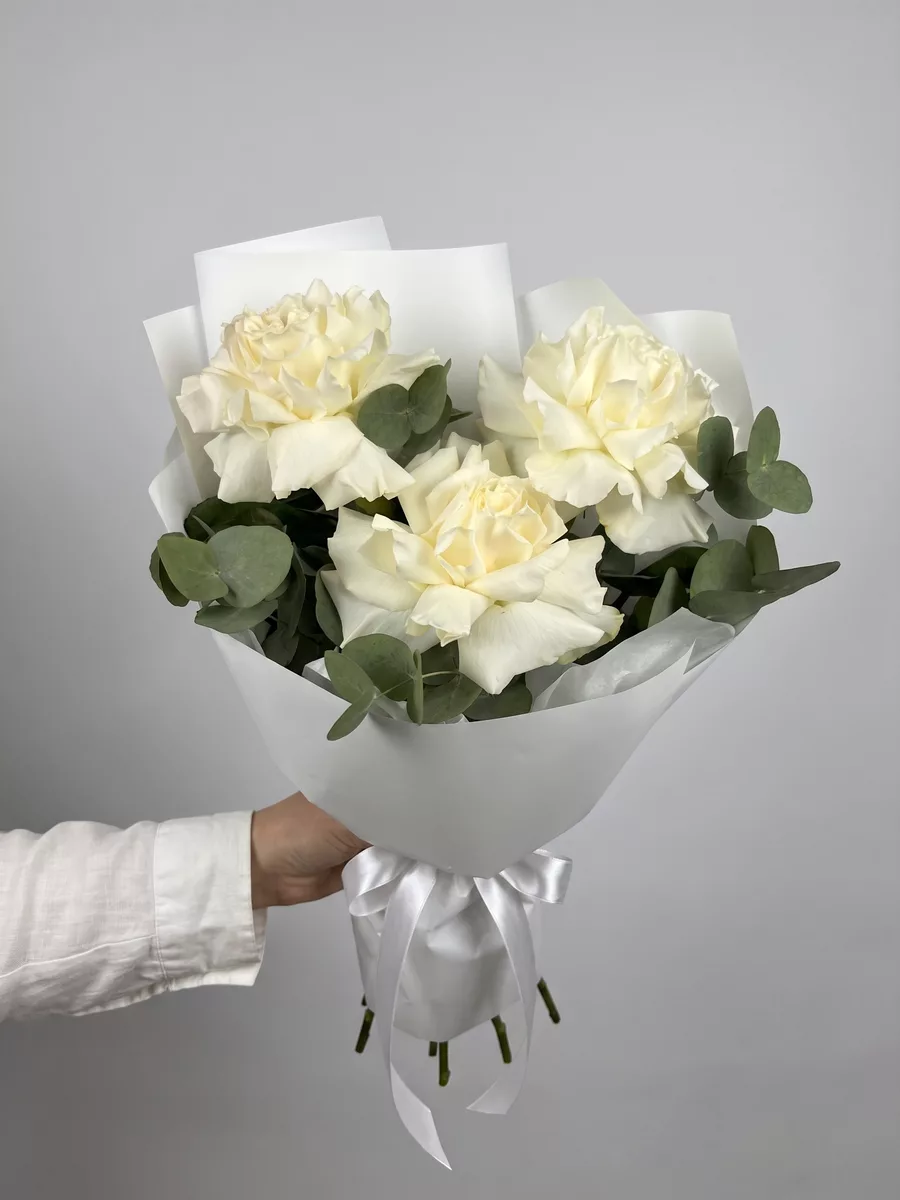
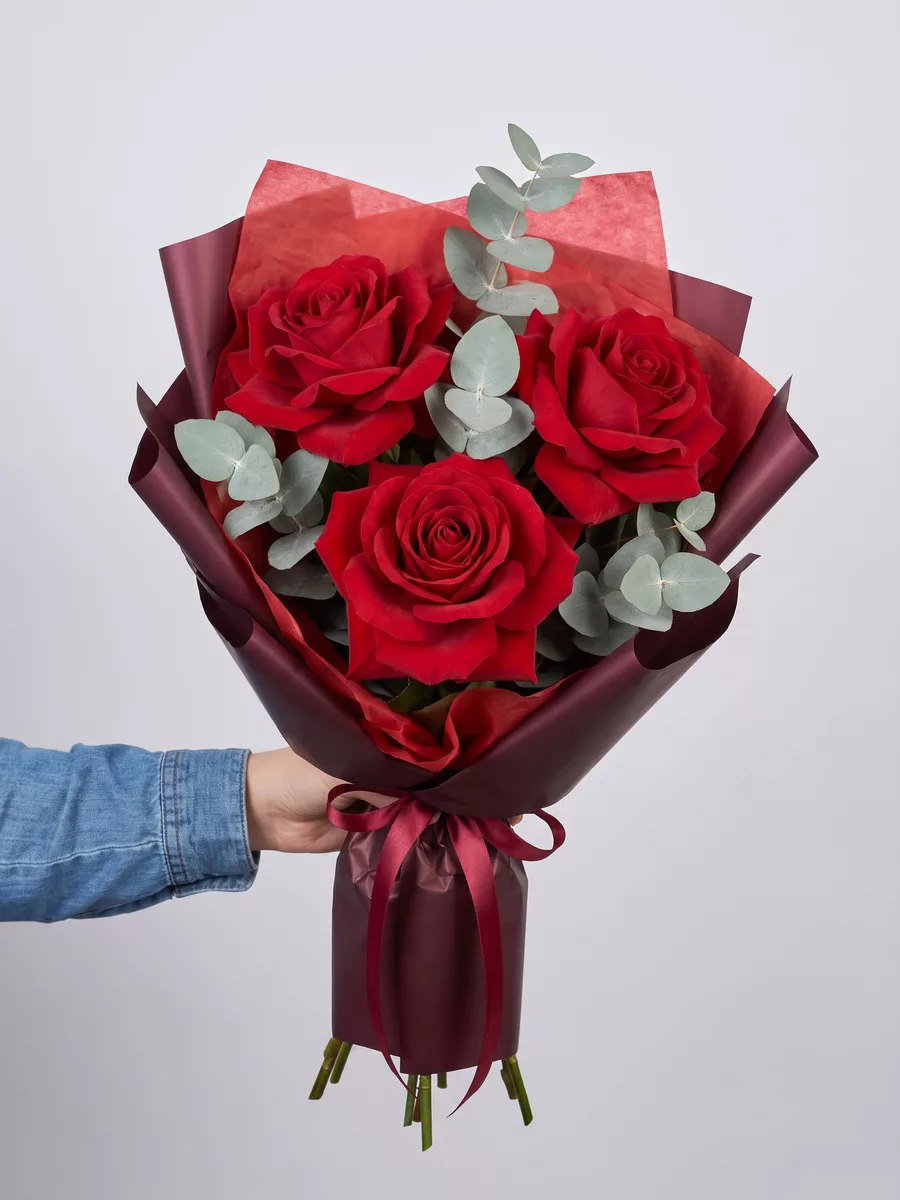
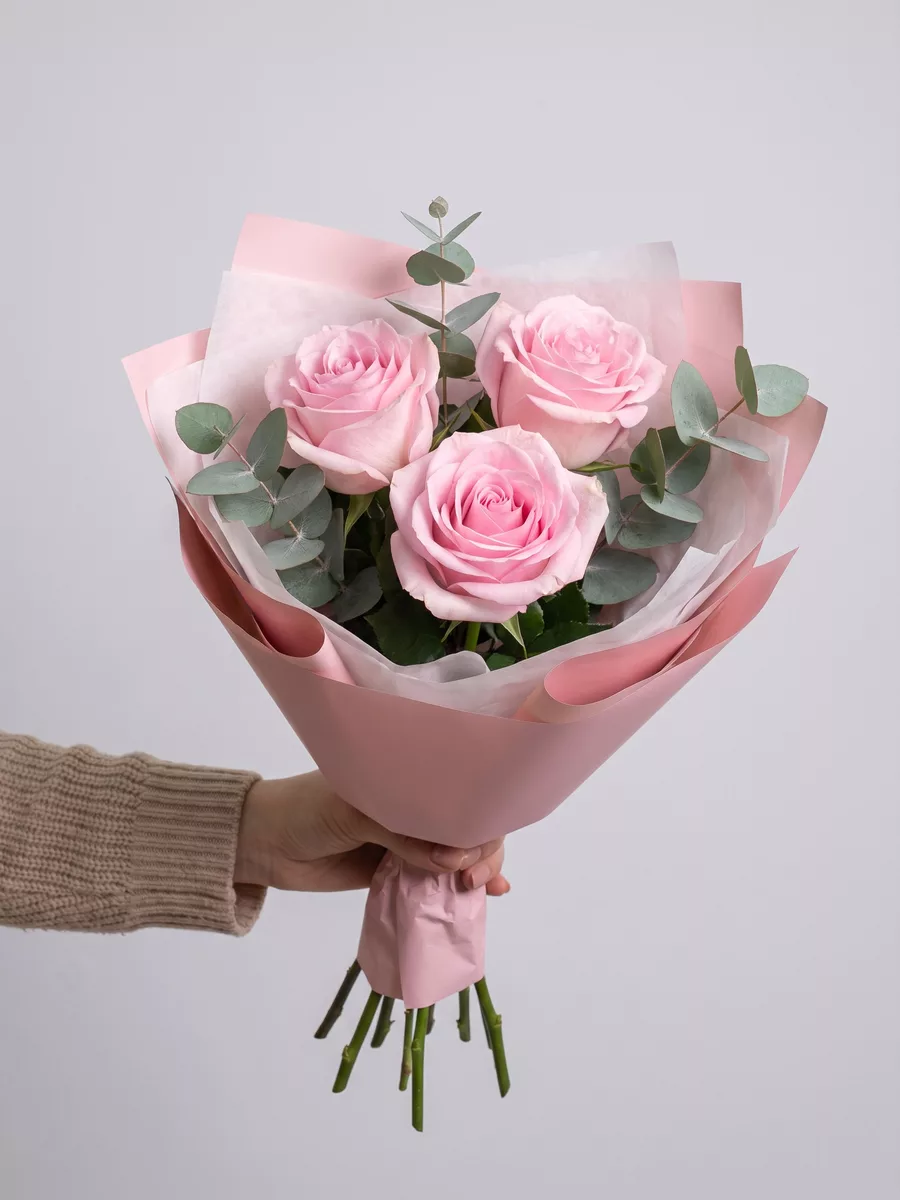
Bouquets we can deliver

Timing Your Order: What Delivery Windows Look Like
Turboflora advertises one-to-two-hour delivery across Russia, and that promise applies within Saint Petersburg and other major cities where our couriers operate directly. For Strezhevoy, the honest answer is that delivery operates on a scheduled basis rather than an instant dispatch model. Orders placed by a confirmed cut-off time are prepared and dispatched to reach the recipient on the agreed date, typically within a same-day or next-day window depending on when you order.
The practical advice is to order as early in the day as possible. An order placed in the morning gives the maximum preparation time and the widest window for the flowers to travel in optimal condition. Late-night or last-minute orders for remote Siberian destinations are harder to fulfil with the same freshness guarantee, so if you have a date in mind — a birthday, an anniversary — lock in your order the evening before or even two days ahead.
When you place the order, you will choose a delivery date. For Strezhevoy, treat that date as a firm commitment rather than an estimate. Our team plans around it from the moment you confirm. If your recipient has a flexible schedule, note it in the comments — knowing that someone is home between noon and six, for example, helps coordinate the handoff cleanly.
One common mistake people make is ordering for a specific hour the way they would in a city with instant courier networks. For Strezhevoy, think in terms of delivery date and half-day window rather than a precise sixty-minute slot. That mindset shift makes the whole experience less stressful and the outcome more predictable for everyone.
Choosing Flowers That Travel Well to Siberia
Not every flower is a good traveller, and Strezhevoy's distance and climate make this choice more consequential than usual. The best starting point is to think about the recipient first — what they love, what the occasion calls for — and then filter that instinct through what holds up well in transit.
Roses are the most reliable long-haul flower available. A well-conditioned rose with its stem properly cut and its petals tight at the bud stage can travel for a full day and still open beautifully over the following three to five days. Choose varieties with dense, multi-petalled heads rather than loose garden-style blooms, which bruise more easily. Red, white, and deep pink roses are perennial favourites in Russian gifting culture and rarely feel like the wrong choice.
Chrysanthemums are another excellent option. They are robust, long-lasting — often ten to fourteen days in a vase — and available in a wide range of colours year-round. Spray chrysanthemums add texture and volume to a bouquet without adding fragility. Alstroemeria, sometimes called Peruvian lily, is similarly tough and colourful, making it a practical choice for mixed arrangements.
Avoid flowers with large, open blooms that have already peaked. Fully open peonies, for example, are gorgeous in a local shop but will arrive bruised after a long journey. Delicate flowers like sweet peas or anemones are better suited to same-city delivery. Tropical varieties such as anthuriums can handle temperature changes if packaged correctly, but they are an advanced choice rather than a default one.
The safest combination for Strezhevoy is a structured bouquet of roses or spray chrysanthemums with eucalyptus or ruscus greenery, which adds visual richness without adding fragility.
Seasonal Considerations: Summer, Winter and the Gaps Between
Strezhevoy experiences genuine Siberian seasons, and the time of year you send flowers affects both what is available and how it needs to be handled. Understanding this helps you make a better choice and set realistic expectations for your recipient.
Winter, which in Strezhevoy can run from October through April, is the most demanding season for flower delivery. Temperatures regularly fall below minus 20 and sometimes minus 30 degrees Celsius. Every bouquet leaving our facility for a Siberian destination in winter is packed in insulated boxes with thermal lining. The outer wrapping is not decorative — it is functional. When your recipient unwraps the bouquet, they may find it feels cool to the touch. That is correct. Let the flowers acclimatise at room temperature for thirty minutes before trimming the stems and placing them in water.
Summer in Strezhevoy brings long daylight hours and warm temperatures, sometimes exceeding 25 degrees Celsius. The risk here is heat, not cold. Flowers should not sit in a warm entrance hall or a sun-facing window after delivery. Instruct your recipient in advance to keep the bouquet away from direct sun and radiators, and to refresh the water daily.
Spring and autumn are the transitional seasons where conditions can change within a single day. A bouquet dispatched in mild morning weather might arrive in an unexpected cold snap. Our packaging accounts for this variability, but it is worth noting for your own peace of mind.
For spring occasions — International Women's Day on March 8th is the biggest flower-giving date in Russia — order well in advance. Demand spikes dramatically, and early orders get the best flower quality and the most reliable scheduling.
What the Recipient Should Do When the Bouquet Arrives
A bouquet that has travelled to Strezhevoy deserves a proper welcome. The way the recipient handles it in the first thirty minutes determines whether it lasts three days or ten. Sharing a few simple instructions with the person you are sending to is one of the most caring things you can do alongside the gift itself.
First, unwrap the bouquet carefully and let it breathe. If it arrived in winter packaging, do not rush to remove all the insulation at once. Give it ten to fifteen minutes to adjust gradually before fully unwrapping. Then cut the stems at a diagonal — about two centimetres from the bottom — using a clean, sharp knife or scissors. A diagonal cut maximises the surface area for water uptake.
Place the flowers immediately in a clean vase with fresh, cool water. Room-temperature water is fine; ice-cold water slows hydration. Remove any leaves that would sit below the waterline, as submerged foliage decays quickly and clouds the water. Change the water every two days and re-trim the stems each time.
Keep the bouquet away from heat sources: radiators, sunny windowsills, televisions, and fruit bowls. Ripening fruit releases ethylene gas, which accelerates petal drop. A cool room, ideally between 16 and 20 degrees Celsius, is ideal.
Roses in particular benefit from a technique called deep conditioning. Place them in a tall container filled almost to the top with water and leave them in a cool, dark spot for two hours after arrival. This allows the stems to fully hydrate before the flowers go on display. It makes a noticeable difference in how long they stay upright and vibrant.
A small note with these instructions tucked into the bouquet wrapping is a thoughtful touch that many recipients genuinely appreciate.
Making the Bouquet Feel Personal for Someone Far Away
One of the quiet challenges of sending flowers to a remote city is that you cannot stand in a shop and point to what feels right. You are choosing at a distance, for a person you know, to mark a moment that matters. That gap between intention and outcome is where thoughtful choices make all the difference.
Start with colour rather than variety. Colours carry emotional weight that translates across any distance. Warm tones — deep red, coral, amber, burnt orange — feel celebratory and passionate. Soft tones — blush pink, cream, pale lavender — feel tender and affectionate. White signals elegance and sincerity. Knowing your recipient's home decor or favourite colour gives you an immediate shortcut to the right palette.
Think about the occasion from the recipient's perspective. A colleague receiving flowers for a work anniversary will feel differently about a formal, structured arrangement than a close friend will feel about a loose, romantic bouquet. A mother receiving flowers from a child living far away wants something that feels warm and personal, not corporate. Let the relationship guide the composition.
Adding a handwritten card message is the single most impactful thing you can do alongside the flowers. In Russian gifting culture, the card is read carefully and often kept. A few sincere sentences — specific, not generic — make the bouquet feel like a conversation rather than a transaction. Mention something only you and the recipient share, and the flowers become a memory rather than just a gesture.
If you want to go further, consider adding a small gift alongside the bouquet. A box of chocolates or a scented candle paired with flowers creates a moment rather than just a delivery, and it signals that you thought about the full experience of receiving something special.
Common Questions People Have Before Ordering to Strezhevoy
People ordering flowers to a remote Siberian city for the first time tend to have a cluster of similar concerns, and addressing them directly helps everyone feel more confident in the process.
The most common question is whether the flowers will actually arrive fresh. The answer depends on two things: the varieties chosen and the packaging used. With the right selection — robust, closed-bud flowers in insulated packaging — freshness on arrival is achievable and is something we take seriously at Turboflora. It is not a guarantee we offer casually.
The second common concern is address accuracy. Strezhevoy uses a standard Russian address format: city, street name, building number, apartment number. If your recipient lives in a multi-storey residential block, include the entrance number and floor if you know them. This reduces the chance of any delay at the final step. If you are unsure of any detail, it is better to call the recipient in advance than to guess.
People also ask whether they can request a specific delivery time. As explained earlier, Strezhevoy operates on a date and window basis rather than a precise hour. You can note a preferred time window in the order comments, and we will do our best to work within it, but the confirmed delivery date is the primary commitment.
Finally, some customers worry about what happens if the recipient is not home. Include a contact phone number for the recipient in your order. Our courier will call ahead, and if no one is available, we will coordinate a new handoff time. Flowers will not be left unattended in Siberian outdoor conditions — that is a firm rule that protects both the bouquet and the gift experience you intended.
Sending flowers to Strezhevoy is an act that carries more weight than most people realise when they place the order. For someone living in a remote Siberian city, a fresh bouquet arriving at their door is a reminder that distance is not a barrier to being thought of. When you choose the right flowers, order with enough lead time, and pass along a few simple care tips to your recipient, the bouquet does exactly what you intended — it lands as a genuine moment of warmth in someone's day. Turboflora handles the logistics; you bring the intention.
Frequently asked questions
Can I really send fresh flowers to Strezhevoy from Saint Petersburg?
Yes. Flowers are prepared fresh, packed in insulated boxes suited to Siberian temperatures, and dispatched to arrive on your chosen delivery date. Selecting hardy varieties such as roses or spray chrysanthemums gives you the best chance of the bouquet arriving in excellent condition, ready to open over the following days.
How far in advance should I place an order for Strezhevoy?
Ordering one to two days ahead is strongly recommended, especially for important dates. For high-demand occasions like March 8th, place your order three to five days early. Morning orders on the day before your target delivery date are generally manageable, but last-minute same-day requests for remote destinations carry more risk of delay.
What flowers should I avoid sending to Strezhevoy in winter?
Avoid fully open blooms — peonies past their bud stage, open garden roses, or anemones — as they bruise easily in transit. Delicate tropical flowers are also a risk in extreme cold. Stick to tight-budded roses, chrysanthemums, or alstroemeria, all of which travel well and open gradually once the recipient places them in water.
Will the bouquet come with care instructions for the recipient?
A care card is included with orders. You can also add your own message through the card field at checkout. We recommend telling your recipient in advance to keep the bouquet away from heat sources, to re-cut the stems diagonally on arrival, and to change the vase water every two days for the longest possible vase life.
What happens if my recipient is not home when the flowers arrive?
Our courier will call the recipient's phone number before or upon arrival. If no one is available, we coordinate a second delivery attempt rather than leaving flowers unattended outdoors, which would damage them in Siberian conditions. Always include an active phone number for the recipient when placing your order to avoid any complications.
Ready to send flowers?
Pick the city, choose the bouquet, and a local florist takes it from there.
Choose a city →