Sending Flowers to Strunino: Timing, Choices and What Arrives at the Door
Strunino is a quiet town in the Vladimir region, and when someone you care about lives there, distance should not shrink the gesture. Whether you are marking a birthday from across the country or simply saying thank you to a relative who rarely expects surprises, a well-chosen bouquet delivered to their door carries more warmth than any message. This article walks you through exactly what flower delivery to Strunino looks like — from the moment you place the order to the second the recipient opens the door.
Where Strunino Sits and Why It Matters for Delivery
Strunino is a small industrial town in the Alexandrovsky District of the Vladimir Oblast, sitting roughly 100 kilometres northeast of Moscow. It is not a major logistics hub, which means delivery planning here is more deliberate than in a large city. Roads connecting Strunino to the wider region run through Alexandrov, and that route shapes how and when orders move.
Turboflora dispatches from Saint Petersburg with courier routes that reach towns across central Russia, including the Vladimir Oblast. Strunino falls within this coverage, meaning a fresh bouquet assembled in the morning can realistically arrive the same day if the order is placed before the daily dispatch window closes. That window matters — late orders shift to next-day delivery, so timing your order before midday gives the most reliable result.
It is also worth knowing that Strunino's street numbering and building layout can be unfamiliar to people who have never visited. When you place an order, write the recipient's address carefully: building number, apartment number if applicable, and a working phone number. Couriers will call ahead, which is standard practice across Russia and helps avoid missed deliveries when someone is out running errands. A correct address and a reachable phone number are genuinely the two things that make delivery smooth in smaller towns like this one.
Bouquets we can deliver


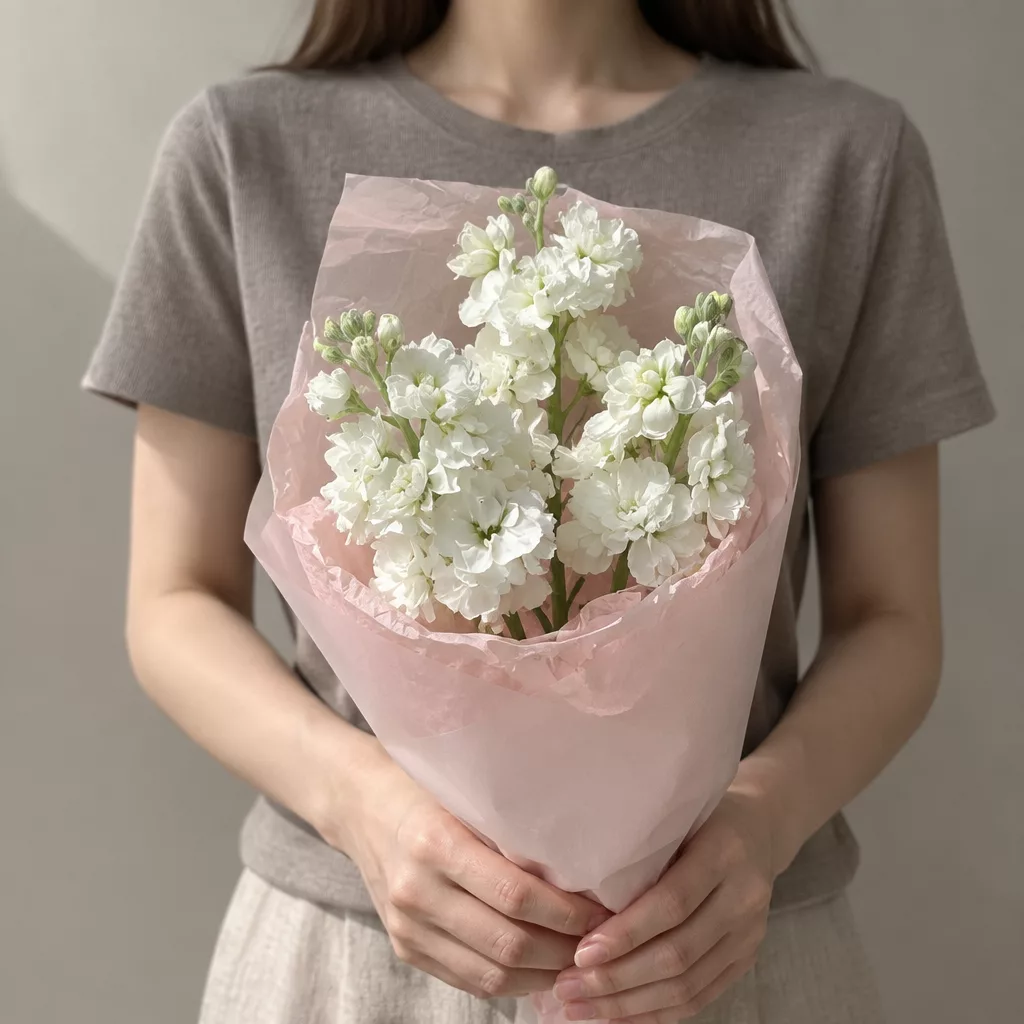
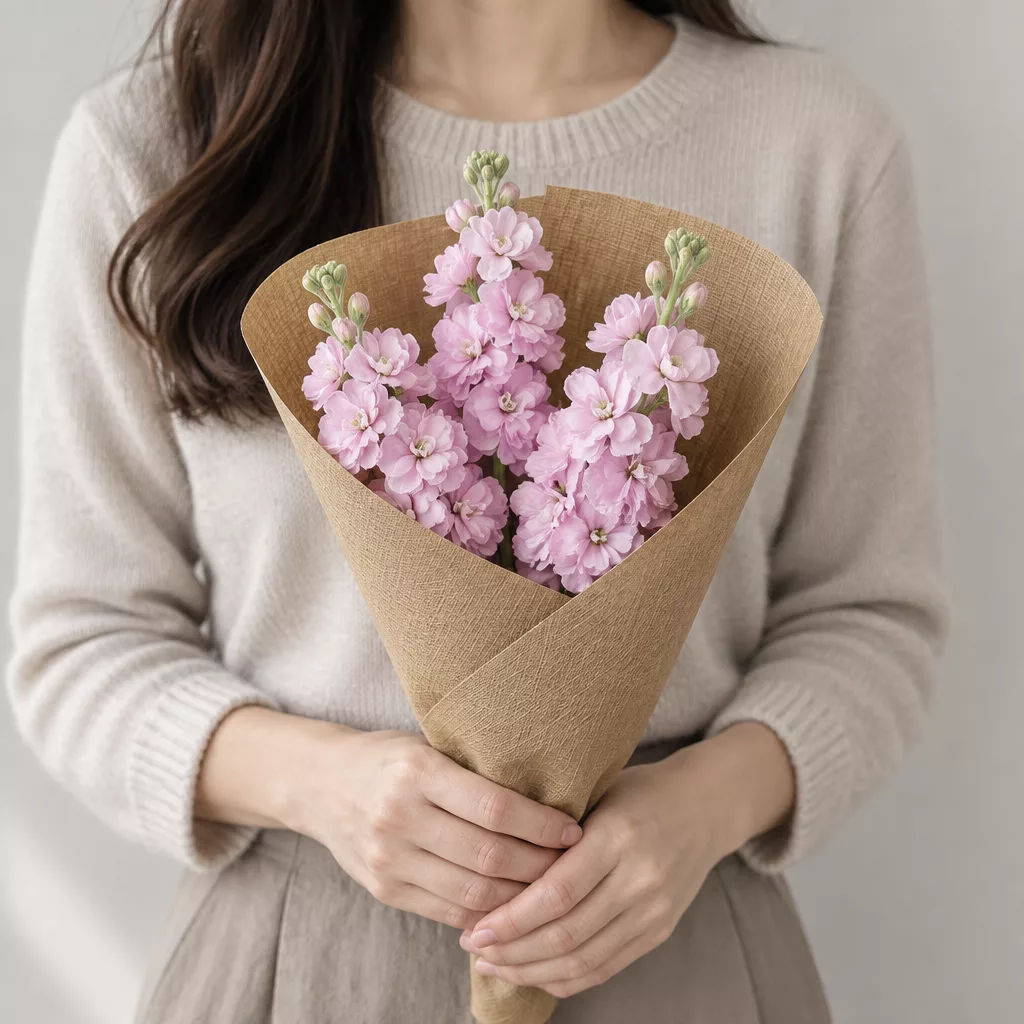
What 'Same-Day Delivery' Actually Means in a Town This Size
In a city like Saint Petersburg or Moscow, same-day delivery can mean flowers at the door within ninety minutes. Strunino is different, and it is better to be honest about that. Same-day delivery here means the bouquet is prepared fresh, dispatched on the day's courier run, and arrives within the same calendar day — typically in the afternoon or early evening depending on route scheduling.
This is not a drawback; it is simply how responsible fresh delivery works over distance. Flowers are not sitting in a warehouse. They are cut, conditioned, arranged and packed close to dispatch time so that they arrive in the best possible condition rather than wilting from hours in transit. A rose that travels well is one that was properly hydrated before it left, wrapped to protect petals from cold or wind, and handled without unnecessary stops.
For occasions with a fixed time — a birthday dinner, a celebration gathering — ordering the evening before is the most reliable approach. This gives the full day for the courier run to complete without any pressure. If you are sending flowers as a spontaneous gesture and the recipient is flexible about when they receive them, a same-day order placed before noon usually works well. Turboflora's order page shows the current available delivery windows, so you can see what is realistic before you confirm.
Choosing Flowers for Someone Who Lives Far Away
When you cannot hand a bouquet to someone directly, you are choosing on their behalf — which is both a responsibility and an opportunity. The most important shift in thinking is this: choose for the recipient's home and personality, not for what looks impressive in a photograph. A grand arrangement of garden roses and eucalyptus works beautifully in a spacious apartment; a compact bunch of spray chrysanthemums and alstroemeria might suit a smaller home better and will last longer on a windowsill.
For longer-distance deliveries, flower longevity becomes part of the gift. Varieties that travel well and hold their shape include alstroemeria, which can last ten to fourteen days with basic care; spray carnations, which are underrated but genuinely resilient; and chrysanthemums in both standard and spider varieties. Lisianthus is a lovely mid-range choice — it resembles a peony but travels far more reliably in cooler temperatures.
Avoid sending fully open garden roses or delicate single-stem tulips if the journey is long and the weather is warm. Tulips in bud, however, travel beautifully and open gradually once the recipient puts them in water — which actually extends the experience of receiving them. Think of the bouquet as something that unfolds over several days in the recipient's home, not just a single moment of unwrapping. That perspective changes which flowers feel like the right choice and which feel like a risk.
Seasonal Flowers and Strunino's Climate
The Vladimir Oblast experiences a continental climate with cold winters and warm summers. Strunino sees genuine frosts from November through March, and summer temperatures can reach the high twenties Celsius in July and August. This range affects both which flowers are available and how they should be packed for transit.
In winter, cold is actually an ally for fresh flowers — low temperatures slow deterioration, and a well-wrapped bouquet can travel in frost without damage if it is insulated correctly. The risk is not the cold itself but sudden temperature changes: a bouquet moving from a warm vehicle into freezing air and back again stresses the stems. Turboflora's couriers pack winter orders with thermal wrapping for exactly this reason.
In summer, the challenge reverses. Heat accelerates wilting, and flowers that would last a week in March might show stress after two days in July if they were poorly conditioned before dispatch. This is when choosing hardier varieties matters most. Sunflowers, statice, gomphrena and solidago hold up well in warm weather. Hydrangeas, by contrast, are sensitive to heat and need water almost immediately after arrival — a beautiful choice in cooler months, but one to consider carefully in July.
Spring and early autumn are the most forgiving seasons for delivery across this region. Flowers like ranunculus, freesia and standard roses travel reliably, the temperatures are moderate, and the seasonal palette is at its widest. If you have flexibility in when you send, spring and September are the easiest windows.
Occasions That Call for Flowers in Strunino
Russian culture places real value on marking occasions with flowers, and this is worth understanding if you are sending from outside the country or simply unfamiliar with local customs. Birthdays are the most common occasion, but flowers also appear at graduations, professional anniversaries, the first day of school in September, and as a thank-you to a teacher, doctor or colleague. Women's Day on March 8th is the single busiest day for flower delivery across Russia — ordering well in advance for that date is essential, not optional.
For a birthday, the classic approach is a monobouquet — one variety, one colour, arranged with care. Roses in a single tone, or a bunch of peonies in season, feel intentional and generous. Mixed bouquets work well when you know the recipient enjoys variety and has a home with space to display something layered.
For a professional milestone or a thank-you, something structured and elegant suits the moment better than something exuberant. White or cream flowers — freesia, lisianthus, white spray roses — read as respectful and considered. Avoid red roses for professional occasions unless the relationship is close; in Russian culture, red roses carry a strong romantic connotation.
For a new home or a housewarming, potted plants are as welcome as cut flowers, but if you are choosing cut flowers, go for something long-lasting and cheerful — alstroemeria in warm tones, or a mixed seasonal arrangement with texture from foliage like ruscus or pittosporum. The goal is something that settles easily into a new space.
Caring for Flowers After They Arrive in Strunino
The recipient's first ten minutes with the bouquet determine how long it lasts. This is worth including in a note with the order, or mentioning if you speak to the recipient beforehand. Most people know to put flowers in water, but the details matter more than people expect.
First, trim the stems at an angle — about two centimetres from the bottom — using scissors or a knife. Do this under running water or with the stems submerged if possible. An angled cut increases the surface area absorbing water and prevents the flat base of the stem from sealing against the bottom of the vase. Second, remove any leaves that would sit below the waterline. Leaves in water decompose quickly, cloud the water and introduce bacteria that shortens vase life.
Fill the vase with cool, clean water. Many florists recommend adding a small sachet of flower food, which Turboflora includes with orders — it contains a mild acidifier, a sugar source and a bactericide that together extend life noticeably. Change the water every two days and re-trim the stems slightly each time.
Keep the bouquet away from direct sunlight, radiators and fruit bowls. Ripening fruit releases ethylene gas, which accelerates aging in cut flowers — particularly in roses and carnations. A cool room, indirect light and fresh water are the three conditions that make the biggest difference. Alstroemeria kept this way regularly lasts twelve to fourteen days. Spray roses in good conditions will hold for eight to ten days. Chrysanthemums, properly cared for, can reach two weeks.
What to Write When You Cannot Be There in Person
A bouquet without a card is a beautiful object without a voice. In Russia, it is common to include a handwritten note, and Turboflora attaches a printed card with your message to the order. The message does not need to be long — in fact, shorter messages often land harder than elaborate ones. A single specific sentence beats three generic ones every time.
Instead of writing 'Wishing you all the best on your special day,' try something that names what you actually feel: 'I thought of you this morning and wanted you to know it.' Or name the flowers themselves: 'I chose peonies because you always said they were your favourite.' Specificity is warmth made visible.
If you are sending to someone who does not know you well — a colleague, a teacher, a neighbour who helped during a difficult time — keep the tone warm but measured. A short thank-you that names the specific act you are grateful for is more meaningful than a grand gesture. 'Thank you for the afternoon you spent helping us settle in. These are for your kitchen table.' That is enough.
For family members, especially older relatives in smaller towns like Strunino who may not be used to receiving deliveries, a phone call before or after the delivery adds to the experience. Knowing that flowers are coming can be as lovely as receiving them. And calling afterward to hear their reaction closes the loop in a way that no card message can replace. The delivery is the gesture; the conversation around it is the relationship.
Sending flowers to Strunino is not complicated once you understand the rhythm of it — order before midday for same-day delivery, choose varieties that travel and last, write something specific on the card, and trust that the recipient will feel the distance collapse the moment the bouquet arrives. Turboflora handles the logistics so that your attention stays where it belongs: on the person you are thinking of and what the flowers mean when they open the door.
Frequently asked questions
Can I order flowers to Strunino for delivery the same day?
Yes, same-day delivery to Strunino is available when you place your order before the midday dispatch window. The bouquet is prepared fresh and sent on the day's courier run, arriving in the afternoon or early evening. For time-sensitive occasions, ordering the evening before gives the most reliable result and removes any timing pressure.
Which flowers hold up best for delivery to a town like Strunino?
Alstroemeria, spray carnations, chrysanthemums and lisianthus travel reliably over distance and last well once they arrive. Tulips in bud are also excellent — they open gradually in the recipient's home. Fully open garden roses and single-stem tulips are more fragile and better suited to short local deliveries where transit time is minimal.
What happens if the recipient is not home when the courier arrives?
The courier calls the recipient's phone number before arriving, which is standard practice for deliveries across Russia. This is why a working phone number on the order is essential. If the recipient cannot be reached, the courier will attempt contact and follow up. Providing a neighbour's number or a building manager's contact as a backup is a helpful precaution for smaller towns.
Are there any occasions when I should avoid sending certain flower colours in Russia?
Red roses carry a strong romantic meaning in Russian culture, so they are best reserved for close personal relationships rather than professional or formal occasions. Yellow flowers are sometimes associated with separation in older Russian tradition, though younger recipients rarely hold this view. When in doubt, white, cream, pink or mixed-colour arrangements are universally well received across all occasions and relationships.
How should the recipient care for the bouquet to make it last as long as possible?
Trim stems at an angle, remove leaves below the waterline, and place the bouquet in cool clean water immediately. Use the flower food sachet included with the order. Change the water every two days, re-trim stems slightly each time, and keep the arrangement away from direct sun, heat sources and fruit. Alstroemeria and chrysanthemums cared for this way can last up to two weeks.
Ready to send flowers?
Pick the city, choose the bouquet, and a local florist takes it from there.
Choose a city →