Flower Delivery in Stupino: Timing, Choices and What Arrives at the Door
Ordering flowers for someone in Stupino feels straightforward until you start wondering whether the roses will still look fresh after the journey, whether the courier will call ahead, or whether the recipient will be standing at the door in confusion. These are fair questions, and the answers make the difference between a gift that lands well and one that quietly disappoints. This article walks you through everything worth knowing before you place an order — from how delivery actually works in this part of Moscow Oblast to which flowers hold up best in transit and what your recipient can do to keep them beautiful for as long as possible.
Where in Stupino We Deliver and Why the District Matters
Stupino is a mid-sized town in Moscow Oblast, sitting roughly 100 kilometres south of the capital along the Oka River. The town itself is compact, but the surrounding municipality includes several villages and settlements — Mikhnevo, Semyonovskoye, Belopesotsky and others — that share a postcode area yet sit at very different distances from the central streets.
When you place an order, the delivery zone covers the town of Stupino proper and the closer settlements within the municipal district. If your recipient lives in one of the more remote villages, it is worth specifying the full address including the settlement name, not just the district. A street name alone can exist in two or three places across the area, and a courier heading to the wrong one wastes time that fresh flowers cannot afford.
The town centre, the residential mikrorayons along Komsomolskaya and the areas near the railway station are all well within our standard delivery radius. Industrial zones on the eastern edge of town are accessible too, though deliveries to workplaces there sometimes require a gate pass or a contact number for the security desk — details worth mentioning when you order.
Knowing the district also helps with timing. A central Stupino address in the afternoon is a straightforward run. A village address during the morning rush on the Moscow-Kashira highway is a different calculation entirely, and we factor that in when confirming your delivery window.
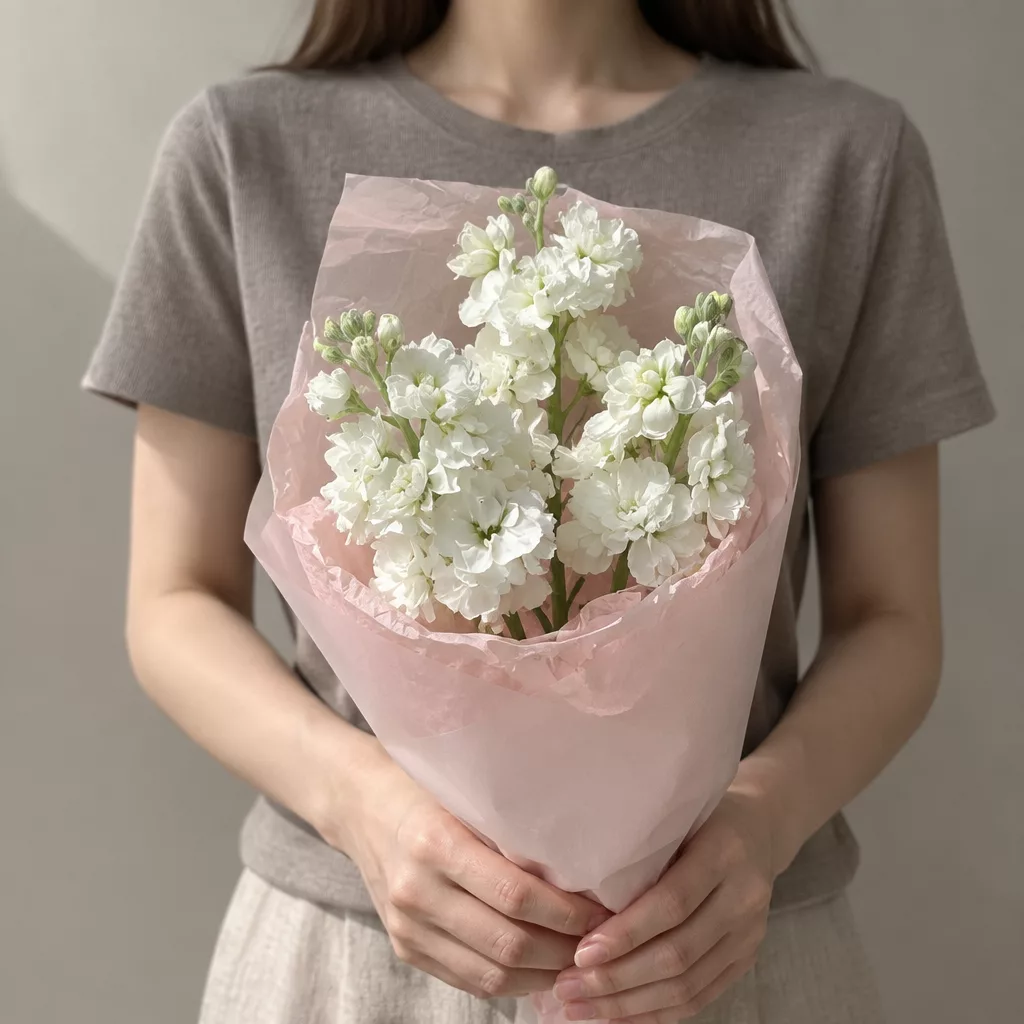
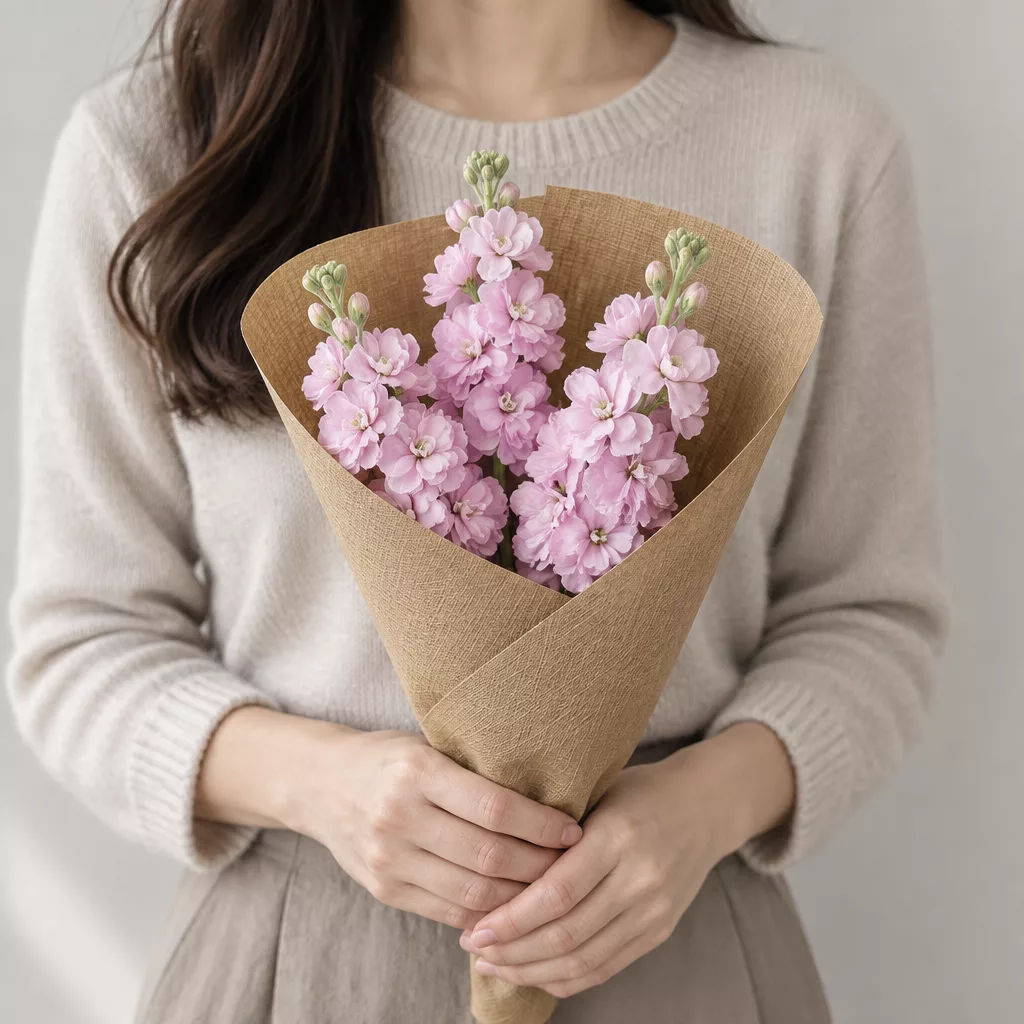
Bouquets we can deliver


Realistic Timing: What One to Two Hours Actually Means
The one-to-two-hour delivery window is a genuine target, not a marketing phrase. It reflects the time from when your order is confirmed and the bouquet is assembled to when the courier reaches the recipient's door. For Stupino, the assembly happens at our end, and the courier heads out with a finished, wrapped arrangement — not loose stems in a bucket.
The honest version of timing looks like this: during weekday mornings and early afternoons, deliveries to central Stupino addresses typically land within the shorter end of that window. Weekend afternoons and the stretch between 17:00 and 20:00 on weekdays are the busiest periods. Traffic on the M4 and the Kashira direction roads can add twenty to thirty minutes, especially in summer when dacha traffic is heavy.
This is not a reason to avoid ordering at peak hours — it is a reason to order slightly earlier than you think you need to. If the occasion is a birthday dinner at 19:00, placing the order by 16:30 gives comfortable margin. If you need the flowers to arrive before the person leaves for work, a morning slot before 10:00 is the right call.
We confirm the delivery window when your order is accepted, and the courier calls the recipient roughly fifteen to twenty minutes before arrival. This matters in Russia, where it is considered polite to announce yourself rather than simply ring the doorbell unannounced — and it also means your recipient is not caught in the shower or mid-meeting when the flowers appear.
Choosing the Right Flowers for the Occasion and the Person
The best starting point is not the flower itself but the person receiving it and the feeling you want to create. A colleague celebrating a promotion responds differently to a structured arrangement of white spray roses and eucalyptus than a grandmother does — she might love a loose, garden-style mix of lisianthus, alstroemeria and seasonal greenery that reminds her of a summer dacha.
For romantic occasions, red or deep burgundy roses remain the classic choice in Russian culture, and they carry genuine weight. A single-variety bouquet of twenty-five long-stemmed roses reads as deliberate and generous. If the recipient is younger or has a more contemporary taste, a mixed arrangement with garden roses, ranunculus in blush or apricot tones and some textural foliage feels less formal and often more personal.
For birthdays, the number of flowers carries meaning in Russian tradition: always an odd number for a living recipient, even numbers for mourning. This is one of those customs that surprises non-Russian senders, and it is worth knowing. Eleven roses, fifteen tulips, seven stems of peony — these feel right to a Russian recipient in a way that a round dozen does not.
For a new baby or a housewarming, soft colours work well — pale yellow freesia, white chrysanthemum, lavender-toned statice. These arrangements feel celebratory without being overwhelming. Avoid strongly scented flowers like lilies if the recipient has a newborn or a cat at home, as both are sensitive to the fragrance and, in the case of cats, to lily pollen specifically.
How Flowers Travel and What Protects Them in Transit
The journey from our workroom to a door in Stupino is not long in kilometres, but temperature and handling during that window determine whether the flowers arrive looking as they did when they left. We wrap each arrangement in layers that serve a specific purpose: a moisture-retaining inner layer around the stems, a structural sleeve that protects the blooms from pressure, and an outer wrap that holds the shape during the drive.
Temperature is the variable that most people overlook. In summer, when Stupino afternoons reach 28 to 32 degrees Celsius, flowers in a warm car deteriorate faster than in any other condition. Roses close up and then reopen unevenly; gerbera stems go limp; tulips open too fast and lose their shape within hours. Our couriers keep the vehicle cool and carry arrangements upright rather than laid flat — a detail that sounds minor but prevents bruising on delicate petals.
In winter, the risk is the opposite: frost damage. Chrysanthemums and alstroemeria handle cold reasonably well, but roses and tulips need protection below minus five Celsius. We add insulating wrap for winter deliveries and ask couriers to minimise the time flowers spend outside between the car and the building entrance.
If you are ordering in July or January, it is worth mentioning any access complications — a building with a slow lift, an outdoor walk from the parking area to the entrance, or a recipient who may not answer quickly. These small details let us prepare the packaging accordingly and give the flowers the best possible start in their new home.
Seasonal Flowers That Work Best for Stupino Deliveries
Choosing flowers that are genuinely in season is one of the most reliable ways to get a beautiful result. In-season varieties are fresher when they arrive at our workroom, they travel better and they last longer in the vase. Out-of-season flowers are not impossible, but they often come from longer supply chains, which means they have already spent more time in transit before we even begin assembling your bouquet.
In spring, tulips are the standout choice — they are abundant, affordable in volume and available in dozens of colours from cream and yellow through deep purple and near-black. Peonies arrive in late May and carry through June; they are generous, fragrant and deeply loved in Russian culture. A bouquet of peonies in soft pink or white feels genuinely luxurious at this time of year.
Summer brings lisianthus, which looks like a smaller, more delicate rose and holds up exceptionally well in heat. Sunflowers are cheerful and sturdy, lasting seven to ten days with basic care. Hydrangea is popular in summer but needs careful handling — it wilts quickly if the stem is not re-cut and placed in water immediately after delivery.
Autumn is the season for dahlias, which come in extraordinary variety — spiky cactus forms, flat decorative heads, small pompoms in rust, amber and deep red. They suit the season and the palette that feels right in September and October. Winter deliveries lean on roses, which are available year-round from Dutch and Ecuadorian growers, as well as spray carnations and alstroemeria, both of which are robust and long-lasting in heated apartments.
What Your Recipient Should Do When the Flowers Arrive
The moment the bouquet arrives is not the end of the process — it is the beginning of the flowers' life in the home. A few simple actions in the first thirty minutes make a significant difference to how long the arrangement stays beautiful, and it is worth passing these along if you know the recipient well enough to do so without it feeling like homework.
The first step is to re-cut the stems at a diagonal angle, about two centimetres up from the bottom, while holding them under or just above water. This removes any air bubbles that have formed during transit and gives the stems a fresh surface for drawing up water. A sharp knife is better than scissors, which can crush the stem tissue. This single step can add two to three days to the vase life of roses and tulips.
The vase should be clean and filled with cool, fresh water. Flower food sachets, if included with the delivery, genuinely help — they contain a mild biocide, a pH adjuster and a sugar source that feeds the blooms. If there is no sachet, a small amount of sugar and a drop of bleach in the water achieves a similar effect.
Keep the arrangement away from direct sunlight, heating radiators and fruit bowls. Ripening fruit releases ethylene gas, which accelerates the ageing of flowers — particularly roses and carnations. A cool spot on a table away from a south-facing window is ideal. In a well-maintained vase with fresh water changed every two days, roses should last seven to ten days, lisianthus up to twelve, and alstroemeria sometimes two full weeks.
Making the Order Smooth: Details That Actually Help
Placing an order is simple, but a few specific pieces of information make the whole process faster and reduce the chance of any delay or confusion at the delivery end. The most important is the full address: street, building number, entrance number if the building has more than one, floor and apartment number. In Stupino, as in most Russian towns, large residential buildings often have four to eight separate entrances, and a courier without the entrance number can spend ten minutes locating the right door.
The recipient's phone number is equally important. We call ahead, and if the number is incorrect or the phone is switched off, the courier has no way to reach the person. If you are planning a surprise and do not want the recipient to see an unknown number from a florist, it helps to warn them that a delivery is coming without specifying what it is — this keeps the element of surprise while ensuring someone is available to receive the flowers.
For deliveries to workplaces, it is worth checking whether the office or facility has a reception desk that accepts deliveries, or whether the courier needs to be met at the entrance. Some industrial sites in the Stupino area require a visitor pass, and knowing this in advance saves everyone time.
Finally, if you have a specific arrival time in mind — before a dinner, before a guest leaves, before a meeting starts — say so when ordering. We work with time slots and will confirm whether the window you need is achievable. Honest confirmation is more useful than a vague promise, and we would rather tell you to order thirty minutes earlier than have the flowers arrive after the moment has passed.
Ordering flowers for someone in Stupino is genuinely straightforward when you know what to expect at each step. The town is well within our delivery area, the timing is reliable when you account for the right window, and the flowers we send are chosen and packed to arrive in the same condition they left our workroom. The customs around flower numbers, the seasonal choices that travel best, the small actions your recipient can take when the bouquet arrives — none of these are complicated, but all of them together turn a good gift into one that is remembered. Whether it is a birthday in a residential mikrorayon or a surprise at a workplace near the station, the goal is the same: flowers that look exactly as you imagined them when you placed the order.
Frequently asked questions
Can I order flowers to a village near Stupino, not the town itself?
Yes, we deliver to settlements within the Stupino municipal district, including several villages close to the town. When ordering, include the full settlement name and street address rather than just the district name. If you are unsure whether a specific address falls within our delivery zone, contact us directly before placing the order and we will confirm immediately.
Why do Russian bouquets always have an odd number of flowers?
In Russian tradition, even numbers of flowers are associated with mourning and are brought to funerals or placed at graves. For any living recipient — a birthday, an anniversary, a celebration — an odd number is the correct and respectful choice. This is a deeply held custom across generations, and a recipient who notices an even count may feel unsettled even if they say nothing.
What happens if the recipient is not home when the courier arrives?
The courier calls ahead roughly fifteen to twenty minutes before arrival, so most recipients have time to be available. If the person is genuinely unreachable, we contact you as the sender to agree on next steps — a second delivery attempt, leaving the flowers with a neighbour if the recipient agrees, or another arrangement. We do not leave flowers unattended in a hallway or at a door.
Which flowers last the longest in a warm Stupino apartment in summer?
Alstroemeria and lisianthus are the most reliable choices in warm indoor conditions, often lasting ten to fourteen days with basic care. Spray chrysanthemums are also very sturdy. Roses last well if the stems are re-cut and the water is changed every two days. Avoid hydrangea in summer heat unless the recipient is prepared to mist the blooms and change the water daily.
Can I include a handwritten card or a personal message with the delivery?
Yes, and we encourage it. A short message can be added when you place the order, and we include it as a printed or handwritten card with the bouquet. In Russian gifting culture, a personal note adds considerable warmth to a flower gift and is expected for significant occasions. Keep the message to a few sentences and we will present it neatly alongside the arrangement.
Ready to send flowers?
Pick the city, choose the bouquet, and a local florist takes it from there.
Choose a city →