Sending Flowers to Sukhinichi: Timing, Choices and What Arrives at the Door
Ordering flowers for someone in Sukhinichi feels different from ordering for a person in the same city as you. There is a distance involved, and with distance comes a small, natural worry: will they arrive fresh, will they look the way you imagined, will the moment land right? This article walks you through exactly what the delivery process looks like, which flowers travel best to this part of Kaluga Oblast, how to time your order around the occasion, and what your recipient can do to keep the bouquet alive and beautiful for as long as possible.
Where Sukhinichi Sits and Why It Matters for Your Order
Sukhinichi is a small town in Kaluga Oblast, sitting roughly 350 kilometres southwest of Moscow. It is a quiet, unhurried place, and that character actually shapes what a flower delivery means there. When a bouquet arrives in a smaller town, it is noticed. Neighbours see it, colleagues comment on it, family members remember it. The gesture carries more weight than it might in a dense city where deliveries are routine background noise.
From a logistics standpoint, Sukhinichi is reachable via the main road network connecting Kaluga to Bryansk. The town is not isolated, but it is not a major transit hub either, which means delivery windows require a little more planning than for a city like Kaluga or Tula. Turboflora works within these realities rather than around them, building route timing directly into the order process so you are never left guessing.
Understanding the geography also helps you choose the right flowers. The road from the dispatch point passes through varying temperatures depending on the season. In January and February, outdoor temperatures in this region regularly drop below minus fifteen degrees Celsius. In July and August, the same route can see heat above thirty degrees. Both extremes affect cut flowers, and the choices you make at the ordering stage determine how well the bouquet survives that journey. A florist who knows this route thinks about it before they even pick up the first stem.
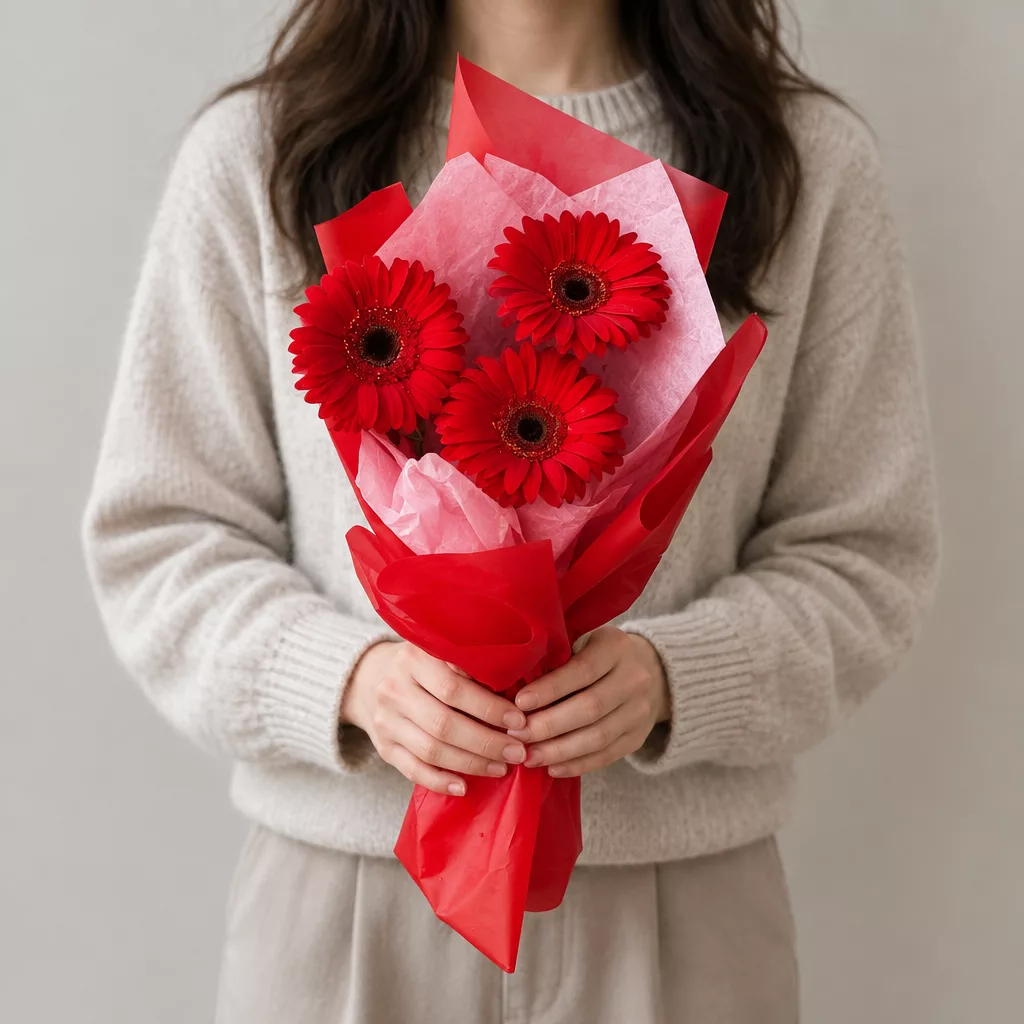
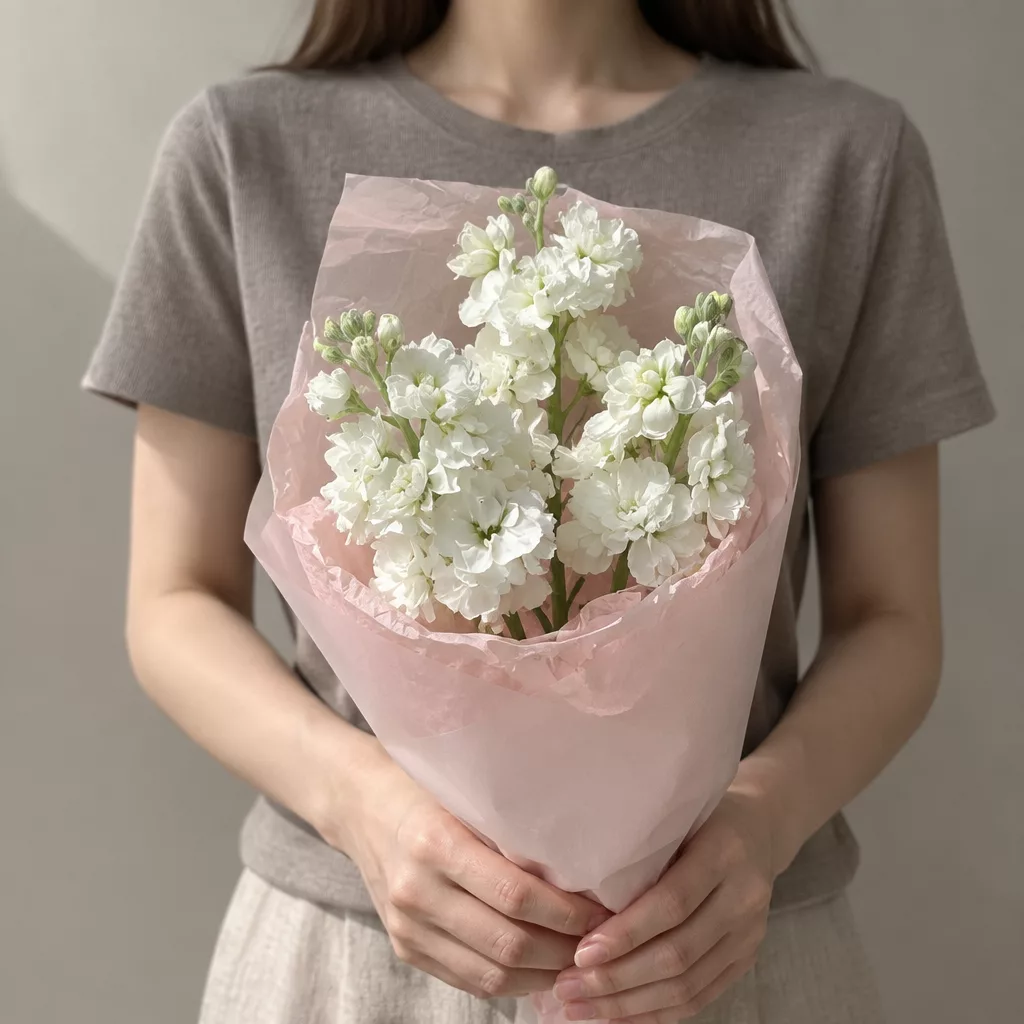
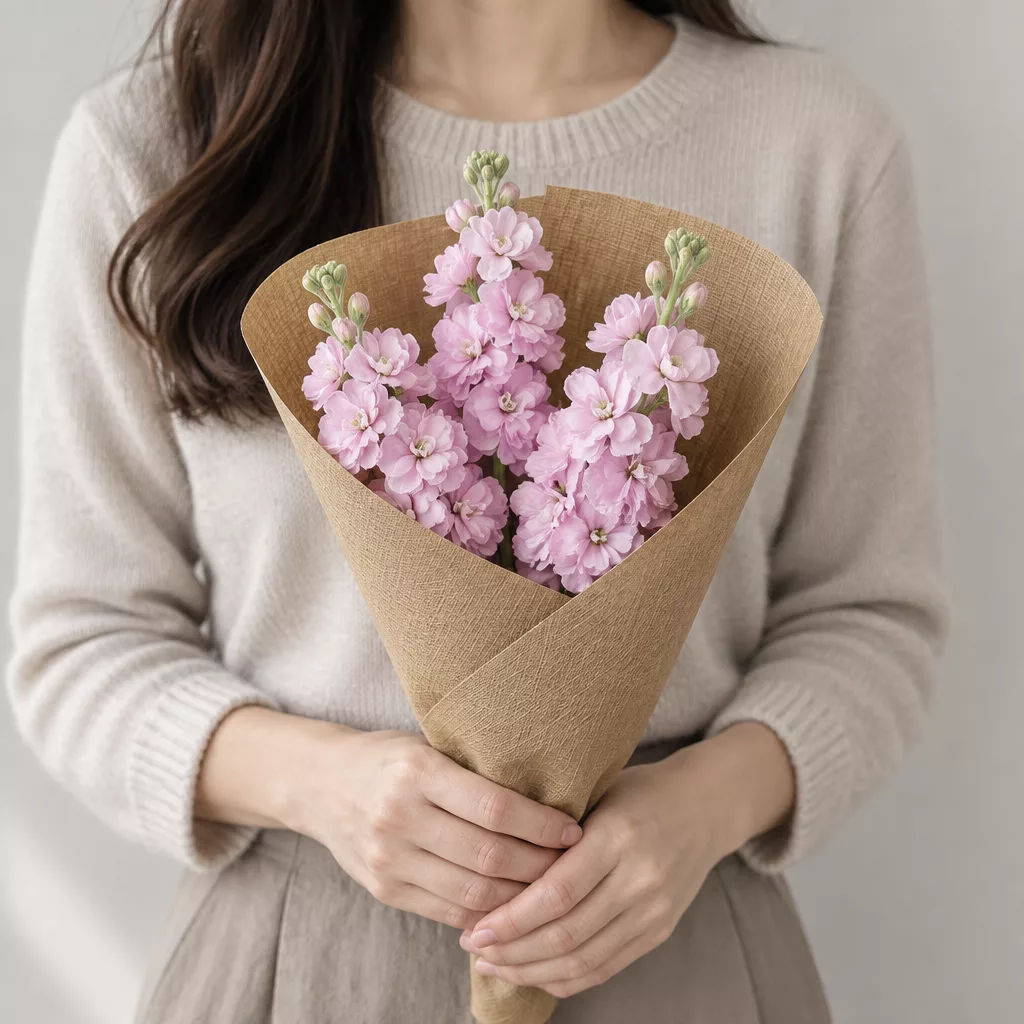
Bouquets we can deliver

Realistic Timing: What One to Two Hours Means for This Route
Turboflora's headline delivery promise is one to two hours, and that figure is genuine for Saint Petersburg and major routes. For Sukhinichi, honesty matters more than a number that sounds impressive. Delivery to this part of Kaluga Oblast involves a longer route, and the realistic window is communicated clearly at checkout before you confirm your order. You will always know the expected arrival time before you pay, not after.
What this means practically is that planning ahead works better than last-minute impulse ordering for Sukhinichi. If the occasion is a birthday, order the evening before or early on the morning of the day itself. If it is an anniversary dinner, think about a midday delivery so the flowers are already in the apartment when the evening begins. Timing a delivery to a workplace in Sukhinichi requires knowing the recipient's schedule, since smaller offices often have irregular hours or a single entrance that may be unstaffed at certain times.
Weather also shifts timing. Heavy snowfall in winter or road works in summer can add time to any route. Turboflora monitors conditions and contacts you if anything changes, rather than leaving you to wonder. The courier carries the bouquet in a temperature-controlled environment, which protects the flowers during any unexpected wait. Roses, for example, are particularly sensitive to being left in a cold car with the engine off, and that detail is managed as a matter of routine, not as an exception. Trust the timing information you receive at checkout, and build a small buffer into your plans.
Choosing Flowers That Travel Well to Kaluga Oblast
Not every flower is a good traveller. Delicate open blooms like garden peonies in full flower or ranunculus at their peak can bruise during a longer journey, arriving with petals already dropping. For Sukhinichi deliveries, the smarter choices are varieties with structural resilience: spray roses, standard roses in bud form, alstroemeria, chrysanthemums, lisianthus and sturdy tulips in season. These hold their shape during transit and open beautifully once they are in water at the recipient's home.
Carnations deserve a specific mention because they are often underestimated. Modern carnation varieties, including dianthus and spray carnations, last ten to fourteen days in a vase, travel without bruising, and hold colour well in both heat and cold. They are not a budget compromise; they are a practical choice that genuinely serves the recipient.
In winter, tropical varieties like anthuriums and orchid stems are surprisingly good for cold-weather delivery because they are already accustomed to controlled environments and do not shock as easily as spring flowers exposed to frost. In summer, sunflowers travel well because their thick stems retain water efficiently, but they should be ordered in bud rather than fully open to allow for the journey.
Avoiding fully open hydrangeas for long routes is worth stating plainly. Hydrangeas wilt faster than almost any other cut flower when they lose hydration, and a two-plus-hour journey without water can set them back significantly. If hydrangeas are meaningful to the recipient, choose buds and make sure the care note you send emphasises immediate deep watering on arrival.
Seasonal Considerations: What Grows When and What That Means for You
Russia's seasons shape the flower market more visibly than in countries with milder climates, and Sukhinichi sits firmly in a continental zone where the difference between February and June is stark. Understanding this helps you set expectations and make choices that suit the time of year rather than fighting against it.
In late January through March, Dutch tulips, hyacinths and daffodils begin appearing in quantity, making them excellent for late winter birthdays or International Women's Day on the eighth of March. That date is the single largest flower-giving occasion in Russia. If you are sending to a woman in Sukhinichi for the eighth of March, order at least two to three days in advance. Demand across the country is extraordinary, and early orders receive better availability on specific varieties.
April through June brings peonies, irises and the first garden roses, and these months offer the widest variety at the most reasonable quality. Summer is generous for choices but demands attention to heat: a bouquet left in a warm car for even thirty minutes in July will arrive looking tired. Turboflora's temperature-controlled courier bags address this directly.
September and October are underrated months for flower giving. Dahlias, autumn roses and seasonal foliage combinations can look genuinely dramatic, and the cooler temperatures actually extend vase life compared to summer. November through January narrows the seasonal palette but highlights the richness of evergreen arrangements, amaryllis and the deep reds and whites that feel right for colder months.
Presenting the Bouquet: What Your Recipient Will Actually See
The packaging is part of the gift, and it shapes the first impression before a single flower is touched. Turboflora wraps bouquets in kraft paper or matte wrapping with ribbon finishing, protecting outer petals during transit while looking considered when the paper is folded back. The wrapping is not there to hide the flowers; it is there to reveal them at the right moment.
For a recipient in Sukhinichi who may not often receive delivered flowers, the presentation itself signals that thought went into the order. A loosely wrapped supermarket bunch and a properly constructed florist's bouquet communicate different things before anyone looks at the card. The difference is in the layering: shorter accent flowers at the front, focal flowers at the center, foliage creating depth at the back, and the stems cut at an angle so they sit at the right height in almost any container.
If you are sending to a workplace, consider the practicality of the size. A very large bouquet is difficult to carry home on a bus or in a small car, and smaller towns have fewer taxis than cities. A medium-sized arrangement that fits comfortably in one arm, with a water vial on the stems to keep them fresh until the recipient gets home, is often more thoughtful than an impressive but unwieldy display.
You can add a handwritten card through the order form, and for recipients in smaller towns, a physical card often means more than a digital message. It becomes something kept rather than scrolled past.
What to Tell the Recipient Before the Flowers Arrive
A small amount of preparation on the recipient's end makes a meaningful difference to how long the bouquet lasts. You do not need to spoil the surprise entirely; a simple message saying something will arrive today is enough to ensure someone is home or has arranged for a neighbour to accept the delivery.
For addresses in Sukhinichi, clear delivery instructions help. The town has a mix of apartment buildings with entry codes and private houses with gates or dogs. If the recipient lives in an apartment block, including the entrance number, floor and flat number in the address field prevents delays. If it is a private house, noting any landmark nearby helps the courier find the right gate on an unfamiliar street.
Once the flowers are received, the most important first step is getting the stems into water quickly. If the bouquet arrives with a water vial on the stems, that buys time, but a proper vase with fresh water is the goal within the first thirty minutes. The stems should be recut at an angle under running water before placing them in the vase, removing about two centimetres from the bottom. This reopens the vascular tissue that may have sealed during transit and allows the flower to drink immediately.
Removing any leaves that would sit below the waterline prevents bacterial growth, which is the main cause of early wilting. Changing the water every two days and keeping the vase away from direct sunlight, radiators and fruit bowls extends vase life noticeably. A banana or apple sitting nearby releases ethylene gas, which accelerates ageing in cut flowers.
Making the Occasion Right: Combinations That Work for Sukhinichi Recipients
The best bouquet for any recipient is the one that reflects something true about them or the moment. In a smaller town like Sukhinichi, where people tend to know each other well and gestures are remembered, a generic all-red rose arrangement can feel less personal than a combination chosen with some thought. This does not mean complicated; it means considered.
For a mother or grandmother, soft combinations work beautifully: cream spray roses with dusty miller foliage and a few stems of white lisianthus create something that feels gentle and lasting. These varieties also hold up well over a week or more, which matters when the recipient will be looking at them every day in a quiet home.
For a friend's birthday, colour creates energy. Bright gerberas in orange and yellow combined with green button chrysanthemums and a few stems of solidago give a bouquet that photographs well and feels celebratory without being formal. Gerberas are sturdy travellers and last well in a vase.
For a romantic occasion, a monochromatic approach often reads as more sophisticated than a mixed palette. All-white or all-blush arrangements with varied textures — garden roses, ranunculus in bud, eucalyptus — feel intentional rather than assembled. If the recipient has a preference for a specific flower, build around that single variety rather than treating it as one element among many.
For a colleague or professional contact, restraint is usually right. A smaller, tidy arrangement of seasonal flowers in neutral tones conveys warmth without overstepping, and it is easy to carry and display in an office or on a desk.
Sending flowers to Sukhinichi is genuinely doable, and when it is done with the right variety choices, clear address information and a little timing awareness, the result is a bouquet that arrives fresh, looks beautiful and lasts. The distance between you and the recipient does not have to show in the flowers. What shows instead is that you thought about it, planned for it and chose something that suits the person and the moment. That is what a good delivery is actually for.
Frequently asked questions
Can I order flowers for same-day delivery to Sukhinichi?
Same-day delivery to Sukhinichi is possible when you order early in the day, giving enough time for the route. For occasions like birthdays or anniversaries, ordering the evening before is more reliable. At checkout you will see the confirmed delivery window before you pay, so there are no surprises about timing.
What happens to the flowers if no one is home when the courier arrives?
The courier will contact the recipient by phone before arriving. If there is no answer, they will also contact you as the sender. For Sukhinichi deliveries, it helps to let the recipient know in advance that something is coming, even without revealing the details, so someone is available to receive it at the agreed time.
Which flowers should I avoid ordering for a long delivery route in summer?
Fully open hydrangeas, open peonies and delicate anemones are the most vulnerable in summer heat. Buds and structurally firm varieties like spray roses, alstroemeria and chrysanthemums handle longer routes much better. If you have a specific flower in mind, the order form notes which varieties are recommended for your delivery area and season.
Is the eighth of March a particularly busy time for deliveries to smaller towns?
Yes. International Women's Day on the eighth of March is the busiest flower-giving day in Russia, and demand in smaller towns like Sukhinichi is just as high as in major cities. Ordering two to three days ahead secures your preferred varieties and delivery time. Tulips, mimosa and roses are the most requested for this occasion.
How long will the bouquet last once it arrives in Sukhinichi?
Most bouquets last seven to ten days with basic care: fresh water every two days, stems recut at an angle on arrival, leaves kept below the waterline removed, and the vase placed away from direct sun and heat sources. Spray roses and alstroemeria regularly reach twelve to fourteen days. Carnations are among the longest-lasting cut flowers available.
Ready to send flowers?
Pick the city, choose the bouquet, and a local florist takes it from there.
Choose a city →